Constant Tension Spring Hose Clamps and Related Fittings: Reliable Solutions for Hose Connections
Constant Tension Spring Hose Clamps are essential components in fluid transfer systems, designed to maintain consistent clamping force on hoses regardless of temperature fluctuations or material expansion. Unlike traditional fixed-clamp designs that may loosen over time due to thermal cycles, Constant Tension Spring Hose Clamps use a built-in spring mechanism to automatically adjust tension, ensuring a tight seal between hoses and fittings. This feature makes them ideal for applications where hoses are exposed to varying temperatures, such as in automotive cooling systems, industrial machinery, or household appliances. The spring element in Constant Tension Spring Hose Clamps is typically made of high-grade stainless steel, which resists corrosion and fatigue, allowing the clamps to maintain performance over long service life. Additionally, their compact structure and easy installation process make Constant Tension Spring Hose Clamps a preferred choice for both professional technicians and DIY enthusiasts.
Constant Tension Radiator Hose Clamps are a specialized variant of Constant Tension Spring Hose Clamps, tailored specifically for the demanding conditions of automotive radiator systems
Radiator hoses experience frequent temperature changes—from cold starts to high-temperature operation—which can cause traditional clamps to lose tension and leak. Constant Tension Radiator Hose Clamps address this issue by using a robust spring that compensates for hose shrinkage or expansion, keeping the connection secure even when the radiator reaches operating temperatures above 100°C. These clamps are often constructed with heat-resistant materials, including nickel-plated steel or stainless steel, to withstand the high heat and coolant exposure in radiator systems. They are compatible with various radiator hose sizes, from small hoses in compact cars to larger hoses in trucks and heavy-duty vehicles, making Constant Tension Radiator Hose Clamps a versatile solution for automotive cooling system maintenance.
Constant Pressure Hose Clamps differ from Constant Tension Spring Hose Clamps in their core working principle, as they focus on maintaining a steady pressure on hose connections rather than relying on spring-driven tension adjustment
These clamps use a threaded bolt or cam mechanism to apply and lock in a specific pressure, which remains consistent unless manually adjusted. Constant Pressure Hose Clamps are well-suited for applications where pressure stability is critical, such as in hydraulic systems or high-pressure fluid lines where sudden pressure drops could lead to equipment failure. While they lack the automatic adjustment of Constant Tension Spring Hose Clamps, Constant Pressure Hose Clamps excel in scenarios with minimal temperature variation, providing a reliable seal that holds up under constant pressure loads. They are commonly used in industrial settings, such as manufacturing plants or construction equipment, where precise pressure control is essential.
Constant Tension Spring Clamps share the same spring-based tensioning technology as Constant Tension Spring Hose Clamps but are designed for broader applications beyond hose connections
These clamps can be used to secure cables, tubes, or even lightweight components in place, maintaining consistent tension to prevent movement or disconnection. For example, in electrical systems, Constant Tension Spring Clamps may secure wiring harnesses to vehicle frames or machinery, ensuring the wires stay organized and protected from vibration. The spring mechanism in Constant Tension Spring Clamps is engineered to handle different load capacities, with variations in spring thickness and material to match specific application needs. Like Constant Tension Spring Hose Clamps, they are often made of corrosion-resistant materials to 适应 outdoor or harsh environments, enhancing their durability and reliability.
Constant Tension Band Hose Clamps combine the tension-adjusting benefits of Constant Tension Spring Hose Clamps with a flexible band design, making them suitable for hoses with irregular shapes or large diameters
The band of these clamps is typically made of thin, malleable steel that can conform to the outer surface of non-circular hoses or hoses with ribbed textures, ensuring even pressure distribution. A built-in spring connects to the band, allowing Constant Tension Band Hose Clamps to adjust tension as the hose expands or contracts. This design is particularly useful in industrial applications, such as in chemical processing or agricultural machinery, where hoses may have unique shapes to fit complex equipment layouts. Constant Tension Band Hose Clamps also feature easy-to-use fastening mechanisms, such as toggle levers or screw adjustments, which simplify installation and removal without compromising the clamp’s tension-holding ability.
In summary, Constant Tension Spring Hose Clamps serve as the foundation for reliable, self-adjusting hose connections, using a spring mechanism to maintain consistent tension and prevent leaks in dynamic environments. Constant Tension Radiator Hose Clamps build on this design to meet the high-temperature demands of automotive cooling systems, while Constant Pressure Hose Clamps offer stable pressure control for static, high-pressure applications. Constant Tension Spring Clamps extend the spring-tension concept to non-hose uses, securing cables and components, and Constant Tension Band Hose Clamps add flexibility for irregular hose shapes. Together, these clamps address a wide range of fluid transfer and component-securing needs across automotive, industrial, and household sectors. As equipment designs become more complex and operating conditions more demanding, these constant-tension and constant-pressure clamps will continue to play a vital role in ensuring safe, efficient, and long-lasting connections.
Constant Tension Spring Hose Clamps FAQs
What are the two main categories of constant tension spring hose clamps based on their structure and installation conditions?
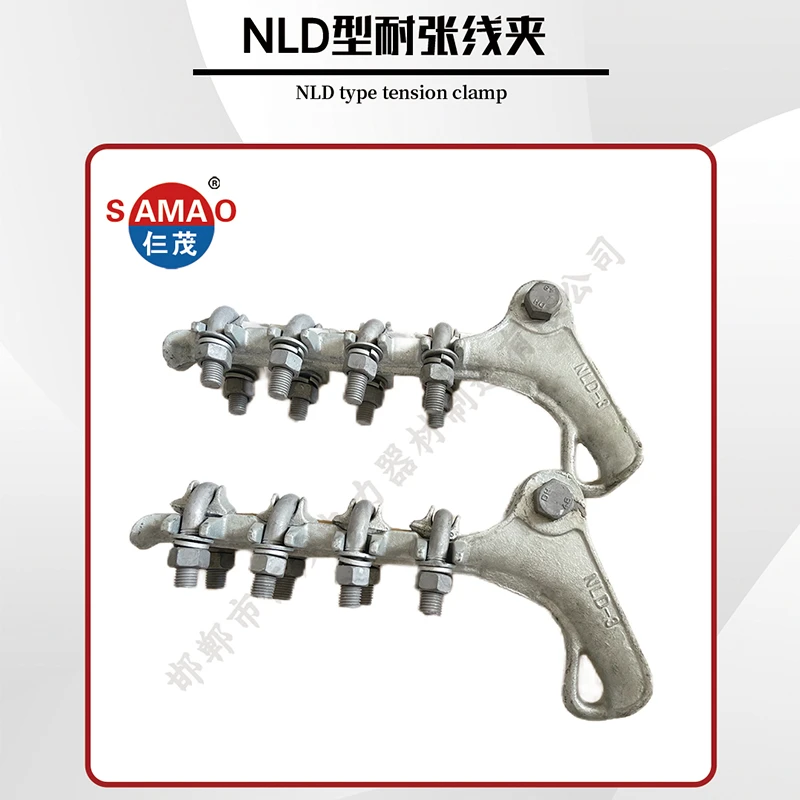
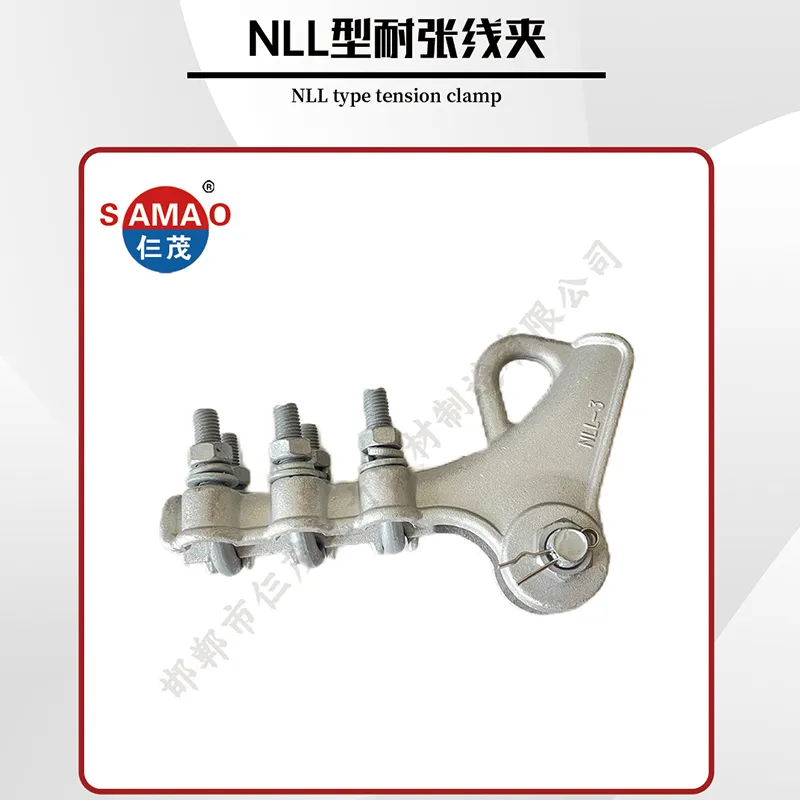
The two main categories of constant tension spring hose clamps based on their structure and installation conditions are as follows. The first type: This kind of constant tension spring hose clamp must bear all the tension of the conductor or lightning protection wire. The clamping force of the clamp should not be less than 90% of the rated tension of the installed conductor or lightning protection wire, but it cannot be used as a conductor. This type of clamp can be disassembled and used independently after the wire is installed, and it includes bolt-type tension clamps and wedge-type tension clamps. The second type: In addition to bearing all the tension of the conductor or lightning protection wire, this kind of constant tension spring hose clamp also acts as a conductor. Therefore, once installed, this type of clamp cannot be disassembled, and it is also called a dead clamp.
What requirements are there for the clamping force of the first type of constant tension spring hose clamps?
For the first type of constant tension spring hose clamps, their clamping force has a clear requirement: the clamping force of the clamp should not be less than 90% of the rated tension of the installed conductor or lightning protection wire. Meanwhile, it is specified that this type of constant tension spring hose clamp cannot be used as a conductor.
Can the first type of constant tension spring hose clamps be disassembled after wire installation, and what specific types does it include?
Yes, the first type of constant tension spring hose clamps can be disassembled and used independently after the wire is installed. This type of constant tension spring hose clamp includes two specific types, which are bolt-type tension clamps and wedge-type tension clamps.
What additional function does the second type of constant tension spring hose clamps have besides bearing the tension of conductors or lightning protection wires?
Besides bearing all the tension of the conductor or lightning protection wire, the second type of constant tension spring hose clamps also has an additional function of acting as a conductor. This function makes it different from the first type of constant tension spring hose clamps in terms of installation and subsequent use.
Why is the second type of constant tension spring hose clamps also called dead clamps?
The second type of constant tension spring hose clamps is also called dead clamps because, in addition to bearing all the tension of the conductor or lightning protection wire, it also acts as a conductor. Due to this special functional setting, once this type of constant tension spring hose clamp is installed, it cannot be disassembled, hence the name "dead clamps".
-
Laundry Efficiency Guide with pengapit ampaian dengan cangkuk iNewsApr.16,2026
-
Optimizing Power Infrastructure with the pengapit ampaian tnbNewsApr.09,2026
-
Comprehensive Guide to Selecting the Right pengapit penggantungan untuk kabel lt ab SolutionsNewsApr.07,2026
-
Comprehensive Guide to Pengapit Talian Penghantaran for Secure Package DeliveryNewsApr.04,2026
-
Comprehensive Guide to Pemasangan Pengapit Penggantungan for Overhead Cabling SystemsNewsMar.31,2026
-
Comprehensive Guide to Pengapit Ampaian yang Telah Dibentuk for Construction SafetyNewsMar.28,2026
-
Comprehensive Guide to Pengapit Ampaian Besi for Scaffolding SafetyNewsMar.26,2026