Guide for compradores de equipamentos elétricos on Grounding
Essential Guide for Compradores de Equipamentos Elétricos: Optimizing Grounding Systems
For professional compradores de equipamentos elétricos, selecting the right grounding components is not just about purchasing hardware; it is about ensuring the structural integrity and safety of the entire electrical network. Grounding engineering is a critical discipline where the surrounding environment directly impacts the efficiency of the system. From soil resistivity to moisture content, every geological factor determines the material and design of the grounding grid. In this guide, we will explore the technical nuances of grounding electrodes and why high-quality materials are non-negotiable for lightning protection and human safety.

The Critical Role of Grounding in Lightning Protection
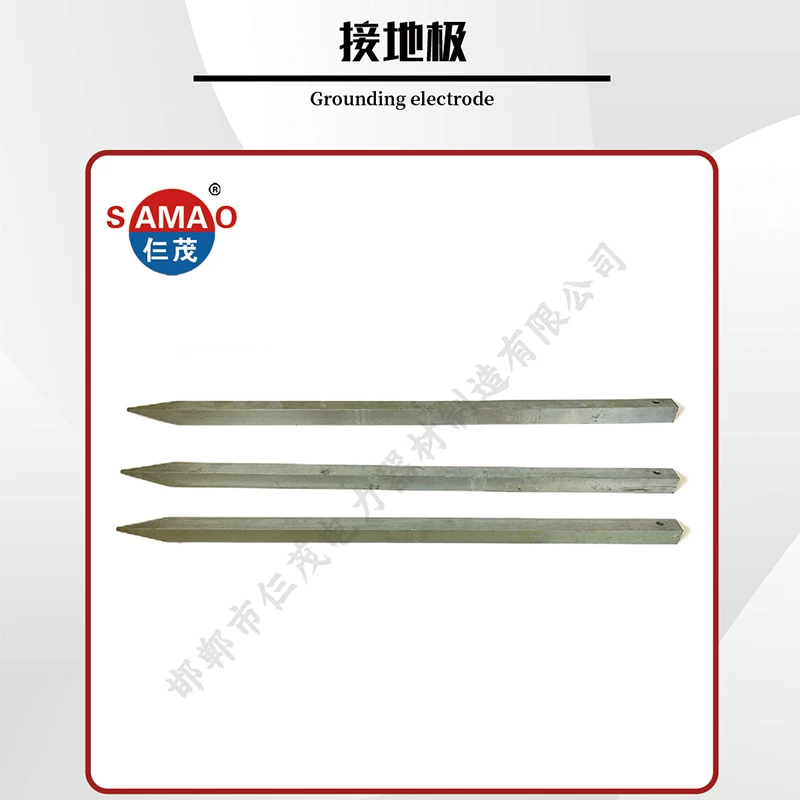
Grounding is widely recognized as the most vital link in lightning protection engineering. Whether the system focuses on direct lightning protection or manages electrostatic and electromagnetic induction, the ultimate objective is the same: to safely disperse lightning energy into the earth. Without a robust grounding technology, even the most advanced lightning rods are ineffective. For compradores de equipamentos elétricos, understanding that the grounding electrode—the metal conductor in direct contact with the soil—is the final gateway for high-voltage currents is key to specifying the correct product grade and material.
Environmental Factors Affecting Grounding Efficiency
Effective grounding design cannot be generic; it must be site-specific. Factors such as soil resistivity and layer distribution dictate the shape and size of the grounding grid. High-resistivity soil requires more extensive artificial grounding electrodes to achieve the necessary low-impedance path to the earth. Professional procurement teams and compradores de equipamentos elétricos must collaborate with engineers to analyze geological data before finalizing equipment specifications to avoid system failure during surge events.
Pro Tip: Always verify the moisture content and soil structure of the project location, as these variables directly influence the selection of the grounding electrode's material, such as copper-bonded steel or galvanized iron.
Comparing Grounding Electrode Types for Compradores de Equipamentos Elétricos
When sourcing components, it is essential to distinguish between natural and artificial grounding electrodes. Natural electrodes utilize existing underground metal structures, while artificial electrodes are purpose-built conductors installed into the soil. For most modern industrial projects, artificial electrodes are preferred due to their predictability and controllability. The following table provides a clear comparison to assist compradores de equipamentos elétricos in their selection process.
Protective Grounding and Human Safety
Beyond lightning protection, protective grounding is essential for operational safety. Its primary function is to create a low-resistance metal connection between the non-electrified metal parts of equipment and the grounding electrode. This mechanism reduces the ground voltage of the contact point, effectively eliminating the risk of electric shock to personnel. For compradores de equipamentos elétricos, ensuring that grounding connectors and cables are rated for the specific fault current of the facility is a critical safety requirement.

Technical Specifications for Electrical Procurement
To ensure longevity and performance, grounding materials must withstand corrosive soil environments. High-grade copper or specialized alloys are typically specified to prevent oxidation. When evaluating suppliers, compradores de equipamentos elétricos should look for compliance with international standards (such as IEEE or IEC) and verify the material thickness and coating quality. Below are typical specifications for industrial-grade grounding electrodes.
Strategic Sourcing for Electrical Components
For the modern procurement officer, the goal is to balance cost with absolute reliability. Sourcing from manufacturers who understand the intersection of metallurgy and electrical engineering is paramount. By focusing on the specific geological needs of the project—such as utilizing chemical grounding enhancement materials in rocky terrain—compradores de equipamentos elétricos can reduce long-term maintenance costs and ensure the facility meets all safety audits and insurance requirements.
Conclusion: Securing Infrastructure with Precision
In conclusion, the effectiveness of any lightning protection or electrical safety system depends entirely on the quality of the grounding engineering. For compradores de equipamentos elétricos, the priority must be the selection of electrodes and materials that are precisely matched to the site's soil conditions. By prioritizing high-conductivity materials and rigorous technical standards, companies can protect their assets and, most importantly, their people from the devastating effects of electrical surges.
Frequently Asked Questions (FAQs)
Why is soil resistivity important for electrical equipment buyers?
Soil resistivity determines how easily electrical current can flow from the electrode into the earth. For compradores de equipamentos elétricos, this is crucial because it dictates the quantity and type of grounding materials needed. In high-resistivity soil (like sand or rock), standard rods may not be enough, requiring a larger grid or the use of grounding enhancement compounds to ensure the system operates within safe voltage limits.
What is the difference between artificial and natural grounding?
Natural grounding involves using pre-existing metal structures, such as steel building foundations or underground water pipes, to discharge current. Artificial grounding involves the intentional installation of electrodes, such as copper rods or mesh, specifically for electrical safety. While natural grounding can be cost-effective, artificial systems provide the precision and reliability required for critical infrastructure, making them the preferred choice for professional electrical procurement.
How does protective grounding prevent electric shocks?
Protective grounding connects non-current-carrying metal parts of a machine to the earth. If an internal insulation failure occurs and a live wire touches the metal casing, the grounding system provides a path of least resistance for the current to flow into the ground rather than through a human body. This triggers protective devices like circuit breakers to trip almost instantly, neutralizing the danger. This is why compradores de equipamentos elétricos must insist on high-quality connectors to ensure this path remains unbroken.
Which materials are best for grounding electrodes in corrosive soil?
In corrosive environments, standard galvanized steel may degrade quickly. The best options are typically high-purity copper or copper-bonded steel, which combine the conductivity and corrosion resistance of copper with the mechanical strength of steel. Some specialized projects may use stainless steel electrodes for extreme chemical resistance. Understanding these material properties allows compradores de equipamentos elétricos to secure long-term reliability and reduce the frequency of costly replacements.
-
Premium Power Hardware co de vendas de equipamentos elétricos e incNewsJul.01,2026
-
Optimize Power Distribution with Painel Elétrico PersonalizadoNewsJun.29,2026
-
Professional empresa de equipamentos elétricos for Power InfrastructureNewsJun.26,2026
-
Tension Clamps Guide and Finding a Reliable distribuidor de cableNewsJun.25,2026
-
Importance of High Quality kabel neebé tara in InfrastructureNewsJun.23,2026
-
Guide to pregu atu hamenus deformasaun ba fiu enerjia nian StabilityNewsJun.21,2026
-
Mastering Industrial Efficiency with Pregu Viga Leten SystemsNewsJun.20,2026