Aerial Cable Clamps: Essential Fittings for Secure Cable Suspension and Connection
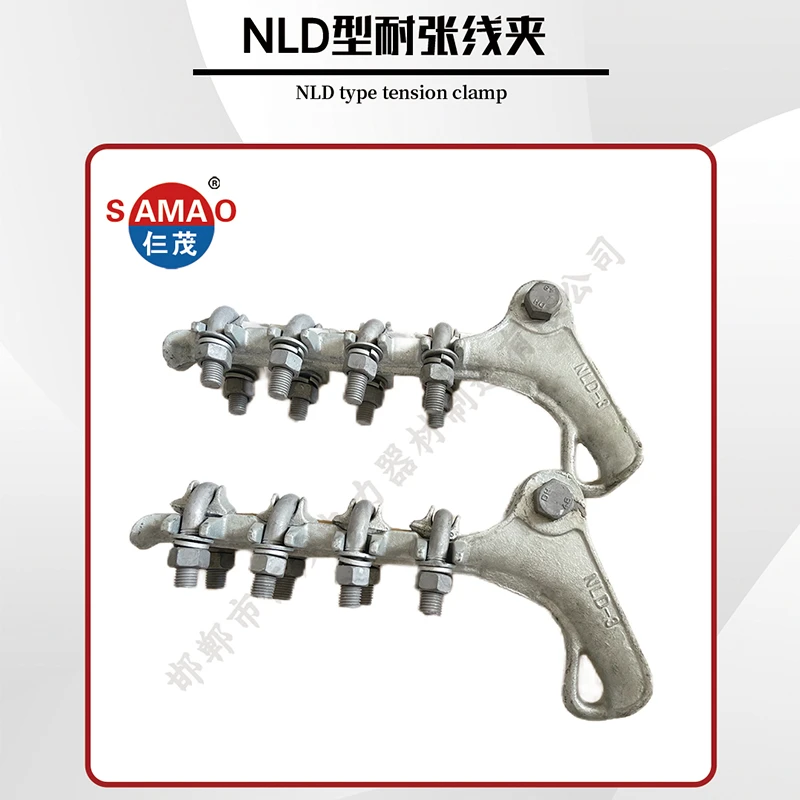
Aerial Cable Messenger Clamps are critical components in overhead cable systems, specifically designed for the linear tower connection of ADSS optical cables, OPGW optical cables, and various electrical wires. Their core function lies in the combination of inner and outer spiral pre-stranded wires, which not only provides robust protection for the cables but also eliminates concentrated stress and avoids bending stress—effectively safeguarding the cables and assisting in vibration damping. A complete set of these messenger clamps typically includes inner and outer pre-stranded wires, a suspension head, and matching connecting metals, ensuring an integrated and reliable suspension solution. The clamping force of Aerial Cable Messenger Clamps on cables exceeds 10%-20% of the cable's rated tensile strength, and their design prioritizes ease of installation, reducing labor intensity during on-site construction.
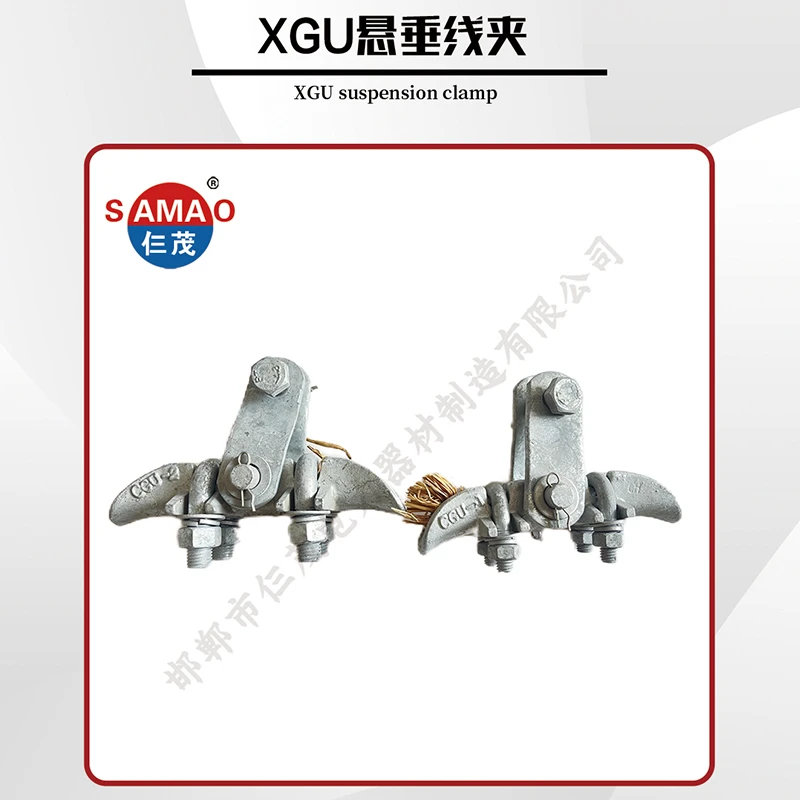
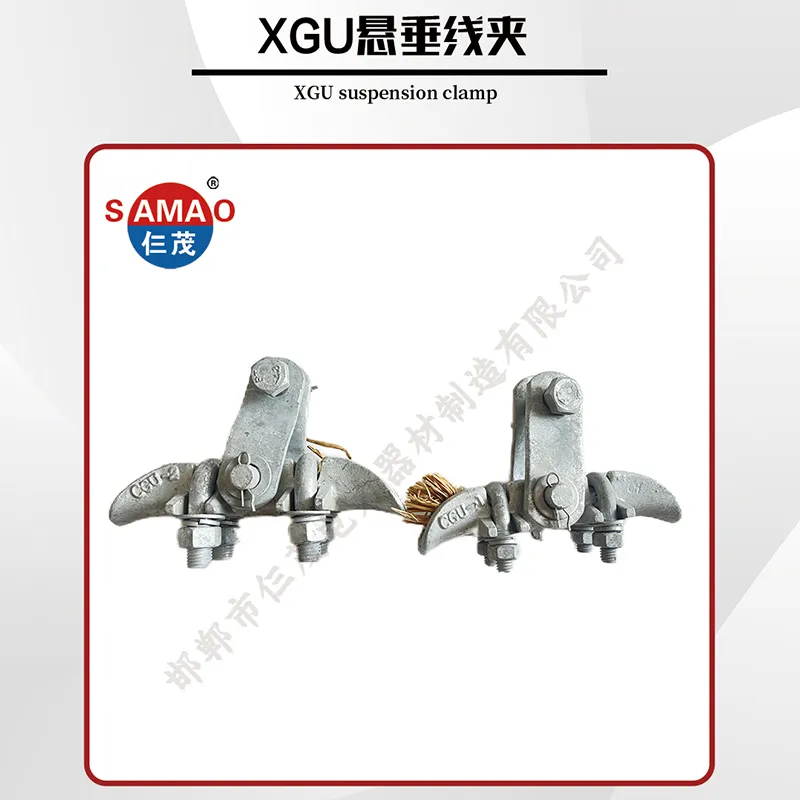
Aerial Cable Suspension Clamps share similar application scenarios with Aerial Cable Messenger Clamps but focus more on the stable suspension of aerial cables on linear towers, especially for ADSS and OPGW optical cables that require long-term outdoor operation
Like Aerial Cable Messenger Clamps, they utilize spiral pre-stranded structures to distribute stress evenly across the cable surface, preventing localized damage caused by uneven force. These suspension clamps are engineered to adapt to different cable diameters, with adjustable inner pre-stranded wires that fit tightly around the cable without causing abrasion to the cable’s outer sheath. In addition to vibration damping, they also resist external environmental factors such as strong winds and temperature fluctuations, ensuring that the cables remain securely suspended even in harsh weather conditions.
Aerial Drop Cable Clamp is a specialized type of aerial clamp designed for the connection and suspension of aerial drop cables—cables that extend from main overhead lines to residential or commercial buildings
Unlike Aerial Cable Messenger Clamps, which are mainly used for linear tower connections, Aerial Drop Cable Clamp is optimized for short-distance, low-tension drop cable applications. It features a compact structure that allows for quick installation on utility poles or wall brackets, and its clamping mechanism is gentle yet firm enough to hold drop cables without damaging their internal conductors. This clamp is widely used in telecom and power distribution networks, ensuring a stable connection between the main aerial cables and the final drop lines that deliver services to end-users.
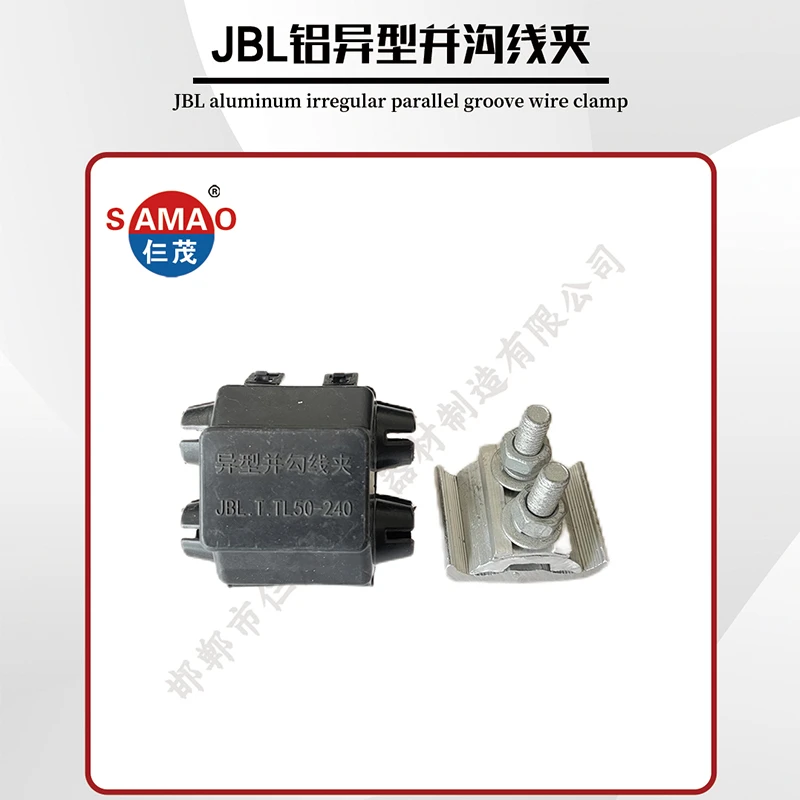
Aerial Drop Wire Clamps are designed specifically for aerial drop wires, which are often thinner and more flexible than standard aerial cables, such as the wires used in low-voltage power distribution or telephone lines
Similar to Aerial Drop Cable Clamp, they are used in the final segment of overhead cable systems, connecting the main lines to individual buildings. Aerial Drop Wire Clamps have a lightweight design, making them easy to transport and install in narrow spaces, and their clamping force is calibrated to match the lower tensile strength of drop wires—preventing over-clamping that could break the wires or under-clamping that leads to slippage. They also include anti-corrosion coatings to withstand outdoor exposure, ensuring long-term reliability in residential and urban areas.
Aluminum Wedge Clamp for Aerial Cable is a high-performance clamp made from aluminum alloy, chosen for its lightweight, high strength, and excellent corrosion resistance—ideal for outdoor aerial cable applications
When used in conjunction with Aerial Cable Messenger Clamps, it enhances the overall stability of the cable system, especially for ADSS and OPGW optical cables that carry both data signals and electrical currents. The wedge-shaped design of this clamp creates a self-tightening effect: as the cable bears load or encounters vibration, the wedge tightens further around the cable, maintaining consistent clamping force. Like other aerial clamps, it is compatible with linear tower connections, and its installation process aligns with the ease-of-use principle of Aerial Cable Messenger Clamps, requiring only basic tools for on-site assembly.
In summary, Aerial Cable Messenger Clamps serve as the core of aerial cable suspension and connection systems, providing essential protection, stress reduction, and vibration damping for ADSS, OPGW, and various electrical wires in linear tower applications. Aerial Cable Suspension Clamps complement them by focusing on stable long-term suspension, while Aerial Drop Cable Clamp and Aerial Drop Wire Clamps address the specialized needs of drop cable and drop wire connections in the final service segment. Aluminum Wedge Clamp for Aerial Cable adds performance enhancements with its aluminum construction and self-tightening design. Together, these clamps form a comprehensive range of fittings that ensure the safe, reliable, and efficient operation of overhead cable systems across telecom, power distribution, and data transmission sectors. As aerial cable technology advances, these clamps will continue to evolve, adapting to larger cable capacities and harsher environmental conditions while retaining their key advantages of easy installation and robust protection.
Aerial Cable Messenger Clamps FAQs
What are the main applications of aerial cable messenger clamps?
Aerial cable messenger clamps are widely used in power and communication line construction. They are primarily used for attaching the messenger of aerial cable to utility poles. They can be applied in tangent construction or angles up to a certain degree, usually around 10 degrees. These clamps are essential for supporting fiber optic cables such as ADSS (All-Dielectric Self-Supporting) and OPGW (Optical Ground Wire) cables. They are also used with various types of electrical wires. In the installation of these cables and wires, the aerial cable messenger clamps play a crucial role in ensuring the stability and proper alignment of the lines. For example, during the stringing process of cables, the clamps with their special features like hooks can be used to support the cable, making the installation process safer and more efficient. They can be mounted on different surfaces, including round or flat poles or standoff brackets.
How do aerial cable messenger clamps protect the cables?
Aerial cable messenger clamps protect cables in multiple ways. The combination of inner and outer layer spiral pre - stranded wires in these clamps is designed to distribute stress evenly. When used with ADSS or OPGW cables, this design ensures that there is no concentrated stress on the cable. By preventing concentrated stress, it avoids potential damage to the cable structure. For instance, concentrated stress could cause internal fiber breakage in fiber optic cables or mechanical damage to the conductor in electrical wires. Additionally, these clamps help in avoiding bending stress. The proper installation of the clamps keeps the cable in a straight and stable position, reducing the likelihood of excessive bending. The clamps also have an auxiliary vibration - damping function. In areas with high wind or other environmental factors that could cause the cable to vibrate, the structure of the aerial cable messenger clamps helps to reduce these vibrations, further protecting the cable from fatigue and wear over time.
What components does a complete set of aerial cable messenger clamps usually include?
A complete set of aerial cable messenger clamps typically includes several key components. Inner and outer pre - stranded wires are an integral part. These pre - stranded wires are designed to work together to protect the cable as described earlier. The outer pre - stranded wire provides an additional layer of protection and helps in distributing the load evenly around the cable. The inner pre - stranded wire is in direct contact with the cable, providing a gentle yet secure grip. A 吊头 (lifting head) is another component. It is used for the installation process, especially when hoisting the cable into position. This part allows for easy manipulation of the cable during installation. matching connection metal parts are also included. These metal parts are used to connect different components of the clamp system together and to attach the clamp to the pole or other supporting structures. For example, bolts, nuts, and washers are common types of these connection metals. All these components work in harmony to ensure the proper functioning of the aerial cable messenger clamps.
What is the cable clamping force requirement for aerial cable messenger clamps?
The cable clamping force of aerial cable messenger clamps is an important parameter. Generally, the clamping force of these clamps should be greater than 10% - 20% of the cable's rated tensile strength. This is to ensure that the cable is held firmly in place. For instance, if a cable has a high rated tensile strength, the aerial cable messenger clamp needs to have a correspondingly high clamping force to prevent the cable from slipping. A sufficient clamping force is crucial for maintaining the integrity of the power or communication line. In high - wind areas or locations with other environmental stressors, a proper clamping force ensures that the cable remains in its intended position. If the clamping force is too low, the cable may move, which could lead to problems such as short - circuits in power lines or signal disruptions in communication cables.
Why is the installation of aerial cable messenger clamps considered convenient?
The installation of aerial cable messenger clamps is considered convenient for several reasons. Firstly, the design of these clamps is user - friendly. For example, the components are relatively lightweight, making them easy to handle during installation. The inner and outer pre - stranded wires can be quickly and easily wrapped around the cable. The installation process does not require highly specialized tools. Basic hand tools such as wrenches are usually sufficient to tighten the bolts and secure the various components of the clamp. The design also allows for easy alignment of the clamp on the pole or supporting structure. The mounting holes and connection points are clearly defined, reducing the chances of misinstallation. Additionally, the independent clamping feature of some aerial cable messenger clamps means that they can remain tight even if pole shrinkage occurs. This simplifies the installation process as installers do not need to constantly readjust the clamp due to changes in the pole over time.
-
Laundry Efficiency Guide with pengapit ampaian dengan cangkuk iNewsApr.16,2026
-
Optimizing Power Infrastructure with the pengapit ampaian tnbNewsApr.09,2026
-
Comprehensive Guide to Selecting the Right pengapit penggantungan untuk kabel lt ab SolutionsNewsApr.07,2026
-
Comprehensive Guide to Pengapit Talian Penghantaran for Secure Package DeliveryNewsApr.04,2026
-
Comprehensive Guide to Pemasangan Pengapit Penggantungan for Overhead Cabling SystemsNewsMar.31,2026
-
Comprehensive Guide to Pengapit Ampaian yang Telah Dibentuk for Construction SafetyNewsMar.28,2026
-
Comprehensive Guide to Pengapit Ampaian Besi for Scaffolding SafetyNewsMar.26,2026