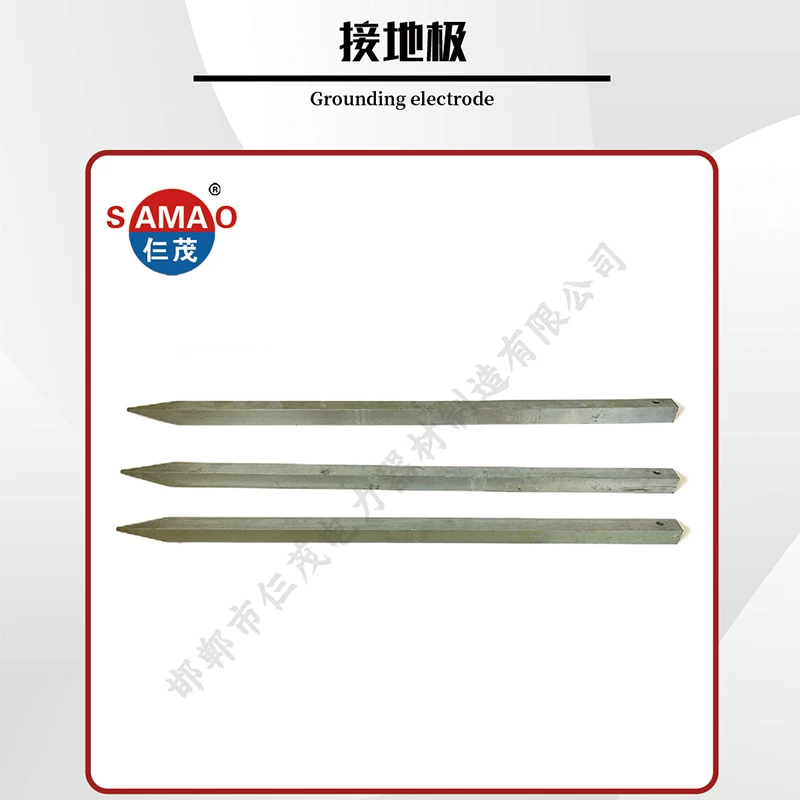
Chem Rod Grounding Electrode | Superior Low Resistance Grounding System
The Imperative of Advanced Grounding Solutions in Modern Industry
In today's highly electrified and interconnected industrial landscape, the integrity of electrical grounding systems is paramount for operational safety, equipment protection, and data reliability. As B2B operations increasingly rely on sensitive electronics, sophisticated control systems, and robust power infrastructure, the demand for superior grounding solutions escalates. Traditional grounding methods often fall short in delivering consistent, low-impedance pathways to earth, especially in challenging soil conditions. This challenge is precisely what advanced solutions like the chem rod grounding electrode are engineered to address, offering unparalleled performance and longevity for critical applications across diverse sectors.
Evolving Industry Trends in Earthing Systems
The global industrial landscape is witnessing significant shifts that directly impact the requirements for grounding systems. Key trends include the proliferation of renewable energy infrastructure, the expansion of data centers, the increasing automation in manufacturing, and the heightened awareness of safety and environmental compliance. These trends collectively drive the need for more robust, reliable, and maintenance-free grounding solutions.
- Rise of Green Energy: Solar farms and wind power installations require highly effective earthing systems to manage lightning strikes and fault currents, often in remote locations with challenging soil conditions.
- Data Center Expansion: With the explosion of data, data centers demand ultra-low and stable ground resistance to protect sensitive servers and ensure continuous uptime, making a reliable chemical grounding system essential.
- Increased Automation: Industrial facilities with sophisticated PLCs and control systems are highly susceptible to transient overvoltages and noise, necessitating superior grounding for signal integrity and equipment longevity.
- Global Compliance & Safety: Strict international standards (e.g., IEEE, IEC, NEC) are pushing industries towards advanced grounding technologies that offer superior performance and verifiable compliance.
- Focus on Total Cost of Ownership (TCO): Companies are moving beyond initial purchase price, considering long-term maintenance, replacement costs, and the economic impact of system failures, which favors durable, low-maintenance solutions like the chem rod grounding electrode.
These trends highlight a clear industry movement towards engineered grounding solutions that surpass the capabilities of conventional ground rods, providing long-term reliability and performance consistency.
The Manufacturing Process of a Superior Grounding Electrode
The production of a high-performance chem rod grounding electrode is a meticulous process, combining advanced material science with precision engineering. This ensures consistent quality, exceptional durability, and superior electrical performance.
Schematic Steps in Production:
-
Material Selection & Preparation:
The core of the electrode is typically crafted from high-grade copper or copper-bonded steel. For solid copper variants, 99.9% pure electrolytic copper is often utilized for maximum conductivity. Copper-bonded steel rods undergo a specialized electrolytic bonding process to achieve a minimum copper layer thickness of 0.254mm, adhering to UL 467 standards. The external casing, often made of Schedule 40 or 80 copper, ensures structural integrity and external corrosion resistance.
-
Core Rod Fabrication & Machining:
Depending on the design, the core rod may be formed through casting or forging processes. Precision CNC machining is then employed to ensure exact dimensions, smooth finishes, and accurate threading for connections. This stage is critical for maintaining mechanical strength and facilitating secure installations.
-
Proprietary Chemical Fill Preparation:
The electrode is filled with a proprietary blend of non-corrosive, highly conductive, and hygroscopic chemical salts. These chemicals are selected for their ability to leach into the surrounding soil, creating a highly conductive environment that effectively reduces ground resistance and maintains stable performance over time. The composition is carefully balanced to prevent environmental contamination and ensure long-term stability.
-
Hermetic Sealing & Quality Control:
Once filled, the electrode is hermetically sealed at both ends. This critical step prevents the ingress of moisture or the leaching of chemicals prematurely, ensuring the longevity and effectiveness of the internal compound. Advanced sealing techniques, often involving ultrasonic welding or specialized crimping, are used. Throughout the process, continuous quality checks are performed.
-
Rigorous Testing & Certification:
Each chem rod grounding electrode undergoes extensive testing against international standards such as ISO 9001 for quality management, ANSI/IEEE 80 for AC substation grounding, and UL 467 for grounding and bonding equipment. Tests include resistivity measurements, corrosion resistance evaluations (e.g., salt spray tests), and mechanical strength assessments. This rigorous adherence to standards ensures a service life often exceeding 30 years, significantly reducing the need for maintenance and replacement.
Target Industries & Advantages:
These electrodes are indispensable across a range of demanding industries:
- Petrochemical: Critical for safety in hazardous environments, protecting against static discharge and lightning. The superior corrosion resistance of the chem rod grounding electrode is vital against aggressive chemicals.
- Metallurgy: Safeguarding heavy machinery and control systems from electrical faults and transients in harsh, high-temperature settings.
- Water Supply & Drainage: Protecting pumping stations, control systems, and monitoring equipment from lightning strikes and ground faults, ensuring uninterrupted operation.
- Telecommunications & Data Centers: Providing ultra-low resistance pathways for sensitive electronic equipment, preventing data corruption and downtime.
The advantages in these scenarios include significant energy saving by reducing stray currents and improving power quality, unparalleled corrosion resistance ensuring long-term integrity, and superior fault current dissipation capabilities.
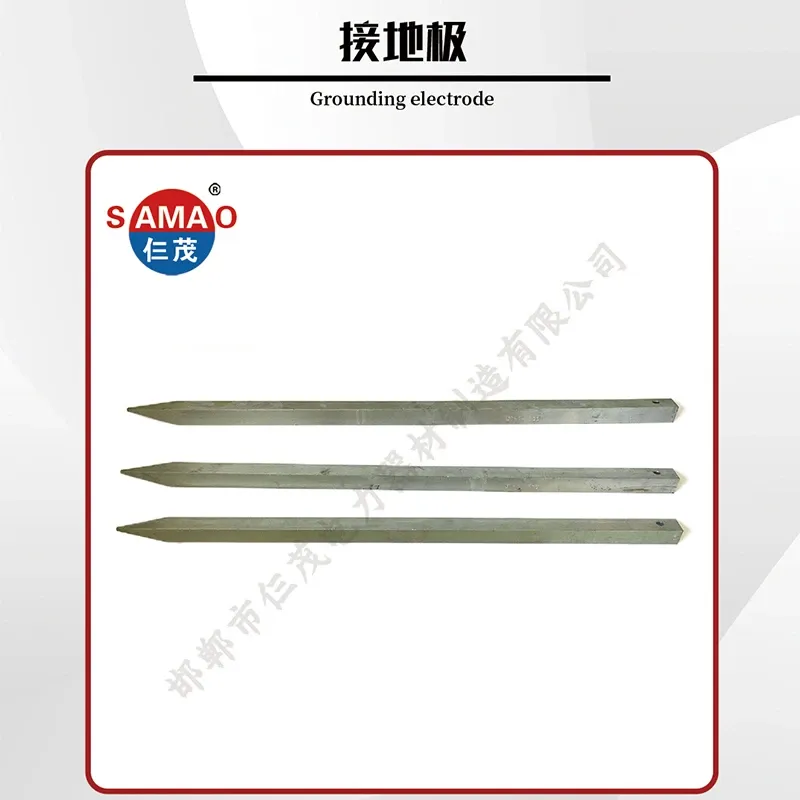
Figure 1: Typical installation of a chem rod grounding electrode in an industrial setting.
Technical Specifications and Performance Parameters
Understanding the technical specifications of a chem rod grounding electrode is crucial for engineers and decision-makers to select the appropriate solution for their specific site requirements. These electrodes are designed to provide stable, low-resistance grounding, particularly effective in areas with high soil resistivity or where space for conventional grounding grids is limited.
Key Parameters:
- Material Composition: Typically a high-strength copper alloy or copper-bonded steel core with a minimum of 99.9% pure electrolytic copper sheathing, ensuring superior conductivity and corrosion resistance.
- Internal Fill: Proprietary blend of highly conductive, hygroscopic, and non-corrosive metallic salts that gradually leach into the surrounding soil. This creates a permanent, low-resistance connection to earth, reducing dependence on ambient moisture.
- Ground Resistance: Designed to achieve significantly lower and more stable ground resistance values (often
- Corrosion Resistance: Excellent resistance to corrosion, both from the internal chemical fill and external environmental factors, extending the operational lifespan.
- Thermal Stability: Capable of maintaining performance across a wide range of temperatures, from extreme cold to intense heat, without degradation of the chemical fill or structural integrity.
- Dimensions: Common sizes include lengths like a 20 ground rod (6 meters) or shorter variants, with diameters ranging from 38mm (1.5 inches) to 50mm (2 inches). Smaller diameters like a 3 8 ground rod (3/8 inch) are typically traditional rods, while advanced chemical rods are generally larger to accommodate the chemical fill.
- Standards Compliance: Manufactured and tested to meet or exceed industry standards such as UL 467, IEEE 80, NFPA 780, and IEC 62305.
Typical Product Specification Table:
| Parameter | Value/Range | Unit/Description |
|---|---|---|
| Rod Length | 2000 - 3000 (standard); up to 6000 | mm (e.g., a 20 ground rod is ~6096mm) |
| Rod Diameter | 38 - 50 (standard) | mm (1.5" - 2") |
| Ground Resistance (Target) | < 5 (Typical); < 1 (Optimal) | Ohms |
| Material (Casing) | Copper (99.9% pure) | Schedule 40 or 80 Copper Pipe |
| Internal Fill Material | Proprietary Conductive Salts | Non-corrosive, hygroscopic, non-toxic |
| Service Life | > 30 | Years |
| Operating Temperature | -40 to +60 | °C |
| Compliance Standards | UL 467, IEEE 80, NFPA 780 | Industry Standards |
These specifications underscore the robust engineering and material science behind the chem rod grounding electrode, ensuring long-term, reliable performance even in the most demanding environments.
Diverse Application Scenarios and Operational Experience
The versatility and superior performance of the chem rod grounding electrode make it an ideal solution for a multitude of critical B2B applications where stable, low-resistance grounding is non-negotiable. Operational experience consistently demonstrates significant improvements in system reliability and safety across various sectors.
- Data Centers and Telecommunication Towers: These facilities are highly vulnerable to power surges, lightning strikes, and electromagnetic interference. A reliable chemical grounding system provides the stable earth reference necessary to protect sensitive servers, networking equipment, and ensuring uninterrupted data flow and communication. Customer feedback often highlights reduced equipment failure rates and improved network uptime after upgrading to chemical electrodes.
- Power Generation and Transmission (Substations): In high-voltage environments, effective grounding is critical for personnel safety, equipment protection, and fault current dissipation. Chemical electrodes offer superior performance in challenging soil conditions often found in substation locations, helping meet stringent IEEE 80 requirements.
- Industrial Plants (Manufacturing, Petrochemical, Mining): Heavy machinery, large motors, and process control systems require robust grounding to mitigate transient overvoltages, prevent static discharge in explosive atmospheres, and ensure operational continuity. Our clients in these sectors report enhanced safety records and significant reductions in maintenance downtime attributed to stable grounding.
- Renewable Energy Installations (Solar & Wind Farms): Often located in remote areas with highly resistive soil, these installations benefit immensely from the consistent low resistance offered by chemical electrodes. They provide essential lightning protection and help manage fault currents, safeguarding valuable assets and ensuring grid stability.
- Hospitals and Healthcare Facilities: Uninterrupted power and reliable grounding are critical for life-support systems and sensitive medical equipment. Chemical electrodes provide the stable and dependable earthing required to maintain these critical services.
These diverse scenarios underscore the adaptability and critical importance of advanced grounding technology in protecting vital infrastructure and ensuring operational excellence.
Technical Advantages Over Traditional Grounding Methods
The chem rod grounding electrode represents a significant leap forward from conventional grounding methods, offering a range of technical advantages that translate directly into enhanced safety, reliability, and cost-effectiveness for B2B operations.
- Superior & Stable Ground Resistance: Unlike standard `earthing rod copper price` driven solutions, chemical electrodes actively modify the surrounding soil, creating a permanently low-resistance contact with the earth. This is particularly advantageous in rocky, sandy, or dry soil where traditional rods perform poorly, often struggling to achieve target resistance values without extensive grids.
- Exceptional Corrosion Resistance & Longevity: The robust construction, typically featuring Schedule 40 copper, combined with the non-corrosive nature of the internal chemical fill, provides unparalleled resistance to corrosion. This ensures an extended service life often exceeding 30 years, drastically reducing the need for costly replacements and maintenance associated with rapidly degrading conventional ground rods.
- Maintenance-Free Operation: The hygroscopic properties of the chemical fill attract moisture from the soil and ambient air, maintaining a consistently conductive environment without external watering or re-tamping. This eliminates ongoing maintenance, a significant cost and logistical burden for large-scale industrial or remote installations.
- Enhanced Safety & Equipment Protection: By providing a reliable, low-impedance path for fault currents, lightning strikes, and transient overvoltages, the chemical electrode safeguards personnel and sensitive electronic equipment from damage. This translates to fewer incidents, reduced downtime, and extended equipment lifespans.
- Space Efficiency: Due to their superior performance, a single chem rod grounding electrode can often achieve the same or better resistance levels than multiple conventional ground rods. This minimizes the footprint required for the grounding system, a crucial advantage in sites with limited space or complex underground infrastructure.
- Reduced Earth Potential Rise (EPR): The lower and more consistent resistance helps minimize Earth Potential Rise during fault conditions, which is critical for safety and preventing damage to sensitive equipment connected to the grounding system.
These inherent advantages underscore why chemical grounding electrodes are increasingly becoming the preferred solution for mission-critical applications where performance, reliability, and long-term cost-effectiveness are paramount.
Vendor Comparison and Selection Criteria
When selecting a provider for chem rod grounding electrode solutions, discerning B2B buyers must look beyond the basic product and evaluate a vendor's comprehensive capabilities. A robust comparison framework focuses on product quality, technical support, certifications, and service excellence.
Key Evaluation Factors:
- Product Certifications & Compliance: Ensure the products adhere to international standards like UL 467, IEEE 80, IEC, and relevant national electrical codes. Certifications from recognized authorities provide assurance of quality and performance.
- Material Quality & Manufacturing Process: Inquire about the purity of copper, the thickness of copper bonding (for copper-bonded steel), and the composition of the chemical fill. A transparent manufacturing process that emphasizes precision (e.g., CNC machining) and rigorous quality control is indicative of a superior product.
- Technical Expertise & Support: A reputable vendor should offer pre-sales consultation, site surveys (e.g., soil resistivity testing), design assistance, and post-installation support. Their ability to provide expert guidance is invaluable for complex projects.
- Customization Capabilities: Assess if the vendor can provide tailored solutions for unique site conditions, including varying rod lengths (e.g., specific requirements for a 20 ground rod in a particular soil type), diameters, or specialized connections.
- Warranty & Service Life: A strong warranty and a proven track record of product longevity (30+ years is ideal) reflect the manufacturer's confidence in their product. This significantly impacts the total cost of ownership.
- Track Record & Client Portfolio: Look for vendors with a history of successful deployments in your target industry and testimonials from reputable clients.
Comparison Table: Traditional vs. Chemical Grounding Solutions
| Feature | Traditional Ground Rods (e.g., bare copper) | Chem Rod Grounding Electrode |
|---|---|---|
| Ground Resistance Stability | Highly dependent on soil moisture and type; can fluctuate significantly. | Consistently low and stable, even in dry or poor soil, due to chemical fill. |
| Corrosion Resistance | Moderate; susceptible to oxidation and galvanic corrosion, especially for `earthing rod copper price` driven thin copper coatings. | Excellent; robust casing and non-corrosive internal fill ensure long-term integrity. |
| Maintenance Requirements | High; often requires regular watering, re-tamping, or chemical treatments. | Virtually maintenance-free; hygroscopic fill maintains conductivity naturally. |
| Service Life (Typical) | 10-15 years, often less in aggressive soil. | > 30 years, designed for extended operational periods. |
| Installation Footprint | Requires multiple rods or extensive grid for low resistance, larger area. | Fewer electrodes needed for target resistance; space-efficient. |
| Performance in Dry Soil | Poor; resistance increases significantly. | Excellent; chemical fill maintains conductivity regardless of dry soil. |
This comparison highlights the fundamental performance advantages of engineered chemical grounding electrodes, solidifying their position as the preferred choice for critical infrastructure.
Customized Grounding Solutions
Every industrial site presents a unique set of challenges related to soil resistivity, geological conditions, and electrical load requirements. Recognizing this, leading manufacturers of chem rod grounding electrode systems offer highly customized solutions designed to optimize performance and cost-effectiveness for specific applications.
Customization typically begins with a thorough site assessment, including detailed soil resistivity testing (e.g., Wenner four-point method). This data informs the design process, allowing engineers to tailor the grounding solution in several key areas:
- Rod Dimensions: Lengths and diameters can be specified to meet target ground resistance values in varying soil layers. For instance, a 20 ground rod might be ideal for deep, consistent soil, while shorter or different diameter rods like a 3 8 ground rod (though typically a traditional rod, custom chemical variants exist) could be tailored for shallower bedrock or specific installation methods.
- Material Composition: While copper is standard, specific alloys or copper-bonded steel variations can be selected based on environmental corrosivity or mechanical strength requirements.
- Chemical Fill Formulation: The blend of conductive salts can be adjusted to optimize performance for extremely dry, acidic, or alkaline soil conditions, ensuring long-term chemical stability and optimal resistivity reduction.
- Connector Types & Accessories: Custom connection methods (e.g., exothermic welding provisions, specialized clamps) and accessories like inspection pits or low-resistance backfill compounds (e.g., bentonite, carbon-based conductive cement) are integrated to ensure seamless installation and system integrity.
- System Configuration: Beyond individual electrodes, customized grounding system designs may involve specific arrangements of electrodes, integration with existing grids, or specialized earthing enhancers to achieve complex grounding objectives.
This tailored approach ensures that the implemented chemical grounding system is not merely a product, but an optimized engineering solution that provides maximum safety, performance, and compliance for the client's unique operational demands.
Application Case Studies
Real-world application demonstrates the tangible benefits of deploying chem rod grounding electrode solutions in critical infrastructure.
Case Study 1: Data Center in Arid Region
Client: Major Cloud Service Provider
Location: Arid, high-resistivity desert environment.
Challenge: The client's new data center required an ultra-low and stable ground resistance (<1 Ohm) for its sensitive IT equipment and uninterruptible power supplies (UPS). Traditional copper ground rods failed to achieve the target resistance, requiring an impractically large grounding grid and extensive watering, which was unsustainable in a water-scarce region.
Solution: A comprehensive chemical grounding system was designed, incorporating a series of 3-meter long chem rod grounding electrode units strategically placed around the facility. These electrodes were complemented with a specialized conductive backfill material to further enhance soil contact. The system was interconnected to form a robust grounding network.
Results: Post-installation testing revealed an average ground resistance of 0.8 Ohm, consistently meeting and exceeding the client's stringent requirements. The system operates entirely maintenance-free, eliminating the need for water or chemical replenishment. The data center has reported zero grounding-related equipment failures since commissioning, underscoring the long-term reliability and performance of the chemical electrode solution in challenging conditions.
Case Study 2: Remote Telecommunication Tower
Client: National Telecommunications Operator
Location: Mountainous, rocky terrain with limited accessibility.
Challenge: A critical telecommunications tower, vital for rural connectivity, suffered frequent outages due to lightning strikes and unreliable grounding. The bedrock limited the depth to which conventional rods could be driven, and high soil resistivity made achieving adequate ground resistance extremely difficult and costly with traditional methods.
Solution: Engineers recommended the installation of specialized, shorter chem rod grounding electrode units (1.5-meter length) designed for shallow installation depths. These were installed in boreholes filled with a high-conductivity grout. The chemical fill within the electrodes ensured stable performance even with limited surrounding soil contact.
Results: The new grounding system achieved a consistent ground resistance of 3.5 Ohms, significantly below the previous fluctuating values (often exceeding 25 Ohms). Since the upgrade, the tower has experienced a dramatic reduction in lightning-induced service interruptions, with zero equipment damage attributed to grounding failures. The maintenance-free nature of the chemical electrodes was also a critical advantage for the remote location, reducing operational costs.
Trustworthiness: FAQs, Lead Time, Warranty & Support
Frequently Asked Questions (FAQs):
-
Q: What makes a chem rod grounding electrode superior to a standard copper ground rod?
A: Chemical electrodes contain a proprietary blend of hygroscopic and conductive salts that leach into the surrounding soil, actively lowering and stabilizing ground resistance. Unlike standard rods, they perform exceptionally well in poor soil conditions (rocky, sandy, dry) and require virtually no maintenance, offering a significantly longer service life.
-
Q: How often do chemical grounding systems need maintenance?
A: The design of our chemical electrodes ensures a virtually maintenance-free operation. The hygroscopic fill continuously draws moisture from the environment, maintaining optimal conductivity without the need for external watering or replenishment. This significantly reduces long-term operational costs.
-
Q: Are these electrodes suitable for all soil types?
A: Yes, chem rod grounding electrodes are specifically designed for superior performance across a wide range of soil types, including those with high resistivity such as rocky, sandy, or dry soils, where traditional methods struggle to achieve desired results. Customized chemical fills can further optimize performance for specific soil chemistries.
-
Q: How does their cost compare to standard ground rods (e.g., earthing rod copper price)?
A: While the initial purchase price of a chem rod grounding electrode may be higher than a bare copper `earthing rod copper price`, their superior performance, extended service life (>30 years), and zero maintenance requirements lead to a significantly lower Total Cost of Ownership (TCO) over the lifespan of the system. The cost savings from reduced maintenance and avoided equipment damage far outweigh the initial investment.
Lead Time & Fulfillment:
We understand the critical nature of project timelines. For standard chem rod grounding electrode products and common sizes (e.g., a 20 ground rod), typical lead times range from 2 to 4 weeks, depending on order volume and current stock. Customized solutions, involving specific dimensions or chemical formulations, generally require 6 to 10 weeks to ensure meticulous engineering and quality assurance. We maintain robust inventory levels and efficient logistics to meet urgent project demands whenever possible.
Warranty Commitments:
Our chem rod grounding electrode products are backed by an industry-leading warranty, typically covering materials and manufacturing defects for 5 to 10 years, depending on the specific product line. This commitment reflects our confidence in the superior quality and durability of our solutions, offering peace of mind to our B2B partners for their long-term infrastructure investments.
Customer Support:
Samaoep provides comprehensive customer support, understanding that expert assistance is crucial for successful project execution. Our dedicated technical team is available for:
- 24/7 Technical Consultation: Assistance with product selection, system design, and troubleshooting.
- On-site Support & Site Surveys: Where feasible, our engineers can provide on-site evaluation, soil resistivity testing, and installation guidance.
- Installation & Post-Sales Support: Detailed installation manuals, training resources, and ongoing support to ensure optimal system performance and longevity.
Our commitment is to partner with you from concept to commissioning and beyond, ensuring your grounding infrastructure operates flawlessly.
Conclusion: The Future of Reliable Grounding
The rapid evolution of industrial and technological infrastructure demands grounding solutions that are not only effective but also reliable, durable, and cost-efficient over their entire lifespan. The chem rod grounding electrode stands as a testament to advanced engineering, offering a superior alternative to traditional methods. By providing consistently low earth resistance, exceptional corrosion resistance, and virtually maintenance-free operation, these electrodes deliver unparalleled safety and operational continuity for critical B2B applications.
Investing in a sophisticated chemical grounding system is not just about compliance; it's about safeguarding assets, ensuring data integrity, protecting personnel, and securing the long-term operational health of your enterprise. As industries continue to grow more complex and reliant on stable electrical systems, the demand for such advanced, high-performance grounding solutions will only intensify.
References
- IEEE Std 80-2013, IEEE Guide for Safety in AC Substation Grounding. Institute of Electrical and Electronics Engineers.
- NFPA 780, Standard for the Installation of Lightning Protection Systems, 2020 Edition. National Fire Protection Association.
- UL 467, Standard for Grounding and Bonding Equipment. Underwriters Laboratories.
- IEC 62305, Protection against lightning. International Electrotechnical Commission.
- National Electrical Code (NEC), NFPA 70, 2023 Edition. National Fire Protection Association.
-
Suspension Clamp Questions: Cable Fit, Grip and DeflectionNewsNov.02,2026
-
Dead End Strain Clamp FAQ: Specifications, Selection and Ordering QuestionsNewsOct.30,2026
-
Choosing a Suspension Clamp: Application Fit and Specification ChecksNewsOct.22,2026
-
Premium Power Hardware co de vendas de equipamentos elétricos e incNewsJul.01,2026
-
Optimize Power Distribution with Painel Elétrico PersonalizadoNewsJun.29,2026
-
Guide for compradores de equipamentos elétricos on GroundingNewsJun.27,2026
-
Professional empresa de equipamentos elétricos for Power InfrastructureNewsJun.26,2026