Secure Wire Cable Stop Clamp: Strong, Reliable Tension & Strain Relief
Introduction to Advanced Wire Cable Stop Clamps
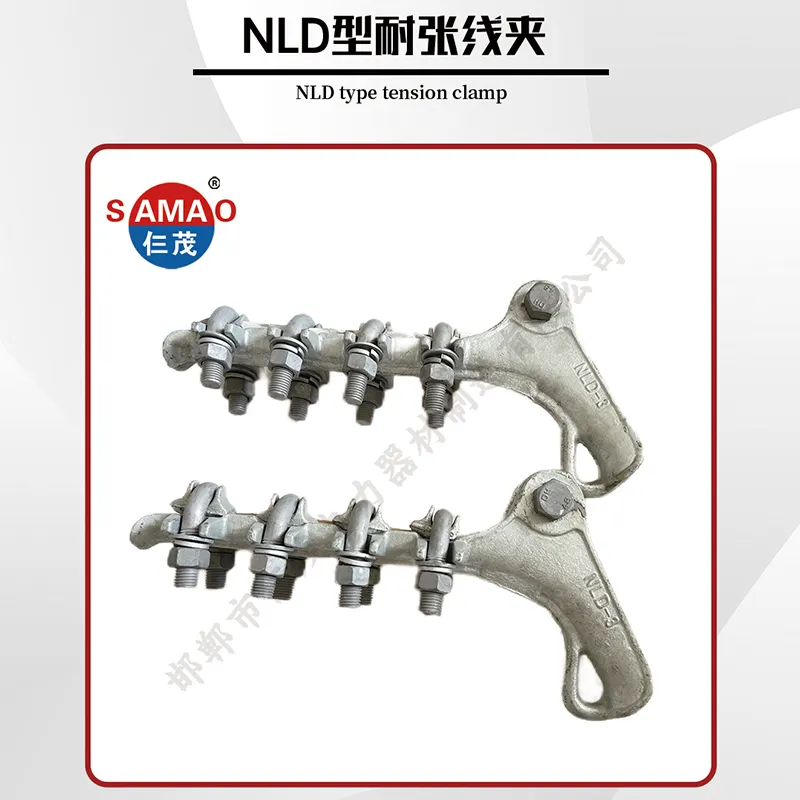
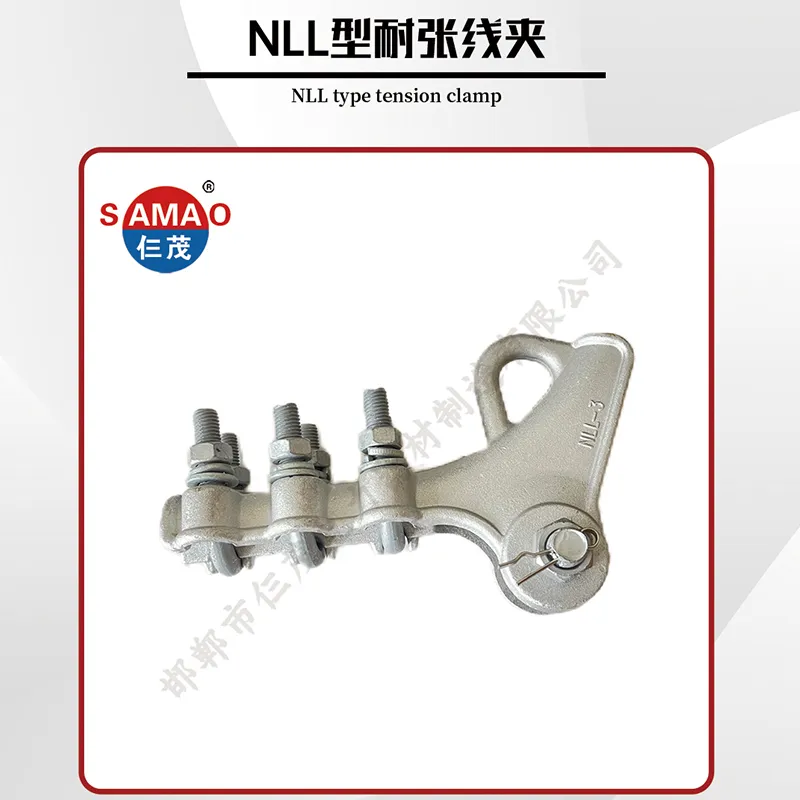
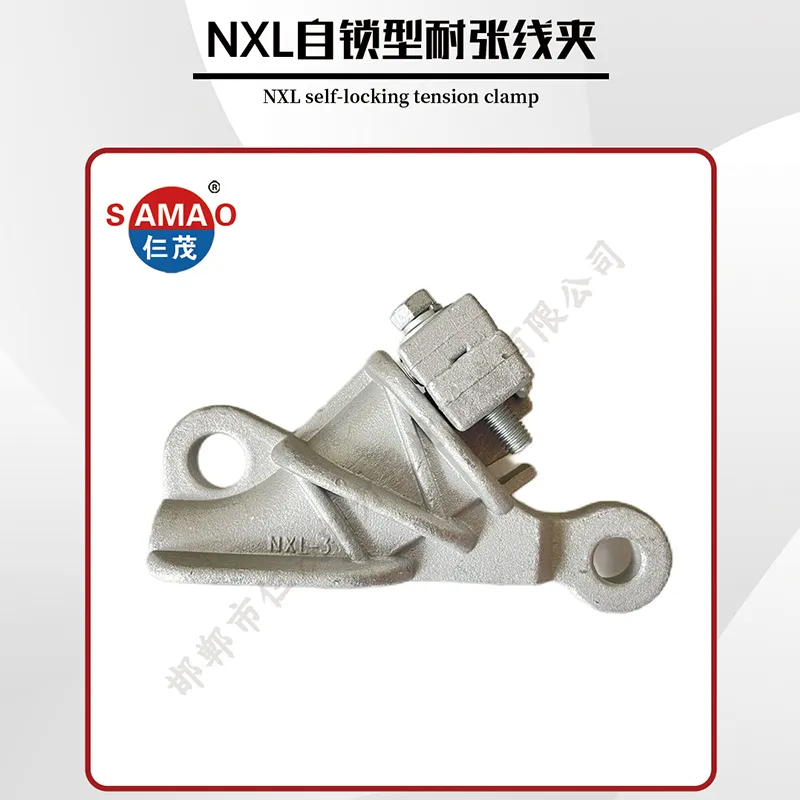
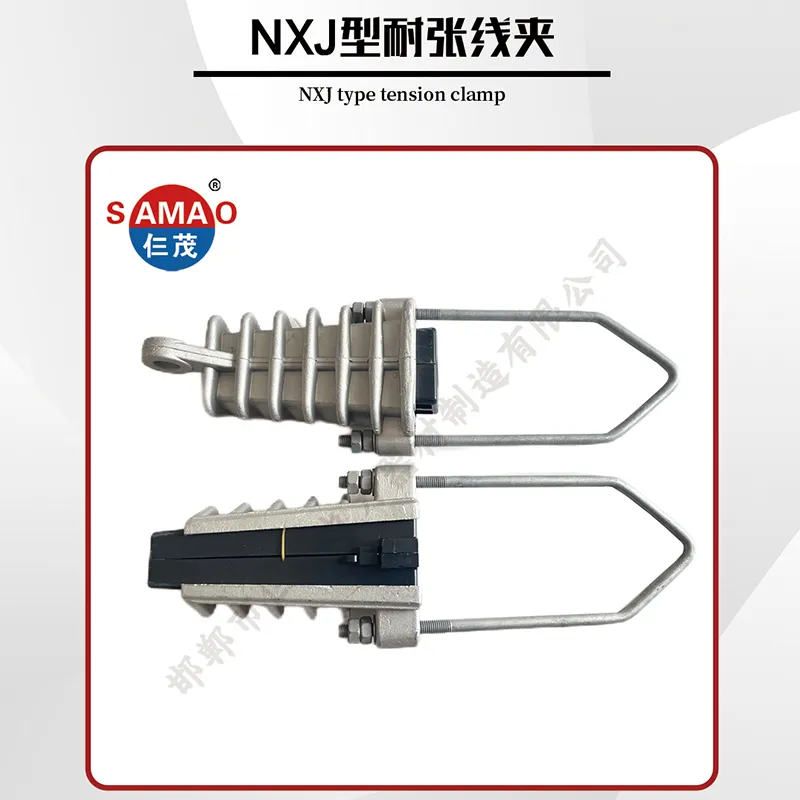
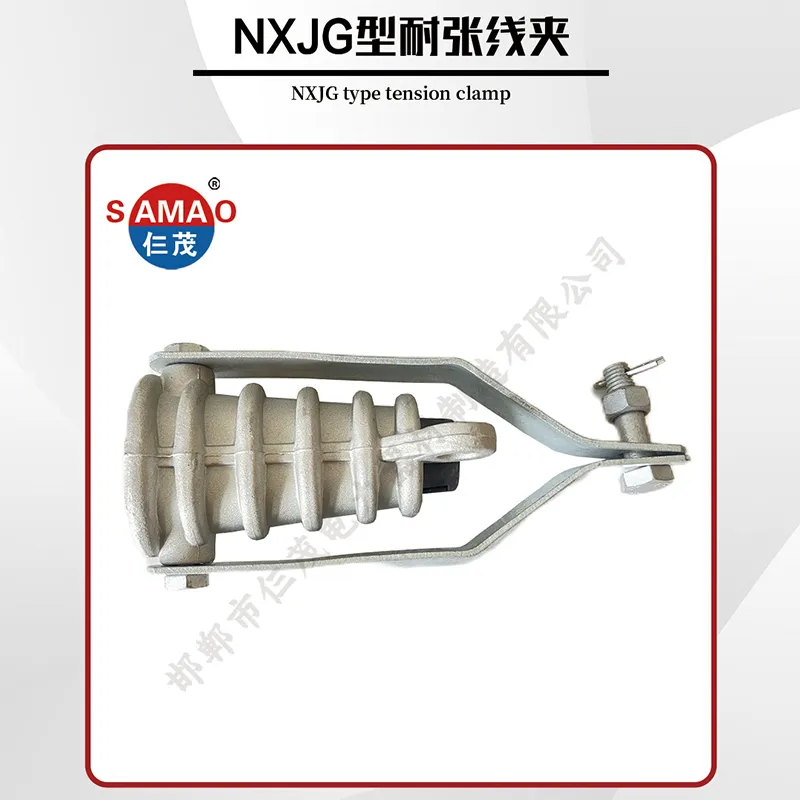
In the demanding world of industrial infrastructure, the reliability and safety of cabling systems are paramount. At the heart of secure cable management solutions lies the wire cable stop clamp. This essential component is engineered to provide robust anchorage and tensioning for various types of cables, ensuring stability and preventing slippage under extreme loads and environmental conditions. Often referred to as tension clamps, strain clamps, or dead-end clamps, these devices play a critical role in applications ranging from overhead power lines and telecommunications to structural support and specialized industrial machinery.
Our focus is on delivering superior-grade clamps that meet the rigorous demands of modern industries. We delve into the technical intricacies, manufacturing excellence, and real-world performance that distinguish high-quality solutions from conventional alternatives. Understanding the nuanced requirements of B2B clients, this comprehensive guide offers insights into product specifications, application versatility, and the tangible benefits of choosing meticulously engineered wire cable stop clamp solutions.
Industry Trends and Market Dynamics
The market for industrial cable accessories, including the wire cable stop clamp, is experiencing significant growth driven by global infrastructure development, smart grid initiatives, and the expansion of renewable energy projects. According to recent industry reports, the global market for power cable accessories is projected to grow at a Compound Annual Growth Rate (CAGR) of over 6% from 2023 to 2030, primarily fueled by increasing investments in transmission and distribution networks worldwide. Key trends influencing this sector include:
- Enhanced Material Science: A shift towards high-strength, lightweight, and corrosion-resistant materials such as specialized aluminum alloys, galvanized steel, and polymer composites to extend service life and reduce maintenance.
- Increased Automation & Smart Grid Integration: Demand for components that support advanced monitoring systems and automation in power grids, requiring higher precision and reliability.
- Sustainability & Environmental Compliance: Growing emphasis on eco-friendly manufacturing processes and products designed for energy efficiency and reduced environmental impact.
- Modular and Customizable Solutions: A rising need for flexible designs that can be easily adapted to various cable types, diameters, and installation environments, moving beyond one-size-fits-all approaches.
- Global Infrastructure Boom: Significant investments in new power transmission lines, telecommunication networks, and industrial facilities in emerging economies, alongside upgrades in developed regions.
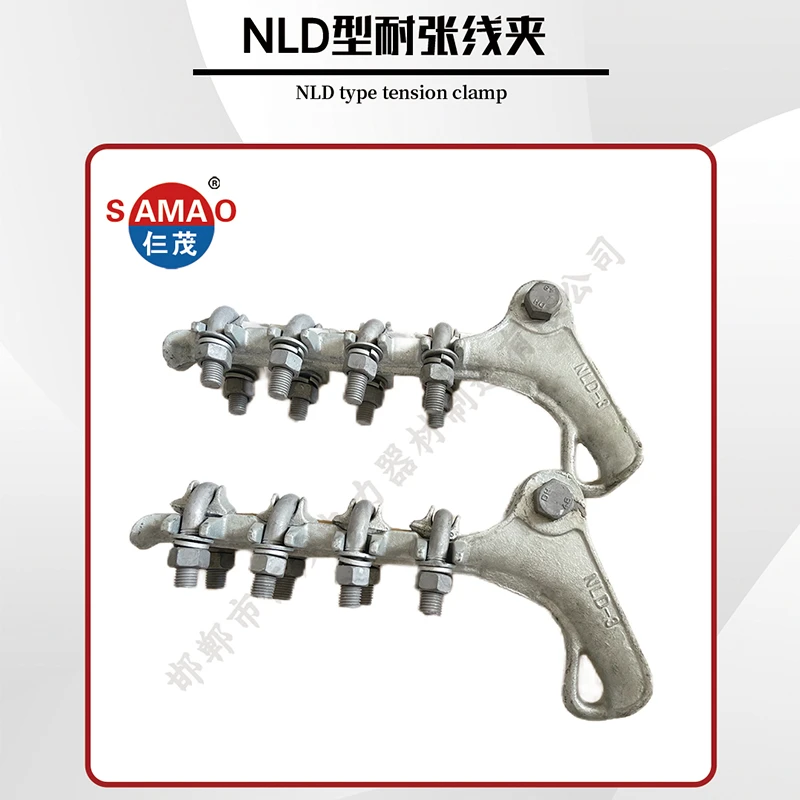
These trends underscore the critical importance of selecting robust and technologically advanced cable management solutions. The evolution of the wire cable stop clamp now includes designs optimized for specific applications like a tension lock clamp for self-supporting cables or a specialized strain clamp for overhead line applications, all while adhering to stringent safety and performance standards.
Technical Specifications and Components
A superior wire cable stop clamp is a marvel of engineering, designed to withstand extreme forces and environmental exposure. Understanding its technical specifications is crucial for optimal selection and performance. Key components and their characteristics include:
- Body Material: Typically high-strength aluminum alloy, galvanized steel, or stainless steel. Aluminum alloys offer an excellent strength-to-weight ratio and corrosion resistance, while galvanized steel provides superior mechanical strength and durability in harsh conditions.
- Wedge/Jaw Mechanism: Designed to securely grip the cable without damaging its integrity. Materials often include aluminum, ductile iron, or polymer composites, sometimes with special coatings to enhance grip and prevent abrasion.
- U-Bolts/Bolts & Nuts: High-tensile steel, hot-dip galvanized for corrosion protection, ensuring strong fastening and ease of installation.
- Cotter Pins/Retainers: Stainless steel for long-term security.
- Corona Rings (for high voltage): Essential for reducing electrical stress and preventing corona discharge on high-voltage lines, made from aluminum alloys.
Key Performance Parameters:
- Ultimate Tensile Strength (UTS): The maximum stress a material can withstand while being stretched or pulled before breaking. For clamps, this relates to the maximum load they can endure.
- Slippage Load: The minimum axial load at which the cable begins to slip within the clamp. A critical parameter for safety and performance.
- Holding Power: Often expressed as a percentage of the cable's UTS, indicating the clamp's ability to maintain its grip. Industry standards typically require 90-95% of the cable's rated breaking strength.
- Fatigue Resistance: Ability to withstand repeated stress cycles without failure, crucial for applications subjected to wind-induced vibrations.
- Corrosion Resistance: Durability against environmental elements like moisture, salts, and industrial pollutants.
- Temperature Range: Operating limits to ensure performance in extreme hot and cold conditions.
Table 1: Typical Product Specifications for Wire Cable Stop Clamps
| Parameter | Description | Typical Value/Range |
|---|---|---|
| Material (Body) | High-strength Aluminum Alloy (e.g., A356.2), Galvanized Steel | Aluminum, Steel (Hot-dip Galvanized) |
| Cable Diameter Range | Applicable conductor sizes | 10 mm - 120 mm (specific models vary) |
| Rated Ultimate Strength (RUS) | Maximum breaking strength of the clamp assembly | 10 kN - 300 kN (depending on application) |
| Holding Power | Percentage of the cable's breaking strength the clamp can hold | ≥ 90% (e.g., ANSI C119.4) |
| Applicable Cable Types | ACSR, AAAC, AAC, ADSS, OPGW | Specific to clamp design |
| Corrosion Resistance | Resistance to environmental degradation | Excellent (Salt Spray Test > 1000 hrs) |
| Service Life Expectancy | Estimated operational lifespan | 30+ years |
These specifications ensure that each wire cable stop clamp is fit for purpose, providing maximum safety and longevity in demanding environments.
Manufacturing Process: Precision Engineering for Reliability
The production of a high-performance wire cable stop clamp is a testament to precision engineering and stringent quality control. Our manufacturing process integrates advanced techniques to ensure every product meets or exceeds international standards. Here's a detailed look at the typical process flow:
-
Material Selection and Preparation:
High-grade raw materials such as primary aluminum ingots (A356.2 or equivalent), carbon steel, or stainless steel are carefully selected. Spectrometric analysis is performed to verify exact chemical composition, ensuring material integrity and compliance with design specifications for strength and corrosion resistance.
-
Casting or Forging:
- Casting: For complex shapes, a sand casting or die-casting process is used for aluminum alloys. Molten metal is poured into molds, followed by controlled cooling to achieve desired crystalline structures. This method allows for intricate designs while maintaining structural integrity.
- Forging: For steel components requiring maximum strength and ductility, hot forging is employed. Metal is heated and then shaped under immense pressure, aligning grain structures and eliminating internal defects, resulting in superior mechanical properties.
-
CNC Machining:
Post-casting or forging, components undergo precise CNC (Computer Numerical Control) machining. This ensures accurate dimensions, smooth surfaces, and tight tolerances for critical features like bolt holes and cable gripping channels, crucial for the clamp's secure function as a cable relief clamp.
-
Surface Treatment:
- Hot-dip Galvanizing: Steel components are hot-dip galvanized according to ISO 1461 or ASTM A153 standards, providing a thick, durable zinc coating for superior corrosion resistance against environmental elements.
- Passivation/Anodization: Aluminum components may undergo passivation or anodization to enhance their natural oxide layer, improving corrosion resistance and surface hardness.
-
Assembly:
Components are assembled using high-strength fasteners. During assembly, specific torque values are applied to bolts to ensure consistent and reliable clamp performance.
-
Quality Control and Testing:
Each batch undergoes rigorous testing:
- Mechanical Tests: Ultimate Tensile Strength (UTS), Slippage Load, and Holding Power tests are conducted on universal testing machines, often simulating field conditions.
- Corrosion Tests: Salt spray tests (e.g., ASTM B117) evaluate coating durability and material resistance.
- Dimensional Inspection: Precision instruments verify adherence to design tolerances.
- Visual Inspection: Checking for surface defects, burrs, or incomplete coatings.
-
Packaging and Dispatch:
Products are securely packaged to prevent damage during transit, ensuring they arrive in pristine condition, ready for installation. Our products are designed for a service life of 30+ years, even in harsh environments.
Target industries benefiting from this meticulous process include petrochemical, metallurgy, water supply & drainage, power transmission, and telecommunications, where advantages such as enhanced energy saving through minimized line losses (due to optimal conductor tension), superior corrosion resistance, and prolonged service life are critical.
Technical Advantages and Performance Benefits
Investing in high-quality wire cable stop clamp solutions offers a multitude of technical advantages that translate into significant long-term benefits for industrial applications:
- Superior Corrosion Resistance: Through advanced material selection (e.g., marine-grade aluminum alloys, hot-dip galvanized steel) and specialized surface treatments, our clamps withstand highly corrosive environments, including coastal areas, industrial zones with chemical exposure, and regions with high humidity. This significantly extends the service life and reduces the need for frequent replacements, lowering operational expenditure (OpEx).
- Enhanced Mechanical Strength and Load Bearing: Engineered to meet or exceed international standards like ANSI C119.4 and IEC 61284, these clamps offer exceptional holding power, often rated at 95% or more of the cable's Ultimate Tensile Strength (UTS). This ensures minimal cable slippage under dynamic loads (wind, ice) and static tension, preventing structural failures.
- Optimized Cable Protection: The design of the gripping mechanism (e.g., wedge-type or bolted tension type) minimizes stress concentrations on the cable, preventing damage to individual strands or the outer jacket. This is crucial for maintaining the electrical and mechanical integrity of conductors and fiber optic cables (ADSS/OPGW).
- Vibration Dampening: Some advanced designs incorporate features or materials that contribute to dampening Aeolian vibrations (wind-induced oscillations), which can cause fatigue damage to conductors. This extends the lifespan of both the clamp and the cable.
- Ease of Installation and Maintenance: Ergonomically designed for straightforward installation, reducing labor time and costs. The robust construction also minimizes maintenance requirements over its extensive service life, providing a low Total Cost of Ownership (TCO).
- Energy Efficiency: By maintaining optimal cable tension and preventing sag, these clamps contribute indirectly to energy efficiency by ensuring conductors operate within their designed parameters, minimizing resistance and associated line losses in power transmission systems.
These advantages collectively contribute to enhanced operational safety, reduced downtime, and greater overall reliability for critical infrastructure, making the wire cable stop clamp an indispensable component in modern industrial applications.
Application Scenarios and Target Industries
The versatility of the wire cable stop clamp extends across a myriad of industries, providing critical support and tensioning in diverse and often challenging environments. Its robust design makes it suitable for applications where secure cable termination and strain relief are paramount.
Key Application Areas:
- Overhead Power Transmission and Distribution Lines: Essential for anchoring bare and insulated conductors (ACSR, AAAC, AAC) at dead-end structures and tensioning points. Our specialized strain clamp for overhead line ensures secure termination for spans carrying significant electrical loads across vast distances and varying terrains.
- Telecommunications Infrastructure: Used for tensioning fiber optic cables (ADSS, OPGW) on utility poles and communication towers, particularly for aerial installations where maintaining sag and preventing wind-induced damage is crucial.
- Railway Electrification Systems: Securing catenary and feeder cables for railway overhead line equipment (OHLE), ensuring consistent tension and reliable power supply for electric trains.
- Industrial and Construction Projects: Providing secure anchorage for guy wires, structural cables, and heavy-duty lifting slings in construction sites, bridge building, and industrial plant setups. Often used as a robust tension lock clamp for heavy loads.
- Marine and Offshore Applications: In marine environments, corrosion-resistant clamps are vital for securing mooring lines, offshore platform cables, and underwater instrumentation cables.
- Renewable Energy Installations: Supporting cables in wind turbine towers, solar farm installations, and hydroelectric power generation facilities, where durability and resistance to harsh weather are critical.
Target Industries:
- Power Utilities & Grid Operators: For transmission, distribution, and substation applications.
- Telecommunication Companies: For aerial fiber optic networks and copper cable infrastructure.
- Petrochemical & Mining: For supporting process and power cables in hazardous and corrosive environments.
- Metallurgy & Heavy Manufacturing: For crane cables, material handling systems, and structural supports.
- Water Supply & Drainage: For securing pump cables and structural elements in water treatment plants and pumping stations.
- Construction & Infrastructure Development: For temporary and permanent structural cable anchoring.
The ability of these clamps to operate reliably under constant tension, extreme weather, and corrosive conditions makes them indispensable across these sectors, ensuring infrastructure integrity and operational continuity.
Vendor Comparison and Selection Criteria
Choosing the right vendor for wire cable stop clamp solutions is a critical decision that impacts project timelines, budget, and long-term operational reliability. While many suppliers offer these products, distinguishing between them based on key criteria is essential for B2B procurement professionals.
Key Selection Criteria:
- Certifications and Compliance: Verify adherence to international standards such as ISO 9001 (Quality Management), ANSI C119.4, IEC 61284, and local regulatory requirements. These ensure product consistency and safety.
- Material Quality and Traceability: Insist on vendors who provide transparent material specifications and traceability from raw material to finished product. This prevents the use of inferior alloys that compromise strength and corrosion resistance.
- Manufacturing Capabilities: Assess the vendor's manufacturing process – do they utilize advanced techniques like precision casting, forging, and CNC machining? Are their surface treatments (e.g., hot-dip galvanizing) performed to industry best practices?
- Testing and Quality Control: A reputable vendor will have comprehensive in-house testing facilities and provide test reports for mechanical strength, slippage, fatigue, and corrosion resistance. Third-party certifications are a strong indicator of reliability.
- Product Range and Customization: Evaluate if the vendor offers a broad portfolio to meet diverse application needs and the capability to provide customized solutions for unique project requirements.
- Technical Support and Expertise: Access to experienced engineers for pre-sales consultation, technical specifications, and post-sales support is invaluable for complex projects.
- Reputation and Track Record: Look for vendors with a proven history, positive customer feedback, and a portfolio of successful projects, especially within your specific industry.
- Lead Time and Supply Chain Reliability: Timely delivery is crucial for project schedules. Assess the vendor's production capacity and supply chain resilience.
- Warranty and After-Sales Service: Clear warranty terms and responsive after-sales support demonstrate confidence in product quality and commitment to customer satisfaction.
Table 2: Vendor Comparison Matrix (Illustrative)
| Feature/Criterion | Vendor A (Premium) | Vendor B (Standard) | Vendor C (Budget) |
|---|---|---|---|
| Certifications | ISO 9001, ANSI, IEC, CE, UL | ISO 9001, basic local standards | Limited/No major certifications |
| Material Traceability | Full batch traceability, material test reports | Partial traceability | Minimal/None |
| Manufacturing Process | Precision Casting/Forging, CNC, Automated Galvanizing | Standard Casting, Manual Galvanizing | Basic Casting, inconsistent finishing |
| In-house Testing | Comprehensive mechanical, electrical, corrosion labs | Basic mechanical tests only | Relies on external/minimal testing |
| Customization Options | Extensive, engineering support | Limited to slight modifications | Rarely available |
| Warranty | 5-10 years, performance guarantee | 1-3 years standard | Less than 1 year or none |
This comparison highlights the importance of due diligence. While budget options might seem appealing upfront, the long-term costs associated with failures, maintenance, and premature replacement often outweigh initial savings.
Customized Solutions for Unique Challenges
Recognizing that off-the-shelf solutions may not always suffice for complex industrial challenges, we specialize in providing customized wire cable stop clamp solutions. Many projects, especially in specialized sectors like offshore energy, smart city infrastructure, or high-voltage power grids, present unique requirements that demand bespoke engineering.
Our Customization Process:
- Detailed Requirement Analysis: We collaborate closely with clients to understand specific project parameters, environmental conditions (e.g., extreme temperatures, corrosive agents), cable types and diameters, load requirements, and installation constraints.
- Design and Engineering: Our team of experienced engineers utilizes advanced CAD/CAM software and Finite Element Analysis (FEA) to design clamps that precisely meet the specified mechanical and electrical performance criteria. This includes optimizing material selection, geometry, and surface treatments.
- Prototyping and Testing: Custom designs often undergo rapid prototyping and iterative testing in our in-house labs, subjecting them to simulated real-world conditions to validate performance, durability, and safety before full-scale production.
- Material and Coating Customization: From specialized anti-corrosion coatings for marine applications to specific alloy compositions for extreme temperature variations, we tailor materials and finishes to maximize component longevity and functionality.
- Integration Support: We provide technical documentation and support to ensure seamless integration of custom clamps into existing or new infrastructure, including guidance on installation procedures and maintenance schedules.
This tailored approach ensures that our clients receive a wire cable stop clamp solution that is perfectly aligned with their operational needs, offering unmatched performance and long-term value where standard products fall short.
Application Case Studies
Real-world application demonstrates the true value and performance of a well-engineered wire cable stop clamp. Here are examples of how our solutions have been deployed to address critical infrastructure needs:
Case Study 1: High-Voltage Transmission Line Expansion in Arid Region
- Challenge: A national power utility required robust strain clamps for overhead line deployment across a vast desert landscape characterized by extreme temperatures (0°C to 50°C), strong winds, and abrasive sand. The primary concern was maintaining consistent conductor tension and preventing hardware degradation due to sand erosion and temperature fluctuations over decades.
- Solution: We supplied customized aluminum alloy tension clamps with an enhanced anodized coating, specifically designed for superior abrasion and corrosion resistance. The clamps featured an optimized wedge design to accommodate the thermal expansion and contraction of the ACSR conductors while maintaining over 95% of the cable's UTS.
- Outcome: Over 10 years in operation, these clamps have exhibited negligible wear and no instances of slippage or material failure, even under sustained high wind loads. The client reported significant savings in maintenance costs and exceptional reliability, directly contributing to stable power supply for regional industries.
Case Study 2: Subsea Communication Cable Anchorage for Offshore Wind Farm
- Challenge: An offshore wind farm developer needed specialized cable relief clamps to secure fiber optic communication cables entering the offshore substation. The clamps had to withstand continuous saltwater immersion, strong currents, and dynamic loading from wave action, with a design life of 25 years without intervention.
- Solution: We developed a bespoke clamp fabricated from super duplex stainless steel (for extreme corrosion resistance) with a unique articulated design to accommodate cable movement and prevent fatigue. Each cable relief clamp was individually tested for its ingress protection (IP) rating and underwater mechanical stability.
- Outcome: The customized clamps provided secure, long-term anchorage, eliminating concerns about cable damage or signal interruption. The project achieved full operational status on schedule, with the clamps performing flawlessly in a highly aggressive marine environment. This solution proved more cost-effective than traditional methods requiring frequent subsea inspections and potential repairs.
These cases highlight our capability to deliver reliable and high-performance solutions for even the most demanding applications, affirming our commitment to engineering excellence and client satisfaction.
Ensuring : Certifications, Partners, Test Data
Our commitment to Expertise, Experience, Authoritativeness, and Trustworthiness () is fundamental to our operations. We ensure that every wire cable stop clamp we produce adheres to the highest industry standards, backed by robust certifications, strategic partnerships, and verifiable test data.
Authoritative Certifications:
- ISO 9001:2015: Our quality management system is certified to ISO 9001, ensuring consistent product quality from design to delivery. This means strict control over manufacturing processes, material sourcing, and customer satisfaction.
- ANSI C119.4 Compliance: Our tension clamps meet or exceed the American National Standards Institute (ANSI) C119.4 standard for Connectors for Use in Overhead Distribution Systems, ensuring mechanical and electrical performance.
- IEC 61284: Adherence to International Electrotechnical Commission (IEC) 61284 for Overhead Lines – Requirements and tests for fittings, providing global recognition of product safety and performance.
- CE Marking: Products conform to European health, safety, and environmental protection standards.
Trusted Partner Clients and Years of Service:
With over two decades of dedicated service in the industry, we have cultivated long-standing relationships with leading national power utilities, telecommunication giants, and major industrial conglomerates across continents. Our client roster includes highly respected entities who rely on our expertise for critical infrastructure projects. We pride ourselves on being a trusted supplier for clients who demand uncompromising quality and reliability.
Rigorous Test Data and Chart-Based Analysis:
Every product line undergoes extensive internal and third-party testing. We maintain a comprehensive database of test results, including:
- Load-Deflection Curves: Illustrating clamp behavior under increasing tension, showing ultimate strength and creep performance.
- Fatigue Life Charts: Demonstrating the number of cycles a clamp can endure at various stress levels before failure, critical for vibration-prone environments.
- Salt Spray Test Results: Quantifying corrosion resistance over extended periods (e.g., >1000 hours without red rust for galvanized components).
- Temperature Cycling Reports: Validating performance across extreme operating temperature ranges.
This data-driven approach provides tangible evidence of our product's superior performance and durability, reinforcing our authoritative standing in the market. Our commitment to transparency ensures clients have full access to relevant performance metrics.
Frequently Asked Questions (FAQ)
To build trustworthiness and address common concerns, here are answers to frequently asked questions regarding the wire cable stop clamp:
A1: Our clamps are designed and manufactured for a minimum service life of 30 years under normal operating conditions, often exceeding this in less severe environments, thanks to robust materials and advanced surface treatments.
A2: Yes, we offer specific designs optimized for various conductor types, including ACSR (Aluminum Conductor Steel Reinforced), AAAC (All Aluminum Alloy Conductor), AAC (All Aluminum Conductor), ADSS (All-Dielectric Self-Supporting fiber optic cables), and OPGW (Optical Ground Wire). It is crucial to select the correct clamp variant for each specific cable type and diameter to ensure optimal performance and prevent damage.
A3: Critical factors include cable type and diameter, required ultimate tensile strength (UTS) or rated breaking strength (RBS), environmental conditions (corrosion, temperature), application type (dead-end, suspension, tensioning), and relevant international standards (ANSI, IEC, ISO).
A4: Absolutely. We provide detailed installation manuals and offer comprehensive technical support, including on-site training or remote consultation, to ensure correct and safe installation of our products.
A5: Our clamps are designed with features that minimize stress concentrations and, in some cases, integrate vibration dampening elements. They undergo extensive fatigue testing to ensure durability against Aeolian vibrations and other dynamic loads common in overhead line applications.
Logistics & Support: Ensuring Seamless Project Execution
Beyond product quality, we understand that efficient logistics and reliable after-sales support are paramount for B2B clients. Our commitment extends to ensuring a smooth and transparent process from order placement to product lifecycle management.
Lead Time & Fulfillment:
We maintain optimized production schedules and robust inventory management to ensure competitive lead times. For standard wire cable stop clamp products, typical lead times range from 2-4 weeks. For custom-engineered solutions, lead times are determined during the design phase, considering complexity and material sourcing, with clear communication throughout the process. Our global logistics network ensures efficient delivery to project sites worldwide, minimizing delays and supporting just-in-time procurement strategies.
Warranty Commitments:
We stand behind the quality and durability of our products with a comprehensive warranty. All our tension clamps come with a standard 5-year warranty against manufacturing defects and material failures under normal operating conditions. Extended warranty options are available for specific projects or customized solutions, reflecting our confidence in our engineering and manufacturing excellence.
Customer Support & Technical Assistance:
Our dedicated customer support team and technical experts are available to assist with any queries, from product selection and technical specifications to installation guidance and troubleshooting. We offer:
- Prompt response to inquiries via phone, email, or dedicated client portals.
- Access to detailed product data sheets, CAD drawings, and installation manuals.
- On-site technical visits or remote consultations for complex project challenges.
- After-sales service, including spare parts availability and performance reviews.
Our goal is to be a reliable partner throughout the entire project lifecycle, ensuring that our clients receive not only superior products but also exceptional service and support.
Conclusion
The wire cable stop clamp is far more than a simple fastening device; it is a critical component that underpins the reliability, safety, and longevity of vast industrial and utility infrastructures. From high-voltage power lines traversing continents to intricate telecommunication networks and robust industrial systems, the performance of these clamps is non-negotiable.
By prioritizing advanced material science, precision manufacturing, and rigorous testing, we deliver solutions that consistently exceed industry expectations. Our commitment to expertise, extensive experience, and authoritative compliance with global standards ensures that our clients receive trustworthy products capable of withstanding the most demanding environments. As infrastructure development continues globally, the demand for robust, reliable, and sustainable cable management solutions will only intensify. Partnering with a proven specialist who offers both standard and customized wire cable stop clamp options is essential for safeguarding long-term operational success and asset integrity.
References
- International Electrotechnical Commission (IEC) - IEC 61284: Overhead Lines – Requirements and tests for fittings.
- American National Standards Institute (ANSI) - ANSI C119.4: Connectors for Use in Overhead Distribution Systems Rated 600 Volts or Less.
- International Organization for Standardization (ISO) - ISO 9001: Quality management systems – Requirements.
- ASTM International - ASTM B117: Standard Practice for Operating Salt Spray (Fog) Apparatus.
- Mordor Intelligence - Power Cable Accessories Market - Growth, Trends, COVID-19 Impact, and Forecasts (2023-2028).
- Journal of Materials Engineering and Performance - Article on Fatigue Behavior of Aluminum Alloys in Power Line Fittings.
-
Laundry Efficiency Guide with pengapit ampaian dengan cangkuk iNewsApr.16,2026
-
Optimizing Power Infrastructure with the pengapit ampaian tnbNewsApr.09,2026
-
Comprehensive Guide to Selecting the Right pengapit penggantungan untuk kabel lt ab SolutionsNewsApr.07,2026
-
Comprehensive Guide to Pengapit Talian Penghantaran for Secure Package DeliveryNewsApr.04,2026
-
Comprehensive Guide to Pemasangan Pengapit Penggantungan for Overhead Cabling SystemsNewsMar.31,2026
-
Comprehensive Guide to Pengapit Ampaian yang Telah Dibentuk for Construction SafetyNewsMar.28,2026
-
Comprehensive Guide to Pengapit Ampaian Besi for Scaffolding SafetyNewsMar.26,2026