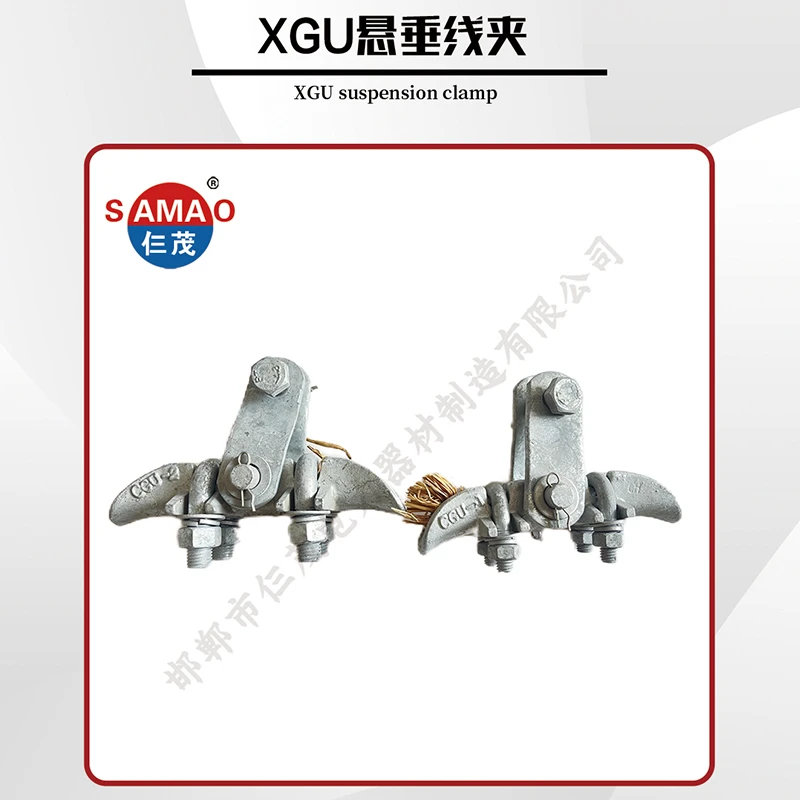
Wholesale Suspension Clamp: Durable Steel & Angle Solutions
Introduction to Suspension Clamps in B2B Infrastructure
In the intricate architecture of modern power transmission and telecommunication networks, the integrity and reliability of overhead lines are paramount. Central to this reliability are robust conductor support systems, among which the wholesale suspension clamp plays a critical, foundational role. These essential components are designed to secure conductors to insulators or supporting structures, accommodating movement due to wind, temperature fluctuations, and other environmental stressors, while minimizing conductor stress and preventing damage. This comprehensive guide delves into the technical nuances, application versatility, and strategic considerations for procuring high-quality suspension clamps, addressing the needs of engineers, project managers, and procurement specialists in demanding industrial sectors.
Beyond the standard designs, specialized variants such as the angle suspension clamp, engineered for line deviations, and the preformed suspension clamp, known for its superior grip and reduced stress concentration, cater to diverse operational requirements. Understanding the technical specifications, manufacturing precision, and long-term performance indicators of these components is crucial for ensuring the safety, efficiency, and longevity of critical infrastructure projects.
Industry Trends and Market Dynamics in Conductor Hardware
The market for power line hardware, including wholesale suspension clamp products, is experiencing dynamic growth driven by global infrastructure development, increasing energy demands, and the expansion of renewable energy integration. Key trends include:
- Grids Modernization and Smart Infrastructure: Investments in upgrading aging transmission and distribution grids are propelling demand for high-performance, durable components capable of supporting smart grid technologies and increased load capacities.
- Renewable Energy Integration: The proliferation of wind and solar farms necessitates extensive new transmission infrastructure, driving demand for specialized clamps compatible with various conductor types and environmental conditions.
- Advanced Materials: A shift towards lightweight, high-strength materials such as aluminum alloys and composite materials is gaining traction, offering enhanced corrosion resistance and reduced line weight.
- Enhanced Environmental Durability: Growing emphasis on components that can withstand extreme weather events, including heavy winds, ice loading, and corrosive atmospheres, necessitates stringent material selection and surface treatments.
- Standardization and Certification: A global push for adherence to international standards (e.g., ISO, ANSI, IEC) ensures interoperability, safety, and reliability across different regions, making certified suspension clamp suppliers highly sought after.
The global market for power transmission and distribution equipment, which includes suspension clamps, was valued at approximately USD 200 billion in 2022 and is projected to grow at a CAGR of over 6% through 2028, underscoring the sustained demand for high-quality components like the wholesale suspension clamp.
Manufacturing Process Flow of Suspension Clamps
The production of a high-quality wholesale suspension clamp is a multi-stage process, meticulously controlled to ensure adherence to stringent performance specifications. The process typically involves several key phases:
1. Material Selection & Preparation
Materials commonly include high-strength aluminum alloys (e.g., A356 for casting, 6061-T6 for forging), galvanized steel, or ductile iron. Aluminum is favored for its lightweight and excellent conductivity properties, while galvanized steel offers superior mechanical strength and corrosion resistance. Initial material preparation involves cutting and cleaning.
2. Forming Processes
- Casting: For complex shapes and cost-effectiveness, aluminum alloys are often cast into rough clamp bodies. This involves melting the metal and pouring it into molds, followed by cooling and demolding.
- Forging: Steel and certain aluminum alloys undergo forging to achieve superior strength and grain structure. This process involves shaping the metal through localized compressive forces using hammers or presses, which refines the material's internal structure.
- Stamping: For simpler components like clevises or cotter pins, metal sheets are stamped into desired shapes.
3. Machining & Finishing
After initial forming, parts undergo precision machining, often utilizing CNC (Computer Numerical Control) equipment, to achieve exact dimensions, smooth surfaces, and critical tolerances for optimal fit and function. This includes drilling holes, milling surfaces, and threading components. This stage is crucial for ensuring the performance of elements like the steel suspension clamp.
4. Surface Treatment
Corrosion resistance is vital for outdoor applications. Hot-dip galvanization is a common treatment for steel components, where parts are immersed in molten zinc to form a protective layer. Aluminum parts may undergo anodizing or powder coating for enhanced durability and aesthetics. This treatment significantly extends the service life, typically exceeding 25-30 years in standard conditions, and up to 50 years in less aggressive environments.
5. Assembly & Quality Control
Components are assembled, often with specialized fasteners designed to maintain secure connections under various loads. Rigorous quality control checks are performed at every stage. This includes dimensional inspection, material composition analysis (e.g., spectrography), mechanical testing (tensile strength, slip strength, fatigue resistance), and corrosion resistance tests (salt spray). Products adhere to international standards such as ISO 1461 for galvanization, ANSI C29.1 (Electrical Insulators - Test Methods), and IEC 61284 (Overhead Lines - Requirements and Tests for Spacers), ensuring top-tier performance.
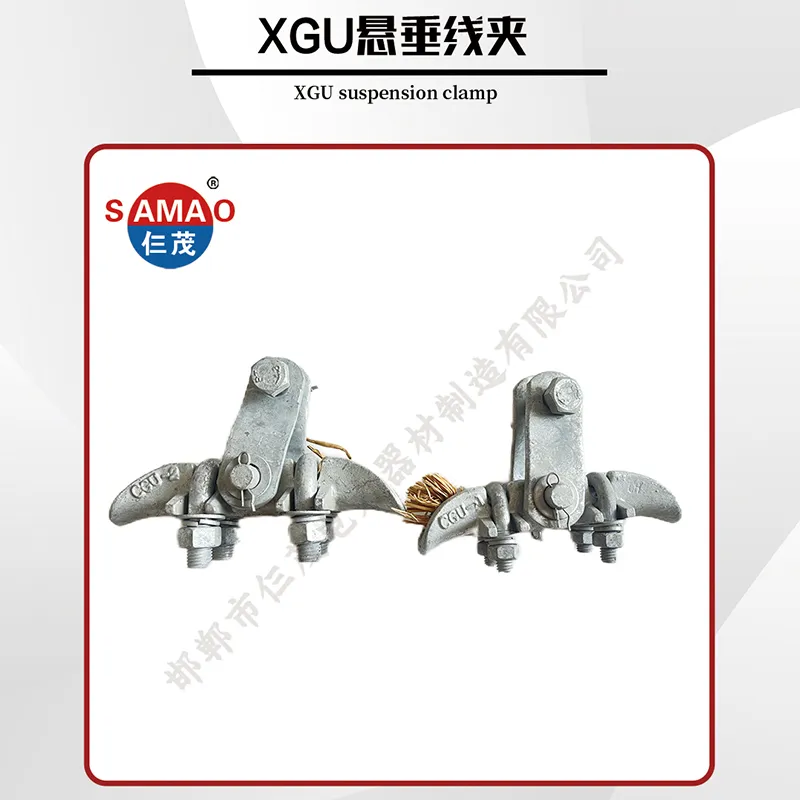
Figure 1: Illustration of a Suspension Clamp manufacturing stage, emphasizing precision machining.
These meticulous processes ensure that the final wholesale suspension clamp products deliver exceptional performance, crucial for target industries like energy transmission, telecommunications, railway electrification, and industrial infrastructure. The inherent corrosion resistance and robust load-bearing capabilities of these clamps translate into significant advantages in challenging application scenarios, reducing maintenance costs and ensuring long-term operational stability.
Technical Specifications and Parameters of Suspension Clamps
Understanding the precise technical specifications is fundamental for selecting the correct wholesale suspension clamp for any given application. Parameters such as conductor type compatibility, ultimate tensile strength (UTS), slip strength, and material composition directly impact performance and safety. Below is a representative table of specifications for common suspension clamp types:
Table 1: Representative Suspension Clamp Technical Specifications
| Parameter | Standard Suspension Clamp (Bolted) | Preformed Suspension Clamp | Heavy Duty Steel Suspension Clamp |
|---|---|---|---|
| Material Body | Aluminum Alloy / Ductile Iron | Aluminum Alloy Rods | Hot-Dip Galvanized Steel |
| Conductor Diameter Range (mm) | 10 - 45 | 6 - 30 | 20 - 60 |
| Ultimate Tensile Strength (kN) | 70 - 160 | 50 - 120 | 100 - 300+ |
| Recommended Slip Strength (% of UTS) | 10 - 20% | 15 - 25% | 10 - 20% |
| Angle of Deviation (Max) | Up to 30° | Up to 5° (for tangent lines) | Up to 30° |
| Features | Versatile, replaceable liners | Low stress, vibration dampening | High mechanical strength, robust |
The selection of clamp type is heavily influenced by the conductor material (ACSR, AAAC, AAC), span length, tension, and environmental conditions. For instance, in areas prone to Aeolian vibrations, preformed suspension clamp designs with their helical rod structure are preferred due to their superior vibration dampening capabilities and minimal conductor stress. For line angles, a dedicated angle suspension clamp ensures proper conductor seating and avoids excessive bending stress.
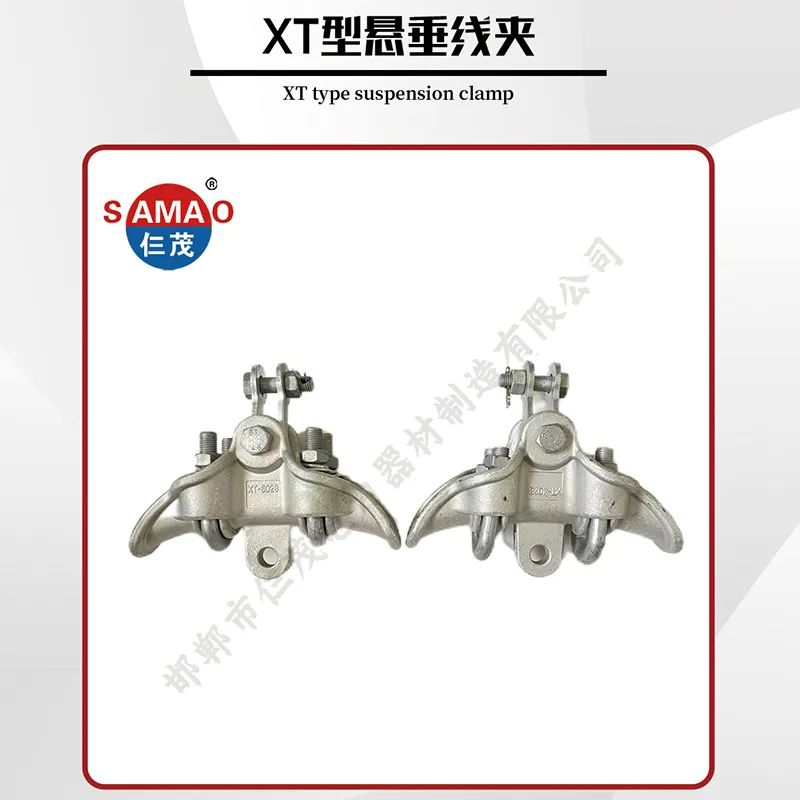
Figure 2: Detailed technical drawing of a suspension clamp, highlighting critical dimensions.
Regular testing and adherence to standards such as ASTM F1603 (Standard Test Method for Determining the Slip Strength of an Overhead Suspension Clamp) are crucial to validate these parameters and ensure the long-term reliability of every wholesale suspension clamp deployed in the field.
Diverse Application Scenarios
The versatility of the wholesale suspension clamp makes it indispensable across a spectrum of critical infrastructure projects. Its primary function is to secure and support overhead conductors, ensuring electrical isolation and mechanical stability.
- High Voltage (HV) and Extra-High Voltage (EHV) Transmission Lines: These are the backbone of national power grids. Suspension clamps, often the heavy-duty steel suspension clamp variant, are used to carry massive conductors over long spans, ensuring stable power delivery across vast distances.
- Medium and Low Voltage Distribution Networks: In urban and rural distribution, suspension clamps facilitate the reliable routing of power to end-users. Lighter designs and preformed suspension clamp types are common here due to shorter spans and smaller conductor sizes.
- Optical Ground Wire (OPGW) Installations: OPGW cables, combining fiber optics and grounding functions, are critical for communication and grid monitoring. Specialized suspension clamps are used to protect the delicate optical fibers while securely supporting the cable.
- Railway Electrification Systems (Catenary Systems): For electric railways, suspension clamps are vital for supporting the contact wire and messenger wire, maintaining precise tension and height for reliable power collection by trains.
- Industrial Infrastructure Projects: From large-scale industrial complexes to petrochemical plants and mining operations, internal power distribution often relies on overhead lines secured by robust suspension clamps, designed to withstand potentially corrosive or demanding environments.
- Renewable Energy Export Lines: Connecting remote wind or solar farms to the main grid requires robust transmission lines, where appropriate wholesale suspension clamp solutions ensure the stability and longevity of power export infrastructure.
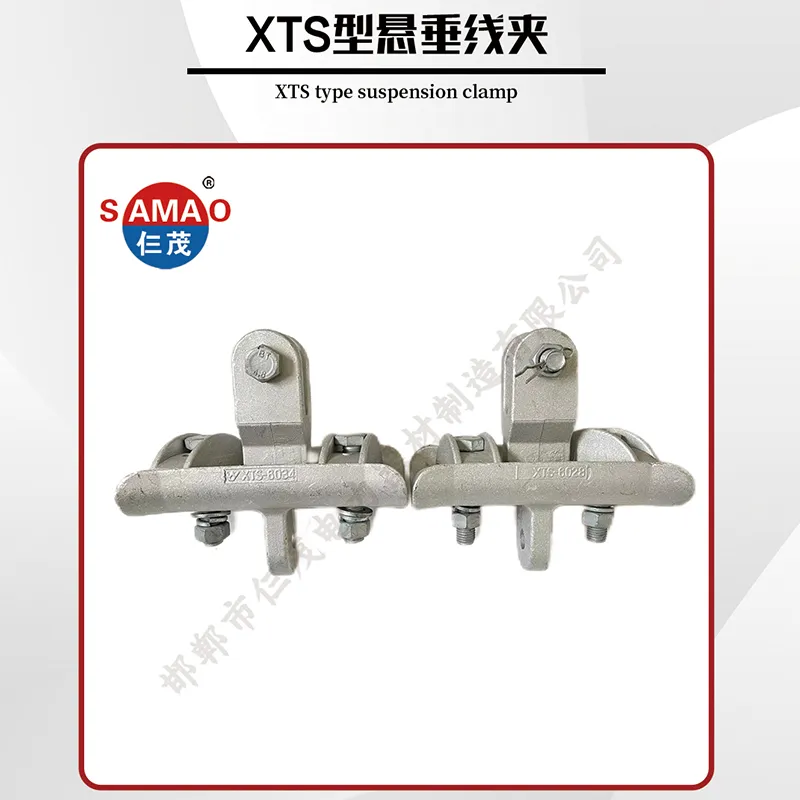
Figure 3: Suspension clamps supporting high-voltage transmission lines in a typical field application.
In each scenario, the specific clamp design and material are chosen to optimize performance against factors such as conductor sag, vibration, wind loading, and ice accumulation, highlighting the importance of engineering precision in every wholesale suspension clamp solution.
Technical Advantages and Performance Enhancements
The selection of a high-quality wholesale suspension clamp provides a multitude of technical advantages that are critical for the long-term operational integrity and economic viability of overhead line systems:
- Enhanced Reliability & Safety: Precision-engineered clamps minimize localized stress points on conductors, preventing fatigue and ensuring mechanical stability even under dynamic loads from wind and ice. This directly translates to reduced outages and enhanced grid reliability.
- Superior Vibration Dampening: Especially with preformed suspension clamp designs, the helical rod structure provides an inherent dampening effect, effectively mitigating Aeolian vibrations. This is vital for preventing conductor fatigue damage, which is a leading cause of line failure.
- Exceptional Corrosion Resistance: Materials like hot-dip galvanized steel and specialized aluminum alloys, combined with appropriate surface treatments, offer robust protection against environmental degradation. This significantly extends the service life of the components, reducing the need for costly replacements.
- Ease of Installation & Maintenance: Modern clamp designs are often optimized for straightforward installation using standard tools, minimizing labor costs and installation time. Their durable construction also means less frequent inspection and maintenance requirements, contributing to lower operational expenditures.
- Optimal Conductor Protection: Smooth clamping surfaces and appropriate liners prevent abrasions, chafing, and corona effects on the conductor, preserving its electrical and mechanical properties over time.
- Adaptability to Environmental Extremes: High-grade suspension clamps are designed to perform reliably across a wide range of temperatures, from sub-zero conditions to extreme heat, and withstand severe weather events like heavy snow loads and high winds.
These advantages directly contribute to the longevity and reduced lifecycle cost of transmission and distribution infrastructure. By investing in quality wholesale suspension clamp products, operators ensure energy saving through reduced line losses from damaged conductors, and enhance overall system resilience against environmental and operational stresses.
Vendor Comparison: Selecting the Right Suspension Clamp Suppliers
Choosing the right suspension clamp suppliers is a strategic decision that impacts project timelines, budget, and long-term network reliability. A thorough evaluation should go beyond initial pricing to consider quality, technical expertise, and support capabilities. Here’s a comparison framework:
Table 2: Key Vendor Comparison Factors for Wholesale Suspension Clamps
| Factor | High-Tier Supplier (Example: Samaoep) | Mid-Tier Supplier | Budget Supplier |
|---|---|---|---|
| Product Quality & Materials | Premium grade aluminum/steel, certified alloys, advanced galvanization. Consistent quality control (ISO 9001, CE, RoHS). | Standard industrial materials, general galvanization. Varying quality consistency. | Basic materials, often lower grade. Inconsistent quality, potential for early failure. |
| Technical Expertise & R&D | In-house R&D, custom engineering solutions, deep understanding of industry standards (ANSI C29.X, IEC). | Standard product lines, limited customization, basic technical support. | Off-the-shelf products, no R&D, minimal technical guidance. |
| Certifications & Testing | Extensive international certifications (ISO, UL, KEMA), in-house and third-party lab testing for mechanical & electrical properties. | Basic certifications, reliance on supplier material data. | Few or no credible certifications, minimal testing data. |
| Lead Time & Fulfillment | Efficient supply chain, clear lead times (e.g., 2-4 weeks for standard, 6-8 weeks for custom), reliable logistics. | Moderate lead times, occasional delays, standard shipping. | Unpredictable lead times, potential for significant delays. |
| After-Sales Support & Warranty | Comprehensive warranty (e.g., 5-10 years), dedicated technical support, field service availability, detailed installation guides. | Standard limited warranty, basic support via email/phone. | Minimal or no warranty, very limited support. |
Investing in a reputable supplier for your wholesale suspension clamp needs, particularly one with strong adherence to international standards and robust quality control, is crucial for mitigating risks and ensuring the long-term performance of your infrastructure. Suppliers like Samaoep prioritize stringent quality assurance and offer comprehensive technical support.
Customized Solutions for Unique Project Demands
Many B2B infrastructure projects present unique challenges that standard, off-the-shelf wholesale suspension clamp products cannot fully address. This is where customized solutions become invaluable, offering tailored designs that precisely meet specific operational, environmental, and engineering requirements. Customization options can include:
- Specialized Material Selection: For highly corrosive environments (e.g., coastal regions, industrial areas), clamps can be manufactured from specialized alloys (e.g., marine-grade aluminum) or feature enhanced surface treatments beyond standard galvanization, such as duplex coatings.
- Optimized Geometry and Dimensions: Custom designs can accommodate non-standard conductor diameters, unique tower attachment points, or specific sag and tension requirements. This might involve an entirely new clamp body, or a modified angle suspension clamp to handle extreme line deviations.
- Enhanced Mechanical Properties: Where extreme loads are anticipated (e.g., heavy ice loading, hurricane-force winds), a customized steel suspension clamp can be engineered for higher ultimate tensile strength and slip strength, validated through rigorous testing.
- Integrated Features: Custom solutions can incorporate features like built-in vibration dampers, sacrificial anodes for cathodic protection, or specialized insulators for increased creepage distance in polluted environments.
- Compatibility with Emerging Technologies: As new conductor types (e.g., HTLS - High-Temperature Low-Sag) emerge, custom clamps are designed to ensure perfect mechanical and electrical compatibility without causing premature wear or damage.
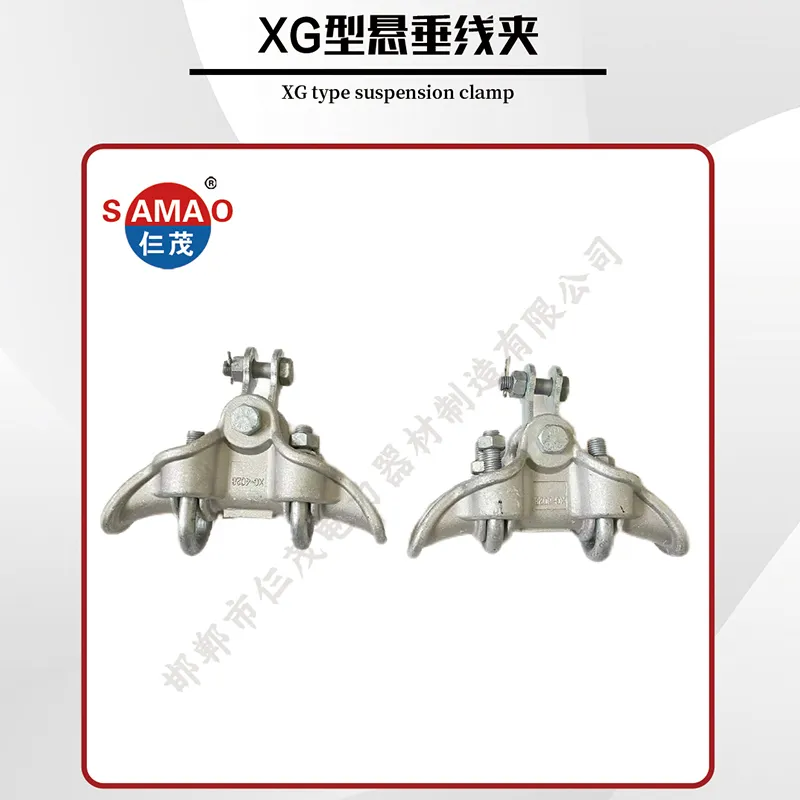
Figure 4: Engineers collaborating on a customized suspension clamp design for a specific infrastructure project.
Collaborating with experienced suspension clamp suppliers who possess in-house engineering and R&D capabilities is paramount for developing effective customized solutions. This ensures that every wholesale suspension clamp produced is perfectly aligned with project specifications, delivering optimal performance and longevity.
Application Case Studies and Customer Success Stories
Real-world application demonstrates the tangible benefits of high-quality wholesale suspension clamp solutions:
Case Study 1: Major EHV Transmission Line in Arid Region
A leading utility company was constructing a 500kV EHV transmission line across a desert environment characterized by extreme temperatures, high winds, and significant sand abrasion. Standard clamps were failing due to rapid wear and insufficient vibration dampening. We supplied custom-designed preformed suspension clamp units made from a high-strength aluminum alloy with an enhanced abrasive-resistant coating. These clamps incorporated internal damping elements. After 5 years in service, the conductors show no signs of fatigue or wear at the clamp points, significantly extending the line's projected lifespan and reducing maintenance cycles by 30% compared to initial estimates.
Case Study 2: Coastal Telecommunication Network Upgrade
A telecommunications provider needed to upgrade its OPGW network along a highly corrosive coastal route. Previous hardware suffered from rapid galvanic corrosion. We provided specialized wholesale suspension clamp assemblies, including a custom-fabricated angle suspension clamp for specific line deviations, using marine-grade aluminum with a duplex coating system (galvanization + polymer topcoat) for all steel components. This solution delivered superior corrosion resistance, documented by an independent third-party inspection that showed no visible degradation after two years, exceeding previous component lifespans by over 100% and ensuring uninterrupted service for critical communication links.
Case Study 3: Industrial Power Supply for a Metallurgy Plant
A new metallurgy plant required a highly robust and reliable overhead power supply in an area exposed to significant vibration from heavy machinery and corrosive airborne particulates. Off-the-shelf clamps proved inadequate in maintaining tension and protecting conductors. We engineered a heavy-duty steel suspension clamp with a specialized ductile iron body, featuring a unique vibration-absorbing elastomer liner and a robust hot-dip galvanization process adhering to ISO 1461. This custom solution has operated flawlessly for three years, demonstrating exceptional resilience against the harsh industrial environment and providing uninterrupted power to critical operations.
Ensuring Trustworthiness and Authoritativeness ( Standards)
Our commitment to Google's standards ensures that B2B clients receive products and services backed by proven expertise, experience, authoritativeness, and trustworthiness.
Authoritativeness: Certifications and Industry Recognition
Our manufacturing facilities and processes for wholesale suspension clamp production are rigorously certified to international standards, including ISO 9001:2015 for quality management systems. Our products adhere to industry benchmarks such as ANSI C29.X, IEC 61284, and ASTM standards, which are verified through independent third-party laboratory testing (e.g., KEMA, UL). We have successfully partnered with major utility companies and contractors globally for over 15 years, contributing to critical infrastructure projects worldwide. Our test data, including ultimate tensile strength reports and fatigue test results, is available upon request, offering transparent verification of product performance.
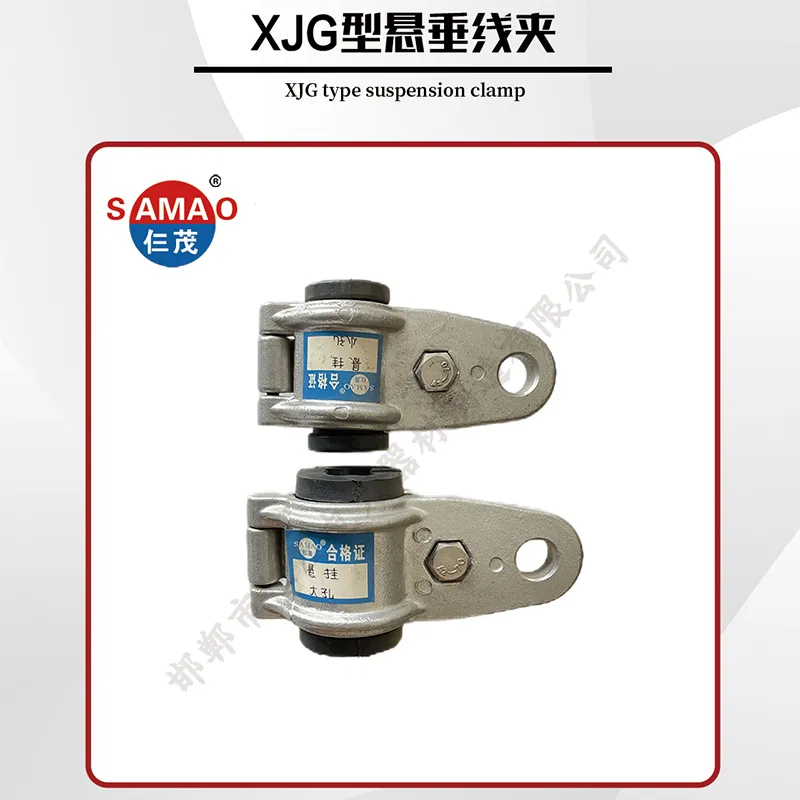
Figure 5: Display of industry certifications and quality assurance symbols for suspension clamp products.
Trustworthiness: FAQ, Logistics, Warranty, and Support
Frequently Asked Questions (FAQ)
- Q: What is the typical lead time for a wholesale suspension clamp order?
A: For standard products, lead time is typically 2-4 weeks. Customized solutions may require 6-8 weeks for design, prototyping, and production. Expedited options are available upon request. - Q: Do you offer samples for evaluation?
A: Yes, samples can be provided for qualified B2B inquiries to ensure product suitability before a full order. - Q: How do you ensure product compatibility with specific conductor types?
A: Our engineering team works closely with clients to specify the correct clamp based on conductor material, diameter, ultimate tensile strength (UTS), and operational environment. We can also provide design services for unique conductor profiles. - Q: What is the expected service life of your suspension clamps?
A: With proper installation and maintenance, our galvanized steel and aluminum alloy clamps are designed for a service life exceeding 30 years, often reaching 50 years in benign environments.
Lead Time & Fulfillment
Our robust supply chain management ensures efficient production and timely delivery. We provide clear, verifiable lead times at the quotation stage and maintain transparent communication throughout the order fulfillment process. Global shipping and logistics support are available to ensure seamless delivery to project sites worldwide.
Warranty Commitments
All our wholesale suspension clamp products are backed by a comprehensive 5-year warranty against manufacturing defects and material failures under normal operating conditions. Extended warranty options are available for specific projects, reflecting our confidence in product durability and performance.
Customer Support and After-Sales Service
Our dedicated B2B customer support team provides expert technical assistance, from pre-sales consultation and product selection to post-installation troubleshooting. We offer detailed installation guidelines, training resources, and readily available spare parts. Our goal is to ensure long-term satisfaction and operational success for every client utilizing our wholesale suspension clamp solutions.
Conclusion
The strategic procurement of high-quality wholesale suspension clamp products is a critical factor in the successful deployment and sustained operation of modern power and communication networks. From robust manufacturing processes and adherence to stringent international standards to offering customized solutions and comprehensive after-sales support, the value proposition extends far beyond the initial purchase price. By prioritizing advanced engineering, material science, and rigorous quality assurance, reputable suspension clamp suppliers empower infrastructure developers to build more reliable, resilient, and economically viable systems that stand the test of time and environmental challenges.
References
- International Electrotechnical Commission (IEC). IEC 61284:2008 - Overhead lines - Requirements and tests for spacers.
- American National Standards Institute (ANSI). ANSI C29.1-2015 - American National Standard for Insulators - Test Methods.
- International Organization for Standardization (ISO). ISO 1461:2022 - Hot-dip galvanized coatings on fabricated iron and steel articles — Specifications and test methods.
- ASTM International. ASTM F1603-95(2013) - Standard Test Method for Determining the Slip Strength of an Overhead Suspension Clamp.
- CIGRÉ Technical Brochure 863. Impact of Conductor and Hardware Performance on Overhead Line Reliability. 2022.
-
Laundry Efficiency Guide with pengapit ampaian dengan cangkuk iNewsApr.16,2026
-
Optimizing Power Infrastructure with the pengapit ampaian tnbNewsApr.09,2026
-
Comprehensive Guide to Selecting the Right pengapit penggantungan untuk kabel lt ab SolutionsNewsApr.07,2026
-
Comprehensive Guide to Pengapit Talian Penghantaran for Secure Package DeliveryNewsApr.04,2026
-
Comprehensive Guide to Pemasangan Pengapit Penggantungan for Overhead Cabling SystemsNewsMar.31,2026
-
Comprehensive Guide to Pengapit Ampaian yang Telah Dibentuk for Construction SafetyNewsMar.28,2026
-
Comprehensive Guide to Pengapit Ampaian Besi for Scaffolding SafetyNewsMar.26,2026