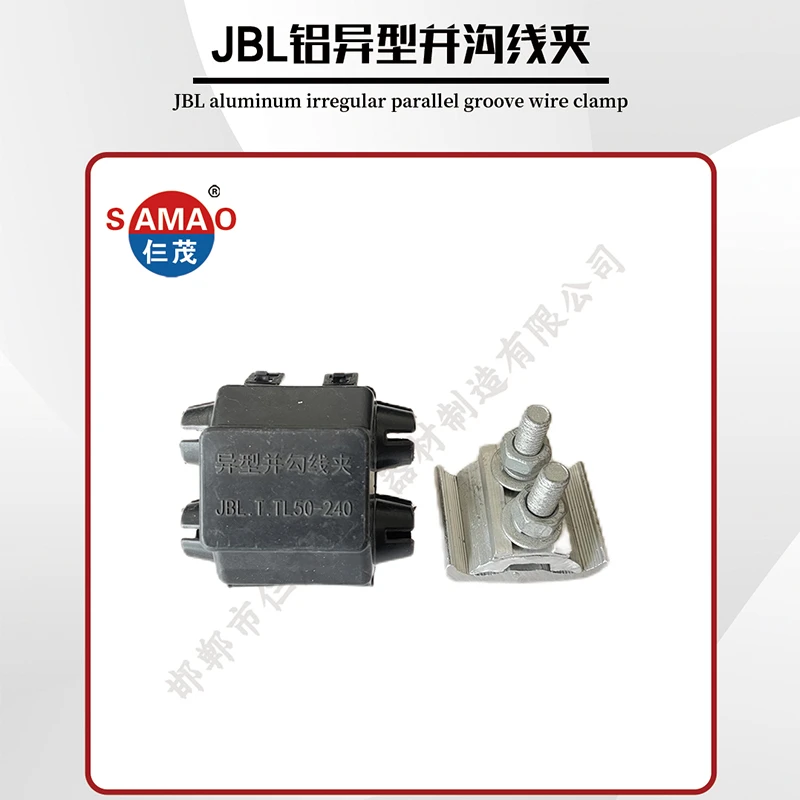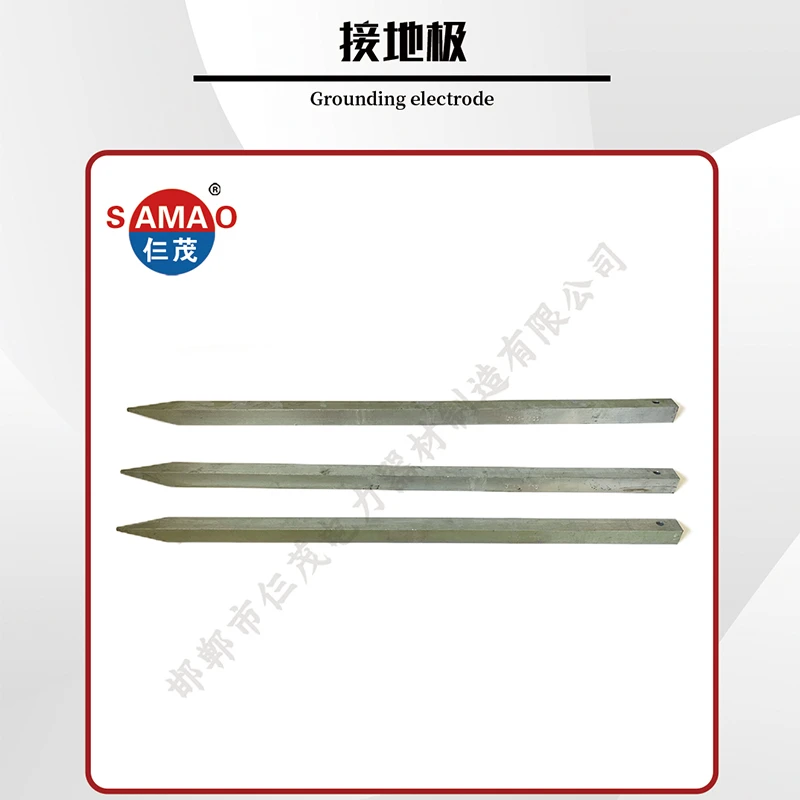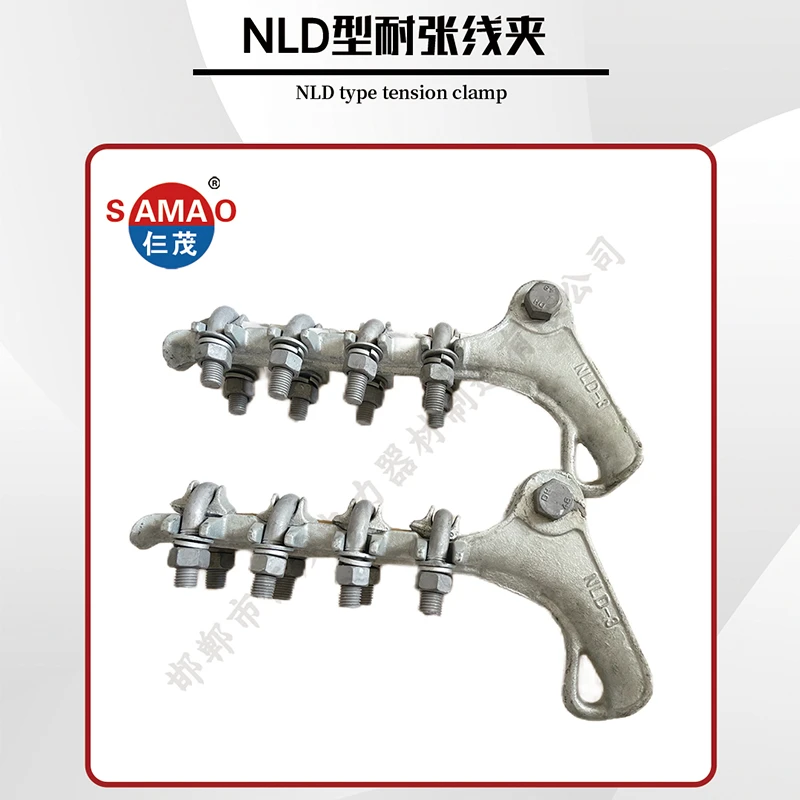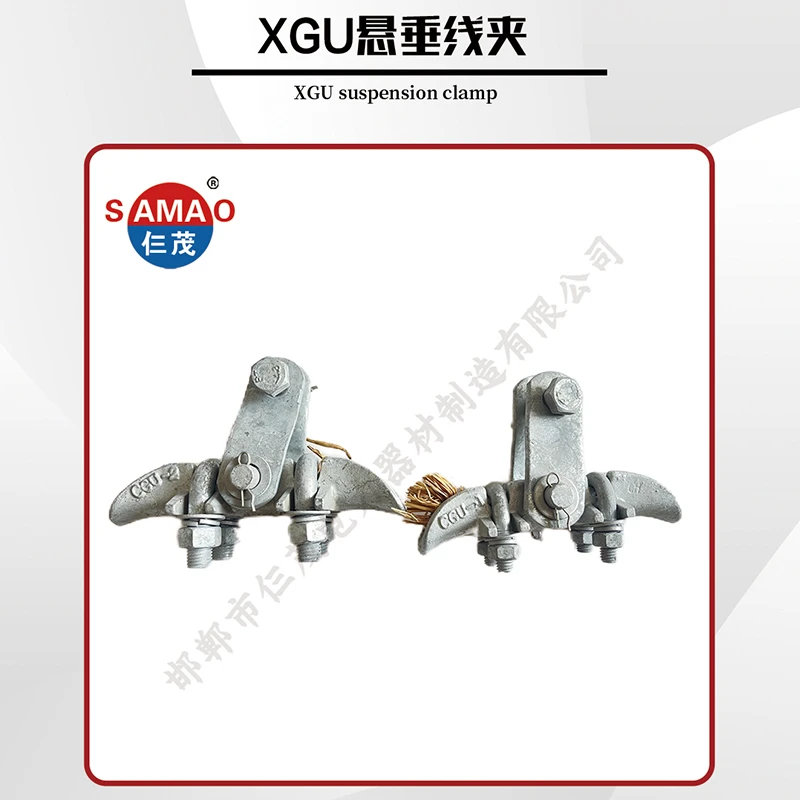
Secure Wire Cable Stop Clamp | Tension Lock & Strain Relief
Understanding the Critical Role of Wire Cable Stop Clamps in Industrial Applications
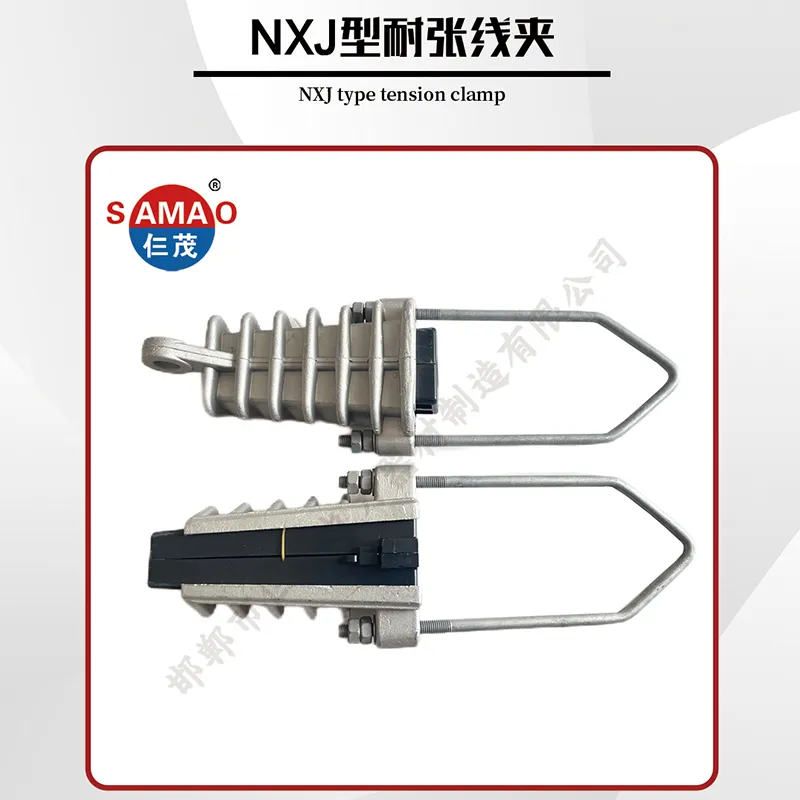
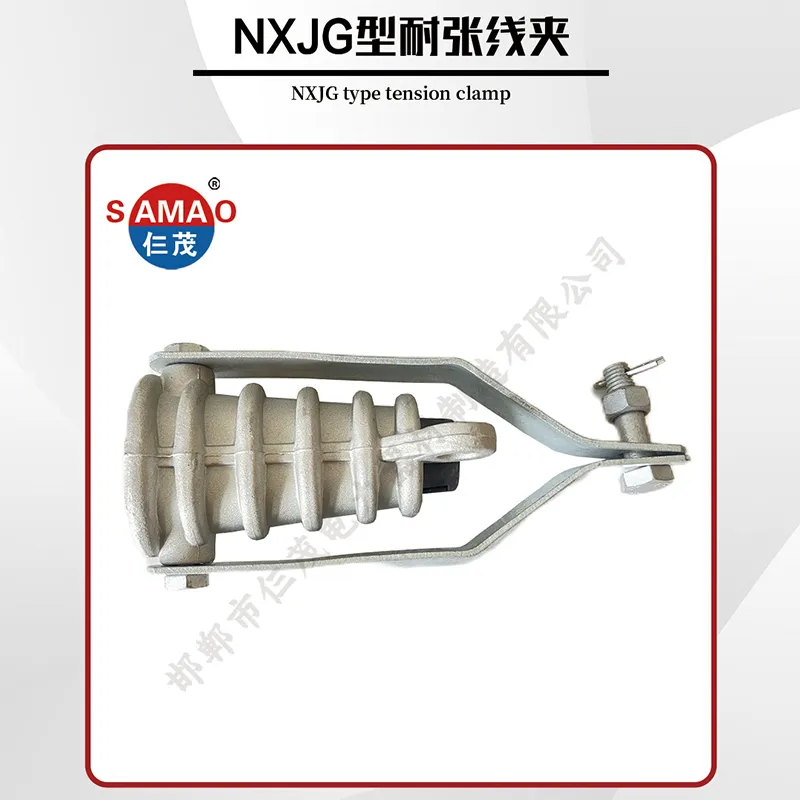
In various industrial sectors, the integrity and secure management of wire and cable systems are paramount. Among the foundational components ensuring this security is the wire cable stop clamp. These specialized devices, often referred to as tension clamps, strain clamps, or dead-end clamps, are engineered to bear mechanical load, secure cables at specific points, and provide crucial strain relief. Their robust design prevents cable slippage, protects terminations, and ensures the long-term reliability of electrical transmission, data communication, and structural support systems. This detailed guide explores their technical nuances, applications, and strategic significance for B2B decision-makers and engineers.
Industry Trends and Market Dynamics for Cable Clamping Solutions
The global market for cable accessories, including advanced cable clamping solutions like the wire cable stop clamp, is experiencing steady growth driven by several key trends. Rapid urbanization and industrial expansion necessitate vast infrastructure development, particularly in power transmission and telecommunications. The increasing adoption of renewable energy sources, such as wind and solar farms, demands specialized clamping solutions for complex cable routing and extreme environmental conditions. Furthermore, the push towards smart grids and IoT infrastructure is accelerating the demand for reliable, high-performance components that can withstand rigorous operational demands and offer extended service life.
Technological advancements are also shaping the market. Innovations in material science are leading to clamps with enhanced corrosion resistance, lighter weight, and improved mechanical strength. Digitalization in manufacturing processes, including advanced simulation and additive manufacturing, is enabling the production of highly precise and customized clamping solutions. The emphasis on safety standards and regulatory compliance (e.g., IEC 61284, ANSI C2.2) continues to drive product development towards more robust and verifiable designs, ensuring maximum reliability in critical applications like overhead line strain management or specific cable relief. Analysts project a CAGR of 6-8% for the cable accessories market from 2023 to 2030, highlighting a robust future for high-quality clamping solutions.
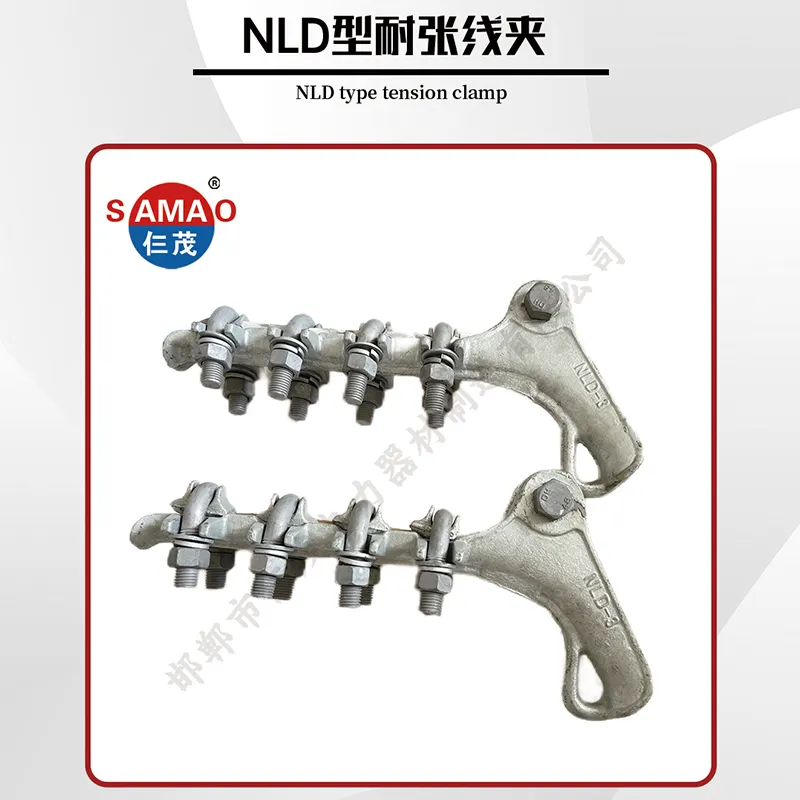
Manufacturing Process of a High-Quality Wire Cable Stop Clamp
The production of a reliable wire cable stop clamp involves a meticulously controlled process, ensuring dimensional accuracy, material integrity, and optimal mechanical performance. Our manufacturing adheres to stringent quality protocols, leveraging advanced techniques to meet international standards such as ISO 9001 for quality management and ISO 14001 for environmental management.
Key Stages of Production:
- Material Selection and Sourcing: The primary materials for these clamps are high-strength aluminum alloys (e.g., A356, 6061-T6), galvanized steel, or stainless steel (e.g., 304, 316). These are chosen for their superior corrosion resistance, tensile strength, and fatigue resistance, essential for applications in petrochemical, metallurgy, and water supply & drainage systems. Materials are sourced from certified suppliers to guarantee chemical composition and mechanical properties.
- Forming Process (Casting/Forging):
- Die Casting: For intricate shapes and high-volume production, aluminum alloys are typically die-cast. This involves injecting molten metal under high pressure into steel molds, ensuring excellent surface finish and dimensional consistency.
- Forging: For components requiring exceptional strength and impact resistance, especially for critical strain clamps for overhead lines, steel or higher-grade aluminum is forged. This process involves shaping metal through localized compressive forces using hammers or presses, aligning the grain structure for superior mechanical properties.
- CNC Machining: Post-casting or forging, components undergo precision CNC (Computer Numerical Control) machining. This step ensures critical dimensions, such as bore diameters, thread specifications, and mating surfaces, meet exact tolerances. This precision is vital for the effective tension lock mechanism of the clamp and to prevent cable damage.
- Surface Treatment: To enhance durability and corrosion resistance, finished parts receive appropriate surface treatments. This includes hot-dip galvanization for steel components (meeting ASTM A153/A123 standards) or anodizing for aluminum alloys. These treatments are crucial for ensuring a long service life, typically exceeding 25-30 years in challenging outdoor environments.
- Assembly: Individual components are assembled, often incorporating specialized hardware like shear bolts or locking mechanisms, designed for secure installation and maintenance.
- Quality Control and Testing: Each batch undergoes rigorous testing. This includes:
- Tensile Strength Testing: To verify the ultimate tensile strength (UTS) and yield strength, ensuring the clamp can withstand specified loads without failure, per ANSI C2.2.
- Slip Strength Testing: Critical for verifying the clamp's ability to hold the cable securely without slipping under tension, adhering to standards like IEC 61284.
- Corrosion Resistance Testing: Salt spray tests (ASTM B117) or accelerated weathering tests ensure the effectiveness of surface treatments.
- Dimensional Inspection: Using CMM (Coordinate Measuring Machine) and gauges to confirm all dimensions are within tolerance.
This comprehensive process ensures each wire cable stop clamp offers maximum performance, demonstrating advantages like superior energy saving (by reducing maintenance and replacement needs due to corrosion resistance) and unparalleled reliability in harsh conditions.
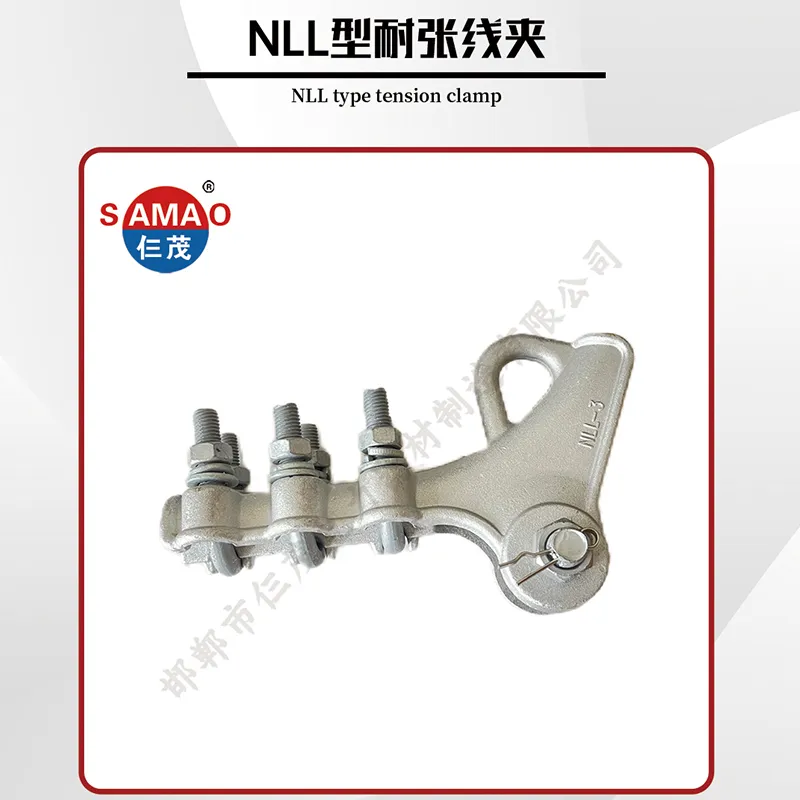
Technical Specifications and Performance Parameters
Understanding the technical specifications of a wire cable stop clamp is crucial for proper selection and installation, directly impacting system reliability and safety. Key parameters include the rated breaking load (RBL), slip strength, conductor compatibility, and material composition. Our products are designed to meet or exceed relevant industry standards, ensuring superior performance.
Product Specification Table: High-Performance Tension Clamps
Our products are certified by independent laboratories, adhering to stringent standards set by organizations such as ISO and ANSI. We ensure full traceability of materials and robust testing procedures to guarantee the performance of every clamp.
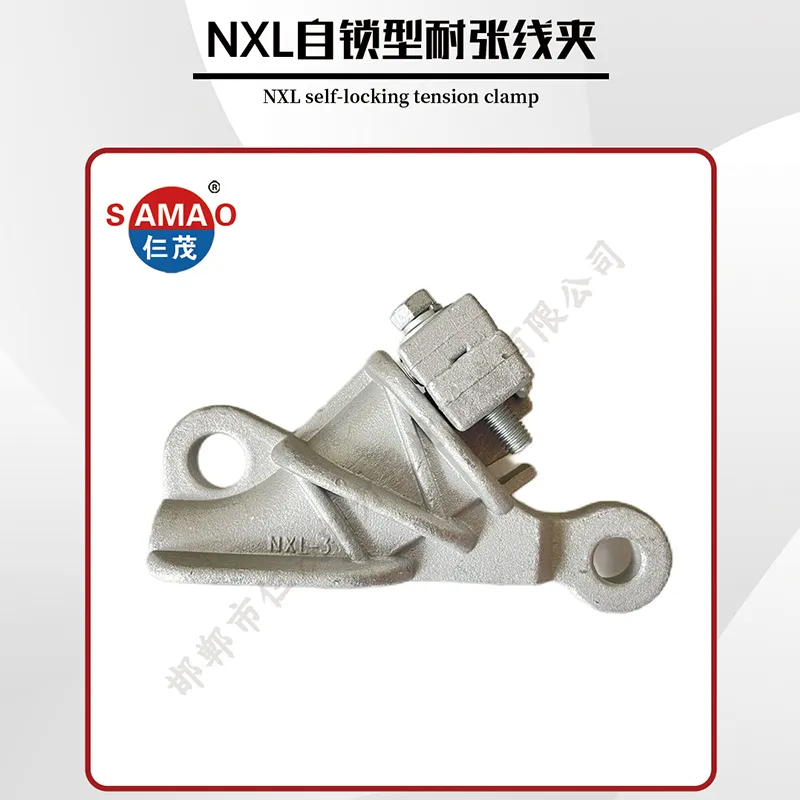
Application Scenarios and Technical Advantages
The versatility of the wire cable stop clamp makes it indispensable across a multitude of heavy-duty industrial and utility applications. Its primary function is to secure overhead conductors, ground wires, and various types of cables, providing robust mechanical support and electrical continuity where necessary.
Typical Application Scenarios:
- Power Transmission and Distribution: Essential as tension lock clamps for dead-ending conductors at transmission towers, substation structures, and utility poles. They manage the high mechanical stresses on overhead power lines, ensuring grid stability.
- Telecommunications: Used to secure fiber optic cables and communication lines to poles and other support structures, preventing sag and protecting against wind-induced vibrations.
- Railway Electrification: Critical in anchoring catenary and contact wires, providing consistent tension for reliable power supply to electric trains.
- Industrial Rigging and Lifting: Employed in construction, offshore platforms, and heavy machinery for securing wire ropes and lifting slings, offering a dependable cable relief clamp.
- Mining and Tunnelling: Securing ventilation ducts, power cables, and communication lines in harsh underground environments, where durability and corrosion resistance are paramount.
- Renewable Energy Installations: Anchoring cables in wind turbine towers and securing solar farm wiring, enduring constant exposure to environmental elements.
Technical Advantages:
- Superior Mechanical Holding Strength: Engineered to provide a secure grip on conductors, preventing slippage even under extreme tension, dynamic loads, and vibrations. This is verified by rigorous slip strength tests, often exceeding 95% of the conductor's Ultimate Tensile Strength (UTS).
- Corrosion Resistance: Manufactured from materials like hot-dip galvanized steel or high-strength aluminum alloys, treated to resist rust and environmental degradation, significantly extending service life in corrosive atmospheres (e.g., coastal regions, industrial zones).
- Reduced Conductor Damage: Design features such as smooth inner surfaces, tapered gripping jaws, and specific torque application limits minimize stress concentrations on the conductor, preventing abrasion and fatigue failure.
- Ease of Installation and Maintenance: Many designs incorporate features like self-tightening wedges or shear-head bolts, simplifying installation and ensuring proper torque application without specialized tools, thus reducing labor costs and downtime.
- Versatility: Available in various configurations (wedge type, bolted type, compression type) to accommodate different conductor materials, sizes, and application requirements, including specialized strain clamps for overhead lines.
- Longevity and Reliability: With a projected service life of over 25 years, these clamps reduce the total cost of ownership through minimized maintenance and replacement cycles.
Vendor Comparison and Customized Solutions
Selecting the right supplier for a wire cable stop clamp is a strategic decision that goes beyond initial purchase price, focusing on long-term performance, reliability, and support. While many vendors offer standard products, differentiation lies in engineering expertise, manufacturing quality, customization capabilities, and after-sales service. Our commitment to excellence is reflected in our robust product development and client-centric approach.
Key Vendor Comparison Factors:
- Certifications and Compliance: Verify adherence to international standards like ISO 9001, IEC, ANSI, and local regulatory bodies. This indicates a commitment to quality and safety.
- Material Quality and Traceability: Insist on suppliers who provide full traceability of raw materials and use premium-grade alloys and steels with proven long-term performance.
- Testing and QA Protocols: Evaluate the robustness of their in-house and third-party testing procedures (e.g., tensile strength, slip resistance, fatigue, environmental exposure).
- Engineering Expertise & R&D: A vendor with strong R&D capabilities can offer innovative solutions and adapt to evolving industry challenges, such as developing new cable relief clamp designs for emerging cable technologies.
- Customization Capabilities: For unique projects or non-standard cable configurations, the ability to provide tailored solutions is critical.
- Lead Time and Logistics: Efficient supply chain management ensures timely delivery, minimizing project delays and costs.
- After-Sales Support & Warranty: Comprehensive warranties and responsive technical support are indicative of a reliable partner.
Customized Solutions:
Understanding that every project has unique requirements, we specialize in providing bespoke solutions. Our engineering team collaborates closely with clients to develop custom wire cable stop clamp designs for specific applications, including:
- Non-Standard Conductor Sizes or Types: Designing clamps for unusually large diameters, bundled conductors, or specialized cable constructions (e.g., OPGW).
- Extreme Environmental Conditions: Developing clamps with enhanced resistance to corrosive chemicals, extreme temperatures, or high UV exposure.
- Unique Structural Interfaces: Customizing clamp bodies or attachment points to integrate seamlessly with existing or specialized infrastructure.
- Specific Load Requirements: Engineering clamps to meet higher or specialized tension and vibration dampening needs.
Our process for customized solutions involves detailed CAD modeling, finite element analysis (FEA) for stress testing, rapid prototyping, and exhaustive physical testing to ensure the tailored product meets all performance criteria. This ensures our clients receive not just a product, but a precision-engineered solution.
Application Case Studies: Proving Reliability in Action
Our experience in the field spans over two decades, working with leading utilities, EPC contractors, and industrial clients globally. These case studies highlight the practical application and proven reliability of our wire cable stop clamp solutions.
Case Study 1: High-Voltage Transmission Line Project
Client: Major National Power Utility
Challenge: Secure dead-ending of 400kV ACSR conductors in a mountainous region prone to high winds and seismic activity. The existing clamps showed signs of fatigue and slip after a few years.
Solution: We provided custom-designed tension lock clamps (dead-end clamps) made from forged aluminum alloy with enhanced fatigue resistance. These clamps incorporated a unique internal wedge design to distribute stress evenly across the conductor strands. Each clamp was subjected to stringent fatigue and slip tests exceeding IEC 61284 Class 2 requirements.
Outcome: Over 5,000 clamps were installed across 150 km of transmission lines. Post-installation monitoring for 5 years showed zero instances of conductor slippage or clamp failure. The utility reported a significant reduction in maintenance costs and increased system reliability, directly contributing to energy saving by preventing outages.
Case Study 2: Offshore Wind Farm Cable Management
Client: Leading Renewable Energy Developer
Challenge: Managing subsea inter-array and export cables exiting transition pieces of offshore wind turbines. The harsh marine environment demanded extreme corrosion resistance and robust cable relief clamps to mitigate dynamic loading from wave action and turbine vibrations.
Solution: We developed a series of specialized cable relief clamps fabricated from marine-grade stainless steel (316L) with additional polymer coatings for galvanic corrosion protection. These clamps were designed to accommodate large diameter subsea cables (up to 150mm) and provide a controlled bending radius, preventing fatigue at the exit point. All components were tested for 2000+ hours in salt spray chambers (ASTM B117) and verified for long-term underwater stability.
Outcome: Deployed in a 500MW offshore wind farm, these clamps have been instrumental in securing critical power cables. Inspections after 3 years indicated no signs of corrosion or structural degradation, confirming their superior performance and extending the operational life of the cable infrastructure.
Trustworthiness and Support: FAQ, Lead Time, Warranty, and After-Sales
Frequently Asked Questions (FAQ)
- Q: What is the typical service life of your tension clamps?
- A: Our tension clamps are designed for a service life exceeding 25 years under normal operating conditions, owing to the use of high-quality materials and robust surface treatments.
- Q: Do your products comply with international standards?
- A: Yes, all our products, including the wire cable stop clamp, are manufactured and tested in strict compliance with international standards such as ISO 9001, IEC 61284, and ANSI C2.2. We also hold relevant certifications for specific regions and applications.
- Q: Can you provide customized solutions for unique cable sizes or load requirements?
- A: Absolutely. We have a dedicated engineering team that specializes in custom designs. We work closely with clients to understand specific needs and develop tailored tension lock clamps or cable relief clamp solutions, often including advanced simulation and testing.
Lead Time and Fulfillment
Our efficient manufacturing processes and robust supply chain enable competitive lead times. For standard products, typical lead times range from 4-6 weeks. Custom orders may require 8-12 weeks, depending on complexity and material sourcing. We maintain a strategic inventory of critical components to expedite urgent requests. Detailed lead time information is provided with each quotation.
Warranty Commitments
We stand behind the quality and reliability of our products. All our wire cable stop clamp solutions come with a standard 5-year warranty against manufacturing defects and material failures under normal operating conditions. Extended warranty options are available for specific projects, subject to terms and conditions.
Customer Support and After-Sales Services
Our commitment to client success extends beyond product delivery. We offer comprehensive after-sales support, including:
- Technical Assistance: Our team of engineers provides expert guidance on product selection, installation best practices, and troubleshooting.
- On-site Support: For large-scale projects, we can deploy technical specialists for on-site consultation and supervision to ensure seamless integration and optimal performance.
- Documentation and Training: Provision of detailed product manuals, installation guides, and training sessions for client personnel.
- Spare Parts and Replacements: Easy access to genuine spare parts and expedited replacement services, minimizing downtime.
We are dedicated to building long-term partnerships through unparalleled product quality and responsive service.
References
- International Electrotechnical Commission (IEC) Standard 61284: Overhead lines – Requirements and tests for fittings for conductors and earth-wires.
- American National Standards Institute (ANSI) C2.2: National Electrical Safety Code (NESC) - Requirements for the installation and maintenance of electric supply and communication lines.
- ASTM International Standard B117: Standard Practice for Operating Salt Spray (Fog) Apparatus.
- ISO 9001: Quality management systems – Requirements.
- Market Study Report: Global Cable Accessories Market Trends and Forecasts, 2023-2030 (various industry reports from researchgate.net, statista.com).
-
Laundry Efficiency Guide with pengapit ampaian dengan cangkuk iNewsApr.16,2026
-
Optimizing Power Infrastructure with the pengapit ampaian tnbNewsApr.09,2026
-
Comprehensive Guide to Selecting the Right pengapit penggantungan untuk kabel lt ab SolutionsNewsApr.07,2026
-
Comprehensive Guide to Pengapit Talian Penghantaran for Secure Package DeliveryNewsApr.04,2026
-
Comprehensive Guide to Pemasangan Pengapit Penggantungan for Overhead Cabling SystemsNewsMar.31,2026
-
Comprehensive Guide to Pengapit Ampaian yang Telah Dibentuk for Construction SafetyNewsMar.28,2026
-
Comprehensive Guide to Pengapit Ampaian Besi for Scaffolding SafetyNewsMar.26,2026