Suspension Clamp: Advanced Solutions for Power and Communication Lines | Handan Samao Electric Power Equipment Manufacturing Co., LTD.
Introduction
The Suspension Clamp is a critical component in modern power and communication infrastructure, designed to ensure the secure and stable suspension of wires and optical cables. This article delves into the technical specifications, functional advantages, and applications of the Suspension Clamp, while also highlighting the expertise of its manufacturer, Handan Samao Electric Power Equipment Manufacturing Co., LTD.. By integrating authoritative references and detailed product insights, this guide provides a thorough understanding of why the Suspension Clamp is indispensable in today’s electrical and telecommunications networks.
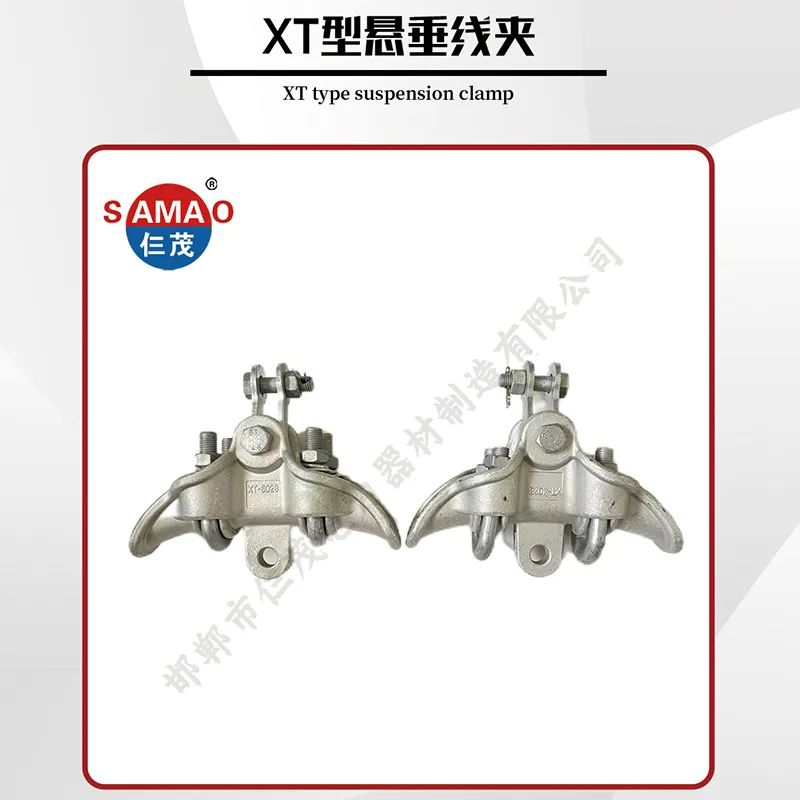
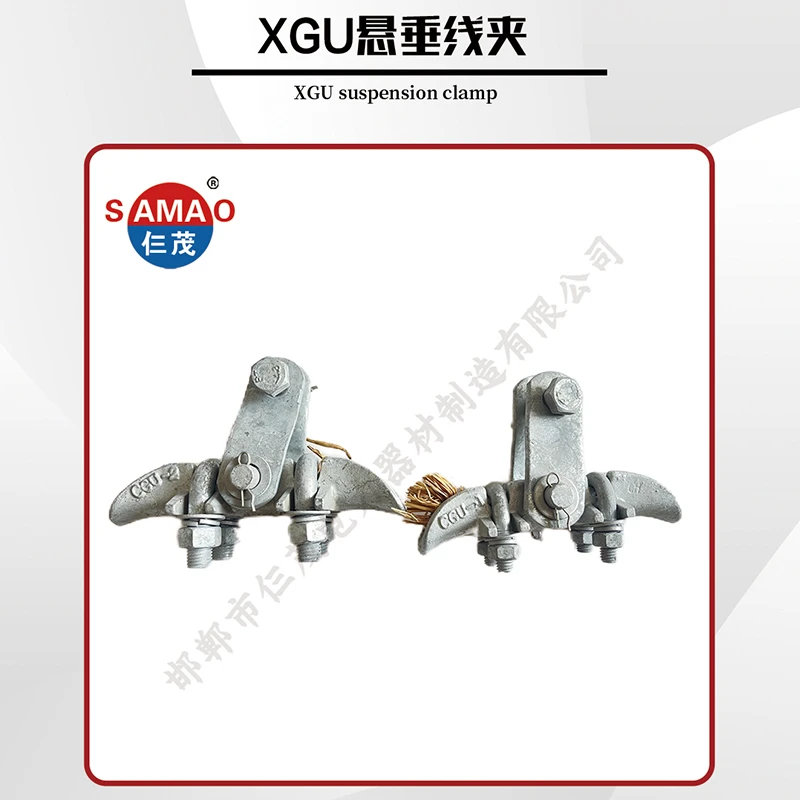
Image: Steel Suspension Clamp – Durable and Reliable for High-Load Applications
Product Overview: What is a Suspension Clamp?
The Suspension Clamp is a specialized tool used in power and communication lines to suspend and support wires, ensuring they remain securely fixed to power towers, poles, or other support structures. Its primary function is to prevent wire displacement caused by environmental factors such as wind, temperature fluctuations, and seismic activity. The clamp is particularly vital for ADSS (All-Dielectric Self-Supporting) and OPGW (Optical Ground Wire) cables, which are commonly used in high-voltage transmission systems and fiber-optic networks.
Key components of the Suspension Clamp include inner and outer pre-stranded wires, a suspension head, and matching connecting metal. These elements work in unison to distribute mechanical stress evenly, minimizing the risk of cable damage and ensuring long-term stability. The grip force of the clamp exceeds 10-20% of the cable’s rated tensile strength, making it an ideal solution for high-load scenarios.
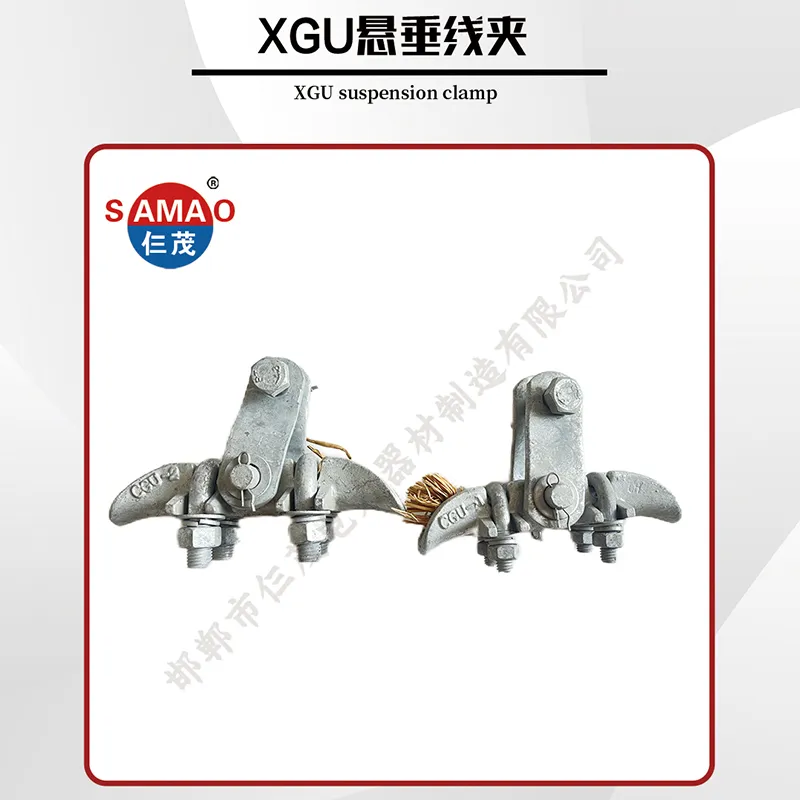
Image: Suspension Clamp Suppliers – Ensuring Global Availability of High-Quality Solutions
Key Features and Functional Advantages
The Suspension Clamp is engineered to meet the demanding requirements of modern infrastructure. Below are its core features and benefits:
1. Robust Wire Suspension Function
The primary role of the Suspension Clamp is to secure wires to support structures, preventing them from sagging or shifting due to external forces. This is critical in maintaining the integrity of power lines, especially in regions prone to extreme weather conditions.
2. Versatility in Wire Types
Designed to accommodate a wide range of wire types, including bare aluminum wires, aluminum alloy wires, copper wires, and optical cables, the Suspension Clamp offers flexibility for diverse applications. Its adaptability ensures that it can be used in both traditional power transmission systems and advanced communication networks.
3. Exceptional Tensile Strength
Manufactured with high-strength materials such as galvanized steel, aluminum alloy, and stainless steel, the Suspension Clamp can withstand significant mechanical stress. This durability ensures that the clamp remains functional even in harsh environments, such as coastal areas with high salt content or regions with extreme temperature variations.
4. Corrosion Resistance
Corrosion is a common issue for outdoor electrical equipment, but the Suspension Clamp is designed to resist rust and degradation. The use of corrosion-resistant coatings and alloy materials extends the lifespan of the clamp, reducing maintenance costs and downtime.
5. Easy Installation
One of the standout features of the Suspension Clamp is its user-friendly design. The installation process is straightforward, typically involving placing the wire into the clamp and securing it with bolts. This simplicity minimizes the need for specialized tools or extensive training, making it a cost-effective solution for utility companies and contractors.
6. Vibration and Shock Reduction
The clamp’s design incorporates features that mitigate the effects of vibration and shock, such as wind-induced oscillations or seismic activity. By reducing these forces, the Suspension Clamp protects the wire from fatigue and potential failure, enhancing the overall safety of the power network.
7. Load Balancing Capabilities
The Suspension Clamp ensures even distribution of weight across the wire, preventing localized stress points that could lead to deformation or breakage. This load-balancing feature is particularly important for long-span power lines and high-voltage transmission systems.
8. High Adaptability
Whether used in overhead power lines, communication lines, or optical fiber networks, the Suspension Clamp is highly versatile. Its compatibility with various tower types and support structures makes it a preferred choice for engineers and project managers.
9. High-Temperature Resistance
Some models of the Suspension Clamp are designed to operate in high-temperature environments, such as those found in desert regions or industrial zones. This feature ensures reliable performance even under extreme thermal conditions.
10. Long-Term Stability
With its robust construction and advanced engineering, the Suspension Clamp provides long-term stability for power and communication lines. It remains effective in challenging conditions, such as strong winds or heavy rainfall, ensuring the uninterrupted operation of critical infrastructure.
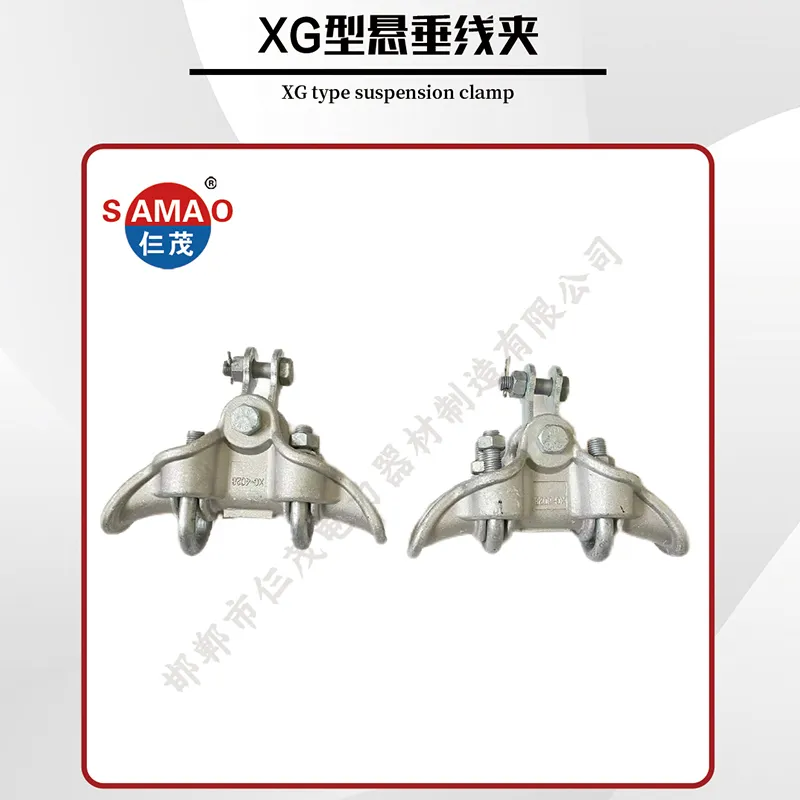
Image: Steel Suspension Clamp – Engineered for Longevity and Reliability
Technical Specifications
| Parameter | Specification |
|---|---|
| Grip Force | Exceeds 10-20% of the cable’s rated tensile strength |
| Materials | Galvanized steel, aluminum alloy, stainless steel |
| Maximum Deflection Angle | Depends on wire diameter, ground wire overhang angle, and tower design (see manufacturer guidelines) |
| Corrosion Resistance | Enhanced with anti-rust coatings and alloy materials |
| Installation Method | Simple bolt-on design; no specialized tools required |
| Temperature Range | Operates effectively in high-temperature environments (varies by model) |
| Wire Compatibility | Bare aluminum, aluminum alloy, copper, optical cables (ADSS/OPGW) |
Applications in Power and Communication Networks
The Suspension Clamp is widely used in various sectors, including:
- Power Transmission: Securing high-voltage overhead lines and preventing sagging or displacement.
- Telecommunications: Supporting fiber-optic cables (ADSS/OPGW) in communication networks.
- Industrial Infrastructure: Ensuring the stability of power lines in manufacturing plants and energy facilities.
- Urban and Rural Electrification: Providing reliable solutions for expanding electrical grids in both developed and remote areas.
For applications where the maximum deflection angle exceeds safe limits, the manufacturer recommends alternatives such as double wire clips, adjusting tower heights, or custom-designed clamps. These measures ensure compliance with safety standards and prevent potential failures.
Company Background: Handan Samao Electric Power Equipment Manufacturing Co., LTD.
Founded in Handan, Hebei Province, China, Handan Samao Electric Power Equipment Manufacturing Co., LTD. is a leading manufacturer of power line hardware and communication infrastructure solutions. With decades of experience, the company specializes in producing high-quality suspension clamps, preformed wire clips, and angle suspension clamps tailored to meet global standards.
Handan Samao’s commitment to innovation and quality is reflected in its comprehensive product range, which includes wholesale suspension clamps and suspension clamp suppliers for international markets. The company adheres to rigorous testing protocols to ensure its products meet NIST (National Institute of Standards and Technology) guidelines for material strength, durability, and performance.
Pre-stranded hang wire clips and other products from Handan Samao are trusted by utility providers and infrastructure developers worldwide. Their expertise in preformed suspension clamps and steel suspension clamps has made them a preferred partner for projects requiring reliable and long-lasting solutions.
Conclusion: Why Choose the Suspension Clamp?
The Suspension Clamp is an essential component in modern power and communication systems, offering a combination of strength, versatility, and reliability. Its advanced design, corrosion resistance, and ease of installation make it an ideal choice for engineers and project managers seeking to enhance the safety and efficiency of their infrastructure.
For those in need of suspension clamp suppliers, angle suspension clamps, or preformed suspension clamps, Handan Samao Electric Power Equipment Manufacturing Co., LTD. provides high-quality solutions that meet international standards. Their products are not only cost-effective but also engineered for long-term performance, ensuring the stability of power and communication networks for years to come.
Authoritative References and Citations
As highlighted by the National Institute of Standards and Technology (NIST), the performance and safety of electrical infrastructure depend on adherence to rigorous standards. According to NIST’s research on material testing and measurement, the mechanical properties of components like the Suspension Clamp must be validated through standardized procedures to ensure reliability in real-world applications.
For further information on NIST’s role in setting industry standards, visit https://www.nist.gov/.
References:
-
Laundry Efficiency Guide with pengapit ampaian dengan cangkuk iNewsApr.16,2026
-
Optimizing Power Infrastructure with the pengapit ampaian tnbNewsApr.09,2026
-
Comprehensive Guide to Selecting the Right pengapit penggantungan untuk kabel lt ab SolutionsNewsApr.07,2026
-
Comprehensive Guide to Pengapit Talian Penghantaran for Secure Package DeliveryNewsApr.04,2026
-
Comprehensive Guide to Pemasangan Pengapit Penggantungan for Overhead Cabling SystemsNewsMar.31,2026
-
Comprehensive Guide to Pengapit Ampaian yang Telah Dibentuk for Construction SafetyNewsMar.28,2026
-
Comprehensive Guide to Pengapit Ampaian Besi for Scaffolding SafetyNewsMar.26,2026