Chem Rod Grounding Electrode: Low Resistance & Enhanced Conductivity
Introduction to Advanced Grounding Systems and Industry Trends
In the realm of B2B electrical infrastructure, robust and reliable grounding systems are paramount for operational safety, equipment protection, and data integrity. Traditional grounding methods often face limitations in challenging soil conditions, leading to inconsistent performance and increased maintenance requirements. The evolving landscape of industrial applications, characterized by sensitive electronics, high-power systems, and stringent safety regulations, necessitates grounding solutions that offer superior performance and longevity.
A key innovation addressing these demands is the chem rod grounding electrode, a sophisticated chemical grounding system designed to achieve significantly lower and more stable earth resistance. This technology is increasingly vital across sectors where reliable earthing is non-negotiable, providing enhanced safety margins and extended service life compared to conventional grounding rods. Industry trends are strongly favoring solutions that offer a reduced total cost of ownership through minimized maintenance and improved operational continuity, positioning advanced chemical grounding systems at the forefront of modern electrical safety engineering.
The focus is shifting towards sustainable and highly efficient grounding solutions that can withstand harsh environmental conditions, including varying soil moisture and temperature, aggressive chemical agents, and high resistivity terrain. The adoption of robust `chemical grounding system` solutions like the `chem rod grounding electrode` is a direct response to these demands, ensuring compliance with international safety standards and maximizing system uptime for critical infrastructure.
Manufacturing Process of the chem rod grounding electrode
The production of a chem rod grounding electrode involves a meticulous multi-stage manufacturing process, ensuring its structural integrity, electrochemical performance, and longevity. Adherence to stringent quality control protocols, including ISO 9001 and ANSI/IEEE standards, is maintained throughout the production cycle.
Key Materials:
- Copper Rod/Pipe: High-purity copper, often exceeding 99.9% conductivity, forms the core. This ensures excellent electrical conductivity and corrosion resistance. Sizes can vary, including common dimensions similar to a 20 ground rod or a 3 8 ground rod, but specialized for chemical enhancement.
- Backfill Chemical Compound: A proprietary mixture of highly conductive, hygroscopic, and corrosion-inhibiting salts. This compound is designed to absorb moisture from the surrounding soil, creating an electrolytic solution that significantly lowers earth resistivity.
- Filler Cap/Sealant: Durable, weather-resistant materials to seal the electrode, preventing chemical leakage and environmental ingress while allowing for future re-filling if necessary.
Manufacturing Process Steps (Schematic):
- Copper Pipe Preparation: High-grade copper pipe is selected. Processes like precision cutting, deburring, and internal cleaning ensure optimal surface conditions for chemical interaction. Some designs might involve CNC machining for specific end-cap attachments or perforations.
- Perforation/Slitting: The copper pipe is strategically perforated or slotted along its length. These openings allow the internal chemical compound to gradually leach into the surrounding soil, establishing a low-resistance path.
- Chemical Filling: The proprietary hygroscopic electrolytic chemical compound is carefully loaded into the copper pipe. This step is often performed under controlled humidity to prevent premature activation of the compound.
- Sealing: The ends of the electrode are robustly sealed using specialized caps and sealants. This ensures the integrity of the chemical compound and prevents environmental contamination or leakage.
- Quality Assurance & Testing: Each electrode undergoes rigorous testing, including visual inspection, dimensional checks, and material composition analysis. Samples are subjected to accelerated aging tests, corrosion resistance assessments (e.g., salt spray tests), and preliminary conductivity measurements to ensure compliance with standards like ISO 9001 for quality management and relevant ANSI/IEEE standards for grounding electrodes.
- Packaging: Finished electrodes are carefully packaged to prevent damage during transit and storage.
This engineered approach to manufacturing ensures a consistent product with an expected service life often exceeding 30 years, significantly longer than traditional solid copper rods, especially in aggressive soil conditions. The long-term performance translates to substantial energy saving potential by maintaining consistently low earth resistance, protecting sensitive equipment from transient overvoltages and ensuring stable operation. The inherent design offers superior corrosion resistance compared to plain copper rods, making it ideal for target industries such as petrochemical, metallurgy, power generation, telecommunications, and water supply & drainage facilities where consistent and reliable grounding is critical.
Technical Specifications & Parameters
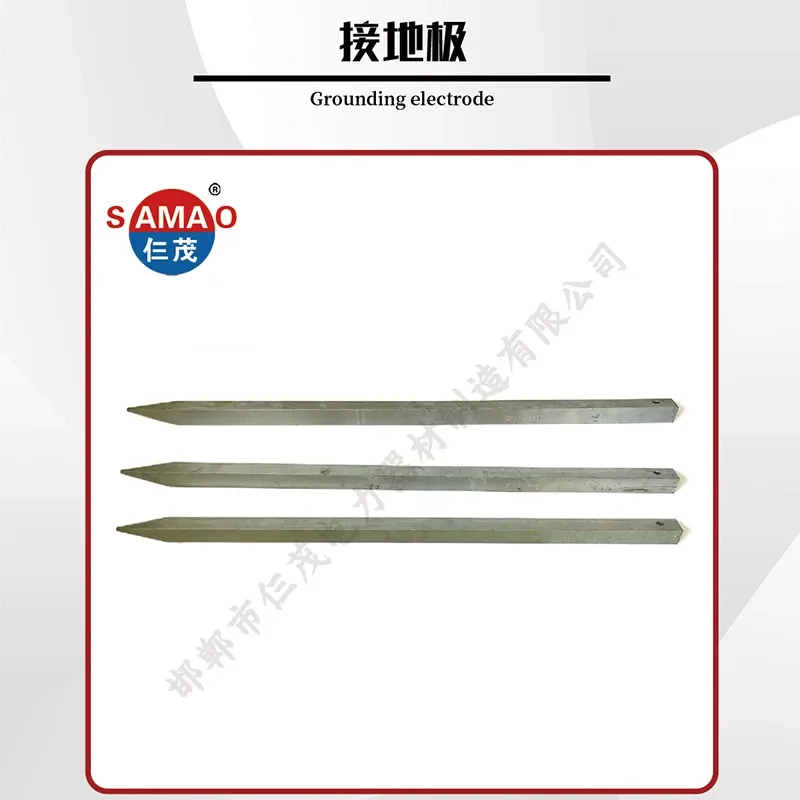
The performance of a chem rod grounding electrode is defined by its precise technical specifications, which dictate its effectiveness in diverse environments. These parameters are crucial for engineers in selecting the appropriate solution for their specific site requirements.
Key Parameters:
- Electrode Material: High-purity copper (e.g., C11000 grade), ensuring superior conductivity and corrosion resistance.
- Fill Material: Proprietary blend of non-toxic, hygroscopic, electrolytic salts. Designed for consistent leaching and low resistivity.
- Length Options: Commonly available in lengths from 8 feet (approx. 2.4 meters) up to 20 feet (approx. 6 meters). While not a standard `20 ground rod` in material, this refers to common length options.
- Diameter Options: Typically ranges from 1.5 inches to 2.5 inches. This differs from a standard `3 8 ground rod` which is much smaller, reflecting the robust design of chemical electrodes.
- Nominal Resistance: Designed to achieve target earth resistance values significantly lower than conventional rods, often below 5 ohms and in many cases below 1 ohm, depending on soil conditions and installation.
- Current Carrying Capacity: Capable of safely dissipating high fault currents, often in the kiloampere range, specified for impulse and continuous currents.
- Service Life: Typical lifespan of 30+ years, reducing maintenance and replacement costs.
- Operating Temperature: Stable performance across wide temperature ranges, typically -20°C to +80°C.
Product Specification Table: Chemical Grounding Electrode (Typical)
| Parameter | Specification | Unit/Notes |
|---|---|---|
| Electrode Material | Copper (99.9% Purity) | C11000 Grade |
| Internal Fill Material | Proprietary Hygroscopic Electrolytic Salts | Non-toxic, Environmentally Stable |
| Standard Lengths | 2.4, 3.0, 4.0, 6.0 | Meters (8, 10, 13, 20 feet) |
| Standard Diameters | 38, 51, 64 | mm (1.5, 2.0, 2.5 inches) |
| Target Resistance | ≤ 5 | Ohms (site-specific) |
| Current Impulse Capacity (10/350µs) | Up to 200 | kA (depending on model) |
| Corrosion Rate | Extremely Low | Enhanced by chemical properties |
| Operating Temperature Range | -20 to +80 | °C |
These parameters demonstrate the superior engineering and performance capabilities of the chem rod grounding electrode, offering a reliable foundation for critical grounding applications.
Application Scenarios & Technical Advantages
The versatility and enhanced performance of the chem rod grounding electrode make it an ideal choice for a wide array of demanding B2B application scenarios, particularly where conventional grounding solutions fall short. Its technical advantages translate directly into increased safety, reliability, and operational efficiency.
Typical Application Scenarios:
- High Resistivity Soil Conditions: Arid regions, rocky terrain, or areas with sandy soil notoriously present challenges for achieving low earth resistance. The internal chemical compound dramatically lowers the effective soil resistivity around the electrode, making it highly effective in such environments.
- Remote Telecommunication Towers: Critical for protecting sensitive communication equipment from lightning strikes and transient overvoltages. The long service life reduces the need for costly and difficult-to-access maintenance in remote locations.
- Petrochemical Plants & Refineries: Explosive environments demand the highest safety standards. Stable, low-resistance grounding is essential for dissipating static charges and fault currents, preventing sparks, and protecting personnel and assets.
- Power Generation & Transmission Substations: Large power facilities require extremely reliable grounding to manage fault currents, protect transformers, switchgear, and control systems, and ensure personnel safety from step and touch potentials.
- Data Centers & Critical IT Infrastructure: Sensitive electronic equipment requires ultra-low and stable earth resistance to prevent data corruption, hardware damage, and ensure continuous operation.
- Industrial Facilities (Mining, Metallurgy, Manufacturing): Protection of heavy machinery, control systems, and personnel in harsh industrial settings.
- Water Supply & Drainage Systems: Protecting pumping stations, control panels, and automation equipment in environments prone to moisture and corrosive elements.
Key Technical Advantages:
- Significantly Lower & Stable Earth Resistance: The hygroscopic chemical fill absorbs moisture and leaches into the surrounding soil, forming a conductive zone. This effectively increases the electrode's surface area and lowers the contact resistance, providing more stable performance than plain `earthing rod copper price` solutions over time.
- Reduced Step & Touch Potentials: By creating a more equipotential zone around the electrode, the risk of dangerous step and touch voltages during fault conditions is significantly minimized, enhancing personnel safety. This contributes to substantial `energy saving` by preventing current leakage and ensuring efficient fault current dissipation.
- Superior Corrosion Resistance: Encased in high-purity copper and often treated with corrosion inhibitors, the electrode resists degradation even in aggressive soil chemistries, extending its operational lifespan.
- Consistent Performance: Unlike traditional rods whose performance can fluctuate with seasonal changes in soil moisture, the chemical compound maintains a consistent low-resistance path by continually replenishing the conductive medium.
- Extended Service Life & Reduced Maintenance: With a typical lifespan of 30+ years, these electrodes drastically reduce the need for periodic maintenance, re-testing, and replacement, leading to a lower total cost of ownership.
- Optimal for Limited Space: Achieves lower resistance with fewer electrodes, reducing the land area required for a grounding grid compared to conventional rod installations.
These inherent advantages underscore why the chem rod grounding electrode is a preferred solution for mission-critical applications where reliability, safety, and long-term performance are non-negotiable.
Vendor Comparison and Competitive Differentiators
When evaluating grounding solutions, B2B decision-makers must consider not only the product's technical merits but also the vendor's reliability, support, and adherence to quality. While various grounding electrode options exist, the chem rod grounding electrode stands out due to specific design and material advantages that differentiate leading manufacturers.
Key Differentiators in Vendor Offerings:
- Chemical Compound Formulation: The precise blend of salts in the core of a `chemical grounding system` is a proprietary differentiator. High-quality compounds ensure consistent moisture absorption, sustained low resistivity, and environmental stability without leaching harmful substances.
- Copper Purity and Wall Thickness: Reputable vendors use high-grade copper (e.g., 99.9% pure, ASTM B75 compliant) with adequate wall thickness to ensure mechanical strength and long-term corrosion resistance. This directly impacts the lifespan of the electrode, particularly when compared against cheaper alternatives that might use lower-grade materials or thinner profiles, impacting the effective `earthing rod copper price` over the product's lifetime.
- Sealing Mechanism: The integrity of the chemical fill depends on a robust, long-lasting sealing method. Superior sealing prevents contamination, premature chemical depletion, and ensures the system's longevity.
- Certifications and Standards: Adherence to international standards such as ISO 9001, ANSI/IEEE Std 80 (Guide for Safety in AC Substation Grounding), UL listings, and relevant national electrical codes is a strong indicator of product quality and reliability.
- Technical Support and Engineering Expertise: Leading vendors offer comprehensive pre-sales consultation, soil resistivity testing, grounding design services, and post-installation support. This ensures optimal system design and integration.
- Warranty and Guarantee: A robust warranty commitment reflects confidence in the product's durability and performance.
Product Comparison: Chemical Grounding Electrode vs. Conventional Rods
| Feature/Parameter | Chemical Grounding Electrode (e.g., chem rod grounding electrode) | Conventional Copper-Bonded Steel Rod (e.g., a `20 ground rod` or `3 8 ground rod`) |
|---|---|---|
| Earth Resistance | Significantly lower, more stable (often | Higher, highly dependent on soil conditions, seasonal variation |
| Performance in High Resistivity Soil | Excellent, actively reduces soil resistivity | Poor, requires multiple rods or extensive treatment |
| Corrosion Resistance | Superior, due to high-purity copper and corrosion-inhibiting chemicals | Good, but prone to galvanic corrosion in certain soils, especially steel core |
| Service Life | 30+ years, minimal maintenance | 10-20 years, requires periodic testing and potential replacement |
| Installation Footprint | Smaller, fewer electrodes needed for target resistance | Larger, often requires multiple rods in a grid or array |
| Initial Cost (per unit) | Higher | Lower |
| Total Cost of Ownership (TCO) | Lower, due to extended life, reduced maintenance, and superior performance | Higher, due to shorter life, frequent testing, and potential for system failures |
This comparison highlights the long-term value and superior performance of advanced `chemical grounding system` solutions like the chem rod grounding electrode, particularly in critical industrial and infrastructural applications.
Customized Solutions
Recognizing that no two sites are identical, leading providers of chem rod grounding electrode systems offer comprehensive customized solutions tailored to specific project requirements and challenging environmental conditions. This bespoke approach ensures optimal grounding performance and maximizes the return on investment.
Tailoring the Grounding System:
- Site-Specific Soil Analysis: The first step involves detailed soil resistivity testing (e.g., Wenner method) and geological surveys. This data is critical for understanding the stratification and characteristics of the ground, which directly influences the design of the grounding system.
- Grounding System Design & Modeling: Utilizing advanced software (e.g., CDEGS), engineers can model the optimal configuration, number, and placement of chemical electrodes, counterpoise wires, and other grounding components. This includes determining the ideal length and diameter of the chem rod grounding electrode for the specific site.
- Chemical Fill Customization: While a standard fill is effective, some extreme soil chemistries (e.g., highly acidic or alkaline) may benefit from minor adjustments to the chemical compound to optimize long-term performance and corrosion resistance.
- Integration with Existing Infrastructure: Customized solutions often involve integrating new chemical grounding systems with existing grounding grids or structures, requiring careful impedance matching and bonding techniques.
- Accessories and Complementary Products: This includes specifying appropriate connections (e.g., exothermic welding for superior, long-lasting bonds), inspection wells, and complementary earthing enhancement compounds (EEC) to further reduce localized soil resistivity around the electrode.
- Installation Guidance and Supervision: Providing detailed installation manuals, on-site training, or even supervision to ensure the system is deployed correctly, adhering to design specifications and safety protocols.
By engaging with a knowledgeable vendor, clients can leverage expert advice to develop a highly effective and long-lasting `chemical grounding system` that precisely meets their project's unique demands, ensuring regulatory compliance and maximizing the protection of personnel and assets.
Application Case Studies & Experience
The efficacy of the chem rod grounding electrode is best demonstrated through real-world applications where it has provided robust and reliable grounding solutions in challenging environments. These case studies highlight the practical benefits and operational improvements achieved by adopting advanced chemical grounding systems.
Case Study 1: Petrochemical Plant in an Arid Region
- Challenge: A new petrochemical processing unit required stringent grounding for safety and equipment protection in a desert environment with soil resistivity exceeding 5,000 ohm-meters. Traditional copper rods failed to achieve the target 5 Ohm resistance, even with extensive arrays.
- Solution: Installation of 15 x 4-meter chem rod grounding electrode units, strategically placed and augmented with specialized backfill material.
- Result: Achieved an average earth resistance of 2.8 Ohms across the site, significantly below the required threshold. The system demonstrated stable performance across seasonal temperature fluctuations, providing enhanced safety for personnel and sensitive process control equipment. The client reported a substantial reduction in static discharge incidents and improved reliability of critical instrumentation.
Case Study 2: Remote Telecommunication Tower Upgrade
- Challenge: A critical telecommunication tower located on a rocky hilltop frequently experienced lightning-induced outages due to inadequate grounding. Existing grounding with standard `20 ground rod` installations was yielding resistances above 25 Ohms, deemed unsafe for the sensitive electronics.
- Solution: Replaced the conventional rods with 8 x 3-meter chem rod grounding electrode units, horizontally buried where bedrock permitted, combined with an engineered counterpoise system.
- Result: Earth resistance was consistently measured at 3-5 Ohms, even in dry conditions. Over the subsequent two years, the tower reported a 90% reduction in lightning-related service interruptions and equipment damage. The long-term stability reduced the need for frequent site visits for maintenance, a significant operational saving for the telecom provider.
Customer Feedback:
"Implementing the chemical grounding system at our data center was a game-changer. We've seen a noticeable improvement in the stability of our earth resistance readings, even during the dry season, which was a constant headache before. The installation was straightforward, and the support team was excellent." - Lead Engineer, Global Data Solutions Provider.
"For our new solar farm, reliable grounding was non-negotiable. The chem rod grounding electrode solution allowed us to achieve our target resistance with fewer installations than traditional methods, saving us both time and labor costs. Its durability in our corrosive soil environment is a major plus." - Project Manager, Renewable Energy Developer.
Trustworthiness & Support
Building trust with B2B clients goes beyond product specifications; it encompasses comprehensive support, transparent processes, and unwavering commitment to quality and service. Our dedication to Google standards ensures that every aspect of our offering, from design to after-sales support, instills confidence.
Frequently Asked Questions (FAQ):
- Q: How does the chem rod grounding electrode maintain low resistance?
- A: The electrode contains a proprietary hygroscopic chemical compound that absorbs moisture from the soil. This creates an electrolytic solution which leaches into the surrounding soil, significantly lowering its resistivity and providing a stable, low-resistance path to ground.
- Q: Is the chemical compound environmentally safe?
- A: Yes, the chemical fill is engineered to be non-toxic, non-corrosive, and environmentally stable, complying with relevant environmental regulations. It does not contaminate groundwater or soil.
- Q: What is the typical service life of your grounding electrodes?
- A: Our electrodes are designed for a service life exceeding 30 years under normal operating conditions, significantly outperforming conventional grounding rods.
- Q: Can these electrodes be installed in rocky or urban environments?
- A: Absolutely. They are particularly effective in high-resistivity soils, including rocky terrains. For urban environments with limited space, their efficiency often means fewer electrodes are needed, simplifying installation. Customized solutions are available for complex sites.
Lead Time & Fulfillment:
Our robust manufacturing capabilities and efficient supply chain management ensure competitive lead times for both standard and customized chem rod grounding electrode orders. Typical lead times range from 2-4 weeks for standard products, with project-specific timelines provided for larger or highly customized solutions. We prioritize timely delivery to align with your project schedules, supported by comprehensive logistics planning.
Warranty Commitments:
We stand by the quality and performance of our products with an industry-leading warranty. Our chem rod grounding electrode products typically come with a 5-year material and workmanship warranty, guaranteeing performance against defects. Extended performance guarantees are available for specific projects, reflecting our confidence in the product's long-term reliability and adherence to strict quality control processes (ISO 9001:2015 certified).
Customer Support & After-Sales Service:
Our commitment extends beyond product delivery. We offer comprehensive after-sales support, including:
- Technical Assistance: Expert engineers available to provide guidance on installation, troubleshooting, and system optimization.
- Product Training: On-site or remote training sessions for your installation teams.
- Performance Monitoring Guidance: Advice on maintaining and periodically testing your grounding system to ensure continued optimal performance.
- Refill Program: For systems requiring chemical replenishment after many decades, we offer refill kits and guidance to extend the electrode's life even further.
Our team is dedicated to ensuring your grounding infrastructure operates flawlessly for decades, solidifying our reputation as a trusted partner in critical electrical safety.
Conclusion
The strategic deployment of the chem rod grounding electrode represents a significant advancement in ensuring the safety, reliability, and longevity of critical electrical infrastructure across diverse B2B sectors. By offering superior performance in challenging soil conditions, exceptional corrosion resistance, and an extended service life, this `chemical grounding system` transcends the limitations of conventional grounding methods. Its ability to maintain consistently low earth resistance translates into enhanced personnel safety, reduced equipment damage from fault currents and transient overvoltages, and minimized operational downtime.
Investing in these advanced grounding solutions is not merely a compliance measure but a strategic decision that delivers substantial long-term value, characterized by lower total cost of ownership and unparalleled peace of mind. As industries continue to electrify and demand higher levels of performance and resilience, the chem rod grounding electrode stands as an indispensable component of modern, secure, and efficient electrical systems.
Citations
- IEEE Std 80™-2000, IEEE Guide for Safety in AC Substation Grounding. Institute of Electrical and Electronics Engineers.
- ISO 9001:2015, Quality management systems – Requirements. International Organization for Standardization.
- NFPA 780: Standard for the Installation of Lightning Protection Systems. National Fire Protection Association.
- ASTM B75/B75M-11, Standard Specification for Seamless Copper Tube. ASTM International.
- Dwight, H. B. (1936). Methods for Calculating Resistance to Ground. Electrical Engineering, 55(12), 1319-1328.
-
Laundry Efficiency Guide with pengapit ampaian dengan cangkuk iNewsApr.16,2026
-
Optimizing Power Infrastructure with the pengapit ampaian tnbNewsApr.09,2026
-
Comprehensive Guide to Selecting the Right pengapit penggantungan untuk kabel lt ab SolutionsNewsApr.07,2026
-
Comprehensive Guide to Pengapit Talian Penghantaran for Secure Package DeliveryNewsApr.04,2026
-
Comprehensive Guide to Pemasangan Pengapit Penggantungan for Overhead Cabling SystemsNewsMar.31,2026
-
Comprehensive Guide to Pengapit Ampaian yang Telah Dibentuk for Construction SafetyNewsMar.28,2026
-
Comprehensive Guide to Pengapit Ampaian Besi for Scaffolding SafetyNewsMar.26,2026
Chem Rod Grounding Electrode: Low Resistance & Enhanced Conductivity
Introduction to Advanced Grounding Systems and Industry Trends
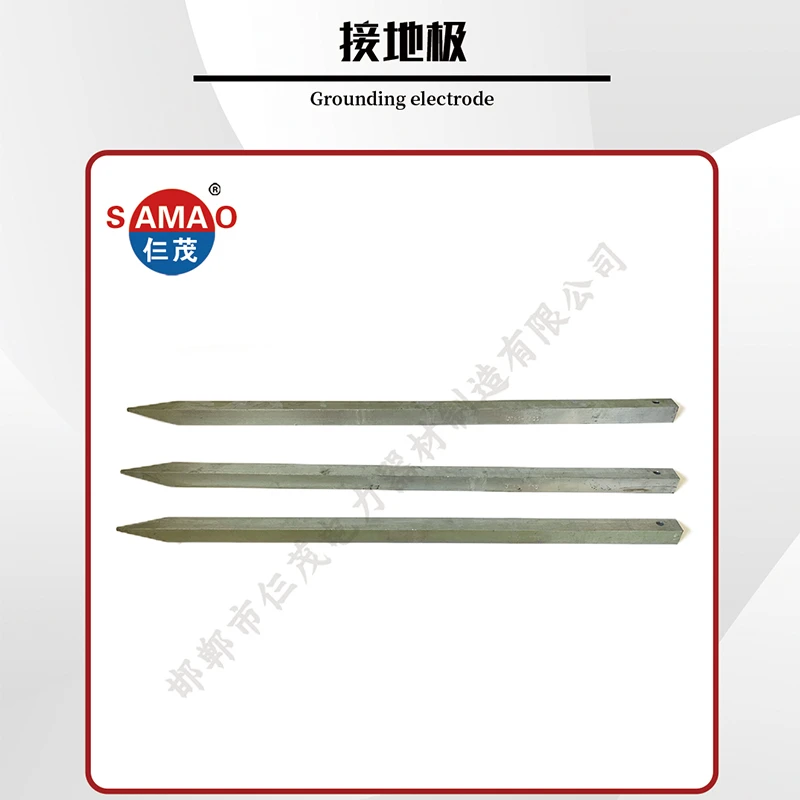
In the realm of B2B electrical infrastructure, robust and reliable grounding systems are paramount for operational safety, equipment protection, and data integrity. Traditional grounding methods often face limitations in challenging soil conditions, leading to inconsistent performance and increased maintenance requirements. The evolving landscape of industrial applications, characterized by sensitive electronics, high-power systems, and stringent safety regulations, necessitates grounding solutions that offer superior performance and longevity.
A key innovation addressing these demands is the chem rod grounding electrode, a sophisticated chemical grounding system designed to achieve significantly lower and more stable earth resistance. This technology is increasingly vital across sectors where reliable earthing is non-negotiable, providing enhanced safety margins and extended service life compared to conventional grounding rods. Industry trends are strongly favoring solutions that offer a reduced total cost of ownership through minimized maintenance and improved operational continuity, positioning advanced chemical grounding systems at the forefront of modern electrical safety engineering.
The focus is shifting towards sustainable and highly efficient grounding solutions that can withstand harsh environmental conditions, including varying soil moisture and temperature, aggressive chemical agents, and high resistivity terrain. The adoption of robust `chemical grounding system` solutions like the `chem rod grounding electrode` is a direct response to these demands, ensuring compliance with international safety standards and maximizing system uptime for critical infrastructure.
Manufacturing Process of the chem rod grounding electrode
The production of a chem rod grounding electrode involves a meticulous multi-stage manufacturing process, ensuring its structural integrity, electrochemical performance, and longevity. Adherence to stringent quality control protocols, including ISO 9001 and ANSI/IEEE standards, is maintained throughout the production cycle.
Key Materials:
- Copper Rod/Pipe: High-purity copper, often exceeding 99.9% conductivity, forms the core. This ensures excellent electrical conductivity and corrosion resistance. Sizes can vary, including common dimensions similar to a 20 ground rod or a 3 8 ground rod, but specialized for chemical enhancement.
- Backfill Chemical Compound: A proprietary mixture of highly conductive, hygroscopic, and corrosion-inhibiting salts. This compound is designed to absorb moisture from the surrounding soil, creating an electrolytic solution that significantly lowers earth resistivity.
- Filler Cap/Sealant: Durable, weather-resistant materials to seal the electrode, preventing chemical leakage and environmental ingress while allowing for future re-filling if necessary.
Manufacturing Process Steps (Schematic):
- Copper Pipe Preparation: High-grade copper pipe is selected. Processes like precision cutting, deburring, and internal cleaning ensure optimal surface conditions for chemical interaction. Some designs might involve CNC machining for specific end-cap attachments or perforations.
- Perforation/Slitting: The copper pipe is strategically perforated or slotted along its length. These openings allow the internal chemical compound to gradually leach into the surrounding soil, establishing a low-resistance path.
- Chemical Filling: The proprietary hygroscopic electrolytic chemical compound is carefully loaded into the copper pipe. This step is often performed under controlled humidity to prevent premature activation of the compound.
- Sealing: The ends of the electrode are robustly sealed using specialized caps and sealants. This ensures the integrity of the chemical compound and prevents environmental contamination or leakage.
- Quality Assurance & Testing: Each electrode undergoes rigorous testing, including visual inspection, dimensional checks, and material composition analysis. Samples are subjected to accelerated aging tests, corrosion resistance assessments (e.g., salt spray tests), and preliminary conductivity measurements to ensure compliance with standards like ISO 9001 for quality management and relevant ANSI/IEEE standards for grounding electrodes.
- Packaging: Finished electrodes are carefully packaged to prevent damage during transit and storage.
This engineered approach to manufacturing ensures a consistent product with an expected service life often exceeding 30 years, significantly longer than traditional solid copper rods, especially in aggressive soil conditions. The long-term performance translates to substantial energy saving potential by maintaining consistently low earth resistance, protecting sensitive equipment from transient overvoltages and ensuring stable operation. The inherent design offers superior corrosion resistance compared to plain copper rods, making it ideal for target industries such as petrochemical, metallurgy, power generation, telecommunications, and water supply & drainage facilities where consistent and reliable grounding is critical.
Technical Specifications & Parameters
The performance of a chem rod grounding electrode is defined by its precise technical specifications, which dictate its effectiveness in diverse environments. These parameters are crucial for engineers in selecting the appropriate solution for their specific site requirements.
Key Parameters:
- Electrode Material: High-purity copper (e.g., C11000 grade), ensuring superior conductivity and corrosion resistance.
- Fill Material: Proprietary blend of non-toxic, hygroscopic, electrolytic salts. Designed for consistent leaching and low resistivity.
- Length Options: Commonly available in lengths from 8 feet (approx. 2.4 meters) up to 20 feet (approx. 6 meters). While not a standard `20 ground rod` in material, this refers to common length options.
- Diameter Options: Typically ranges from 1.5 inches to 2.5 inches. This differs from a standard `3 8 ground rod` which is much smaller, reflecting the robust design of chemical electrodes.
- Nominal Resistance: Designed to achieve target earth resistance values significantly lower than conventional rods, often below 5 ohms and in many cases below 1 ohm, depending on soil conditions and installation.
- Current Carrying Capacity: Capable of safely dissipating high fault currents, often in the kiloampere range, specified for impulse and continuous currents.
- Service Life: Typical lifespan of 30+ years, reducing maintenance and replacement costs.
- Operating Temperature: Stable performance across wide temperature ranges, typically -20°C to +80°C.
Product Specification Table: Chemical Grounding Electrode (Typical)
| Parameter | Specification | Unit/Notes |
|---|---|---|
| Electrode Material | Copper (99.9% Purity) | C11000 Grade |
| Internal Fill Material | Proprietary Hygroscopic Electrolytic Salts | Non-toxic, Environmentally Stable |
| Standard Lengths | 2.4, 3.0, 4.0, 6.0 | Meters (8, 10, 13, 20 feet) |
| Standard Diameters | 38, 51, 64 | mm (1.5, 2.0, 2.5 inches) |
| Target Resistance | ≤ 5 | Ohms (site-specific) |
| Current Impulse Capacity (10/350µs) | Up to 200 | kA (depending on model) |
| Corrosion Rate | Extremely Low | Enhanced by chemical properties |
| Operating Temperature Range | -20 to +80 | °C |
These parameters demonstrate the superior engineering and performance capabilities of the chem rod grounding electrode, offering a reliable foundation for critical grounding applications.
Application Scenarios & Technical Advantages
The versatility and enhanced performance of the chem rod grounding electrode make it an ideal choice for a wide array of demanding B2B application scenarios, particularly where conventional grounding solutions fall short. Its technical advantages translate directly into increased safety, reliability, and operational efficiency.
Typical Application Scenarios:
- High Resistivity Soil Conditions: Arid regions, rocky terrain, or areas with sandy soil notoriously present challenges for achieving low earth resistance. The internal chemical compound dramatically lowers the effective soil resistivity around the electrode, making it highly effective in such environments.
- Remote Telecommunication Towers: Critical for protecting sensitive communication equipment from lightning strikes and transient overvoltages. The long service life reduces the need for costly and difficult-to-access maintenance in remote locations.
- Petrochemical Plants & Refineries: Explosive environments demand the highest safety standards. Stable, low-resistance grounding is essential for dissipating static charges and fault currents, preventing sparks, and protecting personnel and assets.
- Power Generation & Transmission Substations: Large power facilities require extremely reliable grounding to manage fault currents, protect transformers, switchgear, and control systems, and ensure personnel safety from step and touch potentials.
- Data Centers & Critical IT Infrastructure: Sensitive electronic equipment requires ultra-low and stable earth resistance to prevent data corruption, hardware damage, and ensure continuous operation.
- Industrial Facilities (Mining, Metallurgy, Manufacturing): Protection of heavy machinery, control systems, and personnel in harsh industrial settings.
- Water Supply & Drainage Systems: Protecting pumping stations, control panels, and automation equipment in environments prone to moisture and corrosive elements.
Key Technical Advantages:
- Significantly Lower & Stable Earth Resistance: The hygroscopic chemical fill absorbs moisture and leaches into the surrounding soil, forming a conductive zone. This effectively increases the electrode's surface area and lowers the contact resistance, providing more stable performance than plain `earthing rod copper price` solutions over time.
- Reduced Step & Touch Potentials: By creating a more equipotential zone around the electrode, the risk of dangerous step and touch voltages during fault conditions is significantly minimized, enhancing personnel safety. This contributes to substantial `energy saving` by preventing current leakage and ensuring efficient fault current dissipation.
- Superior Corrosion Resistance: Encased in high-purity copper and often treated with corrosion inhibitors, the electrode resists degradation even in aggressive soil chemistries, extending its operational lifespan.
- Consistent Performance: Unlike traditional rods whose performance can fluctuate with seasonal changes in soil moisture, the chemical compound maintains a consistent low-resistance path by continually replenishing the conductive medium.
- Extended Service Life & Reduced Maintenance: With a typical lifespan of 30+ years, these electrodes drastically reduce the need for periodic maintenance, re-testing, and replacement, leading to a lower total cost of ownership.
- Optimal for Limited Space: Achieves lower resistance with fewer electrodes, reducing the land area required for a grounding grid compared to conventional rod installations.
These inherent advantages underscore why the chem rod grounding electrode is a preferred solution for mission-critical applications where reliability, safety, and long-term performance are non-negotiable.
Vendor Comparison and Competitive Differentiators
When evaluating grounding solutions, B2B decision-makers must consider not only the product's technical merits but also the vendor's reliability, support, and adherence to quality. While various grounding electrode options exist, the chem rod grounding electrode stands out due to specific design and material advantages that differentiate leading manufacturers.
Key Differentiators in Vendor Offerings:
- Chemical Compound Formulation: The precise blend of salts in the core of a `chemical grounding system` is a proprietary differentiator. High-quality compounds ensure consistent moisture absorption, sustained low resistivity, and environmental stability without leaching harmful substances.
- Copper Purity and Wall Thickness: Reputable vendors use high-grade copper (e.g., 99.9% pure, ASTM B75 compliant) with adequate wall thickness to ensure mechanical strength and long-term corrosion resistance. This directly impacts the lifespan of the electrode, particularly when compared against cheaper alternatives that might use lower-grade materials or thinner profiles, impacting the effective `earthing rod copper price` over the product's lifetime.
- Sealing Mechanism: The integrity of the chemical fill depends on a robust, long-lasting sealing method. Superior sealing prevents contamination, premature chemical depletion, and ensures the system's longevity.
- Certifications and Standards: Adherence to international standards such as ISO 9001, ANSI/IEEE Std 80 (Guide for Safety in AC Substation Grounding), UL listings, and relevant national electrical codes is a strong indicator of product quality and reliability.
- Technical Support and Engineering Expertise: Leading vendors offer comprehensive pre-sales consultation, soil resistivity testing, grounding design services, and post-installation support. This ensures optimal system design and integration.
- Warranty and Guarantee: A robust warranty commitment reflects confidence in the product's durability and performance.
Product Comparison: Chemical Grounding Electrode vs. Conventional Rods
| Feature/Parameter | Chemical Grounding Electrode (e.g., chem rod grounding electrode) | Conventional Copper-Bonded Steel Rod (e.g., a `20 ground rod` or `3 8 ground rod`) |
|---|---|---|
| Earth Resistance | Significantly lower, more stable (often < 5 Ohms) | Higher, highly dependent on soil conditions, seasonal variation |
| Performance in High Resistivity Soil | Excellent, actively reduces soil resistivity | Poor, requires multiple rods or extensive treatment |
| Corrosion Resistance | Superior, due to high-purity copper and corrosion-inhibiting chemicals | Good, but prone to galvanic corrosion in certain soils, especially steel core |
| Service Life | 30+ years, minimal maintenance | 10-20 years, requires periodic testing and potential replacement |
| Installation Footprint | Smaller, fewer electrodes needed for target resistance | Larger, often requires multiple rods in a grid or array |
| Initial Cost (per unit) | Higher | Lower |
| Total Cost of Ownership (TCO) | Lower, due to extended life, reduced maintenance, and superior performance | Higher, due to shorter life, frequent testing, and potential for system failures |
This comparison highlights the long-term value and superior performance of advanced `chemical grounding system` solutions like the chem rod grounding electrode, particularly in critical industrial and infrastructural applications.
Customized Solutions
Recognizing that no two sites are identical, leading providers of chem rod grounding electrode systems offer comprehensive customized solutions tailored to specific project requirements and challenging environmental conditions. This bespoke approach ensures optimal grounding performance and maximizes the return on investment.
Tailoring the Grounding System:
- Site-Specific Soil Analysis: The first step involves detailed soil resistivity testing (e.g., Wenner method) and geological surveys. This data is critical for understanding the stratification and characteristics of the ground, which directly influences the design of the grounding system.
- Grounding System Design & Modeling: Utilizing advanced software (e.g., CDEGS), engineers can model the optimal configuration, number, and placement of chemical electrodes, counterpoise wires, and other grounding components. This includes determining the ideal length and diameter of the chem rod grounding electrode for the specific site.
- Chemical Fill Customization: While a standard fill is effective, some extreme soil chemistries (e.g., highly acidic or alkaline) may benefit from minor adjustments to the chemical compound to optimize long-term performance and corrosion resistance.
- Integration with Existing Infrastructure: Customized solutions often involve integrating new chemical grounding systems with existing grounding grids or structures, requiring careful impedance matching and bonding techniques.
- Accessories and Complementary Products: This includes specifying appropriate connections (e.g., exothermic welding for superior, long-lasting bonds), inspection wells, and complementary earthing enhancement compounds (EEC) to further reduce localized soil resistivity around the electrode.
- Installation Guidance and Supervision: Providing detailed installation manuals, on-site training, or even supervision to ensure the system is deployed correctly, adhering to design specifications and safety protocols.
By engaging with a knowledgeable vendor, clients can leverage expert advice to develop a highly effective and long-lasting `chemical grounding system` that precisely meets their project's unique demands, ensuring regulatory compliance and maximizing the protection of personnel and assets.
Application Case Studies & Experience
The efficacy of the chem rod grounding electrode is best demonstrated through real-world applications where it has provided robust and reliable grounding solutions in challenging environments. These case studies highlight the practical benefits and operational improvements achieved by adopting advanced chemical grounding systems.
Case Study 1: Petrochemical Plant in an Arid Region
- Challenge: A new petrochemical processing unit required stringent grounding for safety and equipment protection in a desert environment with soil resistivity exceeding 5,000 ohm-meters. Traditional copper rods failed to achieve the target 5 Ohm resistance, even with extensive arrays.
- Solution: Installation of 15 x 4-meter chem rod grounding electrode units, strategically placed and augmented with specialized backfill material.
- Result: Achieved an average earth resistance of 2.8 Ohms across the site, significantly below the required threshold. The system demonstrated stable performance across seasonal temperature fluctuations, providing enhanced safety for personnel and sensitive process control equipment. The client reported a substantial reduction in static discharge incidents and improved reliability of critical instrumentation.
Case Study 2: Remote Telecommunication Tower Upgrade
- Challenge: A critical telecommunication tower located on a rocky hilltop frequently experienced lightning-induced outages due to inadequate grounding. Existing grounding with standard `20 ground rod` installations was yielding resistances above 25 Ohms, deemed unsafe for the sensitive electronics.
- Solution: Replaced the conventional rods with 8 x 3-meter chem rod grounding electrode units, horizontally buried where bedrock permitted, combined with an engineered counterpoise system.
- Result: Earth resistance was consistently measured at 3-5 Ohms, even in dry conditions. Over the subsequent two years, the tower reported a 90% reduction in lightning-related service interruptions and equipment damage. The long-term stability reduced the need for frequent site visits for maintenance, a significant operational saving for the telecom provider.
Customer Feedback:
"Implementing the chemical grounding system at our data center was a game-changer. We've seen a noticeable improvement in the stability of our earth resistance readings, even during the dry season, which was a constant headache before. The installation was straightforward, and the support team was excellent." - Lead Engineer, Global Data Solutions Provider.
"For our new solar farm, reliable grounding was non-negotiable. The chem rod grounding electrode solution allowed us to achieve our target resistance with fewer installations than traditional methods, saving us both time and labor costs. Its durability in our corrosive soil environment is a major plus." - Project Manager, Renewable Energy Developer.
Trustworthiness & Support
Building trust with B2B clients goes beyond product specifications; it encompasses comprehensive support, transparent processes, and unwavering commitment to quality and service. Our dedication to Google standards ensures that every aspect of our offering, from design to after-sales support, instills confidence.
Frequently Asked Questions (FAQ):
- Q: How does the chem rod grounding electrode maintain low resistance?
- A: The electrode contains a proprietary hygroscopic chemical compound that absorbs moisture from the soil. This creates an electrolytic solution which leaches into the surrounding soil, significantly lowering its resistivity and providing a stable, low-resistance path to ground.
- Q: Is the chemical compound environmentally safe?
- A: Yes, the chemical fill is engineered to be non-toxic, non-corrosive, and environmentally stable, complying with relevant environmental regulations. It does not contaminate groundwater or soil.
- Q: What is the typical service life of your grounding electrodes?
- A: Our electrodes are designed for a service life exceeding 30 years under normal operating conditions, significantly outperforming conventional grounding rods.
- Q: Can these electrodes be installed in rocky or urban environments?
- A: Absolutely. They are particularly effective in high-resistivity soils, including rocky terrains. For urban environments with limited space, their efficiency often means fewer electrodes are needed, simplifying installation. Customized solutions are available for complex sites.
Lead Time & Fulfillment:
Our robust manufacturing capabilities and efficient supply chain management ensure competitive lead times for both standard and customized chem rod grounding electrode orders. Typical lead times range from 2-4 weeks for standard products, with project-specific timelines provided for larger or highly customized solutions. We prioritize timely delivery to align with your project schedules, supported by comprehensive logistics planning.
Warranty Commitments:
We stand by the quality and performance of our products with an industry-leading warranty. Our chem rod grounding electrode products typically come with a 5-year material and workmanship warranty, guaranteeing performance against defects. Extended performance guarantees are available for specific projects, reflecting our confidence in the product's long-term reliability and adherence to strict quality control processes (ISO 9001:2015 certified).
Customer Support & After-Sales Service:
Our commitment extends beyond product delivery. We offer comprehensive after-sales support, including:
- Technical Assistance: Expert engineers available to provide guidance on installation, troubleshooting, and system optimization.
- Product Training: On-site or remote training sessions for your installation teams.
- Performance Monitoring Guidance: Advice on maintaining and periodically testing your grounding system to ensure continued optimal performance.
- Refill Program: For systems requiring chemical replenishment after many decades, we offer refill kits and guidance to extend the electrode's life even further.
Our team is dedicated to ensuring your grounding infrastructure operates flawlessly for decades, solidifying our reputation as a trusted partner in critical electrical safety.
Conclusion
The strategic deployment of the chem rod grounding electrode represents a significant advancement in ensuring the safety, reliability, and longevity of critical electrical infrastructure across diverse B2B sectors. By offering superior performance in challenging soil conditions, exceptional corrosion resistance, and an extended service life, this `chemical grounding system` transcends the limitations of conventional grounding methods. Its ability to maintain consistently low earth resistance translates into enhanced personnel safety, reduced equipment damage from fault currents and transient overvoltages, and minimized operational downtime.
Investing in these advanced grounding solutions is not merely a compliance measure but a strategic decision that delivers substantial long-term value, characterized by lower total cost of ownership and unparalleled peace of mind. As industries continue to electrify and demand higher levels of performance and resilience, the chem rod grounding electrode stands as an indispensable component of modern, secure, and efficient electrical systems.
Citations
- IEEE Std 80™-2000, IEEE Guide for Safety in AC Substation Grounding. Institute of Electrical and Electronics Engineers.
- ISO 9001:2015, Quality management systems – Requirements. International Organization for Standardization.
- NFPA 780: Standard for the Installation of Lightning Protection Systems. National Fire Protection Association.
- ASTM B75/B75M-11, Standard Specification for Seamless Copper Tube. ASTM International.
- Dwight, H. B. (1936). Methods for Calculating Resistance to Ground. Electrical Engineering, 55(12), 1319-1328.
-
Laundry Efficiency Guide with pengapit ampaian dengan cangkuk iNewsApr.16,2026
-
Optimizing Power Infrastructure with the pengapit ampaian tnbNewsApr.09,2026
-
Comprehensive Guide to Selecting the Right pengapit penggantungan untuk kabel lt ab SolutionsNewsApr.07,2026
-
Comprehensive Guide to Pengapit Talian Penghantaran for Secure Package DeliveryNewsApr.04,2026
-
Comprehensive Guide to Pemasangan Pengapit Penggantungan for Overhead Cabling SystemsNewsMar.31,2026
-
Comprehensive Guide to Pengapit Ampaian yang Telah Dibentuk for Construction SafetyNewsMar.28,2026
-
Comprehensive Guide to Pengapit Ampaian Besi for Scaffolding SafetyNewsMar.26,2026