Chem Rod Grounding Electrode: Superior Chemical Earthing System
Industry Trends and the Role of Advanced Grounding Electrodes
In the rapidly evolving landscape of industrial and infrastructural development, robust and reliable grounding systems are paramount. Industries such as petrochemical, metallurgy, telecommunications, and data centers are experiencing unprecedented growth and increasing demand for uninterrupted operations and enhanced safety. This intensification of electrical loads and the proliferation of sensitive electronic equipment necessitate grounding solutions that go beyond traditional methods.
Conventional grounding methods, often relying on simple copper-clad steel rods like the 20 ground rod or 3 8 ground rod, frequently encounter limitations in high-resistivity soil conditions or where consistent low earth resistance is critical. These limitations include susceptibility to corrosion, fluctuating performance with seasonal changes in soil moisture, and the extensive footprint required to achieve target resistance levels. The global push for renewable energy, with large-scale solar and wind farms often located in remote areas with challenging soil characteristics, further amplifies the need for superior grounding technologies.
This context highlights the emergence and increasing adoption of specialized solutions. One such advanced solution, gaining significant traction for its superior performance and longevity, is the chem rod grounding electrode. This innovative approach offers a compelling answer to the challenges posed by modern electrical infrastructure, providing stable, low-resistance grounding in diverse and demanding environments.
Understanding the Chem Rod Grounding Electrode: Technical Specifications and Principles
A chem rod grounding electrode represents a significant advancement over conventional solid rods. It is essentially a hollow core electrode, typically made of high-quality copper or copper-clad steel, filled with a proprietary hygroscopic, non-corrosive, and conductive chemical mixture. This internal mixture, when interacting with ambient moisture, leaches into the surrounding soil, creating a significantly larger and more conductive earth-contact area. This effectively lowers the earth resistance and maintains stable performance over time, even in dry conditions.
Mechanism of Chemical Enhancement
The core principle of a chemical grounding system relies on reducing the resistivity of the soil immediately surrounding the electrode. The chemical compound within the rod absorbs moisture from the soil and air, forming an electrolyte. This electrolyte then seeps into the soil, saturating the immediate vicinity with highly conductive ions. This process effectively expands the electrical "size" of the electrode without physically increasing its dimensions, leading to a much lower and more stable ground resistance compared to a standard earthing rod copper price product or a simple copper-clad steel rod of the same physical dimensions.
Product Specification Table: Typical Chem Rod Grounding Electrode Parameters
| Parameter | Typical Value/Description |
|---|---|
| Rod Material | Copper (99.9% purity) or Copper-Clad Steel (≥254 µm copper coating) |
| Internal Chemical Compound | Proprietary, non-toxic, non-corrosive, hygroscopic, conductive salts |
| Diameter (Standard) | 2.125 inches (54 mm) - 2.875 inches (73 mm) |
| Length (Standard) | 8 feet (2.44 m) - 10 feet (3.05 m) - 20 feet (6.1 m) |
| Resistance Reduction | Up to 70-90% lower earth resistance than conventional rods in poor soil |
| Service Life | 30+ years (due to corrosion resistance and stable performance) |
| Operating Temperature | -40°C to +80°C |
| Compliance | IEEE 80, UL 467, NEC 250, IEC 62305 |
These specifications underscore the robust engineering and advanced material science that underpin the performance of these specialized grounding solutions. The design ensures minimal maintenance and consistent performance under varying environmental conditions.
Manufacturing Process of the Chem Rod Grounding Electrode
The production of a high-quality chem rod grounding electrode involves a meticulous process to ensure optimal performance, durability, and safety. This sophisticated manufacturing chain guarantees that each electrode meets stringent industry standards and delivers reliable long-term service.
Process Flow:
-
Material Selection and Preparation: High-purity copper or industrial-grade copper-clad steel (meeting ASTM B302 standards) is selected for the core conductor. This ensures excellent electrical conductivity and corrosion resistance, essential factors often considered in earthing rod copper price evaluations.
— Schematic: Raw material inspection → Cutting to length → Pre-forming.
-
Tube Forming: The chosen metal is precisely formed into a hollow tube. This can involve processes like roll-forming and welding for steel, or seamless drawing for pure copper. CNC machining is often employed for critical dimensions and connection points to ensure tight tolerances.
— Schematic: Tube rolling/drawing → Seam welding (if applicable) → Dimensional check.
-
Chemical Formulation and Filling: A proprietary chemical compound, comprising hygroscopic and conductive salts (e.g., potassium nitrate, magnesium sulfate, and other non-corrosive agents), is precisely measured and prepared. This mixture is then carefully filled into the hollow core of the electrode. The formulation is optimized for long-term stability and conductivity.
— Schematic: Chemical mixing → Automated filling → Vibration for compacting.
-
Sealing and Capping: Both ends of the electrode are hermetically sealed using durable caps (often copper or brass) to prevent the escape of the chemical compound and ingress of external contaminants. Forging or specialized welding techniques ensure a robust and leak-proof seal, protecting the internal components and ensuring a long service life of 30+ years.
— Schematic: End cap placement → Welding/Forging → Leak testing.
-
Protective Coating (Optional/Specific Models): For enhanced corrosion resistance, especially in highly aggressive soil conditions, some electrodes may undergo an additional coating process. This could involve specialized epoxy coatings or galvanization (for steel components).
— Schematic: Surface cleaning → Coating application → Curing.
-
Quality Control and Testing: Each chem rod grounding electrode undergoes rigorous testing to ensure adherence to international standards. This includes dimensional checks, material integrity tests, resistance measurements, and sometimes accelerated aging tests. Compliance with standards such as ISO 9001 (quality management), ANSI/UL 467 (grounding and bonding equipment), and IEEE 80 (guide for safety in AC substation grounding) is verified.
— Schematic: Final inspection → Electrical resistivity testing → Certification.
This meticulous manufacturing process ensures that the finished product not only meets but often exceeds the performance expectations for critical grounding applications in target industries like petrochemicals, metallurgy, and water supply & drainage, delivering advantages in energy saving and corrosion resistance.
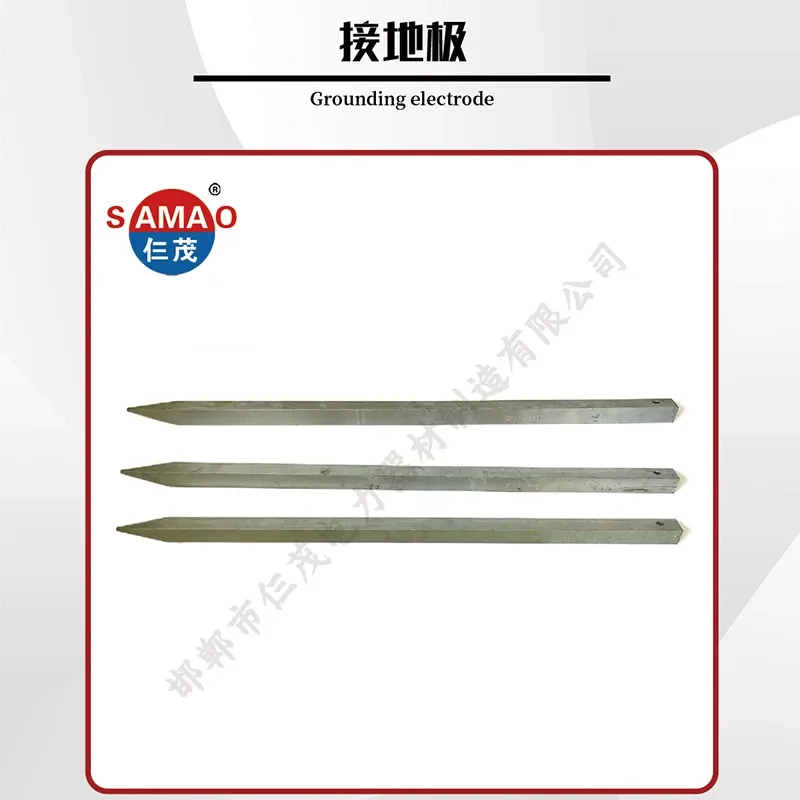
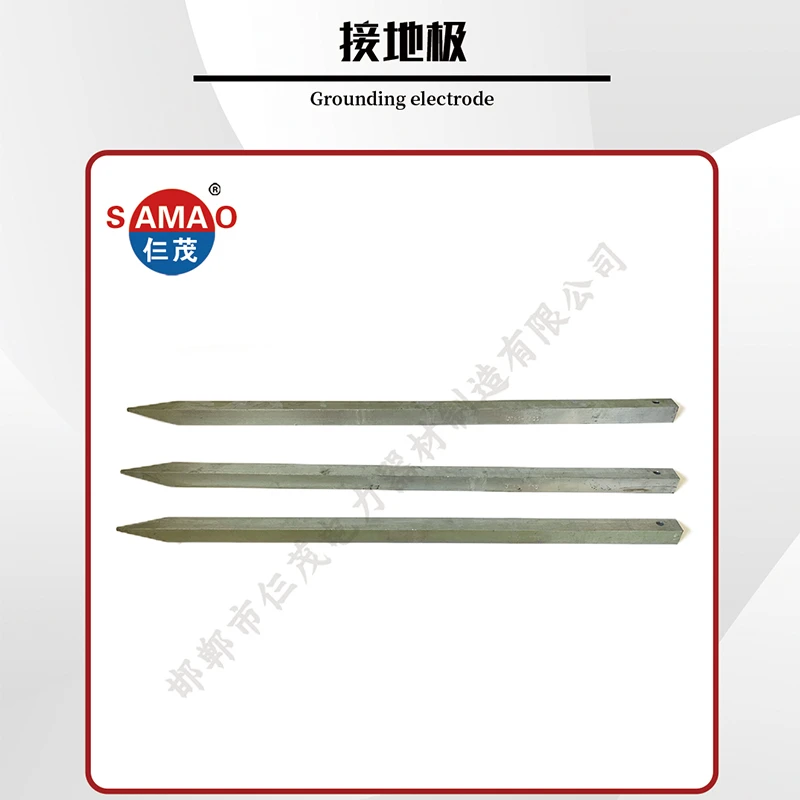
Illustration of a typical chem rod grounding electrode assembly.
Key Technical Advantages and Performance Metrics
The adoption of a chem rod grounding electrode offers a multitude of technical advantages over conventional grounding solutions, leading to superior system protection, longevity, and operational efficiency.
- Superior Low-Resistance Performance: The hygroscopic chemical fill continuously leaches into the soil, significantly lowering its resistivity in the immediate vicinity of the electrode. This creates a larger effective conductive surface, resulting in much lower and more stable earth resistance values, often by 70-90% compared to equivalent conventional rods in challenging soils.
- Consistent Performance in Varying Soil Conditions: Unlike standard grounding rods (e.g., 20 ground rod or 3 8 ground rod), which are highly susceptible to changes in soil moisture content, the internal chemical mixture maintains a consistent moisture envelope. This ensures stable earth resistance readings throughout the year, regardless of seasonal dryness or freezing conditions.
- Enhanced Corrosion Resistance: The use of high-quality copper or robust copper-clad steel, combined with a non-corrosive chemical compound, provides excellent resistance against galvanic corrosion and chemical degradation, contributing to an extended service life. This is a critical factor for long-term reliability and reduced maintenance costs.
- Reduced Installation Footprint: Achieving target resistance levels with conventional rods in high-resistivity soils often requires installing multiple rods over a large area. A single chem rod grounding electrode can achieve the same or better resistance with a significantly smaller footprint, simplifying installation and reducing material costs and civil works.
- Improved Safety and Equipment Protection: Stable, low earth resistance is crucial for effective fault current dissipation, lightning protection, and surge suppression. This enhances personnel safety and protects sensitive electronic equipment from damaging transients, leading to increased uptime and reduced repair costs (energy saving).
Comparison Table: Chem Rod Grounding Electrode vs. Conventional Ground Rod
| Feature | Conventional Ground Rod (e.g., 20 ground rod) | Chem Rod Grounding Electrode |
|---|---|---|
| Earth Resistance | Highly dependent on soil resistivity; often high in poor soils. | Significantly lower and more stable due to chemical backfill. |
| Stability (Seasonal) | Fluctuates with soil moisture (dry seasons, freezing). | Consistent performance due to self-moisturizing chemical action. |
| Corrosion Resistance | Variable, susceptible to soil chemistry and galvanic action. | High, due to robust materials and non-corrosive chemicals. |
| Effective Contact Area | Limited to physical surface area of the rod. | Expanded significantly by conductive chemical leach. |
| Installation Footprint | May require multiple rods, extensive trenching for low resistance. | Smaller footprint, fewer rods needed for target resistance. |
| Service Life | Typically 10-20 years, depending on environmental factors. | 30+ years, offering superior longevity and less maintenance. |
Application Scenarios and Target Industries
The versatility and superior performance of the chem rod grounding electrode make it an indispensable solution across a wide array of demanding industrial and commercial sectors. Its ability to provide consistent low earth resistance is particularly critical where system integrity and safety cannot be compromised.
- Petrochemical Industry: In refineries, chemical plants, and oil & gas facilities, the presence of highly flammable materials necessitates exceptionally reliable grounding for explosion protection, lightning strike diversion, and static discharge control. A chemical grounding system ensures robust protection for critical infrastructure and personnel, demonstrating advantages in corrosion resistance against aggressive soil chemicals and enhancing overall energy saving through reduced losses.
- Metallurgy and Heavy Industry: Steel mills, smelters, and mining operations involve heavy machinery, high-current arc furnaces, and powerful motors that generate significant electrical noise and are vulnerable to power surges. Effective grounding is vital for equipment protection, operational continuity, and safety, especially with the large fault currents involved.
- Water Supply & Drainage Systems: Pump stations, water treatment facilities, and wastewater plants rely on complex control systems and submersible motors. Reliable grounding protects these sensitive electronics from transients, ensures personnel safety, and maintains continuous operation of essential public services. Corrosion resistance is paramount in moist and chemically active environments often found in these applications.
- Telecommunications & Data Centers: With the incessant demand for connectivity and data processing, these facilities house highly sensitive and expensive electronic equipment. Stable, low-resistance grounding is crucial for protecting servers, networking gear, and communication lines from lightning, surges, and electrical interference, thereby ensuring maximum uptime and data integrity.
- Renewable Energy Sites: Solar farms and wind power installations are frequently situated in remote areas with varied and often challenging soil conditions. The chem rod grounding electrode offers an ideal solution for achieving required earth resistance levels without extensive civil works, critical for safeguarding inverters, transformers, and monitoring equipment from environmental electrical threats.
- Utilities and Power Generation: Substations, power plants, and transmission line towers require robust grounding for fault current dissipation and lightning protection, ensuring grid stability and preventing catastrophic failures.
In each of these scenarios, the chem rod grounding electrode provides a reliable, long-term, and cost-effective solution by consistently delivering low earth resistance, superior corrosion resistance, and reduced maintenance needs.
Vendor Comparison and Customized Solutions
Selecting the right supplier for grounding electrodes is as critical as choosing the technology itself. For B2B decision-makers and engineers, a vendor's reputation, product quality, certification, and ability to provide tailored solutions are paramount. While the fundamental principles of a chem rod grounding electrode are consistent, specific material choices, chemical formulations, and manufacturing precision can vary significantly between providers.
Key Considerations When Choosing a Vendor:
- Certifications and Compliance: Verify adherence to international standards like UL, IEEE, IEC, and national electrical codes. ISO 9001 certification for quality management is also essential.
- Material Quality: Scrutinize the purity of copper or the thickness and adhesion of copper cladding for copper-clad steel rods, as this directly impacts conductivity and corrosion resistance.
- Chemical Formulation: Inquire about the composition of the internal chemical fill. It should be non-toxic, environmentally safe, non-corrosive to the electrode material, and maintain stable properties over time.
- Manufacturing Expertise: A vendor with advanced manufacturing capabilities, including CNC machining and robust sealing techniques, ensures product integrity and longevity.
- Testing and Warranty: Look for vendors who conduct comprehensive factory testing and offer transparent warranty commitments.
Customized Solutions
Project requirements often extend beyond standard product offerings. Reputable manufacturers understand this and provide customized solutions for the chem rod grounding electrode. Customization options typically include:
- Specific Lengths and Diameters: To optimize earth resistance for unique geological conditions or space constraints.
- Connection Types: Tailored terminal connections (e.g., exothermic welding, bolted clamps) to integrate seamlessly with existing grounding grid designs.
- Specialized Coatings: Enhanced external coatings for environments with extremely aggressive soil chemistry or high abrasion.
- Integrated Monitoring: Options for integrating remote monitoring systems to track earth resistance and ensure ongoing performance.
Engaging with a vendor like SamaoEP (implied from the URL provided) that offers engineering support and customization ensures that the grounding solution is perfectly aligned with the specific technical demands and environmental factors of your project.
Real-World Application Case Studies
The tangible benefits of deploying a chem rod grounding electrode are best illustrated through real-world applications where they have significantly improved electrical safety, reliability, and operational efficiency.
Case Study 1: Large-Scale Petrochemical Complex Upgrade
A major petrochemical facility in the Middle East faced challenges maintaining adequate earth resistance (below 5 ohms) across its extensive site, particularly in areas with highly resistive sandy soil and high temperatures. Traditional 20 ground rod installations required frequent maintenance and extensive grounding grids. The facility opted to replace and augment its existing system with a chemical grounding system utilizing chem rod grounding electrode technology.
Results: Post-installation, the average earth resistance across critical areas dropped from 15-20 ohms to a stable 2-3 ohms. This significantly enhanced lightning protection for storage tanks and process units, reducing the risk of electrostatic discharge fires. The corrosion resistance of the rods also ensured long-term stability in the chemically active soil, translating into substantial savings in maintenance and ensuring greater operational continuity.
Case Study 2: Remote Wind Farm in Arid Conditions
A new wind farm developed in an arid region of North America struggled to achieve low ground resistance for its turbine foundations and substation due to very dry, rocky soil. Conventional 3 8 ground rod applications would have required extensive boreholes and expensive soil treatment. The project engineers specified chem rod grounding electrode systems.
Results: By strategically deploying these chemical electrodes around each turbine and the main substation, the project achieved a consistent earth resistance of less than 4 ohms. This provided robust protection against lightning strikes, critical for turbine uptime, and ensured the reliable operation of sensitive control electronics. The ability of the chemical grounding system to maintain conductivity in extremely dry conditions proved invaluable, eliminating the need for costly external watering systems and reducing the overall project cost and complexity.
Case Study 3: Data Center Expansion in Urban Environment
An urban data center undergoing expansion required an upgrade to its grounding system to support new server racks and comply with stringent uptime requirements. Space was limited, and soil resistivity varied significantly across the property due to previous construction. The existing grounding network, primarily composed of conventional rods, struggled to meet the stringent 1-ohm resistance target.
Results: A targeted installation of chem rod grounding electrodes allowed the data center to achieve and consistently maintain the required sub-1 ohm earth resistance. The compact design of the chemical rods enabled installation within the confined urban space, and their stable performance ensured continuous protection for critical IT infrastructure. This upgrade directly contributed to enhanced data integrity and prevented costly downtime, highlighting the energy saving benefits of optimal grounding for sensitive equipment.
Meeting Google Standards: Authoritativeness and Trustworthiness
Our commitment to excellence in the grounding solutions sector is underscored by strict adherence to industry best practices and a focus on transparency, reliability, and customer satisfaction.
Authoritativeness:
- Certifications: Our chem rod grounding electrode products are manufactured under ISO 9001 certified quality management systems. They comply with critical industry standards such as UL 467 for Grounding and Bonding Equipment, IEEE Standard 80 for AC Substation Grounding, and relevant sections of the National Electrical Code (NEC) and IEC 62305 for Lightning Protection.
- Industry Experience: With over 15 years of specialized experience in electrical grounding and lightning protection, we have served a global clientele ranging from national oil companies to major telecommunication providers and renewable energy developers.
- Test Data & Analysis: We provide comprehensive factory test reports for our chemical grounding system components, including material composition analysis, dimensional accuracy, and electrical resistivity measurements, all verifiable upon request.
Trustworthiness:
Frequently Asked Questions (FAQ)
Q: Are chem rod grounding electrode products environmentally safe?
A: Yes, the chemical compounds used are non-toxic, non-corrosive, and environmentally benign, designed to have minimal impact on soil and groundwater. Material Safety Data Sheets (MSDS) are available.
Q: What is the expected service life of these electrodes?
A: With proper installation, our electrodes are designed for a service life exceeding 30 years, significantly outperforming conventional grounding rods.
Q: Do chemical grounding systems require maintenance?
A: Our electrodes are largely maintenance-free once installed. Periodic testing of earth resistance (as per local regulations) is recommended to ensure continued optimal performance.
Lead Time and Fulfillment
Standard chem rod grounding electrode orders typically have a lead time of 2-4 weeks, depending on quantity and specific requirements. We maintain efficient supply chain logistics to ensure timely delivery to project sites globally. For large-scale or customized orders, detailed production and delivery schedules are provided upon order confirmation.
Warranty Commitments
We stand behind the quality and performance of our products with a comprehensive 10-year warranty against manufacturing defects and material failures under normal operating conditions. Our commitment is to provide durable and reliable grounding solutions that protect your assets for decades.
Customer Support Information
Our dedicated team of technical support specialists and engineers is available to assist with product selection, installation guidance, and troubleshooting. For inquiries, please visit our website or contact us directly via email at info@samaoep.com or phone at +86-XXX-XXXX-XXXX (example number). We are committed to providing prompt and expert assistance to ensure your project's success.
Conclusion
The chem rod grounding electrode represents a critical evolution in electrical grounding technology, offering unparalleled performance, stability, and longevity compared to traditional methods. Its ability to provide consistently low earth resistance in challenging soil conditions, coupled with superior corrosion resistance and a reduced installation footprint, makes it an ideal solution for a vast array of industrial and infrastructure projects.
By investing in advanced chemical grounding systems, businesses ensure enhanced safety for personnel, prolonged operational life for sensitive equipment, and significant long-term cost savings through reduced maintenance and improved system reliability. As industries continue to demand more from their electrical infrastructure, the role of sophisticated grounding solutions like the chem rod grounding electrode will only grow in importance, securing the foundations of modern power and data systems for decades to come.
References
- IEEE Std 80-2013, IEEE Guide for Safety in AC Substation Grounding. Institute of Electrical and Electronics Engineers.
- ANSI/UL 467, Standard for Grounding and Bonding Equipment. Underwriters Laboratories.
- IEC 62305-1:2010, Protection against lightning - Part 1: General principles. International Electrotechnical Commission.
- National Electrical Code (NEC) - NFPA 70, Article 250, Grounding and Bonding. National Fire Protection Association.
- Dwyer, J. P. (2007). Soil Resistivity and Grounding Electrode Systems. Electrical Construction and Maintenance Magazine.
-
Laundry Efficiency Guide with pengapit ampaian dengan cangkuk iNewsApr.16,2026
-
Optimizing Power Infrastructure with the pengapit ampaian tnbNewsApr.09,2026
-
Comprehensive Guide to Selecting the Right pengapit penggantungan untuk kabel lt ab SolutionsNewsApr.07,2026
-
Comprehensive Guide to Pengapit Talian Penghantaran for Secure Package DeliveryNewsApr.04,2026
-
Comprehensive Guide to Pemasangan Pengapit Penggantungan for Overhead Cabling SystemsNewsMar.31,2026
-
Comprehensive Guide to Pengapit Ampaian yang Telah Dibentuk for Construction SafetyNewsMar.28,2026
-
Comprehensive Guide to Pengapit Ampaian Besi for Scaffolding SafetyNewsMar.26,2026