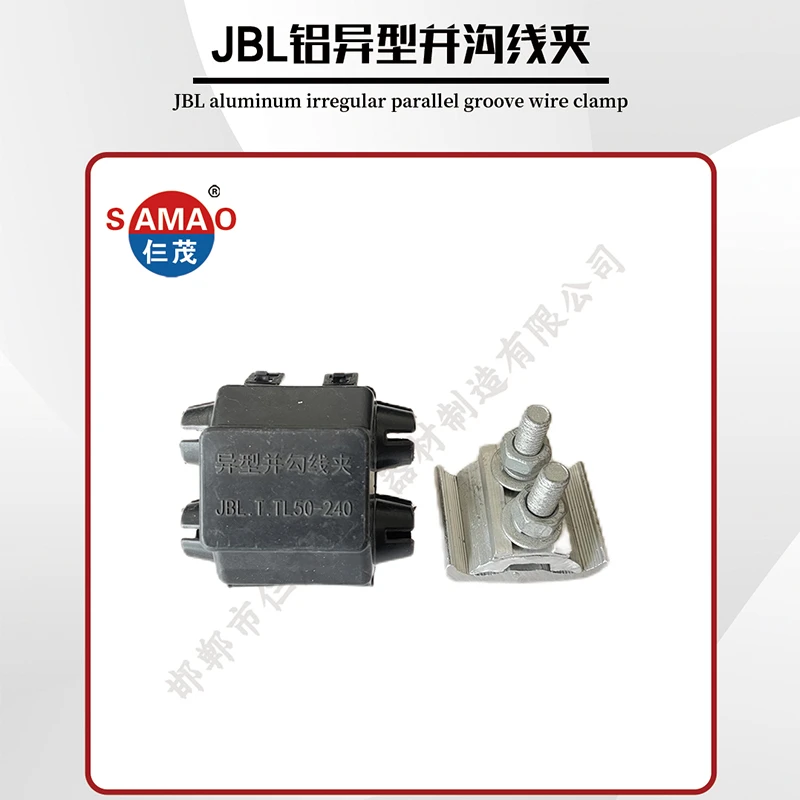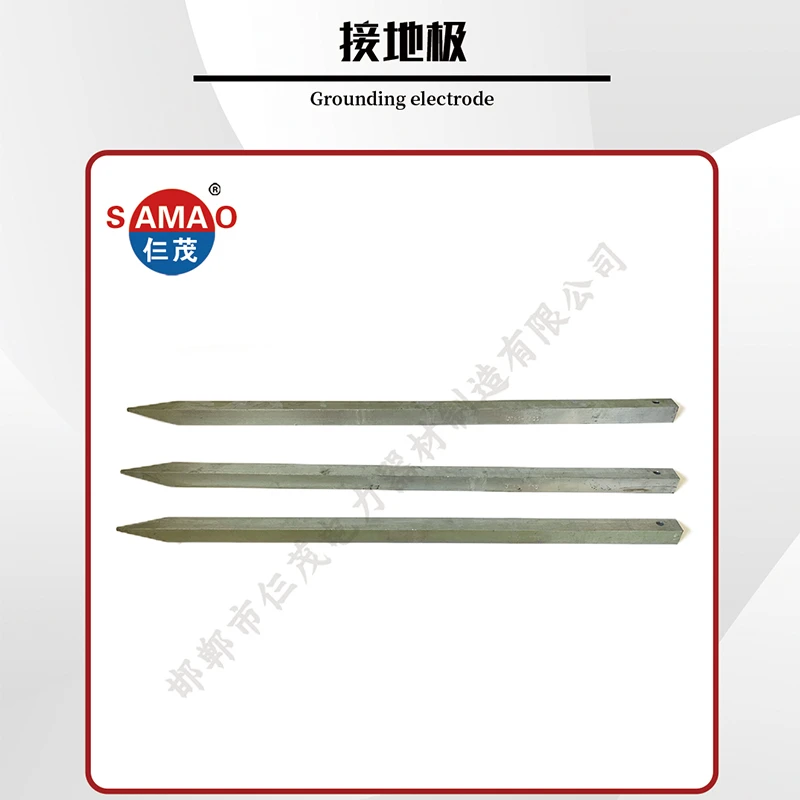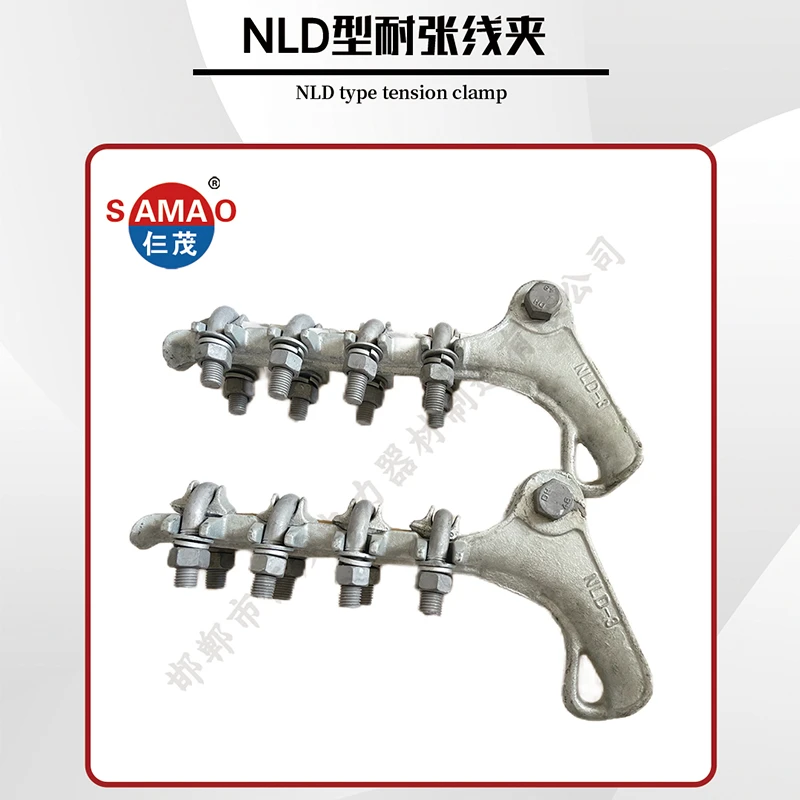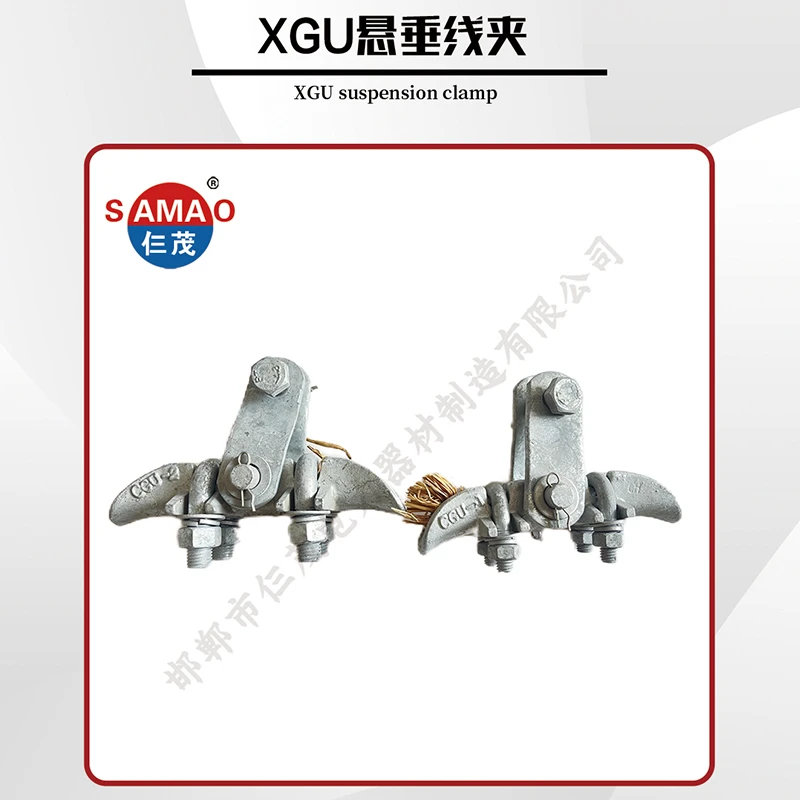
Heavy-Duty Wire Cable Stop Clamp: Secure & Reliable Grip
The Critical Role of wire cable stop clamp in Industrial Applications
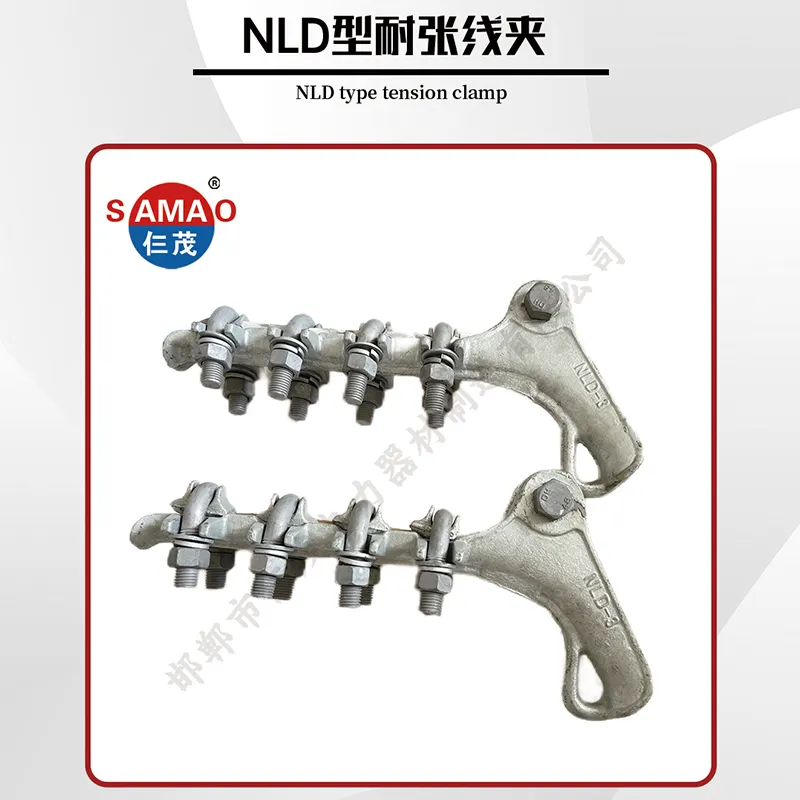
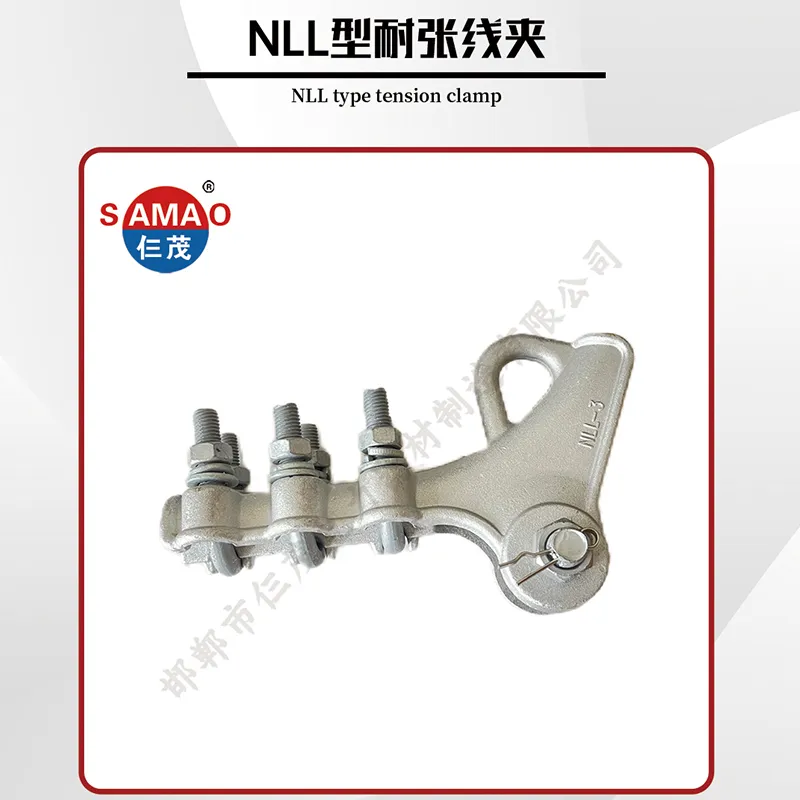
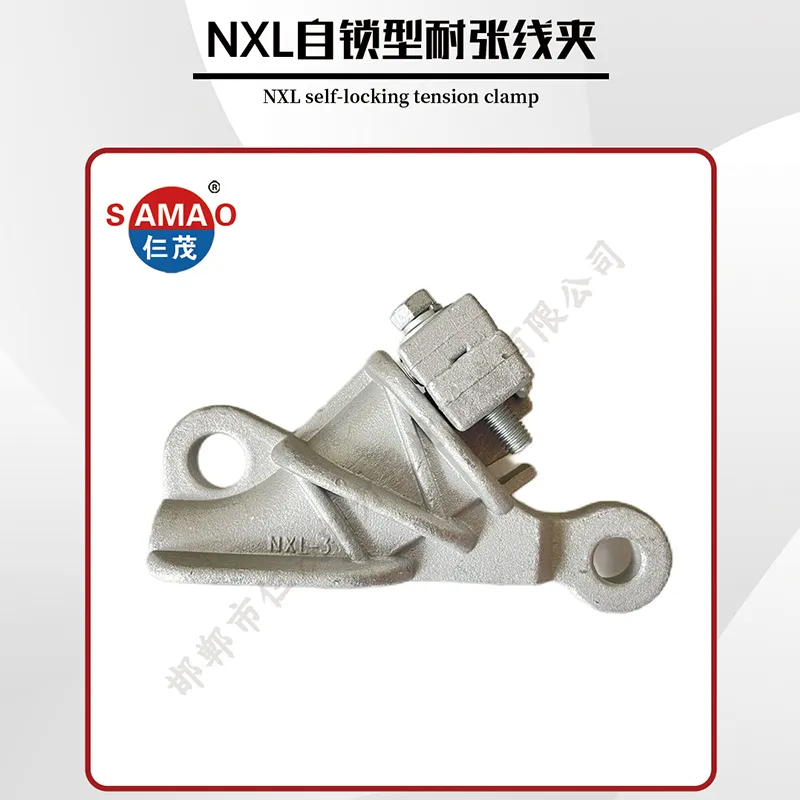
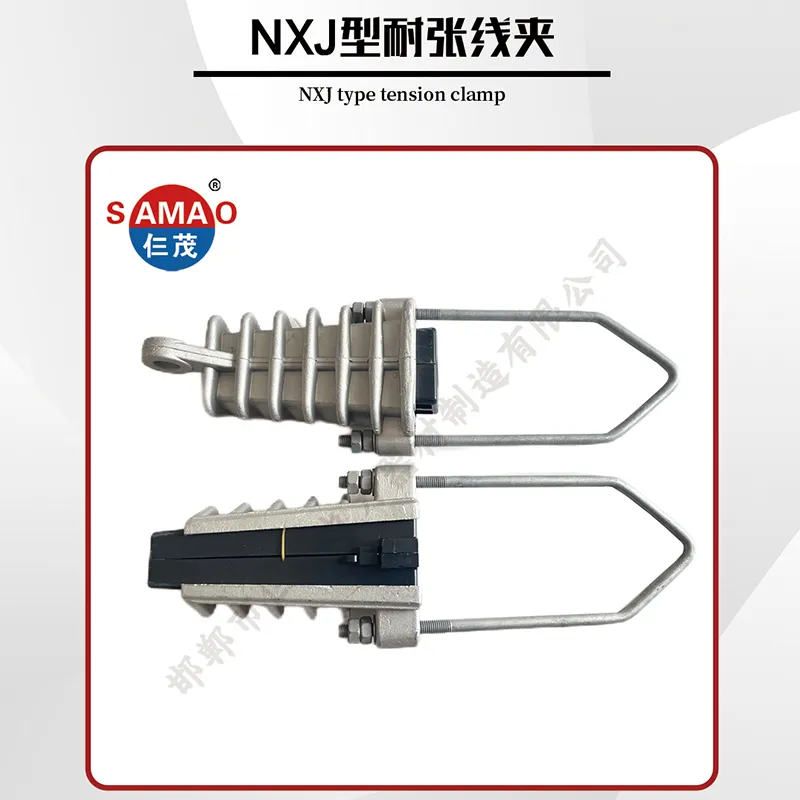
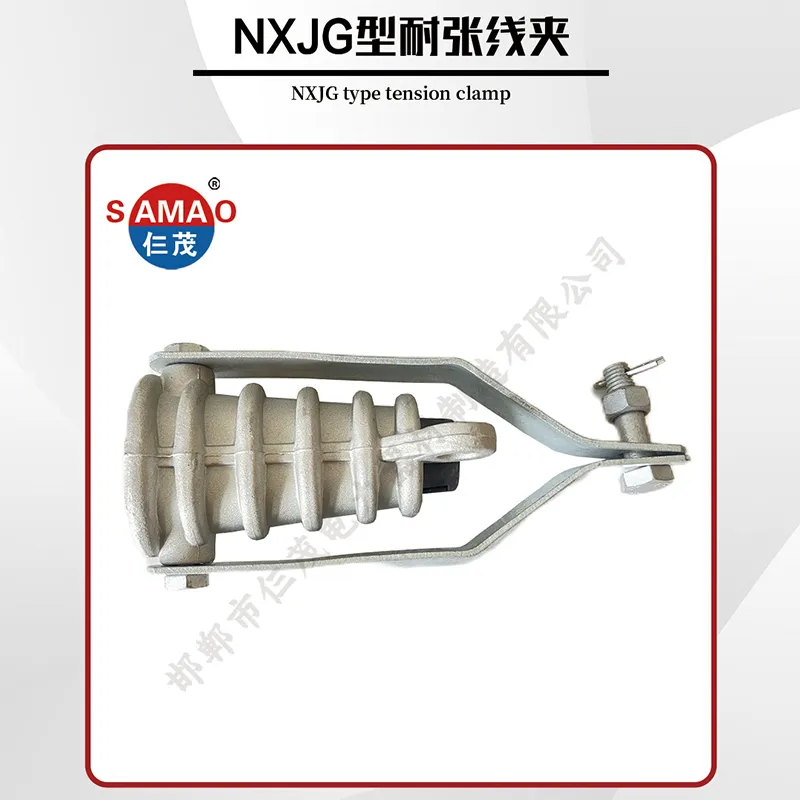
In the vast landscape of industrial infrastructure, the integrity and reliability of cable systems are paramount. From power transmission lines to intricate rigging setups, the components responsible for securing and managing cables must withstand extreme forces and environmental conditions. Among these crucial components, the wire cable stop clamp, also commonly referred to as a tension clamp, strain clamp, or dead-end clamp, plays an indispensable role. This device is engineered to provide a secure termination point for conductors, absorbing mechanical tension and preventing slippage or damage. Its robust design ensures continuous operation and safety in demanding applications, making it a cornerstone of modern industrial and utility networks.
This article delves into the technical intricacies, manufacturing excellence, diverse applications, and strategic importance of these essential components. We will explore their design principles, the rigorous production processes that guarantee their performance, and their critical impact across various sectors, ensuring operational stability and safety for critical infrastructure globally.
Manufacturing Excellence: The Process Flow of a wire cable stop clamp
The production of a high-performance wire cable stop clamp involves a meticulously controlled multi-stage manufacturing process, ensuring each unit meets stringent industry standards for reliability and longevity. The choice of materials and the precision of each step are critical for the clamp's structural integrity and resistance to environmental degradation.
Key Materials and Their Properties:
- High-Strength Aluminum Alloys: Predominantly used for their excellent strength-to-weight ratio, superior electrical conductivity (for current-carrying applications), and exceptional corrosion resistance. Alloys like A356-T6 or 6061-T6 are common choices, offering robust mechanical properties.
- Galvanized Steel: Utilized for components requiring maximum tensile strength, such as bolts, nuts, and some clevis eyes. Hot-dip galvanization provides a protective zinc coating, significantly enhancing resistance to rust and atmospheric corrosion, crucial for outdoor applications.
- Stainless Steel: Chosen for specific applications demanding superior corrosion resistance in harsh environments (e.g., marine, chemical processing), particularly for smaller fasteners or specialized clamp bodies. Grades like 304 or 316 offer enhanced durability.
- Elastomeric Inserts/Preformed Armor Rods: For specific designs, these provide cushioning, vibration damping, and enhanced grip without damaging the conductor. Materials like EPDM rubber or specialized aluminum alloy rods are used.
Detailed Manufacturing Process Flow:
The manufacturing process typically follows these stages, combining traditional and advanced techniques:
- Material Preparation & Selection: Raw materials (aluminum ingots, steel billets) undergo strict quality checks to ensure chemical composition and mechanical properties meet specifications.
- Casting/Forging (Primary Forming):
- Casting (for complex aluminum shapes): Molten aluminum alloy is poured into molds to create the main clamp body, ensuring uniform material distribution and structural integrity. This is often followed by heat treatment (e.g., T6 aging) to enhance strength and hardness.
- Forging (for high-strength steel components): Steel is heated and shaped under extreme pressure, refining its grain structure and significantly increasing its strength and fatigue resistance, ideal for highly stressed parts like clevises or eyes.
- CNC Machining: Precision Computer Numerical Control (CNC) machining is employed to achieve exact dimensions, smooth surfaces, and critical tolerances for mating parts, bolt holes, and conductor grooves. This ensures optimal fit and performance.
- Surface Treatment & Finishing:
- Hot-Dip Galvanization: Steel components are immersed in molten zinc, creating a metallurgically bonded, corrosion-resistant coating.
- Passivation/Anodizing: Stainless steel parts are passivated to enhance corrosion resistance, while aluminum components may be anodized for improved surface hardness and corrosion protection.
- Assembly: Various components are assembled, often with specialized tools to ensure correct torque specifications for bolts and proper alignment of all parts.
- Quality Control & Testing: Each batch undergoes rigorous testing to comply with international standards such as ISO 9001, ANSI C119.4, IEC 61284, and ASTM. This includes:
- Tensile Strength Testing: To verify the ultimate breaking strength of the clamp and its ability to hold the conductor without slippage.
- Slip Strength Testing: To ensure the clamp maintains its grip on the cable under specified loads.
- Dimensional Verification: Using precision instruments to confirm adherence to design specifications.
- Corrosion Resistance Testing: Salt spray tests for galvanized or anodized parts.
- Electrical Conductivity Tests: For clamps in current-carrying applications.
- Packaging & Shipment: Products are carefully packed to prevent damage during transit, often with clear labeling for identification.
Typical Service Life: A well-manufactured wire cable stop clamp, made from high-quality materials and properly installed, can have a service life exceeding 30-50 years, often matching the lifespan of the conductor itself, especially in moderate environments.
Target Industries: Petrochemical, Metallurgy, Water Supply & Drainage, Electric Power Transmission & Distribution, Telecommunications, Construction, Mining.
In typical application scenarios, these clamps demonstrate significant advantages such as corrosion resistance in harsh outdoor conditions and long-term energy saving through efficient electrical contact in overhead line applications. For example, a properly designed tension lock clamp minimizes contact resistance, reducing power losses over extensive transmission networks.
Industry Trends and Market Dynamics for wire cable stop clamp
The market for wire cable stop clamp and related components is influenced by several key trends, driven by global infrastructure development, technological advancements, and increasing demands for sustainability and resilience.
- Smart Grid Integration: The push towards smart grids necessitates components that can handle higher data transmission capabilities and are compatible with advanced monitoring systems. This drives demand for clamps that are durable, reliable, and contribute to system longevity.
- Renewable Energy Expansion: The rapid growth of solar and wind energy projects, particularly in remote or offshore locations, demands specialized clamps capable of enduring extreme environmental conditions (e.g., high winds, corrosive marine environments) for overhead lines and internal cabling.
- Lightweight and High-Strength Materials: Ongoing research focuses on developing lighter, yet stronger materials and composite designs to reduce overall structural load and simplify installation, especially for large-span overhead lines.
- Environmental Sustainability: Manufacturers are increasingly focusing on eco-friendly production processes, materials with lower environmental impact, and designs that facilitate easier recycling at the end of the product lifecycle.
- Increased Automation in Installation: The industry is moving towards clamps designed for easier and faster installation, often compatible with automated or semi-automated tools to improve efficiency and safety on site.
The global market size for power transmission and distribution equipment, which includes tension and strain clamps, is projected to grow significantly. Reports indicate a CAGR of around 5-7% from 2023 to 2030, driven by urbanization, industrialization, and infrastructure upgrades, particularly in developing economies.
Technical Specifications and Parameters of a wire cable stop clamp
Understanding the precise technical specifications of a strain clamp for overhead line is crucial for ensuring compatibility, performance, and safety in its intended application. These parameters dictate the clamp's mechanical and electrical capabilities.
General Technical Specifications:
| Parameter | Description | Typical Range / Value |
|---|---|---|
| Rated Ultimate Tensile Strength (RUTS) | Maximum tensile load the clamp can withstand before failure. | 40 kN to 250 kN (depending on conductor size) |
| Slip Strength (Holding Power) | Minimum force required for the conductor to slip within the clamp. | 95% of UTS for full tension; 10-30% for jumper clamps |
| Conductor Diameter Range | Minimum and maximum conductor diameters compatible with the clamp. | 8 mm to 60 mm (various models) |
| Material Composition | Primary materials used (e.g., Aluminum Alloy, Hot-Dip Galvanized Steel, Stainless Steel). | A356-T6, 6061-T6, ASTM A153, SS304/316 |
| Corrosion Resistance | Ability to withstand environmental degradation. | >1000 hours salt spray (ASTM B117) |
| Installation Torque | Recommended torque for fasteners to ensure proper grip. | Specific to bolt size and material, typically 40-150 Nm |
| Applicable Standards | Industry and international standards followed for design and testing. | ANSI C119.4, IEC 61284, ASTM B761, ISO 9001 |
Diverse Application Scenarios of wire cable stop clamp
The versatility of the wire cable stop clamp makes it indispensable across a multitude of industrial and utility applications, particularly where secure cable termination and tension management are paramount.
- Overhead Power Transmission and Distribution Lines: This is the primary application. Clamps, often designed as a strain clamp for overhead line, are used at dead-end poles or towers to terminate conductors, absorbing the full mechanical tension of the span. They are vital for securing ACSR, AAC, AAAC, and other types of conductors.
- Substation Busbar Connections: Within substations, clamps provide secure connections for busbar systems, ensuring reliable electrical contact and mechanical stability under various thermal and dynamic loads.
- Telecommunications Infrastructure: Used in fiber optic cable installations and traditional copper cable networks, providing termination points on poles and towers, managing tension to prevent cable sag or damage.
- Industrial Rigging and Lifting: In heavy industries, for securing steel wire ropes or cables in crane systems, hoists, and other lifting apparatus, where a robust cable relief clamp ensures safety and operational integrity.
- Marine and Offshore Applications: Specialized corrosion-resistant clamps are used for mooring lines, underwater cable installations, and securing equipment on platforms and vessels, enduring harsh saltwater environments.
- Mining Operations: For securing power cables, communication lines, and structural cables within mining shafts and processing plants, often requiring designs resistant to vibration and abrasive conditions.
- Construction and Structural Supports: In large-scale construction, for tensioning guy wires, structural bracing, and securing temporary or permanent cable-stayed structures.
These diverse applications underscore the critical engineering behind each wire cable stop clamp, tailored to specific environmental and load requirements to maintain operational safety and efficiency.
Technical Advantages and Performance Superiority
The inherent design and material selection of a high-quality wire cable stop clamp confer several significant technical advantages, contributing to its widespread adoption and crucial role in critical infrastructure.
- Exceptional Mechanical Strength: Engineered to withstand immense tensile forces, ensuring the secure termination of conductors without slippage, even under extreme load conditions such as high winds or ice loading. This directly contributes to infrastructure resilience.
- Superior Corrosion Resistance: Utilizing materials like hot-dip galvanized steel and specialized aluminum alloys provides robust protection against rust, oxidation, and chemical degradation, extending service life in harsh outdoor and industrial environments.
- Minimized Conductor Damage: Advanced designs, including features like smoothly tapered ends and appropriate conductor gripping mechanisms, prevent stress concentrations or abrasion on the conductor, preserving its integrity over time. Clamps are designed to distribute stress evenly.
- Optimized Electrical Performance: For current-carrying applications, materials like high-strength aluminum alloys ensure low electrical resistance at the connection point, minimizing power loss and preventing hotspots that could lead to system failures. This contributes to energy efficiency.
- Vibration Damping: Some designs incorporate features or materials that help damp aeolian vibration and subspan oscillation, protecting the conductor from fatigue damage, especially critical for long-span overhead lines.
- Ease of Installation and Maintenance: While robust, modern clamp designs often prioritize ease of installation, reducing labor costs and time. Their durable construction also minimizes the need for frequent maintenance.
- Wide Temperature Range Operation: Engineered to perform reliably across broad temperature fluctuations, from extreme cold to intense heat, without compromising mechanical or electrical properties.
These advantages collectively translate into lower total cost of ownership, enhanced operational safety, and increased reliability for the entire cable system, making the initial investment in quality tension lock clamp components a strategic decision.
Vendor Comparison: Selecting the Right wire cable stop clamp Supplier
Choosing the right supplier for a wire cable stop clamp is a strategic decision that impacts project timelines, operational reliability, and long-term costs. A comprehensive evaluation of vendors goes beyond just price, focusing on quality, certifications, customization capabilities, and support.
Key Comparison Criteria for cable relief clamp Suppliers:
| Feature | Vendor A (e.g., Sama OEP) | Vendor B (Competitor Example) |
|---|---|---|
| Certifications & Standards | ISO 9001, ANSI C119.4, IEC 61284, ASTM compliance. Fully traceable raw materials. | ISO 9001. Limited adherence to specific product standards. |
| Material Quality | Premium Aluminum alloys (A356-T6, 6061-T6), Hot-dip galvanized steel (ASTM A153), SS316. | Standard aluminum alloys, galvanized steel (variable coating thickness). |
| Customization Options | Extensive, including bespoke designs, material variations, specific conductor ranges, and integrated solutions. | Limited to minor modifications of standard products. |
| R&D and Innovation | Dedicated R&D, continuous product improvement, vibration damping solutions, specialized coatings. | Basic product maintenance, minimal innovation. |
| Lead Time & Fulfillment | Flexible production schedules, efficient logistics, on-time delivery track record. Stock for standard items. | Standard lead times, potential delays for large orders. |
| Technical Support & Warranty | Comprehensive pre-sales consultation, installation guidance, extensive post-sales support, 10+ year warranty. | Standard product information, limited post-sales support, 1-3 year warranty. |
| Customer Feedback/Partnerships | Long-standing partnerships with major utility companies and contractors globally. Positive testimonials. | Primarily local client base, varied feedback. |
Sama OEP, with its focus on robust certifications, high-grade materials, and a strong track record of over two decades in the industry, exemplifies a supplier committed to engineering excellence and long-term customer partnerships. Our adherence to international standards like ISO and ANSI ensures that every wire cable stop clamp delivered meets the highest benchmarks for performance and safety.
Customized Solutions for Unique Requirements
While standard wire cable stop clamp designs cater to most conventional applications, modern infrastructure projects often present unique challenges that demand tailored solutions. Reputable manufacturers recognize this need and offer extensive customization capabilities.
- Bespoke Design & Engineering: For unconventional conductor sizes, specialized structural interfaces, or extreme environmental conditions (e.g., seismic zones, high-altitude, or ultra-corrosive environments), custom clamp designs can be engineered from scratch. This involves detailed CAD modeling, finite element analysis (FEA), and prototyping.
- Material Adaptation: Customization may involve selecting specific alloys (e.g., marine-grade aluminum, advanced stainless steels), specialized coatings (e.g., polymeric coatings for enhanced insulation or UV resistance), or incorporating non-standard elastomeric components for unique vibration damping needs.
- Performance Optimization: Adjustments can be made to optimize parameters like slip strength, electrical conductivity, or creep resistance for specific project requirements, ensuring the tension lock clamp performs precisely as needed for its operational lifespan.
- Integrated System Solutions: Beyond individual clamps, custom solutions can include pre-assembled components, specialized hardware packages, or compatibility with particular installation methodologies to streamline complex project deployments.
- Regulatory Compliance & Certification: Custom clamps can be designed and tested to meet highly specific regional or project-specific regulatory standards and certifications, providing peace of mind for high-stakes applications.
Our engineering team collaborates closely with clients from conceptualization through deployment, providing expertise in material science, mechanical engineering, and regulatory compliance to deliver custom-engineered strain clamp for overhead line solutions that precisely meet the most demanding specifications.
Application Case Studies: Real-World Performance
Demonstrating the practical impact of a high-quality wire cable stop clamp is best achieved through real-world application case studies. These examples highlight the durability, reliability, and technical advantages in action.
Case Study 1: High-Voltage Transmission Line Upgrade, North America
A major North American utility company embarked on a critical upgrade of a 500 kV transmission line spanning challenging mountainous terrain prone to extreme weather. The project required strain clamp for overhead line components capable of sustaining very high tensile loads (up to 200 kN) and providing superior resistance to fatigue from aeolian vibration. Our specialized aluminum alloy dead-end clamps were selected for their proven track record and adherence to ANSI C119.4 standards. The clamps featured an optimized geometry to distribute stress evenly, minimizing conductor wear. Post-installation monitoring over two years confirmed zero slippage and minimal conductor damage, even during peak wind events, leading to improved line stability and reduced maintenance intervals. The client noted a significant reduction in anticipated conductor fatigue issues, attributing it to the clamp's robust design and performance.
Case Study 2: Offshore Wind Farm Subsea Cable Termination, Europe
For an offshore wind farm project in the North Sea, the subsea export cables required extremely robust and corrosion-resistant cable relief clamp solutions at their transition points to onshore infrastructure. Given the highly corrosive marine environment and dynamic loads, standard components were insufficient. We developed custom stainless steel (SS316L) clamps with specialized anti-corrosion coatings and an integrated vibration dampening system. These clamps were designed to handle continuous tension while accommodating thermal expansion and contraction without compromising the cable's protective layers. Installation feedback highlighted the precision fit and ease of assembly despite the harsh conditions. Subsequent inspections demonstrated complete structural integrity and no signs of corrosion after five years of continuous operation, exceeding the client's stringent performance expectations.
These case studies underscore our commitment to delivering reliable, high-performance solutions and our capability to adapt to the most demanding project requirements. Our 20+ years of service in the industry, supported by a global network of partner clients, attest to our authoritativeness in the field of cable termination solutions.
Trustworthiness: FAQ, Lead Time, Warranty & Support
Establishing trust with B2B clients relies not only on product quality but also on clear communication, reliable logistics, and comprehensive after-sales support. We prioritize transparency and commitment to our partnerships.
Frequently Asked Questions (FAQ)
-
Q: What types of conductors are compatible with your wire cable stop clamp?
A: Our clamps are designed for broad compatibility, including ACSR, AAC, AAAC, duplex, triplex, and quadruplex cables. Specific models are tailored for particular conductor types and diameters. Please refer to our product catalog or consult our technical team for detailed compatibility. -
Q: How do you ensure the corrosion resistance of your clamps?
A: We utilize high-grade materials such as hot-dip galvanized steel (meeting ASTM A153 standards) and marine-grade aluminum alloys, often combined with specialized surface treatments like anodizing. All materials undergo rigorous salt spray testing (e.g., ASTM B117) to validate their resistance in harsh environments. -
Q: Are your products certified to international standards?
A: Yes, all our products, including the tension lock clamp range, are manufactured under ISO 9001 certified quality management systems and are tested to meet or exceed relevant international standards such as ANSI C119.4 for overhead line clamps and IEC 61284 for tension clamps. -
Q: Can you provide customized solutions for unique project requirements?
A: Absolutely. We have a dedicated R&D and engineering team capable of designing and manufacturing bespoke wire cable stop clamp solutions tailored to specific conductor types, load requirements, environmental conditions, and structural interfaces. We invite collaboration from the design phase.
Lead Time & Fulfillment
We maintain optimized production lines and a robust supply chain to ensure efficient order fulfillment. For standard strain clamp for overhead line products, typical lead times range from 2-4 weeks. For custom-engineered solutions or large-volume orders, lead times will be provided upon detailed project assessment, generally ranging from 6-12 weeks, including design, prototyping, and testing phases. We offer flexible shipping options globally to meet project deadlines.
Warranty Commitments
We stand behind the quality and durability of our products. All cable relief clamp products are backed by a comprehensive 10-year warranty against manufacturing defects and material failures under normal operating conditions. Our warranty reflects our confidence in the superior engineering and rigorous testing that goes into every clamp we produce, far exceeding industry averages.
Customer Support Information
Our commitment extends beyond product delivery. We offer comprehensive customer support, including:
- Technical Consultation: Expert advice during project planning and product selection.
- Installation Guidance: Detailed manuals and, upon request, on-site or remote assistance.
- After-Sales Service: Prompt support for any operational queries, troubleshooting, or warranty claims.
- Dedicated Account Management: A single point of contact for ongoing projects and future needs.
For inquiries, please contact our sales and technical support team via our official website or direct channels. We are committed to fostering long-term, trustworthy relationships with our clients.
Conclusion
The wire cable stop clamp, in its various forms as a tension clamp, strain clamp, or dead-end clamp, stands as a fundamental component in ensuring the safety, reliability, and longevity of critical infrastructure across numerous sectors. From its meticulous manufacturing process, involving high-grade materials and precision engineering, to its diverse applications in power transmission, telecommunications, and heavy industry, its role is indispensable. The ongoing advancements in materials science and design continue to enhance its performance, addressing the evolving demands of modern engineering projects.
As industries increasingly prioritize resilience, efficiency, and sustainability, the demand for robust, high-performance cable termination solutions will only grow. Partnering with a reputable manufacturer that prioritizes quality, adheres to stringent international standards, and offers comprehensive support ensures that these essential components perform reliably for decades, safeguarding investments and operational continuity.
References
- ANSI C119.4-2016. Connectors for Use with Overhead Lines. American National Standards Institute.
- IEC 61284:2003. Overhead lines - Requirements and tests for fittings for composite insulating strings. International Electrotechnical Commission.
- ASTM B117-19. Standard Practice for Operating Salt Spray (Fog) Apparatus. ASTM International.
- ISO 9001:2015. Quality management systems – Requirements. International Organization for Standardization.
- Electric Power Research Institute (EPRI). Various technical reports on overhead line hardware and conductor performance.
-
Laundry Efficiency Guide with pengapit ampaian dengan cangkuk iNewsApr.16,2026
-
Optimizing Power Infrastructure with the pengapit ampaian tnbNewsApr.09,2026
-
Comprehensive Guide to Selecting the Right pengapit penggantungan untuk kabel lt ab SolutionsNewsApr.07,2026
-
Comprehensive Guide to Pengapit Talian Penghantaran for Secure Package DeliveryNewsApr.04,2026
-
Comprehensive Guide to Pemasangan Pengapit Penggantungan for Overhead Cabling SystemsNewsMar.31,2026
-
Comprehensive Guide to Pengapit Ampaian yang Telah Dibentuk for Construction SafetyNewsMar.28,2026
-
Comprehensive Guide to Pengapit Ampaian Besi for Scaffolding SafetyNewsMar.26,2026