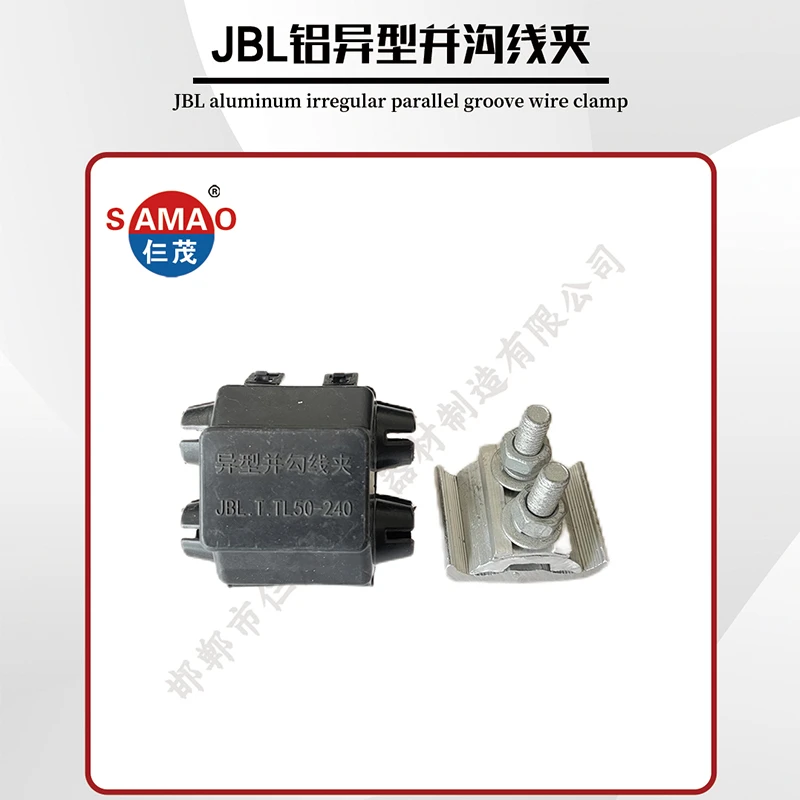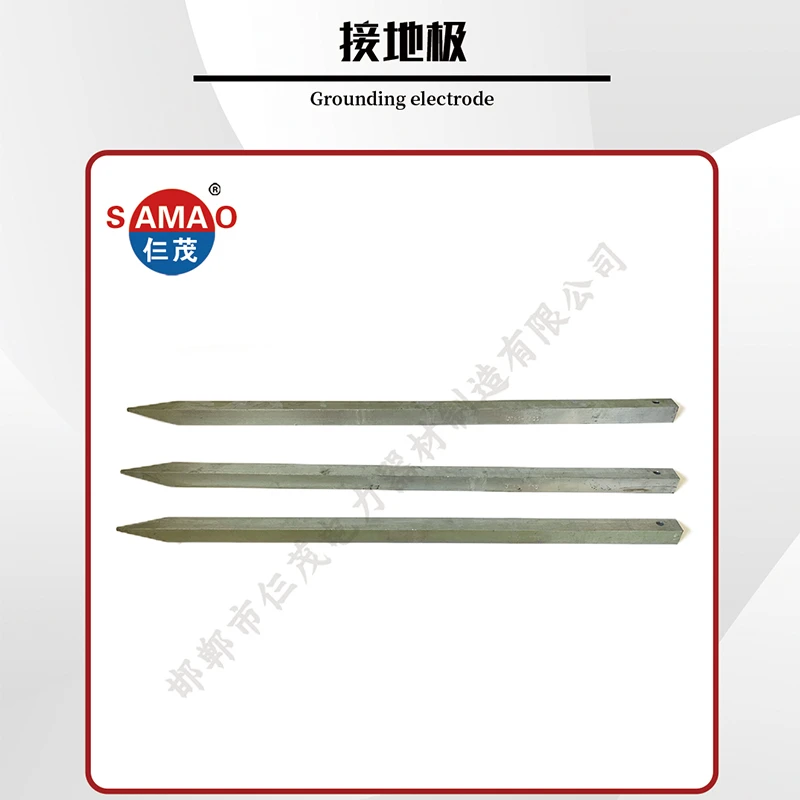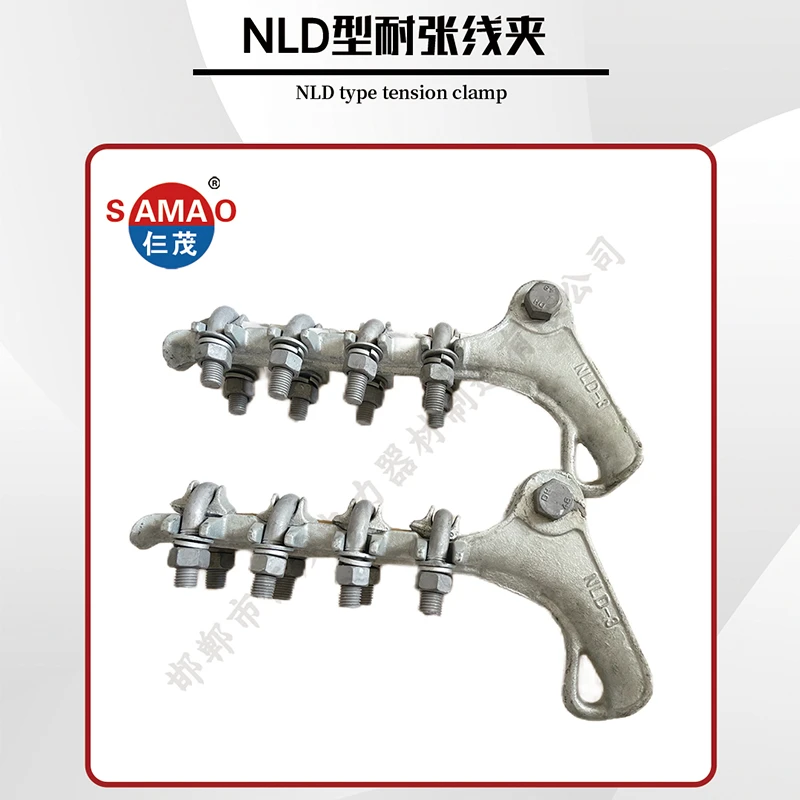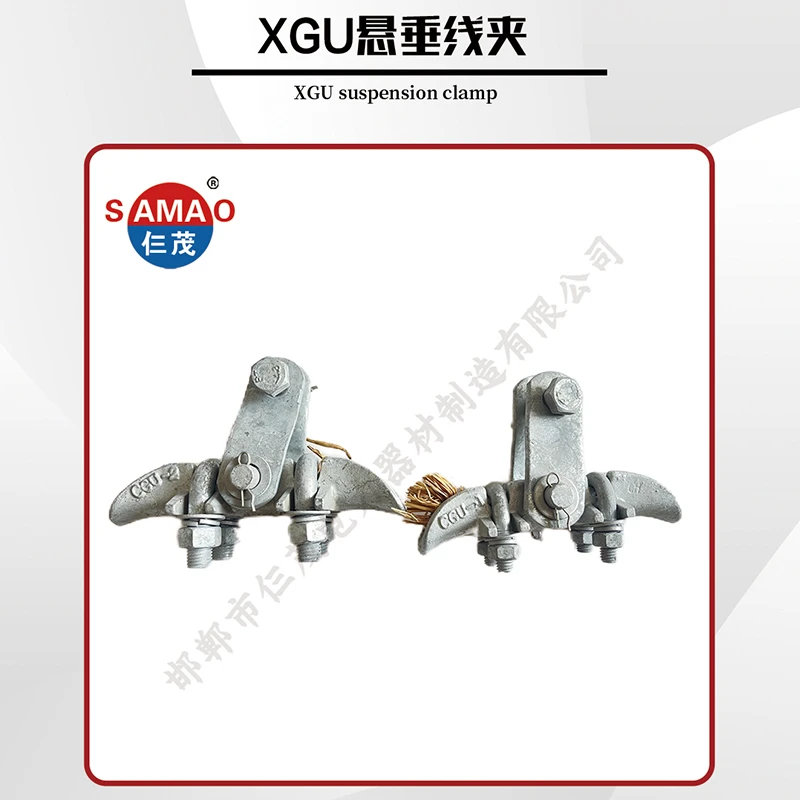
Wholesale Suspension Clamps: Secure Steel & Angle Solutions
Middle East Energy (Dubai): A Gateway to Global Power Line Hardware Innovation
The Middle East Energy (MEE) exhibition in Dubai stands as a pivotal global gathering for the power sector, a dynamic hub where innovation meets demand. For industry professionals, it's far more than just a trade show; it's a strategic platform showcasing the comprehensive range of power transmission and distribution (T&D) equipment that forms the backbone of modern electrical grids. Exhibitors from around the world converge to present cutting-edge solutions, from high-voltage switchgear to advanced automation systems.
For the vital Power Line Hardware industry, MEE Dubai offers unparalleled value. It's a prime opportunity for manufacturers to connect with key decision-makers, utilities, engineering procurement construction (EPC) firms, and distributors from emerging markets and established economies alike. This event illuminates the critical role that robust, reliable, and innovative power line hardware plays in ensuring the stability, efficiency, and expansion of electrical grids globally, making it an essential destination for anyone serious about the future of power infrastructure.
Industry Trend Spotlight: The Evolution of Power Line Hardware
The landscape of power line hardware is undergoing a transformative period, driven by the relentless pursuit of enhanced performance, increased efficiency, and greater sustainability. Several key trends are converging to reshape this critical sector, gaining significant global attention from utilities and infrastructure developers worldwide.
- • Material Innovation: There's a pronounced shift towards polymer and composite insulators. These materials offer distinct advantages over traditional porcelain, including lighter weight, superior hydrophobicity, enhanced resistance to pollution flashover, and improved mechanical strength, leading to reduced installation costs and extended operational life.
- • Smart Grid Integration: The integration of smart functionalities into power line fittings and surge arresters is no longer a futuristic concept but a present-day reality. This includes embedded sensors for real-time monitoring of temperature, current, voltage, and even environmental conditions, enabling predictive maintenance, fault localization, and enhanced grid resilience.
- • High-Voltage Solutions for Renewables: The global push for renewable energy sources like solar and wind power necessitates robust high-voltage solutions and specialized components for seamless grid integration. This includes hardware capable of handling variable generation, increased transmission distances, and the unique demands of modern energy systems.
- • Durability and Corrosion Resistance: In diverse and often harsh environments, improved durability and corrosion resistance remain paramount. Manufacturers are leveraging advanced coatings, materials, and designs to ensure longer service life and reduced maintenance, especially in coastal areas or regions with extreme weather conditions.
Market Data: This strong growth isn't speculative; it's driven by fundamental global needs. The market for T&D equipment, including critical power line fittings and insulators, is expected to see steady expansion, fueled by global grid modernization initiatives, rapidly increasing electricity demand, and significant investments in renewable energy infrastructure. Furthermore, the expansion of smart grid initiatives across continents is creating new avenues for specialized hardware that can communicate and adapt. From 2023 to 2030, the global power transmission and distribution equipment market is projected to grow at a compound annual growth rate (CAGR) of over 5%, indicating a robust and expanding opportunity for innovative manufacturers and suppliers.
Emerging Focus Areas: Looking ahead, the industry's focus will remain sharply on:
- • Grid modernization and resilience
- • Renewable energy grid integration and energy storage solutions
- • Development of ultra-high-voltage (UHV) solutions
- • Sustainable and durable materials with lower environmental footprints
- • Advanced smart grid components for enhanced control and monitoring
Profiles of Leading Power Line Hardware Innovators
The competitive landscape for power line hardware is rich with established global players and innovative regional manufacturers. At events like Middle East Energy, these companies demonstrate their commitment to advancing grid technology.
Handan Samao Electric Power Equipment Manufacturing Co., LTD.
Among the notable exhibitors, Chinese manufacturers are making a significant impact, often showcasing a compelling blend of quality, innovation, and competitive pricing. Handan Samao Electric Power Equipment Manufacturing Co., LTD. stands out as a prime example. With extensive experience spanning decades, Samao has cultivated a diverse and comprehensive product range, including an array of power line fittings, high-performance insulators (both porcelain and composite), and reliable surge arresters. Their commitment to the global market is evident through a strong export presence, serving numerous countries across different continents.
- • Comprehensive Portfolio: Samao's strength lies in its ability to offer a one-stop solution for various T&D needs, from intricate connecting fittings to robust insulation systems, ensuring compatibility and seamless integration.
- • Global Reach & Value: Their strong global export presence is underpinned by a commitment to offering high-quality products at competitive price points, making advanced power line hardware accessible to a broader market without compromising performance.
- • Quality Assurance & Reliability: Samao's dedication to quality is formalized through ISO 9001 certification, reflecting rigorous manufacturing processes, stringent testing, and an unwavering focus on product reliability and safety—critical factors for any power grid component.
- • Customization and Support: Beyond standard offerings, Samao possesses the capability for customized solutions, working closely with clients to meet specific project requirements and providing invaluable technical support throughout the entire project lifecycle.
Global Leaders and Specialized Manufacturers
Alongside innovative Chinese manufacturers, the global power line hardware market features several other top-tier companies that consistently drive the industry forward. These include long-standing industry giants recognized for their engineering excellence and vast product portfolios:
- • Preformed Line Products (PLP): A global leader in pole-top solutions, anchoring, and attachment systems.
- • Hubbell Power Systems: Offering a wide range of T&D products, including insulators, hardware, and protective equipment.
- • MacLean Power Systems: Known for its comprehensive portfolio of insulation, connection, and protection products.
- • LAPP Insulators: A European leader specializing in high-quality porcelain and composite insulators.
- • NGK Insulators: A Japanese powerhouse, renowned for its advanced ceramic technologies in insulators.
Additionally, the market benefits from numerous other specialized manufacturers across Asia and Europe, each contributing unique expertise in specific areas of power line hardware and insulation solutions. These companies collectively push the boundaries of materials science, engineering design, and grid integration, ensuring the ongoing reliability and evolution of global power networks.
Market Outlook & Opportunities: The Future is Electrified
The future of the power line hardware market is inextricably linked to the broader energy transition and global electrification efforts. Upcoming trends indicate a sustained and escalating buyer demand for solutions that are not only robust and efficient but also intelligent and environmentally conscious.
- • Smart Grid Imperative: Demand for hardware compatible with advanced smart grid technologies will surge. This includes sensors, IoT-enabled components, and systems that facilitate real-time data collection, remote monitoring, and automated fault detection and restoration. Utilities are looking to optimize asset performance and reduce operational expenditures through intelligent infrastructure.
- • Renewable Energy Integration: The continuous expansion of solar, wind, and other renewable sources will drive demand for specialized high-voltage hardware capable of efficiently transmitting power from often remote generation sites to consumption centers. This includes components designed for HVDC (High-Voltage Direct Current) lines and resilient AC systems.
- • Grid Resilience & Climate Adaptation: As climate change brings more frequent and intense weather events, there's a growing emphasis on power line hardware that can withstand extreme conditions, minimize outages, and facilitate rapid recovery. This translates to demand for highly durable, resilient, and adaptive components.
- • Sustainable Materials: Beyond performance, sustainability is a rising priority. Manufacturers focusing on eco-friendly production processes, recyclable materials, and products with longer lifecycles will gain a competitive edge as environmental regulations tighten and corporate social responsibility (CSR) initiatives expand.
The significant opportunities lie in three core areas for manufacturers and buyers alike:
- Automation and Digitalization: Investing in power line hardware that supports automated grid operations and integrates seamlessly with digital control systems is crucial. This includes sensors for predictive maintenance and components designed for ease of robotic inspection and repair.
- Smart Manufacturing: For manufacturers, adopting smart manufacturing processes (Industry 4.0) with IoT, AI, and advanced robotics will lead to higher quality, faster production cycles, and greater cost efficiency, enhancing their competitive standing.
- Sustainability Across the Lifecycle: From material sourcing to end-of-life recycling, focusing on the sustainability of power line hardware is no longer a niche but a mainstream expectation. This means developing greener alternatives and optimizing for energy efficiency in production and operation.
Buyer/Business Takeaways: Strategic Investment in Power Line Hardware
For businesses involved in power infrastructure, utilities, and energy projects, strategically investing in high-quality power line hardware is not merely a procurement decision; it's a foundational element of long-term operational success, grid stability, and financial viability.
Why Investing in Power Line Hardware Makes Sense:
- • Ensured Grid Reliability: Quality hardware minimizes downtime, reduces maintenance costs, and prevents costly outages, ensuring continuous power supply.
- • Long-Term Cost Savings: Durable, high-performance components have longer lifecycles, requiring less frequent replacement and reducing labor and material costs over time.
- • Enhanced Safety: Reliable insulators, fittings, and arresters are critical for protecting personnel and equipment from electrical hazards.
- • Future-Proofing Infrastructure: Investing in smart, adaptive hardware prepares grids for increased renewable energy integration, smart city initiatives, and evolving electricity demands.
Tips for Adopting or Partnering with Chinese Manufacturers:
- • Due Diligence is Key: Thoroughly vet potential partners. Look for manufacturers with strong quality certifications (e.g., ISO 9001, relevant international product standards like IEC, ANSI), a proven track record of exports, and positive client testimonials.
- • Demand Transparency: Request factory audits, detailed product specifications, and comprehensive test reports. A reputable manufacturer will be transparent about their processes and quality control.
- • Focus on Long-Term Relationships: Seek partners who offer ongoing technical support, customization capabilities, and a willingness to collaborate on R&D for future solutions.
- • Understand Logistics: Factor in shipping, customs, and lead times. Reliable logistics support from the manufacturer or a third-party partner is crucial.
Future-Proof Strategies:
- Embrace Digitalization: Prioritize power line hardware that enables digital integration, remote monitoring, and data analytics for proactive asset management.
- Invest in Resilient Materials: Opt for composite and polymer solutions where appropriate, leveraging their benefits in diverse environmental conditions and for improved lifespan.
- Diversify Supply Chains: While partnering with efficient Chinese manufacturers, consider a balanced approach to supply chain management to mitigate risks and ensure continuity.
- Focus on Total Cost of Ownership (TCO): Look beyond initial purchase price to consider installation, maintenance, and replacement costs over the product's entire lifecycle. High-quality hardware often offers a lower TCO.
Conclusion: MEE Dubai – Powering the Future of Connectivity
Middle East Energy (Dubai) continues to solidify its position as an indispensable event in shaping the global Power Line Hardware market. It’s a nexus where the latest innovations in T&D equipment, from advanced insulators to smart fittings, are unveiled and discussed by industry leaders. The event not only spotlights the critical advancements being made by established global players but also highlights the significant contributions and competitive advantage offered by dynamic manufacturers like Handan Samao Electric Power Equipment Manufacturing Co., LTD.
As the world moves towards a more electrified, sustainable, and interconnected future, the demand for robust, intelligent, and environmentally conscious power line hardware will only intensify. MEE Dubai provides a crucial platform for discovering the partners and technologies that will enable this transformation, fostering collaborations that build more resilient and efficient power grids worldwide.
Ready to explore cutting-edge solutions for your power infrastructure needs?
Visit Samao's Suspension Clamp Solutions
-
Laundry Efficiency Guide with pengapit ampaian dengan cangkuk iNewsApr.16,2026
-
Optimizing Power Infrastructure with the pengapit ampaian tnbNewsApr.09,2026
-
Comprehensive Guide to Selecting the Right pengapit penggantungan untuk kabel lt ab SolutionsNewsApr.07,2026
-
Comprehensive Guide to Pengapit Talian Penghantaran for Secure Package DeliveryNewsApr.04,2026
-
Comprehensive Guide to Pemasangan Pengapit Penggantungan for Overhead Cabling SystemsNewsMar.31,2026
-
Comprehensive Guide to Pengapit Ampaian yang Telah Dibentuk for Construction SafetyNewsMar.28,2026
-
Comprehensive Guide to Pengapit Ampaian Besi for Scaffolding SafetyNewsMar.26,2026