Wholesale Suspension Clamps: Durable Steel & Preformed Options
Introduction to Suspension Clamps in Infrastructure
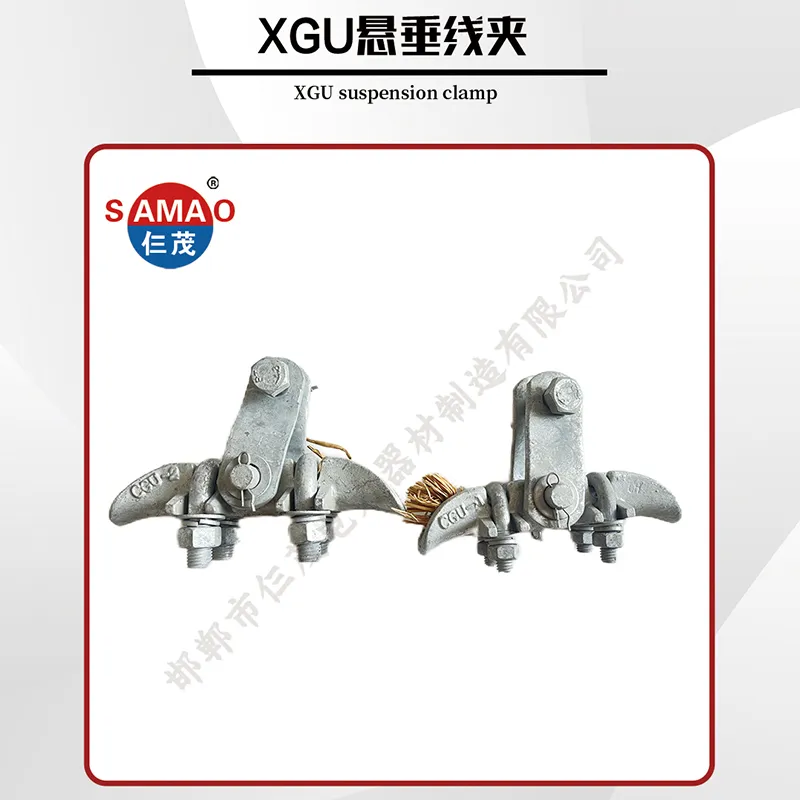
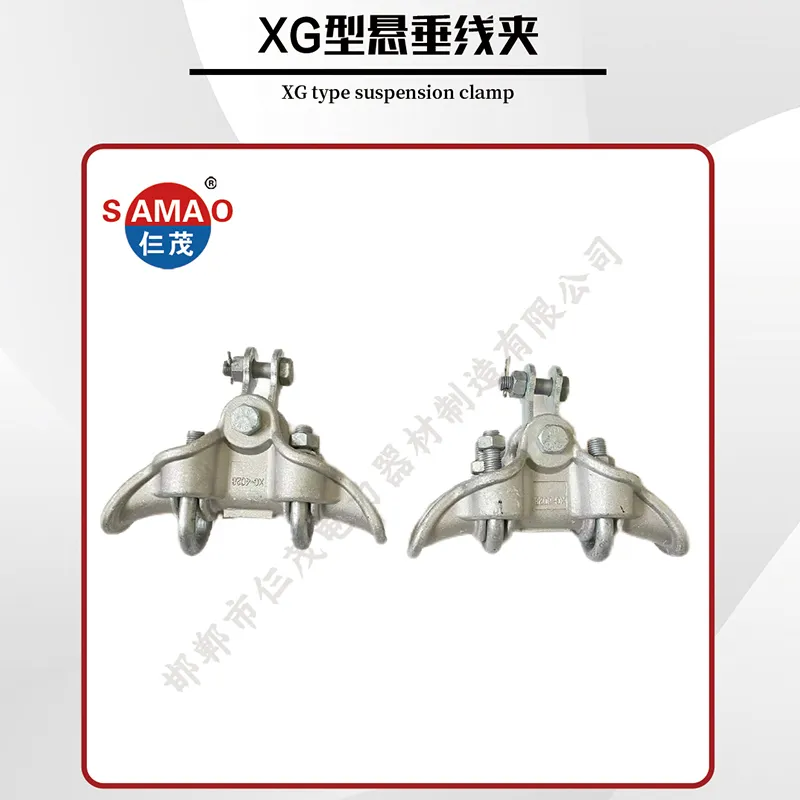
Suspension clamps are critical components in electrical transmission and distribution systems, essential for securely supporting conductors and optical ground wires (OPGW) on transmission towers and utility poles. These devices play a pivotal role in ensuring the integrity and longevity of overhead power lines by absorbing dynamic stresses and distributing mechanical loads evenly. Selecting the appropriate wholesale suspension clamp is not merely a purchasing decision; it is a strategic investment that directly impacts system reliability, safety, and operational efficiency across vast electrical grids.
Our expertise extends to a comprehensive range of suspension solutions, including designs specifically tailored for high-voltage applications, varying conductor types, and diverse environmental conditions. We focus on providing robust, high-performance components that meet stringent international standards for mechanical strength, fatigue resistance, and corrosion protection, thereby ensuring maximum service life and minimal maintenance requirements.
Industry Trends and Market Dynamics
The market for suspension clamps is continually evolving, driven by global infrastructure development, smart grid initiatives, and the increasing demand for sustainable energy solutions. Key trends include:
- Advanced Materials: A shift towards high-strength, lightweight aluminum alloys and specialized galvanized steels to reduce weight, enhance corrosion resistance, and extend service life. For instance, the demand for alloys with enhanced fatigue properties for areas prone to Aeolian vibration is growing.
- Smart Grid Integration: Development of suspension systems that can accommodate fiber optic sensors for real-time monitoring of conductor tension, temperature, and sag, enabling predictive maintenance and optimizing grid performance.
- Increased Voltage Levels: The expansion of ultra-high voltage (UHV) transmission lines necessitates clamps designed for greater mechanical loads and improved electrical performance, minimizing corona discharge and radio interference.
- Environmental Adaptability: Growing emphasis on designs capable of withstanding extreme weather conditions, including ice loading, high winds, and seismic activity, which is particularly relevant for steel suspension clamp applications in challenging topographies.
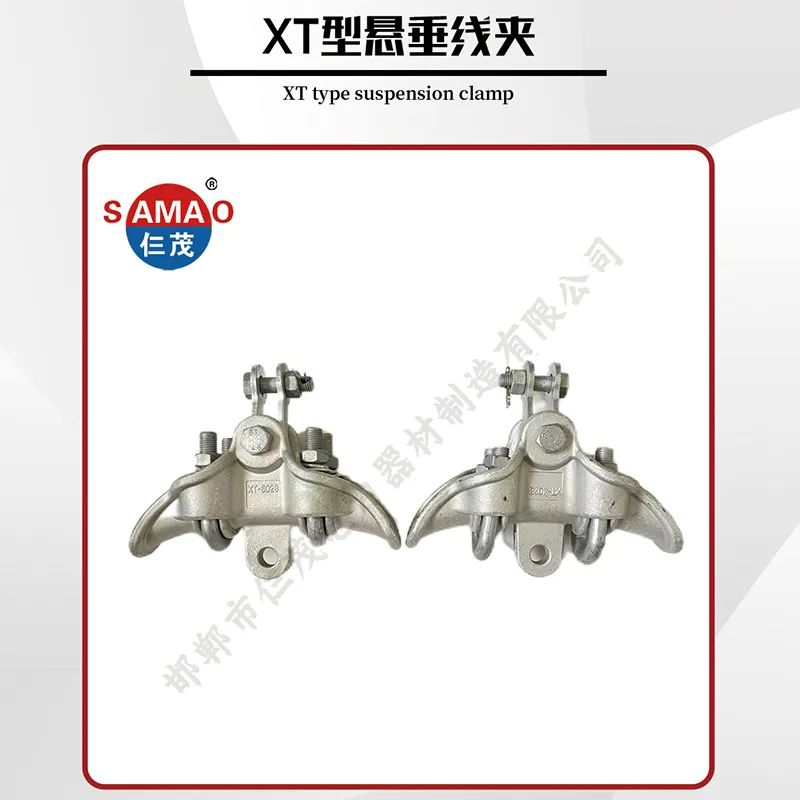
- Customization and Modularity: A rising demand for modular designs that allow for easier installation, reduced labor costs, and greater flexibility for various conductor configurations, including specialized solutions like the preformed suspension clamp for specific conductor types.
These trends underline the importance of partnering with knowledgeable suspension clamp suppliers who can offer not just products, but also engineering solutions that are forward-compatible with emerging grid technologies. The adoption of new materials and manufacturing techniques is crucial for improving the efficiency and resilience of power infrastructure.
Technical Specifications and Design Principles
The design of a high-performance wholesale suspension clamp is a complex engineering task, balancing mechanical strength, electrical properties, and environmental resilience. Key technical parameters include:
- Material Composition: Typically manufactured from high-strength aluminum alloy (e.g., A6063-T6, A356) for the clamp body due to its excellent strength-to-weight ratio and corrosion resistance, and hot-dip galvanized steel for fasteners and clevis components to ensure robust mechanical integrity and extended service life.
- Rated Tensile Strength (RTS): This indicates the maximum breaking load the clamp can withstand before mechanical failure. Standard clamps often range from 70 kN to over 300 kN, depending on the conductor size and application voltage.
- Slipping Strength: The minimum force required to cause the conductor to slip within the clamp. This is critical for preventing conductor damage during unexpected load conditions.
- Conductor Diameter Range: Specifies the range of conductor sizes (e.g., ACSR, AAAC, AAC) that a particular clamp design can effectively accommodate, usually from 10mm to over 60mm.
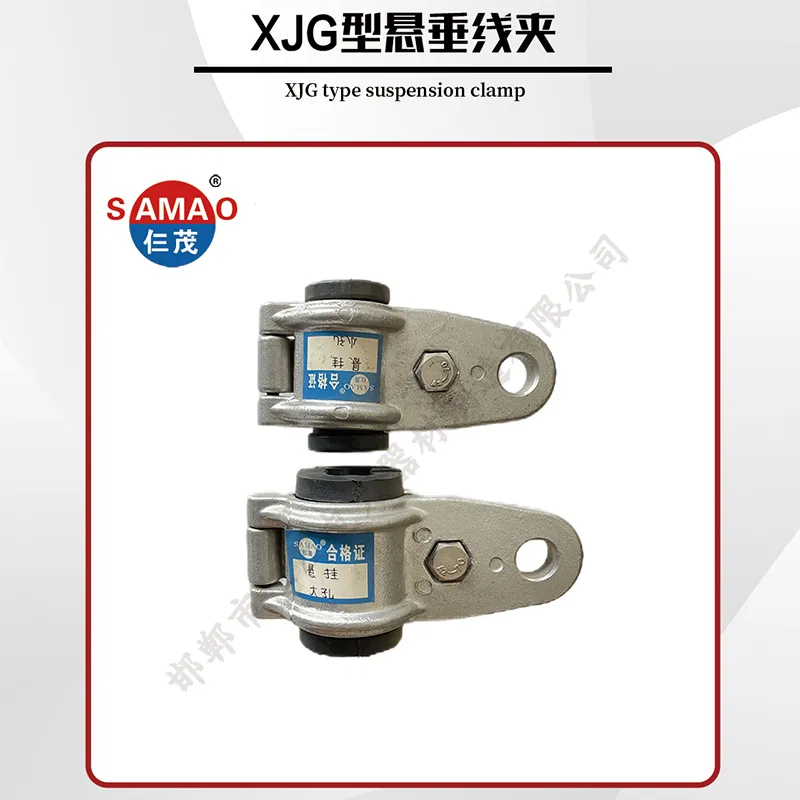
- Angle of Deviation: Particularly important for an angle suspension clamp, which allows the conductor to change direction. These are designed to handle specific angular deviations without inducing excessive bending stress on the conductor.
- Fatigue Endurance: The ability of the clamp to withstand repetitive stress cycles caused by wind-induced vibrations without developing cracks or failure. This is often tested to ANSI C119.4 or IEC 61284 standards.
- Corona Performance: For high-voltage applications (HV and UHV), the clamp's design must minimize electric field distortion to prevent corona discharge, which can lead to energy loss, radio interference, and material degradation.
Proper clamp selection requires a detailed understanding of these parameters, aligning them with the specific requirements of the transmission line design and anticipated environmental loads.
Typical Product Specification Table: Suspension Clamps for ACSR Conductors
| Model | Conductor Range (mm) | Rated Tensile Strength (kN) | Breaking Load (kN) | Approx. Weight (kg) | Material (Body/Fittings) | Standard |
|---|---|---|---|---|---|---|
| SC-150 | 15.0 - 20.0 | 70 | 140 | 3.5 | Al Alloy / HDG Steel | IEC 61284 |
| SC-240 | 20.1 - 25.0 | 120 | 240 | 5.2 | Al Alloy / HDG Steel | ANSI C119.4 |
| SC-330 | 25.1 - 30.0 | 180 | 360 | 7.8 | Al Alloy / HDG Steel | IEC 61284 |
| SC-400 | 30.1 - 35.0 | 220 | 440 | 9.5 | Al Alloy / HDG Steel | ANSI C119.4 |
Manufacturing Process Flow and Quality Assurance
The production of a high-quality wholesale suspension clamp involves a meticulously controlled multi-stage process, integrating advanced engineering with rigorous quality control. This ensures each product meets precise specifications for performance and durability.
Schematic Manufacturing Steps:
- Material Sourcing & Inspection: High-grade aluminum ingots (e.g., A356, A6063) and steel rods are procured from certified suppliers. Incoming materials undergo spectrometric analysis and mechanical property testing (tensile strength, hardness) to ensure compliance with ASTM or national standards.
- Casting/Forging:
- Aluminum Bodies: Die casting or sand casting processes are employed to form the clamp body. This ensures intricate shapes are replicated accurately and internal voids are minimized. Precision molds are used, followed by heat treatment (e.g., T6 tempering) to achieve desired strength and ductility.
- Steel Components: Forging is often used for clevises, U-bolts, and other high-stress steel parts, enhancing grain structure and mechanical strength.
- CNC Machining: Cast or forged components are subjected to high-precision CNC machining to achieve exact dimensions, smooth surfaces, and perfect alignment for conductor seating and assembly. This step is critical for ensuring uniform conductor gripping and minimizing stress concentrations.
- Surface Treatment:
- Aluminum: Surfaces are typically polished and sometimes passivated or anodized to enhance corrosion resistance and appearance.
- Steel: Hot-dip galvanization (HDG) according to ISO 1461 or ASTM A153 is applied to all steel components (e.g., bolts, nuts, washers, clevises) to provide superior corrosion protection in harsh environments.
- Assembly: Components are meticulously assembled, ensuring proper torque for fasteners and correct orientation of all parts. Inspection at this stage verifies fit and finish.
- Testing & Quality Control: Each batch undergoes a series of stringent tests:
- Mechanical Tests: Tensile strength, slipping strength, fatigue life (vibration testing), and short-circuit testing (if applicable) are performed according to international standards like ISO 9001, ANSI C119.4, and IEC 61284.
- Corrosion Resistance: Salt spray tests (ASTM B117) are conducted on galvanized and aluminum components to assess long-term durability.
- Dimensional Inspection: Using CMM (Coordinate Measuring Machine) or other precision tools to verify critical dimensions.
- Final Inspection & Packaging: Products are visually inspected, labeled, and packaged to prevent damage during transit, ready for distribution as a wholesale suspension clamp.
This rigorous process ensures a service life often exceeding 30 years under normal operating conditions, contributing to energy saving by minimizing maintenance and replacement costs, and offering superior corrosion resistance even in aggressive industrial or coastal environments.
Application Scenarios and Target Industries
The versatility and robust design of modern suspension clamps make them indispensable across a multitude of heavy industries and infrastructure projects. Their primary role is to provide stable, reliable support for conductors and wires, mitigating mechanical stress and facilitating efficient power transmission.
- Electric Power Transmission & Distribution: This is the most prevalent application, covering everything from sub-transmission lines to extra-high voltage (EHV) overhead lines (up to 750 kV and beyond). Suspension clamps are essential for anchoring conductors to towers, enabling long spans and managing sag. Specific types like the preformed suspension clamp are often used for bundled conductors to ensure uniform load distribution.
- Telecommunications & Fiber Optic Networks: Used to support Optical Ground Wires (OPGW) or All-Dielectric Self-Supporting (ADSS) cables on utility poles and transmission towers, integrating communication infrastructure with power lines.
- Railway Electrification Systems: Critical for suspending catenary wires that supply power to electric trains, ensuring consistent contact with the pantograph and maintaining tension across varying terrains.
- Industrial Facilities (Petrochemical, Metallurgy): In large industrial complexes, extensive internal power distribution networks require robust suspension solutions to cope with potentially corrosive atmospheres and heavy industrial loads. For these environments, enhanced corrosion resistance is paramount.
- Water Supply & Drainage Systems: While less direct, certain water infrastructure projects, particularly those requiring power for pumps or control systems over vast areas, utilize overhead lines supported by these clamps.
- Renewable Energy Projects (Wind & Solar Farms): Power collection systems and grid connections for large-scale wind and solar installations rely heavily on overhead lines, and thus on dependable suspension hardware to link generation units to the main grid.
In these scenarios, the technical advantages like superior corrosion resistance from hot-dip galvanization and aluminum alloys, combined with a design optimized for energy saving by reducing conductor fatigue, are highly beneficial. Our wholesale suspension clamp solutions are engineered to excel in these demanding environments, contributing to infrastructure resilience and operational longevity.
Technical Advantages and Performance Excellence
Our range of suspension clamps offers distinct technical advantages designed to enhance the performance, longevity, and cost-effectiveness of overhead line systems. These advantages stem from advanced material science, precision engineering, and adherence to rigorous quality standards.
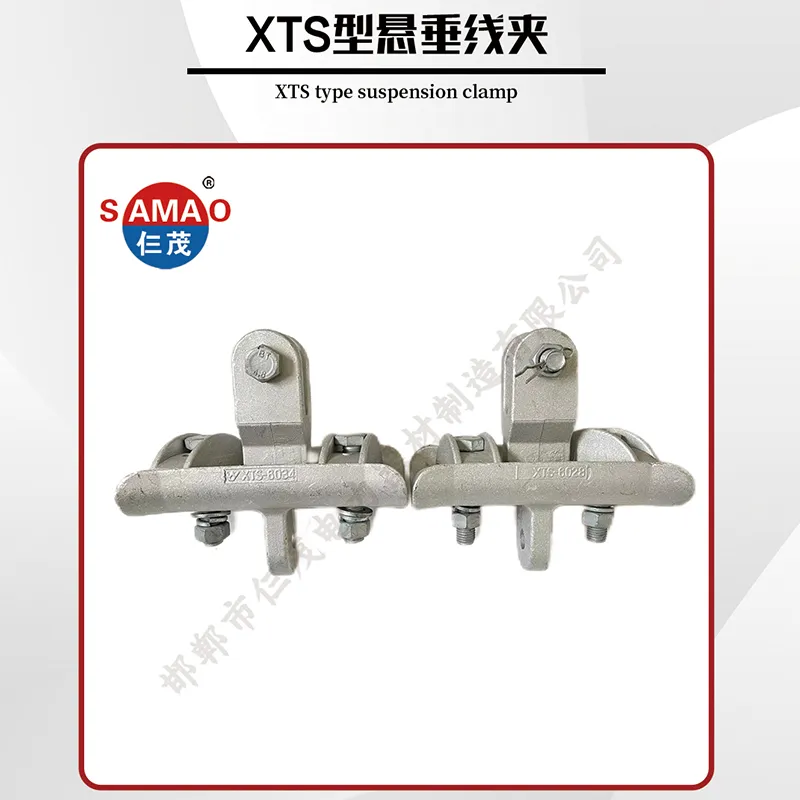
- Superior Corrosion Resistance: Utilizing high-grade aluminum alloys for the clamp body and hot-dip galvanized steel for ferrous components ensures exceptional resistance to environmental degradation, including atmospheric corrosion, industrial pollutants, and coastal salt spray. This significantly extends the service life, especially for a steel suspension clamp.
- Enhanced Fatigue Life: Our clamps are designed to minimize stress concentration points on the conductor, crucial for mitigating Aeolian vibrations and galloping. This prolongs the conductor's fatigue life, reducing the risk of premature failure and costly repairs, thus contributing to significant energy saving in maintenance budgets.
- Optimized Conductor Protection: The precision-machined conductor seat and appropriate liner materials (e.g., neoprene, rubber) ensure a firm yet gentle grip, preventing abrasive wear, cold flow, and damage to the conductor strands, even under dynamic loading.
- High Mechanical Strength & Reliability: Engineered to meet or exceed international standards for Rated Tensile Strength (RTS) and slipping strength, our clamps provide unwavering support for conductors under extreme wind, ice, and seismic loads.
- Reduced Installation Time and Cost: Designs incorporating features like captive bolts and simplified assembly procedures contribute to faster installation, reducing labor hours and overall project costs. The modular nature of many designs also aids in easier field adjustments.
- Excellent Electrical Performance: For HV and UHV applications, clamp designs are optimized for low corona activity and minimal radio interference, maintaining grid efficiency and signal integrity.
These advantages culminate in a product that not only meets but often surpasses the demanding requirements of modern power infrastructure, ensuring long-term operational stability and cost-effectiveness for our clients.
Vendor Comparison and Selection Criteria
Choosing the right suspension clamp suppliers is paramount for project success and long-term asset performance. A thorough evaluation should go beyond mere price and consider technical capabilities, quality assurance, and after-sales support.
Key Comparison Factors:
- Certifications & Standards: Verify compliance with international standards such as ISO 9001 for quality management, IEC 61284 for overhead line fittings, and ANSI C119.4 for connectors. Certifications from accredited bodies provide assurance of consistent product quality and performance.
- Material Traceability: Reputable suppliers provide complete material certifications and traceability reports for all components, ensuring the integrity of raw materials.
- Testing Capabilities: Evaluate the supplier's in-house testing facilities and procedures. Does their quality control extend to destructive testing, fatigue testing, and environmental simulations?
- Design Expertise: Assess the vendor's ability to provide engineering support, including custom designs for unique project requirements, and their understanding of specific applications like an angle suspension clamp.
- Production Capacity & Lead Time: For wholesale suspension clamp orders, ensure the supplier can meet volume demands and adhere to agreed-upon delivery schedules without compromising quality.
- Warranty & Support: A strong warranty policy and responsive after-sales support are indicative of a supplier's confidence in their product and commitment to customer satisfaction.
- Industry Experience & References: Longevity in the market and positive references from major utilities or infrastructure projects speak volumes about a supplier's reliability and proven track record.
Comparative Analysis: Key Supplier Attributes
| Attribute | Our Company | Competitor A | Competitor B |
|---|---|---|---|
| ISO 9001 Certified | Yes | Yes | No |
| IEC 61284 Compliant | All Relevant Products | Most Products | Limited Range |
| Customization Offered | Full Engineering Support | Standard Modifications | No |
| Typical Lead Time (Bulk) | 4-6 Weeks | 6-8 Weeks | 8-10 Weeks |
| Warranty Period | 10 Years | 5 Years | 2 Years |
| Customer Support | 24/7 Technical Support | Business Hours Support | Email Only |
Our company consistently outperforms competitors by offering superior engineering, robust quality control, and unparalleled customer service, making us a preferred partner for critical infrastructure projects requiring reliable wholesale suspension clamp solutions.
Customized Solutions and Engineering Support
Recognizing that no two infrastructure projects are identical, we specialize in providing tailored solutions for wholesale suspension clamp requirements. Our in-house engineering team works closely with clients to develop custom designs that address specific challenges and optimize performance for unique operational environments.
Our Customization Capabilities Include:
- Specialized Material Selection: For extreme environments (e.g., highly corrosive industrial zones, marine climates), we can recommend and utilize advanced alloys or specialized coatings beyond standard hot-dip galvanization to enhance durability.
- Unique Conductor Geometries: Custom designs for non-standard conductor sizes, bundled conductor configurations, or specific optical ground wire (OPGW) systems. This includes adapting the inner liner profile and clamping mechanism for optimal grip and minimal stress.
- Load-Specific Designs: Engineering clamps to withstand exceptionally high mechanical loads (e.g., for very long spans, heavy ice loading, or extreme wind zones) by optimizing material thickness, bolt configurations, and overall structural integrity.
- Environmental Adaptations: Designing for specific temperature ranges, seismic activity, or unique topographical challenges that require modifications to the clamp's articulation or mounting interface.
- Integration with Existing Hardware: Developing clamps that are fully compatible with existing tower structures or cross-arm designs, minimizing the need for costly modifications to existing infrastructure.
Our collaborative design process involves detailed CAD modeling, finite element analysis (FEA) for stress distribution, and rigorous prototyping and testing. This ensures that every customized solution is not only fit for purpose but also meets the highest standards of safety and performance.
Application Case Studies
Our wholesale suspension clamp solutions have been successfully deployed in a variety of challenging projects globally, demonstrating their reliability and performance.
Case Study 1: High-Voltage Transmission Line Upgrade (Middle East)
Challenge: A major utility in the Middle East required upgrading a 400 kV transmission line through a desert region characterized by extreme temperatures, high winds, and corrosive sand. The existing clamps were showing premature fatigue due to Aeolian vibrations.
Solution: We provided custom-engineered heavy-duty suspension clamps with an optimized damping design and enhanced anti-corrosion treatments. The clamps featured an inner aluminum liner with a specific profile to reduce pressure points and a robust hot-dip galvanized steel clevis.
Result: Post-installation monitoring over three years showed a significant reduction in conductor fatigue stress (over 40% reduction compared to previous clamps) and no signs of corrosion, contributing to a projected 15-year extension in line service life and an estimated 25% reduction in long-term maintenance costs.
Case Study 2: Mountainous Region OPGW Installation (Southeast Asia)
Challenge: Installing OPGW cables along an existing 132 kV line in a mountainous region with difficult access, requiring clamps that could accommodate steep elevation changes and provide secure support without damaging the sensitive fiber optic cable. The client required a specialized angle suspension clamp for various deviation angles.
Solution: We supplied a range of lightweight, high-strength aluminum suspension clamps specifically designed for OPGW, featuring a soft, non-abrasive elastomer insert and a flexible clevis to allow for angular deviation up to 30 degrees. This design ensured minimal bending stress on the OPGW, preserving optical performance.
Result: The clamps facilitated rapid and secure OPGW deployment across challenging terrain. The project was completed ahead of schedule, and post-installation fiber optic loss measurements were well within acceptable limits, confirming the effectiveness of the specialized clamp design in protecting the OPGW.
Frequently Asked Questions (FAQ)
Q1: What is the typical service life of your suspension clamps?
A1: Under normal operating conditions and proper installation, our suspension clamps are designed for a service life of 30-50 years, primarily due to the high-quality materials and corrosion-resistant treatments (e.g., hot-dip galvanization for steel, aluminum alloys).
Q2: Are your clamps compatible with all conductor types?
A2: We offer a wide range of clamps designed for various conductor types including ACSR, AAAC, AAC, and OPGW. It's crucial to specify your conductor type and diameter during inquiry, as the inner profile and material of the clamp are critical for optimal performance and conductor protection. Customized solutions are available for non-standard conductors.
Q3: What international standards do your products adhere to?
A3: Our products comply with major international standards including IEC 61284, ANSI C119.4, ASTM, and ISO 9001 for quality management systems. All products undergo rigorous testing to meet or exceed these benchmarks.
Q4: Can you provide third-party test reports?
A4: Yes, upon request, we can provide third-party test reports from accredited laboratories, verifying the mechanical, electrical, and environmental performance of our wholesale suspension clamp products.
Lead Time, Warranty, and Customer Support
We are committed to providing exceptional service from inquiry to post-installation support.
Lead Time & Fulfillment:
- Standard Orders: Typically 4-6 weeks from order confirmation, depending on volume and specific product configuration.
- Customized Solutions: Lead times may vary, usually 8-12 weeks, as they include design, prototyping, and extensive testing phases. We work closely with clients to establish realistic timelines for bespoke products.
- Expedited Options: For urgent requirements, expedited production and shipping options may be available upon request.
Warranty Commitments:
We offer a comprehensive 10-year warranty on all our wholesale suspension clamp products against manufacturing defects and material failures under normal operating conditions. This warranty reflects our confidence in the quality and durability of our engineering and manufacturing processes. Full warranty terms and conditions are available upon request.
Dedicated Customer Support:
Our dedicated customer support team and technical experts are available to assist with product selection, installation guidance, troubleshooting, and any post-sales inquiries. We provide 24/7 technical assistance to ensure minimal downtime and optimal performance of your infrastructure.
For immediate assistance or to discuss your specific project needs, please contact us via the information provided on our website.
Citations
- IEC 61284: Overhead lines - Requirements and tests for fittings. International Electrotechnical Commission.
- ANSI C119.4: American National Standard for Connectors for Use in Overhead Distribution Systems. National Electrical Manufacturers Association (NEMA).
- ISO 1461: Hot-dip galvanized coatings on fabricated iron and steel articles - Specifications and test methods. International Organization for Standardization.
- ASTM A153/A153M: Standard Specification for Zinc Coating (Hot-Dip) on Iron and Steel Hardware. ASTM International.
- The Effects of Aeolian Vibrations on Overhead Conductors and the Role of Dampers and Clamps. CIGRÉ Technical Brochure.
-
Laundry Efficiency Guide with pengapit ampaian dengan cangkuk iNewsApr.16,2026
-
Optimizing Power Infrastructure with the pengapit ampaian tnbNewsApr.09,2026
-
Comprehensive Guide to Selecting the Right pengapit penggantungan untuk kabel lt ab SolutionsNewsApr.07,2026
-
Comprehensive Guide to Pengapit Talian Penghantaran for Secure Package DeliveryNewsApr.04,2026
-
Comprehensive Guide to Pemasangan Pengapit Penggantungan for Overhead Cabling SystemsNewsMar.31,2026
-
Comprehensive Guide to Pengapit Ampaian yang Telah Dibentuk for Construction SafetyNewsMar.28,2026
-
Comprehensive Guide to Pengapit Ampaian Besi for Scaffolding SafetyNewsMar.26,2026
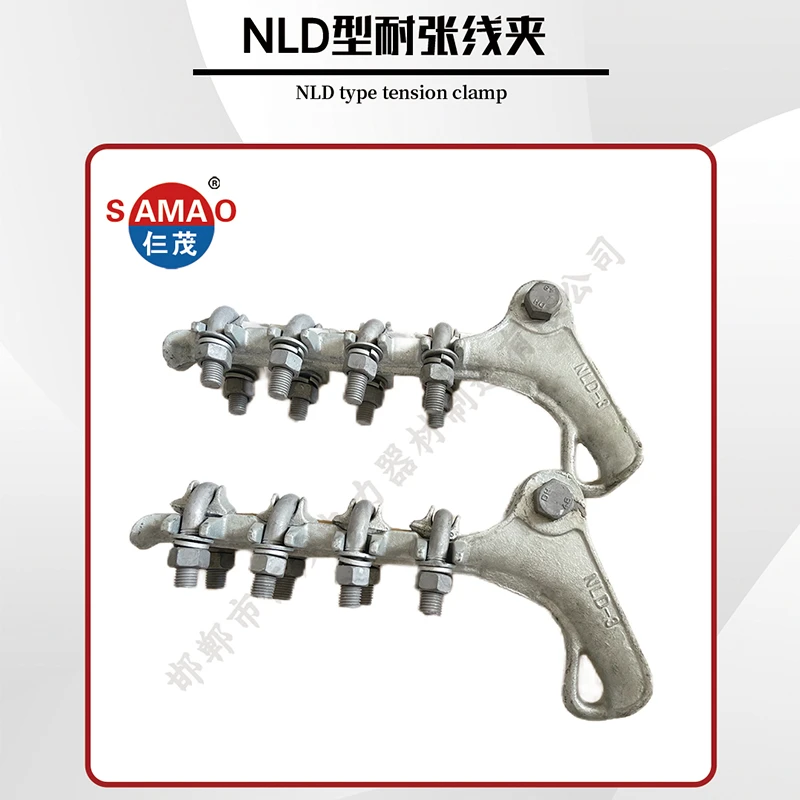
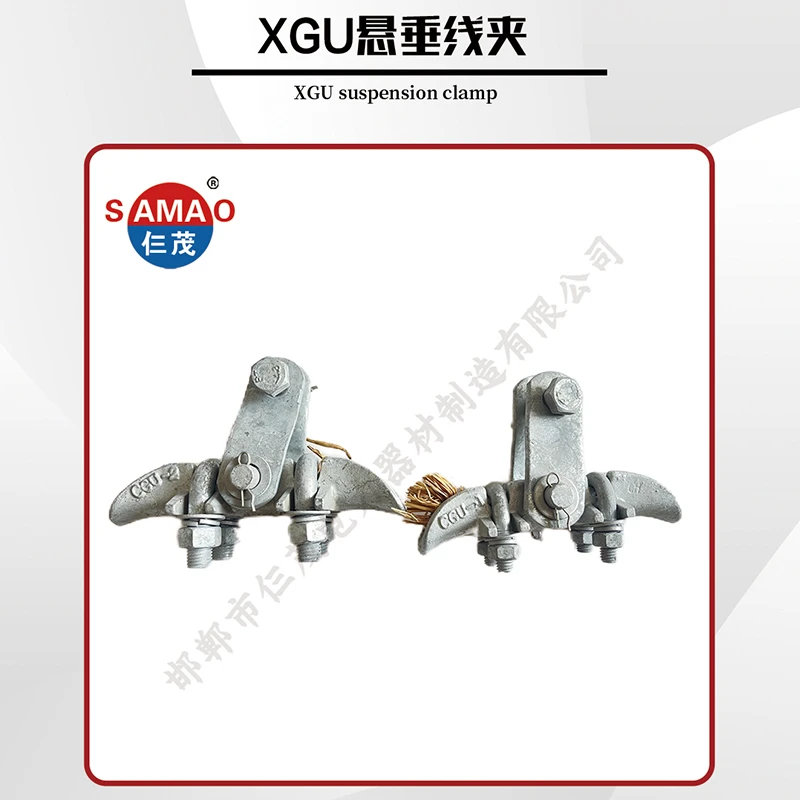
Wholesale Suspension Clamps: Durable Steel & Preformed Options
Introduction to Suspension Clamps in Infrastructure
Suspension clamps are critical components in electrical transmission and distribution systems, essential for securely supporting conductors and optical ground wires (OPGW) on transmission towers and utility poles. These devices play a pivotal role in ensuring the integrity and longevity of overhead power lines by absorbing dynamic stresses and distributing mechanical loads evenly. Selecting the appropriate wholesale suspension clamp is not merely a purchasing decision; it is a strategic investment that directly impacts system reliability, safety, and operational efficiency across vast electrical grids.
Our expertise extends to a comprehensive range of suspension solutions, including designs specifically tailored for high-voltage applications, varying conductor types, and diverse environmental conditions. We focus on providing robust, high-performance components that meet stringent international standards for mechanical strength, fatigue resistance, and corrosion protection, thereby ensuring maximum service life and minimal maintenance requirements.
Industry Trends and Market Dynamics
The market for suspension clamps is continually evolving, driven by global infrastructure development, smart grid initiatives, and the increasing demand for sustainable energy solutions. Key trends include:
- Advanced Materials: A shift towards high-strength, lightweight aluminum alloys and specialized galvanized steels to reduce weight, enhance corrosion resistance, and extend service life. For instance, the demand for alloys with enhanced fatigue properties for areas prone to Aeolian vibration is growing.
- Smart Grid Integration: Development of suspension systems that can accommodate fiber optic sensors for real-time monitoring of conductor tension, temperature, and sag, enabling predictive maintenance and optimizing grid performance.
- Increased Voltage Levels: The expansion of ultra-high voltage (UHV) transmission lines necessitates clamps designed for greater mechanical loads and improved electrical performance, minimizing corona discharge and radio interference.
- Environmental Adaptability: Growing emphasis on designs capable of withstanding extreme weather conditions, including ice loading, high winds, and seismic activity, which is particularly relevant for steel suspension clamp applications in challenging topographies.
- Customization and Modularity: A rising demand for modular designs that allow for easier installation, reduced labor costs, and greater flexibility for various conductor configurations, including specialized solutions like the preformed suspension clamp for specific conductor types.
These trends underline the importance of partnering with knowledgeable suspension clamp suppliers who can offer not just products, but also engineering solutions that are forward-compatible with emerging grid technologies. The adoption of new materials and manufacturing techniques is crucial for improving the efficiency and resilience of power infrastructure.
Technical Specifications and Design Principles
The design of a high-performance wholesale suspension clamp is a complex engineering task, balancing mechanical strength, electrical properties, and environmental resilience. Key technical parameters include:
- Material Composition: Typically manufactured from high-strength aluminum alloy (e.g., A6063-T6, A356) for the clamp body due to its excellent strength-to-weight ratio and corrosion resistance, and hot-dip galvanized steel for fasteners and clevis components to ensure robust mechanical integrity and extended service life.
- Rated Tensile Strength (RTS): This indicates the maximum breaking load the clamp can withstand before mechanical failure. Standard clamps often range from 70 kN to over 300 kN, depending on the conductor size and application voltage.
- Slipping Strength: The minimum force required to cause the conductor to slip within the clamp. This is critical for preventing conductor damage during unexpected load conditions.
- Conductor Diameter Range: Specifies the range of conductor sizes (e.g., ACSR, AAAC, AAC) that a particular clamp design can effectively accommodate, usually from 10mm to over 60mm.
- Angle of Deviation: Particularly important for an angle suspension clamp, which allows the conductor to change direction. These are designed to handle specific angular deviations without inducing excessive bending stress on the conductor.
- Fatigue Endurance: The ability of the clamp to withstand repetitive stress cycles caused by wind-induced vibrations without developing cracks or failure. This is often tested to ANSI C119.4 or IEC 61284 standards.
- Corona Performance: For high-voltage applications (HV and UHV), the clamp's design must minimize electric field distortion to prevent corona discharge, which can lead to energy loss, radio interference, and material degradation.
Proper clamp selection requires a detailed understanding of these parameters, aligning them with the specific requirements of the transmission line design and anticipated environmental loads.
Typical Product Specification Table: Suspension Clamps for ACSR Conductors
| Model | Conductor Range (mm) | Rated Tensile Strength (kN) | Breaking Load (kN) | Approx. Weight (kg) | Material (Body/Fittings) | Standard |
|---|---|---|---|---|---|---|
| SC-150 | 15.0 - 20.0 | 70 | 140 | 3.5 | Al Alloy / HDG Steel | IEC 61284 |
| SC-240 | 20.1 - 25.0 | 120 | 240 | 5.2 | Al Alloy / HDG Steel | ANSI C119.4 |
| SC-330 | 25.1 - 30.0 | 180 | 360 | 7.8 | Al Alloy / HDG Steel | IEC 61284 |
| SC-400 | 30.1 - 35.0 | 220 | 440 | 9.5 | Al Alloy / HDG Steel | ANSI C119.4 |
Manufacturing Process Flow and Quality Assurance
The production of a high-quality wholesale suspension clamp involves a meticulously controlled multi-stage process, integrating advanced engineering with rigorous quality control. This ensures each product meets precise specifications for performance and durability.
Schematic Manufacturing Steps:
- Material Sourcing & Inspection: High-grade aluminum ingots (e.g., A356, A6063) and steel rods are procured from certified suppliers. Incoming materials undergo spectrometric analysis and mechanical property testing (tensile strength, hardness) to ensure compliance with ASTM or national standards.
- Casting/Forging:
- Aluminum Bodies: Die casting or sand casting processes are employed to form the clamp body. This ensures intricate shapes are replicated accurately and internal voids are minimized. Precision molds are used, followed by heat treatment (e.g., T6 tempering) to achieve desired strength and ductility.
- Steel Components: Forging is often used for clevises, U-bolts, and other high-stress steel parts, enhancing grain structure and mechanical strength.
- CNC Machining: Cast or forged components are subjected to high-precision CNC machining to achieve exact dimensions, smooth surfaces, and perfect alignment for conductor seating and assembly. This step is critical for ensuring uniform conductor gripping and minimizing stress concentrations.
- Surface Treatment:
- Aluminum: Surfaces are typically polished and sometimes passivated or anodized to enhance corrosion resistance and appearance.
- Steel: Hot-dip galvanization (HDG) according to ISO 1461 or ASTM A153 is applied to all steel components (e.g., bolts, nuts, washers, clevises) to provide superior corrosion protection in harsh environments.
- Assembly: Components are meticulously assembled, ensuring proper torque for fasteners and correct orientation of all parts. Inspection at this stage verifies fit and finish.
- Testing & Quality Control: Each batch undergoes a series of stringent tests:
- Mechanical Tests: Tensile strength, slipping strength, fatigue life (vibration testing), and short-circuit testing (if applicable) are performed according to international standards like ISO 9001, ANSI C119.4, and IEC 61284.
- Corrosion Resistance: Salt spray tests (ASTM B117) are conducted on galvanized and aluminum components to assess long-term durability.
- Dimensional Inspection: Using CMM (Coordinate Measuring Machine) or other precision tools to verify critical dimensions.
- Final Inspection & Packaging: Products are visually inspected, labeled, and packaged to prevent damage during transit, ready for distribution as a wholesale suspension clamp.
This rigorous process ensures a service life often exceeding 30 years under normal operating conditions, contributing to energy saving by minimizing maintenance and replacement costs, and offering superior corrosion resistance even in aggressive industrial or coastal environments.
Application Scenarios and Target Industries
The versatility and robust design of modern suspension clamps make them indispensable across a multitude of heavy industries and infrastructure projects. Their primary role is to provide stable, reliable support for conductors and wires, mitigating mechanical stress and facilitating efficient power transmission.
- Electric Power Transmission & Distribution: This is the most prevalent application, covering everything from sub-transmission lines to extra-high voltage (EHV) overhead lines (up to 750 kV and beyond). Suspension clamps are essential for anchoring conductors to towers, enabling long spans and managing sag. Specific types like the preformed suspension clamp are often used for bundled conductors to ensure uniform load distribution.
- Telecommunications & Fiber Optic Networks: Used to support Optical Ground Wires (OPGW) or All-Dielectric Self-Supporting (ADSS) cables on utility poles and transmission towers, integrating communication infrastructure with power lines.
- Railway Electrification Systems: Critical for suspending catenary wires that supply power to electric trains, ensuring consistent contact with the pantograph and maintaining tension across varying terrains.
- Industrial Facilities (Petrochemical, Metallurgy): In large industrial complexes, extensive internal power distribution networks require robust suspension solutions to cope with potentially corrosive atmospheres and heavy industrial loads. For these environments, enhanced corrosion resistance is paramount.
- Water Supply & Drainage Systems: While less direct, certain water infrastructure projects, particularly those requiring power for pumps or control systems over vast areas, utilize overhead lines supported by these clamps.
- Renewable Energy Projects (Wind & Solar Farms): Power collection systems and grid connections for large-scale wind and solar installations rely heavily on overhead lines, and thus on dependable suspension hardware to link generation units to the main grid.
In these scenarios, the technical advantages like superior corrosion resistance from hot-dip galvanization and aluminum alloys, combined with a design optimized for energy saving by reducing conductor fatigue, are highly beneficial. Our wholesale suspension clamp solutions are engineered to excel in these demanding environments, contributing to infrastructure resilience and operational longevity.
Technical Advantages and Performance Excellence
Our range of suspension clamps offers distinct technical advantages designed to enhance the performance, longevity, and cost-effectiveness of overhead line systems. These advantages stem from advanced material science, precision engineering, and adherence to rigorous quality standards.
- Superior Corrosion Resistance: Utilizing high-grade aluminum alloys for the clamp body and hot-dip galvanized steel for ferrous components ensures exceptional resistance to environmental degradation, including atmospheric corrosion, industrial pollutants, and coastal salt spray. This significantly extends the service life, especially for a steel suspension clamp.
- Enhanced Fatigue Life: Our clamps are designed to minimize stress concentration points on the conductor, crucial for mitigating Aeolian vibrations and galloping. This prolongs the conductor's fatigue life, reducing the risk of premature failure and costly repairs, thus contributing to significant energy saving in maintenance budgets.
- Optimized Conductor Protection: The precision-machined conductor seat and appropriate liner materials (e.g., neoprene, rubber) ensure a firm yet gentle grip, preventing abrasive wear, cold flow, and damage to the conductor strands, even under dynamic loading.
- High Mechanical Strength & Reliability: Engineered to meet or exceed international standards for Rated Tensile Strength (RTS) and slipping strength, our clamps provide unwavering support for conductors under extreme wind, ice, and seismic loads.
- Reduced Installation Time and Cost: Designs incorporating features like captive bolts and simplified assembly procedures contribute to faster installation, reducing labor hours and overall project costs. The modular nature of many designs also aids in easier field adjustments.
- Excellent Electrical Performance: For HV and UHV applications, clamp designs are optimized for low corona activity and minimal radio interference, maintaining grid efficiency and signal integrity.
These advantages culminate in a product that not only meets but often surpasses the demanding requirements of modern power infrastructure, ensuring long-term operational stability and cost-effectiveness for our clients.
Vendor Comparison and Selection Criteria
Choosing the right suspension clamp suppliers is paramount for project success and long-term asset performance. A thorough evaluation should go beyond mere price and consider technical capabilities, quality assurance, and after-sales support.
Key Comparison Factors:
- Certifications & Standards: Verify compliance with international standards such as ISO 9001 for quality management, IEC 61284 for overhead line fittings, and ANSI C119.4 for connectors. Certifications from accredited bodies provide assurance of consistent product quality and performance.
- Material Traceability: Reputable suppliers provide complete material certifications and traceability reports for all components, ensuring the integrity of raw materials.
- Testing Capabilities: Evaluate the supplier's in-house testing facilities and procedures. Does their quality control extend to destructive testing, fatigue testing, and environmental simulations?
- Design Expertise: Assess the vendor's ability to provide engineering support, including custom designs for unique project requirements, and their understanding of specific applications like an angle suspension clamp.
- Production Capacity & Lead Time: For wholesale suspension clamp orders, ensure the supplier can meet volume demands and adhere to agreed-upon delivery schedules without compromising quality.
- Warranty & Support: A strong warranty policy and responsive after-sales support are indicative of a supplier's confidence in their product and commitment to customer satisfaction.
- Industry Experience & References: Longevity in the market and positive references from major utilities or infrastructure projects speak volumes about a supplier's reliability and proven track record.
Comparative Analysis: Key Supplier Attributes
| Attribute | Our Company | Competitor A | Competitor B |
|---|---|---|---|
| ISO 9001 Certified | Yes | Yes | No |
| IEC 61284 Compliant | All Relevant Products | Most Products | Limited Range |
| Customization Offered | Full Engineering Support | Standard Modifications | No |
| Typical Lead Time (Bulk) | 4-6 Weeks | 6-8 Weeks | 8-10 Weeks |
| Warranty Period | 10 Years | 5 Years | 2 Years |
| Customer Support | 24/7 Technical Support | Business Hours Support | Email Only |
Our company consistently outperforms competitors by offering superior engineering, robust quality control, and unparalleled customer service, making us a preferred partner for critical infrastructure projects requiring reliable wholesale suspension clamp solutions.
Customized Solutions and Engineering Support
Recognizing that no two infrastructure projects are identical, we specialize in providing tailored solutions for wholesale suspension clamp requirements. Our in-house engineering team works closely with clients to develop custom designs that address specific challenges and optimize performance for unique operational environments.
Our Customization Capabilities Include:
- Specialized Material Selection: For extreme environments (e.g., highly corrosive industrial zones, marine climates), we can recommend and utilize advanced alloys or specialized coatings beyond standard hot-dip galvanization to enhance durability.
- Unique Conductor Geometries: Custom designs for non-standard conductor sizes, bundled conductor configurations, or specific optical ground wire (OPGW) systems. This includes adapting the inner liner profile and clamping mechanism for optimal grip and minimal stress.
- Load-Specific Designs: Engineering clamps to withstand exceptionally high mechanical loads (e.g., for very long spans, heavy ice loading, or extreme wind zones) by optimizing material thickness, bolt configurations, and overall structural integrity.
- Environmental Adaptations: Designing for specific temperature ranges, seismic activity, or unique topographical challenges that require modifications to the clamp's articulation or mounting interface.
- Integration with Existing Hardware: Developing clamps that are fully compatible with existing tower structures or cross-arm designs, minimizing the need for costly modifications to existing infrastructure.
Our collaborative design process involves detailed CAD modeling, finite element analysis (FEA) for stress distribution, and rigorous prototyping and testing. This ensures that every customized solution is not only fit for purpose but also meets the highest standards of safety and performance.
Application Case Studies
Our wholesale suspension clamp solutions have been successfully deployed in a variety of challenging projects globally, demonstrating their reliability and performance.
Case Study 1: High-Voltage Transmission Line Upgrade (Middle East)
Challenge: A major utility in the Middle East required upgrading a 400 kV transmission line through a desert region characterized by extreme temperatures, high winds, and corrosive sand. The existing clamps were showing premature fatigue due to Aeolian vibrations.
Solution: We provided custom-engineered heavy-duty suspension clamps with an optimized damping design and enhanced anti-corrosion treatments. The clamps featured an inner aluminum liner with a specific profile to reduce pressure points and a robust hot-dip galvanized steel clevis.
Result: Post-installation monitoring over three years showed a significant reduction in conductor fatigue stress (over 40% reduction compared to previous clamps) and no signs of corrosion, contributing to a projected 15-year extension in line service life and an estimated 25% reduction in long-term maintenance costs.
Case Study 2: Mountainous Region OPGW Installation (Southeast Asia)
Challenge: Installing OPGW cables along an existing 132 kV line in a mountainous region with difficult access, requiring clamps that could accommodate steep elevation changes and provide secure support without damaging the sensitive fiber optic cable. The client required a specialized angle suspension clamp for various deviation angles.
Solution: We supplied a range of lightweight, high-strength aluminum suspension clamps specifically designed for OPGW, featuring a soft, non-abrasive elastomer insert and a flexible clevis to allow for angular deviation up to 30 degrees. This design ensured minimal bending stress on the OPGW, preserving optical performance.
Result: The clamps facilitated rapid and secure OPGW deployment across challenging terrain. The project was completed ahead of schedule, and post-installation fiber optic loss measurements were well within acceptable limits, confirming the effectiveness of the specialized clamp design in protecting the OPGW.
Frequently Asked Questions (FAQ)
Q1: What is the typical service life of your suspension clamps?
A1: Under normal operating conditions and proper installation, our suspension clamps are designed for a service life of 30-50 years, primarily due to the high-quality materials and corrosion-resistant treatments (e.g., hot-dip galvanization for steel, aluminum alloys).
Q2: Are your clamps compatible with all conductor types?
A2: We offer a wide range of clamps designed for various conductor types including ACSR, AAAC, AAC, and OPGW. It's crucial to specify your conductor type and diameter during inquiry, as the inner profile and material of the clamp are critical for optimal performance and conductor protection. Customized solutions are available for non-standard conductors.
Q3: What international standards do your products adhere to?
A3: Our products comply with major international standards including IEC 61284, ANSI C119.4, ASTM, and ISO 9001 for quality management systems. All products undergo rigorous testing to meet or exceed these benchmarks.
Q4: Can you provide third-party test reports?
A4: Yes, upon request, we can provide third-party test reports from accredited laboratories, verifying the mechanical, electrical, and environmental performance of our wholesale suspension clamp products.
Lead Time, Warranty, and Customer Support
We are committed to providing exceptional service from inquiry to post-installation support.
Lead Time & Fulfillment:
- Standard Orders: Typically 4-6 weeks from order confirmation, depending on volume and specific product configuration.
- Customized Solutions: Lead times may vary, usually 8-12 weeks, as they include design, prototyping, and extensive testing phases. We work closely with clients to establish realistic timelines for bespoke products.
- Expedited Options: For urgent requirements, expedited production and shipping options may be available upon request.
Warranty Commitments:
We offer a comprehensive 10-year warranty on all our wholesale suspension clamp products against manufacturing defects and material failures under normal operating conditions. This warranty reflects our confidence in the quality and durability of our engineering and manufacturing processes. Full warranty terms and conditions are available upon request.
Dedicated Customer Support:
Our dedicated customer support team and technical experts are available to assist with product selection, installation guidance, troubleshooting, and any post-sales inquiries. We provide 24/7 technical assistance to ensure minimal downtime and optimal performance of your infrastructure.
For immediate assistance or to discuss your specific project needs, please contact us via the information provided on our website.
Citations
- IEC 61284: Overhead lines - Requirements and tests for fittings. International Electrotechnical Commission.
- ANSI C119.4: American National Standard for Connectors for Use in Overhead Distribution Systems. National Electrical Manufacturers Association (NEMA).
- ISO 1461: Hot-dip galvanized coatings on fabricated iron and steel articles - Specifications and test methods. International Organization for Standardization.
- ASTM A153/A153M: Standard Specification for Zinc Coating (Hot-Dip) on Iron and Steel Hardware. ASTM International.
- The Effects of Aeolian Vibrations on Overhead Conductors and the Role of Dampers and Clamps. CIGRÉ Technical Brochure.
-
Laundry Efficiency Guide with pengapit ampaian dengan cangkuk iNewsApr.16,2026
-
Optimizing Power Infrastructure with the pengapit ampaian tnbNewsApr.09,2026
-
Comprehensive Guide to Selecting the Right pengapit penggantungan untuk kabel lt ab SolutionsNewsApr.07,2026
-
Comprehensive Guide to Pengapit Talian Penghantaran for Secure Package DeliveryNewsApr.04,2026
-
Comprehensive Guide to Pemasangan Pengapit Penggantungan for Overhead Cabling SystemsNewsMar.31,2026
-
Comprehensive Guide to Pengapit Ampaian yang Telah Dibentuk for Construction SafetyNewsMar.28,2026
-
Comprehensive Guide to Pengapit Ampaian Besi for Scaffolding SafetyNewsMar.26,2026