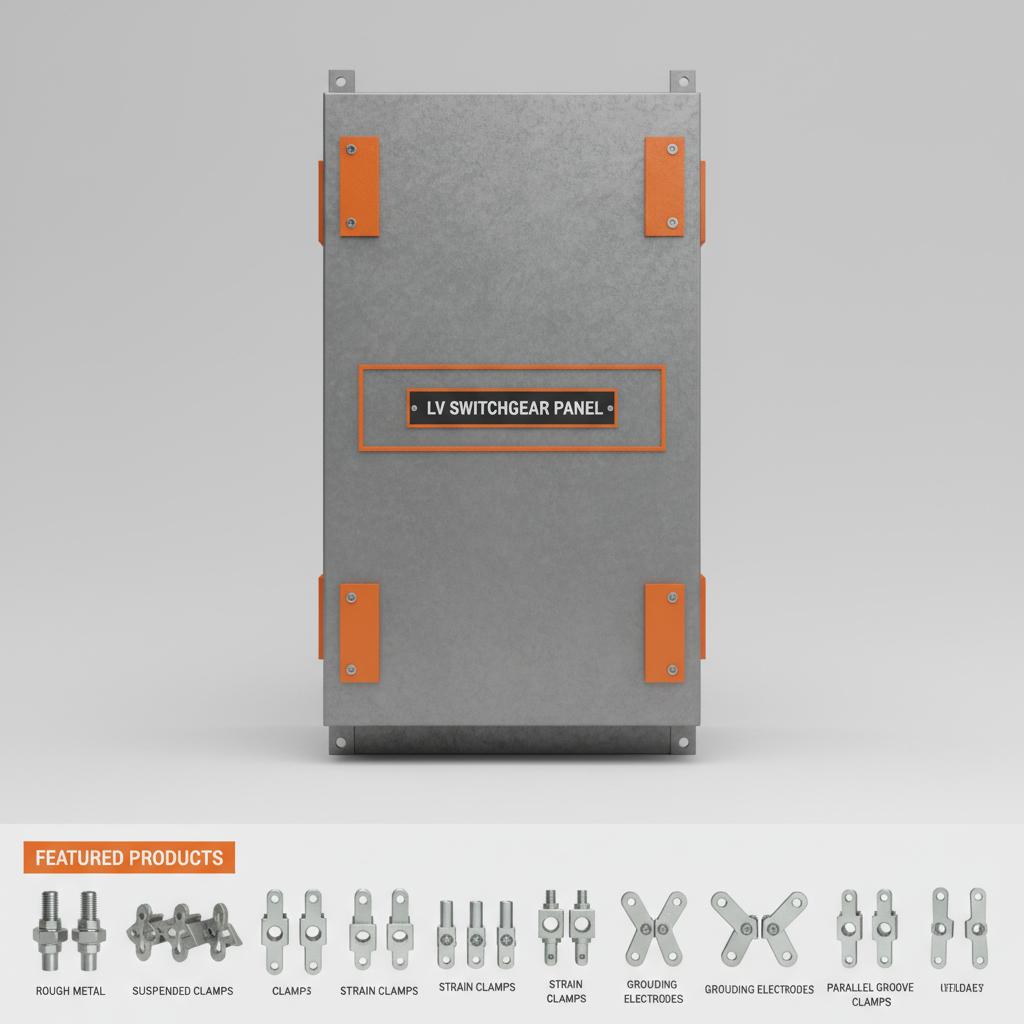
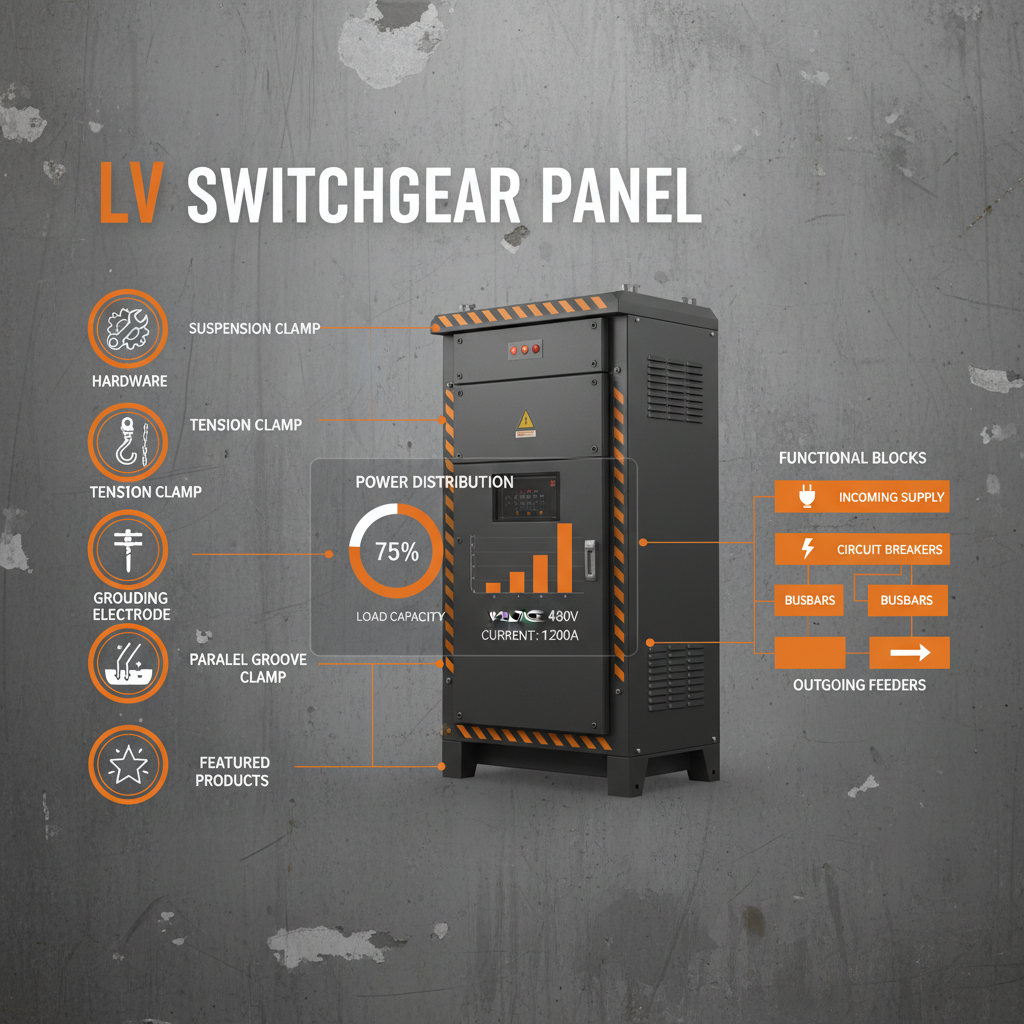
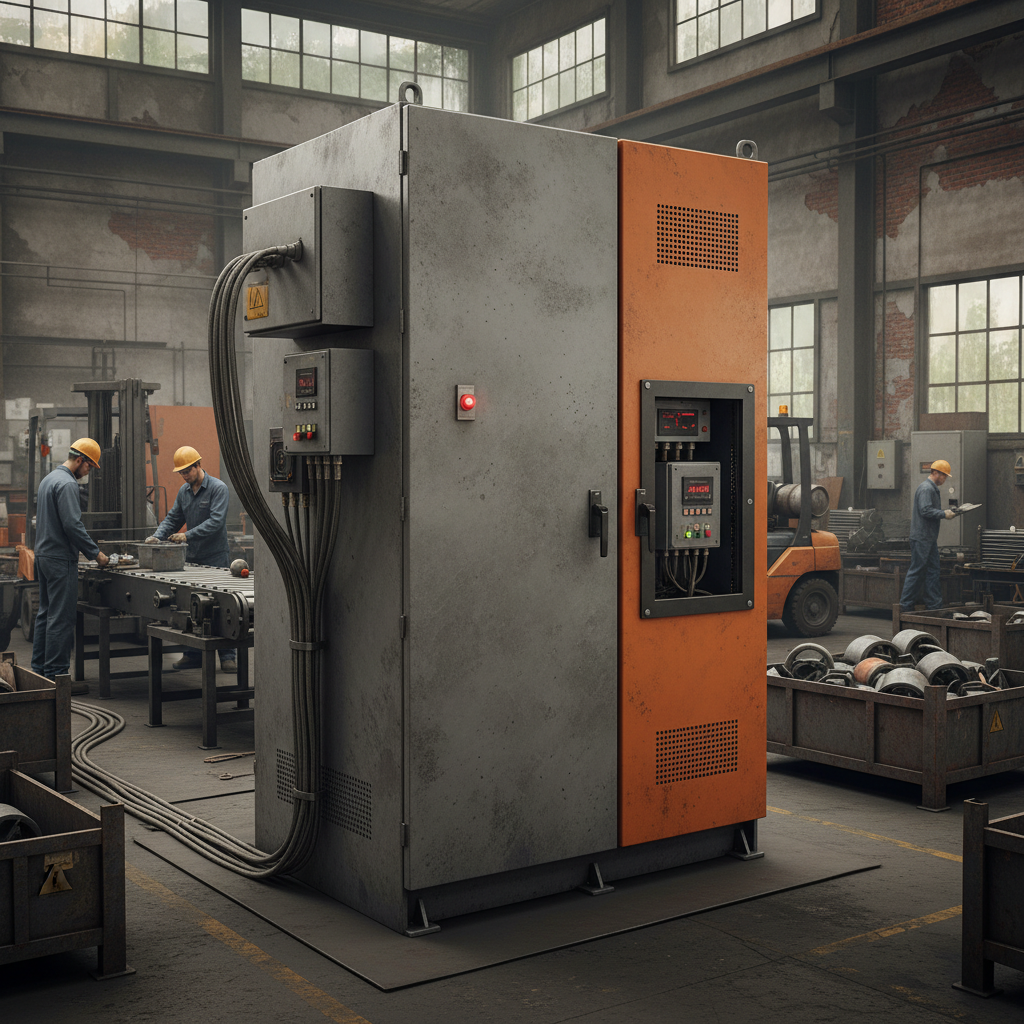
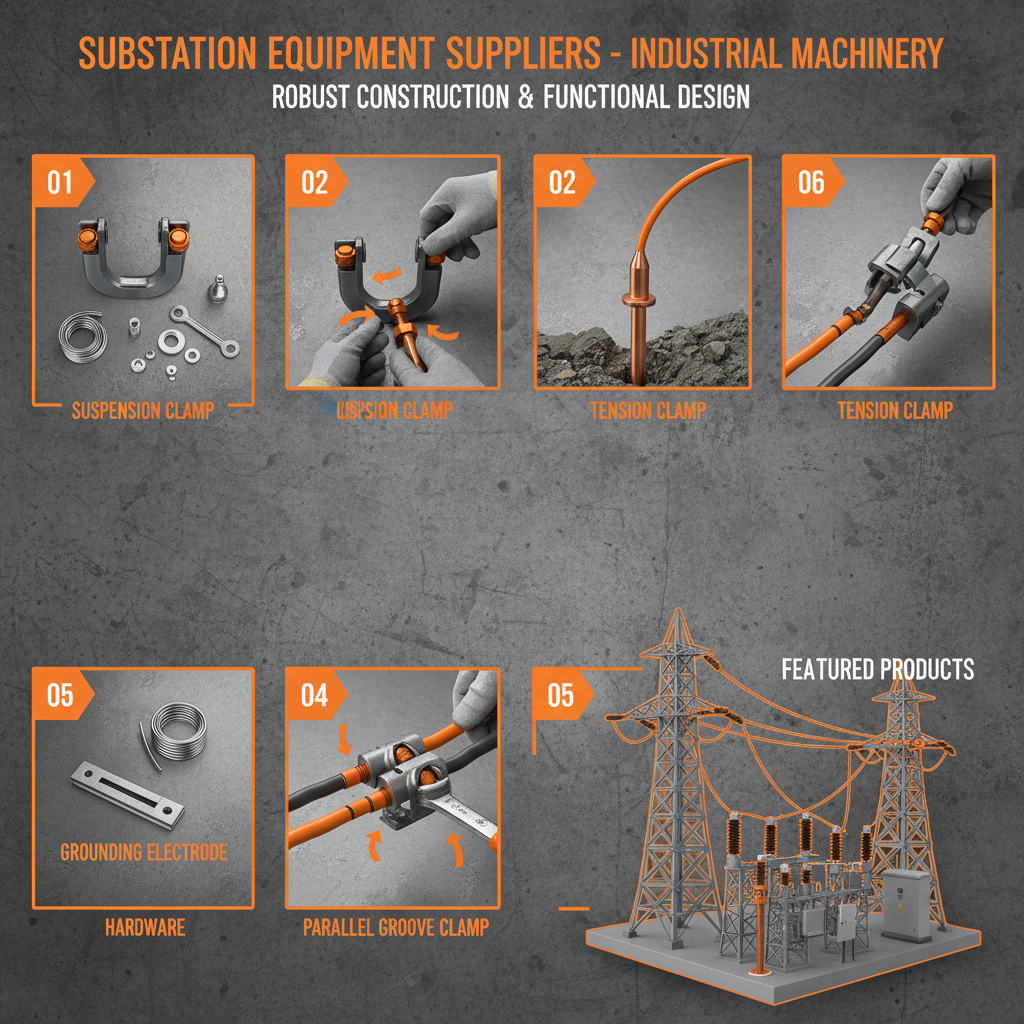
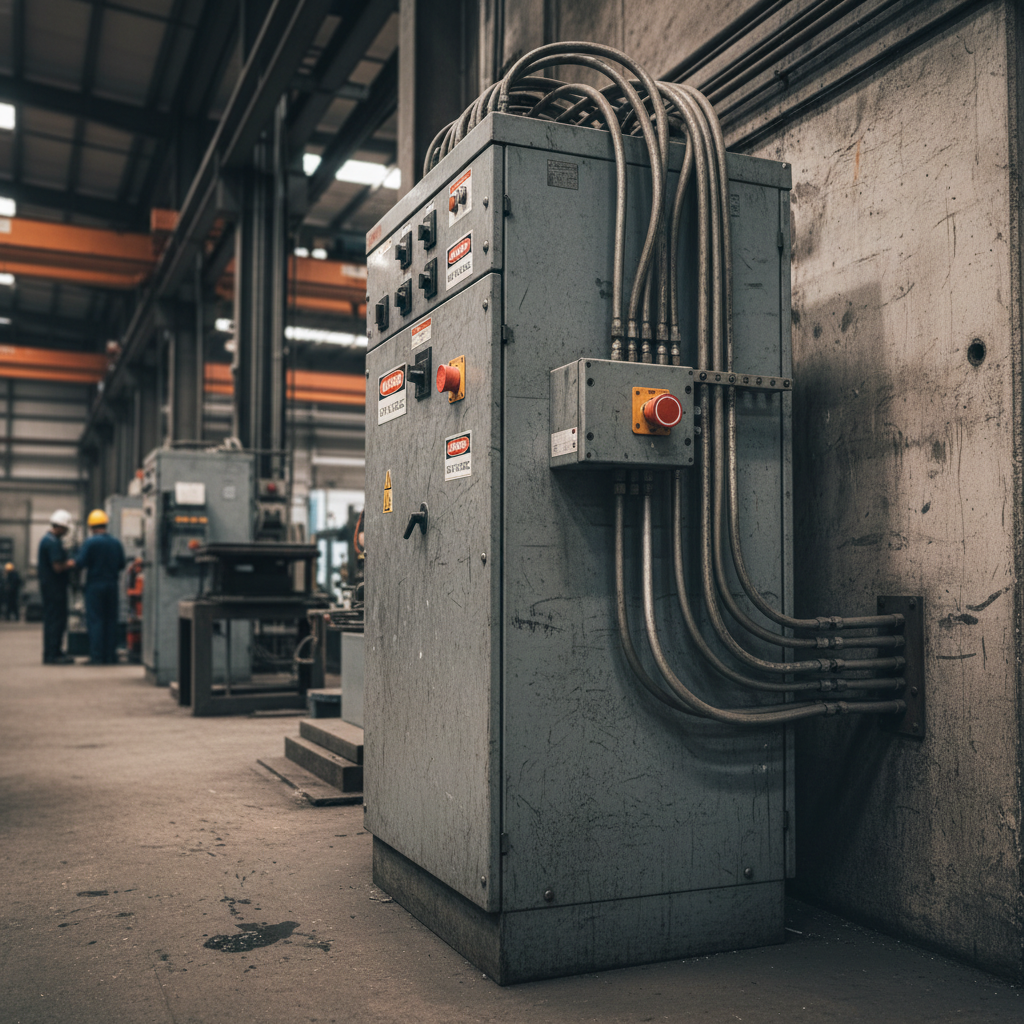
lv switchgear panel are the cornerstone of safe and reliable electrical distribution in a multitude of settings, from industrial facilities to commercial buildings and even critical infrastructure. These meticulously engineered assemblies house and protect vital components like circuit breakers, fuses, and switches, ensuring consistent power delivery and preventing catastrophic failures. Understanding the intricacies of lv switchgear panel is crucial for electrical engineers, technicians, and facility managers responsible for maintaining power systems and ensuring operational continuity.
Globally, the demand for robust and efficient lv switchgear panel is steadily increasing, driven by factors such as rapid industrialization, infrastructure development, and the ever-growing need for uninterrupted power supply. The market is experiencing significant growth, particularly in emerging economies, as these nations invest heavily in modernizing their electrical grids and supporting economic expansion. This demand necessitates a commitment to innovation, quality, and adherence to stringent safety standards.
At its core, a lv switchgear panel acts as a central control point for electrical circuits. It not only provides protection against overloads and short circuits but also enables efficient switching and isolation of different sections of the power system for maintenance or emergency situations. The reliability of these panels directly impacts the stability and productivity of countless industries and is vital to sustaining modern life.
The Importance of lv switchgear panel
The significance of a well-designed and maintained lv switchgear panel extends far beyond simply distributing electricity. It is a critical component in safeguarding personnel, protecting valuable equipment, and ensuring the continuous operation of essential processes. A failure in the switchgear can lead to costly downtime, production losses, and potentially hazardous situations.
Therefore, selecting a robust and appropriately sized lv switchgear panel is paramount. Considerations such as fault current ratings, insulation levels, and the specific requirements of the connected load must be carefully evaluated to guarantee optimal performance and long-term reliability. Investing in quality switchgear is a proactive step towards mitigating risk and maximizing the return on investment.
Global Relevance and Industry Context
The global market for lv switchgear panel is heavily influenced by infrastructure development and industrial growth, particularly in rapidly developing nations. According to recent reports from the International Energy Agency (IEA), global electricity demand is projected to increase by over 50% by 2050, necessitating substantial investments in grid modernization and expansion. This translates directly into increased demand for lv switchgear panel.
Industries such as manufacturing, oil and gas, utilities, and data centers are major consumers of lv switchgear panel. These sectors require reliable power distribution systems to support their operations and maintain productivity. The growing adoption of automation and digitalization within these industries further exacerbates the need for high-quality, intelligent switchgear solutions.
A key challenge facing the industry is the need to balance cost-effectiveness with safety and performance. Stringent regulations and standards, such as those set by the International Electrotechnical Commission (IEC), are driving manufacturers to develop more innovative and compliant products. Meeting these demands requires continuous research and development.
Defining lv switchgear panel
An lv switchgear panel is essentially a centralized collection of electrical equipment used to control, protect, and isolate low-voltage (typically below 1000V) circuits. It integrates components like circuit breakers, fuses, switches, protective relays, and metering devices into a single, organized enclosure. The panel serves as the interface between the power source and the connected loads.
The primary function of an lv switchgear panel is to ensure the safe and reliable distribution of electrical power. This involves protecting circuits from overloads, short circuits, and other faults, while also providing the means to isolate sections of the system for maintenance or repair. Proper lv switchgear panel design and implementation are fundamental to modern electrical infrastructure.
Its importance extends beyond industrial settings; lv switchgear panel play a critical role in ensuring the functionality of essential services, including hospitals, data centers, and transportation systems. Without these panels, the uninterrupted delivery of power, crucial for modern society, would be impossible.
Key Factors in lv switchgear panel Design
Durability is a paramount factor in lv switchgear panel design. Panels are often subjected to harsh environments, including extreme temperatures, humidity, and corrosive elements. Utilizing high-quality materials, robust construction techniques, and appropriate coatings are essential for ensuring a long service life and minimizing maintenance requirements.
Scalability is another crucial consideration. The ability to easily expand or modify the lv switchgear panel to accommodate future growth or changing load requirements is highly desirable. Modular designs, which allow for the addition of new sections or components without disrupting the entire system, offer a significant advantage.
Comparison of lv switchgear panel Methodologies
Global Applications and Use Cases
lv switchgear panel are ubiquitous across a diverse range of industries and applications. In industrial plants, they provide the essential power distribution infrastructure for machinery, lighting, and control systems. They're indispensable in data centers, ensuring the uninterrupted operation of critical servers and networking equipment.
In remote industrial zones, where power grids are often unreliable, lv switchgear panel often form the core of localized microgrids, providing a stable and dependable power source. Similarly, in post-disaster relief operations, mobile lv switchgear panel units can be rapidly deployed to restore power to critical facilities like hospitals and emergency shelters.
Advantages and Long-Term Value
The benefits of investing in high-quality lv switchgear panel are numerous. Cost savings are realized through reduced downtime, minimized maintenance requirements, and optimized energy efficiency. Sustainability is enhanced by the potential for integrating renewable energy sources and reducing overall energy consumption.
Beyond the tangible economic advantages, lv switchgear panel contribute to enhanced safety and peace of mind. Reliable power distribution systems protect personnel from electrical hazards and prevent damage to sensitive equipment, building trust and ensuring a productive and secure operating environment.
Future Trends and Innovations in lv switchgear panel
The future of lv switchgear panel is being shaped by several key trends. The increasing adoption of smart grid technologies is driving demand for intelligent switchgear equipped with advanced monitoring, control, and communication capabilities. Digitalization and automation are enabling remote diagnostics, predictive maintenance, and improved system efficiency.
Furthermore, the growing focus on sustainability is leading to the development of eco-friendly switchgear designs that utilize environmentally friendly materials and minimize energy losses. Integration of energy storage systems, such as batteries, is becoming increasingly common, enhancing grid resilience and enabling greater utilization of renewable energy sources.
Advancements in materials science are also playing a role, with the development of new insulating materials and arc-resistant technologies. These innovations promise to further improve the safety, reliability, and performance of lv switchgear panel.
Overview of Challenges and Solutions in lv switchgear panel Implementation
| Challenge Area |
Impact on lv switchgear panel Performance |
Proposed Solution |
Expected Outcome |
| Aging Infrastructure |
Increased risk of failures, reduced reliability |
Proactive maintenance programs, equipment upgrades |
Improved system uptime, reduced costs |
| Lack of Skilled Personnel |
Improper installation, maintenance, and operation |
Enhanced training programs, certification requirements |
Increased competence, improved safety |
| Cybersecurity Threats |
Potential for system compromise, data breaches |
Robust cybersecurity protocols, intrusion detection systems |
Enhanced system security, data protection |
| High Initial Costs |
Budget constraints, delayed upgrades |
Life-cycle cost analysis, phased implementation |
Justified investment, optimized return |
| Space Limitations |
Difficult installation, limited expandability |
Compact switchgear designs, modular systems |
Efficient space utilization, flexible configuration |
| Environmental Concerns |
Disposal of hazardous materials, energy consumption |
Eco-friendly materials, energy-efficient designs |
Reduced environmental impact, sustainable operation |
FAQS
Air-insulated lv switchgear panel utilize air as the insulating medium, making them generally more cost-effective but larger in size. Gas-insulated panels employ a specialized gas, typically sulfur hexafluoride (SF6), which provides superior insulation properties in a more compact footprint. SF6 panels are often preferred for high-voltage applications or where space is limited, but they require careful handling due to the gas's environmental impact.
Routine maintenance for lv switchgear panel should be performed at least annually, and ideally semi-annually, depending on the operating environment and the manufacturer’s recommendations. This includes visual inspections, cleaning, tightening of connections, testing of protective devices, and lubrication of moving parts. Regular maintenance helps prevent unexpected failures and prolongs the life of the equipment.
Working with lv switchgear panel requires strict adherence to safety protocols. Always de-energize and lockout/tagout the equipment before performing any maintenance or inspections. Use appropriate personal protective equipment (PPE), including insulated gloves, safety glasses, and arc flash protection. Ensure proper grounding and follow established procedures for working on or near energized electrical equipment.
Arc flash is a dangerous electrical explosion that can occur when a short circuit or fault creates a path for current to flow through the air. Mitigation strategies include proper panel design with arc containment features, regular maintenance to prevent faults, and the use of arc flash relays and protective devices. Personnel working on or near lv switchgear panel should be trained on arc flash hazards and equipped with appropriate PPE.
The design of lv switchgear panel significantly impacts its lifespan. Utilizing high-quality materials, robust construction techniques, and proper ventilation contribute to durability. Modular designs facilitate easier maintenance and upgrades, extending operational life. Selecting a design tailored to the specific application and environmental conditions is crucial for long-term reliability.
Remote monitoring of lv switchgear panel provides real-time data on critical parameters like temperature, voltage, current, and fault conditions. This enables proactive maintenance, reduces downtime, and improves overall system efficiency. Remote monitoring also allows for faster response to emergencies and enhances safety by providing early warning of potential problems.
Conclusion
In conclusion, lv switchgear panel are integral to the safe and reliable distribution of electrical power, underpinning modern infrastructure and industrial processes. Understanding their importance, core components, applications, and future trends is paramount for professionals in the electrical engineering field. Investing in quality lv switchgear panel, coupled with proactive maintenance and adherence to safety standards, ensures long-term operational efficiency and minimizes risks.
Looking ahead, the integration of smart grid technologies, sustainable materials, and advanced monitoring systems will continue to shape the evolution of lv switchgear panel. By embracing innovation and prioritizing safety, we can unlock the full potential of these critical components and build a more resilient and sustainable electrical infrastructure for the future. For more information or to discuss your specific needs, please visit our website: www.samaoep.com