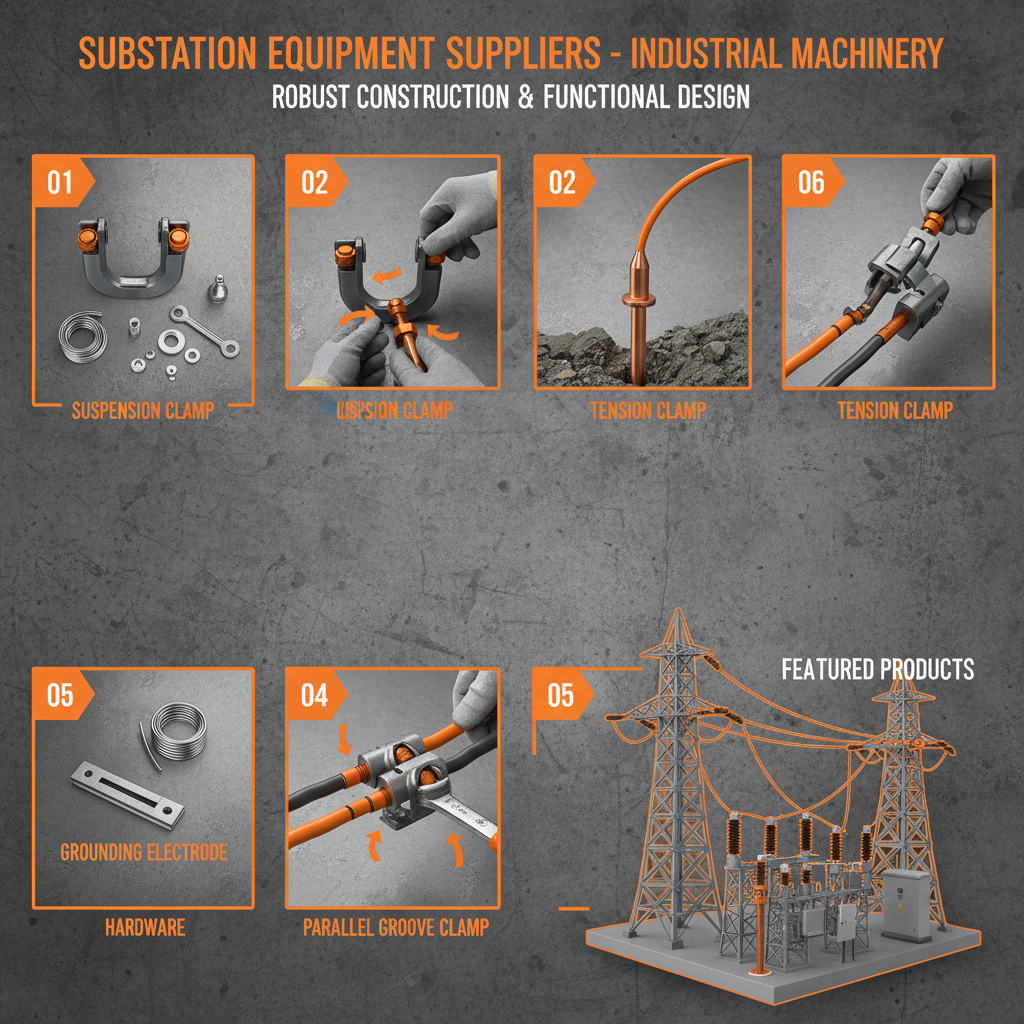
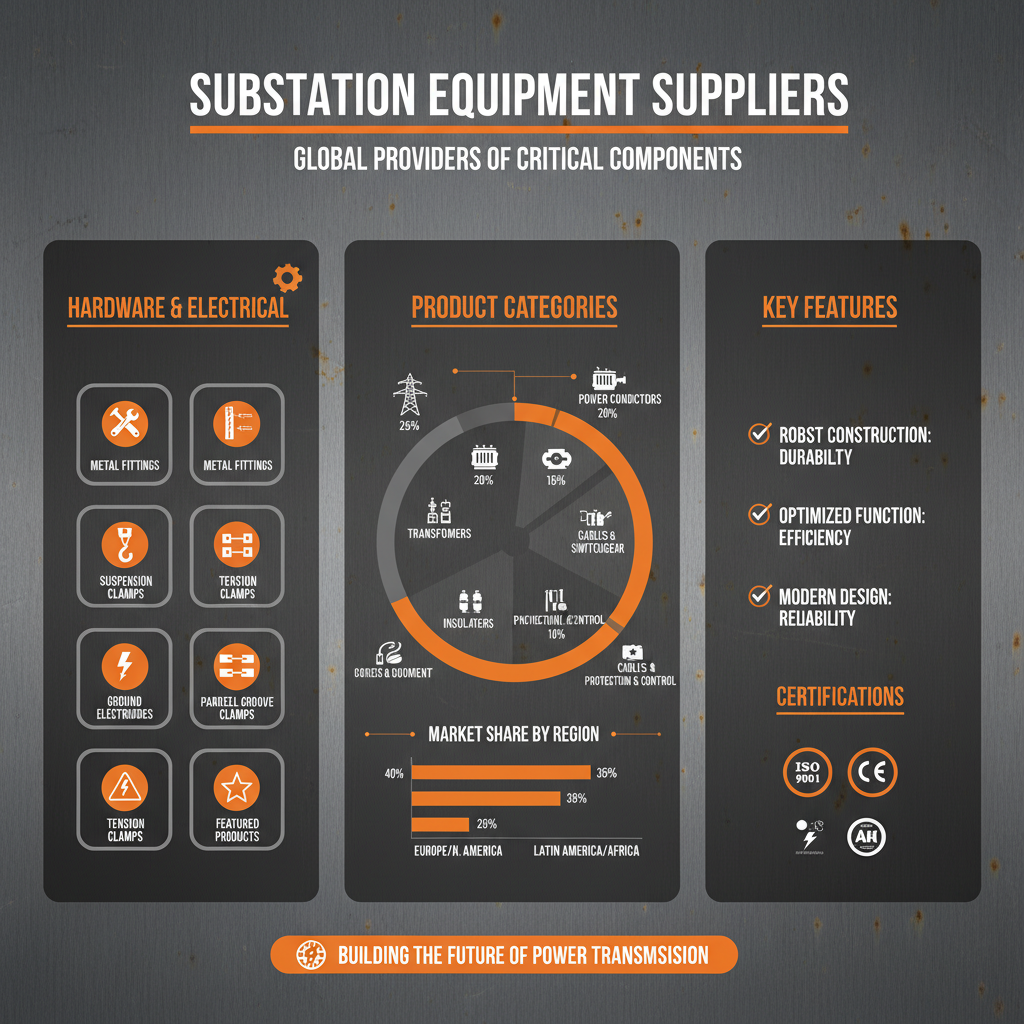
Substation equipment suppliers are pivotal in the modern power grid, ensuring the safe and efficient transmission and distribution of electricity. Their role extends beyond simply providing components; they offer comprehensive solutions encompassing design, engineering, installation, and maintenance. The global demand for reliable power, coupled with the increasing complexity of grid infrastructure, makes these suppliers indispensable for utilities, industrial facilities, and renewable energy projects worldwide. Understanding the capabilities and nuances of various substation equipment suppliers is crucial for optimizing grid performance and reliability.
The industry encompassing substation equipment suppliers is undergoing a significant transformation driven by factors such as the integration of renewable energy sources, the rise of smart grids, and growing concerns about grid security. This necessitates suppliers to innovate and provide advanced solutions, including intelligent electronic devices (IEDs), advanced metering infrastructure (AMI), and cybersecurity measures. The escalating need for grid modernization and resilience is directly linked to the performance and quality of equipment delivered by these specialized suppliers.
Choosing the right substation equipment supplier is paramount for long-term grid stability and cost-effectiveness. Suppliers offering comprehensive services, robust quality control, and adherence to international standards are essential for minimizing downtime, optimizing performance, and ensuring the overall reliability of the power system. The selection process requires careful consideration of factors like technical expertise, supply chain capabilities, and responsiveness to evolving industry needs.
Introduction to Substation Equipment Suppliers
Substation equipment suppliers form the backbone of modern electricity infrastructure, delivering the essential components that ensure the reliable and safe delivery of power. These suppliers aren’t simply vendors; they are often integral partners in power grid development and modernization, offering expertise in system design, engineering support, and ongoing maintenance. The success of renewable energy projects and the increasing demands of smart grids heavily rely on the quality and availability of equipment from these specialized companies.
The scale of the substation equipment supplier market is significant and expanding, reflecting the global drive toward energy access and grid resilience. From transformers and circuit breakers to switchgear and control systems, the range of products and services offered is extensive and continually evolving. substation equipment suppliers play a crucial role in facilitating the transition to a more sustainable and efficient energy future.
Defining Substation Equipment Suppliers
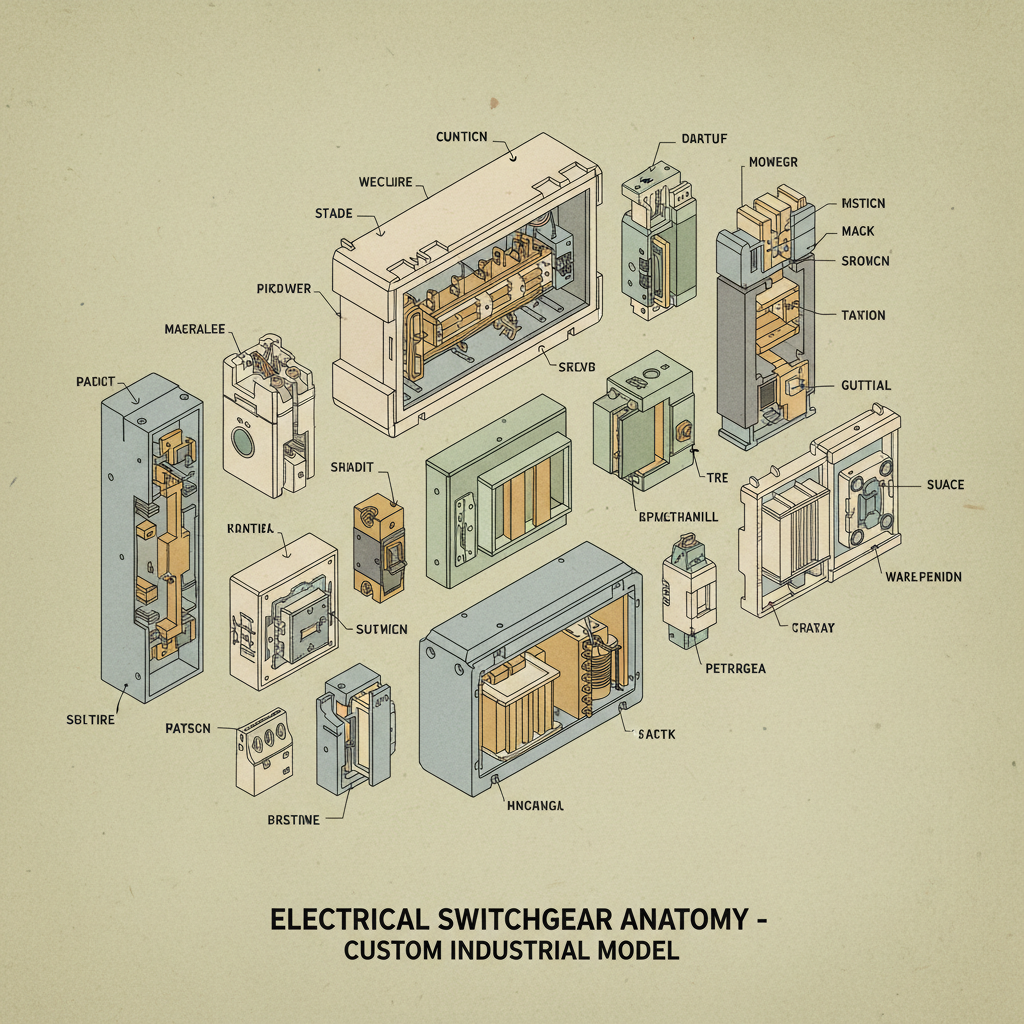
Substation equipment suppliers are companies specializing in the manufacture, distribution, and servicing of electrical components used in substations. Substations are critical nodes in the power grid, responsible for stepping up or stepping down voltage levels, controlling power flow, and protecting the grid from faults. These suppliers offer a wide array of equipment, including transformers, circuit breakers, disconnect switches, surge arresters, control panels, and protection relays.
Beyond the equipment itself, many suppliers provide value-added services like substation design and engineering, installation support, commissioning, and ongoing maintenance. This comprehensive approach makes them essential partners for utilities, industrial facilities, and renewable energy developers. The quality and reliability of their products directly impact the stability and efficiency of the entire power system.
Their connection to modern industry is undeniable. Without reliable substation equipment, industries relying on consistent power – from manufacturing and healthcare to transportation and communications – would face significant disruptions. Furthermore, humanitarian needs, like providing emergency power to disaster-stricken areas, often depend on the rapid deployment of portable substations and related equipment supplied by these companies.
Core Components & Critical Factors
Several key factors determine the quality and suitability of equipment supplied by these companies. Durability is paramount, as substation equipment must withstand harsh environmental conditions and operate reliably for decades. Equipment failures can lead to costly downtime and potentially jeopardize grid stability. Therefore, suppliers prioritize robust designs and high-quality materials to ensure longevity.
Scalability is another vital aspect, particularly in the context of growing energy demand and the integration of renewable sources. Substations must be capable of expanding to accommodate increased capacity without requiring complete overhauls. Suppliers offering modular designs and flexible solutions facilitate easier expansion and upgrades.
Cost Efficiency doesn’t simply mean the lowest initial price. It encompasses lifecycle costs, including maintenance, energy losses, and potential downtime. Suppliers providing energy-efficient equipment and comprehensive maintenance programs contribute to long-term cost savings. Compliance with industry standards (IEEE, IEC) and safety regulations is non-negotiable. Suppliers adhering to these standards ensure equipment safety and interoperability. Finally, Innovation and adoption of the latest technologies are crucial for adapting to the evolving needs of the power grid.
Global Applications and Use Cases
Substation equipment suppliers play a critical role in diverse applications worldwide. In developed nations, they are instrumental in modernizing aging grid infrastructure, enhancing reliability, and integrating renewable energy sources like solar and wind power. In rapidly developing countries, they are vital for expanding access to electricity and supporting economic growth.
For example, in post-disaster relief operations, portable substations supplied by these companies provide immediate power to hospitals, emergency services, and critical infrastructure. In remote industrial zones, such as mining operations or oil and gas facilities, self-contained substations ensure a reliable power supply where grid connectivity is limited.
Organizations like the World Bank and the UN utilize equipment from these suppliers to implement electrification projects in underserved communities. Additionally, large-scale renewable energy projects, like wind farms and solar power plants, require substantial substation infrastructure supplied by specialized vendors to connect to the grid.
Substation Equipment Supplier Performance Metrics
Advantages & Long-Term Value
The tangible benefits of selecting the right substation equipment suppliers are substantial. Cost savings are realized through reduced downtime, minimized maintenance requirements, and improved energy efficiency. Reliability is enhanced, ensuring a more stable and secure power supply for end-users.
Furthermore, choosing suppliers committed to sustainability contributes to a greener energy future. Modern equipment designs focus on reducing environmental impact through energy conservation and the use of eco-friendly materials. Trust and safety are paramount – reliable equipment safeguards personnel and prevents potentially catastrophic power outages.
Future Trends & Innovations
The future of substation equipment suppliers is heavily influenced by several key trends. The integration of digital technologies, such as advanced sensors, data analytics, and artificial intelligence, is leading to the development of ‘smart’ substations that can self-diagnose problems, optimize performance, and enhance grid security. Automation is playing an increasingly significant role, reducing the need for manual intervention and improving operational efficiency.
Sustainable solutions, like the use of environmentally friendly insulating materials and the development of energy-efficient transformers, are gaining prominence. Furthermore, the increasing focus on grid resilience is driving demand for equipment designed to withstand extreme weather events and cyberattacks. substation equipment suppliers are actively investing in research and development to meet these evolving demands.
Challenges & Solutions for Suppliers
Substation equipment suppliers face several challenges. Supply chain disruptions, geopolitical instability, and fluctuating material costs can impact lead times and pricing. Maintaining high levels of cybersecurity to protect substations from cyberattacks is a constant concern. Meeting increasingly stringent regulatory requirements also presents a challenge.
Solutions include diversifying supply chains, investing in robust cybersecurity measures, and proactively engaging with regulatory bodies. Embracing digital transformation and adopting advanced manufacturing techniques can improve efficiency and reduce costs. Collaborating with utilities and research institutions to develop innovative solutions is also crucial.
Addressing skills gaps within the workforce through training and development programs is essential for ensuring the availability of qualified personnel to operate and maintain advanced substation equipment.
Summary of Solutions for Substation Equipment Supplier Challenges
| Challenge |
Impact Area |
Solution |
Implementation Cost (1-10) |
| Supply Chain Disruptions |
Equipment Availability & Cost |
Diversification of Suppliers & Regional Sourcing |
7 |
| Cybersecurity Threats |
Grid Security & Reliability |
Implementation of Advanced Security Protocols & Intrusion Detection Systems |
9 |
| Regulatory Compliance |
Market Access & Product Approval |
Proactive Engagement with Regulatory Bodies & Certification Programs |
6 |
| Material Cost Fluctuations |
Profit Margins & Pricing |
Long-Term Contracts with Suppliers & Hedging Strategies |
5 |
| Skills Gap in Workforce |
Equipment Installation & Maintenance Quality |
Investment in Training & Development Programs |
8 |
| Demand for Sustainable Solutions |
Market Competitiveness & Brand Reputation |
Development of Eco-Friendly Equipment & Manufacturing Processes |
7 |
FAQS
When selecting a substation equipment supplier, prioritize factors like product quality, reliability, adherence to industry standards (IEEE, IEC), technical support capabilities, lead times, and overall cost-effectiveness. Consider their experience with similar projects, their commitment to innovation, and their ability to provide customized solutions to meet your specific requirements. Checking references and conducting thorough due diligence is also crucial.
Lead times for substation equipment can vary significantly depending on the complexity of the order, the type of equipment, and current market conditions. Standard equipment may have a lead time of several weeks, while customized or large-scale orders can take several months. Supply chain disruptions can also impact lead times, so it’s important to discuss delivery schedules upfront with potential suppliers.
Cybersecurity is a critical concern for substation equipment suppliers. They address this by implementing robust security protocols throughout the design, manufacturing, and testing processes. This includes secure coding practices, vulnerability assessments, intrusion detection systems, and adherence to cybersecurity standards like IEC 62351. Regular security updates and patch management are also essential.
Most suppliers offer a range of maintenance services, including routine inspections, preventative maintenance, diagnostics, repair, and replacement of components. Some also offer remote monitoring and predictive maintenance capabilities using data analytics. Comprehensive maintenance agreements can help ensure the long-term reliability and performance of substation equipment.
Innovation is vital for addressing the evolving needs of the power grid. Suppliers are continuously developing new technologies, such as smart grid solutions, digital substations, and advanced protection relays, to improve grid efficiency, reliability, and security. Adopting innovative materials and manufacturing processes also helps reduce costs and environmental impact.
To ensure quality, verify that the supplier has appropriate certifications (ISO 9001, etc.) and adheres to relevant industry standards. Request detailed product specifications, conduct factory inspections, and review quality control procedures. Ask for references from other customers and perform thorough testing of equipment before installation.
Conclusion
Substation equipment suppliers are essential partners in ensuring a reliable, safe, and sustainable power grid. Their ability to deliver high-quality equipment, coupled with comprehensive services and a commitment to innovation, is crucial for meeting the evolving demands of the energy sector. Investing in robust and resilient substation infrastructure is paramount for supporting economic growth, enhancing energy access, and mitigating the risks associated with grid failures.
Looking ahead, the industry will continue to be shaped by trends like digitalization, automation, and the integration of renewable energy sources. Collaboration between utilities, suppliers, and research institutions will be essential for accelerating the development and deployment of innovative solutions. For more information and to explore potential partnerships, visit our website: www.samaoep.com.