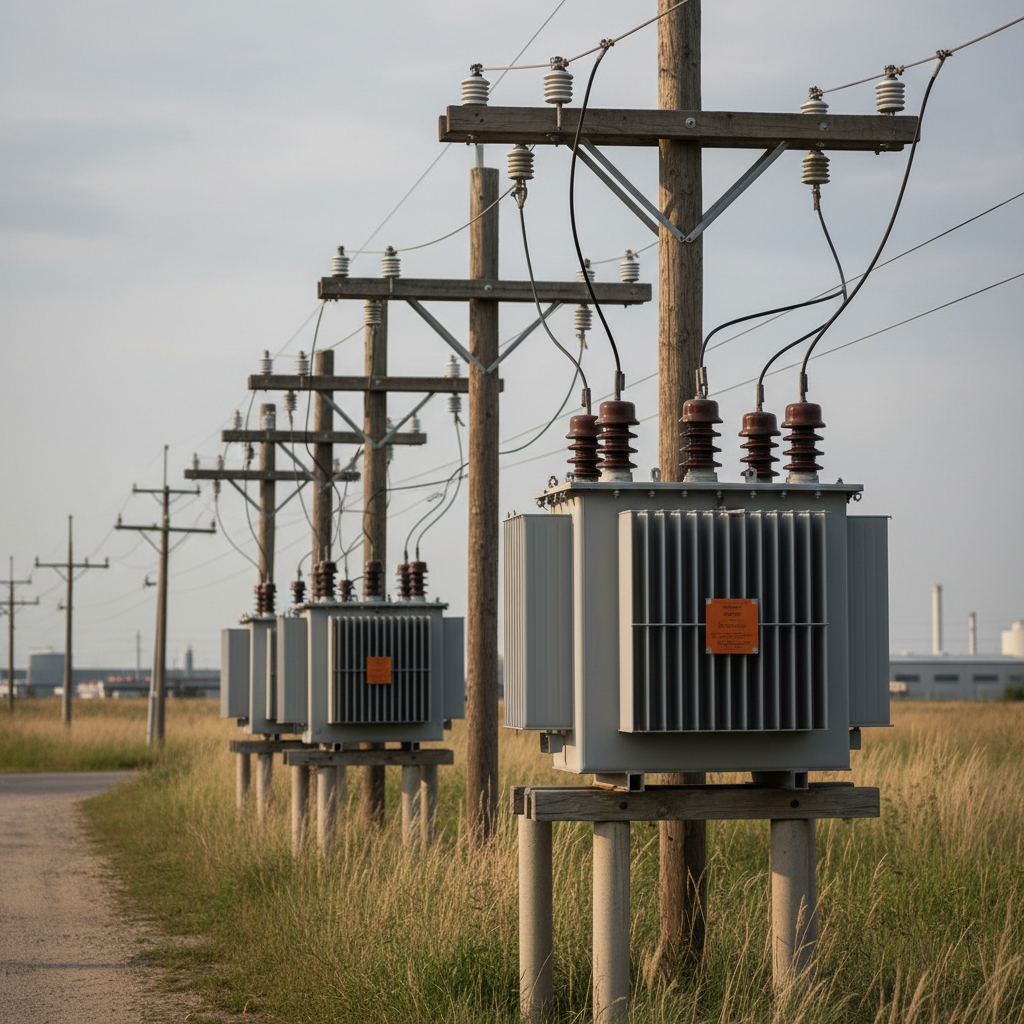
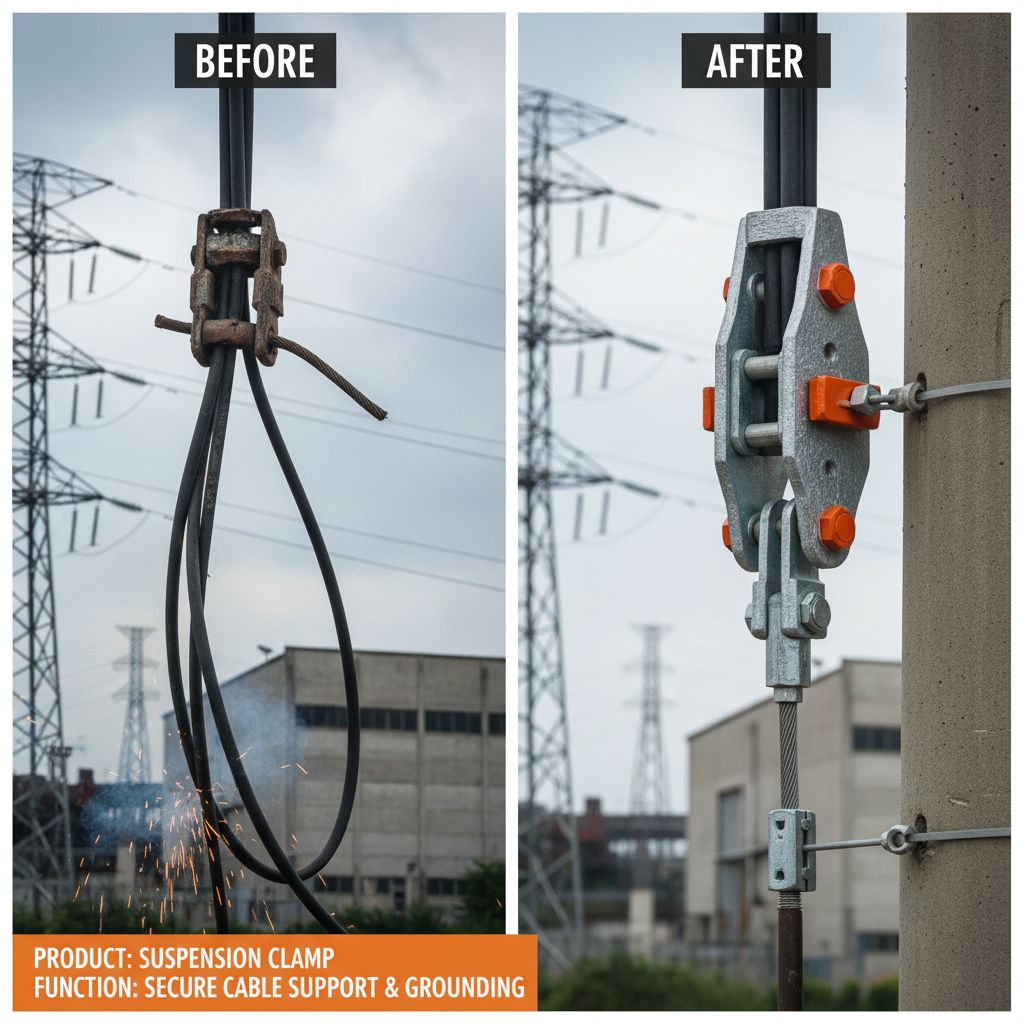
Electrical supply equipment forms the backbone of modern civilization, enabling everything from powering homes and businesses to driving industrial processes and supporting critical infrastructure. The global demand for reliable and efficient electrical systems is constantly increasing, driven by population growth, economic development, and the electrification of various sectors. Understanding the intricacies of electrical supply equipment – encompassing everything from transformers and switchgear to cables and protective devices – is crucial for engineers, technicians, policymakers, and anyone involved in building and maintaining a sustainable and resilient energy future.
The importance of robust electrical supply equipment extends far beyond simply providing power. It’s fundamental to ensuring safety, minimizing downtime, and optimizing energy efficiency. Globally, inadequate or outdated electrical infrastructure leads to significant economic losses, hinders development, and poses risks to public safety. Innovations in this field are therefore vital for addressing these challenges and unlocking new opportunities for growth and progress.
From large-scale power generation facilities to localized microgrids and renewable energy installations, effective electrical supply equipment plays a central role. The evolution of smart grids and the integration of renewable energy sources necessitate even more advanced and sophisticated systems, demanding a continuous focus on research, development, and standardized practices in this essential sector.
The Foundation of Modern Power Systems
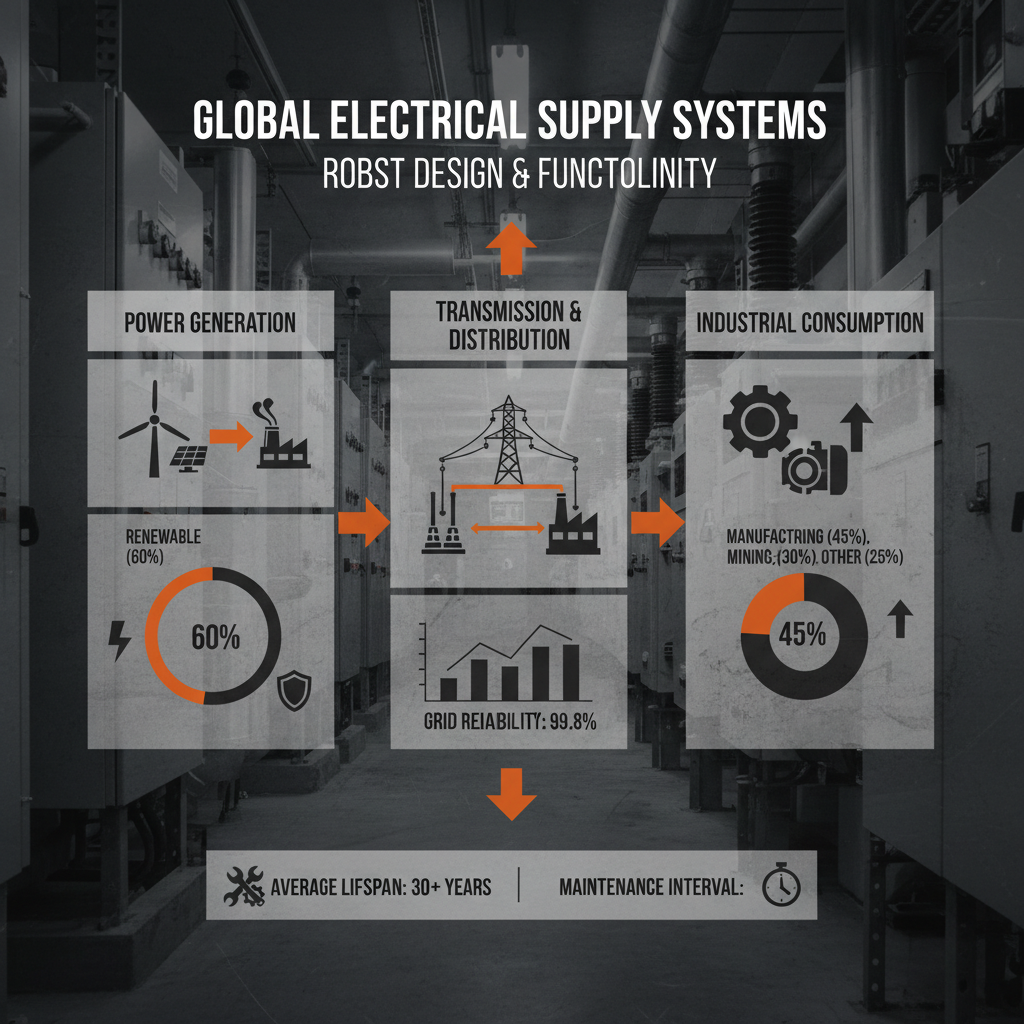
Electrical supply equipment isn’t merely about transporting electricity; it’s about managing and protecting the entire power delivery chain. This includes everything from the initial generation source through transmission, distribution, and ultimately, to the end-user. Effective equipment ensures stable voltage, minimizes energy loss, and safeguards against faults and disruptions.
The development of robust electrical supply equipment has directly enabled industrialization and urbanization worldwide. As societies have become increasingly reliant on electricity, the demand for higher capacity, improved reliability, and greater efficiency has driven ongoing innovation within the industry. Investing in modern electrical supply equipment is a critical component of any nation's infrastructure development strategy.
Defining Electrical Supply Equipment
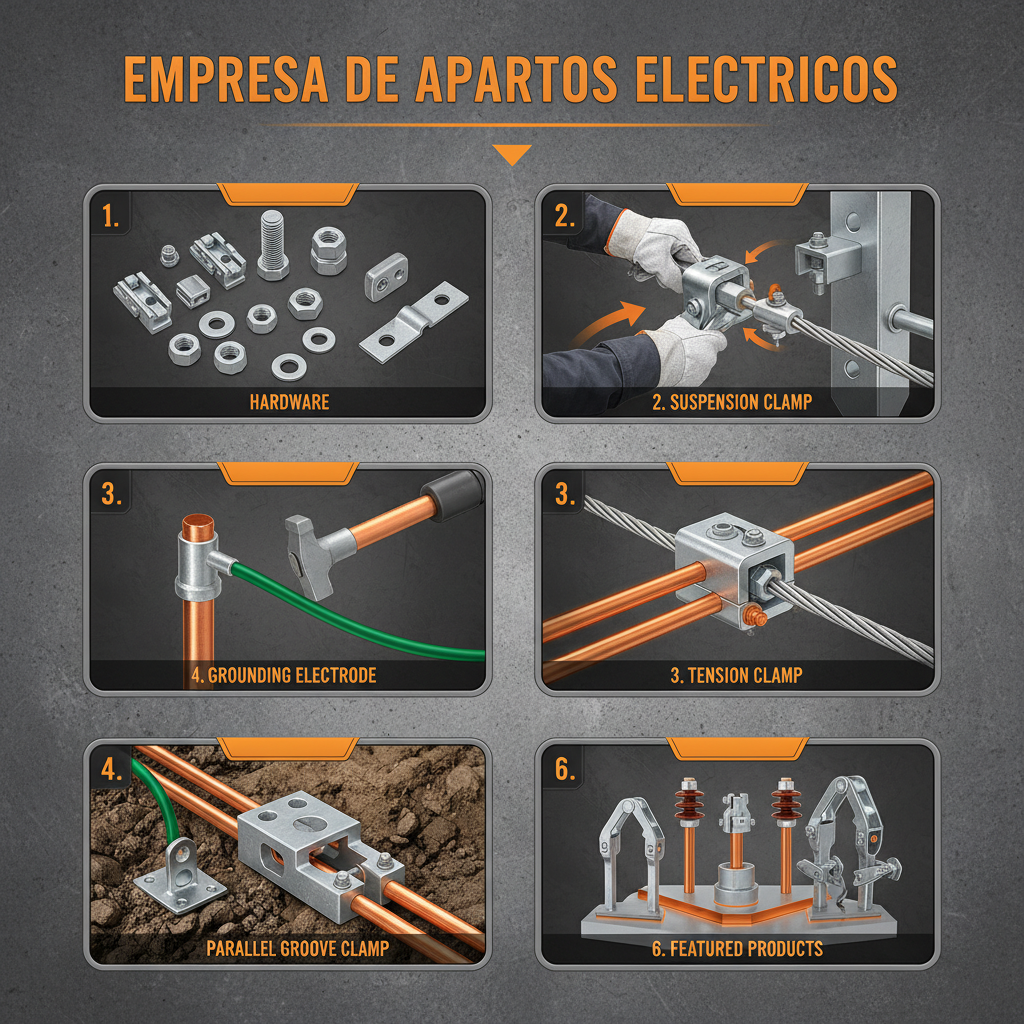
Electrical supply equipment encompasses a broad range of devices and systems designed to generate, transmit, distribute, and control electrical power. This includes, but isn't limited to, transformers, switchgear, circuit breakers, cables, conductors, protective relays, metering equipment, and power quality conditioning devices. It represents the physical infrastructure enabling the flow of electricity.
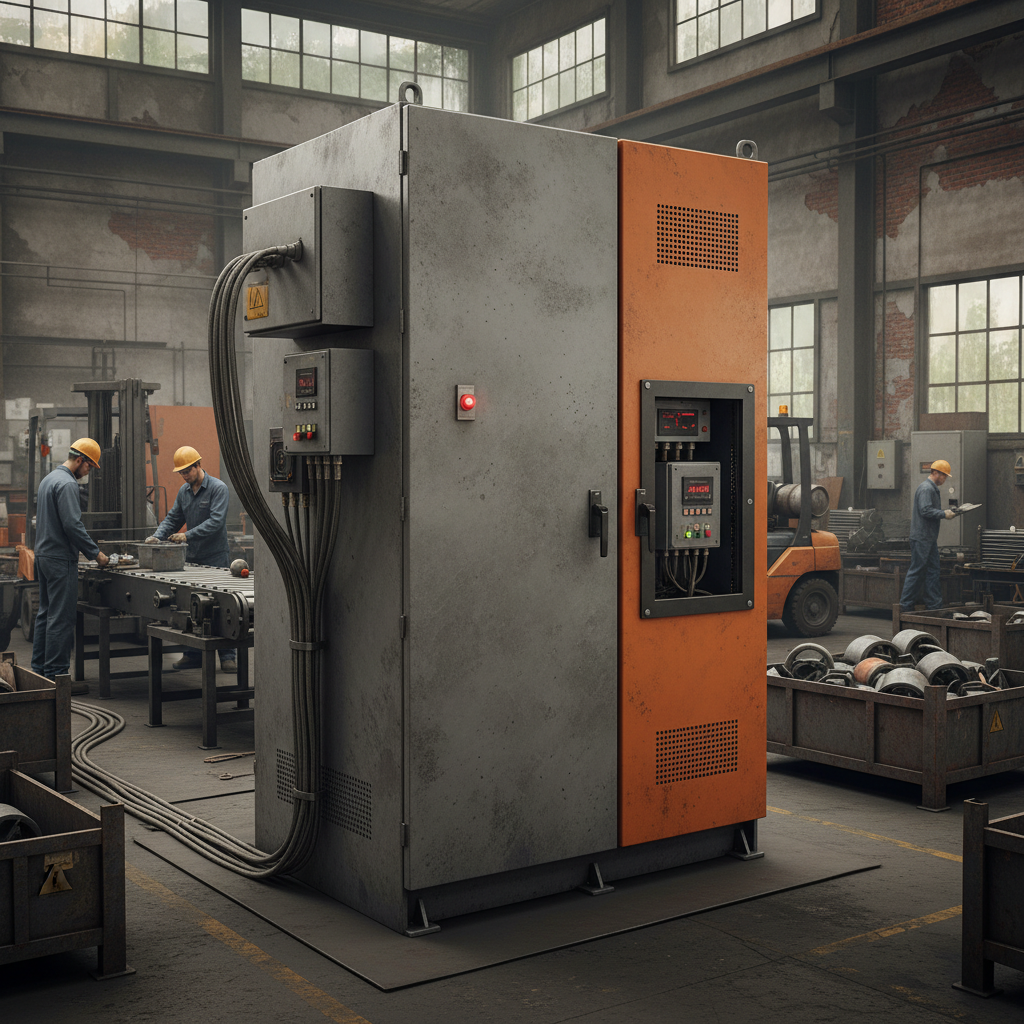
Its connection to modern industry is inextricable. Factories rely on consistent power delivery to operate machinery and maintain production. Hospitals depend on uninterrupted power for life-saving equipment. Even basic services like communication networks and water treatment plants require a stable electrical supply. Without effective electrical supply equipment, modern life as we know it would be impossible.
Furthermore, the provision of electrical supply equipment is often a vital component of humanitarian aid efforts. In disaster relief situations or in developing regions, providing access to electricity through portable power stations, microgrids, or localized distribution networks can dramatically improve living conditions and facilitate recovery.
Core Components and Considerations
Durability: Electrical supply equipment often operates in harsh environments and must withstand significant stress, including temperature extremes, humidity, corrosion, and physical impacts. High-quality materials and robust construction are essential for ensuring long-term reliability and minimizing maintenance costs.
Scalability: As demand for electricity grows, electrical supply systems must be scalable to accommodate increased load. This requires designing equipment and infrastructure that can be easily expanded or upgraded without significant disruptions to service. Modular designs and standardized components contribute to enhanced scalability.
Cost Efficiency: While quality and reliability are paramount, cost-effectiveness is also a crucial consideration. Balancing initial investment costs with long-term operating expenses—including maintenance, energy losses, and potential downtime—is essential for optimizing the overall economic value of electrical supply equipment.
Safety: Electrical systems pose inherent safety risks, and equipment must be designed with multiple layers of protection to prevent accidents, injuries, and equipment damage. This includes features like grounding, insulation, overcurrent protection, and arc flash mitigation.
Efficiency: Minimizing energy losses during transmission and distribution is critical for reducing overall energy consumption and environmental impact. High-efficiency transformers, low-resistance conductors, and power factor correction devices all contribute to improved efficiency.
Compliance: Electrical supply equipment must adhere to rigorous industry standards and regulations (e.g., IEC, IEEE, UL) to ensure safety, performance, and interoperability.
Key Performance Indicators for Electrical Supply Equipment
Evaluating the performance of electrical supply equipment requires careful consideration of various key performance indicators (KPIs). These metrics provide insights into the equipment’s reliability, efficiency, and overall effectiveness. Monitoring and analyzing these KPIs allows for proactive maintenance, optimization, and informed investment decisions.
One crucial KPI is Mean Time Between Failures (MTBF), which measures the average time a piece of equipment operates without failing. Another is Energy Efficiency Ratio (EER), which quantifies the energy output relative to energy input. Additionally, metrics like voltage regulation, harmonic distortion, and power factor are vital for assessing power quality.
Electrical Supply Equipment Performance Comparison
Global Applications and Industry Impact
Electrical supply equipment is fundamental across a vast array of industries and applications. In power generation, it’s used in power plants (coal, nuclear, hydro, renewable) to step up voltage for efficient transmission. In transmission and distribution networks, it's critical for delivering electricity over long distances while minimizing losses.
In industrial facilities, electrical supply equipment powers manufacturing processes, HVAC systems, and lighting. Commercial buildings rely on it for operating elevators, escalators, and various other systems. Residential areas depend on it for powering homes and appliances. In remote industrial zones, like mining operations in Australia or oil fields in the North Sea, reliable electrical supply equipment is essential for maintaining productivity.
In post-disaster relief operations, portable power generators and rapid deployment electrical systems provide critical electricity to hospitals, shelters, and communication centers. Furthermore, the growth of renewable energy sources (solar, wind, hydro) is heavily reliant on advancements in power conversion and grid integration technologies – a key area of electrical supply equipment innovation.
Advantages and Long-Term Sustainability
Investing in high-quality electrical supply equipment offers a multitude of advantages. Reduced downtime translates to significant cost savings and increased productivity. Improved energy efficiency lowers operating expenses and reduces environmental impact. Enhanced safety features protect personnel and prevent accidents.
From a sustainability perspective, modern electrical supply equipment contributes to a more resilient and environmentally friendly energy system. The integration of smart grid technologies enables better monitoring, control, and optimization of power flow, reducing waste and promoting the use of renewable energy sources. Long-term reliability builds trust and fosters economic growth.
Future Trends and Emerging Technologies
The field of electrical supply equipment is undergoing a rapid transformation driven by several key trends. The rise of smart grids, incorporating advanced sensors, communication networks, and data analytics, is enabling more efficient and responsive power distribution. The integration of renewable energy sources, such as solar and wind, requires innovative power conversion and grid stabilization technologies.
Digitalization and automation are also playing a significant role, with remote monitoring, predictive maintenance, and automated fault detection becoming increasingly common. New materials, such as superconducting cables and advanced insulators, promise to improve performance and reduce losses. Furthermore, the development of microgrids and energy storage systems is enabling greater resilience and independence from centralized power grids.
Challenges and Solutions
Despite advancements, several challenges remain in the electrical supply equipment sector. Aging infrastructure, particularly in developed countries, requires costly upgrades and replacements. Maintaining grid stability with the increasing penetration of intermittent renewable energy sources is a complex task. Cybersecurity threats pose a growing risk to critical infrastructure.
Solutions include proactive asset management programs, investment in smart grid technologies, and the development of robust cybersecurity protocols. Utilizing advanced diagnostic tools, such as infrared thermography and ultrasonic testing, can help identify potential failures before they occur. Investing in workforce training and development is also crucial for ensuring a skilled workforce capable of operating and maintaining these complex systems.
Furthermore, embracing circular economy principles – such as designing equipment for disassembly and reuse, and promoting responsible end-of-life management – can help minimize waste and conserve resources.
Summary of Key Challenges and Corresponding Solutions
| Challenge |
Impact on Electrical Supply Equipment |
Proposed Solution |
Implementation Timeline |
| Aging Infrastructure |
Increased failure rates, reduced reliability, higher maintenance costs. |
Proactive asset replacement, smart grid upgrades. |
5-10 years |
| Renewable Energy Integration |
Grid instability, voltage fluctuations. |
Energy storage systems, advanced grid control algorithms. |
3-7 years |
| Cybersecurity Threats |
Potential for disruptions, data breaches, and equipment damage. |
Robust security protocols, intrusion detection systems. |
Ongoing, continuous improvement |
| Supply Chain Disruptions |
Delays in equipment delivery, increased costs. |
Diversified sourcing, strategic stockpiling. |
1-3 years |
| Skilled Workforce Shortage |
Difficulty in maintaining and operating complex systems. |
Investment in training programs, apprenticeship schemes. |
Ongoing, long-term commitment |
| Environmental Impact |
Resource depletion, pollution from manufacturing and disposal. |
Circular economy principles, sustainable materials. |
5-10 years |
FAQS
The typical lifespan of a modern electrical transformer is between 25 and 30 years, but this can vary significantly depending on factors such as load conditions, environmental conditions, and maintenance practices. Regular oil analysis, bushing inspections, and load monitoring are critical for extending the lifespan of a transformer and preventing unexpected failures. Properly maintained transformers can even exceed 40 years of reliable service.
Surge protection is exceptionally important. Electrical surges – caused by lightning strikes, switching events, or other disturbances – can severely damage sensitive electrical equipment and even pose a safety hazard. Surge Protective Devices (SPDs) divert excess voltage to ground, protecting downstream equipment from overvoltage events. Implementing comprehensive surge protection is a cost-effective way to improve the reliability and longevity of electrical systems.
SF6 (Sulfur Hexafluoride) is a potent greenhouse gas commonly used in switchgear as an insulating medium. SF6-free switchgear utilizes alternative insulating gases, such as dry air or fluoroketones, which have significantly lower global warming potentials. This promotes environmental sustainability and helps organizations meet increasingly stringent environmental regulations. While often more expensive upfront, the long-term environmental benefits are substantial.
Power factor is a measure of how efficiently electrical power is used. A low power factor increases current flow, leading to higher energy losses and reduced system capacity. Power factor correction, typically achieved using capacitors, improves the power factor, reducing current, minimizing losses, and freeing up capacity. This results in lower energy bills and a more efficient electrical system.
Smart meters are advanced metering devices that provide real-time data on energy consumption. This data enables utilities to optimize grid operations, improve demand response programs, and detect and address energy theft. For consumers, smart meters provide greater transparency into their energy usage, empowering them to make informed decisions about energy conservation. They’re a crucial component of smart grid infrastructure.
Medium voltage cables require regular maintenance to ensure reliable operation and prevent failures. This includes visual inspections for signs of damage, insulation resistance testing to detect degradation, and thermographic surveys to identify hot spots. Cable terminations and joints are particularly prone to failure and should be inspected and maintained regularly. Preventative maintenance significantly extends cable lifespan.
Conclusion
In conclusion, electrical supply equipment forms the invisible backbone of our modern world. Its reliable operation is crucial for economic prosperity, public safety, and environmental sustainability. Understanding the key components, performance indicators, and emerging trends within this field is essential for professionals across various industries, as well as for policymakers and individuals seeking to build a more resilient and efficient energy future. Investing in innovative technologies, prioritizing preventative maintenance, and embracing sustainable practices are all vital steps toward optimizing the performance and longevity of our electrical infrastructure.
Looking ahead, the integration of smart grid technologies, the growing adoption of renewable energy sources, and the increasing focus on cybersecurity will continue to shape the evolution of electrical supply equipment. Proactive planning, continuous innovation, and a commitment to workforce development will be essential for navigating these challenges and unlocking the full potential of a more sustainable and resilient energy system. To learn more about our comprehensive range of electrical supply equipment and how we can help you optimize your power infrastructure, please visit our website today.