Electrical switchgear companies are vital components of modern power systems, responsible for the safe and reliable distribution of electricity. These companies design, manufacture, test, and maintain the equipment that controls, protects, and isolates electrical circuits. Their work underpins the functionality of everything from power plants and substations to industrial facilities and commercial buildings. The increasing demand for electricity coupled with the drive for grid modernization and renewable energy integration is driving significant growth within the sector.
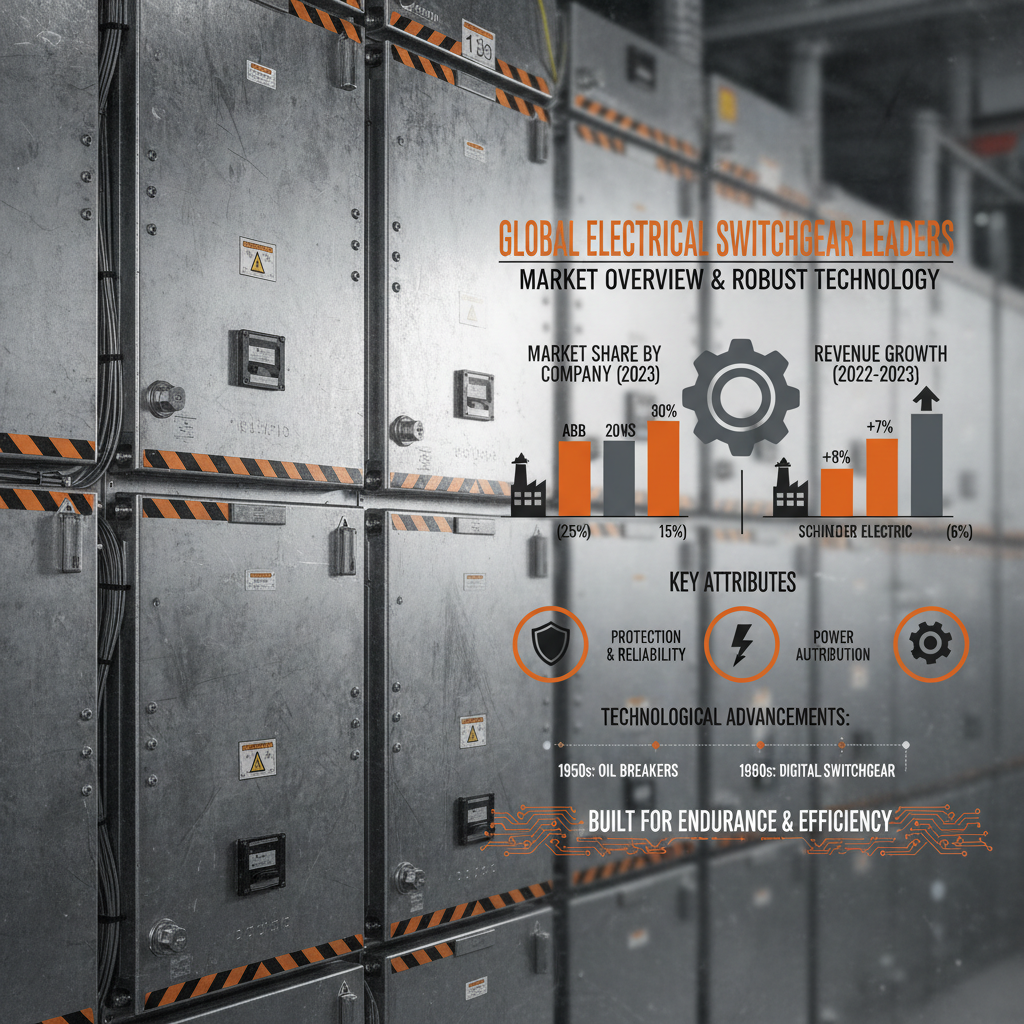
Globally, the electrical switchgear industry is experiencing substantial growth, fueled by infrastructure development in emerging economies and the ongoing need to upgrade aging infrastructure in developed nations. According to a recent report by Grand View Research, the global switchgear market size was valued at USD 75.8 billion in 2022 and is projected to reach USD 121.3 billion by 2030, registering a CAGR of 6.0% from 2023 to 2030. This growth is driven not only by increased energy consumption but also by stringent safety regulations and the need for enhanced grid stability.
Understanding the landscape of electrical switchgear companies is critical for anyone involved in power generation, transmission, distribution, or industrial operations. Investing in high-quality switchgear ensures operational efficiency, minimizes downtime, and protects critical assets. Furthermore, advancements in switchgear technology, such as smart grid integration and eco-friendly designs, are contributing to a more sustainable and resilient energy future.
Introduction to Electrical Switchgear Companies
Electrical switchgear companies are at the heart of modern power infrastructure. They specialize in the design and production of essential equipment used to control, protect, and isolate electrical circuits. Their products ensure the safe and efficient delivery of electricity to homes, businesses, and industries worldwide. electrical switchgear companies are increasingly focusing on innovative solutions to meet the growing demands of a changing energy landscape.
These companies are not merely manufacturers; they are often providers of comprehensive solutions, including engineering services, installation, commissioning, and ongoing maintenance. The expertise of electrical switchgear companies is crucial for maintaining grid reliability and safety, as well as facilitating the integration of renewable energy sources.
The Global Relevance of Electrical Switchgear Companies
The need for reliable and safe electrical power is universal, making electrical switchgear companies globally relevant. As populations grow and economies develop, the demand for electricity continues to rise, necessitating upgrades and expansions of power grids. This is particularly evident in emerging markets, where rapid industrialization and urbanization are driving substantial investments in electrical infrastructure. International standards, like those set by the IEC (International Electrotechnical Commission), influence the design and manufacturing processes across the world.
The shift towards renewable energy sources, such as solar and wind power, is also increasing the importance of electrical switchgear. These intermittent sources require sophisticated control systems to ensure grid stability, and electrical switchgear plays a crucial role in integrating them into the existing power network. Furthermore, increasing concerns about climate change and the need for sustainable energy solutions are driving innovation in switchgear technology.
The impact of geopolitical factors on supply chains and the demand for energy security further underscore the global relevance of these companies. Maintaining robust and resilient electrical infrastructure is vital for national security and economic stability, and electrical switchgear companies are integral to achieving these goals.
Defining Electrical Switchgear Companies
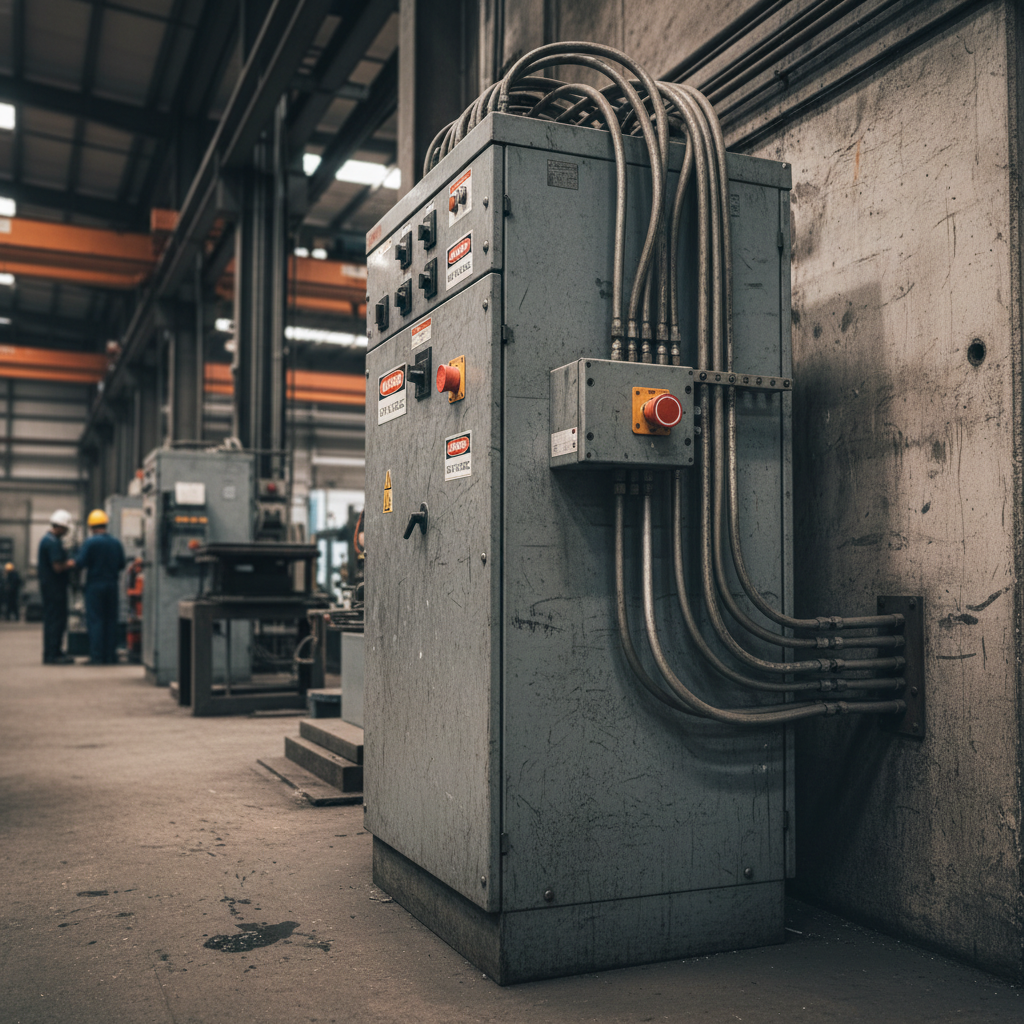
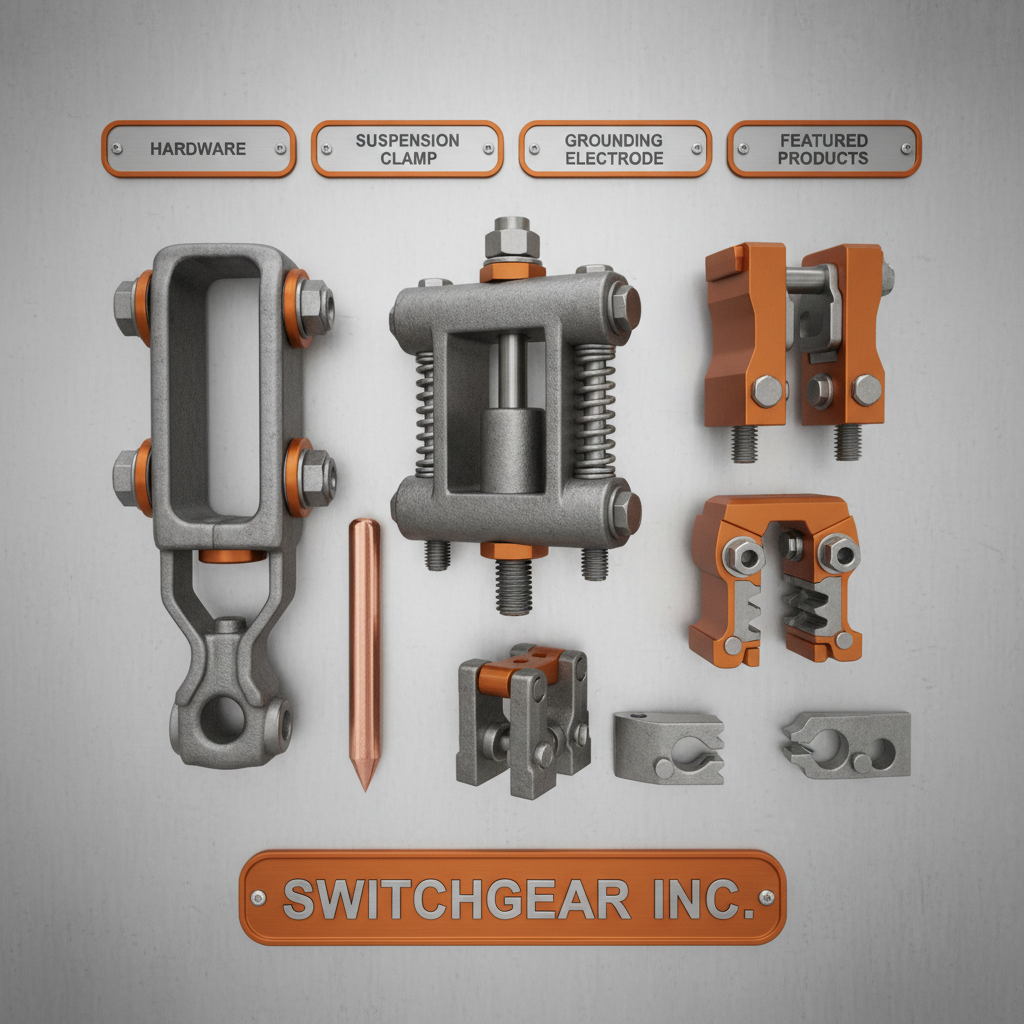
Electrical switchgear companies are entities focused on the design, manufacture, testing, and maintenance of electrical switchgear. Switchgear encompasses a wide range of devices, including circuit breakers, switches, fuses, and control panels, all designed to protect and control electrical circuits. They act as the central nervous system of any electrical distribution network, ensuring safe and reliable power delivery.
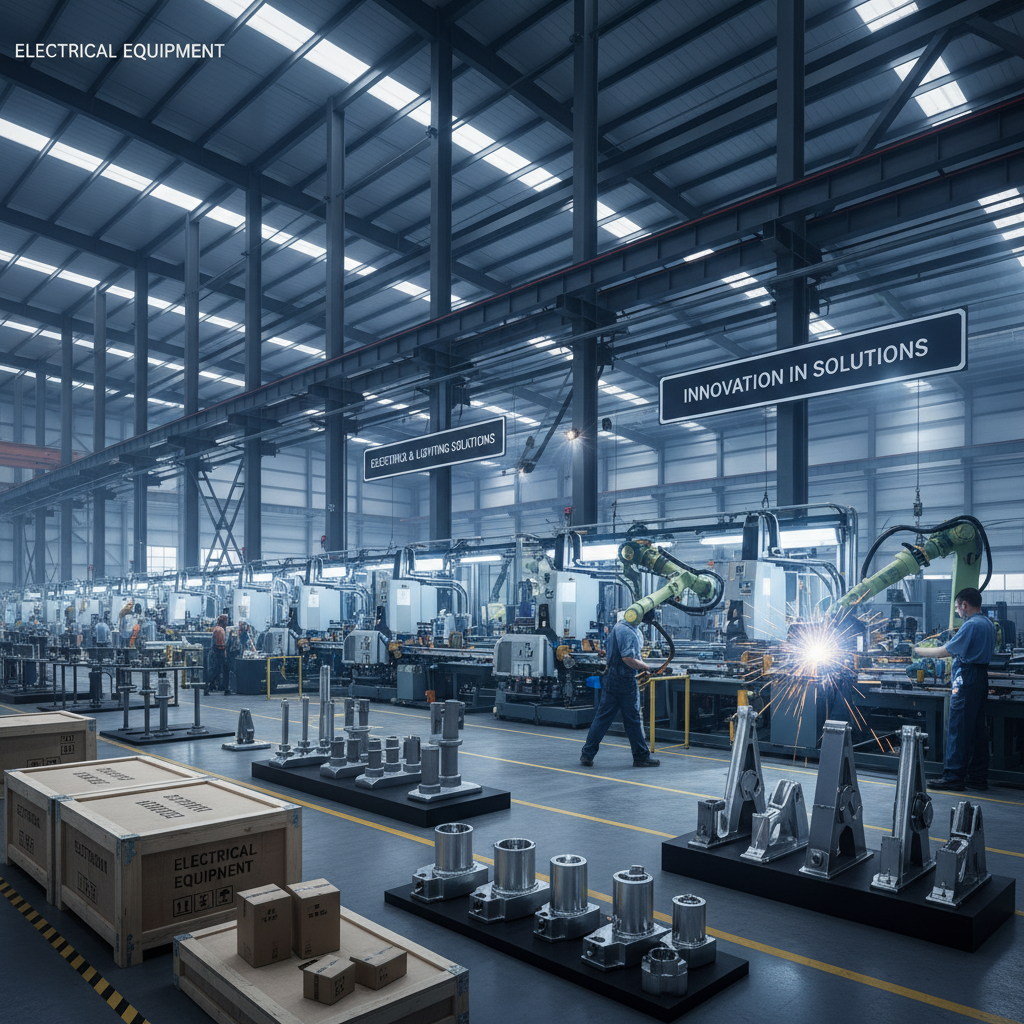
The connection to modern industry is undeniable. Virtually every industrial process relies on a continuous and stable supply of electricity, and electrical switchgear companies provide the essential infrastructure to make this possible. From manufacturing plants and data centers to hospitals and transportation systems, these companies contribute to the functionality of critical sectors.
Beyond industry, the work of these companies directly impacts humanitarian needs. Reliable power is fundamental for healthcare facilities, water purification plants, and communication networks, especially in disaster-stricken areas. By providing robust and dependable electrical infrastructure, these companies contribute to improved living conditions and disaster resilience.
Key Factors in Electrical Switchgear Performance
Several key factors define the performance and reliability of electrical switchgear. Durability is paramount, as switchgear is often exposed to harsh environmental conditions and must withstand years of continuous operation. High-quality materials, robust construction, and rigorous testing are essential for ensuring long-term reliability. Scalability is another crucial consideration, particularly for growing industries or expanding infrastructure. Switchgear must be adaptable to changing power requirements and easily integrated into existing systems.
Cost Efficiency, not just in initial purchase price but also in terms of maintenance and lifecycle costs, is a major driver for customers. Companies that can offer solutions that minimize downtime, reduce energy consumption, and simplify maintenance procedures provide significant value. Safety is non-negotiable; switchgear must incorporate advanced protection features to prevent accidents and ensure the safety of personnel and equipment. Modern switchgear includes arc flash protection, remote monitoring, and automated shutdown capabilities.
Electrical Switchgear Performance Metrics
Global Applications and Use Cases
Electrical switchgear finds application across a diverse range of industries and environments. In power generation plants, it protects transformers, generators, and other critical equipment from faults and overloads. In transmission and distribution networks, it facilitates the efficient and reliable delivery of electricity to end-users. Industrial facilities, such as manufacturing plants and chemical processing facilities, rely heavily on switchgear to ensure the safe and continuous operation of their processes.
In post-disaster relief operations, portable switchgear can quickly restore power to critical infrastructure, such as hospitals and emergency services. In remote industrial zones, ruggedized switchgear can withstand harsh weather conditions and provide reliable power to mining operations or oil and gas facilities. Moreover, the increasing deployment of microgrids and distributed generation systems is creating new opportunities for electrical switchgear companies to provide innovative solutions.
Advantages and Long-Term Value
Investing in high-quality electrical switchgear yields significant advantages. Reduced downtime and improved operational efficiency translate into cost savings and increased productivity. Enhanced safety features protect personnel and equipment, minimizing the risk of accidents and liability. Furthermore, modern switchgear often incorporates features that reduce energy consumption and environmental impact, contributing to sustainability goals.
Beyond the tangible benefits, electrical switchgear provides peace of mind. Knowing that your electrical system is protected by reliable equipment fosters trust and confidence. The long-term value lies not only in the equipment itself but also in the expertise and support provided by reputable electrical switchgear companies, who can ensure the optimal performance and longevity of their products.
Future Trends and Innovations
The future of electrical switchgear is being shaped by several key trends. The integration of digital technologies, such as smart sensors and data analytics, is enabling predictive maintenance and remote monitoring, optimizing performance and reducing downtime. The development of eco-friendly switchgear, utilizing alternative insulating gases with lower global warming potential, is gaining momentum.
Solid-state switchgear, which utilizes semiconductor technology instead of mechanical components, is emerging as a promising alternative, offering faster switching speeds, improved reliability, and reduced maintenance requirements. The increasing adoption of DC microgrids and the demand for more flexible and resilient power systems are driving innovation in DC switchgear technologies. Automation and artificial intelligence are also playing a growing role, enabling self-healing grids and optimized power distribution.
FAQS
When selecting a company, prioritize experience, reputation, product quality, after-sales service, and adherence to industry standards (like IEC). Check for certifications and a proven track record of successful projects. Consider their ability to provide customized solutions tailored to your specific needs, and ensure they offer comprehensive support, including installation, commissioning, and maintenance. Evaluating their financial stability is also crucial for long-term partnership.
Regular inspection and maintenance are critical for ensuring the reliability and safety of switchgear. Recommended intervals vary depending on the type of equipment, operating conditions, and manufacturer's recommendations. Generally, a visual inspection should be conducted at least annually, and a more comprehensive inspection, including testing of key components, should be performed every 3-5 years. Proactive maintenance prevents costly failures and extends the lifespan of the equipment.
Arc flash is a dangerous electrical explosion that can occur when a short circuit develops. It releases tremendous energy, causing severe burns and injuries. Switchgear protects against arc flash through features like arc flash relays, arc containment systems, and fast-acting circuit breakers that quickly isolate the fault. Proper design, installation, and maintenance of switchgear are essential for minimizing the risk of arc flash incidents.
Solid-state switchgear offers several advantages over traditional electromechanical switchgear, including faster switching speeds, improved reliability, reduced maintenance requirements, and the ability to perform more complex control functions. It eliminates the need for moving parts, reducing wear and tear and minimizing the risk of mechanical failures. However, it can be more expensive than traditional switchgear and requires specialized expertise for installation and maintenance.
Electrical switchgear companies play a vital role in integrating renewable energy sources into the grid. They provide switchgear designed to handle the intermittent nature of renewables, manage voltage fluctuations, and ensure grid stability. They also offer solutions for connecting distributed generation systems, such as solar and wind farms, to the grid. Advanced switchgear features, like smart grid integration and automated control systems, are crucial for optimizing the performance of renewable energy systems.
Predictive maintenance leverages data analytics and sensor technology to monitor the condition of switchgear and predict potential failures before they occur. By analyzing parameters like temperature, vibration, and electrical characteristics, it identifies anomalies that indicate developing problems. This allows for proactive maintenance, minimizing downtime, reducing repair costs, and extending the lifespan of the equipment. Implementing predictive maintenance strategies enhances overall system reliability and efficiency.
Conclusion
In conclusion, electrical switchgear companies are fundamental to the reliable and safe operation of modern power systems. Their products and services are essential for ensuring the efficient delivery of electricity, protecting critical infrastructure, and enabling the integration of renewable energy sources. Investing in high-quality switchgear and partnering with reputable companies is a strategic imperative for any organization that relies on a stable and dependable power supply.
Looking ahead, innovation in switchgear technology will continue to drive improvements in performance, safety, and sustainability. Embracing digital technologies, exploring alternative materials, and adopting proactive maintenance strategies will be key to maximizing the value of electrical switchgear and ensuring a resilient energy future. Visit our website at www.samaoep.com to learn more about our comprehensive switchgear solutions.