lv mv switchgear plays a critical role in the safe and efficient distribution of electrical power, forming the backbone of modern infrastructure. These systems, encompassing both low voltage (LV) and medium voltage (MV) components, are essential for reliable operation across diverse sectors – from industrial facilities and commercial buildings to renewable energy plants and residential areas. Understanding the nuances of lv mv switchgear is paramount for ensuring grid stability, optimizing energy consumption, and mitigating potential risks associated with electrical systems.
Globally, the demand for robust and adaptable lv mv switchgear is continuously rising, driven by factors such as increasing electrification, the growth of smart grids, and the expanding adoption of renewable energy sources. The UN’s Sustainable Development Goal 7 (Affordable and Clean Energy) directly relies on efficient power distribution networks, making investments in advanced switchgear technologies crucial. This demand is particularly pronounced in rapidly developing economies where infrastructure upgrades are a high priority.
The increasing complexity of modern power systems also presents challenges, demanding switchgear solutions that can handle fluctuating loads, integrate diverse energy sources, and provide advanced protection features. Failure to address these challenges can lead to power outages, equipment damage, and significant economic losses. Therefore, a comprehensive understanding of lv mv switchgear is not just a technical necessity, but a strategic imperative for sustainable development and economic growth.

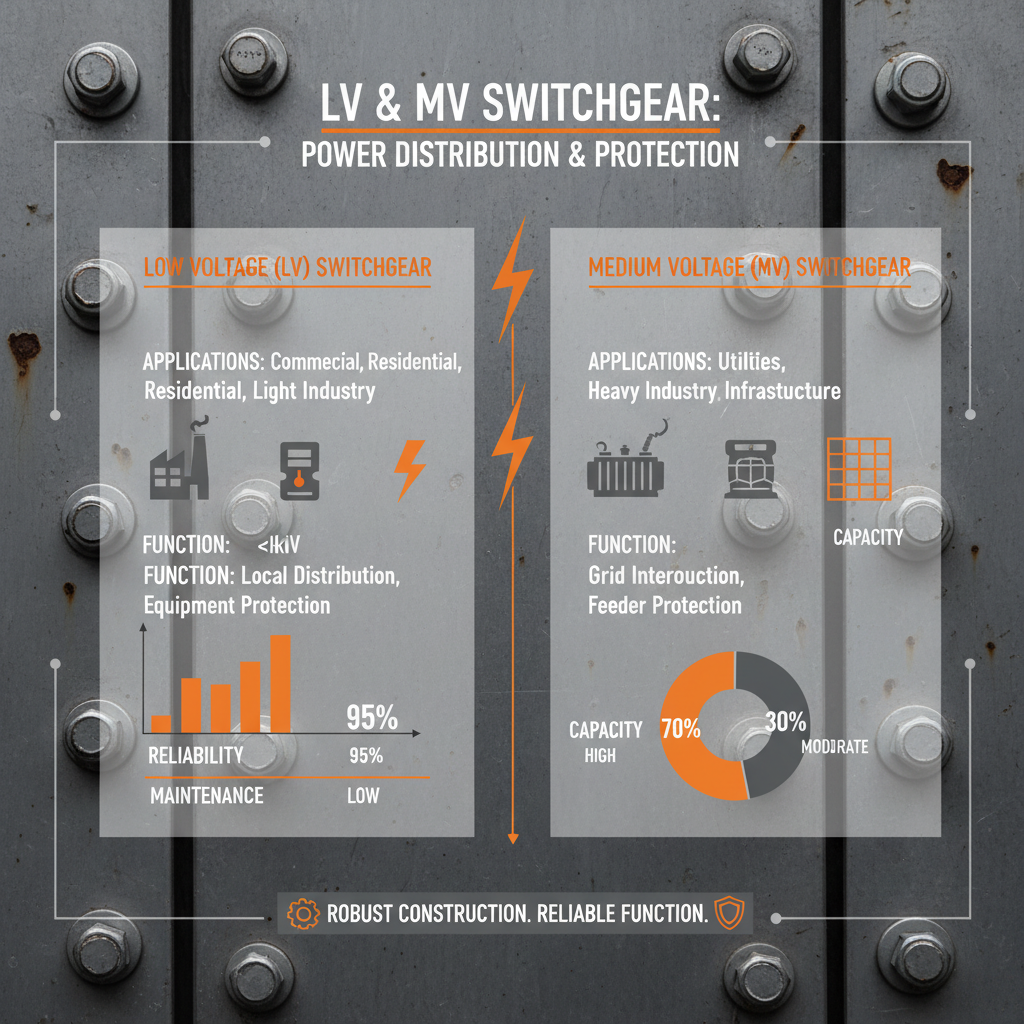
lv mv switchgear systems are integral to the efficient and reliable operation of power grids worldwide. They serve as centralized control points for electrical circuits, enabling switching, protection, and isolation of equipment. Properly designed and maintained lv mv switchgear minimizes downtime, enhances safety, and optimizes energy distribution.
These systems are typically comprised of circuit breakers, switches, fuses, relays, and control panels. Their functionality extends beyond simple on/off control, incorporating sophisticated features like arc flash protection, remote monitoring, and automated fault detection. This level of complexity requires specialized expertise for installation, maintenance, and operation.
Air-insulated switchgear utilizes air as the insulating medium, making it a more cost-effective option for lower voltage applications. Gas-insulated switchgear (GIS) uses gases like SF6 for superior insulation, enabling a more compact footprint and higher reliability, especially at medium voltages. GIS is often preferred for environments with limited space or harsh conditions, despite its higher initial cost.
Preventative maintenance schedules for lv mv switchgear vary depending on factors like operating environment, load conditions, and manufacturer recommendations. Generally, annual inspections and testing are recommended, including visual checks, insulation resistance tests, and mechanical component verification. More frequent maintenance may be necessary in harsh or critical applications.
Arc flash is a dangerous electrical explosion that can occur during a short circuit or fault. lv mv switchgear incorporates several arc flash protection features, including fast-acting circuit breakers, arc flash relays, and arc containment systems. These features rapidly interrupt the fault current and minimize the energy released during an arc flash event, protecting personnel and equipment.
SF6 is a potent greenhouse gas with a significantly higher global warming potential than carbon dioxide. While GIS offers numerous benefits, the use of SF6 raises environmental concerns. Manufacturers are actively developing alternatives to SF6, such as fluoroketones and dry air insulation, to minimize the environmental impact of GIS technology. Responsible handling and leak detection programs are also crucial.
The proper selection of lv mv switchgear is paramount for power grid reliability. Factors like interrupting capacity, voltage ratings, and coordination with other protective devices directly influence the system's ability to withstand faults and maintain a stable power supply. Undersized or improperly coordinated switchgear can lead to widespread outages and equipment damage.
Remote monitoring systems allow for real-time data collection from lv mv switchgear, providing valuable insights into system performance and potential issues. This data enables proactive maintenance, reduces unplanned downtime, and improves overall system reliability. Remote monitoring can also facilitate faster fault diagnosis and resolution, minimizing the impact of power outages.
lv mv switchgear is a cornerstone of modern electrical infrastructure, providing the critical functions of control, protection, and isolation. From ensuring reliable power distribution in industrial facilities to enabling the integration of renewable energy sources, these systems are essential for a sustainable and efficient energy future. Understanding the key components, characteristics, and emerging trends in lv mv switchgear is vital for professionals in the power industry.
Investing in advanced lv mv switchgear technologies, coupled with robust maintenance programs and skilled personnel, will continue to be crucial for enhancing grid resilience, minimizing downtime, and supporting economic growth. Looking ahead, the integration of digital technologies and the development of eco-friendly materials will further transform the landscape of lv mv switchgear, paving the way for a more reliable, sustainable, and intelligent power grid.