Tension Clamps Guide and Finding a Reliable distribuidor de cable
The Ultimate Guide to Tension Clamps and the Role of a distribuidor de cable
In the complex infrastructure of power transmission and telecommunications, the stability of overhead lines is non-negotiable. A critical component in ensuring this stability is the tension clamp, a specialized metal fixture designed to secure wires and withstand immense tensile forces. Finding a reliable distribuidor de cable is essential for sourcing hardware that meets rigorous industrial standards. Whether dealing with lightning protection wires or high-capacity optical cables, the right clamping solution prevents line sagging and structural failure. This guide explores the technical nuances of tension clamps and how they secure the backbone of modern connectivity.

Categorizing Tension Clamps for Electrical Infrastructure
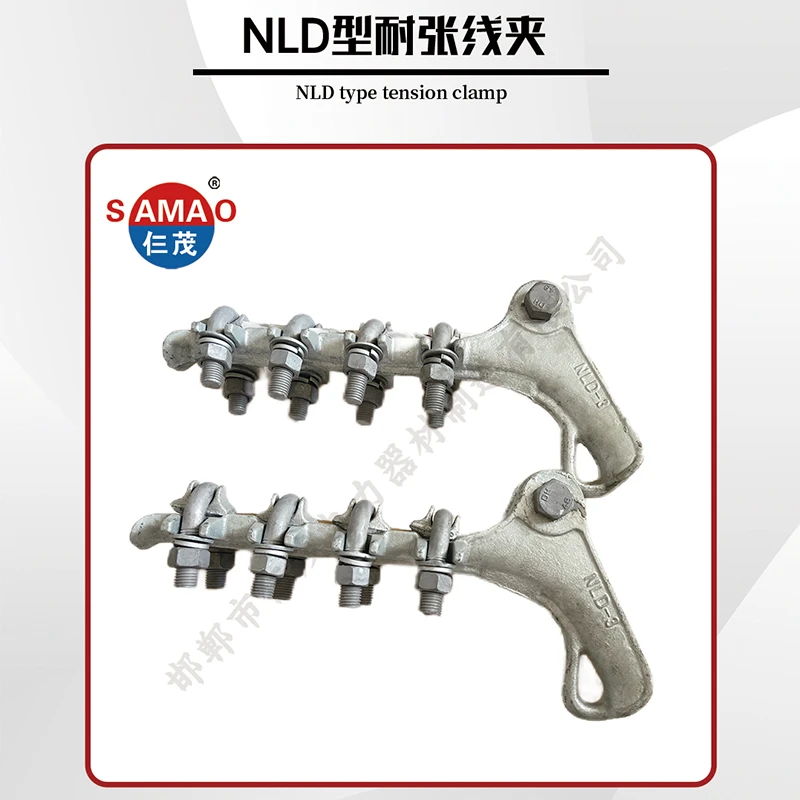
Tension clamps are broadly divided into two categories based on their structural function and installation requirements. Type 1 clamps are designed solely to withstand tensile forces. They must maintain a clamping force of at least 90% of the conductor's rated tensile strength but do not act as electrical conductors themselves. These are typically bolt-type or wedge-type clamps that can be removed after installation. Type 2 clamps, often referred to as dead wire clamps, serve a dual purpose: they bear the full tension of the wire while also functioning as a conductor. Because of this integrated electrical role, they cannot be disassembled once installed. A professional distribuidor de cable will provide both types depending on whether the application is for a terminal connection or a through-line splice.
Industry Insight: Choosing between Type 1 and Type 2 depends on whether you need a removable fixture for maintenance or a permanent conductive anchor for long-term stability.
Optimizing Fiber Optic Stability with a distribuidor de cable
Optical cables, particularly ADSS (All-Dielectric Self-Supporting) lines, require specialized tension fittings to prevent signal loss and physical degradation. The use of spiral aluminum clad steel wire provides extreme tensile strength and eliminates concentrated stress, which is vital for vibration reduction. For spans up to 100 meters, high-performance cable clamps are mandatory. When sourcing from a qualified distribuidor de cable, ensure that the grip strength of the clamp is no less than 95% of the optical cable's rated tensile strength. This ensures fast installation and significantly reduces overall construction costs.

Comparing Clamp Types: distribuidor de cable Specifications
Understanding the technical differences between bolt-type, wedge-type, and dead-end clamps is crucial for engineers. While bolt-type clamps offer adjustable tensioning, wedge-type clamps provide a faster, self-locking mechanism. Dead-end clamps are the gold standard for terminal points where electrical continuity is required. A leading distribuidor de cable ensures that every component meets the specific mechanical requirements of the site, whether it is a corner tower or a straight-line splice.
Strategic Applications in Power and Communication Lines
Tension clamps are indispensable for non-linear towers, serving as anchors that secure wires or lightning rods to insulator strings. They are also used extensively in cable towers to fix tension wires. Whether it is a corner connection, a splice, or a terminal point, these components ensure that the line remains taut despite environmental stressors like wind and ice. By partnering with an expert distribuidor de cable, companies can ensure that their hardware is compatible with the specific span and line angle of their project, reducing the risk of outages.
Technical Specifications for Professional Installation
Precision in specification is what separates a stable network from a fragile one. High-quality tension clamps must be fabricated from corrosion-resistant materials to withstand outdoor exposure. For ADSS cables, the pre-twisted wire and matching connection fittings must work in harmony. Below are the standard specifications typically provided by a premium distribuidor de cable to guarantee system integrity.
Ensuring Long-term Stability through Quality Hardware
The longevity of a power grid or communication network depends on the smallest components. Tension clamps prevent the gradual slipping of wires, which could otherwise lead to dangerous line sags or total outages. By utilizing aluminum clad steel wire and precision-engineered fixtures, the risk of concentrated stress is eliminated. When you choose a professional distribuidor de cable, you are investing in the reliability of your entire infrastructure, ensuring that your lines remain secure through extreme weather and mechanical strain.
Conclusion: Securing the Future of Connectivity
Tension clamps are essential components for securing wires and ensuring stability in power and communication lines. From the dual-functionality of dead-end clamps to the high-grip requirements of optical fiber fittings, the quality of these fixtures determines the safety of the network. By partnering with a trusted distribuidor de cable, operators can guarantee that their installations are efficient, cost-effective, and compliant with international safety standards. Quality hardware is not an expense—it is an insurance policy for your infrastructure.
Frequently Asked Questions (FAQs)
What is the main difference between Type 1 and Type 2 tension clamps?
The primary difference lies in electrical conductivity and removability. Type 1 tension clamps are designed exclusively to hold the wire's tension and do not serve as a conductor; they are typically removable. Type 2 clamps, also known as dead wire clamps, bear the tension while simultaneously acting as a conductor for the electrical current. Consequently, Type 2 clamps are permanent and cannot be disassembled once they are installed in the line.
Why is the grip strength critical for optical fiber cables?
Optical fibers are highly sensitive to stress and deformation. If a clamp does not provide sufficient grip strength (typically ≥ 95% of the rated tensile strength), the cable may slip or experience concentrated stress points, leading to signal attenuation or fiber breakage. Using specialized fittings from a reliable distribuidor de cable ensures that the tension is distributed evenly across the cable, maintaining signal integrity and physical durability.
Where are tension clamps typically used in a power grid?
Tension clamps are primarily used at "dead-end" structures, corner towers, and splice points. Whenever a line needs to change direction or terminate, these clamps secure the conductor to the insulator strings, acting as anchors. They are also essential on cable towers to fix tension wires and on lightning protection systems to ensure that the protection wire remains taut and securely attached across long spans of the transmission network.
How does spiral aluminum clad steel wire benefit cable installations?
Spiral aluminum clad steel wire provides a combination of the high tensile strength of steel and the corrosion resistance and lightweight properties of aluminum. This construction prevents concentrated stress on the cable and plays a vital auxiliary role in vibration reduction. When used in conjunction with tension fittings from a professional distribuidor de cable, it significantly extends the lifespan of optical cables by protecting them from mechanical fatigue caused by wind-induced oscillations.
-
Suspension Clamp Questions: Cable Fit, Grip and DeflectionNewsNov.02,2026
-
Dead End Strain Clamp FAQ: Specifications, Selection and Ordering QuestionsNewsOct.30,2026
-
Choosing a Suspension Clamp: Application Fit and Specification ChecksNewsOct.22,2026
-
Premium Power Hardware co de vendas de equipamentos elétricos e incNewsJul.01,2026
-
Optimize Power Distribution with Painel Elétrico PersonalizadoNewsJun.29,2026
-
Guide for compradores de equipamentos elétricos on GroundingNewsJun.27,2026
-
Professional empresa de equipamentos elétricos for Power InfrastructureNewsJun.26,2026