Kẹp Treo Cáp AB - Essential Cable Suspension Clamps for Safe & Efficient Infrastructure
Understanding Kẹp Treo Cáp AB: Essential Cable Suspension Clamps for Modern Infrastructure
If you’ve ever walked near power lines or network cables strung across poles in bustling cities or remote areas, you’ve likely encountered kẹp treo cáp ab, even if you didn’t realize it. These cable suspension clamps might seem like inconspicuous components, but they play a pivotal role in ensuring stable, safe, and reliable overhead cable installations worldwide. Frankly, without them, our electrical and communication systems would often be at risk of damage or failure.
Globally, infrastructure development — especially in emerging economies — is surging. According to the World Bank, infrastructure investment is critical for economic growth and social equity. In this scenario, reliable cable suspension solutions like kẹp treo cáp ab are indispensable.
Why Should You Care About Kẹp Treo Cáp AB?
Simply put: these clamps support, secure, and protect overhead cables — from electricity transmission (often medium voltage) to telecommunications. When installed properly, they increase operational reliability, reduce maintenance costs, and help avoid interruptions that affect millions. As cables bear mechanical loads, weather exposure, and often electrical stresses, choosing the right clamp can make or break your network.
Definition & Meaning
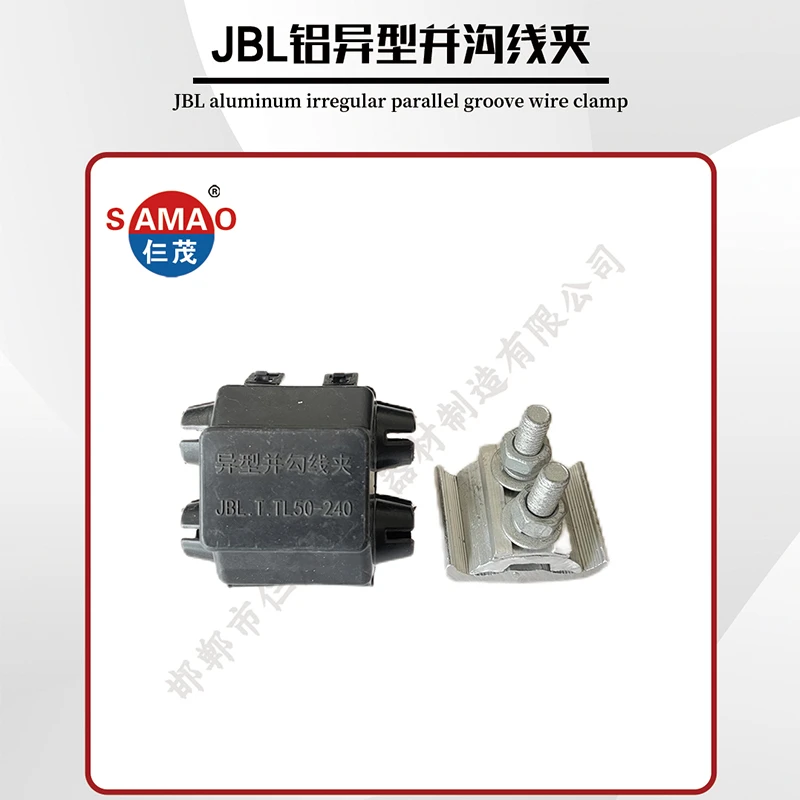
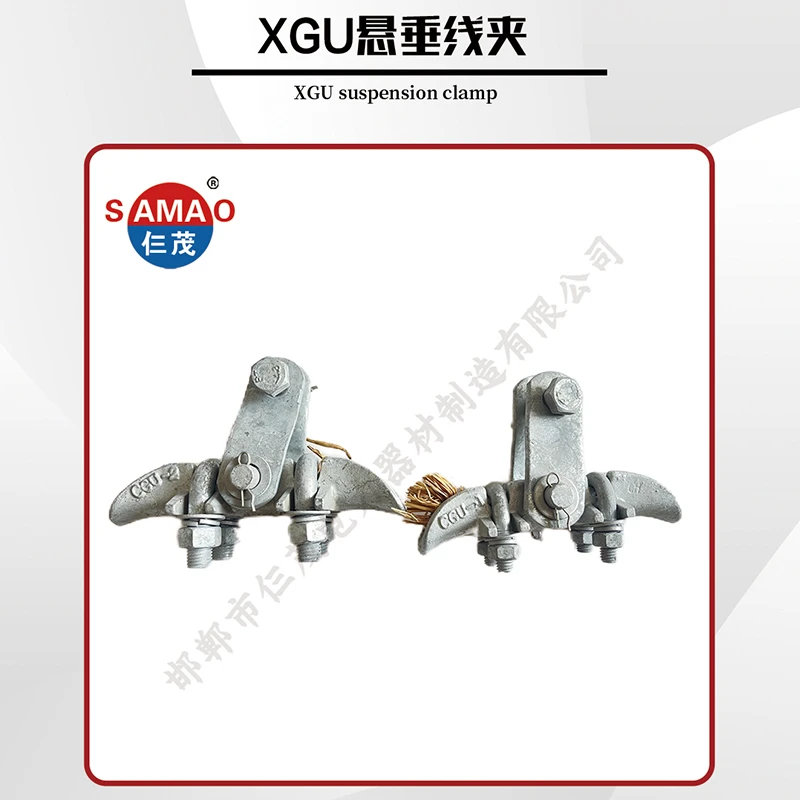
So, what exactly are kẹp treo cáp ab? The term literally means “AB cable suspension clamp” — predominantly used in Vietnamese engineering and power distribution contexts but applicable universally. These clamps are hardware devices designed to hold aerial bundled (AB) cables securely on poles or structures without crimping or damaging the cable sheath.
Essentially, they’re like the hands that carry cables across distances. Their design balances strength, flexibility, and insulation needs. For industries ranging from urban utility grids to rural electrification, these clamps are essential to safely and efficiently manage overhead lines, impacting both modern infrastructure and humanitarian efforts in disaster zones or developing regions.
Key Components of Kẹp Treo Cáp AB
1. Durability
Clamps must resist corrosion, UV radiation, and mechanical fatigue — often over 20 years or more. Materials like galvanized steel or stainless steel paired with insulating components (often high-grade polymers) keep clamps functioning under harsh outdoor conditions.
2. Load Capacity
The clamp’s mechanical strength is critical. It must support the weight of the cable plus additional tensions from wind or ice load. Variations in cable diameter, weight, and tension levels mean clamps come in multiple sizes and load ratings.
3. Insulation and Safety
Because AB cables carry power, clamps need non-conductive parts to avoid short circuits or grounding problems. Insulators or rubber linings often provide protective barriers, enhancing worker safety and system reliability.
4. Ease of Installation
Field technicians value clamps that can be installed quickly with standard tools, minimizing downtime. Some prefer designs that allow reuse or easy replacement without extensive disassembly.
5. Cost Efficiency
While quality is vital, project budgets demand cost-effective options. Finding the right balance between cost and features requires comparing product specs and supplier offerings.
Product Specification Table: Typical Kẹp Treo Cáp AB Features
| Feature | Details |
|---|---|
| Material | Galvanized steel frame with polymer insulator |
| Cable Diameter Range | 10mm to 25mm |
| Load Capacity | Up to 1000 N |
| Operating Temperature | -40°C to +80°C |
| Insulation Rating | Class II electrical insulation |
| Installation | Bolt-on clamp, reuse capable |
Mini takeaway: Understanding these core factors helps engineers specify the right clamp for project success, avoiding costly failures down the line.
Global Applications & Use Cases
We see kẹp treo cáp ab in action everywhere. Electrical providers in Asia, Africa, and South America rely on these clamps to extend electric grids into rural or mountainous regions where underground cables are impractical.
For instance, in Vietnam and neighboring countries, specialized clamps support aerial bundled cables across flood-prone areas, reducing outages. NGOs involved in disaster recovery use these clamps to quickly restore power lines post-storms, where speed and reliability are crucial.
Even in developed nations, urban utility companies choose these clamps for quick maintenance and upgrades, balancing safety and cost.
Vendor Comparison Table: Leading Kẹp Treo Cáp AB Suppliers
| Supplier | Material Quality | Range of Sizes | Cost | Customer Support |
|---|---|---|---|---|
| Samaoep Industries | Premium galvanized steel & polymers | 10-30mm cable diameters | Moderate | 24/7 technical support |
| VoltSecure Solutions | Stainless steel & silicone insulators | Wide, 8-35mm | Higher | Standard business hours |
| EcoClamp Co. | Recycled materials with UV stabilizers | Focused on 12-20mm | Competitive | Limited support |
Advantages & Long-Term Value
Investing in quality kẹp treo cáp ab means more than just physical support. It’s an investment in:
- Cost savings: Reduced downtime and fewer replacements.
- Sustainability: Longer lifespan means less waste, aligning with global green energy goals.
- Safety & reliability: Minimizes risks of accidents, outages, and expensive repairs.
- Social benefits: Reliable electricity enables education, healthcare, and economic activity.
In fact, beyond the technical specs, many engineers I’ve talked to say these clamps embody a kind of trustworthiness — they’re the quiet heroes keeping lines alive and communities energized.
Future Trends & Innovations
Looking ahead, the evolution of kẹp treo cáp ab seems quite promising. Innovations include:
- Smart materials with self-healing coatings to extend life and reduce maintenance.
- Lightweight composites enhancing load capacity while easing installation.
- Integration with IoT sensors to monitor tension and environmental stresses in real-time.
- Designs optimized for renewable energy grids, including solar and wind farms.
Oddly enough, digital transformation isn't just for software — hardware like cable clamps is catching up, too.
Challenges & Expert Solutions
Common issues include:
- Material degradation: UV and corrosion damage can shorten lifespan.
- Incorrect sizing: Leads to cable damage or clamp failure.
- Installation errors: Poorly tightened clamps risk slippage or accidents.
Experts recommend rigorous quality control, training programs for field workers, and custom clamp design for unique cable types — all helping bridge the gap between theory and practice.
FAQ: Frequently Asked Questions About Kẹp Treo Cáp AB
- Q: What cable sizes do kẹp treo cáp ab clamps typically accommodate?
- A: Most AB cable clamps range between 10mm to 30mm in diameter, but suppliers often provide variants tailored for specific cable thicknesses. It’s essential to check compatibility to avoid cable damage.
- Q: How do these clamps improve electrical safety?
- The clamps usually feature polymer insulators that prevent electrical conduction and reduce risks of short circuits or ground faults, enhancing overall system safety.
- Q: Can I reuse kẹp treo cáp ab clamps after removing cables?
- Yes, many designs support reuse. However, inspect for wear or damage before reinstallation to ensure continued reliability.
- Q: Are these clamps suitable for harsh environments like coastal areas?
- High-quality clamps made from stainless steel and UV-resistant polymers are best for corrosive environments such as coastal or industrial zones, reducing risk of rust and deterioration.
- Q: Where can I source reliable kẹp treo cáp ab products?
- Vendors like kẹp treo cáp ab suppliers offer certified products. It’s critical to choose suppliers with proven quality control and strong technical support.
Conclusion
In sum, kẹp treo cáp ab may not make headlines, but they are fundamental components supporting modern infrastructure’s backbone. By choosing the right clamps, engineers and planners ensure safer, longer-lasting networks that meet today’s challenges and tomorrow’s innovations.
Curious to learn more or source dependable cable clamps? Visit our website: https://www.samaoep.com for detailed catalogs and expert advice.
It might seem a small piece of hardware, but it’s a big deal for powering life.
Mini takeaway: Don’t underestimate the power of a well-designed clamp — it’s where engineering meets real-world reliability.
-
Laundry Efficiency Guide with pengapit ampaian dengan cangkuk iNewsApr.16,2026
-
Optimizing Power Infrastructure with the pengapit ampaian tnbNewsApr.09,2026
-
Comprehensive Guide to Selecting the Right pengapit penggantungan untuk kabel lt ab SolutionsNewsApr.07,2026
-
Comprehensive Guide to Pengapit Talian Penghantaran for Secure Package DeliveryNewsApr.04,2026
-
Comprehensive Guide to Pemasangan Pengapit Penggantungan for Overhead Cabling SystemsNewsMar.31,2026
-
Comprehensive Guide to Pengapit Ampaian yang Telah Dibentuk for Construction SafetyNewsMar.28,2026
-
Comprehensive Guide to Pengapit Ampaian Besi for Scaffolding SafetyNewsMar.26,2026