Comprehensive Guide to Kẹp Dây Thả Trên Không: Overhead Cable Clamp Essentials
Understanding Kẹp Dây Thả Trên Không: A Crucial Component in Overhead Cable Management
So, what exactly is kẹp dây thả trên không, and why should anyone outside the electrical or telecom industry care about it? At first glance, it might seem like a niche tool for a small technical crowd. But honestly, this little gadget plays a huge role in how cables are suspended safely and reliably across urban skylines and rural expanses alike. Its proper design and implementation impact infrastructure resilience, worker safety, and even service continuity.
Globally, with more than 5 billion mobile users, and the Internet of Things extending into everyday life, the demand for robust cable management systems has soared. The United Nations underscores safe infrastructure as a sustainable development goal, and well-designed overhead cable clamps like kẹp dây thả trên không are underrated heroes in this effort.
What is Kẹp Dây Thả Trên Không?
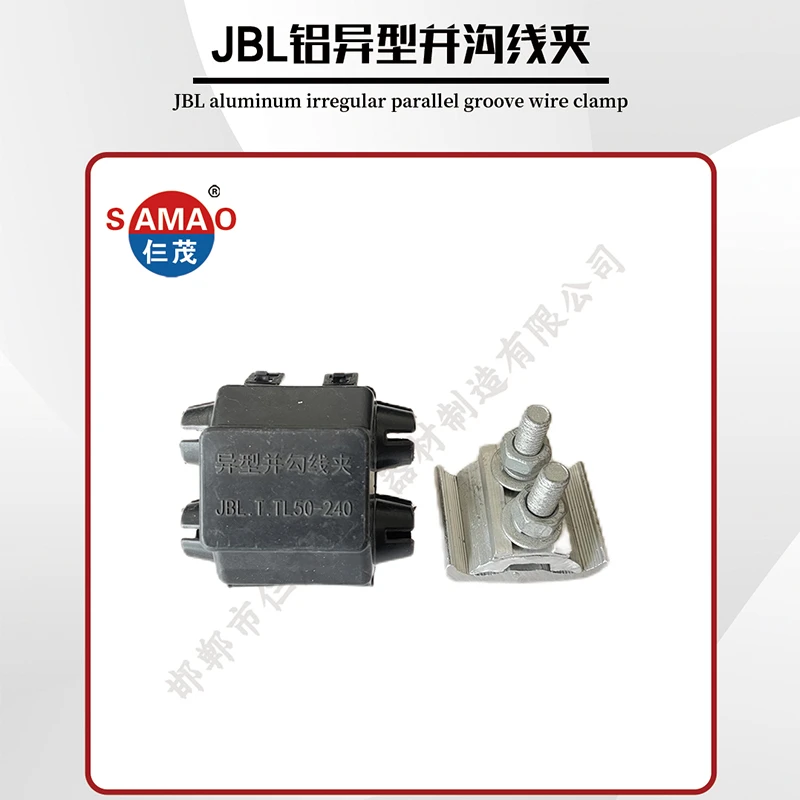
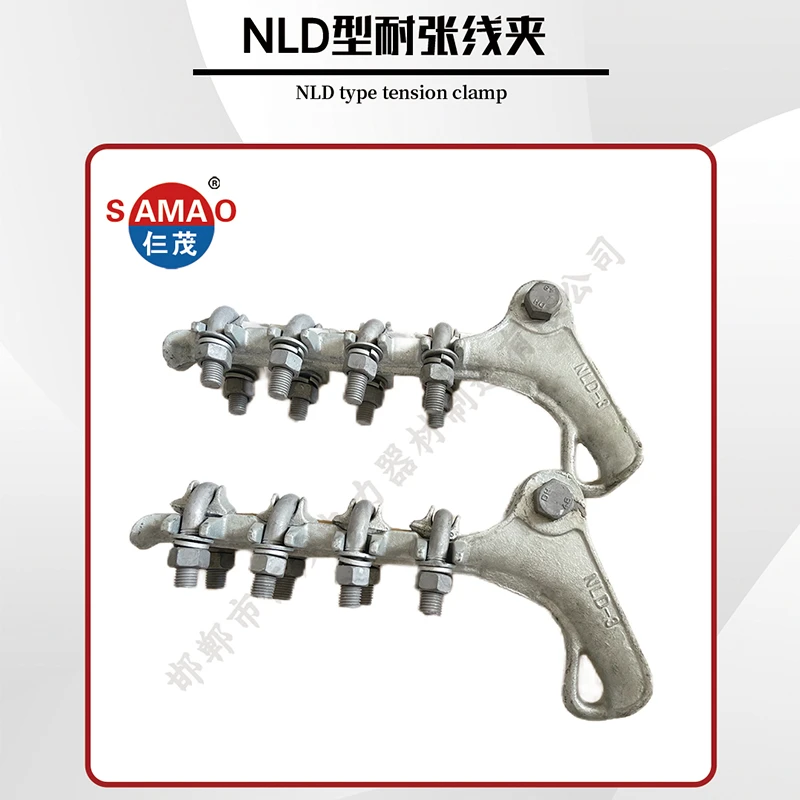
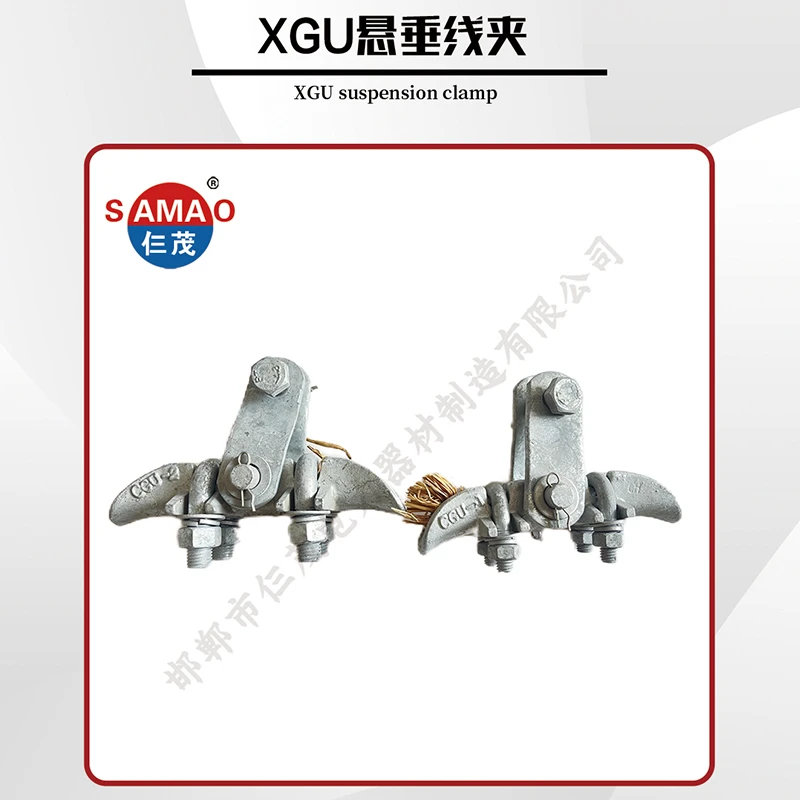
Simply put, kẹp dây thả trên không translates to “overhead cable clamps” or “suspension clamps” in English. These devices secure and support cables hanging in open air, typically on utility poles or towers, preventing sagging, movement, and mechanical stress. While small and seemingly mundane, these clamps must endure environmental elements, mechanical loads, and electrical interference — all without fail.
They’re integral in everything from telecommunication networks to electrical grids — meaning their quality can influence how reliably we all get power and connectivity.
Key Factors Behind Effective Kẹp Dây Thả Trên Không
1. Durability and Material Quality
Because these clamps face wind, rain, extreme temperatures, and even pollution, they must be made of robust materials like galvanized steel or aluminum alloys. Corrosion resistance is vital to ensure strength over decades.
2. Load Capacity and Mechanical Strength
They hold heavy cables, sometimes multiple at once. The clamp’s mechanical design must balance a firm grip without damaging the cable's protective insulation.
3. Electrical Insulation and Safety
Oddly enough, there’s a fine line to tread: clamps need to support cables — some carrying high voltage — without creating shortcuts or leakage paths. Some models include insulating inserts or coatings.
4. Ease of Installation
Especially important in emergency deployments or remote areas, the clamps should be lightweight and simple to mount, sometimes even allowing for tool-free installation.
5. Cost Efficiency
Though quality matters, the overall cost must stay within budget — especially for large-scale projects in developing regions. The challenge is balancing quality and affordability.
Product Specifications Overview
| Specification | Details |
|---|---|
| Material | Galvanized steel / aluminum alloy |
| Load Capacity | Up to 2000 N (Newton) |
| Compatible Cable Diameter | 5 mm – 25 mm |
| Temperature Range | -40°C to +80°C |
| Corrosion Resistance | ISO 9227 salt spray tested (240 hours minimum) |
Global Applications & Use Cases
It's fascinating how kẹp dây thả trên không finds its way into diverse contexts:
- Power distribution networks: In rural electrification projects in Africa or Southeast Asia, where overhead cables are the default due to terrain challenges.
- Telecom & Broadband deployment: Operators in Latin America rely heavily on these clamps to string fiber optic cables across long distances.
- Emergency and disaster relief: Post-hurricane or earthquake scenarios sometimes require rapid restoration of power lines, making quick-install suspension clamps invaluable.
- Industrial sites: Mining and oil fields often use overhead cable clamps for secure communication and power lines in harsh environments.
For example, after the 2017 hurricanes in Puerto Rico, many NGOs deployed temporary overhead cables supported by robust, easy-to-install kẹp dây thả trên không solutions. It helped speed up electrical restorations in devastated areas.
Vendor Comparison Table: Leading Kẹp Dây Thả Trên Không Suppliers
| Vendor | Material | Price (USD/unit) | Installation Type | Warranty |
|---|---|---|---|---|
| SamaOEP Co. | Aluminum Alloy | $3.50 | Tool-free | 5 Years |
| PowerClamps Ltd. | Galvanized Steel | $4.00 | Bolt & Nut | 3 Years |
| CableTech Solutions | Composite Plastic | $2.80 | Snap-Fit | 2 Years |
Why Kẹp Dây Thả Trên Không Matters: Advantages & Long-Term Value
When you pause and think about it — these clamps are not just “small parts.” They are safety guarantees. Without them, cables droop dangerously, snag, or face mechanical failure, risking outages and accidents. For operators, the advantages are clear:
- Cost Savings: By reducing cable maintenance and failures, overall system costs drop.
- Longevity: Proper clamps extend cable life by mitigating mechanical wear.
- Installation Speed: Especially with tool-free designs, projects move faster.
- Environmental Impact: Durable, recyclable metals mean less waste and better sustainability.
- Social Dignity: Looking up at safely managed power and communication lines feels like a sign of a community cared for.
Looking Ahead: Future Trends & Innovations
In the coming years, I expect kẹp dây thả trên không technology to embrace more digital and eco-friendly advancements. For one, smart sensors embedded within clamps could monitor tension, temperature, or corrosion in real time — predicting failures before they happen. Materials science is also pushing forward, with composites that combine strength and recyclability.
Plus, international standards like those from ISO are evolving to standardize testing and sustainability practices. This kind of harmonization boosts safety worldwide.
Challenges & How Experts Solve Them
There are some persistent hurdles too. Installation in hard-to-reach areas, cable compatibility issues, and cost pressures can stall projects. Many engineers suggest modular clamp designs adaptable to various cable sizes as a partial fix. Others are experimenting with hybrid materials to cut costs without sacrificing performance.
FAQ: Frequently Asked Questions About Kẹp Dây Thả Trên Không
- How do I select the right clamp for my cable diameter?
- Check the clamp’s specification sheet for compatible cable diameters. Most clamps cover a range (e.g., 5 mm to 25 mm). Selecting a clamp too small damages cables; too big risks inadequate grip.
- Can these clamps be used outdoors in extreme weather?
- Yes, but only if made from corrosion-resistant materials like galvanized steel or aluminum alloys. Look for ISO 9227 salt spray test certifications to ensure weather durability.
- Is tool-free installation reliable for long-term use?
- When designed and tested properly, tool-free clamps offer secure installation and faster deployment. Still, it’s important to verify manufacturer guarantees and warranty terms.
- Are composite-material clamps more eco-friendly?
- They often are lighter and recyclable but might sacrifice tensile strength compared to metals. The environmental benefit depends on the full lifecycle assessment.
- Where can I buy certified kẹp dây thả trên không products?
- Reliable vendors like SamaOEP Co. provide certified products meeting international standards. You can check their range here: kẹp dây thả trên không.
Conclusion: Why Invest in Quality Kẹp Dây Thả Trên Không?
Investing in quality kẹp dây thả trên không isn't just about hardware — it’s about ensuring the safety, reliability, and future-readiness of critical infrastructure. Whether you’re deploying a new telecom network or restoring power after a disaster, the right clamps make all the difference.
If you’re involved in infrastructure projects and want to explore dependable options, visit SamaOEP’s website for a comprehensive range of products designed to meet challenging needs worldwide.
Mini takeaway: In the vast ecosystem of infrastructure, even small parts like kẹp dây thả trên không hold the line — quite literally.
References:
1. Electric Power Distribution - Wikipedia
2. United Nations Sustainable Development Goals: Goal 9: Industry, Innovation and Infrastructure
3. ISO 9227 - Corrosion tests in artificial atmospheres (Salt Spray Tests)
-
Laundry Efficiency Guide with pengapit ampaian dengan cangkuk iNewsApr.16,2026
-
Optimizing Power Infrastructure with the pengapit ampaian tnbNewsApr.09,2026
-
Comprehensive Guide to Selecting the Right pengapit penggantungan untuk kabel lt ab SolutionsNewsApr.07,2026
-
Comprehensive Guide to Pengapit Talian Penghantaran for Secure Package DeliveryNewsApr.04,2026
-
Comprehensive Guide to Pemasangan Pengapit Penggantungan for Overhead Cabling SystemsNewsMar.31,2026
-
Comprehensive Guide to Pengapit Ampaian yang Telah Dibentuk for Construction SafetyNewsMar.28,2026
-
Comprehensive Guide to Pengapit Ampaian Besi for Scaffolding SafetyNewsMar.26,2026