Chem Rod Grounding Electrode | Low Resistance, Long Life
Chem Rod Grounding Electrode is a key solution in the electrical equipment industry, specifically within Electrical safety and protection equipment and Grounding and lightning protection system. This article explores how Handan Samao Electric Power Equipment ManufacturingCo., LTD. supports professionals with durable, high-performance products, and explains why this product is an ideal choice for businesses in these sectors.
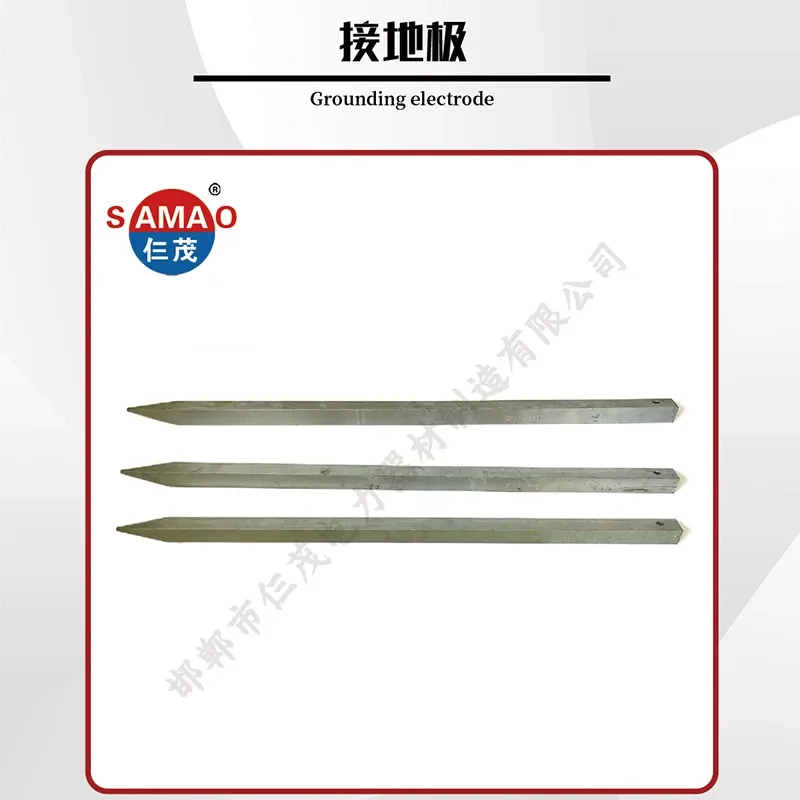
Table of Contents
- Chem Rod Grounding Electrode Overview
- Benefits & Use Cases of Chem Rod Grounding Electrode in Grounding and lightning protection system
- Cost, Maintenance & User Experience
- Sustainability & Market Trends in electrical equipment
- Conclusion on Chem Rod Grounding Electrode from Handan Samao Electric Power Equipment ManufacturingCo., LTD.
Chem Rod Grounding Electrode Overview
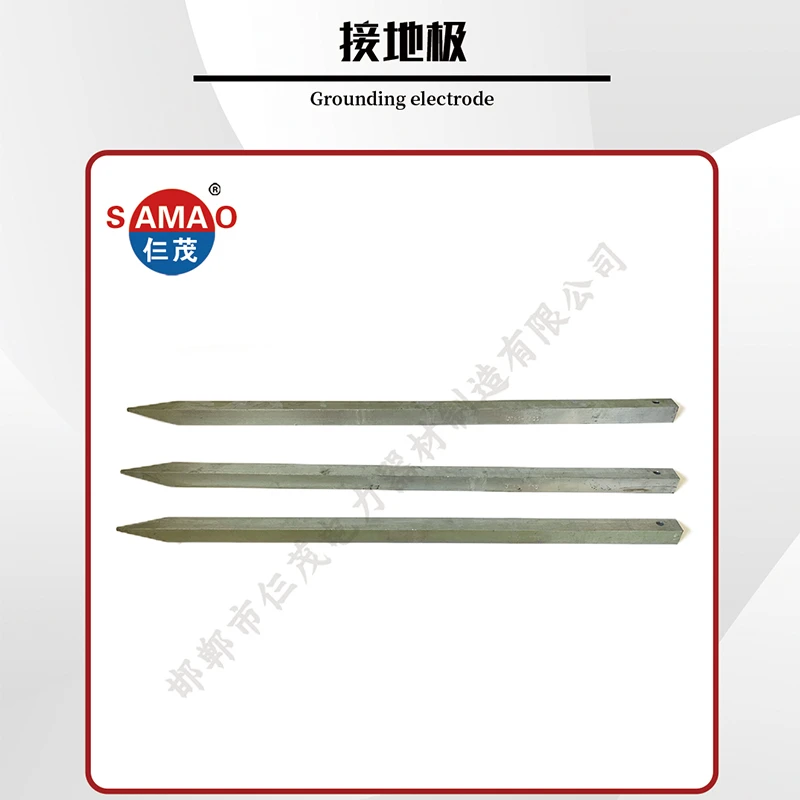
A Chem Rod Grounding Electrode is a performance-focused component of a chemical grounding system designed to achieve stable, low ground resistance in challenging soils. Unlike a standard 3 8 ground rod or “20 ground rod” arrays that rely solely on soil contact, a chem rod uses a mineral electrolyte and engineered venting to diffuse ions into the surrounding backfill, effectively lowering soil resistivity and maintaining consistent performance through dry seasons. This makes it ideal for substations, data centers, telecom towers, renewable plants, and facilities where fault current dissipation and lightning energy control are mission-critical.
From a technical perspective, high-grade copper-bonded steel or tubular copper bodies, multi-port diffusion channels, and conductive backfill work together to reduce earth resistance while mitigating corrosion. Properly installed systems, in accordance with IEEE Std 80/142, IEC 62561, and NEC 250 best practices, can minimize step-and-touch potentials and improve surge performance. In projects with rocky terrain or soil resistivity above 2,000–5,000 Ω·cm, chem rods often replace large arrays of conventional rods, simplifying installation without compromising safety margins. Handan Samao Electric Power Equipment ManufacturingCo., LTD. manufactures these electrodes with rigorous material traceability, dimensional control, and compatibility with exothermic welding or mechanical connectors, ensuring reliable integration into both new builds and retrofits.
Benefits & Use Cases of Chem Rod Grounding Electrode in Grounding and lightning protection system
In grounding and lightning protection systems, the Chem Rod Grounding Electrode delivers measurable advantages where space, soil conditions, or uptime constraints limit conventional options. Applications span primary and distribution substations, utility pole grounds, oil and gas well pads, PV and wind farms, telecom base stations, hospitals, and semiconductor sites—anywhere a predictable, low-impedance earth reference is essential for protective relays and surge protection devices.
- Consistently low resistance: Ion diffusion stabilizes performance across wet/dry cycles, reducing seasonal variability common with conventional rods.
- Fewer electrodes required: One chem rod can replace multiple standard rods, cutting trenching, connections, and site disruption.
- Corrosion mitigation: Copper-bonded or solid copper construction and compatible backfill extend service life in corrosive soils.
- Integration-ready: Works with ring grounds, Ufer foundations, grids, and down-conductors in LPS designs per IEC 62305.
Compared with expanding a field of 3/8 in and 5/8 in rods or specifying a “20 ground rod” set, Samao’s solution reduces installation density and ongoing variability. Handan Samao Electric Power Equipment ManufacturingCo., LTD. backs these benefits with application engineering support—soil resistivity review, preliminary electrode count, and accessory selection (inspection pits, clamps, exothermic kits)—to help B2B teams meet code and reliability targets with confidence.
Cost, Maintenance & User Experience
Total cost of ownership improves when fewer bores, connections, and grounding accessories are required. Although a Chem Rod Grounding Electrode may carry a higher unit price than a standard rod, reduced labor, shorter installation windows, and smaller footprints often yield a favorable ROI—especially in urban sites, rocky soils, or brownfields. Additionally, lower measured ground resistance can reduce nuisance trips and equipment stress during faults and lightning events, indirectly protecting revenue and uptime.
Maintenance needs are minimal: periodic inspection of test points and resistance testing (e.g., fall-of-potential, clamp-on methods) verify performance. In some designs, a service port allows electrolyte verification and replenishment if site conditions demand it, but many installations remain stable for years without intervention. Procurement teams tracking earthing rod copper price volatility will appreciate that one chem rod can replace multiple conventional rods, buffering copper exposure across the project. Feedback from utility, telecom, and renewable EPC customers indicates improved compliance margins and fewer redesigns to meet ohmic targets, translating into predictable schedules and budget adherence.
Sustainability & Market Trends in electrical equipment
Sustainability priorities are reshaping earthing design. By reducing the number of electrodes and linear trenching, a chemical grounding system can lower embodied carbon in copper and steel, minimize soil disturbance, and streamline logistics. Many projects now reference RoHS/REACH considerations and specify environmentally considerate backfills and electrolytes. Parallel trends—grid modernization, electrification, and the buildout of renewables and data centers—are accelerating demand for resilient, code-compliant grounding that performs reliably amid extreme weather and evolving fault profiles.
Handan Samao Electric Power Equipment ManufacturingCo., LTD. aligns with these trends through material optimization, process quality, and guidance on international standards such as IEC 62561, IEC 62305, IEEE 80, and UL 467. The company’s engineering support helps specifiers reduce copper content where practical, select durable finishes, and validate designs with soil data—balancing lifecycle performance with environmental responsibility. As supply chains fluctuate and earthing rod copper price remains dynamic, Samao’s application-first approach helps B2B decision makers maintain performance without oversizing systems.
Conclusion on Chem Rod Grounding Electrode from Handan Samao Electric Power Equipment ManufacturingCo., LTD.
For facilities where safety, uptime, and compliance converge, the Chem Rod Grounding Electrode offers a proven path to stable, low ground resistance—outperforming dense arrays of conventional rods and simplifying installation. Across electrical equipment, Electrical safety and protection equipment, and Grounding and lightning protection systems, Samao’s engineering-driven approach and manufacturing quality deliver dependable results, even in difficult soils.
- Choose Handan Samao Electric Power Equipment ManufacturingCo., LTD. for reliable design support, robust materials, and lifecycle value.
- Contact us: email: 1123937859@qq.com
- Visit our website: https://www.samaoep.com
-
Laundry Efficiency Guide with pengapit ampaian dengan cangkuk iNewsApr.16,2026
-
Optimizing Power Infrastructure with the pengapit ampaian tnbNewsApr.09,2026
-
Comprehensive Guide to Selecting the Right pengapit penggantungan untuk kabel lt ab SolutionsNewsApr.07,2026
-
Comprehensive Guide to Pengapit Talian Penghantaran for Secure Package DeliveryNewsApr.04,2026
-
Comprehensive Guide to Pemasangan Pengapit Penggantungan for Overhead Cabling SystemsNewsMar.31,2026
-
Comprehensive Guide to Pengapit Ampaian yang Telah Dibentuk for Construction SafetyNewsMar.28,2026
-
Comprehensive Guide to Pengapit Ampaian Besi for Scaffolding SafetyNewsMar.26,2026