lv and mv switchgear are fundamental components of modern electrical power systems, serving as critical control and protection devices. They manage the flow of electricity, ensuring safe and reliable distribution to a wide range of applications, from industrial facilities to residential neighborhoods. The increasing demand for electricity, coupled with the growing integration of renewable energy sources, necessitates advanced and efficient switchgear solutions.
Globally, the need for robust electrical infrastructure is paramount. The UN Sustainable Development Goal 7 – Affordable and Clean Energy – directly relies on reliable power distribution networks, where lv and mv switchgear play a vital role. Furthermore, rapid urbanization and industrial growth, particularly in developing nations, drive the demand for innovative switchgear technologies to handle increasing loads and ensure grid stability.
The importance of effective lv and mv switchgear extends beyond simply providing electricity. It’s essential for safeguarding equipment, protecting personnel, and preventing costly outages, impacting economic productivity and societal well-being. Investing in high-quality switchgear is, therefore, a crucial step towards a more sustainable and resilient energy future.
Introduction to lv and mv switchgear
lv and mv switchgear represent a critical layer in power distribution, bridging the gap between power generation and end-use applications. These systems aren't just about switching circuits on and off; they provide comprehensive protection against faults, surges, and other electrical disturbances. Properly designed and maintained switchgear is essential for operational continuity and safety.
The selection of appropriate lv and mv switchgear is a complex process, often dictated by factors such as voltage levels, current ratings, short-circuit capacities, and environmental conditions. Understanding the different types of switchgear—including air-insulated, gas-insulated, and solid-insulated—is crucial for optimizing performance and minimizing lifecycle costs.
Defining lv and mv Switchgear
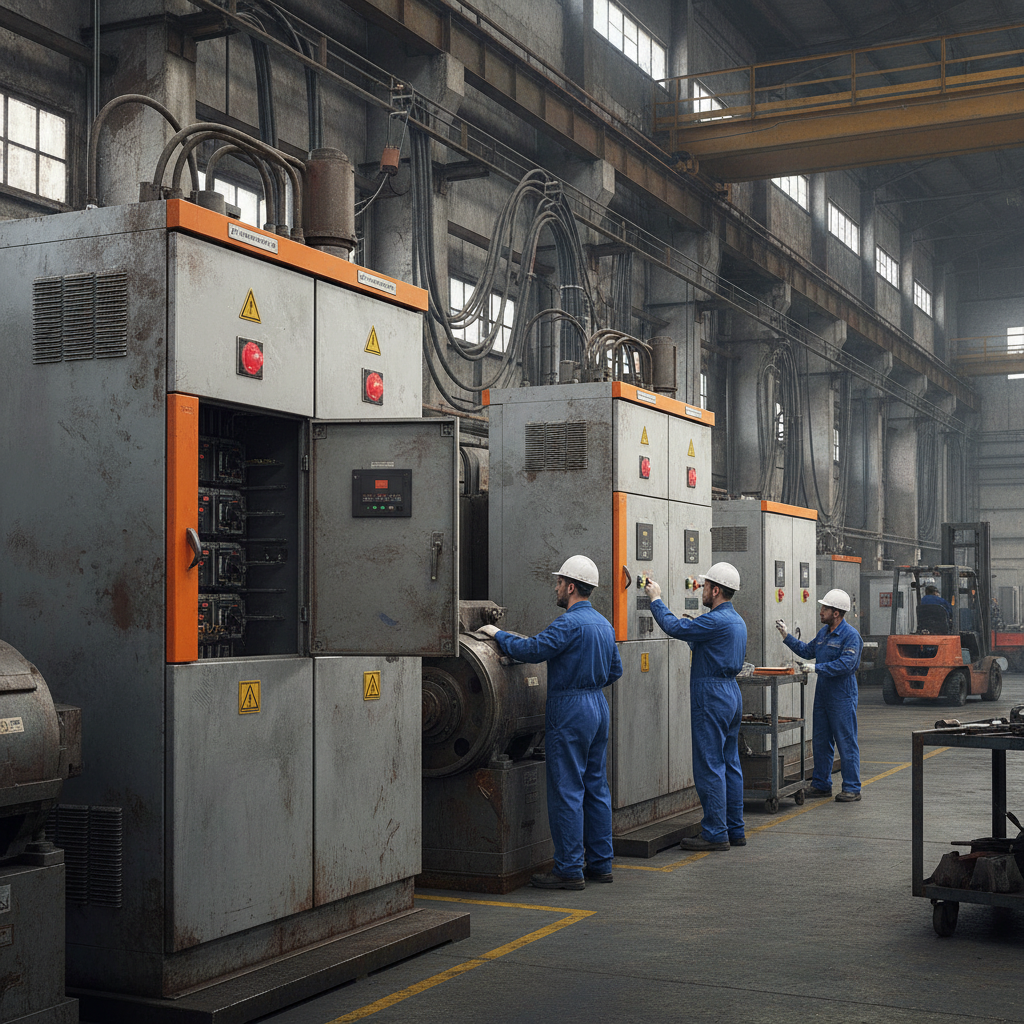
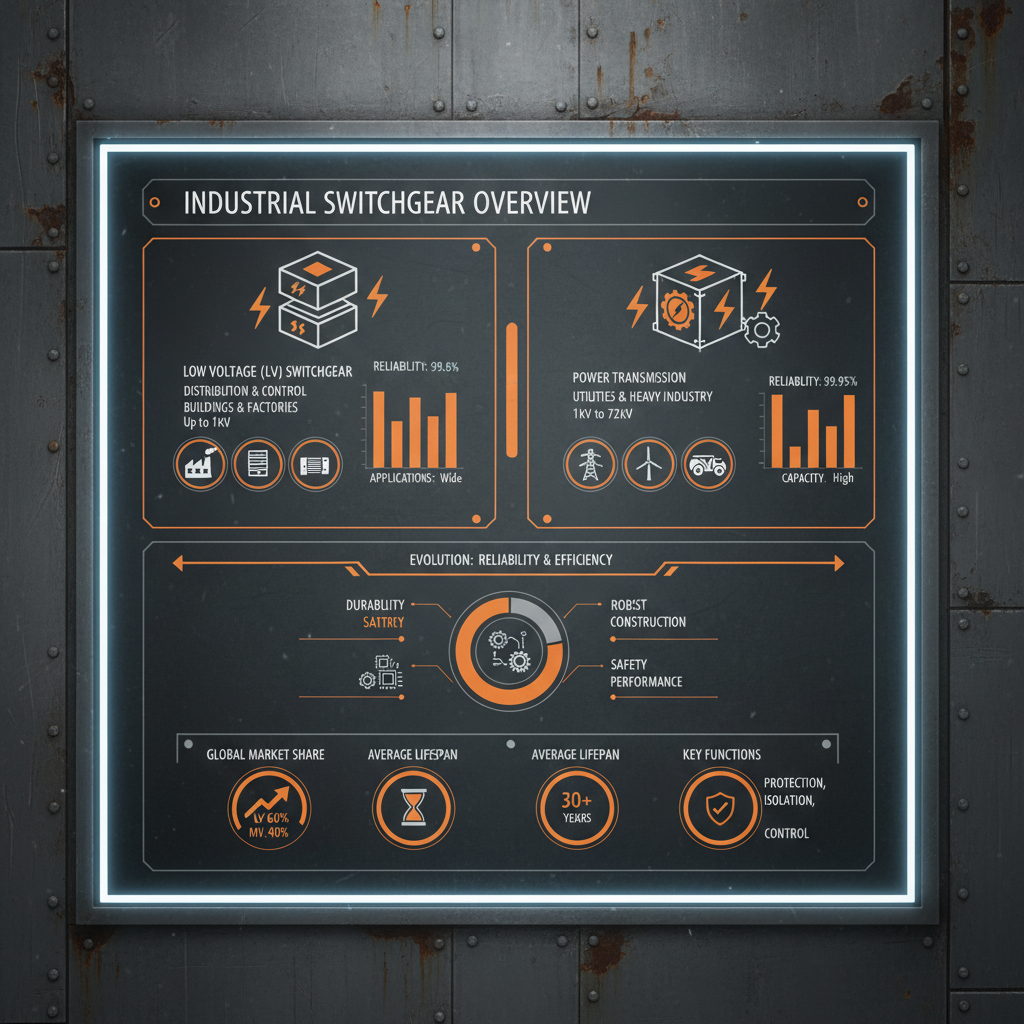
lv and mv switchgear refers to the assembly of electrical disconnectors, switches, fuses, or circuit breakers used to control, protect, and isolate electrical equipment. ‘LV’ stands for Low Voltage (typically up to 1kV), while ‘MV’ signifies Medium Voltage (ranging from 1kV to 36kV). These systems provide a centralized point for managing electrical power flow within a facility or network.
Essentially, switchgear is the nervous system of an electrical grid. It allows operators to safely connect and disconnect equipment for maintenance or repairs, and it automatically isolates faulty sections of the system to prevent widespread outages. Without robust switchgear, modern industrial processes and power distribution would be impossible.
The integration of digital technologies, like smart sensors and remote monitoring, is transforming traditional switchgear into intelligent systems. These “smart” switchgear solutions offer enhanced diagnostics, predictive maintenance capabilities, and improved grid management, contributing to greater efficiency and reliability in power networks.
Core Components of Effective Switchgear
Effective lv and mv switchgear relies on a combination of key components working in harmony. These include circuit breakers, which interrupt fault currents; disconnectors, used for isolating equipment; fuses, offering overcurrent protection; and busbars, acting as common connection points for multiple circuits.
Protective relays play a vital role in monitoring system conditions and initiating protective actions. These relays detect faults like overcurrents, undervoltage, or ground faults and trigger the circuit breakers to operate. The accuracy and speed of these relays are paramount for minimizing damage and ensuring system stability.
Control and monitoring systems, often incorporating programmable logic controllers (PLCs) and human-machine interfaces (HMIs), provide operators with real-time visibility into switchgear status and enable remote control capabilities. Proper grounding and insulation are also essential for ensuring safety and preventing electrical hazards.
Key Factors Influencing Switchgear Performance
Several factors contribute significantly to the overall performance and reliability of lv and mv switchgear. Durability, especially in harsh environments, is crucial, requiring robust materials and construction techniques. Scalability, the ability to easily expand or modify the switchgear as needs evolve, is also important for long-term investment.
Cost efficiency, encompassing initial purchase price, installation costs, and lifecycle maintenance, is a major consideration for many buyers. Moreover, adherence to industry standards and certifications (such as IEC and IEEE) ensures safety and compatibility.
Comparison of lv and mv Switchgear Methods
Global Applications of lv and mv Switchgear
lv and mv switchgear finds application in a wide spectrum of industries and environments. Power generation plants, both conventional and renewable (wind, solar, hydro), rely heavily on switchgear for grid connection and internal power distribution. Industrial facilities, including manufacturing plants, chemical processing facilities, and data centers, utilize switchgear to ensure reliable power supply to critical equipment.
In post-disaster relief operations, mobile lv and mv switchgear units can rapidly restore power to affected areas, providing essential services to communities. Remote industrial zones, such as mining operations and oil rigs, benefit from compact and robust switchgear solutions designed to withstand harsh conditions.
Advantages and Long-Term Value
The advantages of investing in high-quality lv and mv switchgear are manifold. Cost savings, stemming from reduced downtime and improved energy efficiency, are significant. Sustainability benefits arise from the enhanced reliability of renewable energy integration and minimized energy waste.
Socially, reliable power supply ensures safety, supports economic growth, and improves quality of life. From a long-term perspective, investing in robust switchgear fosters trust with stakeholders, strengthens a company’s reputation, and positions it for future innovation in the evolving energy landscape.
Future Trends in Switchgear Technology
The future of lv and mv switchgear is being shaped by several key trends. The increasing adoption of green energy sources, such as solar and wind, is driving demand for switchgear capable of handling intermittent power generation and ensuring grid stability. Digital transformation, leveraging technologies like IoT and AI, is enabling predictive maintenance and remote monitoring capabilities.
Solid-insulated switchgear (SIS) is gaining traction due to its compact size, reduced maintenance requirements, and enhanced safety features. Automation and remote control systems are becoming increasingly sophisticated, allowing for more efficient and responsive grid management. These innovations are paving the way for a more resilient, sustainable, and intelligent power infrastructure.
The development of eco-friendly insulating materials and environmentally responsible manufacturing processes is also gaining prominence, reflecting a growing commitment to sustainability within the industry. lv and mv switchgear manufacturers are actively pursuing these advancements to reduce the environmental impact of their products.
FAQS
Air-insulated switchgear (AIS) uses air as the insulating medium, making it more cost-effective for lower voltage applications. Gas-insulated switchgear (GIS) utilizes gases like SF6, offering superior insulation properties and a significantly smaller footprint, making it ideal for high-voltage and space-constrained environments. GIS also typically requires less maintenance but can raise environmental concerns due to the potent greenhouse gas used.
Regular inspection and maintenance are crucial for ensuring reliable operation. Annual visual inspections should be conducted, alongside more detailed testing every 3-5 years, including insulation resistance tests, contact resistance measurements, and breaker timing tests. Specific maintenance schedules will vary based on the equipment manufacturer’s recommendations and operating conditions.
Working with switchgear requires strict adherence to safety protocols. Always de-energize and lock out/tag out the equipment before commencing any work. Wear appropriate personal protective equipment (PPE), including insulated gloves, safety glasses, and flame-resistant clothing. Ensure proper grounding and follow established safety procedures.
Protective relays are the brains of the system, continuously monitoring electrical parameters like current, voltage, and impedance. When a fault condition (overload, short circuit, ground fault) is detected, the relay initiates the tripping of circuit breakers to isolate the faulty section, protecting equipment and personnel. Relay settings must be carefully coordinated to ensure selective tripping.
Digital switchgear offers several advantages, including enhanced monitoring and diagnostics, remote control capabilities, predictive maintenance, and improved grid management. Smart sensors and data analytics enable real-time insights into equipment health, allowing for proactive maintenance and minimizing downtime. Integration with SCADA systems provides centralized control and visibility.
MV switchgear is generally more expensive than LV due to the higher voltage levels, more complex insulation requirements, and specialized components. The choice between LV and MV depends on the application's voltage requirements and the overall system design. Consider factors like cable lengths, transformer ratings, and load distribution when making the decision.
Conclusion
lv and mv switchgear are indispensable components of modern power systems, ensuring safe, reliable, and efficient electricity distribution. From safeguarding critical infrastructure to enabling the integration of renewable energy sources, these systems play a vital role in supporting economic growth and improving quality of life. Understanding the key factors influencing switchgear performance, embracing emerging technologies, and prioritizing safety are paramount for future success.
As the energy landscape continues to evolve, investing in advanced lv and mv switchgear solutions is not merely a technical necessity—it’s a strategic imperative. By embracing innovation and prioritizing sustainability, we can build a more resilient and efficient power infrastructure for generations to come. For further information and tailored solutions, visit our website: www.samaoep.com