When managing power grid infrastructure, the suspension clamp price is rarely a fixed number but rather a reflection of the material grade, mechanical load capacity, and environmental resilience required for a specific project. In the electrical machinery and power fitting industry, these components are critical for supporting conductor wires on transmission towers, where a failure in a single clamp can lead to extensive network outages.
Procurement officers and engineers often struggle to balance upfront component costs against long-term maintenance expenditures. The primary challenge lies in identifying whether a lower-cost clamp meets the stringent tension and corrosion standards necessary for the local climate, or if a premium investment is required to prevent premature oxidation and conductor slippage.
This professional analysis provides a detailed breakdown of the factors influencing pricing, the technical specifications that drive value, and a strategic framework for selecting the most cost-effective suspension clamps for high-voltage and low-voltage power line engineering.

Understanding the Cost Structure of Power Fittings

The price of a suspension clamp is determined by a combination of raw material indices, manufacturing precision, and certification overheads. In the power fitting industry, the cost is not merely about the weight of the metal but the ability of the part to maintain electrical conductivity and mechanical stability under extreme weather conditions. For instance, CNC-machined components offer higher precision and consistency, which reduces the risk of installation failure but increases the initial unit price.
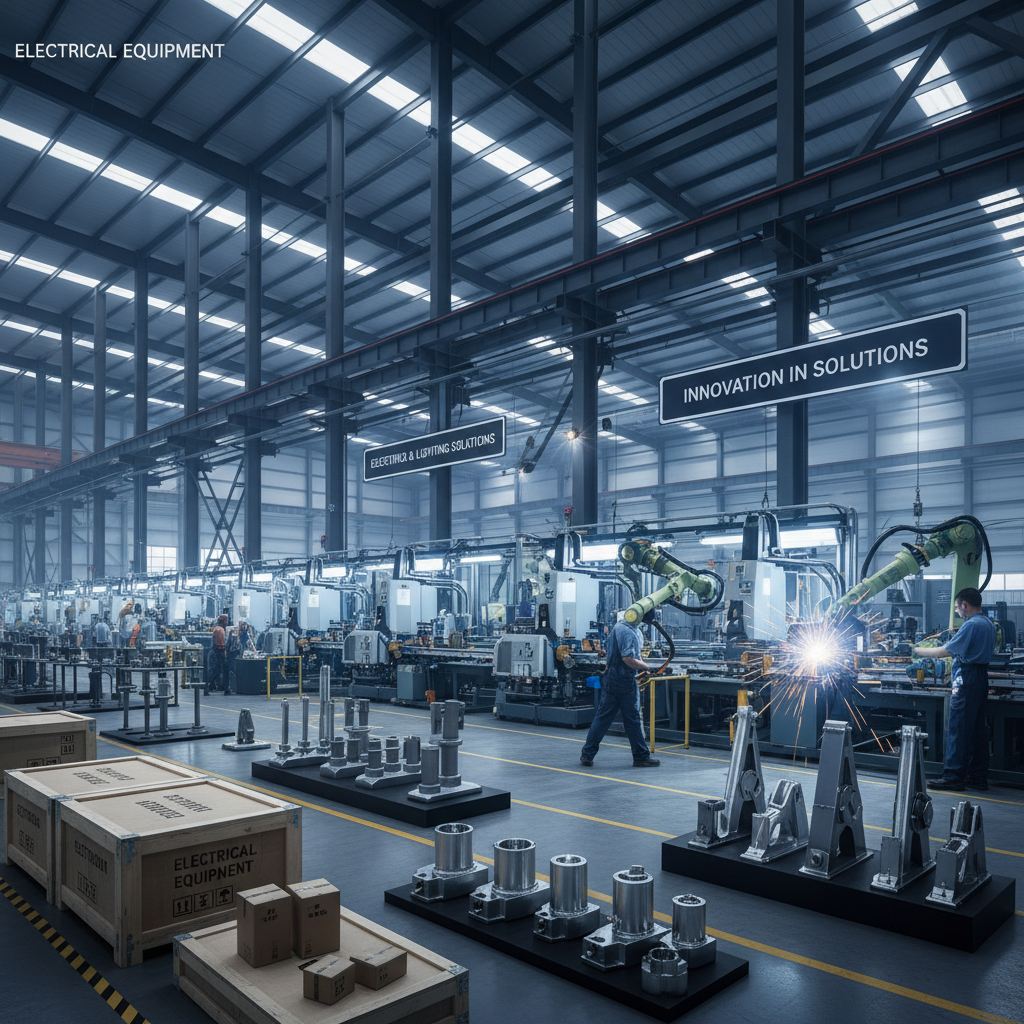
Companies like Handan Sanmao Electric Power Equipment Manufacturing Co., Ltd. utilize integrated production lines and surface treatment branches to optimize these costs, ensuring that the manufacturing process from raw casting to final galvanization remains efficient. This integration allows for a more stable price point by reducing the logistics costs associated with third-party finishing.
Material Selection and Its Impact on Pricing
The choice of material is the most significant variable in the suspension clamp price. Most industrial clamps are manufactured from aluminum alloys or galvanized steel. Aluminum alloys are preferred for their weight-to-strength ratio and natural corrosion resistance, making them ideal for aluminum stranded wires. In contrast, galvanized steel is often used where maximum mechanical strength is required, though it requires a high-quality zinc coating to prevent rust.
The thickness and purity of the galvanized layer directly influence the long-term ROI. A thin coating may result in a lower purchase price but will lead to rapid corrosion in coastal or industrial areas, necessitating frequent replacements. Professional grade fittings prioritize the chemical and physical testing of these coatings to ensure durability in harsh outdoor environments.
Technical Specifications vs. Market Value
Technical performance is measured by the clamping force and the electrical resistance of the connection. A high-value clamp is designed to ensure that the wire remains fixed even under high load conditions, avoiding poor contact caused by vibration or external forces. This is achieved through optimized bolt pressure and groove design, which ensures the conductor is held firmly without causing structural deformation to the wire itself.
Furthermore, the versatility of the clamp affects its value. Clamps designed to accommodate a wide range of wire cross-sections (such as 16-240mm²) offer greater flexibility for route connections and non-linear tower configurations. This adjustability reduces the need for multiple specialized SKU's, lowering the overall inventory cost for the project manager.
Relative Cost Drivers in Clamp Manufacturing
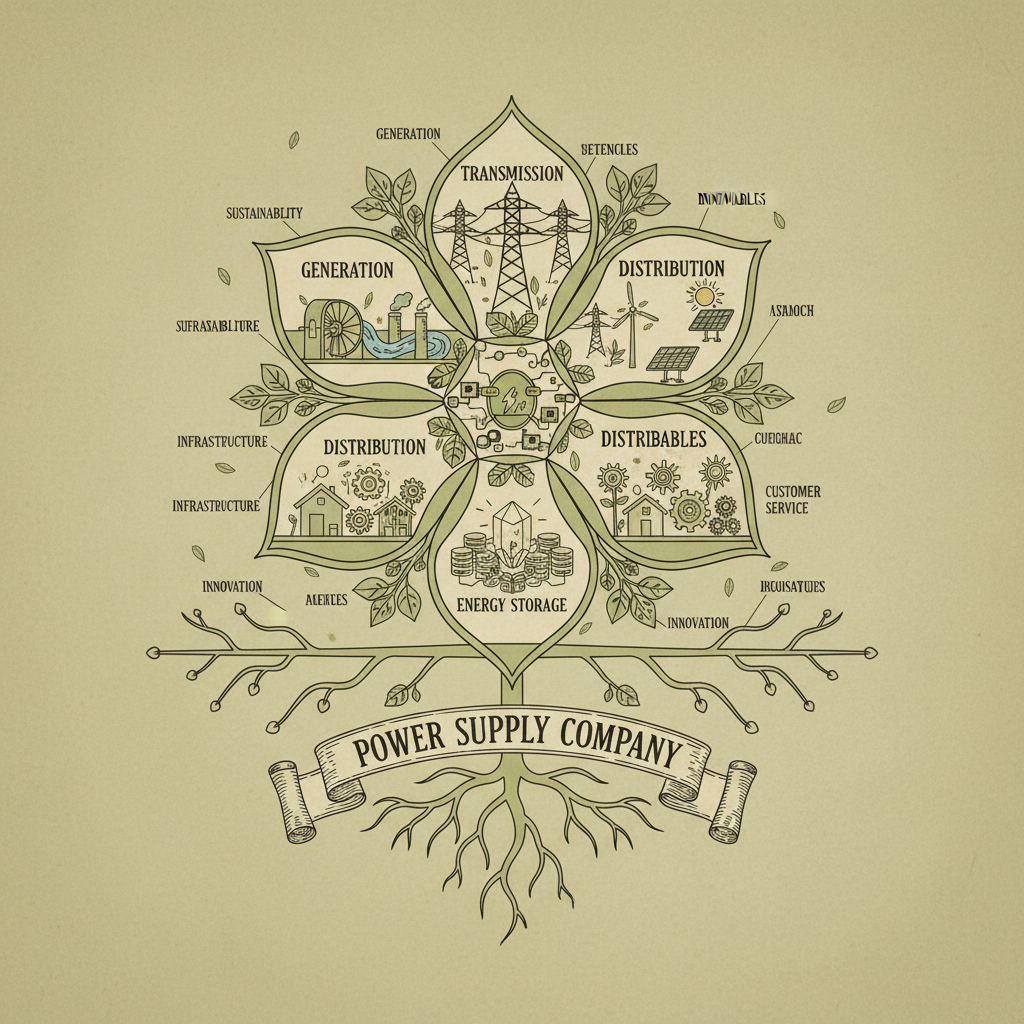
To understand what drives the suspension clamp price, we can look at the relative weight of different production factors. Material costs typically dominate, but the "quality premium" is derived from surface treatment and precision engineering. The following conceptual index illustrates the relative impact of these factors on the final unit cost.
As shown in this illustrative framework, raw materials represent the base cost, while specialized coatings and CNC precision machining provide the incremental value that ensures the clamp meets international ISO standards. High-tech enterprises invest more in the "Quality Management" segment to reduce the failure rate, which effectively lowers the total cost of ownership over the asset's lifecycle.
Application-Specific Selection Criteria
The environment dictates the required specification and, consequently, the price. In standard inland environments, basic galvanized fittings may suffice. However, for overhead lightning protection lines or junctions in non-linear towers, the requirements for mechanical stability are significantly higher. In these scenarios, the focus shifts from the lowest unit price to the highest reliability rating.
Engineers must consider the conductor type—whether it is bare aluminum, aluminum alloy, or steel-core aluminum stranded wire. Using a clamp that is not perfectly matched to the wire's cross-section can lead to electrical hotspots, increasing the risk of line failure. Therefore, selecting a clamp with a proven range of adjustability is a critical decision for maintaining grid stability.
Hidden Costs of Low-Quality Procurement
Opting for the lowest suspension clamp price often leads to "hidden costs" that far exceed the initial savings. Poorly manufactured clamps may suffer from insufficient clamping force, leading to conductor slippage during wind storms. Additionally, inadequate corrosion resistance can cause the fitting to fail within a few years, requiring emergency maintenance crews and causing unplanned power outages.
The cost of labor for replacing a single faulty clamp in a remote location can be ten times the cost of the component itself. By investing in products with complete physical and chemical testing systems, operators avoid these operational risks. Trustworthy manufacturing involves strict total quality management, ensuring that every batch is consistent in its mechanical strength and conductive efficiency.
Comparative Value Framework for Buyers
When comparing different procurement options, buyers should use a matrix that evaluates more than just the quote. The following table compares common approaches to sourcing power fittings based on technical and financial dimensions.
| Sourcing Approach | Initial Cost | Durability | Risk Level |
|---|---|---|---|
| Generic Budget Grade | Very Low | Low | High (Corrosion) |
| Standard Industrial | Moderate | Medium | Moderate |
| High-Precision CNC | Higher | High | Low |
| Certified ISO/Specialized | Premium | Very High | Very Low |
| Custom Engineering | Variable | Optimal | Minimal |
| Integrated Factory Direct | Competitive | High | Low |
For most utility-scale projects, the "Integrated Factory Direct" or "High-Precision CNC" options provide the best balance. They offer the mechanical security required for power line engineering while leveraging manufacturing efficiencies to keep the unit price sustainable.
Frequently Asked Questions
The price is primarily driven by the raw material (aluminum alloy vs. galvanized steel), the precision of the manufacturing process (CNC vs. traditional casting), and the quality of the anti-corrosion surface treatment.
While lower-grade materials reduce the initial purchase price, they often lead to higher maintenance costs due to corrosion and mechanical failure, increasing the total cost over the equipment's lifespan.
Yes, many professional clamps are designed with adjustability to accommodate various cross-sections, such as the range of 16-240mm², making them versatile for different splicing needs.
Low-cost clamps may lack sufficient clamping force, which can lead to the conductor slipping or failing under high wind or ice loads, potentially causing catastrophic line failure.
Proper galvanization or alloy coating prevents oxidation. This ensures that the electrical connection remains stable and the mechanical integrity is preserved, significantly extending the replacement cycle.
Verify if the manufacturer has ISO certifications, a complete chemical and physical testing system, and a track record of supplying major power grids with standardized hardware.
Conclusion
Evaluating the suspension clamp price requires a shift in perspective from "lowest unit cost" to "lowest lifecycle risk." By prioritizing material purity, precise CNC manufacturing, and rigorous surface treatment, power grid operators can ensure network stability and reduce emergency maintenance overheads. The ideal procurement strategy involves selecting a partner capable of providing certified, tested, and integrated solutions that balance technical performance with industrial efficiency.
For detailed technical specifications and application-specific procurement requirements, professional buyers are encouraged to explore the full product range at www.samaoep.com to ensure their infrastructure meets all safety and durability standards.