Look, the whole industry’s gone crazy for IoT integration. Everything’s gotta be ‘smart’ now, right? Sensors, remote monitoring… Honestly, it’s a bit much sometimes. Been seeing a lot of companies trying to cram too much tech into things that just don’t need it. You end up with a fragile system that spends more time offline than on. And troubleshooting? Forget about it. It’s always the simplest things that break, you know?
I spend my life on these sites, and let me tell you, one thing I've noticed is how many folks trip over cable management. Seriously. It’s always a mess. They design these beautiful enclosures, then run the cables all willy-nilly. Makes you wonder if the designers have actually been on a construction site. And the connectors? Oh, don’t even get me started on the connectors. They always choose the cheapest ones, and then they're surprised when they fail after a few months of dust and vibration.
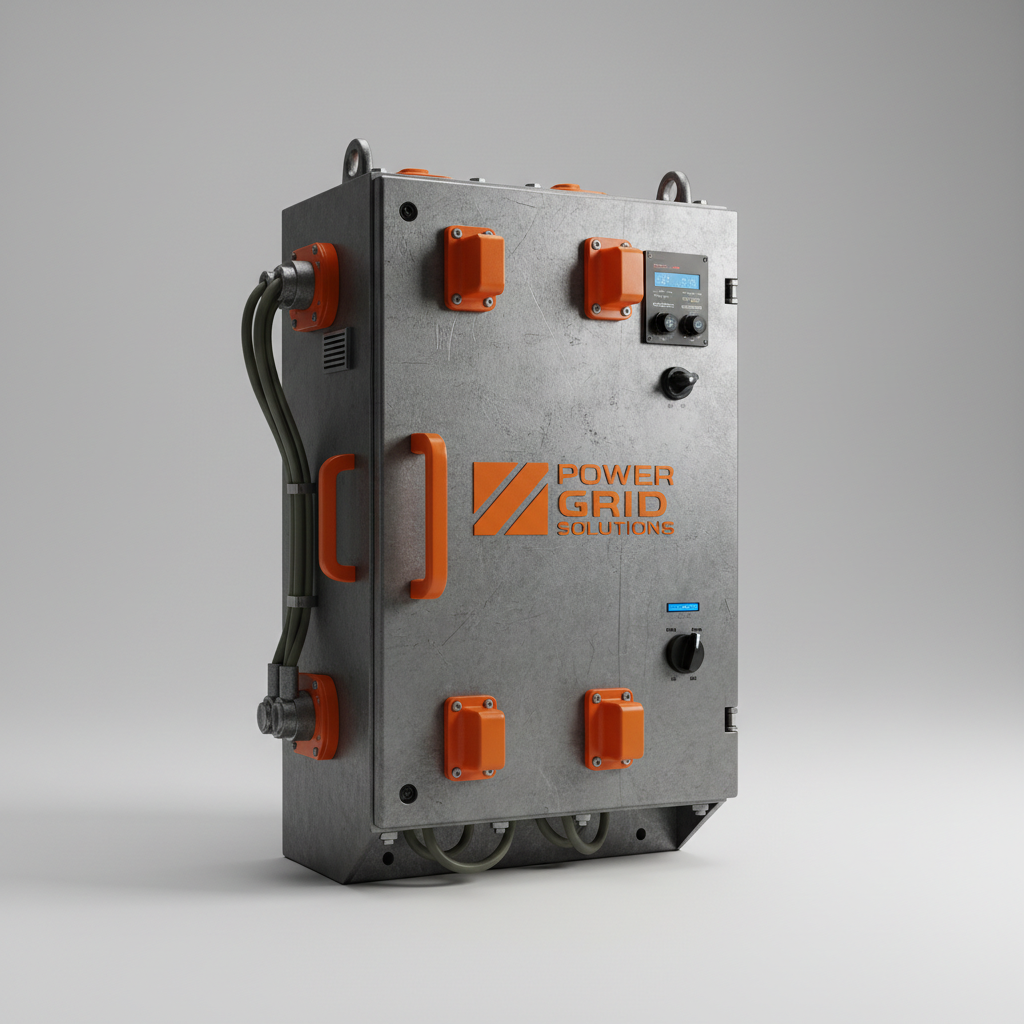
We’re mostly dealing with galvanized steel for the enclosures – gotta be tough, weatherproof, and, you know, not rust. There's a smell to it, a metallic tang that kinda gets stuck in your nostrils after a while. Used to work with a guy who could tell the grade of steel just by the smell. Anyway, we also use a lot of high-density polyethylene (HDPE) for the internal components. Feels kinda waxy, a bit slippery. Gets static-y too, especially in the winter. Makes you jump sometimes.


To be honest, everyone’s chasing efficiency now. Smaller footprints, higher output. Which is good, but it often means squeezing components into tighter spaces, cutting corners on cooling… I encountered this at a solar panel factory last time – they’d crammed everything in so tight, the whole unit was overheating within an hour. Strangely enough, the marketing guys were bragging about how ‘compact’ it was. Makes you wonder what they were thinking.
Another thing I'm seeing is a move toward modular designs. Makes sense for repairability, but it also introduces more potential failure points. More connections, more seals, more things to go wrong. It's a trade-off, I guess.
Honestly, it’s corrosion. Saltwater, humidity, even just constant temperature swings… they all take a toll. We address it with thicker galvanization, protective coatings, and using corrosion-resistant materials for the connectors. But you can never completely eliminate the risk, especially if the unit is exposed to the elements for years on end. Regular maintenance is key, but let's be real, that rarely happens.
It’s a constant battle. You can always find cheaper materials, but they usually don’t last. We try to find the sweet spot – materials that are durable enough to withstand the intended environment, but not so expensive that they price us out of the market. We also try to design for manufacturability, which can help reduce costs without sacrificing quality.
They have their place, I guess. They’re lightweight, and they can be molded into complex shapes. But they’re just not as rugged as steel. They scratch easily, they crack under stress, and they don’t hold up well in extreme temperatures. I prefer steel. It's a bit heavier, but it’s a lot more reliable.
Critical. Absolutely critical. Poor cable management can lead to chafing, shorts, and eventually, complete failure. We try to provide ample space for cabling, and we recommend using cable ties and strain reliefs to keep everything organized. But ultimately, it’s up to the installer to do it right.
Absolutely. We can add custom cutouts for connectors, mounting brackets, and ventilation. We can also apply special coatings for increased corrosion resistance. For example, we had a customer who needed an enclosure for a marine application, so we applied a marine-grade epoxy coating to protect it from saltwater. It cost a bit more, but it was worth it for the added protection.
We do a lot of drop tests, vibration tests, temperature cycling tests, and salt spray tests. We also leave units out in the field for extended periods of time to see how they hold up to the elements. It's not a glamorous job, but it's necessary. You gotta see how it performs in the real world, not just in a lab.
So, yeah, it’s a complex business. Designing and building reliable enclosures requires a lot of attention to detail, a deep understanding of materials, and a willingness to get your hands dirty. It's about finding the right balance between cost, durability, and functionality. It's about anticipating how users will actually use the product, and designing accordingly.
Look, in the end, all the engineering and testing in the world doesn’t matter if the worker on site can't easily assemble it and feel confident it’ll hold up. Ultimately, whether this thing works or not, the worker will know the moment he tightens the screw.