Wholesale Suspension Clamps: Durable Steel & Preformed Solutions
Navigating the Landscape of Wholesale Suspension Clamps
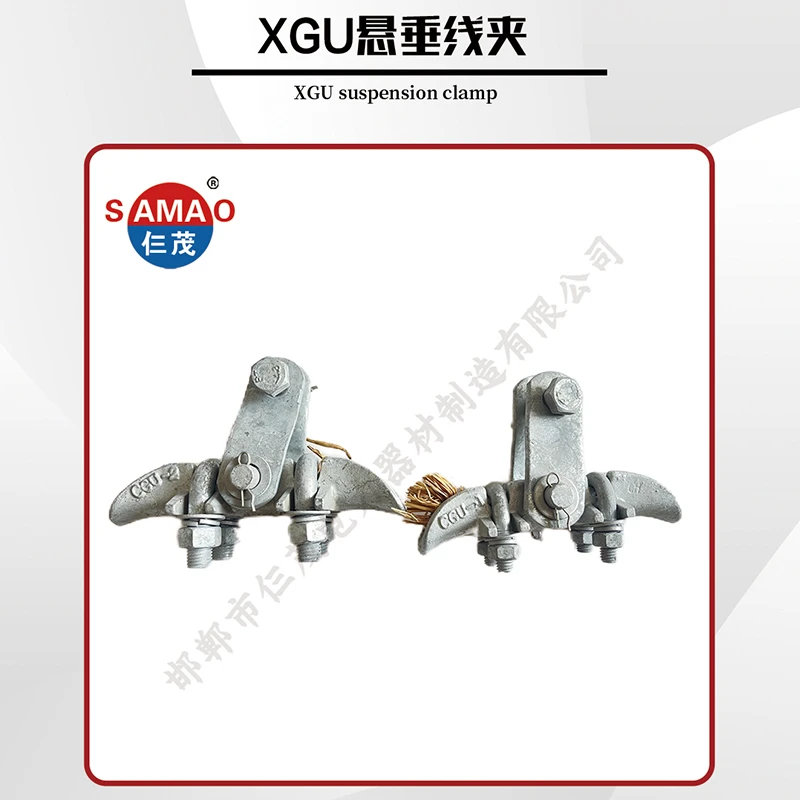
In the realm of power transmission, communication infrastructure, and industrial piping, the integrity and reliability of overhead lines and cables are paramount. Central to ensuring this stability is the humble yet critical wholesale suspension clamp. These engineered components provide essential support, protecting conductors from undue stress, vibration, and environmental factors. This comprehensive guide delves into the technical intricacies, market dynamics, and strategic considerations for procuring and deploying high-performance suspension clamps in various B2B applications.
The global demand for robust and durable suspension hardware is continuously evolving, driven by infrastructure expansion, renewable energy projects, and the need for enhanced grid resilience. Understanding the nuances of design, material science, and application-specific requirements is crucial for engineers, procurement managers, and project developers seeking optimal solutions from reliable suspension clamp suppliers.
Industry Trends and Market Dynamics
The market for wholesale suspension clamp solutions is experiencing significant growth, propelled by several key industry trends. The expansion of smart grids, the proliferation of fiber optic networks, and increased investment in power generation and distribution infrastructure across developing economies are major drivers. Technological advancements are leading to more sophisticated designs, such as the emergence of the preformed suspension clamp, which offers enhanced conductor protection and easier installation.
- Sustainable Materials: A growing emphasis on eco-friendly and recyclable materials, alongside processes that reduce carbon footprint.
- High-Voltage and Ultra-High Voltage (UHV) Applications: Demand for clamps capable of handling increased mechanical loads and electrical stresses in UHV transmission lines (e.g., 800kV DC, 1000kV AC).
- Enhanced Corrosion Resistance: Specialized coatings and material alloys to combat harsh environmental conditions, particularly in coastal or industrial areas.
- Vibration Dampening: Integrated designs or supplementary components to mitigate aeolian vibration and sub-span oscillation, extending conductor lifespan.
- Smart Grid Integration: Future-proofing clamp designs for compatibility with sensor technologies for condition monitoring.
According to market research, the global power transmission and distribution equipment market, which includes suspension clamps, is projected to reach over USD 150 billion by 2027, growing at a CAGR of approximately 6%. This robust growth underscores the critical role of components like the steel suspension clamp in modern infrastructure.
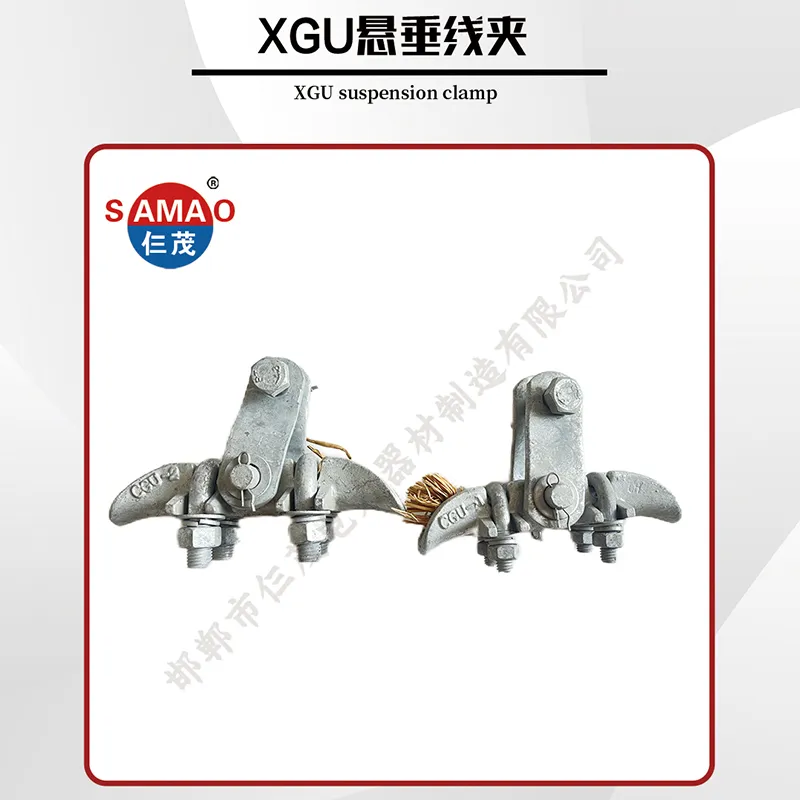
Figure 1: Typical high-voltage power transmission line utilizing advanced suspension clamp systems.
Manufacturing Process: From Raw Material to Finished Product
The production of a high-quality wholesale suspension clamp is a multi-stage process, demanding precision and adherence to stringent quality controls. The journey typically begins with carefully selected raw materials, chosen for their specific mechanical, electrical, and environmental performance characteristics.
Process Flow Overview:
-
Material Selection:
Primary materials include high-strength aluminum alloy (for lightweight and good conductivity), ductile iron (for robust mechanical strength), and various grades of steel suspension clamp materials (carbon steel, stainless steel) for specific load requirements and corrosion resistance. These materials are chosen based on the desired breaking load, fatigue resistance, and environmental durability.
-
Casting/Forging:
Components like clamp bodies and eyes are often produced via precision casting for complex shapes (e.g., ductile iron clamps) or hot forging for superior mechanical properties and grain structure (e.g., steel components). These processes ensure dimensional accuracy and structural integrity.
-
CNC Machining:
Post-casting or forging, critical surfaces, bolt holes, and conductor grooves undergo CNC (Computer Numerical Control) machining. This step ensures precise fits, smooth surfaces to prevent conductor damage, and adherence to tight dimensional tolerances, crucial for the performance of an angle suspension clamp.
-
Surface Treatment:
To enhance corrosion resistance and extend service life, components are typically hot-dip galvanized according to standards like ASTM A153 or ISO 1461. This coating provides a sacrificial layer, protecting the underlying metal from environmental degradation. For specific applications, other coatings like zinc-aluminum alloys or specialized paints may be used.
-
Assembly and Inspection:
Individual components (clamp body, keeper, bolts, nuts, washers) are assembled. Each assembly undergoes rigorous visual inspection for defects, proper alignment, and coating integrity.
-
Testing Standards & Quality Control:
Finished clamps are subjected to a battery of tests to comply with international standards such as ISO (e.g., ISO 9001 for quality management), ANSI C119.4 (for electrical connectors), IEC (International Electrotechnical Commission), and ASTM (American Society for Testing and Materials). Key tests include:
- Tensile Strength Test: To determine the ultimate breaking load (UBL).
- Slip Strength Test: To verify the clamp's ability to hold the conductor securely.
- Fatigue Test: To assess performance under cyclic loading and vibration.
- Corrosion Test: Salt spray tests to simulate environmental exposure.
- Dimensional Inspection: Using precision instruments to verify specifications.
Target industries benefiting from these highly engineered components include petrochemical (for pipe support), metallurgy (for crane overhead lines), and water supply & drainage (for supporting large diameter pipes or conduits). Advantages in these scenarios often include enhanced corrosion resistance in aggressive chemical environments and energy saving through optimized conductor tension management.
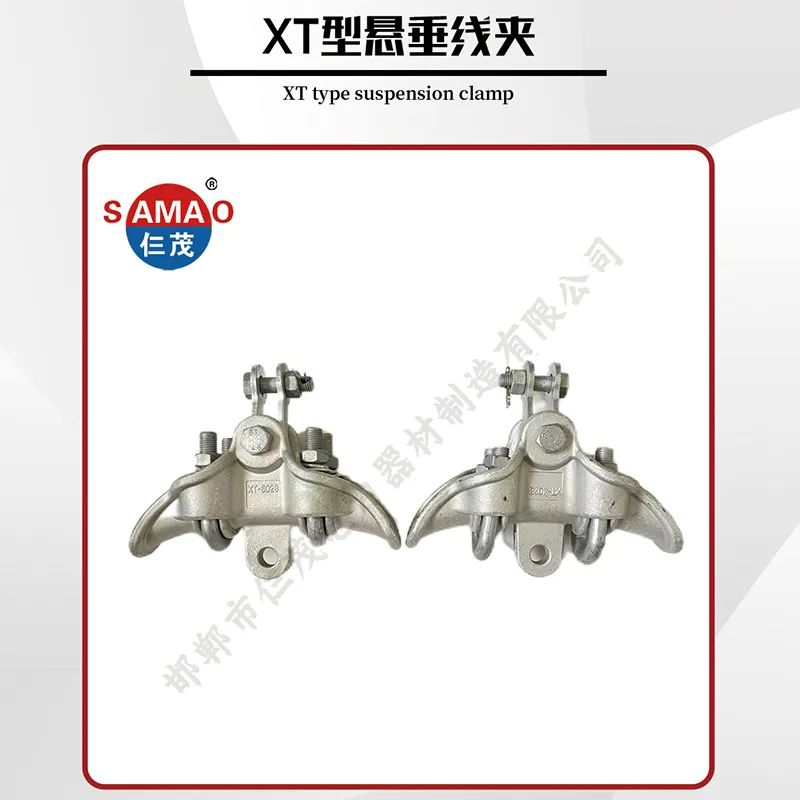
Figure 2: Close-up of a hot-dip galvanized suspension clamp component showcasing surface finish quality.
Technical Specifications and Parameters
The selection of the appropriate wholesale suspension clamp is dictated by a suite of technical parameters. Understanding these specifications is critical for ensuring compatibility, performance, and long-term reliability of the entire system.
Key Technical Parameters:
- Conductor Diameter Range: Specifies the range of conductor sizes (in mm or inches) the clamp can securely hold.
- Ultimate Breaking Load (UBL): The maximum tensile load (in kN or lbs) the clamp can withstand before mechanical failure.
- Slip Strength: The minimum load at which the conductor will slip within the clamp, expressed as a percentage of the conductor's rated tensile strength.
- Material: Ductile iron, aluminum alloy, steel, or a combination thereof, each with specific properties regarding strength, weight, and corrosion resistance.
- Surface Finish: Hot-dip galvanization, aluminum alloy surface treatment, or other protective coatings.
- Component Standards: Adherence to international standards like ANSI, IEC, ASTM, BS, or EN for design and testing.
Typical Product Specification Table (Example):
| Parameter | Standard Duty (Ductile Iron) | Heavy Duty (Steel) | Lightweight (Aluminum Alloy) |
|---|---|---|---|
| Material | Ductile Iron (DIN GGG50) | Hot |
-
Laundry Efficiency Guide with pengapit ampaian dengan cangkuk iNewsApr.16,2026
-
Optimizing Power Infrastructure with the pengapit ampaian tnbNewsApr.09,2026
-
Comprehensive Guide to Selecting the Right pengapit penggantungan untuk kabel lt ab SolutionsNewsApr.07,2026
-
Comprehensive Guide to Pengapit Talian Penghantaran for Secure Package DeliveryNewsApr.04,2026
-
Comprehensive Guide to Pemasangan Pengapit Penggantungan for Overhead Cabling SystemsNewsMar.31,2026
-
Comprehensive Guide to Pengapit Ampaian yang Telah Dibentuk for Construction SafetyNewsMar.28,2026
-
Comprehensive Guide to Pengapit Ampaian Besi for Scaffolding SafetyNewsMar.26,2026