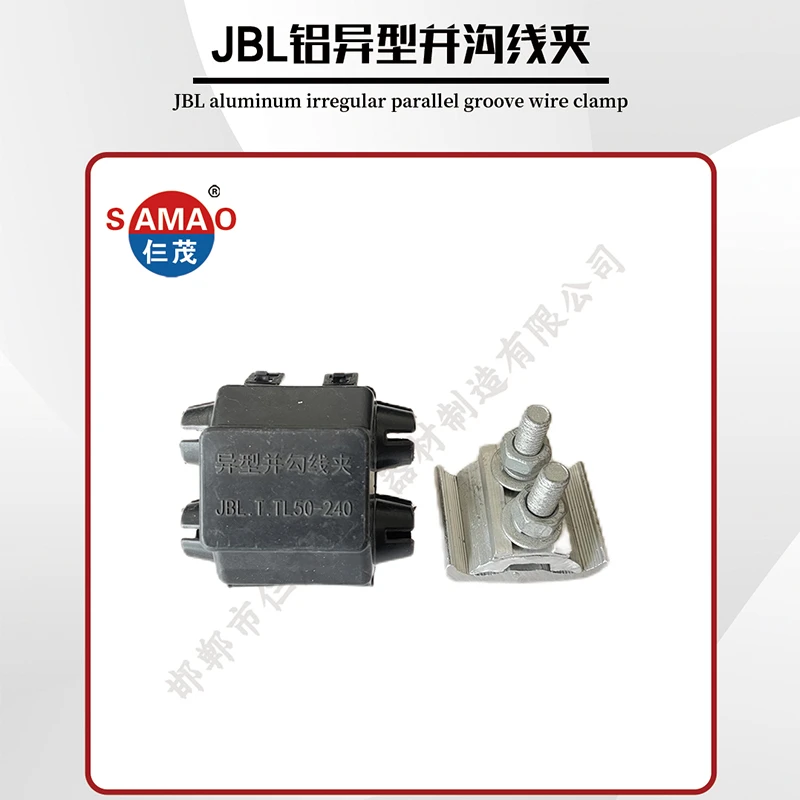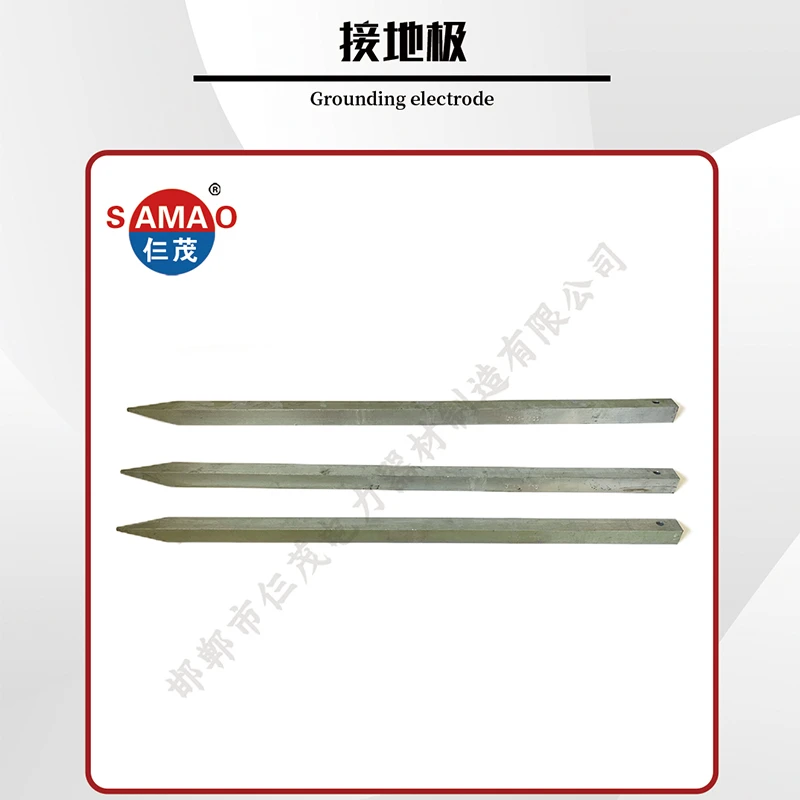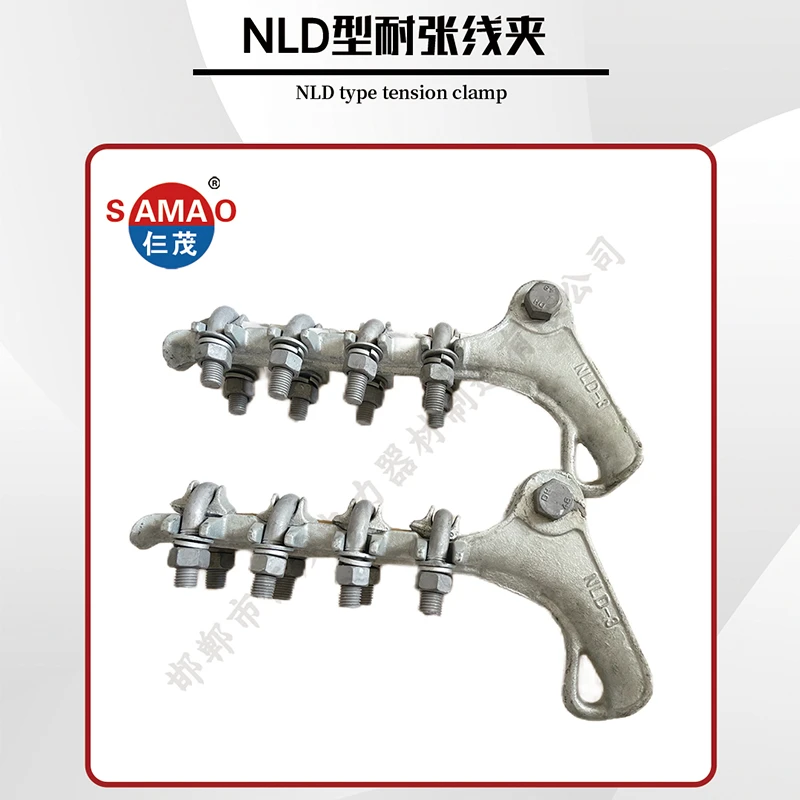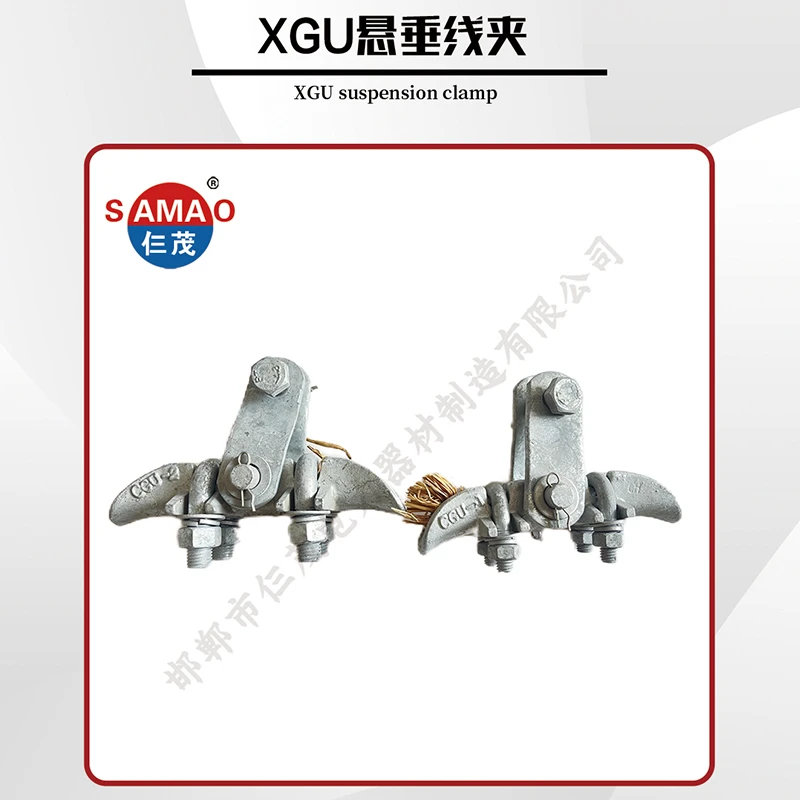
High-Quality Parallel Groove Clamps for Secure Connections
Industry Trends and the Critical Role of Parallel Groove Clamps
In the rapidly evolving landscape of electrical infrastructure, the demand for reliable, efficient, and durable connectivity solutions is paramount. As global power grids expand, integrating more renewable energy sources and facing increased electrification, components that ensure stable power transmission and distribution become critically important. Among these, the parallel groove clamp stands out as an essential fitting. This device is fundamental for creating secure, low-resistance parallel connections between two conductors, typically used in overhead lines, substations, and grounding systems.
Current industry trends highlight several key drivers influencing the design and adoption of parallel groove clamps:
- Grid Modernization: Investment in smart grids and resilient infrastructure necessitates components capable of handling fluctuating loads and integrating diverse energy sources, demanding higher performance from parallel connectors.
- Renewable Energy Integration: Solar and wind farms require robust connections for their extensive array and transmission networks, often in challenging environmental conditions, pushing for enhanced corrosion resistance and durability in clamps.
- Increased Electrification: Growth in electric vehicles and industrial automation drives greater demand for power, requiring connectors that can reliably support higher current densities and maintain thermal stability.
- Material Science Advancements: Continuous innovation in aluminum and copper alloys, alongside specialized surface treatments, leads to lighter, stronger, and more conductive parallel groove clamps, often at competitive parallel groove clamp price points.
- Standardization and Safety: Global adherence to international standards (e.g., IEC, ANSI) for electrical safety and performance continues to shape product development and quality assurance processes.
These trends collectively underscore the ongoing evolution and critical importance of the parallel groove clamp in ensuring the reliability and efficiency of global power systems.
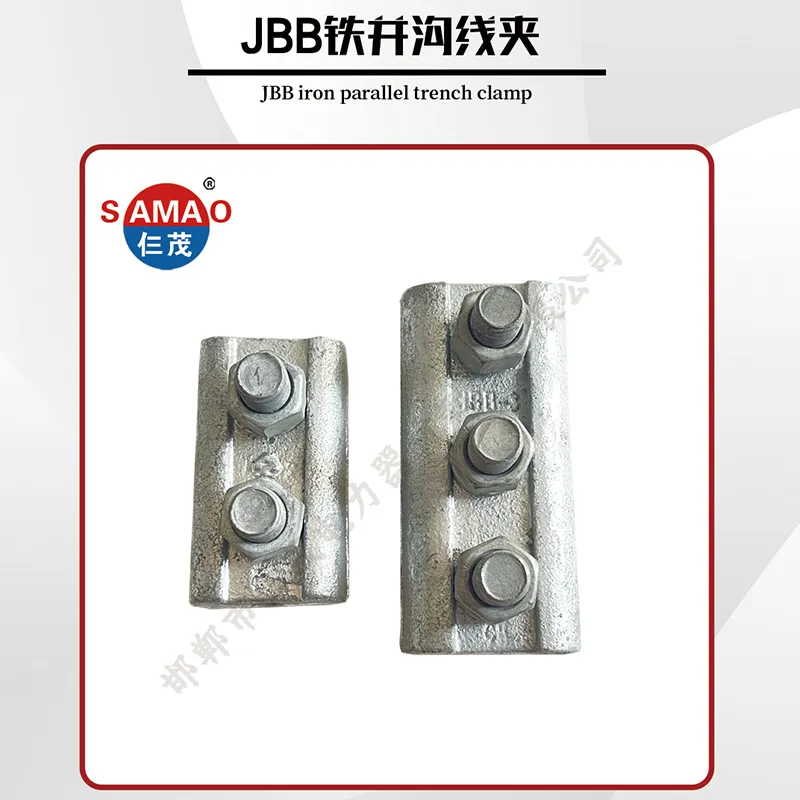
The Manufacturing Process: Precision in Production of Parallel Groove Clamps
The production of a high-quality parallel groove clamp involves a meticulously controlled multi-stage process, ensuring structural integrity, optimal electrical conductivity, and long-term durability. Samao EP adheres to stringent quality control protocols, leveraging advanced manufacturing techniques and premium materials.
Key Product Materials:
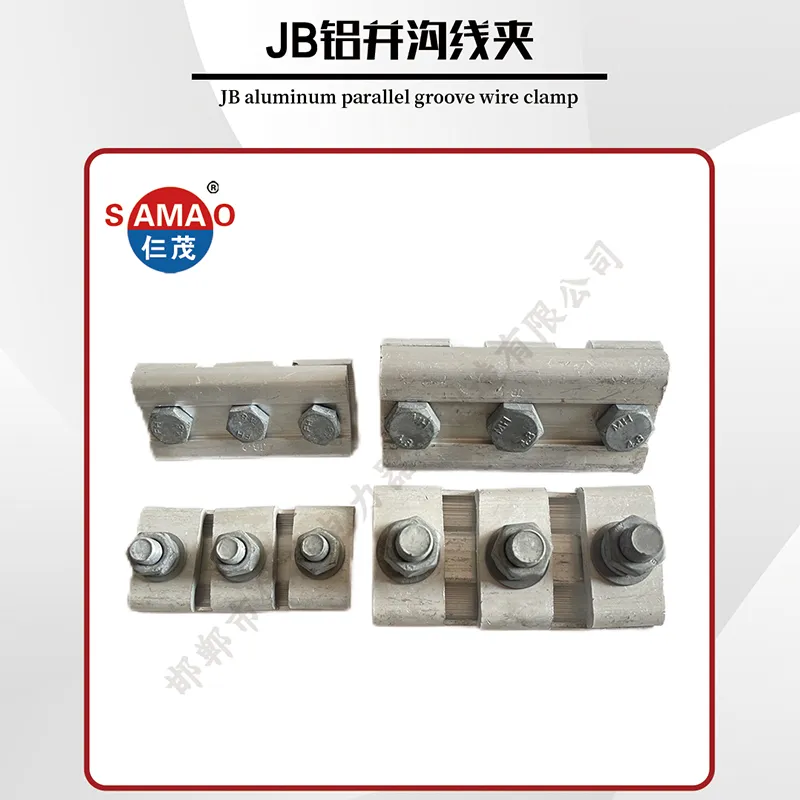
- High-Strength Aluminum Alloy (e.g., Al-Mg-Si Series): Predominantly used for aluminum conductors due to its excellent electrical conductivity, low density, and high corrosion resistance. Alloys are selected for their enhanced mechanical properties and suitability for harsh outdoor environments.
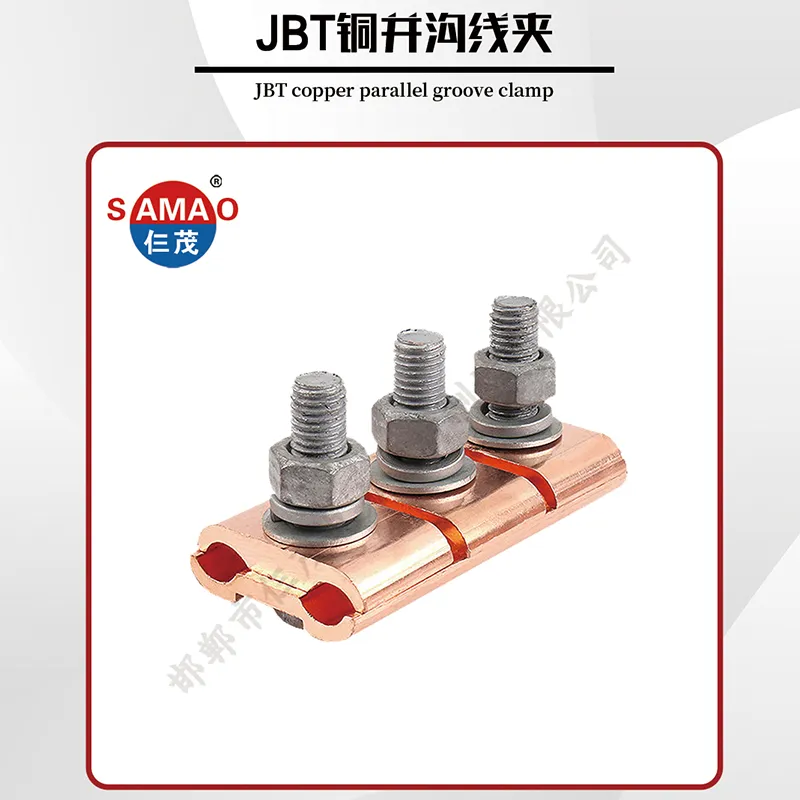
- Copper Alloy (e.g., Brass, Bronze): Utilized for copper conductors or bimetallic applications where superior conductivity and mechanical strength are required, especially for connections requiring resistance to galvanic corrosion.
- Hot-Dip Galvanized Steel: Used for bolts, nuts, and washers to provide robust mechanical clamping force and superior corrosion protection.
Detailed Manufacturing Process Flow:
-
1. Material Selection & Preparation:
Careful selection of high-grade aluminum or copper ingots. Ingots are melted and alloyed to specific compositions, ensuring the desired mechanical and electrical properties. Impurity levels are strictly controlled to maintain conductivity.
-
2. Casting/Forging:
Casting: Molten alloy is poured into precision molds (die casting or sand casting) to form the basic shape of the clamp body. This method is cost-effective for complex geometries.
Forging: For applications requiring superior mechanical strength and density, hot forging is employed. Metal is plastically deformed under pressure, refining grain structure and enhancing fatigue resistance. This is often preferred for critical load-bearing components. -
3. CNC Machining & Surface Grooving:
Post-casting/forging, clamps undergo CNC (Computer Numerical Control) machining. This ensures precise dimensions, smooth surfaces, and accurate formation of the parallel grooves. The groove profiles are critical for optimal conductor contact and minimize stress concentration, contributing to energy saving by reducing contact resistance.
-
4. Surface Treatment:
For aluminum clamps, the surface may be treated (e.g., passivation or tin plating) to further enhance corrosion resistance, particularly in bimetallic connections where galvanic corrosion between aluminum and copper conductors needs to be mitigated. Steel bolts and nuts are hot-dip galvanized.
-
5. Assembly:
The machined clamp bodies are assembled with hot-dip galvanized steel bolts, nuts, and spring washers. Proper torque during assembly is crucial for maintaining mechanical integrity.
-
6. Quality Control & Testing Standards:
Each batch undergoes rigorous testing to meet international standards such as ISO 9001 (Quality Management), ANSI C119.4 (Connectors for Use with Overhead Line Conductors), and IEC 61284 (Overhead lines – Requirements and tests for fittings). Tests include:
- Tensile Strength Test: Verification of mechanical strength.
- Cyclic Heat Test: Simulates thermal cycling to assess long-term connection stability and resistance to thermal expansion/contraction.
- Resistance Measurement: Ensures low contact resistance for optimal current flow.
- Corrosion Resistance Test: Salt spray tests or accelerated weathering for durability in harsh environments.
- Dimension Verification: Using precision instruments to ensure adherence to specified tolerances.
Service Life & Target Industries:
A well-manufactured parallel groove clamp, adhering to these rigorous standards, typically offers a service life exceeding 30 years, matching or exceeding the lifespan of the conductors themselves. Its robust design and material selection contribute to superior corrosion resistance, crucial for long-term performance in various demanding industries including:
- Power Transmission & Distribution: Overhead lines, substations, busbar connections.
- Petrochemical: Robust connections in environments exposed to chemicals and extreme temperatures.
- Metallurgy: High-current applications in industrial settings.
- Water Supply & Drainage: Powering pump stations and control systems.
- Renewable Energy: Solar farms, wind power generation, and associated grid interconnections.
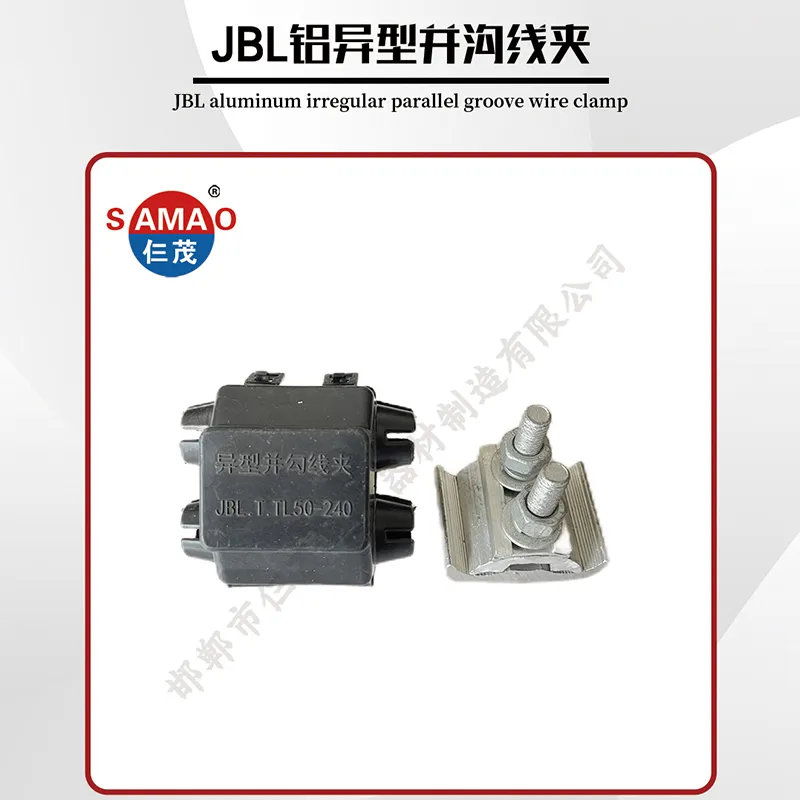
Technical Specifications & Performance Parameters
The performance of a parallel groove clamp is defined by a rigorous set of technical specifications, ensuring it meets the demanding requirements of electrical infrastructure. These parameters dictate the clamp's suitability for specific conductor types, current loads, and environmental conditions.
Structure and Key Parameters:
Typically, a parallel groove clamp consists of two main bodies (often identical halves), a set of bolts, nuts, and washers. The inner surfaces of the clamp bodies feature parallel grooves precisely designed to cradle the conductors, maximizing contact area and minimizing hot spots.
- Conductor Compatibility: Specified by the range of conductor diameters (e.g., ACSR, AAAC, AAC, copper) it can accommodate. Incorrect sizing leads to poor contact and potential failure.
- Current Carrying Capacity: The maximum continuous current the clamp can safely conduct without exceeding specified temperature rises. This is critical for preventing thermal degradation of the connection. Often specified relative to the conductor's capacity, e.g., ≥ 95% of conductor's rated current.
- Mechanical Strength (Slip Strength): The ability of the clamp to withstand tensile forces from the conductors without slipping or deforming. Typically tested to a percentage of the conductor's rated ultimate tensile strength (RUTS), e.g., 10-20% RUTS for non-tension connections.
- Contact Resistance: A measure of the electrical resistance at the interface between the clamp and the conductor. Lower contact resistance translates to reduced power loss and improved energy efficiency. Industry standards typically require contact resistance to be less than a fraction of the equivalent length of conductor.
- Corrosion Resistance: Material composition and surface treatments (e.g., passivation, galvanization) determine the clamp's ability to resist environmental degradation from moisture, chemicals, and pollutants.
- Operating Temperature Range: The ambient temperature range within which the clamp is designed to operate without performance degradation, typically from -40°C to +80°C.
Product Specification Table (Example for Aluminium-Aluminium Clamps):
| Model | Main Conductor Range (mm²) | Tap Conductor Range (mm²) | Rated Current (A) (Approx.) | Material | Standard Adherence |
|---|---|---|---|---|---|
| PG-AL-120 | 50-120 | 16-95 | 400 | Al Alloy | ANSI C119.4 |
| PG-AL-240 | 95-240 | 35-185 | 600 | Al Alloy | IEC 61284 |
| PG-AL-400 | 185-400 | 70-300 | 800 | Al Alloy | ANSI C119.4 |
| PG-CU-95 | 35-95 | 16-70 | 350 | Copper Alloy | IEC 61284 |
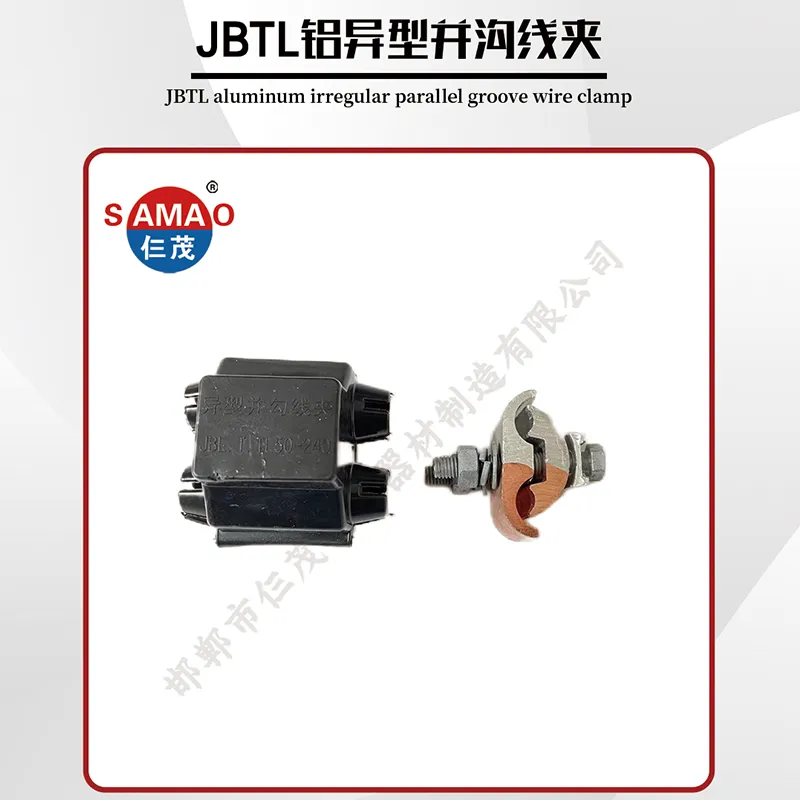
Key Technical Advantages of Advanced Parallel Groove Connectors
The design and material science behind modern parallel connector solutions offer significant technical advantages that are crucial for maintaining grid reliability and efficiency.
- Superior Electrical Conductivity: Engineered with high-purity aluminum or copper alloys, these clamps ensure minimal electrical resistance, reducing power losses and minimizing heat generation at the connection point. This directly translates to energy saving, optimizing the overall efficiency of the electrical system.
- Exceptional Corrosion Resistance: Materials are specifically chosen for their inherent resistance to oxidation and environmental corrosion. Further enhanced by specialized surface treatments like passivation or tin plating (especially for bimetallic clamps), these fittings endure harsh conditions, including coastal environments, industrial pollution, and extreme weather, without degradation of performance. This ensures a prolonged service life and reduced maintenance.
- Robust Mechanical Strength: Through processes like forging and precision CNC machining, the clamps achieve high tensile and compression strength. This allows them to securely hold conductors under various mechanical stresses, including wind loads, ice accumulation, and seismic activity, preventing slip or failure.
- Thermal Stability: Designed to maintain integrity across wide operating temperature ranges, advanced parallel groove clamps resist thermal cycling effects. This prevents conductor creep and ensures a stable, low-resistance connection over decades, which is critical for preventing hot spots and potential outages.
- Versatility and Ease of Installation: Available in a wide array of sizes and configurations for different conductor types (ACSR, AAC, AAAC, copper), these clamps offer high versatility. The simple bolt-on design facilitates quick and secure installation with standard tools, reducing labor costs and installation time.
- Cost-Effectiveness over Lifecycle: While initial parallel groove clamp price might vary, the long service life, minimal maintenance requirements, and significant energy saving due to low resistance offer a superior total cost of ownership.
Target Industries Benefiting from These Advantages:
These technical advantages are particularly beneficial in industries where reliability, safety, and efficiency are paramount. This includes major sectors such as:
- Power Generation and Transmission: Ensuring stable power flow from plants to substations.
- Industrial Facilities: High-current connections for manufacturing and heavy industries.
- Infrastructure Development: Railways, urban distribution networks, telecommunications.
- Mining and Construction: Robust connections for temporary and permanent power setups in harsh conditions.
Application Scenarios and Real-World Use Cases
The versatility and robust performance of the parallel groove clamp make it indispensable across a wide spectrum of electrical infrastructure projects. Its primary function is to establish secure, electrically sound connections between parallel conductors without cutting or looping the main line.
- Overhead Power Transmission and Distribution Lines:
This is the most common application. Parallel groove clamps are used to connect a tap-off conductor to a main overhead line, facilitating power distribution to various points along the network. They ensure efficient current transfer while minimizing resistance and maintaining mechanical integrity under tension and environmental stress.
- Substation Busbar Connections:
Within substations, these clamps are vital for connecting aluminum or copper busbars, or connecting incoming/outgoing lines to the busbar system. Their low resistance and high current carrying capacity are critical for stable substation operation.
- Grounding and Earthing Systems:
For creating reliable earthing connections, parallel groove clamps facilitate the connection of grounding wires to structural components or other grounding conductors. This ensures effective dissipation of fault currents, protecting equipment and personnel.
- Railway Electrification:
In railway overhead line systems, these clamps are used for connecting catenary wires and feeders, ensuring continuous and stable power supply to electric trains. The robust design is essential for coping with dynamic loads and vibrations.
- Industrial Power Connections:
In large industrial complexes, parallel groove clamps can be used to branch off power from main feeder lines to individual machinery or distribution panels, offering flexibility and scalability for industrial power layouts.
- Renewable Energy Projects (Solar Farms, Wind Turbines):
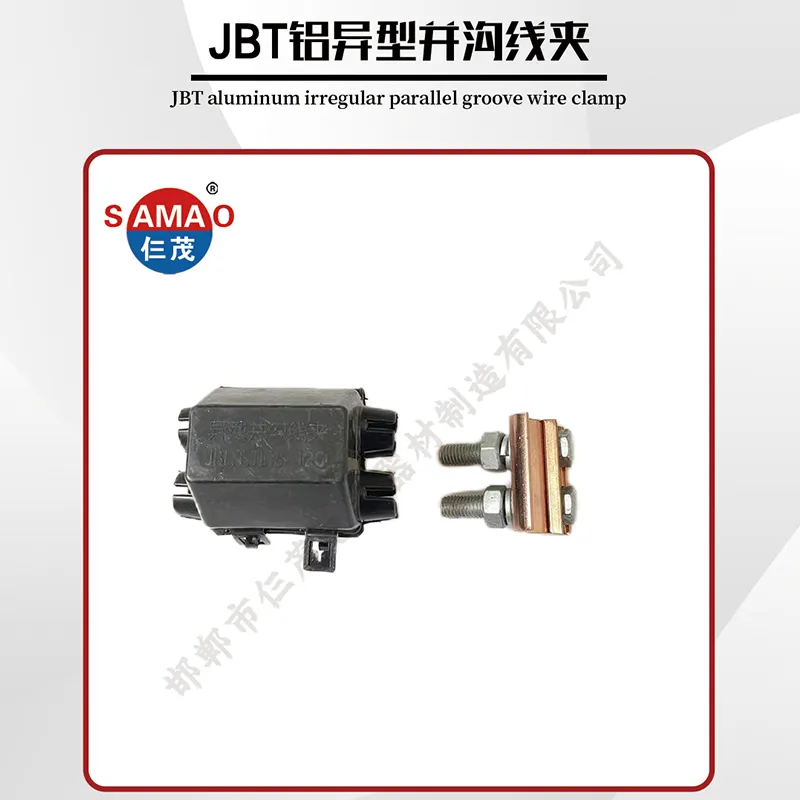
Connecting arrays of solar panels or individual wind turbines to the collection grid often involves extensive use of parallel connectors to consolidate power before transmission to the main grid. Bimetallic versions are particularly important here to prevent galvanic corrosion when connecting dissimilar metals.
Vendor Comparison and Market Insights
When selecting a supplier for parallel groove clamp products, B2B decision-makers must consider a range of factors beyond just the parallel groove clamp price. A thorough vendor comparison involves evaluating product quality, adherence to standards, customization capabilities, and post-sales support, all of which significantly impact long-term operational costs and system reliability.
Key Factors for Vendor Evaluation:
- Material Quality & Sourcing: Verifying the origin and certification of raw materials (e.g., high-grade aluminum alloys, electrolytic copper).
- Manufacturing Precision & Technology: Assessing the use of advanced techniques like CNC machining, controlled casting/forging processes, and robust quality control systems.
- Certifications & Compliance: Ensuring products meet international standards (ISO, ANSI, IEC) and possess relevant third-party certifications (e.g., KEMA, UL).
- Product Range & Customization: Ability to supply a broad range of standard clamps and provide tailored solutions for specific project requirements.
- Testing & Validation Data: Availability of comprehensive test reports (e.g., tensile strength, resistance, cyclic heat, corrosion) and performance data.
- Lead Time & Logistics: Efficiency in production and delivery, especially for large-scale projects.
- Technical Support & After-Sales Service: Responsiveness and expertise of technical teams for installation guidance, troubleshooting, and warranty claims.
- Industry Experience & Reputation: Years in service, client testimonials, and established track record with major utilities or industrial players.
Comparative Analysis Table (Illustrative):
| Feature/Vendor | Samao EP | Generic Competitor A | Generic Competitor B |
|---|---|---|---|
| Primary Material Sourcing | Certified Premium Alloys | Standard Commercial Grade | Varied Sourcing |
| Manufacturing Process | CNC Machining, Precision Forging | Standard Casting, Basic Machining | Automated Casting |
| Certifications | ISO 9001, ANSI C119.4, IEC 61284 | ISO 9001 | Partial IEC Compliance |
| Customization Options | Extensive (Material, Coating, Size) | Limited Standard Mod. | Moderate |
| Technical Support | Dedicated Engineering Team, 24/7 | Standard Business Hours | Email Support Only |
| Warranty Period | 5-10 Years (Product Dependent) | 1-2 Years | Negotiable |
| Typical Lead Time (Standard) | 2-4 Weeks | 4-6 Weeks | 6-8 Weeks |
Customized Solutions for Unique Project Requirements
While standard parallel groove clamp models serve a wide range of applications, many B2B projects, especially those with unique environmental challenges or specific technical demands, require tailored solutions. Samao EP specializes in developing customized parallel groove connectors that precisely meet these intricate requirements.
Areas of Customization:
- Specific Conductor Sizes and Types: Fabrication of clamps for non-standard conductor diameters, specialized composite conductors, or unique combinations of main and tap conductor materials (e.g., highly dissimilar metals requiring advanced bimetallic designs).
- Material Alloys: Utilizing specific aluminum, copper, or bronze alloys chosen for enhanced properties such as ultra-high strength, superior conductivity for high-current applications, or exceptional resistance to specific chemical agents or elevated temperatures.
- Surface Finishes and Coatings: Applying specialized coatings (e.g., heavy tin plating for marine environments, anti-galling coatings for ease of installation, or specific anti-corrosion treatments) to extend service life in extreme conditions.
- Unique Environmental Conditions: Designing clamps for operation in extremely cold climates (e.g., arctic conditions requiring materials with improved low-temperature ductility), high-vibration environments (e.g., railway lines), or corrosive industrial atmospheres (e.g., petrochemical plants).
- Enhanced Mechanical Performance: Custom designs to achieve higher slip strength for tension applications or specific fatigue resistance requirements. This might involve different bolt configurations or clamp body geometries.
- Integrated Solutions: Developing combined solutions, such as clamps integrated with insulation covers or specific mounting hardware, to streamline installation and enhance safety.
Our engineering team collaborates closely with clients, from initial concept and design review to prototyping, rigorous testing, and final production, ensuring the customized solution precisely addresses the project's technical and operational demands, while adhering to all relevant standards.
Application Case Studies: Parallel Groove Clamps in Action
Real-world deployments demonstrate the critical role and reliable performance of high-quality parallel groove clamp solutions in diverse infrastructure projects.
Case Study 1: Major Urban Grid Modernization Project
Client: A prominent municipal utility in a rapidly growing metropolitan area.
Challenge: The client needed to upgrade existing overhead distribution networks to handle increased load demand and improve grid resilience. This involved numerous tap-off connections from existing main lines to new service drops, often requiring bimetallic connections and robust performance in a high-density, often polluted, urban environment.
Solution: Samao EP supplied thousands of specialized aluminum-body parallel groove clamp units with tin-plated grooves, designed to seamlessly connect ACSR main lines with both ACSR and copper service drops. The clamps were selected for their superior corrosion resistance, low contact resistance (reducing energy loss), and ease of installation, which was crucial for minimizing disruption in densely populated areas.
Outcome: The project successfully integrated new distribution capacity, reducing system losses by an estimated 2.5% across the upgraded sections within the first year, and significantly improving reliability with a 15% reduction in fault incidents related to connections. Customer feedback highlighted the ease and speed of installation, contributing to project timelines.
Case Study 2: Remote Industrial Plant Electrification
Client: A large-scale mining operation in a desert region with extreme temperature fluctuations and abrasive dust.
Challenge: Establishing a robust and stable power supply for new mining machinery required branching high-current feeders from the main transmission line to various points across the expansive site. The environment presented challenges of intense UV radiation, high ambient temperatures, and significant dust accumulation, demanding exceptional material durability and electrical integrity.
Solution: Customized heavy-duty aluminum parallel groove clamp units were engineered with enhanced mechanical strength and a specialized anodized coating for superior resistance against abrasion and corrosion in the harsh desert climate. These clamps were designed to accommodate large cross-section conductors typical in high-power industrial applications and subjected to extensive accelerated aging and dust ingress testing.
Outcome: The clamps provided secure and efficient connections, with zero reported connection failures or significant thermal anomalies detected over three years of operation, even under peak load conditions. The client praised the robust design and reliable performance in a severely demanding environment, directly contributing to uninterrupted plant operations.
Ensuring Trust: FAQs, Lead Time, Warranty & Support
At Samao EP, we prioritize transparency and customer confidence. Understanding the critical nature of electrical components, we provide comprehensive support throughout the product lifecycle.
Frequently Asked Questions (FAQs):
A1: A parallel groove clamp uses bolts to apply compressive force directly onto parallel conductors, ideal for permanent, non-tension tap-off connections. A wedge clamp, conversely, uses a wedge driven into a C-shaped body to secure conductors, often favored for hot-line installations or specific maintenance scenarios due to its quick installation.
A2: Accurate sizing is crucial. You must match the clamp's specified conductor ranges (main and tap) to the exact outer diameters of your conductors. Referring to the product specification table and consulting with our technical team is recommended to ensure proper fit and optimal electrical contact.
A3: Absolutely. When connecting dissimilar metals like aluminum and copper, bimetallic clamps (typically aluminum bodies with tin-plated copper inserts or specialized coatings) are essential. They prevent galvanic corrosion, which occurs when two dissimilar metals are in electrical contact in the presence of an electrolyte, significantly extending the connection's lifespan and maintaining its electrical integrity.
Lead Time & Fulfillment Details:
Samao EP maintains efficient manufacturing and logistics operations to ensure timely delivery.
- Standard Products: Typical lead times for off-the-shelf parallel groove clamp models are 2-4 weeks, depending on order volume and current production schedules.
- Customized Solutions: Lead times for bespoke orders will be provided upon design finalization, generally ranging from 6-12 weeks to account for design, prototyping, testing, and production.
- Expedited Orders: For urgent requirements, please contact our sales team to discuss expedited manufacturing and shipping options.
- Global Shipping: We offer various international shipping options (sea, air, express cargo) to meet project deadlines worldwide, with comprehensive tracking and logistical support.
Warranty Commitments:
We stand behind the quality and performance of our products. All Samao EP parallel groove clamp products come with a standard warranty, typically ranging from 5 to 10 years, depending on the product type and application. This warranty covers defects in material and workmanship under normal use and service. Specific warranty terms and conditions are provided with each quotation and product delivery. Extended warranty options are available upon request for critical infrastructure projects.
Customer Support Information:
Our commitment to our clients extends beyond delivery. Samao EP provides comprehensive customer support to ensure seamless project execution and long-term satisfaction.
- Technical Assistance: Our team of experienced engineers is available to provide pre-sales consultation, product selection guidance, and post-sales technical support for installation, troubleshooting, and optimization.
- Dedicated Account Management: Each client is assigned a dedicated account manager for streamlined communication and personalized service.
- After-Sales Service: We offer robust after-sales support, including handling warranty claims, spare parts supply, and ongoing product performance advice.
- Contact Information: For inquiries, please visit our website at www.samaoep.com or reach out via our sales and support channels listed there.
Conclusion
The parallel groove clamp remains a cornerstone of reliable electrical infrastructure, integral to power transmission, distribution, and critical industrial applications worldwide. Its evolution, driven by advancements in material science and manufacturing precision, ensures efficient, durable, and corrosion-resistant connections vital for modern grids. As B2B decision-makers and engineers navigate the complexities of grid modernization and renewable energy integration, choosing a supplier that prioritizes quality, adherence to international standards, customization capabilities, and robust support, like Samao EP, is paramount for securing long-term operational excellence and minimizing total cost of ownership.
References:
- International Electrotechnical Commission (IEC) Standards. IEC 61284: Overhead lines – Requirements and tests for fittings.
- American National Standards Institute (ANSI) C119.4: American National Standard for Connectors for Use with Overhead Line Conductors.
- IEEE Std 100-2000, The IEEE Standard Dictionary of Electrical and Electronics Terms.
- ISO 9001: Quality Management Systems – Requirements.
- Electric Power Research Institute (EPRI) Technical Reports on Conductor Connectors and Reliability.
-
Laundry Efficiency Guide with pengapit ampaian dengan cangkuk iNewsApr.16,2026
-
Optimizing Power Infrastructure with the pengapit ampaian tnbNewsApr.09,2026
-
Comprehensive Guide to Selecting the Right pengapit penggantungan untuk kabel lt ab SolutionsNewsApr.07,2026
-
Comprehensive Guide to Pengapit Talian Penghantaran for Secure Package DeliveryNewsApr.04,2026
-
Comprehensive Guide to Pemasangan Pengapit Penggantungan for Overhead Cabling SystemsNewsMar.31,2026
-
Comprehensive Guide to Pengapit Ampaian yang Telah Dibentuk for Construction SafetyNewsMar.28,2026
-
Comprehensive Guide to Pengapit Ampaian Besi for Scaffolding SafetyNewsMar.26,2026