When procurement managers evaluate the total expenditure for transmission line hardware, the dead end clamp price often emerges as a critical variable that balances initial capital outlay against long-term structural integrity. Understanding what drives these costs is essential for avoiding premature equipment failure and optimizing the lifecycle of power distribution networks.
The cost of these specialized fittings is not a static number but a reflection of material purity, manufacturing precision, and the specific environmental stresses the clamp must withstand. From coastal regions with high salinity to mountainous terrains with extreme temperature swings, the specifications required directly impact the final pricing.
By analyzing the intersection of material science and market dynamics, electrical engineers and buyers can move beyond simple price comparisons to a value-based procurement strategy that ensures grid reliability while maintaining budgetary control.

Analyzing the Market Dynamics of Dead End Clamp Pricing

The pricing structure of dead end clamps is primarily governed by the volatility of raw metal markets and the stringent requirements of national electrical standards. Because these components are designed to bear the full tension of a conductor at the end of a line or at a turning point, the margin for error is virtually zero, pushing costs upward for certified, high-grade equipment.
Market pricing fluctuates based on the grade of aluminum alloy or galvanized steel used. Higher-tier products utilize specialized alloys that offer superior corrosion resistance, which increases the initial unit cost but significantly reduces the frequency of replacement cycles in aggressive environments.
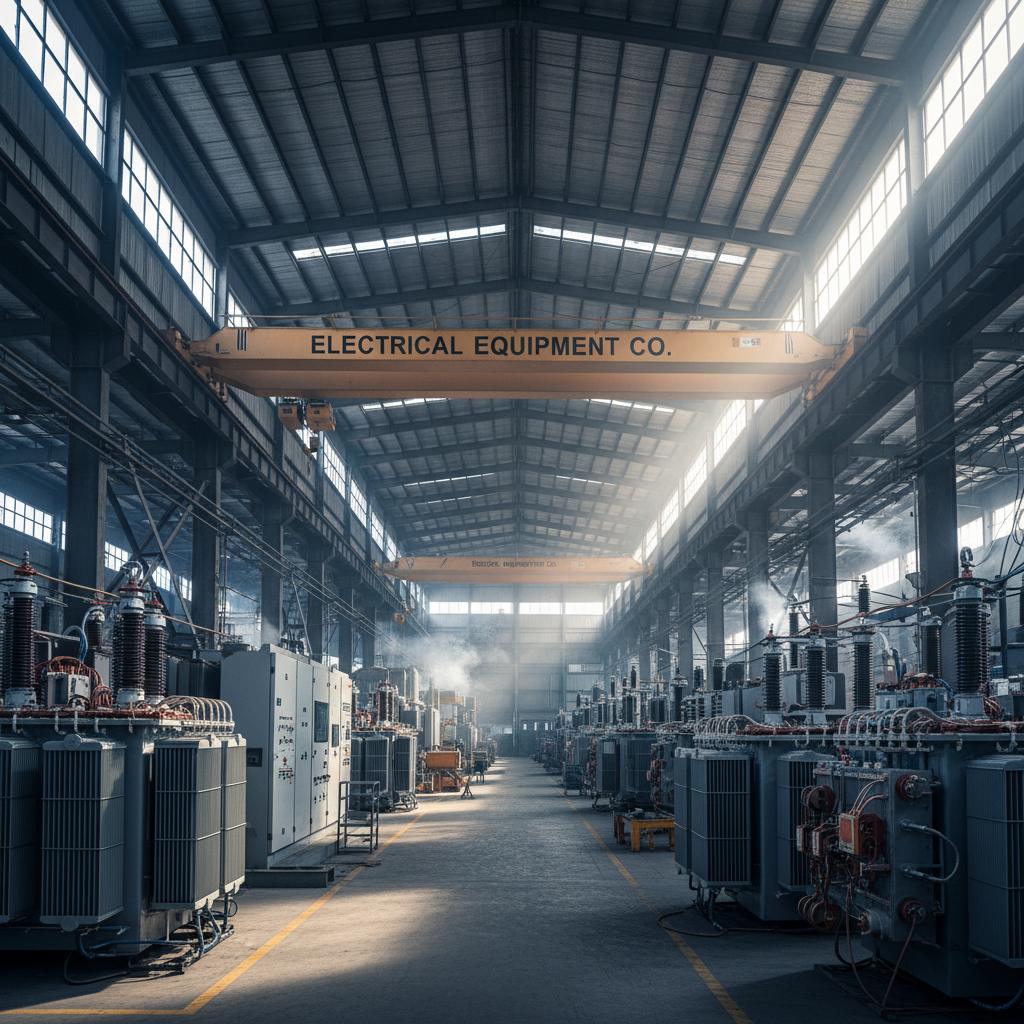
Furthermore, the scale of production plays a role. Manufacturers with integrated CNC production lines and automated surface treatment branches can offer more competitive pricing through economies of scale without compromising the physical and chemical testing standards required for high-voltage applications.
Core Cost Drivers in High-Tension Fitting Production
Beyond the raw material, the cost of a dead end clamp is heavily influenced by the surface treatment process. Hot-dip galvanizing, for instance, requires precise temperature control and chemical baths to ensure a uniform protective layer that prevents oxidation over decades of outdoor exposure.
Precision engineering also contributes to the cost. The clamp's geometry must ensure that the conductor is not damaged during installation or under peak tension. This requires high-tolerance CNC machining and rigorous quality management systems, such as ISO 9001, to ensure every unit meets the rated load capacity.
Additionally, the certification process—including testing for mechanical strength and electrical conductivity—adds a layer of overhead to the production cost. Products that have been vetted for use in State Grid or similar high-standard environments naturally command a premium due to their verified performance.
Operational Scenarios and Their Impact on Hardware Selection
Selecting a clamp based solely on price without considering the deployment scenario is a common procurement risk. In coastal areas, the presence of chloride ions accelerates the corrosion of standard galvanized steel, necessitating the use of high-grade aluminum or specialized coatings.
In high-wind zones or mountainous regions, the mechanical tension on dead end clamps increases significantly. In these cases, the focus shifts from the unit price to the ultimate tensile strength (UTS) and the safety factor of the clamp, as a single failure can lead to extensive grid downtime and costly emergency repairs.
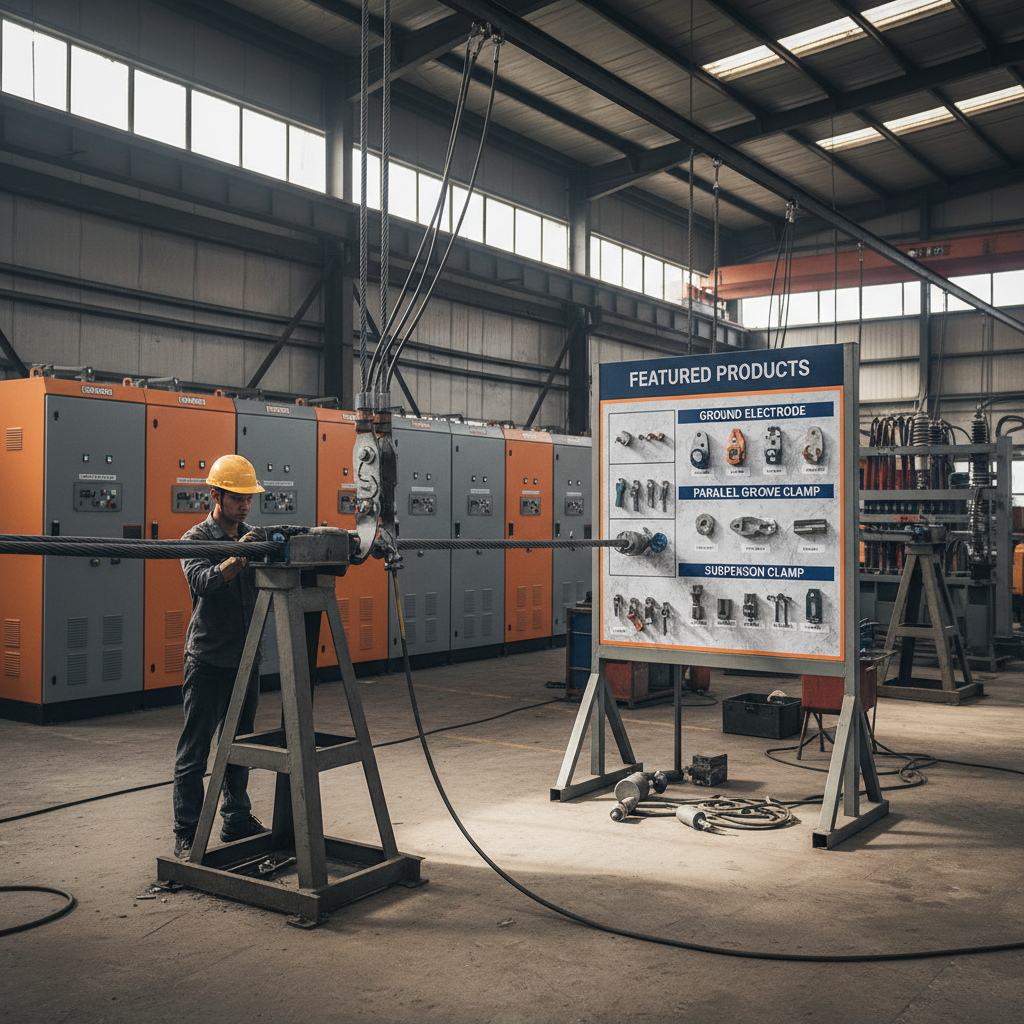
Urban environments, while less corrosive, often require clamps that integrate seamlessly with other hardware like suspension clamps or parallel groove clamps to manage complex routing. The compatibility of the hardware set often determines the overall project cost more than the price of an individual component.
Comparing Material Durability and Long-Term Value Metrics
When comparing standard-grade fittings against premium-grade solutions, the primary metric is the "cost per year of service." While premium clamps may have a higher upfront cost, their resistance to fatigue and corrosion extends the maintenance interval significantly.
The following data illustrates the relative performance efficiency of high-specification clamps compared to industry averages across key durability indicators, where a higher value indicates better performance relative to cost.
dead end clamp price Performance Metrics
As shown, the investment in higher-quality materials leads to a disproportionate increase in corrosion resistance and load stability. This suggests that for critical infrastructure, the "expensive" option is often the most economical over a 20-year operational horizon.
Strategic Procurement Guidelines for Power Line Hardware
Effective procurement requires a shift from "lowest bid" to "lowest total cost of ownership." This involves auditing the manufacturer's quality control pipeline, ensuring they possess full-process computer control systems and comprehensive chemical and physical testing facilities.
Buyers should demand verification of ISO 14001 and ISO 18001 certifications, which indicate a sustainable and safe manufacturing environment. Such certifications often correlate with a more disciplined approach to product consistency and quality assurance.
It is also advisable to evaluate the supplier's experience with large-scale utility providers. A manufacturer that has successfully supplied entities like the State Grid typically adheres to tighter tolerances and more rigorous testing protocols, reducing the risk of project delays due to rejected shipments.
Technological Shifts in Power Fitting Manufacturing Processes
The industry is moving toward higher levels of automation to reduce human error in the forging and casting stages. Advanced CNC production lines allow for more complex geometries that distribute tension more evenly across the conductor, potentially reducing the required material volume without sacrificing strength.
New surface treatment technologies are also emerging to provide thinner yet more durable protective layers. These innovations may help stabilize the dead end clamp price by reducing the amount of zinc required in the galvanizing process while improving the bond strength of the coating.
Additionally, the integration of sustainable manufacturing practices, focusing on low-carbon and green production, is becoming a requirement for international tenders. Companies that invest in energy-efficient furnaces and waste-recovery systems are likely to remain competitive as environmental regulations tighten.
Decision Matrix for Evaluating Dead End Clamp Suppliers
To finalize a supplier selection, procurement teams should utilize a weighted matrix that balances cost against technical capability and reliability. This ensures that the chosen partner can scale production while maintaining strict quality thresholds.
The table below provides a comparison of different hardware tiers based on typical application requirements and their corresponding value drivers.
| Hardware Grade | Primary Material | Ideal Application | Value Driver |
|---|---|---|---|
| Standard Utility | Galvanized Steel | Low-corrosion Inland | Initial Budget |
| High-Tension Pro | Alloy Steel / Zinc | Mountainous Terrain | Mechanical Strength |
| Marine Grade | High-Grade Aluminum | Coastal / Saline | Corrosion Life |
| Industrial Heavy | Reinforced Cast Iron | Heavy-Duty Substations | Structural Rigidity |
| Custom Precision | Specialized Alloys | High-Voltage Specialized | Tolerance Control |
| Eco-Efficient | Recycled Low-Carbon | Green Energy Projects | Sustainability |
Ultimately, the optimal choice depends on the specific geological and electrical constraints of the project. For those seeking a balance of established experience and modern manufacturing, reviewing the capabilities at www.samaoep.com can provide a benchmark for industrial-grade power fittings.
Frequently Asked Questions
Conclusion
The evaluation of a dead end clamp price must extend beyond the unit cost to encompass the total lifecycle value. By prioritizing material integrity and manufacturing precision, utilities can ensure the longevity of their infrastructure and minimize the risk of catastrophic failures.
As the industry moves toward smarter and more sustainable manufacturing, the gap between standard and premium hardware will likely widen. For procurement professionals and engineers seeking a reliable partner with decades of experience in power equipment manufacturing, the technical resources available at www.samaoep.com offer a comprehensive starting point for high-standard hardware selection.