Selecting a reliable suspension clamp factory is a critical decision for power grid engineers and procurement managers tasked with ensuring the structural integrity of overhead transmission lines. In the specialized field of electrical machinery and power fitting manufacturing, these components serve as the primary support mechanism for conductors, directly impacting the safety and longevity of the entire distribution network.
The primary challenge for buyers is balancing mechanical strength with electrical conductivity and corrosion resistance. Improperly manufactured clamps can lead to line sagging, conductor damage, or catastrophic failure during extreme weather events, making the factory's quality control systems and material certifications the most vital metrics for evaluation.
This guide provides a professional framework for evaluating suspension clamp manufacturers, analyzing the technical specifications of modern power fittings, and establishing a rigorous selection process to ensure high-performance connectivity in power line engineering.

Manufacturer Capacity and Technical Infrastructure

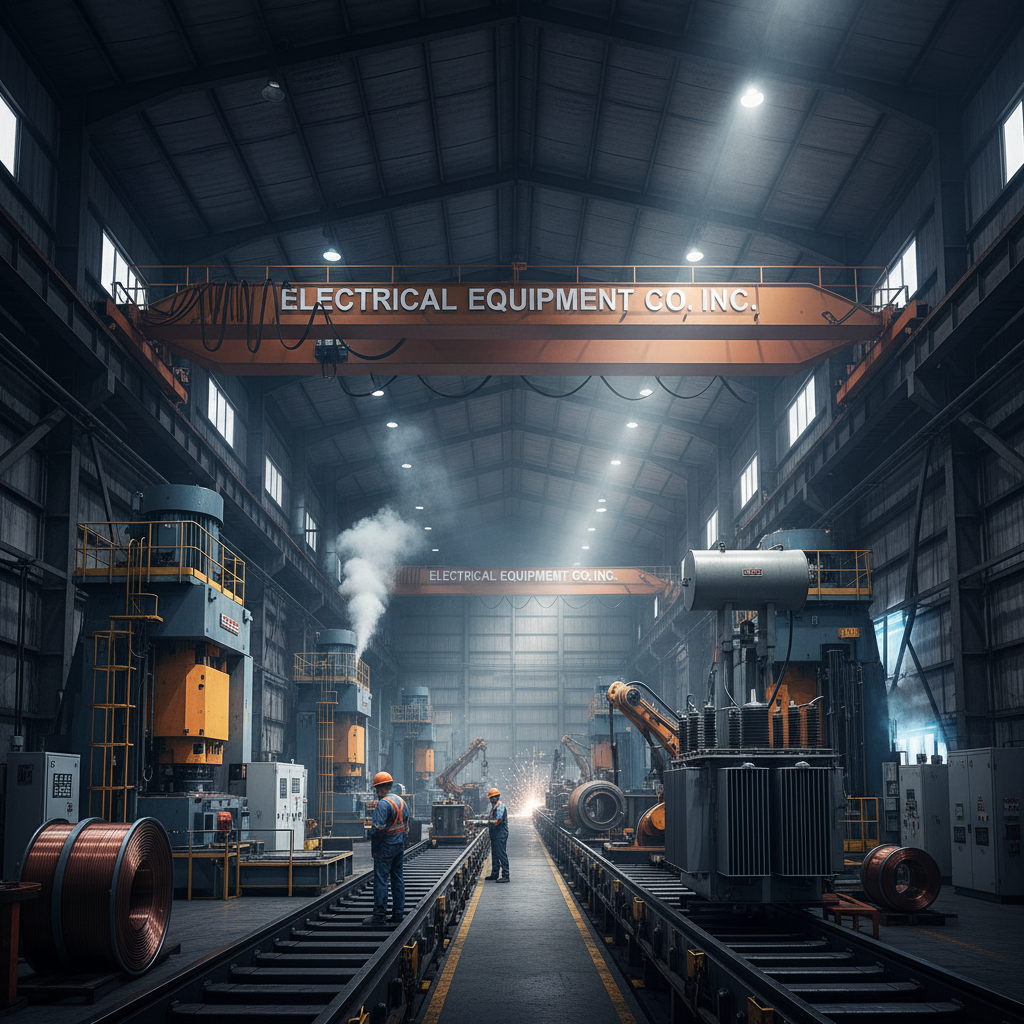
A professional suspension clamp factory must integrate advanced CNC production lines with rigorous testing facilities to ensure dimensional accuracy and load-bearing consistency. In the context of electrical power fittings, the ability to produce components that meet strict national and international standards is dependent on the manufacturer's investment in automated hardware processing and precision fasteners.
Handan Sanmao Electric Power Equipment Manufacturing Co., Ltd. exemplifies this infrastructure, operating over 23,000 square meters of facility space with dedicated CNC lines for electric iron accessories and fasteners. Such scale allows for high-volume production without sacrificing the stringent quality management required for State Grid and China Southern Power Grid projects.
Critical Engineering Specifications for Suspension Clamps
The technical performance of a suspension clamp is measured by its ability to support the conductor's weight while minimizing mechanical stress. Key specifications include the clamping force, the radius of the curvature to prevent wire fatigue, and the conductivity of the alloy used. These factors ensure that the conductor is held securely without being crushed or deformed over decades of service.
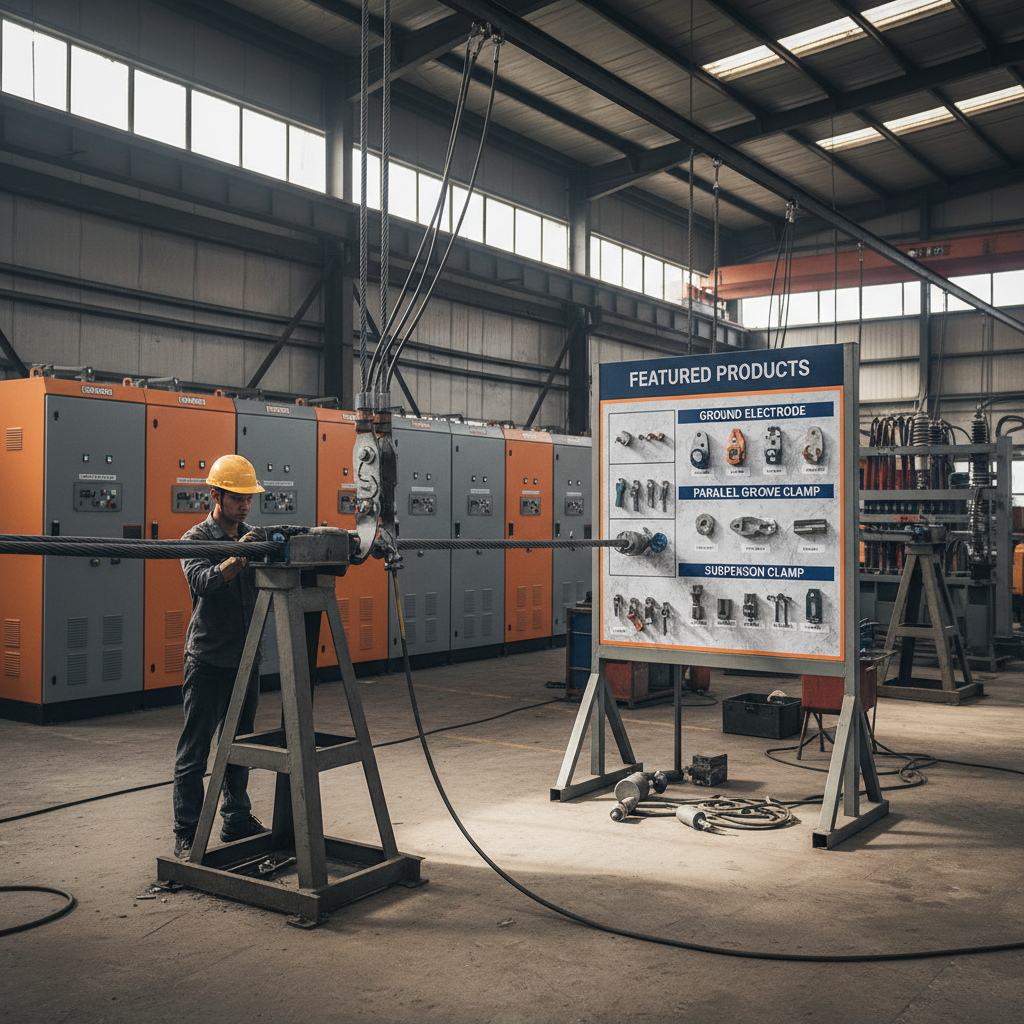
Beyond the suspension clamp, related fittings like parallel groove clamps rely on bolt pressure to achieve electrical performance. For instance, specialized types such as JB aluminum parallel groove clamps are engineered for specific cross-sections ranging from 16-240mm², demonstrating how precise sizing is essential for the splicing of aluminum stranded wires or steel core aluminum stranded wires.
Material Selection and Environmental Durability
Environmental degradation is the primary cause of failure in outdoor power fittings. Manufacturers typically utilize galvanized steel, aluminum alloys, or stainless steel to prevent oxidation and corrosion in harsh climates. The application of high-grade corrosion-resistant coatings is not merely an aesthetic choice but a structural necessity to extend the service life of the hardware.
The choice of material also affects the electrical efficiency of the connection. High-conductivity aluminum alloys are preferred for reducing resistance and improving power transmission stability. By combining mechanical strength with chemical stability, factories can produce fittings that withstand vibration and external forces without compromising the electrical contact.
Evaluating Production Efficiency and Quality Metrics
When assessing a suspension clamp factory, procurement officers should analyze the relative importance of different quality control dimensions. A balanced production approach ensures that speed does not compromise the physical and chemical testing requirements of the fittings.
The chart above illustrates a conceptual normalized score of critical factory evaluation dimensions. It highlights that while production capacity is necessary, the weight of quality management systems and technical personnel expertise often carries more significance in ensuring long-term grid reliability.
Application Scenarios in Power Line Engineering
Suspension clamps and related fittings are deployed across diverse network topologies. While suspension clamps are used for supporting conductors on intermediate poles, parallel groove clamps are indispensable for connecting aluminum stranded wires in positions that do not bear tension, such as overhead lightning protection lines or jumper connections in non-linear towers.
The versatility of these components allows engineers to adapt to various wire types, including bare aluminum, aluminum alloy, and copper wires. The ease of installation—typically requiring only a bolt-tightening process—significantly improves work efficiency during large-scale infrastructure deployments in rural or mountainous terrains.
Common Procurement Risks and Mitigation
The most significant risk in sourcing from a suspension clamp factory is the "hidden" failure of materials that appear compliant but lack consistency. This often manifests as premature corrosion or bolt loosening due to vibration. To mitigate this, buyers should demand evidence of a complete physical and chemical testing system and ISO certifications (such as ISO9001 and ISO14001) to ensure standardized processes.
Another common mistake is ignoring the compatibility between the clamp size and the conductor's actual cross-section. Utilizing a clamp that is too loose leads to high contact resistance, while one that is too tight can cause mechanical damage to the wire. Verifying the factory's range of sizes and their adherence to project-specific engineering drawings is essential.
Supplier Evaluation Decision Framework
To standardize the selection of a power fitting supplier, procurement teams can use a weighted evaluation matrix. This ensures that the decision is based on objective technical capabilities rather than just initial pricing.
| Evaluation Factor | High-Tier Factory | Mid-Tier Factory | Low-Tier Factory |
|---|---|---|---|
| Production Gear | Full CNC Automated | Partial CNC | Manual/Basic |
| Quality System | ISO & Full Testing | Basic ISO | Self-Declared |
| Material Traceability | Full Batch Tracking | Limited Tracking | No Traceability |
| Engineering Support | Custom Design Capable | Standard Catalog | Generic Products |
| Project Experience | State Grid/International | Local Regional | Small Scale |
| Surface Treatment | Multi-Stage Coating | Basic Galvanization | Single Layer |
By applying this framework, buyers can identify suppliers like Handan Sanmao, who combine high-tech enterprise status with established certifications and a proven track record in large-scale power grid bids, ensuring a lower total cost of ownership through reduced maintenance and failure rates.
Frequently Asked Questions
Verify the factory's ISO9001/ISO14001 certifications and their internal testing capabilities. A reputable factory should provide physical and chemical test reports for each batch and possess CNC production lines to ensure dimensional consistency.
Galvanized steel and high-grade aluminum alloys are standard for outdoor use. For extremely harsh or coastal environments, stainless steel or specialized corrosion-resistant coatings are recommended to prevent rust and extend service life.
While the design is versatile, clamps must be matched to the specific wire cross-section and material (e.g., aluminum stranded vs. steel core aluminum). Using the wrong size can lead to poor electrical contact or mechanical failure.
Electrical performance in these clamps relies on bolt pressure to ensure a tight mechanical bond between the wires and the clamp body, which minimizes electrical resistance and prevents overheating.
CNC equipment eliminates human error in machining, ensuring that every clamp meets exact engineering tolerances. This is critical for maintaining uniform clamping force and avoiding stress points on the conductor.
Look for a high ratio of professional technical and quality management personnel. A factory with a strong internal R&D capability and patent holdings is more likely to provide optimized solutions for complex project requirements.
Conclusion
The reliability of a power distribution network depends heavily on the quality of its smallest components. Evaluating a suspension clamp factory requires a holistic approach that looks beyond the unit price to examine production infrastructure, material science, and rigorous quality control systems. By prioritizing manufacturers with proven technical capabilities and certified management systems, engineers can significantly reduce the risk of grid failure.
For procurement professionals seeking high-standard power fittings and specialized hardware, detailed product specifications and manufacturing capabilities can be reviewed at www.samaoep.com to ensure alignment with project engineering requirements.