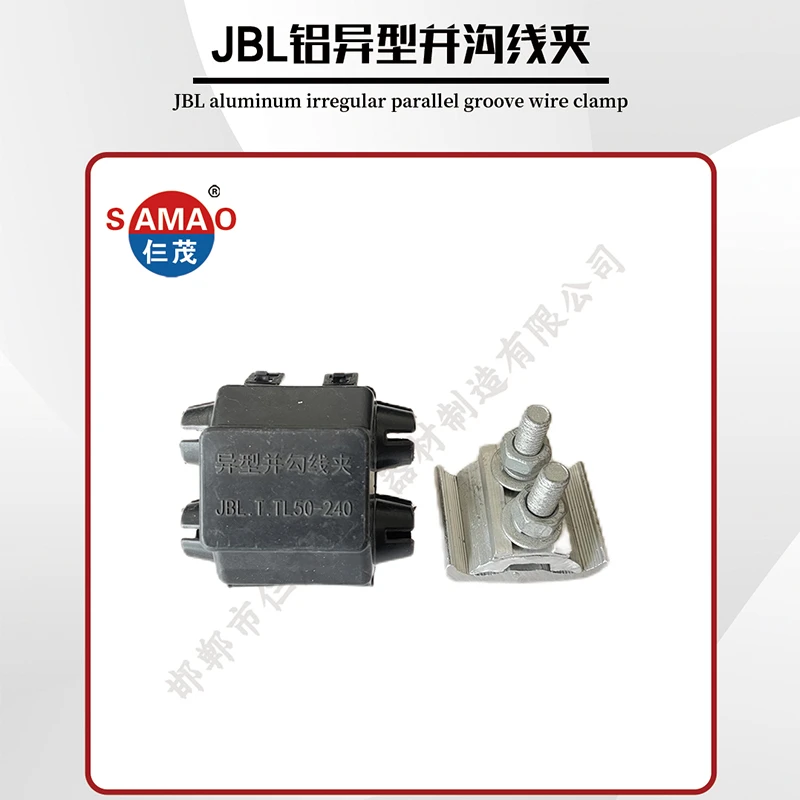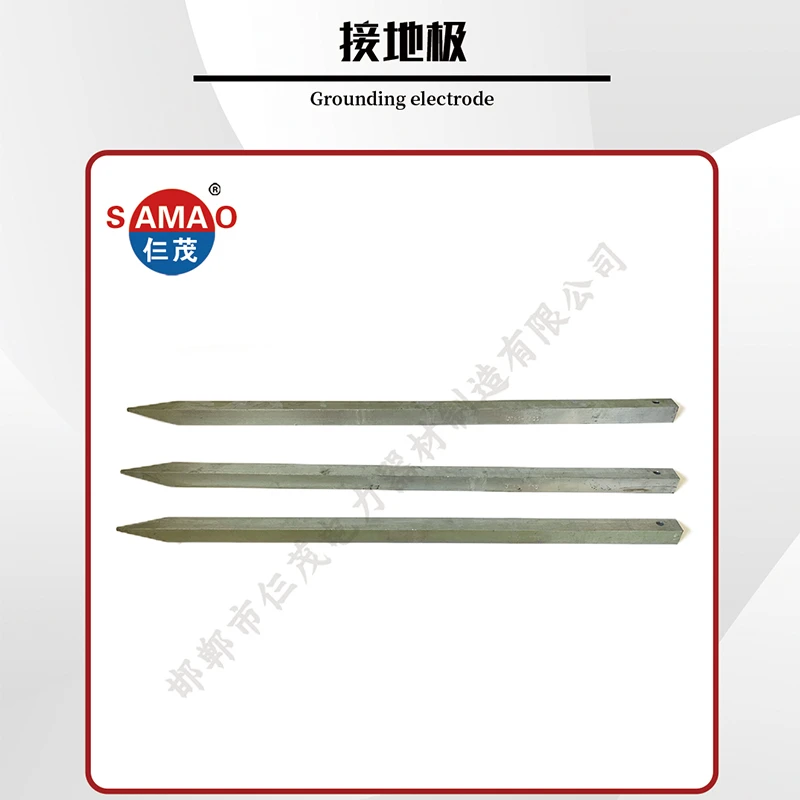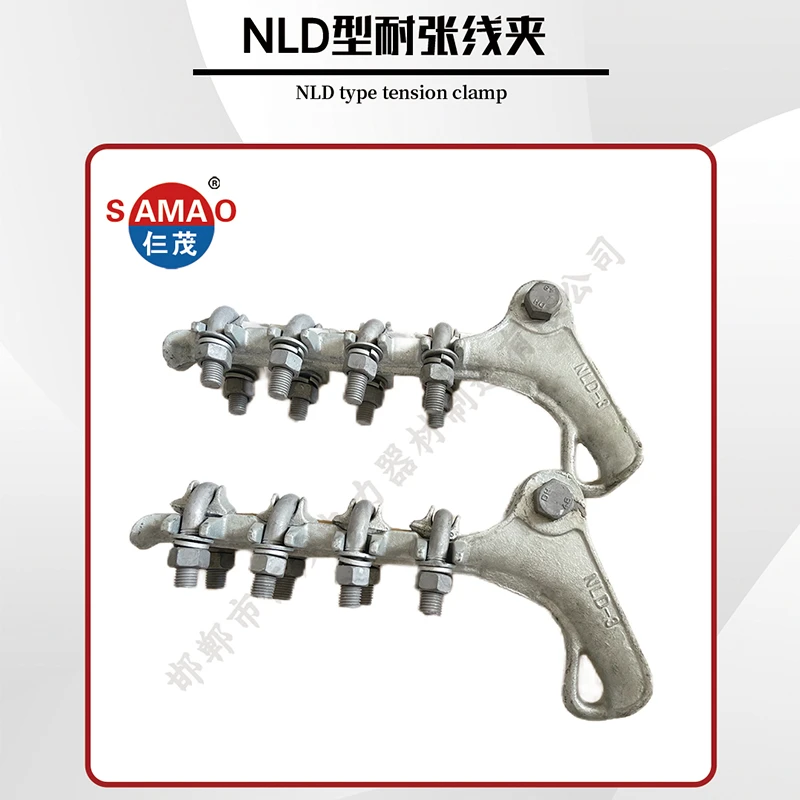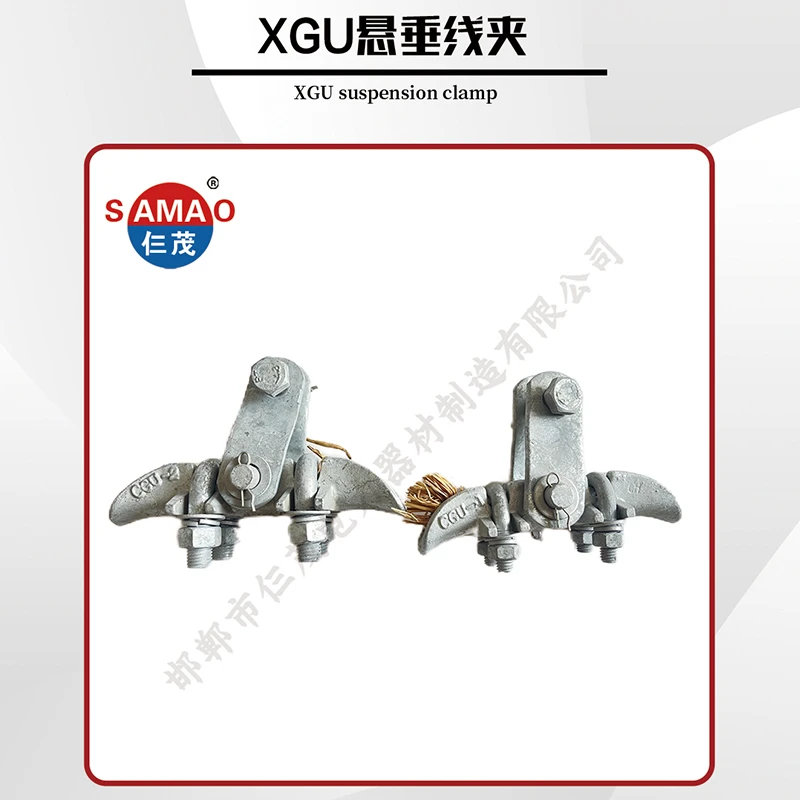
Secure Wire Cable Stop Clamp: Strong Grip & Reliability
Understanding the Critical Role of Wire Cable Stop Clamps in Industrial Applications
In the demanding world of industrial infrastructure, the integrity of cable management systems is paramount. Central to this is the reliable performance of the wire cable stop clamp, a vital component engineered to secure cables and wires, preventing slippage and providing crucial strain relief. These robust devices, often referred to as tension lock clamps, are indispensable across a multitude of sectors, ensuring operational continuity and safety.
The market for industrial cable management solutions, including advanced cable relief clamps, is experiencing significant growth. Driven by global investments in renewable energy, telecommunications, and smart infrastructure, the demand for high-performance components like strain clamps for overhead lines is steadily increasing. According to recent industry reports, the global market for cable accessories is projected to reach over $100 billion by 2027, with a Compound Annual Growth Rate (CAGR) of approximately 6-7%. This growth is fueled by the need for more efficient, durable, and reliable power transmission and data communication networks, where the failure of even a single component can lead to substantial downtime and financial losses. Manufacturers are continuously innovating, focusing on materials science, design optimization, and smart integration to meet increasingly stringent performance requirements and sustainability goals.
Precision Manufacturing: The Journey of a Wire Cable Stop Clamp
The manufacturing process of a high-quality wire cable stop clamp is a meticulous sequence designed to ensure uncompromised strength, durability, and precise dimensional accuracy. It typically involves advanced metallurgical and engineering techniques to produce a component capable of withstanding extreme environmental and mechanical stresses.
Key Process Steps:
- Material Selection: The foundation of a superior wire cable stop clamp lies in its material. Common choices include high-strength aluminum alloys (e.g., A6061-T6, A356.0), galvanized steel, stainless steel (e.g., 304, 316), or ductile iron. The selection depends on the application's specific requirements for corrosion resistance, tensile strength, and weight. For overhead line applications, aluminum alloys are favored for their excellent strength-to-weight ratio and electrical conductivity.
-
Casting/Forging:
- Sand Casting (for ductile iron/aluminum): Raw materials are melted and poured into sand molds, which are then broken away after cooling. This method is cost-effective for complex shapes.
- Die Casting (for aluminum): Molten metal is forced into a mold cavity under high pressure. This yields parts with excellent surface finish and dimensional accuracy, ideal for high-volume production.
- Forging (for steel/high-strength alloys): Metal is heated and shaped using localized compressive forces. This process enhances grain structure, resulting in superior strength and fatigue resistance, crucial for tension lock clamps.
- CNC Machining: Post-casting or forging, components undergo precision CNC (Computer Numerical Control) machining. This step ensures that critical dimensions, such as bore diameters, bolt holes, and clamping surfaces, meet strict tolerances. This accuracy is vital for optimal cable grip and uniform stress distribution.
- Surface Treatment: To enhance corrosion resistance and prolong service life, components often receive surface treatments. This might include hot-dip galvanization for steel parts (conforming to ISO 1461 or ASTM A153), anodizing for aluminum, or specialized powder coatings.
- Assembly & Fastening: Multi-part clamps are assembled, often incorporating high-strength fasteners (bolts, nuts, washers) made from galvanized steel or stainless steel, ensuring the clamp maintains its integrity under tension.
-
Quality Control & Testing: Each batch undergoes rigorous testing to comply with international standards like ISO 9001 (Quality Management), ANSI C119.4, IEC 61284, or ASTM B-series for material properties.
- Tensile Strength Testing: To verify the ultimate tensile strength and slip strength.
- Vibration & Fatigue Testing: Simulating real-world stresses to assess long-term durability.
- Corrosion Resistance Testing: Salt spray tests for treated surfaces.
- Dimensional Verification: Using precision instruments to ensure adherence to specifications.
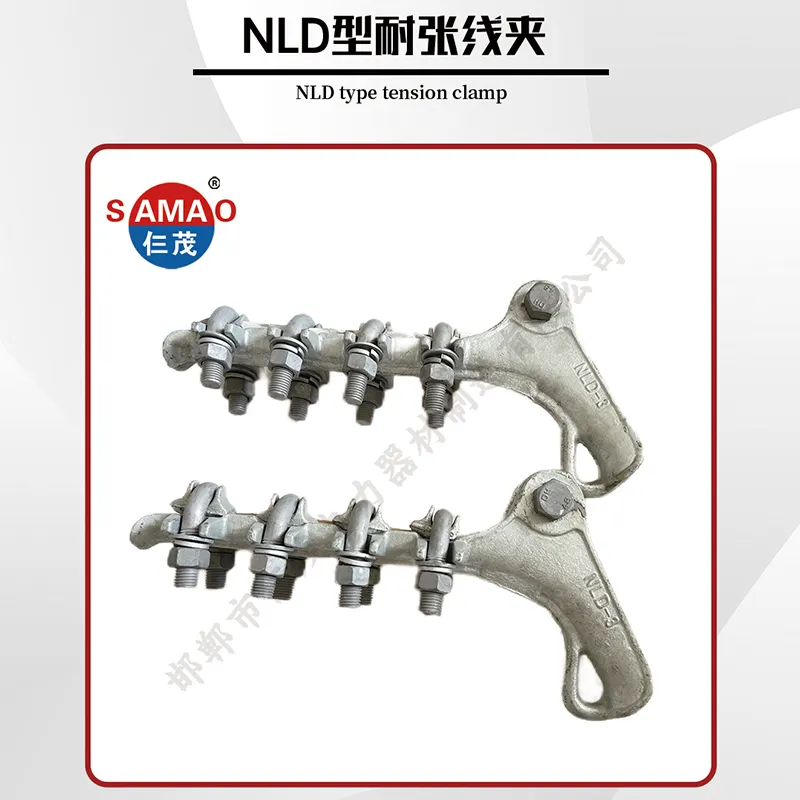
Figure 1: Illustration of a manufacturing stage for a wire cable stop clamp.
These stringent processes ensure a typical service life of 20-30 years, even in harsh environments, making them a reliable choice for critical infrastructure.
Technical Specifications and Performance Parameters
The performance of a wire cable stop clamp is defined by a set of critical technical specifications. These parameters are crucial for engineers and procurement specialists to ensure the selected clamp meets the precise demands of the application, whether it's for anchoring an overhead line or providing strain relief in a complex industrial setup.
Key Parameters for Wire Cable Stop Clamps:
- Rated Breaking Strength (RBS): This specifies the maximum tensile load the clamp assembly can withstand before mechanical failure. Measured in kilonewtons (kN), it's a primary indicator of the clamp's robustness.
- Slip Strength: The minimum axial force required to cause the conductor to slip within the clamp. For a reliable tension lock clamp, the slip strength is typically a high percentage (e.g., 90-95%) of the conductor's RBS.
- Conductor Diameter Range: Each clamp is designed for a specific range of cable diameters, ensuring a secure and uniform grip without damaging the cable.
- Material Composition: As discussed, this dictates corrosion resistance, conductivity, and mechanical strength. Aluminum alloys are common for strain clamps for overhead lines, while galvanized steel or stainless steel may be used for heavier-duty applications.
- Corrosion Resistance: Crucial for outdoor and marine environments. Testing standards like ASTM B117 (Salt Spray) quantify this.
- Temperature Rating: The operational temperature range within which the clamp maintains its mechanical and electrical properties.
- Installation Torque: For bolted clamps, specifying the correct torque ensures optimal clamping force and prevents overtightening, which could damage the cable or clamp.
Typical Product Specification Table:
| Parameter | Specification Range (Example) | Testing Standard |
|---|---|---|
| Material | High-Strength Aluminum Alloy (A6061-T6) or Galvanized Steel | ASTM B209, ISO 1461 |
| Conductor Diameter | 5mm - 30mm (specific models vary) | IEC 61284 |
| Rated Breaking Strength (RBS) | 20 kN - 250 kN | ANSI C119.4 |
| Slip Strength | ≥ 90% of Conductor RBS | IEC 61284 |
| Corrosion Resistance | High (e.g., 1000h salt spray resistance) | ASTM B117 |
| Operating Temperature | -40°C to +80°C | Internal QA Standards |
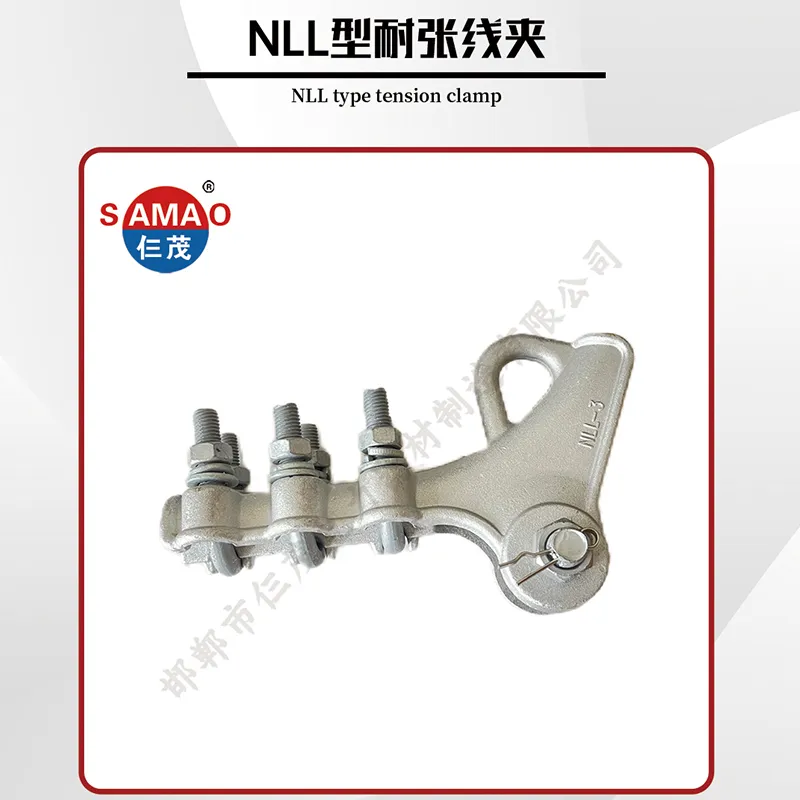
Figure 2: Technical drawing showcasing the dimensions and components of a wire cable stop clamp.
Understanding these specifications is vital for ensuring the longevity and safety of infrastructure. For example, a strain clamp for overhead line applications must meet stringent slip strength requirements to prevent catastrophic line failures during high winds or ice loading.
Application Scenarios and Technical Advantages
The versatility and reliability of the wire cable stop clamp make it indispensable across various critical industries and diverse application scenarios. Its primary function is to securely anchor or tension a cable, preventing movement and distributing mechanical stress effectively.
Target Industries:
- Power Transmission & Distribution: Essential for securing overhead power lines, including ADSS/OPGW fiber optic cables. Strain clamps for overhead lines are crucial for maintaining conductor sag, tension, and preventing galloping.
- Telecommunications: Anchoring messenger wires for aerial telephone and data cables, ensuring stable communication networks.
- Petrochemical & Oil & Gas: Used in cable tray systems, hazardous area lighting, and instrument cable support, where corrosion resistance and explosion-proof properties are paramount.
- Mining: Supporting heavy power cables in underground and surface mining operations, where robust construction and high load-bearing capacity are critical.
- Railway & Transportation: Securing signaling and power cables along railway tracks and in tunnel applications.
- Water Supply & Drainage: Anchoring control and power cables for pumping stations and water treatment facilities, often requiring excellent resistance to moisture and chemicals.
Technical Advantages:
- Superior Strain Relief: The primary advantage of a cable relief clamp is its ability to evenly distribute mechanical stress across the cable, preventing localized fatigue and premature failure.
- Corrosion Resistance: Utilizing materials like hot-dip galvanized steel or marine-grade stainless steel ensures longevity in harsh, corrosive environments, reducing maintenance costs and improving service life.
- Enhanced Safety & Reliability: By preventing cable slippage and providing a secure termination point, these clamps minimize the risk of electrical faults, mechanical failures, and potential hazards to personnel.
- Energy Efficiency (Indirect): By maintaining precise cable tension and sag, especially in overhead lines, they contribute to optimized power transmission, reducing energy losses associated with improper conductor geometry.
- Ease of Installation & Maintenance: Many modern tension lock clamps are designed for straightforward installation with common tools, facilitating faster deployment and simpler inspections.
- Vibration Dampening: Some designs incorporate features or materials that help dampen vibrations caused by wind (Aeolian vibration), further extending the lifespan of both the clamp and the conductor.
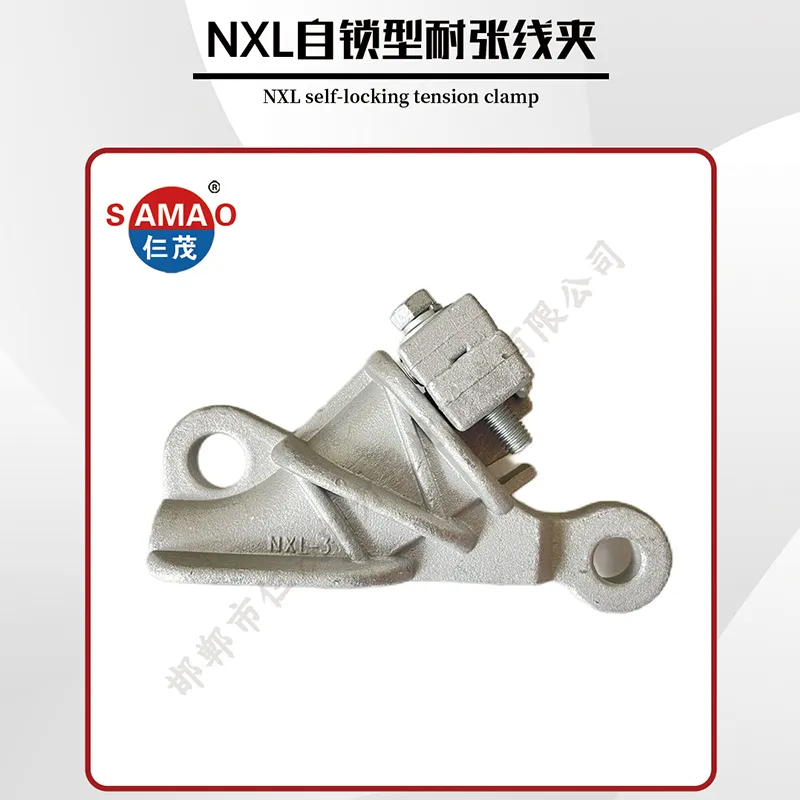
Figure 3: A wire cable stop clamp in an overhead power line application.
Vendor Comparison and Customized Solutions
Selecting the right vendor for wire cable stop clamp solutions is a critical decision for B2B clients, impacting project timelines, budget, and long-term operational reliability. A thorough vendor comparison goes beyond initial price, delving into product quality, certifications, and service capabilities.
Key Factors for Vendor Comparison:
- Quality & Certifications: Look for vendors with ISO 9001 certification and products tested to international standards (e.g., ANSI, IEC, ASTM). This ensures consistent quality and compliance.
- Material Expertise: Vendors with deep knowledge of metallurgy can recommend the optimal materials (e.g., specific aluminum alloys for conductivity, stainless steel for chemical resistance).
- Manufacturing Capabilities: Assess if the vendor utilizes advanced techniques like CNC machining, controlled casting, or precision forging to ensure product integrity.
- Customization Options: The ability to tailor designs (e.g., for unique cable diameters, specific load requirements, or specialized environmental conditions) is a significant advantage.
- Technical Support & After-Sales Service: Responsive technical support, detailed installation guides, and strong warranty terms are indicative of a reliable partner.
- Track Record & Industry Experience: Vendors with extensive experience (e.g., 20+ years) and a portfolio of successful projects demonstrate proven reliability.
Product Comparison Table (Generic Characteristics):
| Feature/Type | Wedge-Type Tension Lock Clamp | Bolted Cable Relief Clamp | Preformed Helical Strain Clamp |
|---|---|---|---|
| Mechanism | Wedge action increases grip with tension | Compression by tightening bolts | Helical rods wrap around conductor |
| Installation Complexity | Relatively simple, tool-less options available | Requires specific torque wrench, moderately complex | Manual wrapping, can be time-consuming |
| Cable Damage Risk | Low, self-tightening action | Moderate if overtightened | Very Low, uniform pressure distribution |
| Slip Strength | High (often >90% RBS) | Medium to High (variable by design) | Excellent (>95% RBS) |
| Vibration Dampening | Limited inherent capability | Limited inherent capability | Very Good, acts as a damper |
| Typical Application | Low to medium tension utility, service drops | Heavy duty dead-ending, major transmission lines | Distribution, transmission, fiber optic (ADSS/OPGW) |
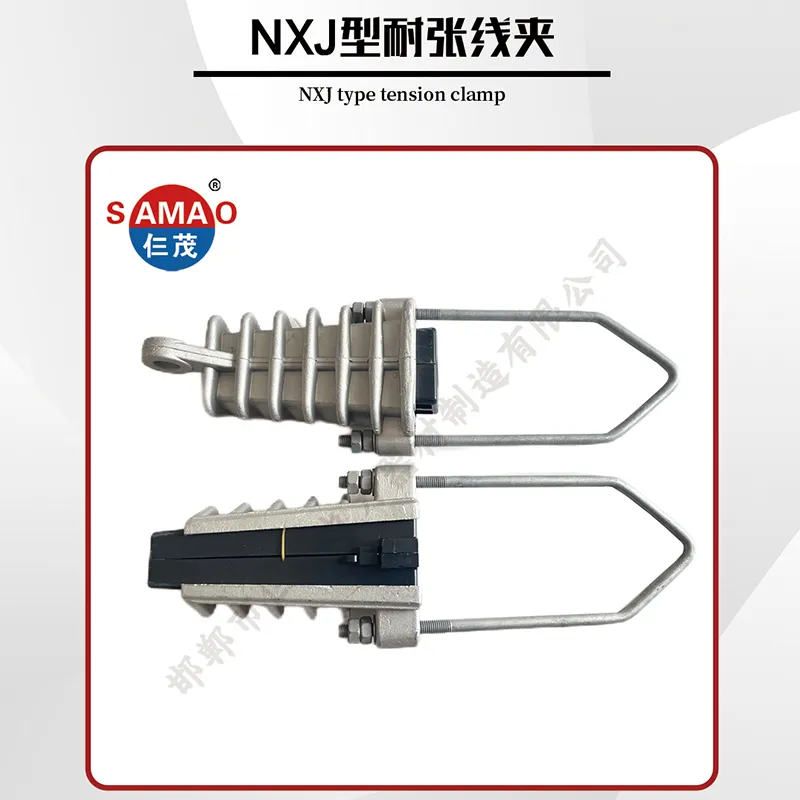
Figure 4: A range of wire cable stop clamp designs, showcasing diverse applications.
Customized Solutions:
Many specialized projects require tailor-made solutions for their wire cable stop clamp needs. Reputable manufacturers offer extensive customization capabilities, including:
- Material Adaptation: Using specific alloys for extreme temperature variations, highly corrosive atmospheres (e.g., coastal, industrial chemical zones), or unique electrical conductivity requirements.
- Dimensional Modification: Adjusting clamp body length, jaw profile, or bolt configurations to accommodate non-standard cable sizes or unique installation geometries.
- Load Capacity Enhancement: Designing clamps for higher than standard Rated Breaking Strengths (RBS) for exceptionally heavy or long-span conductors.
- Integrated Features: Incorporating additional elements like vibration dampers, sacrificial anodes for enhanced corrosion protection, or specialized coating systems.
This bespoke approach ensures optimal performance and a perfect fit for even the most challenging infrastructure projects.
Real-World Application Case Studies and Industry Authoritativeness
The proven track record of a manufacturer and its adherence to industry standards underscore its authoritativeness in the field of wire cable stop clamp solutions. Decades of experience, robust certifications, and successful project deployments build trust and demonstrate expertise.
Authoritativeness and Certifications:
- ISO 9001:2015 Certification: Demonstrates a commitment to a robust Quality Management System throughout design, production, and service.
- Compliance with International Standards: Products rigorously tested to standards such as ANSI C119.4 (for Electrical Connectors and Lugs), IEC 61284 (for Overhead Line Fittings), and various ASTM material specifications.
- Decades of Service: Companies with 20+ years in the industry often have unparalleled experience in product evolution and application challenges.
- Partner Clients: Collaborations with major utility companies, telecommunications giants, and large-scale industrial developers serve as powerful testimonials to product reliability and vendor capability.
Application Case Studies:
Here are examples of how advanced wire cable stop clamp solutions have been successfully deployed:
-
Case Study 1: High-Voltage Transmission Line Expansion, Midwest USA
A major utility company required durable strain clamps for overhead lines to support the expansion of a 345 kV transmission network across challenging terrain. The chosen solution involved specialized preformed helical tension lock clamps made from high-strength aluminum alloy, designed to accommodate ACSR conductors ranging from 20mm to 35mm. The clamps demonstrated exceptional slip strength (>95% of conductor RBS) during field tests and significantly reduced installation time due to their preformed design. The project, completed within budget and ahead of schedule, has now been operational for over 5 years without any reported failures, showcasing the product's resilience to extreme weather conditions and constant mechanical tension. Customer feedback highlighted the ease of installation and the robust build quality.
-
Case Study 2: Offshore Wind Farm Cable Management, North Sea
For an offshore wind farm project, subsea power and fiber optic cables required secure anchoring and protection against dynamic loads and severe marine corrosion. Custom-designed cable relief clamps manufactured from marine-grade 316L stainless steel, with additional sacrificial zinc anodes, were deployed. These clamps were engineered to withstand continuous immersion in saltwater, strong currents, and cyclical loading from wave action. The clamps’ specialized grip mechanism minimized stress concentration points on the delicate optical fibers within the composite cables. Post-installation monitoring confirmed superior corrosion resistance and consistent performance, contributing to the wind farm's high operational efficiency and minimizing maintenance interventions in a highly inaccessible environment.
-
Case Study 3: Metropolitan Rail Transit System Upgrade, Asia
An upgrade to an extensive urban rail network necessitated robust and vibration-resistant clamping solutions for overhead catenary support cables and signaling lines. The solution provided by a leading manufacturer included galvanized ductile iron tension lock clamps, rigorously tested for fatigue resistance and slip strength under constant vibration. These clamps featured optimized geometry to reduce fatigue stress on the conductors, crucial for a system with continuous train movements. Test data showed these clamps exceeded the required 10 million cycles under simulated operational vibration, ensuring a service life compatible with the railway’s 30-year operational targets and significantly enhancing system safety and reliability.
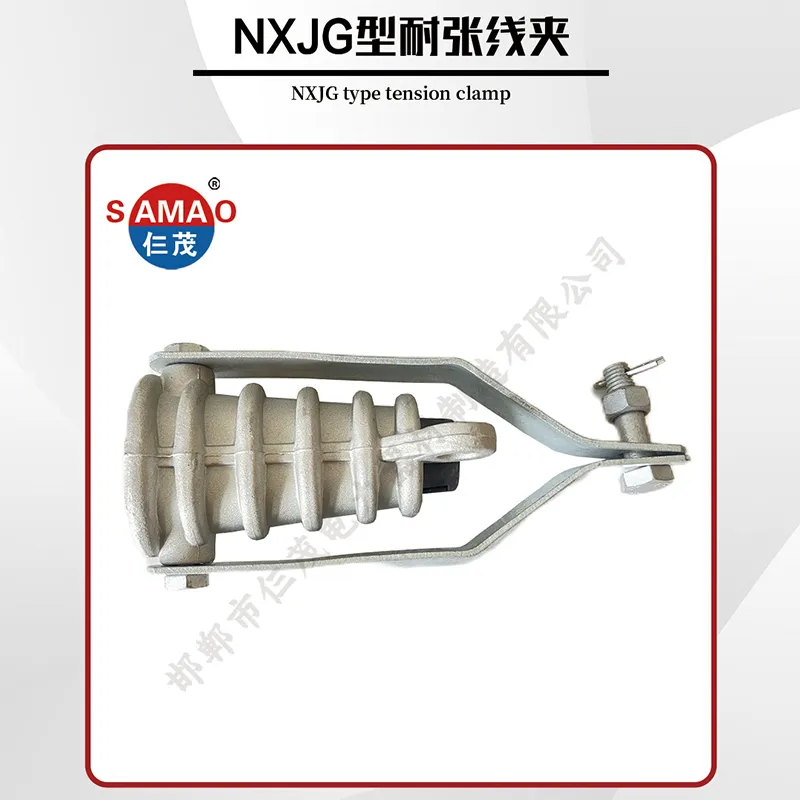
Figure 5: Engineers inspecting the installation of a wire cable stop clamp in a field setting.
Ensuring Trustworthiness: FAQ, Lead Time, Warranty, and Support
Trust is foundational in B2B partnerships, especially when dealing with critical components like the wire cable stop clamp. A transparent approach to frequently asked questions, logistics, warranty, and customer support builds confidence and streamlines project execution.
Frequently Asked Questions (FAQ):
- Q1: What are the key differences between a tension clamp, strain clamp, and dead-end clamp?
- A1: These terms are often used interchangeably or describe specific applications of the same core device – a cable relief clamp designed to grip a conductor and transfer its mechanical load to a support structure. "Tension clamp" and "strain clamp" generally refer to their function of maintaining tension or absorbing strain, while "dead-end clamp" specifically denotes their use at the end of a line where a conductor terminates or changes direction, taking the full mechanical load.
- Q2: How do I select the correct wire cable stop clamp for my application?
- A2: Selection depends on critical factors: conductor type and diameter, required Rated Breaking Strength (RBS) and slip strength, environmental conditions (corrosion, temperature), line voltage, and installation method. Consulting with our technical team is highly recommended to ensure optimal product matching.
- Q3: What material offers the best corrosion resistance for marine environments?
- A3: For severe marine environments, 316L stainless steel offers superior corrosion resistance compared to galvanized steel or standard aluminum alloys. Specialized coatings and anodic protection can further enhance longevity in such conditions.
Lead Time and Fulfillment:
We maintain a robust inventory of standard wire cable stop clamp products, enabling swift dispatch. Typical lead times are:
- Standard Products: 1-2 weeks from order confirmation.
- Customized Solutions: 4-6 weeks, depending on design complexity and material sourcing.
Expedited manufacturing and shipping options are available for urgent project requirements. Our logistics team works closely with clients to ensure timely delivery to global destinations.
Warranty Commitments:
All our wire cable stop clamp products are backed by a comprehensive 5-year warranty against manufacturing defects and material failures under normal operating conditions. This commitment reflects our confidence in the quality and durability of our engineering. Extended warranty options are available for specific project scales and applications.
Customer Support:
Our dedicated technical support team comprises experienced engineers ready to assist with product selection, installation guidance, and troubleshooting. We offer:
- 24/7 Online Support: Via email and dedicated B2B portal.
- Phone Consultation: During business hours for immediate assistance.
- On-site Technical Assistance: Available for complex installations or large-scale projects, by arrangement.
- Comprehensive Documentation: Including detailed product manuals, installation guides, and performance data sheets.
Our goal is to ensure seamless integration and optimal long-term performance for every client.
Conclusion
The wire cable stop clamp is a critical, yet often overlooked, component in the vast landscape of industrial and utility infrastructure. Its role in ensuring the safe, reliable, and efficient operation of power transmission, telecommunications, and various industrial cable systems cannot be overstated. From precision manufacturing processes utilizing advanced materials to rigorous testing against international standards, every aspect of a high-quality tension lock clamp is designed for long-term performance in the most demanding environments. By understanding the technical specifications, diverse application scenarios, and the importance of choosing a reputable vendor committed to quality, customization, and comprehensive support, B2B decision-makers can make informed choices that safeguard their investments and ensure operational continuity for decades to come.
References:
- International Electrotechnical Commission (IEC). IEC 61284: Overhead lines - Requirements and tests for fittings.
- American National Standards Institute (ANSI). ANSI C119.4: Electric Connectors - Connectors for Use with Overhead Lines.
- International Organization for Standardization (ISO). ISO 9001: Quality management systems – Requirements.
- ASTM International. ASTM A153/A153M: Standard Specification for Zinc Coating (Hot-Dip) on Iron and Steel Hardware.
- Mordor Intelligence. Cable Accessories Market - Growth, Trends, COVID-19 Impact, and Forecasts (2022 - 2027).
-
Laundry Efficiency Guide with pengapit ampaian dengan cangkuk iNewsApr.16,2026
-
Optimizing Power Infrastructure with the pengapit ampaian tnbNewsApr.09,2026
-
Comprehensive Guide to Selecting the Right pengapit penggantungan untuk kabel lt ab SolutionsNewsApr.07,2026
-
Comprehensive Guide to Pengapit Talian Penghantaran for Secure Package DeliveryNewsApr.04,2026
-
Comprehensive Guide to Pemasangan Pengapit Penggantungan for Overhead Cabling SystemsNewsMar.31,2026
-
Comprehensive Guide to Pengapit Ampaian yang Telah Dibentuk for Construction SafetyNewsMar.28,2026
-
Comprehensive Guide to Pengapit Ampaian Besi for Scaffolding SafetyNewsMar.26,2026