Wire Cable Stop Clamp: Secure & Reliable Tension Lock Solutions
Understanding the Critical Role of Wire Cable Stop Clamps in Modern Infrastructure
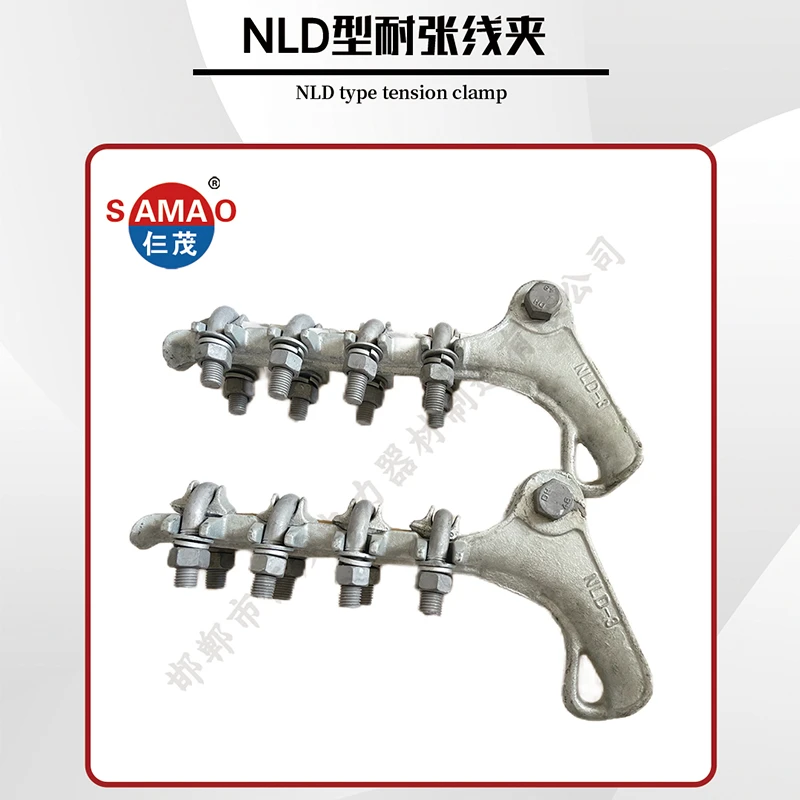
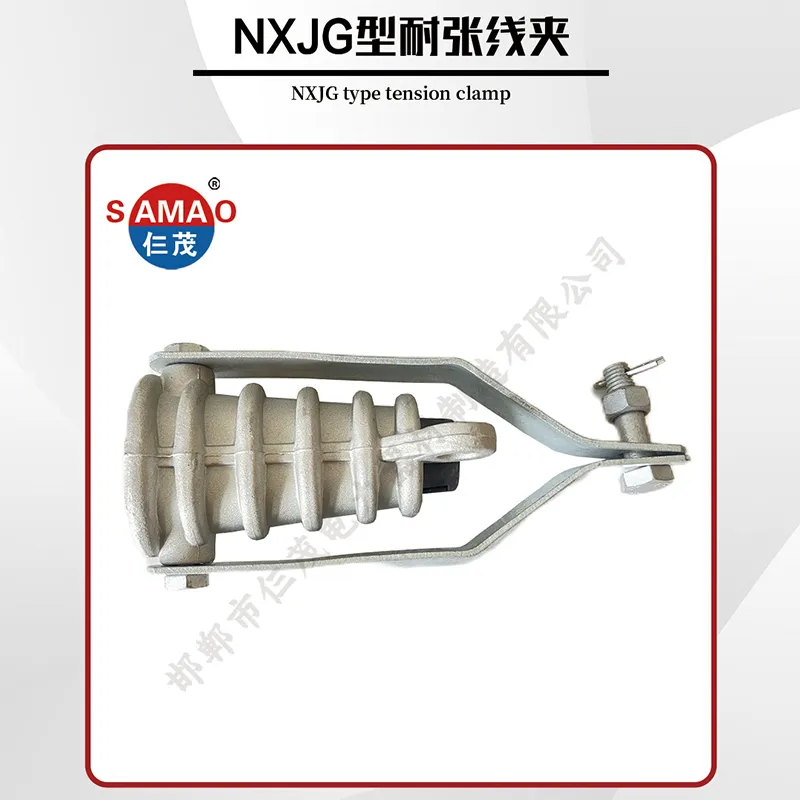
In the demanding landscape of modern infrastructure, the reliability and safety of power transmission, telecommunications, and industrial cabling systems hinge significantly on robust mechanical connections. A pivotal component in this regard is the wire cable stop clamp. These specialized devices, often referred to as tension clamps, strain clamps, or dead-end clamps, are engineered to securely anchor and terminate conductors, optical ground wire (OPGW), and various cable types, ensuring optimal tensioning and strain relief. Their fundamental purpose is to prevent cable slippage and transfer the mechanical load of the conductor to supporting structures, thereby maintaining system integrity and operational continuity.
The performance of a wire cable stop clamp is critical for the long-term stability of overhead lines and industrial installations. It must withstand environmental stresses such as wind, ice, and temperature fluctuations, in addition to the static and dynamic loads imposed by the cable itself. The selection of an appropriate wire cable stop clamp is a complex engineering decision, considering factors like material compatibility, ultimate tensile strength (UTS), slip strength, fatigue resistance, and ease of installation. This comprehensive guide delves into the technical intricacies, application diversity, and strategic advantages offered by advanced wire cable stop clamp solutions, providing B2B decision-makers and technical engineers with essential insights.
Current Industry Trends in Cable Clamping Technology
The industry for cable clamping solutions is undergoing significant transformation, driven by demands for higher performance, enhanced durability, and improved sustainability. Key trends influencing the development and deployment of wire cable stop clamp technology include:
- Advanced Materials: A shift towards lightweight, high-strength aluminum alloys, corrosion-resistant stainless steels, and engineered polymers for improved longevity and reduced environmental impact. For instance, high-strength aluminum alloys offer an excellent strength-to-weight ratio, reducing structural load on towers.
- Smart Grid Integration: The integration of monitoring capabilities into clamps to provide real-time data on tension, vibration, and temperature, enabling predictive maintenance and enhanced grid reliability.
- Optimized Designs for Specific Conductors: Development of specialized clamps for new conductor types like ACCC (Aluminum Conductor Composite Core) and HTLS (High-Temperature Low-Sag) conductors, which require designs that minimize stress concentrations and prevent damage to the composite core.
- Easier and Safer Installation: Innovations focusing on tool-less or simplified installation procedures, reducing labor costs and enhancing safety for field personnel. Pre-formed helical dead-ends are a prime example of this trend.
- Enhanced Corrosion Resistance: Increased focus on surface treatments like hot-dip galvanizing for steel components and anodizing for aluminum to prolong service life in harsh environments, reducing lifecycle costs.
These trends underscore a commitment to evolving infrastructure needs, ensuring that components like the wire cable stop clamp remain at the forefront of engineering excellence and operational efficiency.
Technical Specifications and Parameters of Wire Cable Stop Clamps
The performance of any wire cable stop clamp is defined by a rigorous set of technical specifications. These parameters dictate its suitability for specific applications and its ability to withstand operational stresses over its service life.
- Ultimate Tensile Strength (UTS): This is the maximum load the clamp can withstand before fracture, often significantly higher than the rated working load. It's a critical safety parameter.
- Slip Strength (Holding Strength): The minimum axial load at which the cable begins to slip relative to the clamp. For a tension lock clamp, this is paramount, ensuring the cable remains firmly gripped. Industry standards often mandate a minimum slip strength as a percentage of the cable's UTS (e.g., 95% for full-tension applications).
- Fatigue Resistance: The ability of the clamp to endure cyclic loading (e.g., vibration from wind) without failure. This is especially important for strain clamps for overhead line applications.
- Material Composition: Typically high-strength aluminum alloys (e.g., A6063, A356), hot-dip galvanized steel, or stainless steel for corrosion resistance, coupled with appropriate hardware like clevises and cotter pins.
- Cable Diameter Range: Each clamp is designed for a specific range of conductor diameters to ensure proper fit and grip.
- Corrosion Resistance: Measured by coating thickness (for galvanized components) or material properties in corrosive environments. ASTM B117 salt spray tests are commonly used to assess this.
- Electrical Performance: For conductive clamps, resistance and temperature rise under current flow are crucial, ensuring minimal power loss and preventing hot spots.
Typical Product Specification Table: Tension Clamps
| Parameter | Description | Typical Value Range |
|---|---|---|
| Material | High-strength Aluminum Alloy (e.g., A356), Hot-dip Galvanized Steel | Al ≥ 99.5%, Zn Coating ≥ 85µm |
| Rated Ultimate Tensile Strength (RUTS) | Maximum design load before failure | 50 kN – 300 kN (Varies by size/application) |
| Slip Strength | Minimum load to cause cable slippage | 95% of Cable's UTS (Full Tension) |
| Applicable Cable Diameter | Range of conductor diameters accommodated | 8 mm – 50 mm |
| Insulation Level (for some types) | Ability to withstand voltage without breakdown | Up to 500 kV AC / 800 kV DC (System dependent) |
| Service Life Expectancy | Expected operational lifespan under normal conditions | ≥ 30 Years |
| Applicable Standards | International/National testing and design standards | ISO 9001, ANSI C119.4, IEC 61284, ASTM B117 |
Manufacturing Process of a High-Quality Wire Cable Stop Clamp
The production of a reliable wire cable stop clamp involves a meticulously controlled process, ensuring each unit meets stringent performance and durability requirements. The manufacturing process typically encompasses the following stages, emphasizing material quality, precision engineering, and robust testing.
Process Flow Schematic:
- Material Selection and Preparation: High-grade raw materials are chosen based on the clamp's application. For aluminum clamps, this involves selecting specific aluminum alloys (e.g., A356 for casting, 6061/6063 for extrusion). Steel components utilize high-strength carbon steel, often specified for hot-dip galvanizing.
-
Forming Process (Casting/Forging/Extrusion):
- Casting: Molten aluminum alloy is poured into molds to create the main clamp body, offering complex shapes. Advanced casting techniques ensure minimal porosity.
- Forging: Steel or aluminum billets are heated and shaped under immense pressure, enhancing material density and grain structure, leading to superior strength and fatigue resistance.
- Extrusion: For certain clamp components or cable relief clamp designs, aluminum is pushed through a die to create uniform profiles.
- CNC Machining: Precision machining is performed to achieve exact dimensions, smooth surfaces, and critical tolerances for optimal cable gripping and fit. This step ensures that components interlock perfectly and apply uniform pressure.
-
Surface Treatment:
- Hot-dip Galvanizing: Steel parts are immersed in molten zinc to provide a robust, long-lasting corrosion-resistant coating. This adheres to standards like ASTM A153.
- Anodizing: Aluminum parts may undergo anodizing to enhance surface hardness, wear resistance, and corrosion protection.
- Assembly: Components are assembled, often with specialized tools, ensuring correct orientation and torque specifications for fasteners.
-
Quality Control and Testing: Each batch undergoes rigorous testing, including:
- Mechanical Tests: Slip strength tests, ultimate tensile strength tests, fatigue tests according to standards like ANSI C119.4 or IEC 61284.
- Environmental Tests: Salt spray tests (ASTM B117) for corrosion resistance, temperature cycling.
- Dimensional Inspection: Verification against design specifications.
The robust manufacturing process contributes significantly to the long service life of a wire cable stop clamp, typically exceeding 30 years in normal operational conditions. Advantages in typical application scenarios include superior corrosion resistance due to specialized surface treatments, energy saving through efficient current transfer in conductive clamps, and enhanced operational safety from reliable mechanical gripping. These characteristics are particularly vital in target industries such as petrochemical, metallurgy, water supply & drainage, and high-voltage power transmission, where component failure can have severe consequences.
Application Scenarios and Target Industries
The versatility of the wire cable stop clamp makes it an indispensable component across a broad spectrum of industries and application environments. Its primary function as a reliable termination and tensioning device is critical wherever conductors or cables need secure anchoring.
Key Application Environments:
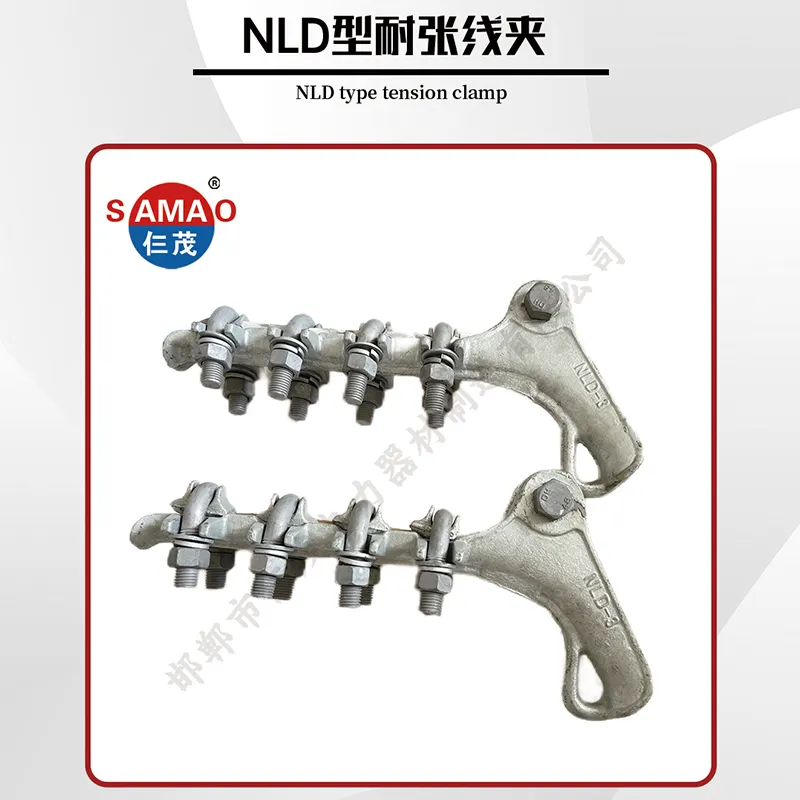
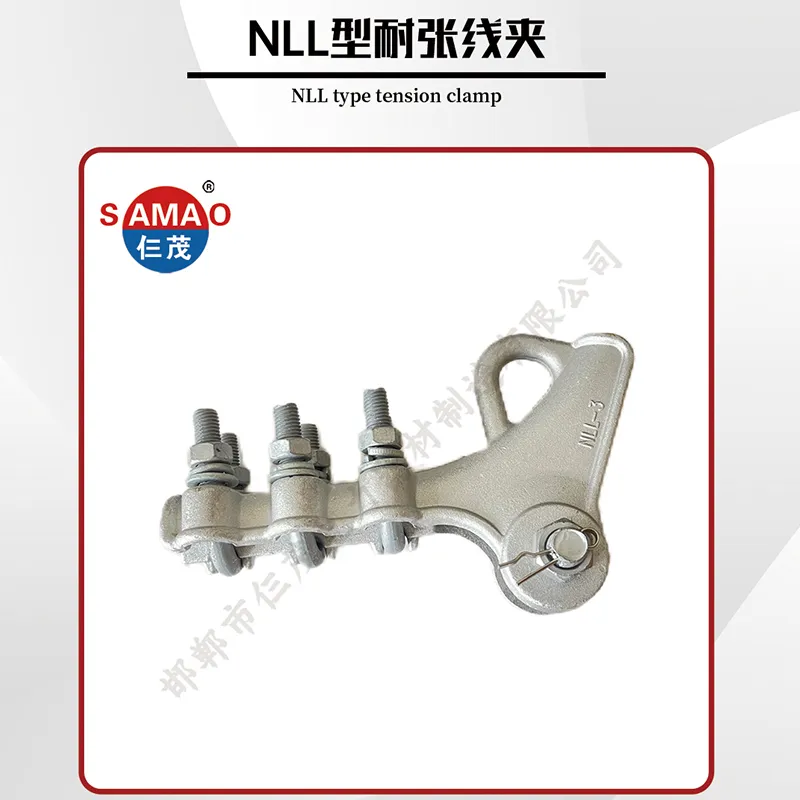
- Overhead Power Transmission Lines: This is arguably the most prominent application. Strain clamps for overhead line configurations are used at dead-end towers, angle towers, and transposition towers to absorb the full mechanical tension of conductors (ACSR, AAAC, OPGW). They ensure appropriate sag control and prevent conductor movement due to wind or ice loading. Different types, such as bolted clamps, wedge clamps, or pre-formed grip clamps, cater to specific conductor types and tension levels.
- Telecommunications and Fiber Optic Networks: For aerial fiber optic cables (ADSS, OPGW), specialized cable relief clamp designs are employed to secure optical cables to poles and structures, providing adequate tension while protecting the delicate optical fibers from crushing or excessive bending. These often use softer gripping mechanisms to avoid micro-bending losses.
- Railway Electrification Systems: In catenary systems for electric railways, tension lock clamp units are vital for securing the contact wire and messenger wire, maintaining the precise tension required for reliable current collection by pantographs. They must withstand significant vibration and dynamic loads.
- Industrial Cable Management: In heavy industrial settings such as petrochemical plants, metallurgical facilities, mining operations, and water supply & drainage systems, robust cable clamping solutions are used for suspending heavy power cables, instrumentation cables, and control lines. These clamps must exhibit exceptional corrosion resistance and fire retardant properties in some cases.
- Renewable Energy Projects: Solar farms and wind power installations utilize wire cable stop clamp solutions for securing array cables, transmission lines, and grounding cables to support structures, especially in environments exposed to extreme weather.
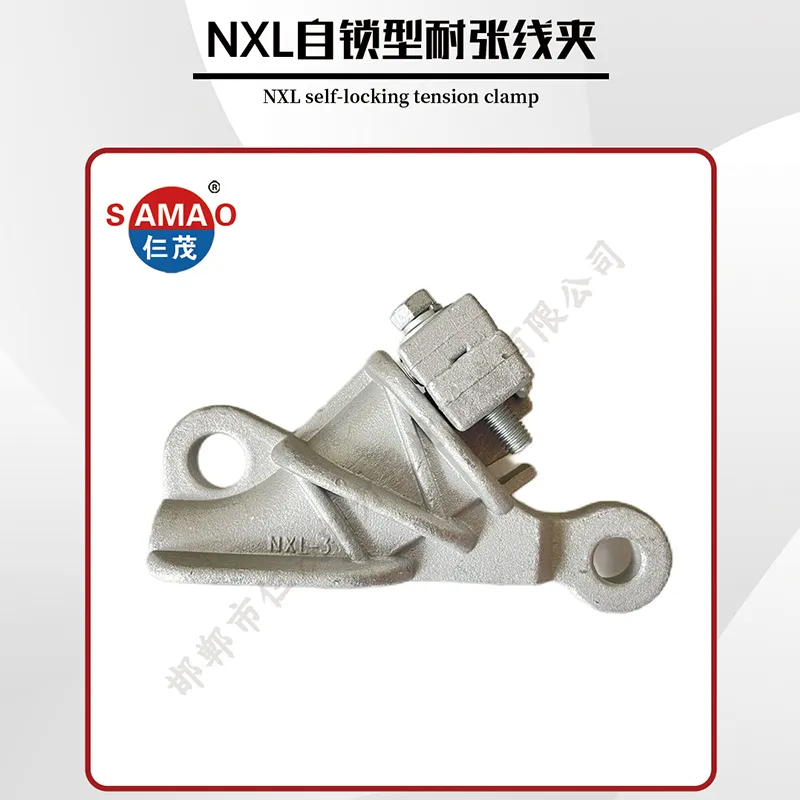
The diverse requirements of these industries necessitate a range of clamp designs, from simple bolted clamps for lower tension applications to sophisticated pre-formed dead-ends and automatic tensioning clamps for high-voltage power lines. Each variant of wire cable stop clamp is engineered to deliver specific performance characteristics tailored to its operational context, emphasizing safety, longevity, and ease of maintenance.
Technical Advantages of Advanced Wire Cable Stop Clamp Designs
Modern wire cable stop clamp designs offer significant technical advantages over conventional or less sophisticated alternatives, directly contributing to improved system reliability, reduced operational costs, and enhanced safety.
- Enhanced Gripping Efficiency and Uniform Pressure Distribution: Advanced designs, particularly those with a full compression or helical structure, distribute clamping forces evenly along the cable. This minimizes localized stress points, preventing conductor damage (such as strand deformation or notching) that can lead to premature fatigue failure. This is a critical feature for any reliable tension lock clamp.
- Minimized Cable Fatigue and Vibration Dampening: Some clamps are designed to absorb or dampen vibrations caused by wind (Aeolian vibration). Features like helical rods or cushioned inserts can significantly reduce fatigue stress at the termination point, extending the conductor's lifespan. This is particularly relevant for strain clamps for overhead line applications.
- Superior Corrosion Resistance and Environmental Durability: Through the use of inherently corrosion-resistant materials (e.g., aluminum alloys, stainless steel) and robust surface treatments (e.g., hot-dip galvanizing, anodizing), advanced clamps offer exceptional longevity even in harsh environments like coastal areas, industrial zones with chemical exposure, or regions with extreme temperatures.
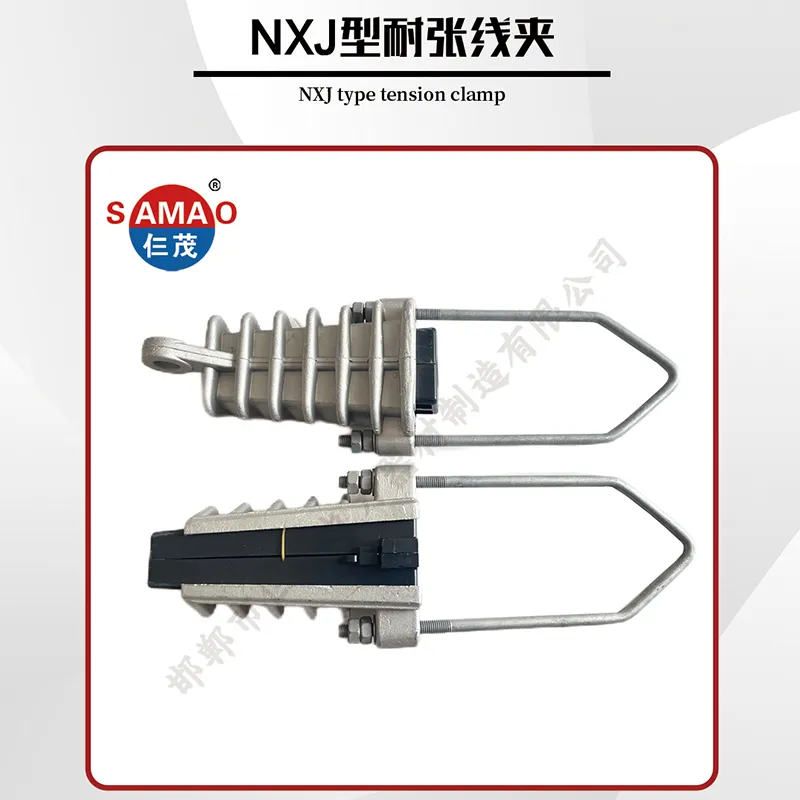
- Ease and Speed of Installation: Innovations such as pre-formed dead-ends or automatic wedge clamps simplify the installation process, reducing the need for specialized tools and highly skilled labor. This translates to lower installation costs and faster project completion times.
- Reduced Maintenance Requirements: The high quality of materials and manufacturing, coupled with effective designs, means fewer inspections and repairs are needed over the operational lifespan, significantly lowering total cost of ownership (TCO). This is a key benefit for utilities managing vast networks.
- Compatibility with Diverse Conductor Types: Modern clamps are developed to accommodate a wide range of conductor types, including conventional ACSR (Aluminum Conductor Steel Reinforced), all-aluminum conductors (AAC), as well as advanced HTLS conductors and fiber optic cables, ensuring optimal performance for each.
These technical advancements underscore the evolution of the wire cable stop clamp from a simple fastening device to a highly engineered component critical for the stability and efficiency of electrical and communication networks.
Vendor Comparison and Selection Criteria for Wire Cable Stop Clamps
Choosing the right supplier for wire cable stop clamp products is as crucial as selecting the product itself. A reliable vendor ensures not only product quality but also long-term support and compliance with project specifications.
Key Selection Criteria:
- Quality Certifications & Compliance: Verify ISO 9001 certification for quality management systems. Ensure products comply with relevant international standards such as ANSI C119.4, IEC 61284, ASTM, and local utility specifications.
- R&D Capabilities and Innovation: A strong R&D team indicates a vendor's ability to develop new products, adapt to evolving industry needs, and provide customized solutions.
- Material Sourcing and Traceability: Transparency in material sourcing ensures high-quality raw materials and ethical supply chain practices. Full traceability from raw material to finished product is essential.
- In-house Testing Facilities: Vendors with accredited in-house testing labs can demonstrate immediate compliance and control over product quality. This includes mechanical, electrical, and environmental testing.
- Technical Support and After-Sales Service: Comprehensive technical assistance, installation guidance, and responsive after-sales support are crucial for problem-solving and long-term project success.
- Customization Capabilities: The ability to design and manufacture bespoke wire cable stop clamp solutions for unique project requirements.
- Track Record and References: Evaluate the vendor's experience, particularly in projects similar in scope and complexity. Client testimonials and case studies offer valuable insights.
Generic Vendor Comparison Matrix for Tension Clamps
| Criterion | Vendor A (SAMA OEP) | Vendor B (Competitor) | Vendor C (Competitor) |
|---|---|---|---|
| ISO 9001 Certified | Yes | Yes | Yes |
| Compliance (ANSI, IEC, ASTM) | Full adherence | General adherence | Partial adherence |
| In-house Testing Facilities | Advanced, Accredited | Basic, Certified | Third-party only |
| Customization Capabilities | Extensive, R&D Driven | Limited to modifications | Standard products only |
| Technical Support | 24/7, Expert Level | Standard Business Hours | Email-based |
| Warranty Period (Std.) | 5 Years | 3 Years | 1 Year |
This matrix highlights the importance of a comprehensive evaluation beyond just price. A vendor's commitment to quality, technical expertise, and post-sales support significantly impacts the long-term success and cost-effectiveness of infrastructure projects utilizing a wire cable stop clamp.
Customized Solutions for Specific Project Requirements
While standard wire cable stop clamp products meet the majority of industrial needs, many large-scale infrastructure projects present unique challenges that necessitate customized solutions. These might include unusual cable diameters, extreme environmental conditions, specific structural interfaces, or unique load requirements.
A reputable manufacturer distinguishes itself by its capability to provide bespoke wire cable stop clamp designs. This process typically involves:
- Detailed Engineering Consultation: Working closely with project engineers to understand the exact technical parameters, environmental factors, and operational constraints. This often includes finite element analysis (FEA) for stress distribution.
- Material Specification: Selecting optimal materials and coatings to withstand specific corrosive agents, extreme temperatures, or UV radiation. For instance, using specialized marine-grade alloys for offshore installations.
- Design Modification: Adapting existing clamp designs or creating entirely new ones to match non-standard conductor sizes, multiple cable configurations, or unique attachment points. This might involve custom molds for cast components or specific tooling for forged parts.
- Prototyping and Testing: Manufacturing and rigorously testing prototypes under simulated or actual project conditions to validate performance before full-scale production. This includes specialized mechanical and electrical tests.
- Documentation and Certification: Providing comprehensive technical documentation, including CAD drawings, test reports, and certifications tailored to project-specific requirements and regulatory bodies.
This collaborative approach ensures that the customized wire cable stop clamp integrates seamlessly into the overall project, offering optimal performance, safety, and longevity, thereby minimizing risks and extending infrastructure lifespan.
Application Case Studies: Real-World Impact of Reliable Clamping Solutions
The tangible benefits of high-quality wire cable stop clamp products are best illustrated through real-world applications. These case studies highlight how superior design, manufacturing, and technical support translate into successful project outcomes.
Case Study 1: High-Voltage Transmission Line Upgrade in Arid Regions
A major utility company undertook a critical upgrade of a 400 kV transmission line spanning a vast arid region. The environment presented extreme temperature fluctuations, high UV radiation, and abrasive dust conditions, requiring components with exceptional durability and corrosion resistance. The project specifically needed robust strain clamps for overhead line applications.
- Challenge: Existing clamps showed signs of material degradation and compromised slip strength due to severe environmental exposure, leading to increased maintenance and risk of outages.
- Solution: Customized full-tension wire cable stop clamp units, manufactured from high-strength aluminum alloy with enhanced anodization for UV and abrasion resistance, were developed. These clamps also featured specialized internal gripping elements designed to maintain optimal contact pressure despite thermal expansion/contraction cycles.
- Outcome: Post-installation, monitoring confirmed zero slippage and significantly reduced vibration-induced fatigue. The expected service life of the clamps in this harsh environment increased from 15 years to over 30 years, drastically reducing future maintenance costs and ensuring grid stability.
Case Study 2: Subsea Fiber Optic Cable Routing for Offshore Wind Farm
An offshore wind farm project required innovative solutions for securing subsea fiber optic communication cables within underwater conduit systems, where traditional clamping methods proved inadequate due to constant water movement and potential marine growth. The need was for highly specialized cable relief clamp solutions.
- Challenge: Standard clamps risked damaging the delicate fiber optic core under pressure and lacked sufficient corrosion resistance for a continuous submerged saltwater environment.
- Solution: A custom-designed wire cable stop clamp made from marine-grade stainless steel (316L) with soft elastomer inserts was engineered. This design provided firm, yet gentle, grip, distributing pressure evenly to prevent micro-bending losses in the fiber. The clamp also featured an anti-fouling coating to deter marine growth.
- Outcome: The customized clamps effectively secured the subsea cables, maintaining optical signal integrity for reliable data transmission from the wind turbines. The specialized material and coating ensured a projected service life of 25+ years in harsh marine conditions, minimizing expensive underwater maintenance.
These cases demonstrate how precise engineering and robust manufacturing of the wire cable stop clamp can overcome complex challenges, delivering long-term value and operational excellence in critical infrastructure projects.
Module: Trustworthiness, Authoritativeness & Support
Establishing trust and authority is paramount in B2B relationships. Our commitment to excellence in every wire cable stop clamp we produce is underscored by stringent quality measures, transparent operations, and unwavering customer support.
Certifications & Compliance
Our manufacturing processes and products, including every wire cable stop clamp, adhere to the highest international standards. We are ISO 9001 certified, ensuring a robust quality management system across all operations. Our products are tested and conform to critical industry benchmarks such as ANSI C119.4 for electric utility hardware, IEC 61284 for overhead line fittings, and various ASTM standards for material specifications and testing. This commitment to compliance guarantees reliability and interoperability.
Years of Service & Client Trust
With decades of experience in manufacturing critical infrastructure components, we have earned the trust of leading utility companies, telecommunication providers, and industrial integrators worldwide. Our extensive track record is built on delivering high-performance, durable solutions that consistently meet or exceed client expectations in diverse and challenging environments. Our long-standing partnerships with key players in the power and telecom sectors reflect our reliability and proven expertise.
Frequently Asked Questions (FAQ)
-
Q: What is the typical lead time for a custom wire cable stop clamp order?
A: Standard orders typically ship within 2-4 weeks. Custom designs require additional time for engineering, prototyping, and testing, usually ranging from 6-12 weeks depending on complexity. We provide detailed lead time estimates with each quote. -
Q: What is your warranty policy for your tension clamps?
A: We offer a comprehensive 5-year warranty on all our standard products, covering manufacturing defects and material failures under normal operating conditions. Extended warranty options are available for specific project requirements. -
Q: How do you ensure product compatibility with specific cable types?
A: Our engineering team works closely with clients, utilizing detailed cable specifications (diameter, material, strand configuration, UTS) to recommend or design the most appropriate clamp. We also offer compatibility testing. -
Q: What kind of technical support do you provide post-purchase?
A: We offer extensive after-sales support, including installation guidance, troubleshooting, and technical consultations. Our expert team is available via phone, email, and on-site visits for complex issues.
Lead Time & Fulfillment
We understand the critical nature of project timelines. Our efficient manufacturing and logistics processes are designed to ensure timely delivery. We maintain strategic inventory levels for standard wire cable stop clamp models and utilize advanced production planning for custom orders, providing transparent fulfillment details from order placement to shipment.
Warranty Commitments & Customer Support
Our commitment extends beyond product delivery. Each wire cable stop clamp is backed by a robust warranty, reflecting our confidence in its quality and performance. Our dedicated customer support team and technical specialists are always available to provide expert guidance, address any inquiries, and ensure seamless integration and long-term operation of our solutions.
Conclusion: The Future of Cable Clamping Reliability
The wire cable stop clamp, in its various forms as a tension clamp, strain clamp, or dead-end clamp, stands as a cornerstone of modern electrical and communication infrastructure. Its evolution continues to be driven by the increasing demands for higher performance, enhanced durability, and greater ease of installation. As grids become smarter, and environmental challenges more pronounced, the role of intelligently engineered and robustly manufactured clamping solutions becomes even more critical.
Investing in high-quality wire cable stop clamp technology is not merely a procurement decision but a strategic imperative that safeguards infrastructure integrity, minimizes operational risks, and ensures long-term cost-effectiveness. By partnering with manufacturers who prioritize advanced materials, precision engineering, rigorous testing, and comprehensive customer support, B2B decision-makers can ensure their projects are equipped with the most reliable and future-proof clamping solutions available. The continued innovation in this field promises even more resilient and efficient infrastructure for generations to come.
References
- International Electrotechnical Commission (IEC) Standard 61284: Overhead lines - Requirements and tests for fittings.
- American National Standards Institute (ANSI) Standard C119.4: Connectors for use between aluminum-to-aluminum or aluminum-to-copper conductors.
- ASTM International Standards: Various specifications for materials (e.g., A153 for hot-dip galvanizing, B232 for ACSR conductors) and testing (e.g., B117 for salt spray corrosion).
- ISO 9001: Quality management systems – Requirements.
- IEEE Std. 1530: IEEE Guide for the design and field testing of high-voltage AC overhead line conductors.
-
Laundry Efficiency Guide with pengapit ampaian dengan cangkuk iNewsApr.16,2026
-
Optimizing Power Infrastructure with the pengapit ampaian tnbNewsApr.09,2026
-
Comprehensive Guide to Selecting the Right pengapit penggantungan untuk kabel lt ab SolutionsNewsApr.07,2026
-
Comprehensive Guide to Pengapit Talian Penghantaran for Secure Package DeliveryNewsApr.04,2026
-
Comprehensive Guide to Pemasangan Pengapit Penggantungan for Overhead Cabling SystemsNewsMar.31,2026
-
Comprehensive Guide to Pengapit Ampaian yang Telah Dibentuk for Construction SafetyNewsMar.28,2026
-
Comprehensive Guide to Pengapit Ampaian Besi for Scaffolding SafetyNewsMar.26,2026