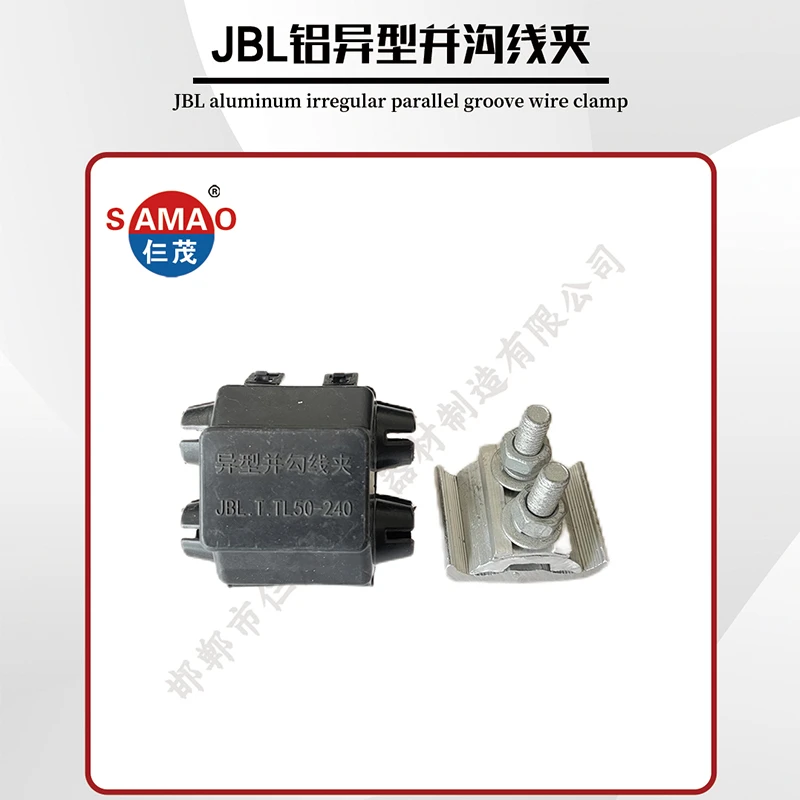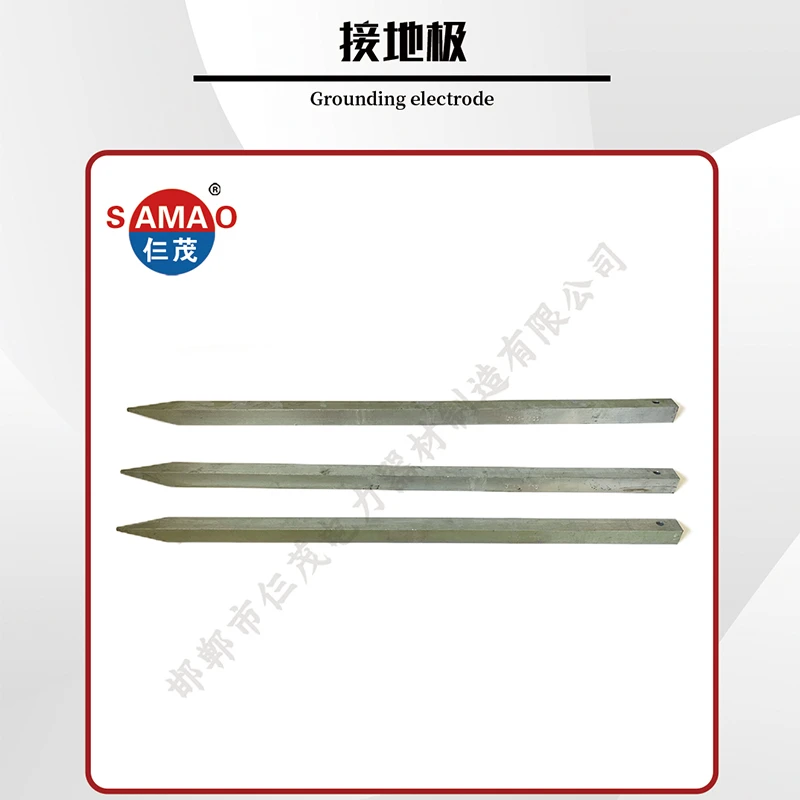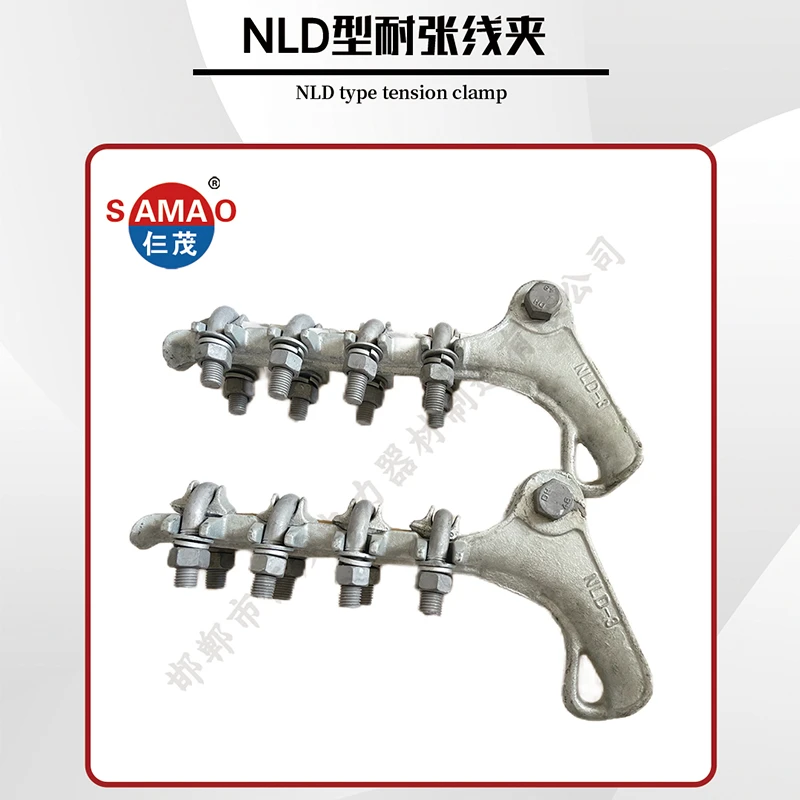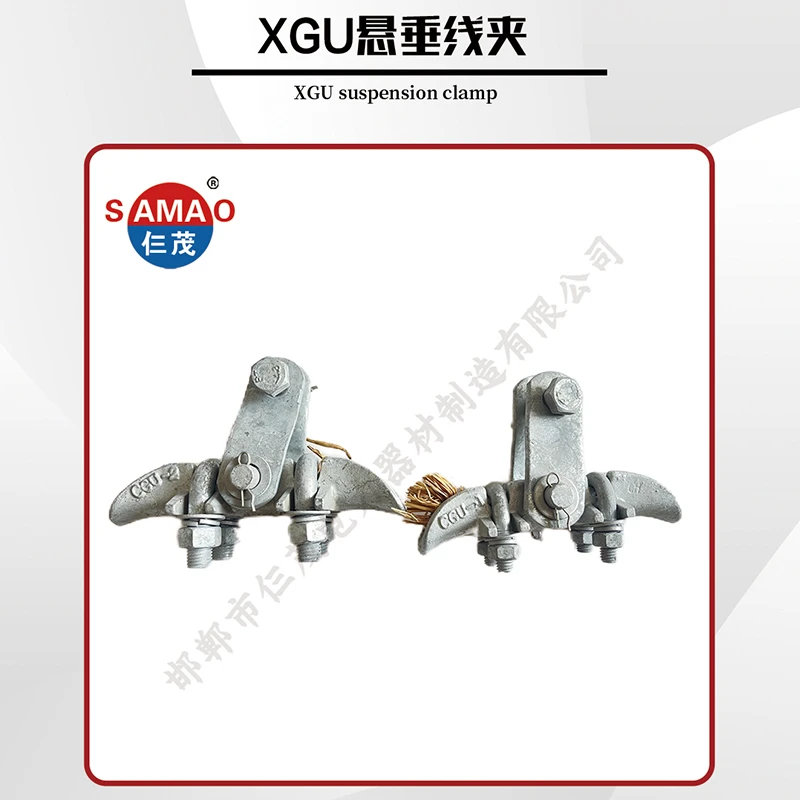
Premium Wire Cable Stop Clamp: Secure Tension & Strain Relief
Introduction to Wire Cable Stop Clamps in B2B Applications
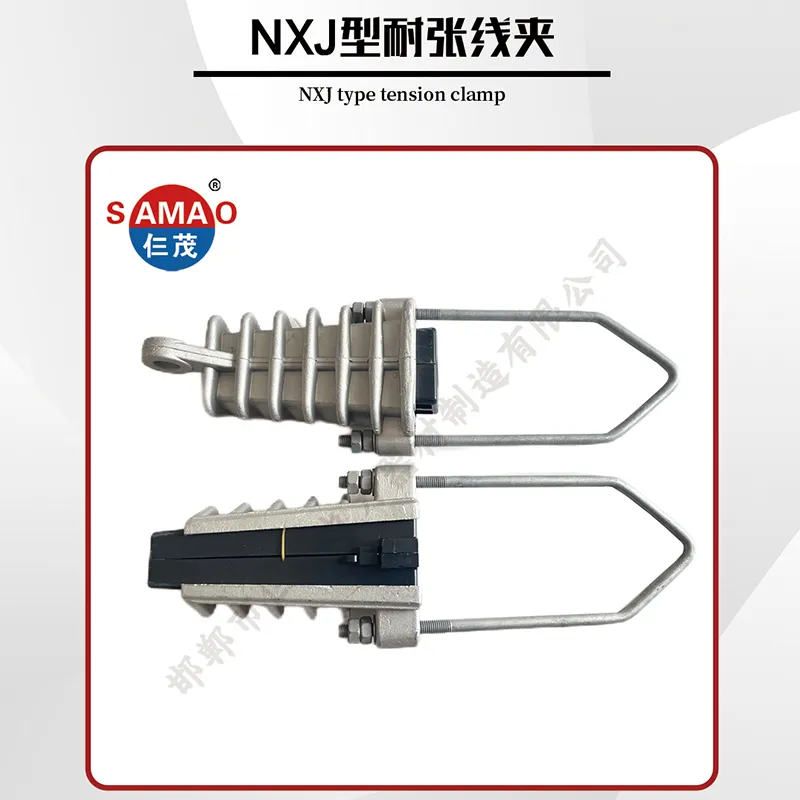
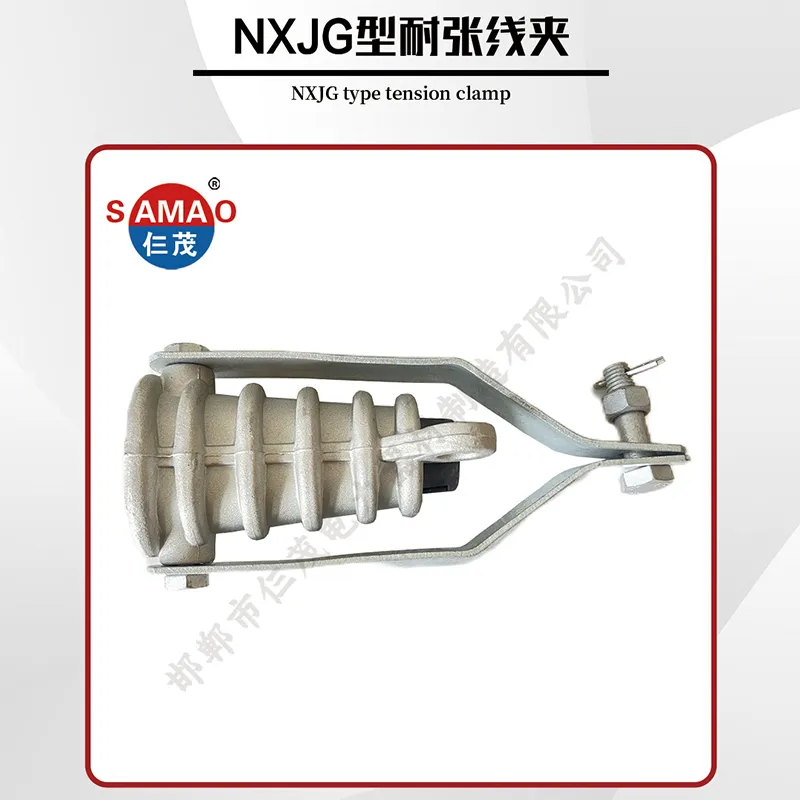
In critical infrastructure and industrial operations, the secure termination and support of cables are paramount for safety, reliability, and operational efficiency. The wire cable stop clamp, often interchangeably referred to as a Tension Clamp, Strain Clamp, or Dead-End Clamp, is an essential component designed to securely grip and terminate overhead lines or stay wires, preventing slippage and bearing mechanical loads. These robust devices are engineered to withstand significant tensile forces, environmental stressors, and ensure the long-term integrity of electrical, communication, and structural cable systems. Their design is a testament to precision engineering, where material science meets mechanical performance to deliver unparalleled reliability in demanding environments.
Understanding the intricacies of these clamps—from their manufacturing process to their diverse application scenarios—is crucial for B2B decision-makers and engineers aiming to optimize their infrastructure investments. This article delves into the technical aspects, industry relevance, and practical advantages of these indispensable components.
Industry Trends and Market Dynamics
The market for cable clamping solutions is evolving rapidly, driven by global infrastructure development, smart grid initiatives, and the expansion of renewable energy projects. Key trends include:
- Increased Demand for High-Performance Materials: As transmission lines carry higher voltages and greater loads, there's a growing need for clamps made from advanced aluminum alloys and high-strength galvanized steel, offering superior corrosion resistance and mechanical strength.
- Integration with Smart Grid Technologies: Future-proof solutions require clamps that can facilitate monitoring or withstand dynamic loads in smart grid environments, where load balancing and grid resilience are paramount.
- Focus on Environmental Sustainability: Manufacturers are increasingly adopting eco-friendly production processes and materials, minimizing environmental impact while ensuring product longevity.
- Customization and Modular Designs: A push towards highly customizable solutions tailored to specific cable types, installation environments, and load requirements, moving away from one-size-fits-all products.
According to recent market analyses, the global market for overhead line accessories, including tension and strain clamps, is projected to grow at a Compound Annual Growth Rate (CAGR) of over 6% through 2028, largely fueled by urbanization and the replacement of aging infrastructure in developed nations.
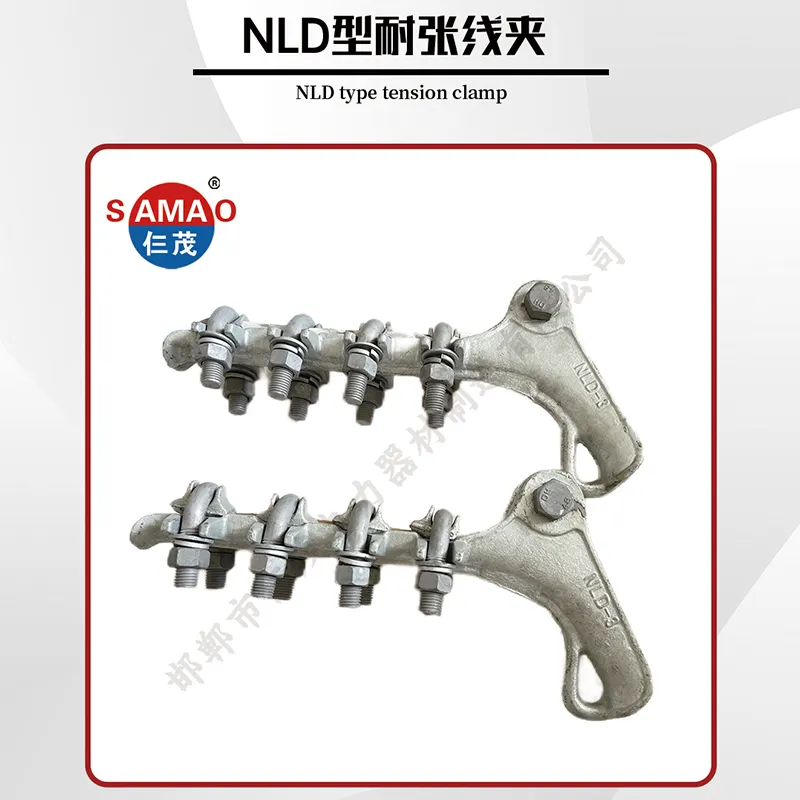
Detailed Manufacturing Process of a Wire Cable Stop Clamp
The production of a high-quality wire cable stop clamp is a meticulous process demanding stringent quality control and advanced manufacturing techniques. It typically involves several key stages:
1. Material Selection and Preparation
- Materials: Primary materials include high-strength aluminum alloys (e.g., Al-Mg-Si series for excellent conductivity and corrosion resistance), galvanized steel (e.g., carbon steel with hot-dip galvanizing for robust mechanical properties and anti-corrosion), and stainless steel (e.g., 304/316 for extreme corrosive environments). The choice depends on the application's required mechanical load, environmental conditions, and conductivity needs.
- Preparation: Raw materials undergo inspection for chemical composition, mechanical properties, and surface integrity. They are then precisely cut, cleaned, and prepared for subsequent forming processes.
2. Forming Process
- Casting: Used for complex clamp body geometries, especially for multi-part designs. Molten aluminum or steel is poured into molds. This method allows for intricate shapes and cost-effective production in high volumes.
- Forging: For components requiring superior strength and fatigue resistance, such as clevises or eyes. Metal is heated and shaped under compressive force, aligning the grain structure for enhanced durability.
- Stamping/Pressing: For simpler, sheet-metal components. Metal sheets are cut and formed using dies and presses.
3. Machining and Finishing
- CNC Machining: Precision drilling, threading, and shaping of critical surfaces to ensure exact fit and optimal gripping performance. This includes creating the specific groove profiles for the cable.
- Surface Treatment:
- Hot-dip Galvanizing: For steel components, providing a thick, durable zinc coating to prevent rust and extend service life. Meets standards like ASTM A153.
- Anodizing: For aluminum parts, enhancing corrosion resistance and creating a harder surface.
- Electro-polishing: For stainless steel, improving surface finish and corrosion resistance.
4. Assembly and Quality Control
- Assembly: Multi-part clamps are assembled, often using high-strength fasteners. Torque specifications are strictly adhered to.
- Testing Standards: Every batch undergoes rigorous testing to comply with international standards such as ISO 9001 (quality management), ANSI C119.4 (electrical connectors), and IEC 61284 (overhead line fittings). Key tests include:
- Tensile Strength Test: To verify the mechanical holding capacity, often to 95% of the conductor's Rated Tensile Strength (RTS).
- Slip Strength Test: To ensure the clamp does not allow conductor slippage below specified loads.
- Electrical Resistance Test: For conductive clamps, ensuring minimal resistance.
- Corrosion Resistance Test: Salt spray tests or accelerated weathering.
- Dimensional Accuracy: Verification against engineering drawings.
- Service Life: Products are engineered for a service life exceeding 30-50 years, dependent on environmental exposure and adherence to installation guidelines.
Target Industries and Advantages
Our tension lock clamp products serve critical roles across diverse sectors:
- Power Transmission & Distribution: Ensuring secure dead-ending of conductors, critical for grid stability and safety.
- Telecommunications: Supporting fiber optic and copper cables on poles and towers.
- Railway Electrification: Anchoring catenary and contact wires.
- Petrochemical & Mining: Managing utility cables in harsh, corrosive, or explosive environments.
- Water Supply & Drainage: Securing piping and support structures.
In these scenarios, advantages like exceptional corrosion resistance (due to superior galvanization or stainless steel), energy saving (through optimized conductor contact, reducing resistance and heat loss), and simplified installation contribute directly to lower total cost of ownership and enhanced operational safety. For instance, in an overhead line application, a well-designed strain clamp for overhead line minimizes sag and ensures consistent electrical contact, thereby reducing line losses and improving energy efficiency.
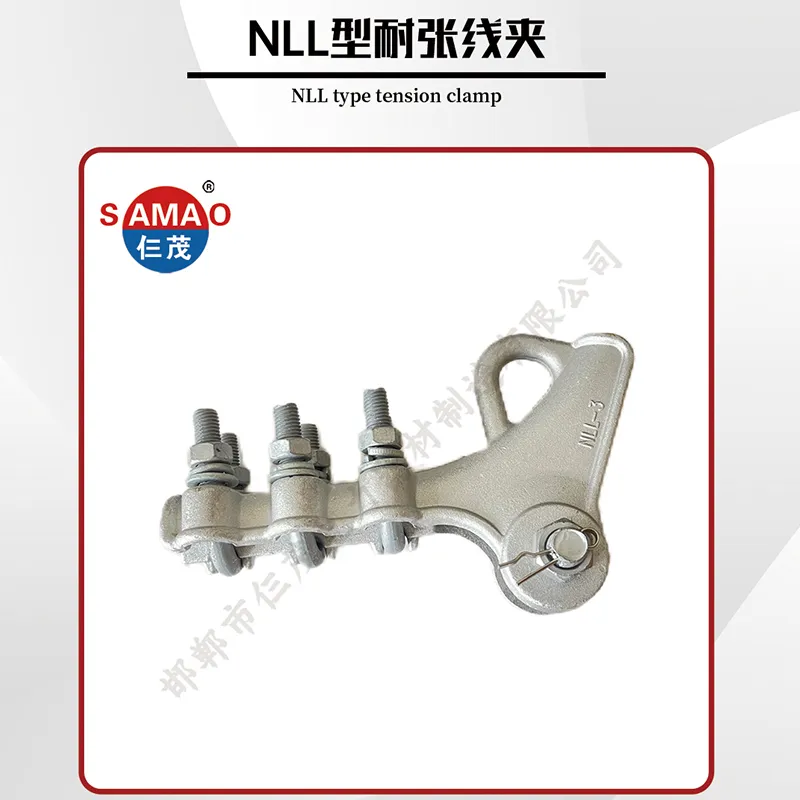
Technical Specifications and Parameters
The selection of the appropriate wire cable stop clamp is dictated by precise technical specifications that ensure compatibility and optimal performance for the intended cable and application. Key parameters include:
- Conductor Type and Diameter: ACSR (Aluminum Conductor Steel Reinforced), AAAC (All Aluminum Alloy Conductor), AAC (All Aluminum Conductor), OPGW (Optical Ground Wire), ADSS (All-Dielectric Self-Supporting). The clamp must match the conductor's outer diameter precisely.
- Rated Tensile Strength (RTS): The maximum load the conductor can withstand. Clamps are typically designed to hold a percentage (e.g., 90-95%) of the conductor's RTS without slippage or damage.
- Ultimate Tensile Strength (UTS): The maximum load the clamp itself can bear before failure.
- Material Composition: High-strength aluminum alloys (e.g., Al6061-T6), hot-dip galvanized steel (min. 80 µm zinc coating), corrosion-resistant stainless steel.
- Application Environment: Temperature range, UV exposure, corrosive agents (saline, industrial pollutants), ice and wind loading.
- Electrical Performance: For live-line applications, critical parameters include contact resistance, current carrying capacity, and corona discharge characteristics.
Typical Product Specification Table: Preformed Tension Clamp
| Parameter | Specification | Notes |
|---|---|---|
| Applicable Conductor Type | ACSR, AAAC, AAC, OPGW, ADSS | Specific designs for each type |
| Conductor Diameter Range | 6 mm - 40 mm | Varies by model |
| Material (Body) | High-strength Aluminum Alloy (Al6061-T6) | Excellent corrosion resistance & conductivity |
| Material (Fittings/U-bolts) | Hot-dip Galvanized Steel | Min. 86 µm zinc coating, ASTM A153 |
| Rated Holding Strength | ≥ 95% of Conductor's RTS | Ensures secure termination |
| Corona & Radio Noise | IEC 61284 Compliant | Minimized for high voltage lines |
| Temperature Range | -40°C to +80°C | Suitable for diverse climates |
| Installation | Tool-free or Minimal Tooling | Reduces installation time and cost |
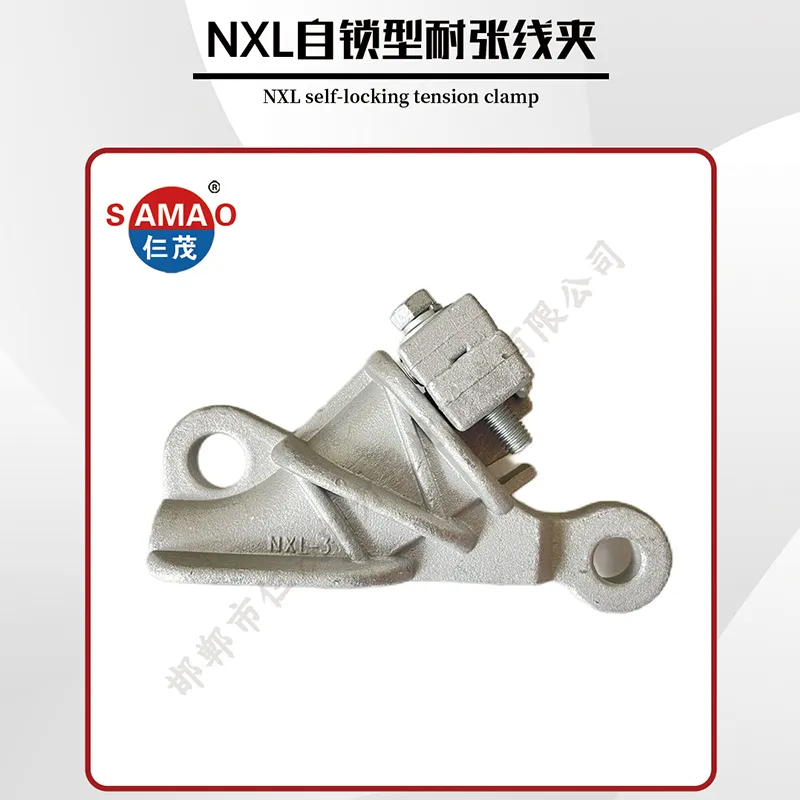
Application Scenarios and Technical Advantages
The versatility of a cable relief clamp makes it indispensable across various high-stakes applications:
- Overhead Power Transmission Lines: Used as dead-ends on poles and towers to secure conductors at termination points or strain sections. This ensures mechanical stability and reliable electrical connection, crucial for minimizing power outages and maintaining grid integrity. Our clamps are designed to mitigate fretting fatigue, a common failure mode in conductor-clamp interfaces, thereby extending line service life.
- Substation Busbar Connections: Providing rigid and reliable connections for busbars, accommodating thermal expansion and contraction without compromising electrical contact. The robust design helps reduce I²R losses, contributing to energy savings.
- Telecommunication Cable Support: Securing optical fiber and coaxial cables, especially ADSS cables, which require gentle yet firm gripping to prevent fiber damage. The specialized design of our clamps distributes stress evenly, preventing localized strain that could degrade optical performance.
- Guy Wire and Stay Wire Anchoring: Essential for stabilizing utility poles, communication towers, and other structures. The high-strength grip prevents slippage even under extreme wind loads, ensuring structural integrity.
- Industrial Plant Cabling: In environments like petrochemical plants or metallurgical facilities, where cables are exposed to corrosive agents, high temperatures, or mechanical vibrations, specialized corrosion-resistant clamps provide long-term reliability and safety.
Key Technical Advantages:
- Superior Mechanical Holding Strength: Engineered to match or exceed the breaking strength of the conductor, providing an unwavering termination point. This minimizes the risk of catastrophic line failure under heavy loads or extreme weather.
- Optimized Stress Distribution: Advanced designs, such as preformed helical rods or tapered bodies, ensure that mechanical stress is distributed evenly along the conductor, preventing localized stress concentrations that could lead to conductor fatigue or damage.
- Excellent Corrosion Resistance: Utilizing hot-dip galvanization for steel components (meeting ISO 1461 standards) and high-grade aluminum alloys ensures longevity even in aggressive environments, reducing maintenance costs and enhancing reliability.
- Minimized Electrical Resistance: For conductive clamps, precision-machined contact surfaces and optimized material choices ensure low contact resistance, reducing energy losses and heat buildup at the connection point.
- Vibration Dampening: Some designs incorporate features or materials that help dampen vibrations caused by wind (Aeolian vibration), protecting the conductor from fatigue damage at the clamp point.
Vendor Comparison and Customization Solutions
Choosing the right supplier for a wire cable stop clamp involves more than just price; it requires evaluating technical expertise, product quality, certification, and customization capabilities. Key differentiation factors among vendors include:
- Material Traceability: Reputable vendors provide full traceability of raw materials, ensuring consistency and adherence to specifications.
- Testing Facilities: In-house or accredited third-party testing labs demonstrate commitment to quality assurance (e.g., tensile testing, fatigue testing, salt spray chambers).
- Engineering Support: The ability to provide detailed engineering drawings, installation guides, and technical consultation for complex projects.
- Certifications: Adherence to international standards like ISO 9001, ISO 14001, OHSAS 18001, and product-specific standards like ANSI, IEC, or ASTM.
Comparison of Clamp Types (Indicative)
| Feature | Bolted Type Strain Clamp | Compression Type Dead-End Clamp | Preformed Helical Strain Clamp |
|---|---|---|---|
| Installation Complexity | Moderate (torque wrench required) | High (hydraulic compression tool) | Low (manual wrap-around) |
| Conductor Damage Risk | Low (if torqued correctly) | Moderate (if over-compressed) | Very Low (even stress distribution) |
| Mechanical Holding | 80-90% RTS | 95%+ RTS (very high) | 90-95% RTS |
| Application | Medium voltage, distribution lines | High voltage, EHV transmission lines | Distribution, service drop, OPGW, ADSS |
| Reusability | Potentially reusable | Not reusable | Not reusable |
| Cost (Relative) | Moderate | Higher (due to tooling) | Moderate to Low |
Customized Solutions
Recognizing that standard products may not always meet unique project requirements, we offer extensive customization capabilities. This includes:
- Bespoke Material Selection: Developing clamps from specific alloys or with advanced coatings for extreme environmental conditions (e.g., highly saline coastal areas, high-altitude installations).
- Tailored Geometry and Dimensions: Designing clamps for non-standard conductor sizes, complex tower interfaces, or specific mechanical load requirements. This includes adapting the groove profile to match unique cable constructions.
- Integration with Specialized Hardware: Customizing attachment points to seamlessly integrate with proprietary insulators, cross-arms, or pole hardware, ensuring a cohesive system.
- Performance Optimization: Engineering solutions to optimize electrical contact for ultra-high voltage (UHV) lines, minimize corona discharge, or enhance vibration dampening for specific spans and wind profiles.
Application Case Studies
Our commitment to providing reliable wire cable stop clamp solutions is evidenced by successful deployments in challenging projects globally:
Case Study 1: High-Altitude Transmission Line Project, Andes Region
Challenge: A major utility company faced extreme weather conditions, including intense UV radiation, high winds, and severe icing, for a new 500kV transmission line in the Andes. Standard clamps exhibited premature degradation and insufficient grip stability.
Solution: We engineered custom-designed preformed helical strain clamps using a specialized anti-corrosion aluminum alloy for the clamp body and ultra-high-strength hot-dip galvanized steel for ancillary fittings. These clamps were designed to distribute stress over a longer span of the ACSR conductor, drastically reducing localized fatigue points. Rigorous third-party testing validated their performance under simulated ice and wind loading, exceeding 98% of the conductor's RTS.
Outcome: The customized clamps have been in continuous service for over 7 years without any reported failures or maintenance issues, significantly reducing operational risks and costs for the client.
Case Study 2: Coastal Telecommunication Network Expansion, Southeast Asia
Challenge: A leading telecommunications provider required durable tension clamps for ADSS fiber optic cables in a highly corrosive marine environment. Standard clamps showed accelerated corrosion, leading to frequent replacements and signal degradation.
Solution: We supplied advanced ADSS tension clamps featuring non-ferrous construction with composite gripping elements and marine-grade stainless steel hardware. The design ensured optimal stress distribution on the delicate ADSS cable without crushing the fibers, while the material choices provided exceptional resistance to saltwater spray and humidity. Each clamp underwent accelerated salt spray testing (ASTM B117) for over 2,000 hours.
Outcome: The installation has resulted in a 40% reduction in maintenance frequency and significantly improved network reliability, demonstrating the long-term value of specialized corrosion-resistant components.
Frequently Asked Questions (FAQ)
Q1: How do I select the correct tension clamp for my application?
A1: Selection depends primarily on the conductor type (e.g., ACSR, AAAC, ADSS) and its exact outer diameter, the required mechanical holding strength (often a percentage of the conductor's RTS), and the environmental conditions (e.g., corrosive, high temperature). Consulting our technical data sheets and engineering support is highly recommended for optimal matching.
Q2: What is the typical lead time for a standard order of wire cable stop clamps?
A2: For standard models, the typical lead time ranges from 2-4 weeks, depending on order quantity and current production schedules. For large-volume orders or customized solutions, lead times will be provided upon project scope finalization, typically 6-10 weeks. We maintain robust inventory levels for common products to facilitate quicker dispatch.
Q3: What warranty is provided for your tension clamps?
A3: We offer a standard 10-year warranty against manufacturing defects and material failures under normal operating conditions. This warranty is a testament to our confidence in the quality and durability of our products, exceeding industry standards. Specific project warranties for custom orders can be discussed.
Q4: Do you offer after-sales support and technical assistance?
A4: Absolutely. Our dedicated customer support team and engineering experts are available to provide comprehensive after-sales support, including installation guidance, troubleshooting, and long-term performance consultation. We are committed to ensuring the successful and reliable operation of our products throughout their service life.
Conclusion
The selection and implementation of high-quality wire cable stop clamp solutions are critical for the longevity, safety, and operational efficiency of modern infrastructure. Our extensive expertise, rigorous manufacturing processes, and commitment to meeting stringent international standards ensure that our products—ranging from standard tension clamps to highly customized dead-end solutions—deliver unparalleled reliability. By prioritizing advanced materials, precision engineering, and comprehensive testing, we empower our B2B clients to build robust and resilient systems that stand the test of time and environment. Partner with us for solutions that promise enduring performance and exceptional value.
References
- IEEE Std 1197-2002. IEEE Guide for the Design and Application of Line-Type Communication and Control Cables and Associated Hardware for Electric Power Substations.
- ANSI C119.4-2016. Connectors for Use in Overhead Distribution Systems.
- IEC 61284:1997. Overhead lines - Requirements and tests for fittings.
- ISO 9001:2015. Quality management systems – Requirements.
- ASTM A153/A153M-16. Standard Specification for Zinc Coating (Hot-Dip) on Iron and Steel Hardware.
- Electric Power Research Institute (EPRI) technical reports on overhead line performance.
-
Laundry Efficiency Guide with pengapit ampaian dengan cangkuk iNewsApr.16,2026
-
Optimizing Power Infrastructure with the pengapit ampaian tnbNewsApr.09,2026
-
Comprehensive Guide to Selecting the Right pengapit penggantungan untuk kabel lt ab SolutionsNewsApr.07,2026
-
Comprehensive Guide to Pengapit Talian Penghantaran for Secure Package DeliveryNewsApr.04,2026
-
Comprehensive Guide to Pemasangan Pengapit Penggantungan for Overhead Cabling SystemsNewsMar.31,2026
-
Comprehensive Guide to Pengapit Ampaian yang Telah Dibentuk for Construction SafetyNewsMar.28,2026
-
Comprehensive Guide to Pengapit Ampaian Besi for Scaffolding SafetyNewsMar.26,2026