Secure Wire Cable Stop Clamp: Heavy-Duty Tension & Strain Relief
The Critical Role of Advanced Cable Clamping Solutions in Modern Infrastructure
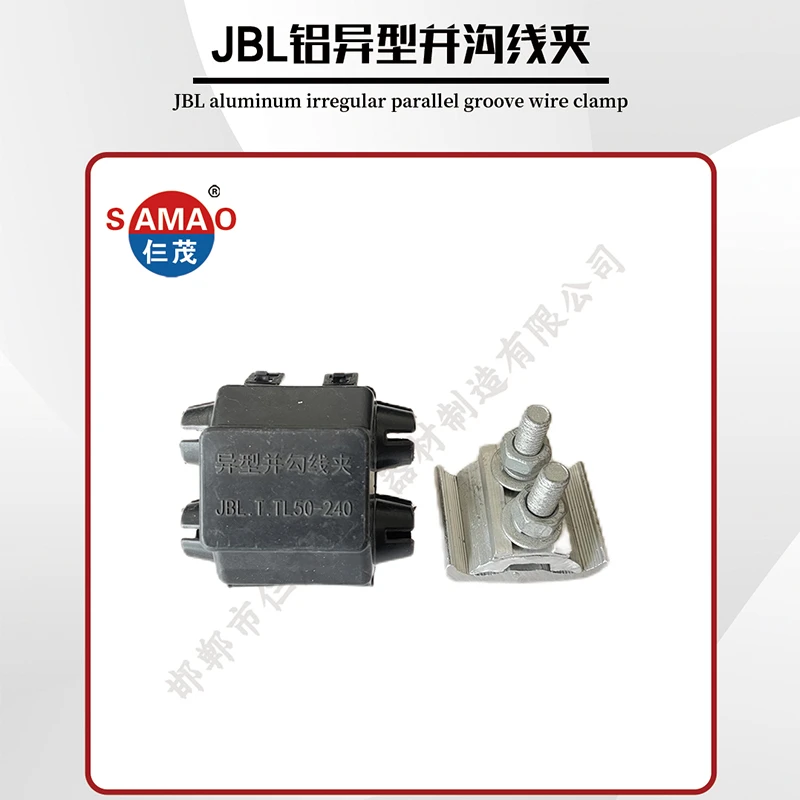
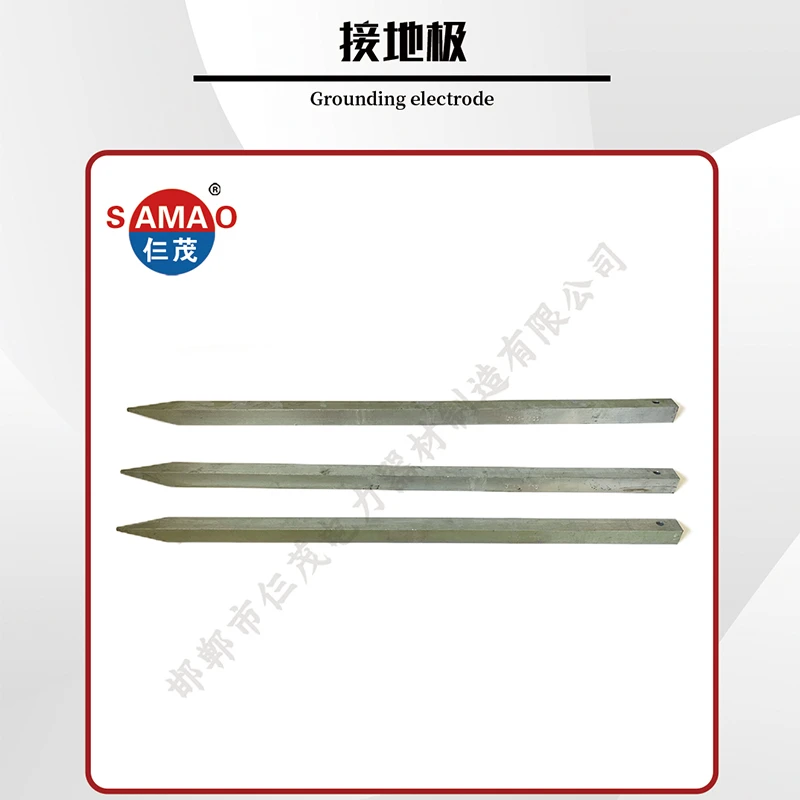
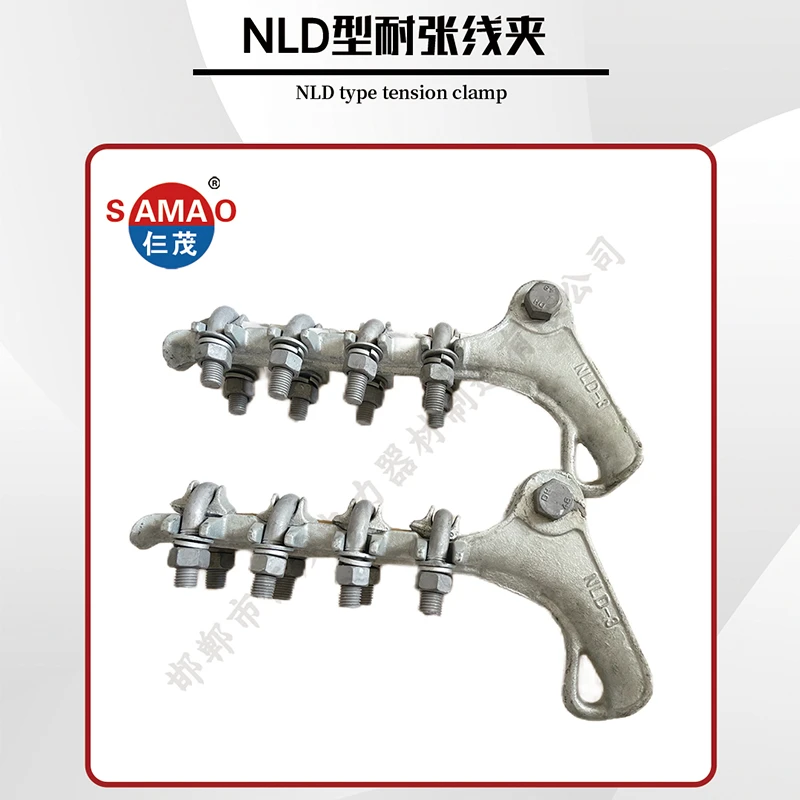
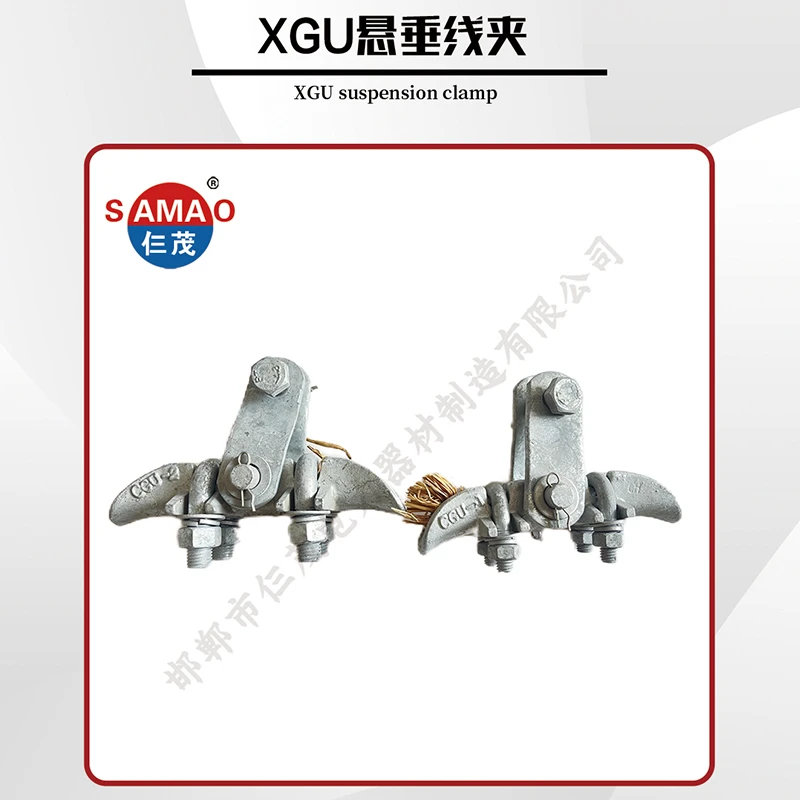
In the intricate landscape of modern industrial and utility infrastructure, the reliability and safety of power transmission, telecommunications, and structural support systems hinge significantly on robust mechanical components. Among these, the wire cable stop clamp stands out as a fundamental element. Often referred to as a tension lock clamp, strain clamp for overhead line, or cable relief clamp, these devices are engineered to secure conductors, optical ground wires (OPGW), and stay wires, effectively transmitting mechanical loads from the cable to the supporting structure while preventing cable slippage and damage.
As a professional B2B entity, understanding the nuanced technical specifications, application versatility, and inherent advantages of high-performance clamps is paramount for ensuring operational continuity and long-term infrastructure integrity. This comprehensive article delves into the critical aspects of these components, from manufacturing precision to real-world application, offering insights vital for informed procurement and strategic project planning.
Evolving Industry Trends in Cable Clamping Technology
The industry for cable clamping solutions is undergoing dynamic evolution, driven by the increasing demands for higher reliability, greater efficiency, and sustainability. Key trends include:
- Advanced Materials: A shift towards lightweight, high-strength alloys (e.g., aluminum, specific steel grades) with superior corrosion resistance and enhanced fatigue life. Composites are also gaining traction for specialized applications.
- Smart Clamping Solutions: Integration of sensors for real-time monitoring of tension, vibration, and temperature, enabling predictive maintenance and optimizing operational performance, particularly in critical overhead line infrastructure.
- Environmental Sustainability: Focus on manufacturing processes that minimize environmental impact and products designed for extended service life, reducing the frequency of replacements and associated waste.
- Standardization and Modularity: Greater emphasis on standardized designs that offer modularity for easier installation, reduced inventory, and improved compatibility across diverse systems.
- Increased Load Capacities: Development of clamps capable of handling higher mechanical and electrical loads, crucial for modern ultra-high voltage (UHV) transmission lines and heavy-duty industrial applications.
These trends highlight a global push towards more resilient and technologically advanced infrastructure, where every component, including the wire cable stop clamp, plays a vital role in ensuring system integrity and operational longevity.
Precision Manufacturing Process of Wire Cable Stop Clamps
The manufacturing of a high-quality wire cable stop clamp is a meticulous process, demanding stringent quality control and advanced engineering to ensure superior performance and extended service life. The general process flow involves:
- Material Selection: Begins with selecting premium-grade materials such as high-strength aluminum alloy (e.g., A356, 6061-T6), galvanized steel (hot-dip galvanized per ASTM A153), or stainless steel (e.g., 304, 316). The choice is dictated by the application's environmental conditions, required mechanical strength, and corrosion resistance needs. For instance, aluminum alloys are favored for their excellent strength-to-weight ratio and electrical conductivity, while galvanized steel offers robust protection in harsh outdoor environments.
- Primary Forming (Casting/Forging):
- Casting: Precision casting (e.g., sand casting, die casting) is often used for complex geometries in aluminum alloys. This process ensures consistent dimensions and material integrity.
- Forging: For steel components requiring maximum strength and ductility, hot forging or cold forging is employed. This refines the grain structure, enhancing mechanical properties and reducing internal defects.
- CNC Machining: Post-forming, components undergo Computer Numerical Control (CNC) machining to achieve precise dimensions, smooth finishes, and critical tolerances. This step is crucial for ensuring optimal fit, minimal cable abrasion, and accurate alignment with installation hardware.
- Heat Treatment: Depending on the material, specific heat treatments (e.g., annealing, quenching, tempering) are applied to optimize material hardness, tensile strength, and fatigue resistance, thereby extending the product's service life, often exceeding 30 years under normal operating conditions.
- Surface Finishing:
- Hot-Dip Galvanization: For steel components, a thick zinc coating provides sacrificial corrosion protection.
- Anodizing/Passivation: Aluminum alloys may be anodized for enhanced corrosion resistance and surface hardness. Stainless steel is often passivated to remove free iron and improve its natural oxide layer.
- Assembly and Quality Control: Components are assembled, and each batch undergoes rigorous testing to meet international standards such as ISO 9001 for quality management, ANSI C119.4 for electric connectors, and IEC 61284 for overhead line fittings. This includes visual inspections, dimensional checks, proof load tests, ultimate tensile strength (UTS) tests, and slip strength tests.
For industries like petrochemical, metallurgy, and water supply & drainage, advantages such as superior corrosion resistance (especially with stainless steel or specialized coatings) and energy-saving designs (by minimizing electrical losses through stable connections) are paramount.
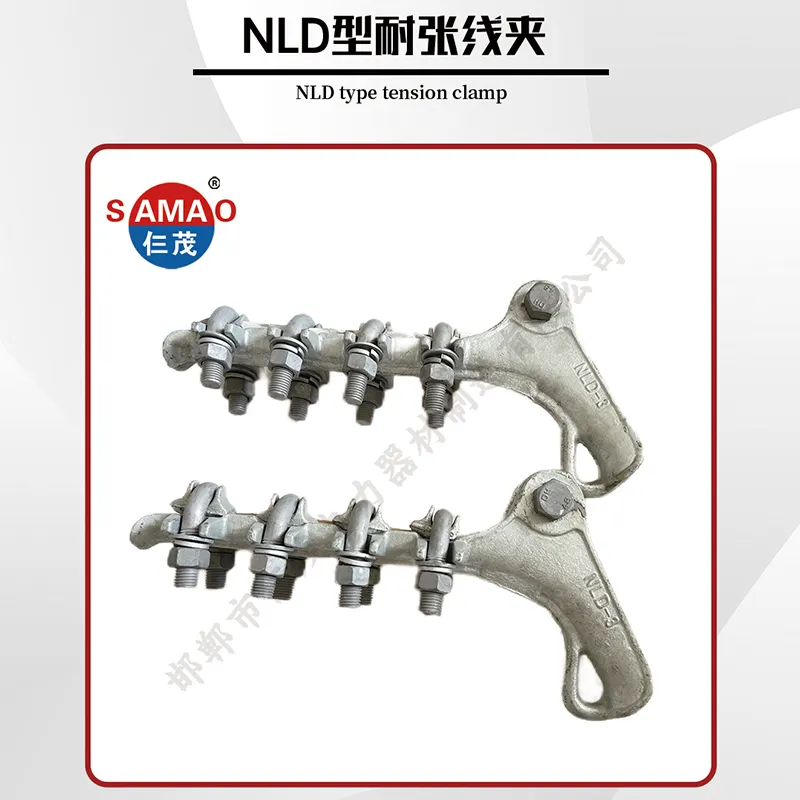
Image 1: Illustrative diagram of a wire cable stop clamp component undergoing inspection.
Key Technical Specifications and Parameters
Understanding the technical parameters of a wire cable stop clamp is crucial for proper selection and installation, ensuring the integrity and safety of the entire system. Key parameters include:
- Ultimate Tensile Strength (UTS): The maximum load a clamp can withstand before fracture, typically specified in kilonewtons (kN).
- Rated Breaking Load (RBL): The specified load at which the clamp is designed to fail, ensuring it acts as a mechanical fuse, protecting more expensive components.
- Slip Strength (Holding Power): The force required to cause the cable to slip within the clamp. This is a critical parameter, ensuring the clamp maintains its grip under operational tensions and transient loads. It's often expressed as a percentage of the cable's UTS (e.g., 95% of UTS).
- Conductor Range: The specific diameter or cross-sectional area of cables the clamp is designed to accommodate. Precision here prevents damage to the conductor.
- Material Composition: Details of alloys used (e.g., aluminum A356, galvanized steel, stainless steel 316), influencing strength, weight, and corrosion resistance.
- Corrosion Resistance: Measured by salt spray testing (e.g., per ASTM B117) or other environmental degradation tests, critical for coastal or polluted industrial areas.
- Installation Torque: Recommended torque values for tightening bolts, ensuring adequate clamping force without overstressing components.
- Fatigue Life: The ability of the clamp to withstand repetitive stress cycles, vital for overhead lines subjected to wind-induced vibrations.
Typical Product Specifications Table: Tension Clamp (Dead-End/Strain Type)
| Parameter | Unit | Typical Range/Value | Standard |
|---|---|---|---|
| Conductor Diameter Range | mm | 8.0 - 45.0 | Manufacturer Specific |
| Rated Breaking Load (RBL) | kN | 70 - 240 | IEC 61284 |
| Slippage Strength (Min.) | % of Cable UTS | 95% | ANSI C119.4 |
| Material (Body) | - | High-strength Aluminum Alloy (A356) | ASTM B26/B26M |
| Material (Hardware) | - | Hot-dip Galvanized Steel | ASTM A153 |
| Corrosion Resistance | Hours | >1000 (Salt Spray Test) | ASTM B117 |
| Service Life Expectancy | Years | 30+ | Industry Standard |
These specifications ensure that the selected clamp meets the rigorous demands of the intended application, guaranteeing safety and operational efficiency.
Versatile Application Scenarios and Target Industries
The utility of the wire cable stop clamp extends across a multitude of critical industries, highlighting its indispensable nature in infrastructure development and maintenance. Its primary function as a `Tension Clamp`, `Strain Clamp`, or `Dead-End Clamp` makes it adaptable to various tensioning and anchoring requirements.
Key Application Areas:
- Overhead Power Lines (Transmission & Distribution): This is arguably the most common application, where clamps are used to terminate conductors at towers or poles, absorbing the mechanical tension and preventing sag. Advanced designs minimize energy losses and enhance overall grid stability.
- Telecommunications Networks: Essential for anchoring fiber optic cables (especially OPGW) to transmission towers, ensuring signal integrity by maintaining precise cable tension and preventing movement that could lead to signal attenuation.
- Railway Electrification Systems: Utilized in catenary systems for electric trains, where they secure contact wires and messenger wires, crucial for reliable power delivery to locomotives.
- Industrial and Commercial Construction: Employed for securing guy wires, structural supports, and other cable-stayed elements in large-scale building projects, bridges, and temporary structures.
- Marine and Offshore Installations: Due to extreme corrosive environments, specialized clamps made from marine-grade stainless steel are used to secure mooring lines, communication cables, and other critical infrastructure on oil rigs, ships, and coastal facilities. Their high corrosion resistance is a key advantage.
- Mining Operations: Used for securing power and communication cables in underground and open-pit mines, where robust and durable solutions are critical for safety and operational continuity.
Target Industries Benefiting from High-Performance Clamps:
- Petrochemical Industry: Demands clamps with exceptional chemical and corrosion resistance for operations in harsh, often acidic or alkaline, environments.
- Metallurgy: Requires high-temperature resistant and mechanically robust clamps for securing power lines and instrumentation cables in environments with extreme heat and potential chemical exposure.
- Water Supply & Drainage: Utilizes clamps for securing infrastructure and maintaining tension in systems where corrosion due to constant moisture exposure is a significant concern.
- Renewable Energy Sector: Increasingly important for securing cables in wind turbines, solar farms, and hydroelectric power plants, often in remote and challenging geographical locations.
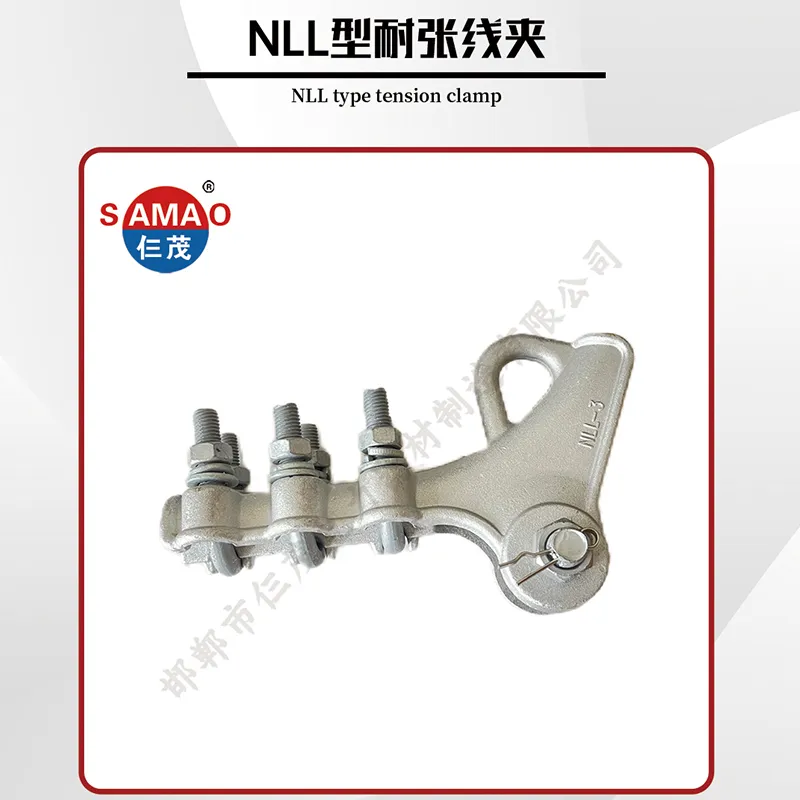
Image 2: An overhead line application showcasing the integration of a cable relief clamp.
In all these scenarios, the selection of the correct strain clamp for overhead line or tension lock clamp ensures energy saving through reduced line losses, enhanced safety by preventing cable dislodgement, and longevity due to superior material and design choices.
Technical Advantages of Advanced Cable Clamping Solutions
The continuous advancement in the design and manufacturing of wire cable stop clamp products offers several distinct technical advantages for B2B applications:
- Enhanced Safety and Reliability: Precision-engineered clamps ensure uniform pressure distribution on the cable, minimizing stress concentrations and preventing premature failure. This translates to fewer outages and improved system uptime.
- Superior Grip and Minimal Conductor Damage: Modern clamp designs utilize optimized gripping mechanisms, such as wedge-type or bolted parallel groove designs, which provide excellent slip strength without causing damage or cold flow to the conductor. This is crucial for maintaining the electrical and mechanical integrity of the cable.
- Exceptional Corrosion Resistance and Extended Service Life: Through the use of advanced materials (e.g., anodized aluminum, hot-dip galvanized steel, specialized stainless steels like 316L) and protective coatings, these clamps resist degradation from environmental factors such as humidity, pollution, and UV radiation, leading to a service life often exceeding 30 years.
- Ease of Installation and Maintenance: Ergonomically designed and precisely manufactured clamps facilitate quicker and safer installation. Many designs are tool-friendly, reducing labor costs and minimizing potential for installation errors. Their durability also reduces the frequency of maintenance.
- Cost-Effectiveness Over Lifecycle: While initial investment might be higher for premium clamps, their extended lifespan, reduced maintenance requirements, and avoidance of costly system failures result in a significantly lower total cost of ownership (TCO) compared to cheaper, less reliable alternatives.
- Versatility Across Cable Types: Modern designs accommodate a wide range of cable types, including ACSR (Aluminum Conductor Steel Reinforced), AAAC (All Aluminum Alloy Conductor), AAC (All Aluminum Conductor), and OPGW, offering flexibility for diverse infrastructure projects.
These advantages collectively contribute to a more robust, efficient, and secure infrastructure, crucial for uninterrupted operations in demanding B2B environments.
Vendor Comparison and Selection Criteria for Cable Clamps
Choosing the right supplier for a tension lock clamp or `Strain Clamp` is a strategic decision that impacts project timelines, operational costs, and long-term system reliability. B2B decision-makers and engineers should evaluate vendors based on the following criteria:
- Quality Certifications and Compliance: Verify adherence to international standards like ISO 9001, ANSI, IEC, and ASTM. This ensures consistent product quality and performance.
- R&D Capabilities and Innovation: A vendor's commitment to research and development indicates their ability to offer cutting-edge solutions and adapt to evolving industry needs (e.g., smart clamps, new materials).
- Customization Options: The flexibility to provide tailored solutions for unique project requirements (e.g., specific material grades, special coatings, non-standard cable sizes) is a significant advantage.
- Technical Support and After-Sales Service: Availability of expert technical assistance, installation guidance, and responsive after-sales support is crucial for project success and issue resolution.
- Reputation and Industry Experience: Look for vendors with a proven track record, extensive years of service in the industry (e.g., 20+ years), and positive client testimonials. Partner clients and their feedback are valuable indicators of reliability.
- Pricing and Value Proposition: Beyond the initial cost, evaluate the total value, including product lifespan, warranty, maintenance requirements, and potential for energy savings.
- Lead Time and Fulfillment Reliability: Assess the vendor's ability to meet delivery schedules and manage large-scale orders efficiently.
Product Comparison: Bolted vs. Wedge Type Tension Clamps
| Feature | Bolted Tension Clamp | Wedge Type Tension Clamp |
|---|---|---|
| Installation Method | Utilizes bolts to compress clamp jaws onto the conductor. Requires torque wrench. | Wedge insert locks the conductor by friction and geometry. Often tool-less or simple hand tools. |
| Conductor Compatibility | Highly versatile for various conductor types and sizes. | Specific to conductor type/size, generally for insulated aerial bundle cables (ABC) or small bare conductors. |
| Mechanical Strength | Very high RBL and slip strength, suitable for heavy-duty transmission lines. | Good mechanical strength for distribution and service lines, typically lower than bolted for bare conductors. |
| Cable Protection | Can cause conductor damage if over-torqued. Liners reduce this risk. | Excellent protection; smooth jaws minimize stress concentration and abrasion. |
| Maintenance/Reusability | Generally reusable if not damaged, requires re-torquing. | Often designed for single use or limited reusability, but easy to remove. |
| Cost (per unit) | Generally higher for robust designs. | Often more economical for lighter applications. |
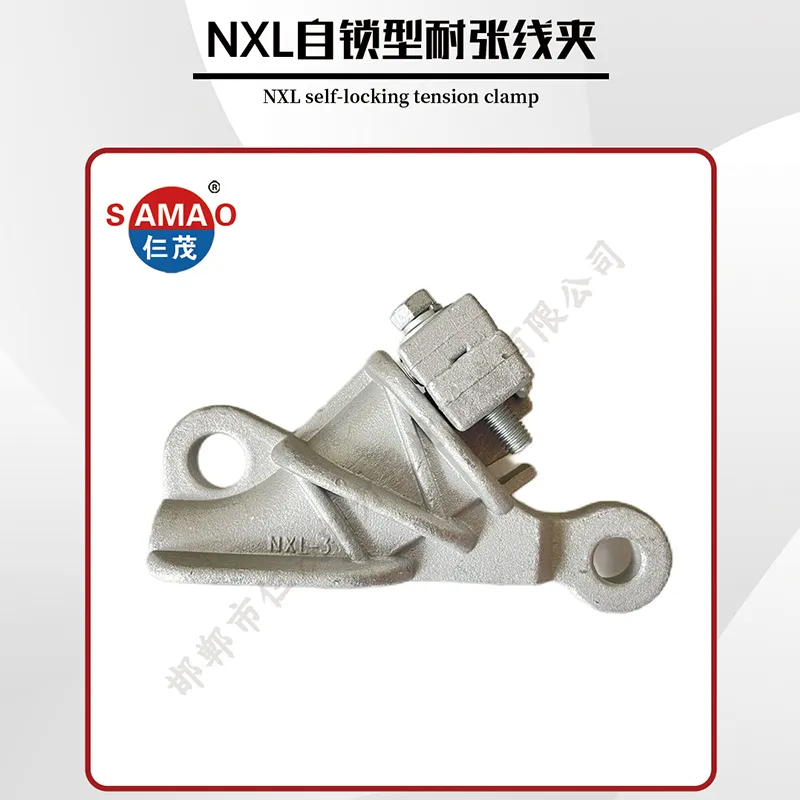
Image 3: Diverse designs of cable relief clamps for varied applications.
Customized Solutions for Unique Project Requirements
In many large-scale or specialized B2B projects, off-the-shelf cable clamps may not perfectly meet the unique operational or environmental demands. This is where customized solutions become invaluable. Leading manufacturers, like SamaoEP (https://www.samaoep.com/tension-clamp-strain-clamp-dead-e.html), offer extensive customization capabilities for the wire cable stop clamp to address specific client needs.
Areas of Customization:
- Material Specification: Tailoring the alloy composition (e.g., higher grade aluminum for extreme conductivity, specialized stainless steel for ultra-corrosive marine environments) to optimize performance and lifespan.
- Design Modifications: Adapting clamp geometry to accommodate non-standard cable diameters, specific installation clearances, or integration with unique structural interfaces. This includes variations in gripping methods (e.g., advanced wedge designs, specialized bolted configurations).
- Protective Coatings: Applying bespoke coatings such as anti-tracking paints for high-voltage applications, extreme-temperature resistant ceramics, or specialized anti-corrosion layers for highly aggressive chemical environments.
- Load Capacity Adjustments: Engineering clamps to handle significantly higher or lower rated breaking loads (RBL) or slip strengths than standard products, ensuring precise matching to conductor strength and line tension.
- Integration with Monitoring Systems: Designing clamps with provisions for incorporating sensors for real-time load, temperature, or vibration monitoring, crucial for smart grid applications.
- Environmental Adaptations: Developing solutions for extreme climates, such as clamps designed for arctic conditions (withstanding ultra-low temperatures without material embrittlement) or desert environments (resistant to high UV and sand abrasion).
Collaborating closely with manufacturers that possess robust R&D and engineering capabilities allows B2B clients to develop bespoke solutions that not only meet but often exceed project requirements, enhancing safety, efficiency, and long-term economic viability.
Application Case Studies: Wire Cable Stop Clamp in Action
Real-world implementations underscore the critical performance and reliability of high-quality cable clamping solutions. Here are a few illustrative examples:
Case Study 1: High-Voltage Transmission Line Expansion in Arid Regions
- Challenge: A national grid operator needed to expand its 400kV transmission network across a vast arid region prone to high temperatures, intense UV radiation, and sandstorms. The existing clamps were showing premature degradation due to these harsh conditions, leading to unexpected maintenance costs and potential for line failures.
- Solution: The project utilized custom-engineered `Dead-End Clamp` components made from a specialized aluminum alloy with an enhanced UV-resistant anodic coating. These `Tension Clamp` units were designed with an optimized gripping profile to minimize conductor stress while maintaining a high slip strength, critical for the long spans.
- Outcome: After three years of operation, inspections revealed no significant degradation of the clamps, far exceeding the performance of the previously installed components. The estimated service life was extended by over 15 years, significantly reducing lifecycle costs and improving grid reliability in a challenging environment. This demonstrated superior performance of the wire cable stop clamp.
Case Study 2: Marine Telecommunications Cable Anchor in a Coastal Zone
- Challenge: A telecommunications provider required a durable anchoring solution for a new submarine fiber optic cable landing point in a highly corrosive coastal environment, where saltwater spray and high humidity are constant. Standard galvanized steel clamps exhibited rapid corrosion.
- Solution: Marine-grade stainless steel (316L) cable relief clamp units were chosen. These clamps were designed to be compact, minimizing surface area exposed to the elements, and featured a specialized anti-fouling coating to prevent marine growth.
- Outcome: The stainless steel clamps performed exceptionally, showing no signs of galvanic corrosion or material degradation after five years. The robust grip ensured the heavy fiber optic cable remained securely anchored despite strong winds and tidal forces, safeguarding critical communication infrastructure.
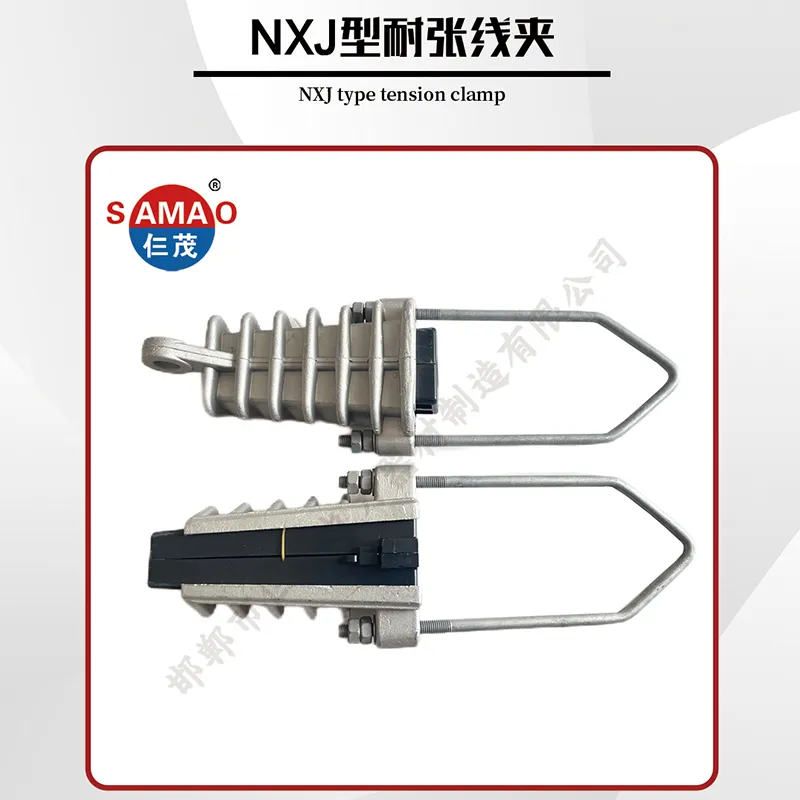
Image 4: A practical installation of a strain clamp for overhead line in an industrial setting.
Ensuring Trustworthiness: FAQ, Lead Time, Warranty, and Support
Establishing trust with B2B clients goes beyond product specifications. It encompasses transparency in operations, clear commitments, and reliable support. As a leading provider of high-quality `Tension Clamp` and `Strain Clamp` solutions, SamaoEP is dedicated to these principles.
Frequently Asked Questions (FAQ)
A1: Selection depends on several factors: cable type and diameter, rated breaking load (RBL) requirement, environmental conditions (corrosion, temperature), desired service life, and specific installation needs. Our technical team can assist you in making an informed decision.
Q2: What testing standards do your products adhere to?A2: All our `Dead-End Clamp` products comply with international standards such as ISO 9001 (Quality Management), ANSI C119.4 (Connectors), and IEC 61284 (Overhead Line Fittings), ensuring consistent quality and performance.
Q3: Can your clamps be used with different conductor materials (e.g., ACSR, AAAC)?A3: Yes, we offer a range of clamps specifically designed and tested for compatibility with various conductor types, including ACSR, AAAC, AAC, and OPGW, ensuring optimal performance without causing damage.
Lead Time and Fulfillment Details
We understand the critical nature of project timelines. Our lead times for standard `Tension Clamp` products typically range from 4-6 weeks, depending on order volume and specific product configurations. For customized solutions, lead times will be provided upon design finalization, usually within 8-12 weeks. We employ robust logistics and supply chain management to ensure on-time delivery globally, supported by clear communication throughout the order fulfillment process.
Warranty Commitments
All our `Strain Clamp` products are backed by a comprehensive 5-year warranty against manufacturing defects and material failures under normal operating conditions. This commitment reflects our confidence in the quality and durability of our engineering. Extended warranty options are available for specific projects, tailored to client needs and project lifespans.
Customer Support and After-Sales Service
Our dedication to client success extends well beyond the point of sale. We provide:
- Expert Technical Assistance: Our team of experienced engineers is available to provide pre-sales consultation, installation guidance, and troubleshooting support.
- Responsive After-Sales Service: Dedicated support channels ensure that any queries or concerns regarding product performance or maintenance are addressed promptly and effectively.
- Training Programs: We offer training sessions for client personnel on proper installation techniques, inspection procedures, and maintenance best practices to maximize product lifespan and operational safety.
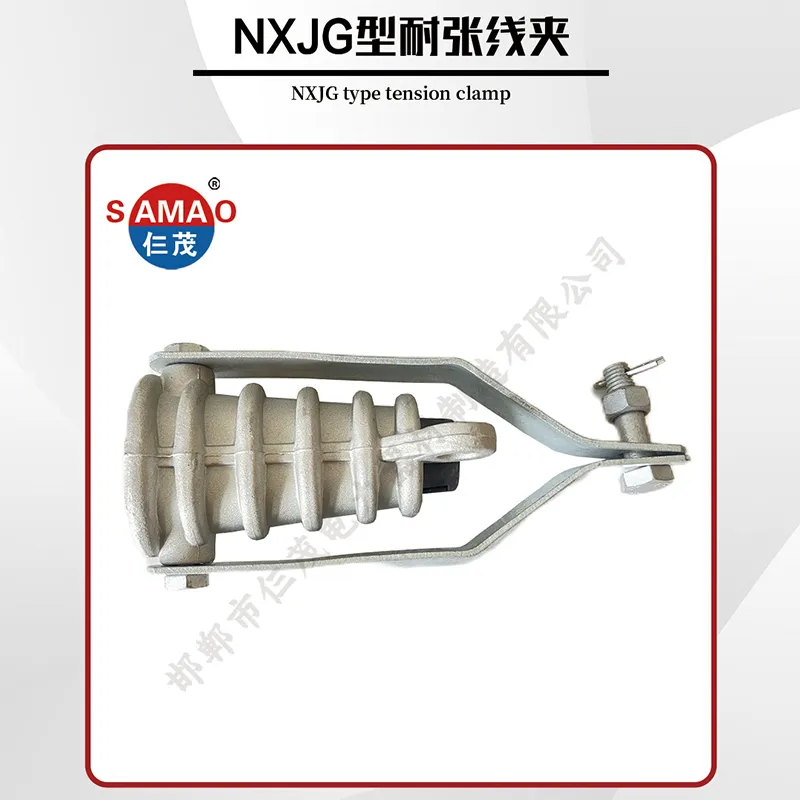
Image 5: Quality assurance team conducting final inspection on a batch of wire cable stop clamps.
Conclusion
The wire cable stop clamp, in its various forms such as `Tension Clamp`, `Strain Clamp`, and `Dead-End Clamp`, is far more than a simple mechanical fastener. It is a critical, highly engineered component whose performance directly impacts the safety, reliability, and economic viability of vast infrastructure networks worldwide. From the precision of its material selection and manufacturing processes to its versatile application across diverse industries and the commitment to comprehensive after-sales support, every aspect plays a vital role in modern B2B operations.
As industries continue to demand more resilient, efficient, and intelligent infrastructure solutions, the evolution of cable clamping technology will undoubtedly continue to play a pivotal role. Partnering with a reputable manufacturer that prioritizes quality, innovation, and customer trust is essential for securing long-term operational excellence and sustainable growth.
References
- International Electrotechnical Commission (IEC) - IEC 61284: Overhead lines – Requirements and tests for fittings.
- American National Standards Institute (ANSI) - ANSI C119.4: Connectors for Use in an Overhead Distribution System.
- International Organization for Standardization (ISO) - ISO 9001: Quality management systems – Requirements.
- American Society for Testing and Materials (ASTM) International - ASTM B117: Standard Practice for Operating Salt Spray (Fog) Apparatus.
- EPRI (Electric Power Research Institute) Journal - Various publications on overhead line design and component reliability.
-
Laundry Efficiency Guide with pengapit ampaian dengan cangkuk iNewsApr.16,2026
-
Optimizing Power Infrastructure with the pengapit ampaian tnbNewsApr.09,2026
-
Comprehensive Guide to Selecting the Right pengapit penggantungan untuk kabel lt ab SolutionsNewsApr.07,2026
-
Comprehensive Guide to Pengapit Talian Penghantaran for Secure Package DeliveryNewsApr.04,2026
-
Comprehensive Guide to Pemasangan Pengapit Penggantungan for Overhead Cabling SystemsNewsMar.31,2026
-
Comprehensive Guide to Pengapit Ampaian yang Telah Dibentuk for Construction SafetyNewsMar.28,2026
-
Comprehensive Guide to Pengapit Ampaian Besi for Scaffolding SafetyNewsMar.26,2026