Reliable Parallel Groove Clamp for Secure Electrical Connections
Introduction to Parallel Groove Clamps
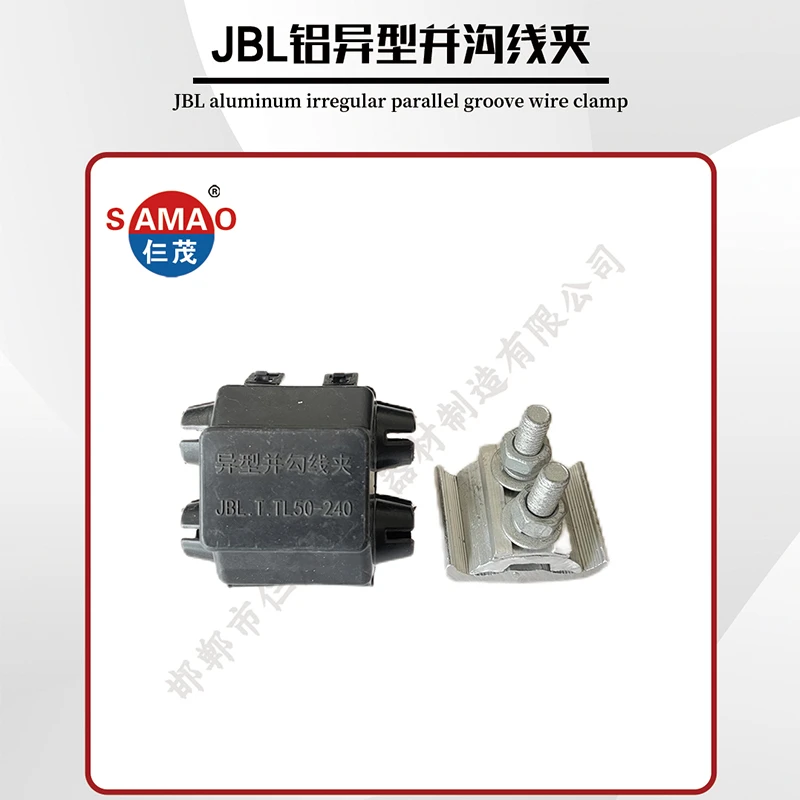
The parallel groove clamp is an indispensable component in electrical transmission and distribution systems, primarily designed for making electrical connections between two parallel conductors. These clamps facilitate secure and efficient current flow, ensuring the integrity and reliability of overhead lines. They are critical for preventing power loss, minimizing resistance, and maintaining mechanical stability in diverse environmental conditions. Their robust design makes them suitable for various applications, ranging from low-voltage service connections to high-voltage transmission lines, playing a pivotal role in the infrastructure of modern power grids and industrial facilities.
Understanding the intricacies of parallel groove clamp technology, from its manufacturing precision to its diverse application capabilities, is crucial for B2B decision-makers and engineers aiming for optimal system performance and longevity.
Industry Trends in Parallel Groove Clamp Technology
The landscape of electrical infrastructure is constantly evolving, driven by demands for increased efficiency, resilience, and sustainability. In this context, advancements in parallel groove clamp technology are paramount. Current industry trends highlight a move towards:
- Advanced Materials: Adoption of high-strength, corrosion-resistant aluminum alloys and copper alloys, often with specialized coatings, to extend service life and reduce maintenance in harsh environments.
- Optimized Design for Smart Grids: Development of designs compatible with smart grid technologies, enabling easier integration of sensors for real-time monitoring of conductor temperature and load, thus improving grid management and predictive maintenance.
- Enhanced Electrical Conductivity: Innovations in clamping mechanisms and surface treatments to achieve even lower electrical resistance, minimizing energy losses and heat generation.
- Sustainable Manufacturing Practices: Emphasis on eco-friendly production processes, including reduced waste and energy consumption, aligning with global sustainability goals.
- Increased Customization: Growing demand for tailored solutions to meet specific project requirements, including unique conductor combinations, extreme environmental conditions, and specialized installation methods.
These trends underscore the importance of continuous innovation in the design and manufacturing of parallel groove connectors to meet the stringent requirements of modern electrical systems.
Manufacturing Process of a Parallel Groove Clamp
The production of a high-quality parallel groove clamp is a meticulous process, combining advanced metallurgy with precision engineering to ensure optimal performance and longevity. The process flow typically involves several critical stages:
1. Material Selection and Preparation
The journey begins with selecting premium-grade materials, typically high-strength aluminum alloy (e.g., Al-Mg-Si alloys for excellent conductivity and corrosion resistance) or copper alloy, depending on the application and conductor material. These materials are chosen for their superior electrical conductivity, mechanical strength, and resistance to environmental degradation. Raw materials undergo rigorous inspection to ensure purity and compliance with industry standards like ASTM B221 (Aluminum Alloy Extruded Bar, Rod, Wire, Shapes, and Tubes).
2. Forming Process: Casting or Forging
- Casting: For complex geometries or larger clamp sizes, a controlled casting process (e.g., sand casting or die casting) is employed. Molten metal is poured into molds, then cooled to form the basic clamp body. This method allows for intricate internal designs that maximize contact area.
- Forging: For applications demanding superior mechanical strength and fine grain structure, hot forging is used. Metal billets are heated and shaped under immense pressure, resulting in a dense, uniform material structure that enhances durability and fatigue resistance.
3. CNC Machining and Finishing
Post-forming, the clamp bodies undergo precision CNC (Computer Numerical Control) machining. This stage creates the precise parallel grooves, bolt holes, and other critical dimensions. CNC ensures tight tolerances, excellent surface finish, and consistent quality across batches. Specialized tools are used to create the specific groove profiles that match various conductor sizes, ensuring optimal grip and electrical contact. Surface treatments, such as passivation for aluminum or tin plating for copper, may be applied to enhance corrosion resistance and reduce contact resistance further.
4. Assembly and Fastener Integration
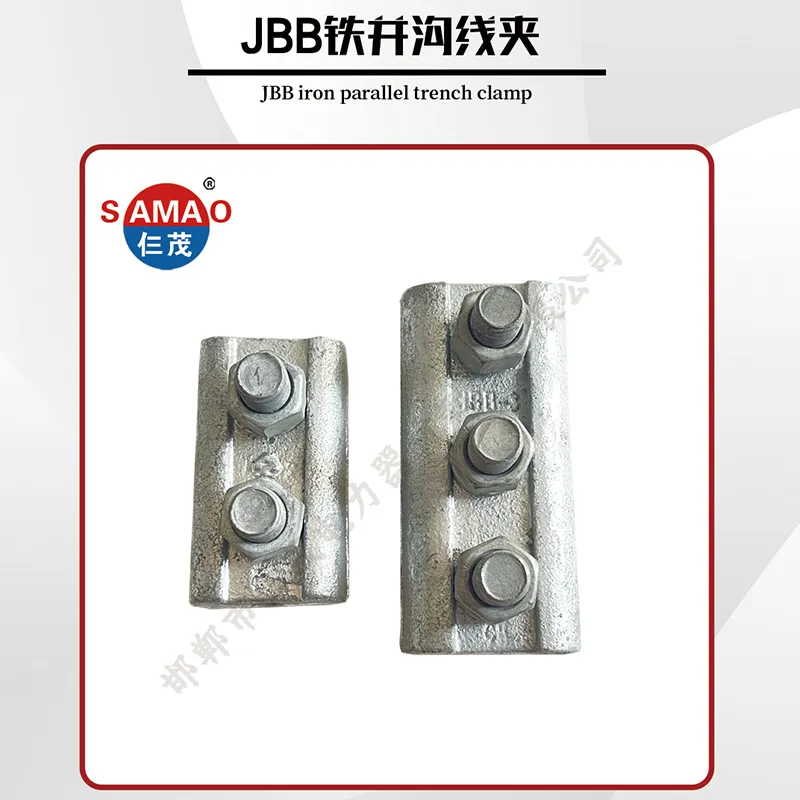
High-strength bolts, washers, and nuts, often made from hot-dip galvanized steel or stainless steel, are assembled with the clamp body. These fasteners are crucial for applying the necessary clamping force to secure the conductors. Anti-seize compounds or specialized greases may be applied to the threads to ensure smooth tightening and prevent galvanic corrosion.
5. Quality Control and Testing Standards
Each parallel connector undergoes stringent quality control and testing to comply with international standards such as ISO 9001 for quality management, and product-specific standards like ANSI C119.4 for connectors for use with overhead lines. Key tests include:
- Tensile Strength Test: To ensure the clamp can withstand mechanical loads without slippage.
- Electrical Resistance Test: To verify minimal resistance across the connection, often performed according to IEEE Std 837.
- Thermal Cycling Test: To simulate extreme temperature variations and ensure stable performance over time.
- Corrosion Resistance Test: Salt spray tests or accelerated weathering to assess durability in corrosive environments.
- Dimensional Accuracy Check: Using precision instruments to confirm adherence to design specifications.
This comprehensive process ensures a service life often exceeding 25-30 years under normal operating conditions, providing a reliable and energy-saving solution for electrical grids in target industries like petrochemical, metallurgy, and water supply & drainage.
Technical Specifications and Parameters
The performance of a parallel groove clamp is defined by its precise technical specifications, which dictate its suitability for various applications. Below is a typical specification table for a commonly used aluminum alloy parallel groove clamp:
| Parameter | Specification | Details/Standards |
|---|---|---|
| Material | High-strength Aluminum Alloy (Al-Mg-Si) | Excellent conductivity & corrosion resistance. Bolts: Hot-dip galvanized steel. |
| Conductor Range (Main) | 16 mm² - 400 mm² | ACSR, AAAC, AAC conductors. |
| Conductor Range (Tap) | 10 mm² - 240 mm² | Flexible for diverse connections. |
| Rated Current Capacity | Up to 1000A (Application Dependent) | Based on conductor size, temperature rise. |
| Installation Torque | Specified by Manufacturer (e.g., 40-70 Nm) | Crucial for optimal contact and grip. |
| Service Life | >25 Years | Under normal operating and environmental conditions. |
| Standards Compliance | ANSI C119.4, IEC 61284, BS 3288 | Ensures interchangeability and safety. |
| Operating Temperature | -40°C to +90°C | Wide range for diverse climates. |
Key Technical Advantages
The selection of an appropriate parallel groove clamp yields significant technical and operational advantages:
- Superior Electrical Conductivity: Engineered to minimize contact resistance, reducing power losses and heat generation, thereby contributing to substantial energy saving across the grid. High-quality materials and precise machining ensure an optimal current path.
- Exceptional Corrosion Resistance: Utilizing materials like high-strength aluminum alloys and appropriate surface treatments (e.g., passivation or tin plating) significantly extends the service life in harsh environments, including coastal, industrial, and polluted areas. This minimizes maintenance costs and ensures long-term reliability.
- Robust Mechanical Stability: The design ensures a firm grip on conductors, preventing slippage even under high mechanical tension or vibration. This stability is critical for maintaining the physical integrity of overhead lines.
- Ease of Installation: Designed for straightforward installation with standard tools, reducing installation time and labor costs. Pre-filled inhibitor compounds in some models further simplify the process and enhance connection quality.
- Temperature Cycling Resilience: Engineered to withstand repeated thermal expansion and contraction cycles without compromising electrical or mechanical performance, ensuring stable operation through varying ambient temperatures.
- Versatility: Capable of connecting a wide range of conductor types and sizes, including ACSR, AAAC, and AAC, offering flexibility for diverse network configurations.
These advantages directly translate into lower total cost of ownership, improved network reliability, and enhanced operational safety for utility and industrial applications.
Application Scenarios and Target Industries
The versatility and reliability of the parallel groove clamp make it indispensable across a multitude of industries and critical infrastructure projects. Its primary function is to create secure and electrically efficient connections between conductors, thereby supporting various power distribution and industrial processes.
Power Transmission and Distribution
- Overhead Lines: Essential for connecting service drop conductors to main distribution lines, tapping off main lines, or making jumpers.
- Substations: Used for creating bus bar connections and grounding applications, ensuring flexible and reliable power routing.
- Renewable Energy Installations: Facilitates electrical connections in solar farms and wind power generation, crucial for integrating renewable energy into the grid.
Industrial Applications
- Petrochemical Industry: Demands corrosion-resistant and explosion-proof electrical connections for critical power infrastructure within refineries and chemical plants.
- Metallurgy: High current carrying capacity and thermal stability are vital for connecting heavy-duty conductors in smelters and steel mills.
- Mining: Robust clamps are required for temporary and permanent power distribution in harsh, abrasive mining environments.
Urban and Rural Infrastructure
- Water Supply & Drainage Systems: Powering pumps, control systems, and related electrical infrastructure with reliable connections.
- Railway Electrification: Used in overhead catenary systems and signaling power distribution for robust and vibration-resistant connections.
- Telecommunications: Providing stable power connections for base stations and network infrastructure where reliability is paramount.
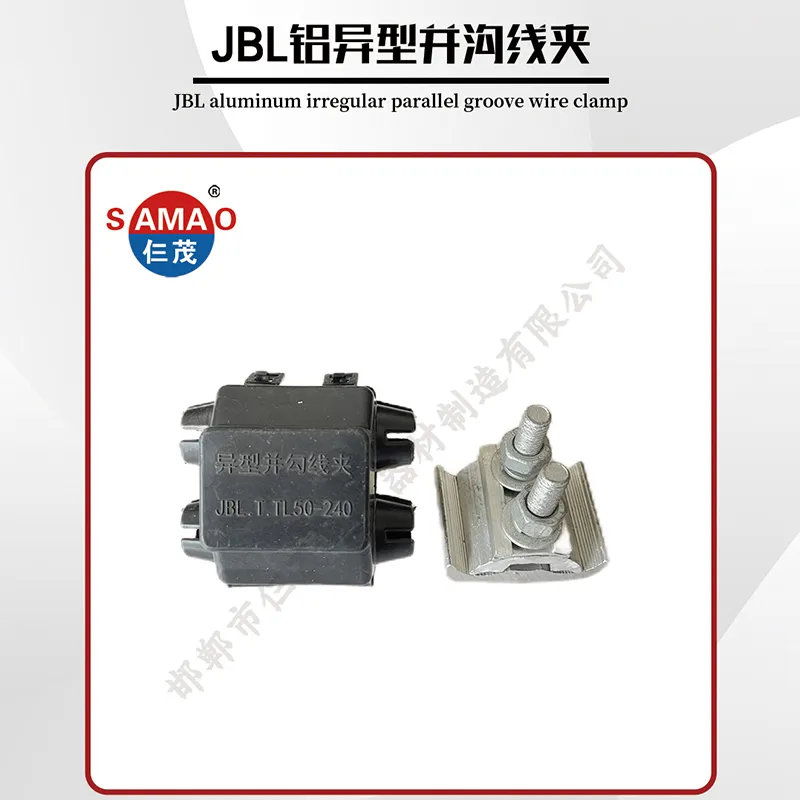
In each scenario, the specific requirements—be it corrosion resistance, high current capacity, or mechanical strength—are met by selecting the appropriate parallel connector variant, underscoring its pivotal role in maintaining operational continuity and safety.
Vendor Comparison and Selection Criteria
Choosing the right vendor for parallel groove clamp products is a critical decision for B2B procurement, impacting long-term system reliability, cost-efficiency, and project timelines. While a direct comparison of specific vendors is beyond the scope of this article, focusing on key evaluation criteria will empower informed choices.
Key Comparison Factors:
- Product Quality & Material Standards: Evaluate adherence to international standards (e.g., ANSI C119.4, IEC 61284). Look for certifications (ISO 9001) and evidence of high-grade materials (e.g., Al-Mg-Si alloys).
- Technical Expertise & R&D: A strong vendor invests in research and development, offering innovative designs and demonstrating deep technical understanding of electrical connections.
- Customization Capabilities: The ability to provide bespoke solutions for unique conductor sizes, material combinations, or environmental challenges is a significant advantage.
- Testing & Certification: Verify that products undergo rigorous internal and third-party testing, with accessible test reports (e.g., pull-out strength, resistance, thermal cycling).
- Customer Support & After-Sales Service: Responsive technical support, clear warranty terms, and efficient complaint resolution are crucial for long-term partnership.
- Lead Time & Logistics: Consistent lead times and reliable global logistics capabilities are vital for project scheduling, especially for large-scale deployments.
- Cost-Effectiveness & Parallel Groove Clamp Price: While not the sole factor, a competitive pricing structure coupled with long-term reliability offers the best value. Consider the total cost of ownership, not just the upfront purchase price.
- Reputation & Track Record: Review client testimonials, case studies, and industry reputation. Partnerships with major utilities or industrial giants indicate reliability.
A thorough evaluation based on these criteria ensures selection of a supplier who can deliver not just a product, but a reliable, long-term solution.
Customized Solutions for Parallel Groove Clamps
While standard parallel groove clamp designs cover a wide array of applications, specific project requirements often necessitate customized solutions. Leading manufacturers understand that unique environmental conditions, unusual conductor combinations, or stringent performance demands require tailored engineering.
When is Customization Needed?
- Non-Standard Conductor Sizes: Projects involving legacy conductors or specialized cables that fall outside conventional ranges.
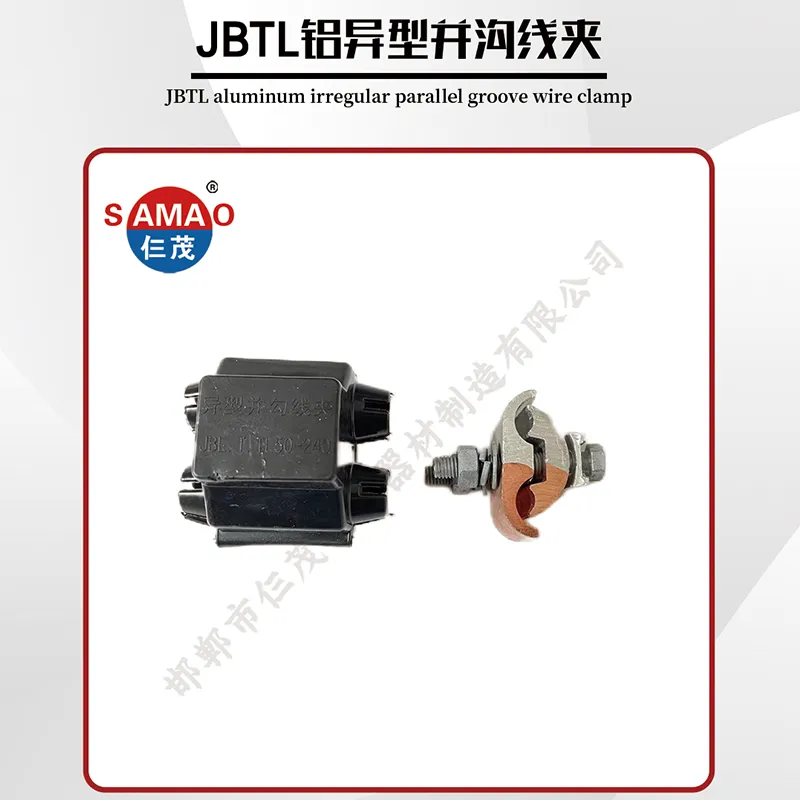
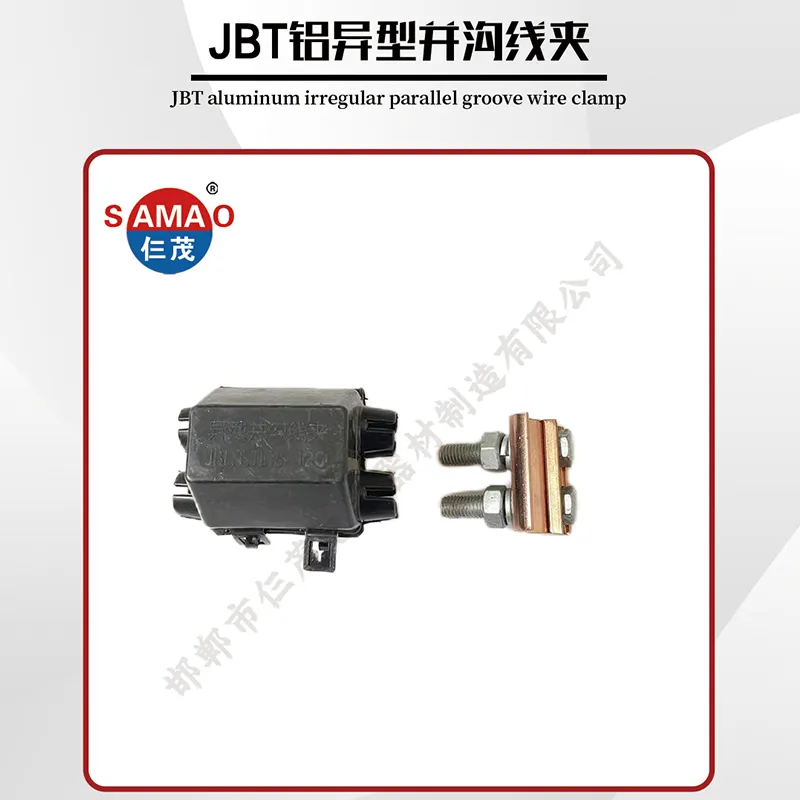
- Bimetallic Connections: Where aluminum main lines connect to copper tap lines, requiring bimetallic parallel groove connectors to prevent galvanic corrosion.
- Extreme Environmental Conditions: For areas with exceptionally high pollution, corrosive agents (e.g., coastal, industrial), or extreme temperatures, requiring special alloys or coatings.
- Specialized Mechanical Load Requirements: Applications needing higher pull-out strength or vibration resistance than standard clamps.
- Unique Installation Constraints: Clamps designed for specific pole types, mounting configurations, or limited access areas.
The Customization Process Typically Involves:
- Detailed Requirement Analysis: Collaborating with engineers to understand precise project specifications, including conductor types, environmental factors, electrical loads, and mechanical stresses.
- CAD Design & Simulation: Developing 3D models and conducting simulations (e.g., finite element analysis for stress distribution, thermal simulations) to predict performance.
- Prototyping & Testing: Manufacturing prototypes and subjecting them to rigorous testing, often exceeding standard requirements, to validate design integrity and performance.
- Material & Surface Treatment Optimization: Selecting specific alloys, coatings, or inhibitor compounds to meet the unique performance criteria.
Customized parallel connector solutions ensure optimal performance, extended lifespan, and ultimately, a more reliable and cost-effective overall electrical system for specialized projects.
Application Case Studies
Real-world applications demonstrate the tangible benefits of high-quality parallel groove clamp solutions in overcoming significant electrical infrastructure challenges.
Case Study 1: Coastal Power Grid Reinforcement
Client: Major South-East Asian Utility Company
Challenge: Existing overhead line connections in coastal regions suffered from rapid galvanic corrosion and salt spray degradation, leading to frequent outages and high maintenance costs. Standard clamps had a service life of less than 10 years.
Solution: The utility implemented customized parallel groove clamps made from a specialized marine-grade aluminum alloy, pre-filled with an anti-corrosion grease, and designed for enhanced sealing. These clamps were tested to exceed ASTM B117 salt spray requirements by 200%.
Outcome: After five years, inspections showed negligible corrosion on the new installations. The projected service life increased to over 25 years, leading to an estimated 40% reduction in maintenance expenses and a 15% improvement in grid reliability in the affected areas.
Case Study 2: Industrial Plant Expansion – High Current Tap-Offs
Client: Large European Steel Manufacturing Plant
Challenge: Expanding operations required tapping significant power from existing high-current bus bars to new production lines. The connection needed to handle sustained currents up to 800A without excessive heat rise or voltage drop, while ensuring structural integrity in a vibration-prone environment.
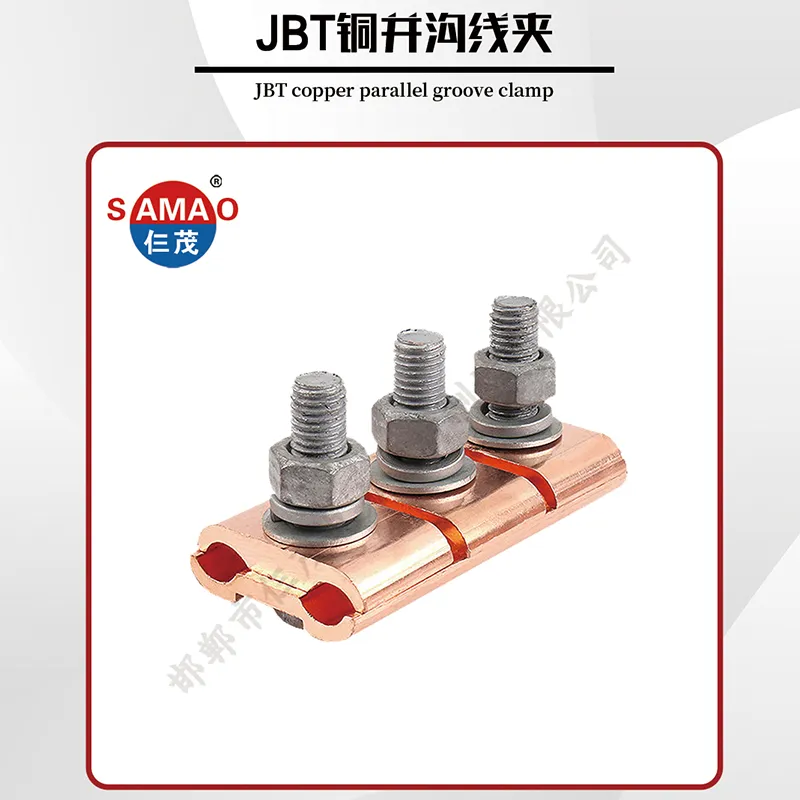
Solution: Custom-engineered copper-alloy parallel groove clamps with larger contact surfaces and a unique bolt tightening mechanism were specified. These clamps underwent rigorous thermal cycling and vibration testing (per IEC 61284) to confirm stability under load.
Outcome: The specialized clamps delivered superior electrical performance, with temperature rises well within permissible limits, even at peak loads. This enabled a seamless power supply to the new production lines, avoiding bottlenecks and ensuring continuous operation, validating the investment in a high-performance parallel connector solution.
Ensuring Quality and Reliability (Authoritativeness)
Authoritativeness in the manufacturing of parallel groove clamp products is built upon a foundation of stringent quality assurance, adherence to international standards, and a proven track record.
Certifications and Compliance:
Reputable manufacturers rigorously comply with global and regional industry standards. Key certifications include:
- ISO 9001:2015: Demonstrates a robust Quality Management System, ensuring consistency in product quality and continuous improvement.
- ANSI C119.4: Standard for Connectors for Use with Overhead Lines, ensuring electrical and mechanical performance.
- IEC 61284: Overhead lines – Requirements and tests for fittings, focusing on mechanical and electrical characteristics.
- BS 3288: British Standard for Insulator and conductor fittings for overhead power lines.
Advanced Testing Regimes:
Beyond standard compliance, a commitment to quality involves extensive internal and third-party testing. This includes:
- Mechanical Performance Testing: Tensile strength, vibration endurance, and conductor retention tests to ensure clamps withstand environmental and operational stresses.
- Electrical Performance Testing: Low-resistance measurements, thermal cycling to simulate real-world load variations, and short-circuit current tests.
- Environmental Endurance: Accelerated corrosion tests (e.g., salt fog, SO2 environments) and UV exposure to predict long-term durability.
Partner Clients and Years of Service:
Partnerships with leading national and international utility companies, industrial conglomerates, and large-scale infrastructure projects over many years serve as a testament to a manufacturer's consistent delivery of reliable products and services.
Customer Experience and Support (Experience & Trustworthiness)
Exceptional customer experience and comprehensive support are hallmarks of a trustworthy supplier in the B2B sector. This extends beyond product delivery to encompass pre-sales consultation, technical assistance, and post-sales service for parallel groove clamp solutions.
Technical Consultation and Design Support:
Providing expert guidance during the selection phase, helping clients choose the optimal parallel connector based on their specific conductor types, environmental conditions, and load requirements. This includes assistance with custom designs and material specifications.
Installation Guidance and Training:
Offering detailed installation manuals, instructional videos, or even on-site training sessions to ensure correct and safe deployment of clamps, maximizing their performance and lifespan.
Responsive Customer Feedback Channels:
Maintaining accessible channels for inquiries, feedback, and issue resolution, demonstrating a commitment to customer satisfaction. This includes dedicated account managers and technical support teams.
Typical Lead Times and Fulfillment:
Standard products typically have a lead time of 2-4 weeks, depending on order volume and stock availability. Customized solutions may require 6-10 weeks for design, prototyping, and testing. Efficient logistics and global shipping capabilities ensure timely delivery to project sites worldwide.
Frequently Asked Questions (FAQ)
Q1: What are the primary types of parallel groove clamps?
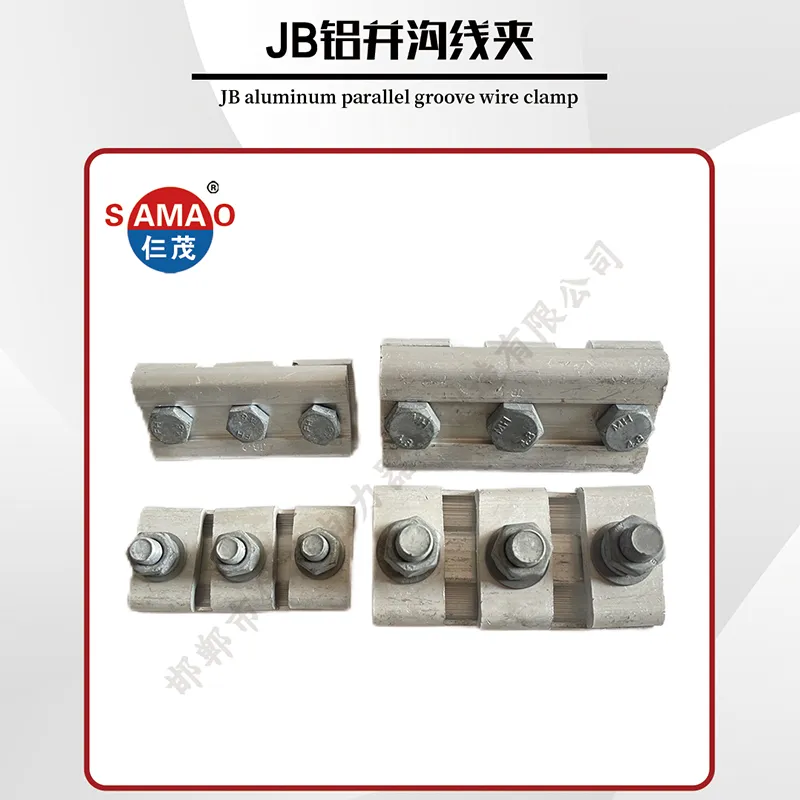
A1: The main types are aluminum alloy for aluminum conductors (ACSR, AAAC, AAC), copper alloy for copper conductors, and bimetallic clamps (Al-Cu) for connecting dissimilar conductors to prevent galvanic corrosion.
Q2: How do I select the correct size of a parallel groove clamp for my conductors?
A2: Selection depends on the exact diameter (or cross-sectional area) and material of both the main and tap conductors. Manufacturers provide detailed sizing charts. It's crucial to match these precisely to ensure optimal electrical and mechanical performance.
Q3: Is an inhibitor compound necessary when installing parallel groove clamps?
A3: For aluminum conductors, an oxide inhibitor compound is highly recommended, and often pre-applied by the manufacturer. This compound breaks down aluminum oxide on the conductor surface, prevents re-oxidation, and fills voids, significantly reducing contact resistance and preventing corrosion.
Q4: What is the typical warranty period for your parallel groove clamps?
A4: We typically offer a standard warranty of 1 to 5 years against manufacturing defects, depending on the product series and application. Extended warranty options may be available upon discussion for specific projects. Our commitment is to ensure the longevity and reliability of our products.
Q5: Can these clamps be reused?
A5: While mechanically possible in some cases, re-using parallel groove clamps is generally not recommended for critical electrical connections. The clamping force may be compromised, the grooves might be damaged, and the inhibitor compound (if applicable) would need to be reapplied, which is difficult to do effectively. For safety and performance, new clamps are always preferred.
Order Fulfillment and Warranty Commitments
Ensuring a seamless procurement experience for our B2B clients, we prioritize efficient order fulfillment and robust warranty commitments for every parallel groove clamp.
Lead Time and Logistics:
For standard products, typical lead times range from 2 to 4 weeks from order confirmation, depending on the volume and current stock levels. Custom-engineered parallel groove clamps require a longer lead time, generally 6 to 10 weeks, to account for design, prototyping, rigorous testing, and specialized manufacturing processes. We leverage a robust global logistics network to ensure timely and secure delivery to project sites, including comprehensive tracking and documentation.
Warranty Policy:
All our parallel groove clamp products are backed by a comprehensive warranty, typically ranging from 1 to 5 years, guaranteeing them against manufacturing defects and material failures under normal operating conditions. This warranty underscores our confidence in the quality and durability of our products. Detailed warranty terms and conditions are provided with each quotation and order, outlining coverage, claims procedures, and responsibilities. Our commitment extends to providing prompt and effective resolution should any product not meet the promised standards.
After-Sales Support:
Our dedication to client satisfaction extends well beyond the point of sale. We provide extensive after-sales support, including:
- Technical Assistance: A dedicated team of engineers is available to address any technical queries, installation challenges, or performance concerns.
- Troubleshooting: Guidance and support for diagnosing and resolving any issues that may arise during the operational lifespan of the clamps.
- Replacement Parts & Servicing: Availability of replacement components and, where applicable, guidance on servicing to maximize product life.
This holistic approach ensures that our clients receive not just high-quality products, but also the continuous support necessary for long-term project success and operational reliability.
Conclusion and Future Outlook
The parallel groove clamp remains a foundational element in electrical infrastructure, critical for ensuring safe, reliable, and efficient power transmission and distribution. Its evolution, driven by advancements in materials science, manufacturing precision, and strict adherence to international standards, underscores its continued relevance in a rapidly modernizing grid.
As industries demand higher performance, greater resilience to environmental challenges, and seamless integration with smart grid technologies, the development of parallel groove connectors will continue to innovate. Future trends likely include further enhancements in bimetallic connection technology, advanced composite materials for extreme conditions, and integration with real-time monitoring capabilities for predictive maintenance. For B2B stakeholders, investing in high-quality, compliant, and well-supported parallel groove clamp solutions is an investment in the long-term stability and efficiency of their electrical assets.
The continuous pursuit of excellence in design, manufacturing, and customer support ensures that parallel groove clamps will continue to serve as a cornerstone of electrical connectivity for decades to come, powering the world's diverse needs.
References
- ANSI C119.4: Connectors for Use with Overhead Lines, American National Standards Institute.
- IEC 61284: Overhead lines – Requirements and tests for fittings, International Electrotechnical Commission.
- IEEE Std 837: Standard for Qualifying Permanent Connections Used in Substation Grounding, Institute of Electrical and Electronics Engineers.
- ASTM B117: Standard Practice for Operating Salt Spray (Fog) Apparatus, ASTM International.
- ISO 9001: Quality Management Systems – Requirements, International Organization for Standardization.
-
Laundry Efficiency Guide with pengapit ampaian dengan cangkuk iNewsApr.16,2026
-
Optimizing Power Infrastructure with the pengapit ampaian tnbNewsApr.09,2026
-
Comprehensive Guide to Selecting the Right pengapit penggantungan untuk kabel lt ab SolutionsNewsApr.07,2026
-
Comprehensive Guide to Pengapit Talian Penghantaran for Secure Package DeliveryNewsApr.04,2026
-
Comprehensive Guide to Pemasangan Pengapit Penggantungan for Overhead Cabling SystemsNewsMar.31,2026
-
Comprehensive Guide to Pengapit Ampaian yang Telah Dibentuk for Construction SafetyNewsMar.28,2026
-
Comprehensive Guide to Pengapit Ampaian Besi for Scaffolding SafetyNewsMar.26,2026