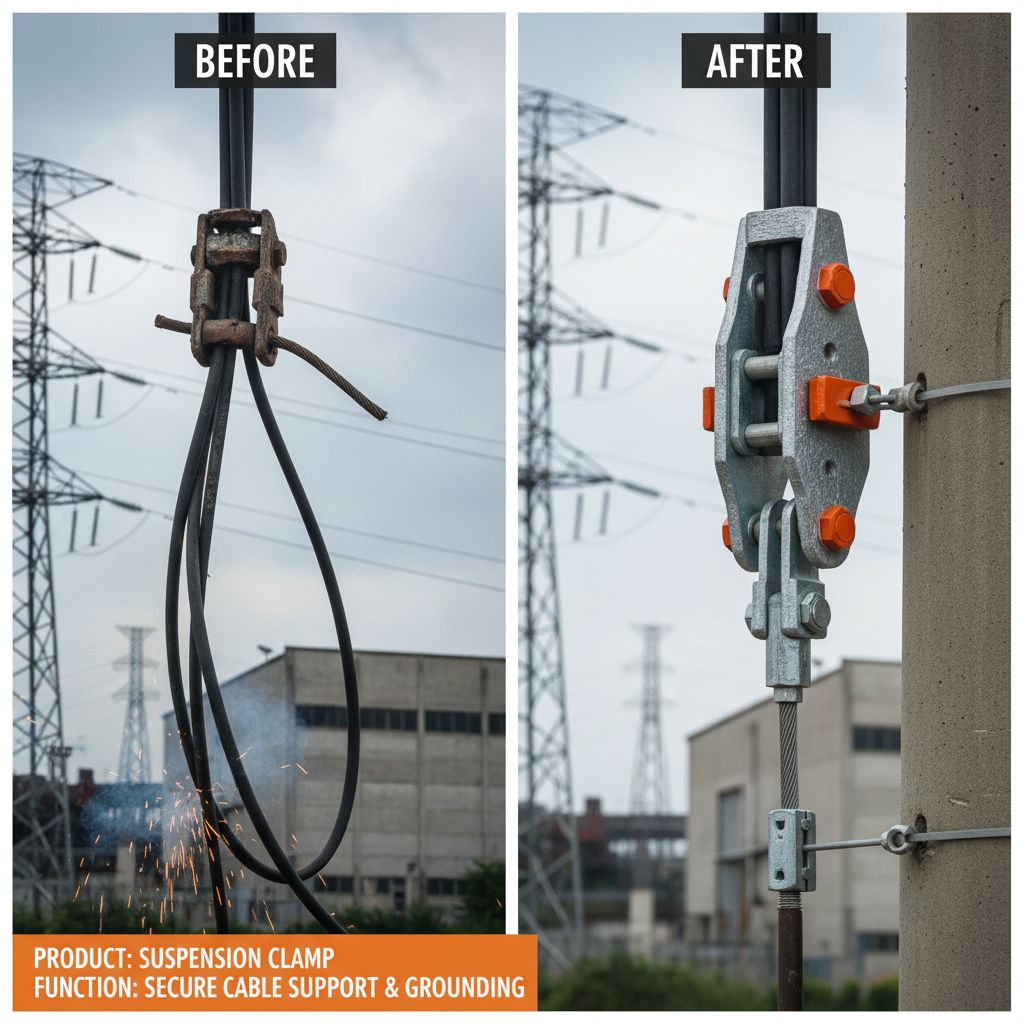
Look, I spend my days on construction sites, getting dust in my boots and talking to the folks who actually build things. That’s where you learn what matters. And what matters, more than anything, is keeping things reliable and moving. That's why I’m always talking about suspension clamps. They're the unsung heroes of any project, ensuring everything from power lines to communication cables stay where they're supposed to, no matter the weather or stress. It's not glamorous, but it's critical.
For years, we relied on older methods, clunkier designs. Too much time wasted on installation, too many potential points of failure, and frankly, a lot of headaches. But the industry has really stepped up. We’re seeing innovations in materials, design, and even installation techniques. Modern suspension clamps aren't just holding things up; they're streamlining processes, improving safety, and ultimately, saving projects time and money.
I've seen firsthand the difference a well-designed and properly installed suspension clamp can make, not just in terms of structural integrity, but in the overall efficiency of a build. It's about preventing delays, minimizing maintenance, and ensuring the long-term reliability of essential infrastructure. It’s a small component, a relatively low cost, but with a massive impact.
The Importance of Suspension Clamps in Modern Infrastructure
You wouldn’t believe how often things go wrong because people underestimate the importance of proper support. We're talking about everything from power distribution to telecommunications – the stuff that keeps the world running. Suspension clamps are absolutely crucial for maintaining the integrity of these systems. They're not just holding a cable; they're safeguarding reliability and preventing potentially catastrophic failures.
Globally, the demand for reliable infrastructure is soaring, especially in rapidly developing nations. The International Energy Agency reports a projected 30% increase in global electricity demand by 2040. That means more power lines, more cables, and therefore, a greater need for high-quality suspension clamps to handle the increased load and ensure consistent energy delivery. It’s a fundamental building block.
Defining Suspension Clamps: A Practical Overview
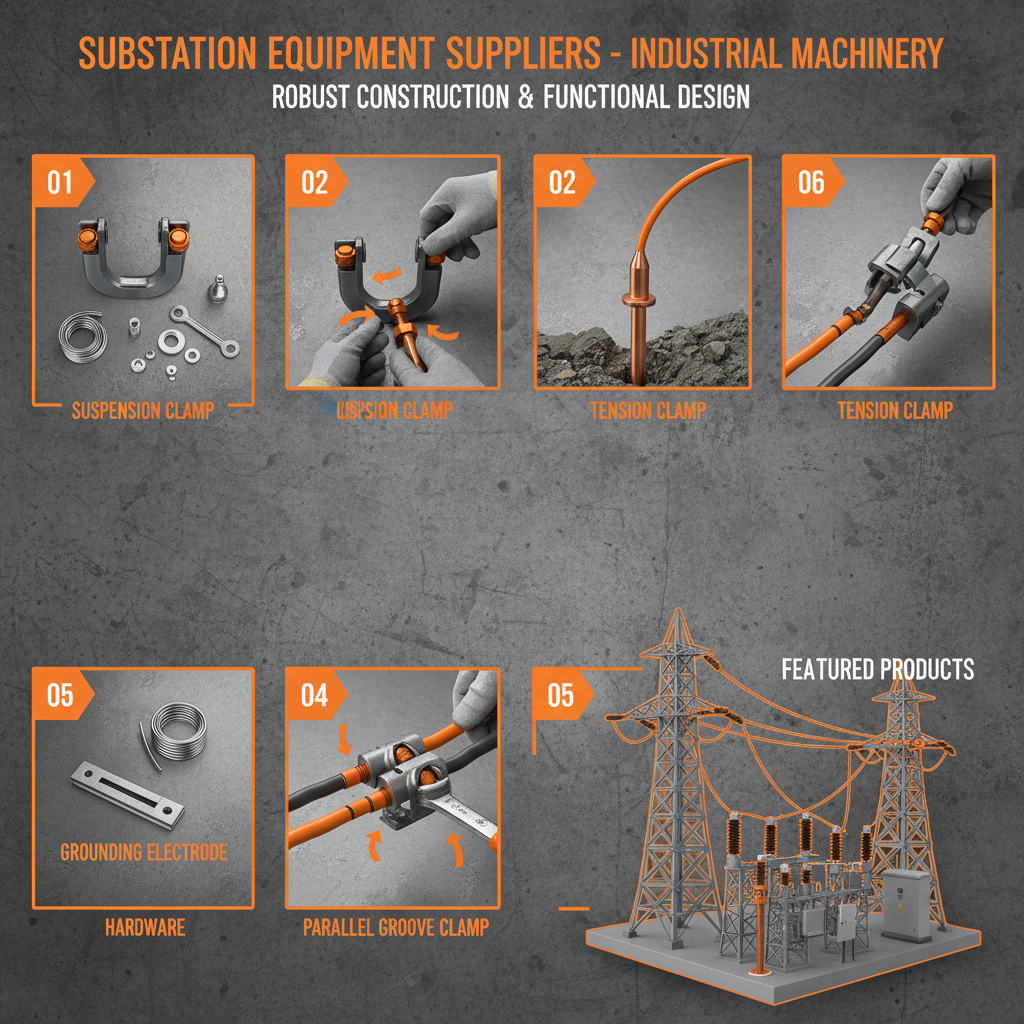
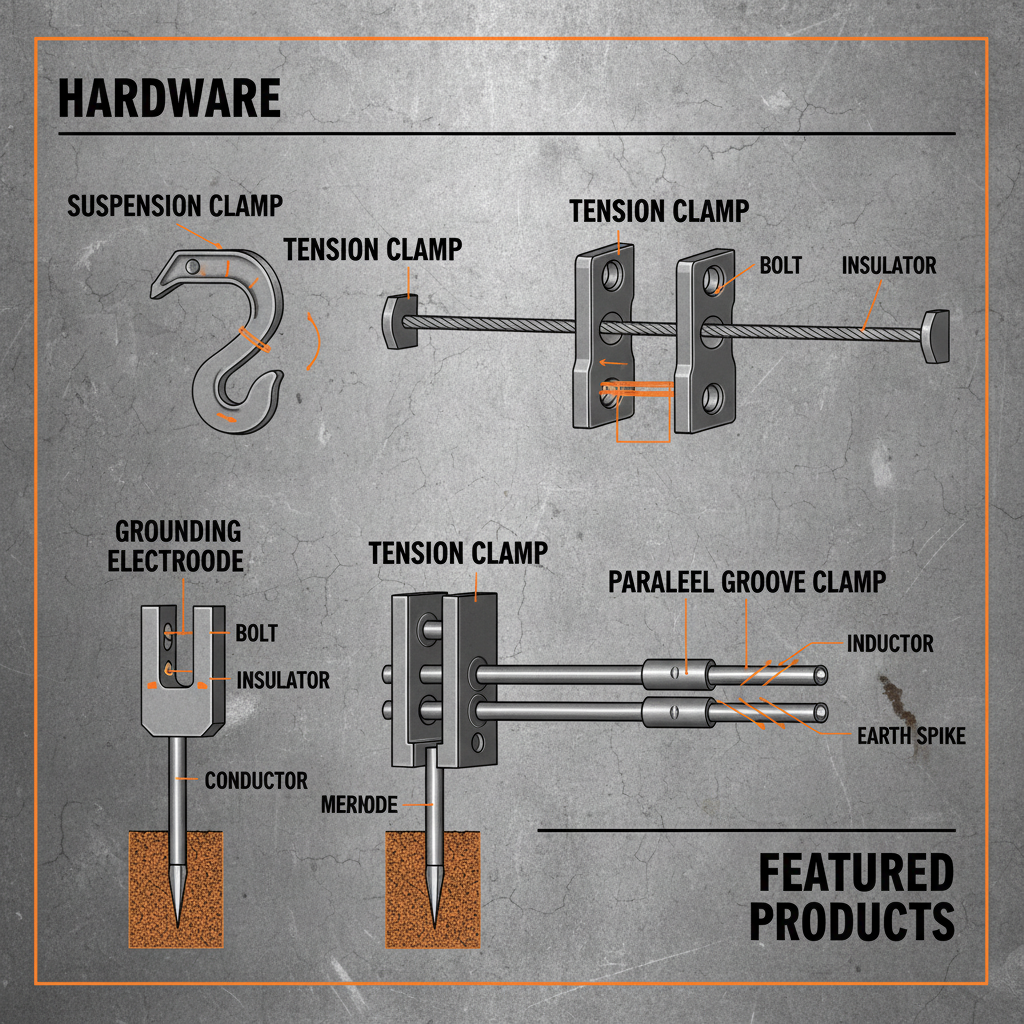
Alright, let’s cut through the jargon. A suspension clamp, in its simplest form, is a device used to securely attach a cable – usually a power cable, telecommunications cable, or messenger wire – to a supporting structure, like a pole, tower, or building. It’s designed to provide both mechanical support and electrical isolation, preventing shorts and ensuring the cable remains properly positioned.
In the modern world, it’s more than just a simple bracket. We’re talking about engineered solutions designed to withstand specific loads, weather conditions, and even vibrations. They’re essential for building resilient infrastructure. Without them, you’re looking at sagging cables, potential outages, and a whole lot of safety concerns.
It's fundamentally about providing a safe and reliable connection. Think about it - you rely on those cables every single day. Whether it’s the power to your house, the signal to your phone, or the internet you're using right now. Suspension clamps play a vital, yet often unseen, role in making that all possible.
Key Factors Influencing Suspension Clamp Performance
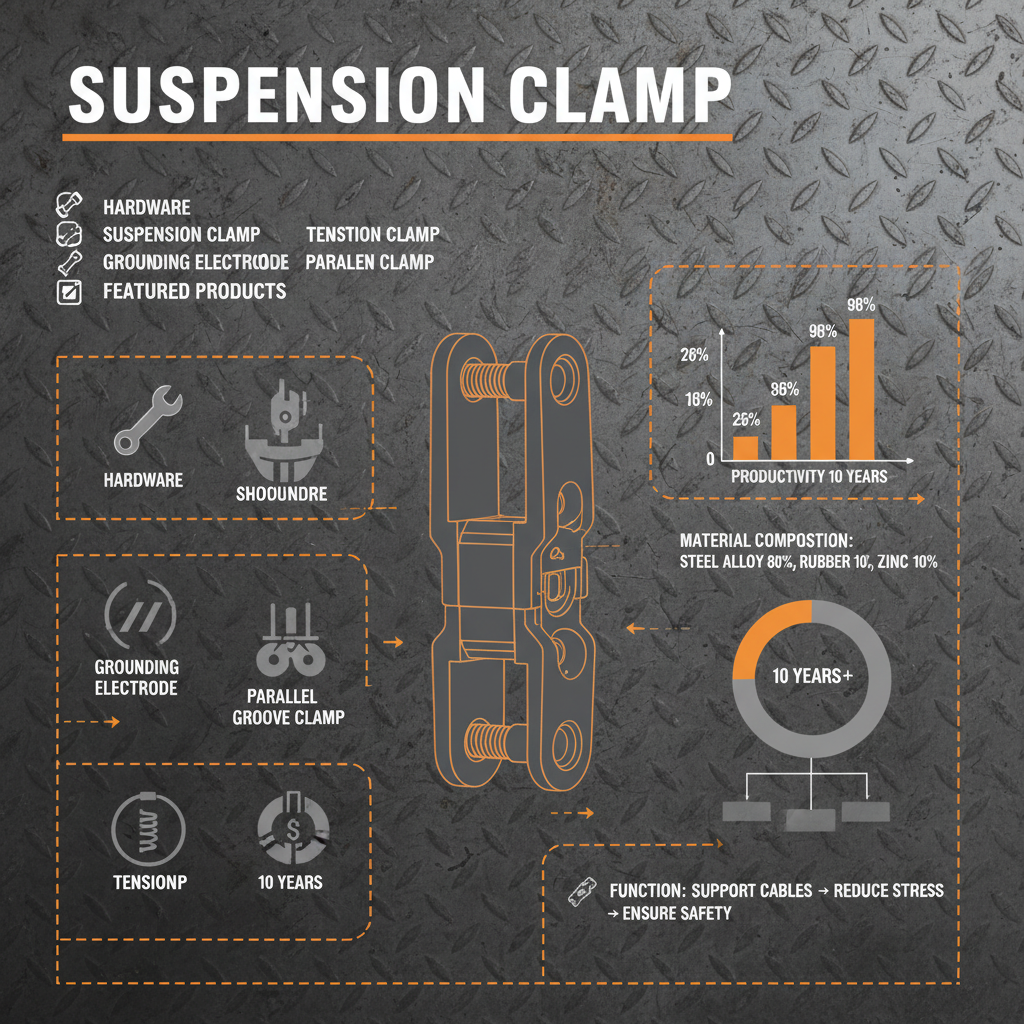
There are a few things that separate a good suspension clamp from a bad one. First, durability. These things need to withstand years of exposure to the elements – sun, rain, ice, wind. Materials like galvanized steel, aluminum alloys, and even specialized polymers are used to ensure longevity. Second, load capacity. You need to know exactly how much weight the clamp can handle safely.
Then there’s the issue of electrical isolation. It’s critical that the clamp doesn’t conduct electricity to the supporting structure. That's where insulators come into play. Finally, and this is something I see overlooked a lot, ease of installation. If it takes a crew all day to install a single clamp, that's a red flag. Streamlined designs and simple installation processes are a huge benefit.
Corrosion resistance is also huge. Salt spray, industrial pollutants…they all take a toll. A clamp that corrodes quickly is a liability waiting to happen. You're looking at potential failures, increased maintenance costs, and ultimately, a compromised system. We need materials that can hold up.
Global Applications and Diverse Use Cases
I've seen these clamps used in every corner of the world, from sprawling urban power grids to remote rural electrification projects. In post-disaster relief operations, quickly deploying power lines with reliable suspension clamps is a lifeline for communities. We were in Puerto Rico after the hurricane and speed and reliability were paramount.
They're essential for overhead power distribution, connecting communication cables to towers, and even supporting fiber optic networks. In mountainous regions, they're used to secure cables to steep slopes, requiring specialized designs that can withstand extreme angles and wind loads. Even in wind farms, they play a role in securing cables along turbine towers.
You’ll find them in developed nations, maintaining existing infrastructure, and in developing countries, expanding access to essential services. The versatility of suspension clamps makes them a vital component of any modern infrastructure project.
Suspension Clamp Performance by Method
Advantages and Long-Term Value Proposition
Look, at the end of the day, it boils down to cost-effectiveness and reliability. Investing in high-quality suspension clamps upfront translates to significant savings in the long run. Reduced maintenance, fewer outages, and a longer lifespan all contribute to a lower total cost of ownership.
There's a safety factor, too. A failed clamp can be incredibly dangerous. We're talking about downed power lines, potential fires, and serious injuries. Choosing a reliable clamp provides peace of mind and protects both workers and the public. It’s not just about the money; it’s about doing things the right way.
Future Trends and Innovations in Suspension Clamp Technology
We're starting to see some really interesting developments in materials science. New alloys and polymers are offering even greater strength, durability, and corrosion resistance. There’s also a push towards “smart” clamps that can monitor cable tension and provide real-time data on their condition.
Another trend is the development of clamps specifically designed for renewable energy applications, like solar and wind farms. These require unique features to handle the specific demands of those environments. And with the increasing focus on sustainability, we’re seeing more emphasis on recyclable materials and eco-friendly manufacturing processes.
Challenges and Solutions in Suspension Clamp Implementation
One of the biggest challenges I see is improper installation. A clamp that isn't installed correctly, no matter how good the design, is a liability. That’s where proper training and quality control come in. We need to ensure that crews are fully equipped to handle these components correctly.
Another issue is dealing with legacy infrastructure. Replacing old, corroded clamps in existing systems can be tricky, requiring specialized tools and techniques. Sometimes, it’s a matter of finding compatible replacements that fit the existing hardware.
Finally, sourcing reliable components can be a challenge, especially with global supply chain disruptions. That's why it's important to work with reputable suppliers who can guarantee quality and consistency.
Summary of Challenges and Solutions for Suspension Clamp Implementation
| Challenge |
Impact |
Potential Solution |
Implementation Cost (1-10) |
| Improper Installation |
Reduced lifespan, potential failures |
Enhanced training programs, strict QA/QC |
6 |
| Legacy Infrastructure Compatibility |
Difficulty in upgrades, increased costs |
Custom-designed adapters, careful assessment |
8 |
| Supply Chain Disruptions |
Delays, increased prices |
Diversified sourcing, strategic inventory |
7 |
| Corrosion in Harsh Environments |
Reduced Clamp Lifespan |
Utilizing Corrosion Resistant materials |
5 |
| Inadequate Load Capacity |
Potential for Cable Sag & Failure |
Detailed Load Analysis & Proper Clamp Selection |
4 |
| Lack of Standardization |
Compatibility Issues & Increased Costs |
Adoption of Industry Standards & Specifications |
6 |
FAQS
A well-maintained suspension clamp, constructed from durable materials like galvanized steel or aluminum alloy, can realistically last anywhere from 20 to 30 years, sometimes even longer. However, this is highly dependent on the environmental conditions – exposure to saltwater, industrial pollutants, and extreme temperatures can significantly reduce its lifespan. Regular inspections are key to identifying potential issues before they become critical.
Choosing the right clamp is critical. You need to consider the cable type and size, the supporting structure, the anticipated load, and the environmental conditions. Consult with a qualified engineer or a reputable suspension clamp supplier to ensure you select a clamp that meets all relevant specifications and safety standards. Don’t cut corners – the cost of a failure far outweighs the price of a quality clamp.
Keep an eye out for signs of corrosion, cracking, or deformation. If you notice any visible damage, or if the clamp is loose or exhibits excessive vibration, it’s time to replace it. Also, any compromise to the insulating material is a red flag. Regular inspections, ideally annually, are crucial for identifying potential problems early on.
Absolutely. Look for clamps that meet industry standards like ASTM, ANSI, or IEC. These certifications ensure that the clamp has been tested and meets specific performance requirements. It’s also important to verify that the supplier has a robust quality control system in place. Don’t be afraid to ask for documentation and test reports.
Proper installation is paramount. Always follow the manufacturer's instructions carefully, and ensure that the crew is properly trained. Use the correct tools and torque specifications. It's often a good idea to have a qualified engineer or inspector oversee the installation process, especially for critical applications. A poorly installed clamp is as good as no clamp at all.
Material choice is critical. Galvanized steel offers good strength and corrosion resistance, but it can still rust over time. Aluminum alloys are lightweight and corrosion-resistant, but may not be as strong. Polymers are good insulators and offer excellent resistance to chemicals, but have lower load-bearing capacity. The best material depends on the specific application and environmental conditions.
Conclusion
We've covered a lot of ground here, but the core message is simple: suspension clamps are a fundamental component of modern infrastructure. They are often overlooked, but their reliability is critical for ensuring the safe and efficient delivery of power, communications, and other essential services. Choosing the right clamp, installing it correctly, and maintaining it properly are all essential for maximizing its lifespan and minimizing potential risks.
Looking ahead, I expect to see continued innovation in materials, designs, and monitoring technologies. As we move towards a more sustainable and interconnected future, the demand for high-quality, reliable suspension clamps will only continue to grow. If you're looking for a partner who understands the challenges and opportunities in this space, visit our website at www.samaoep.com.