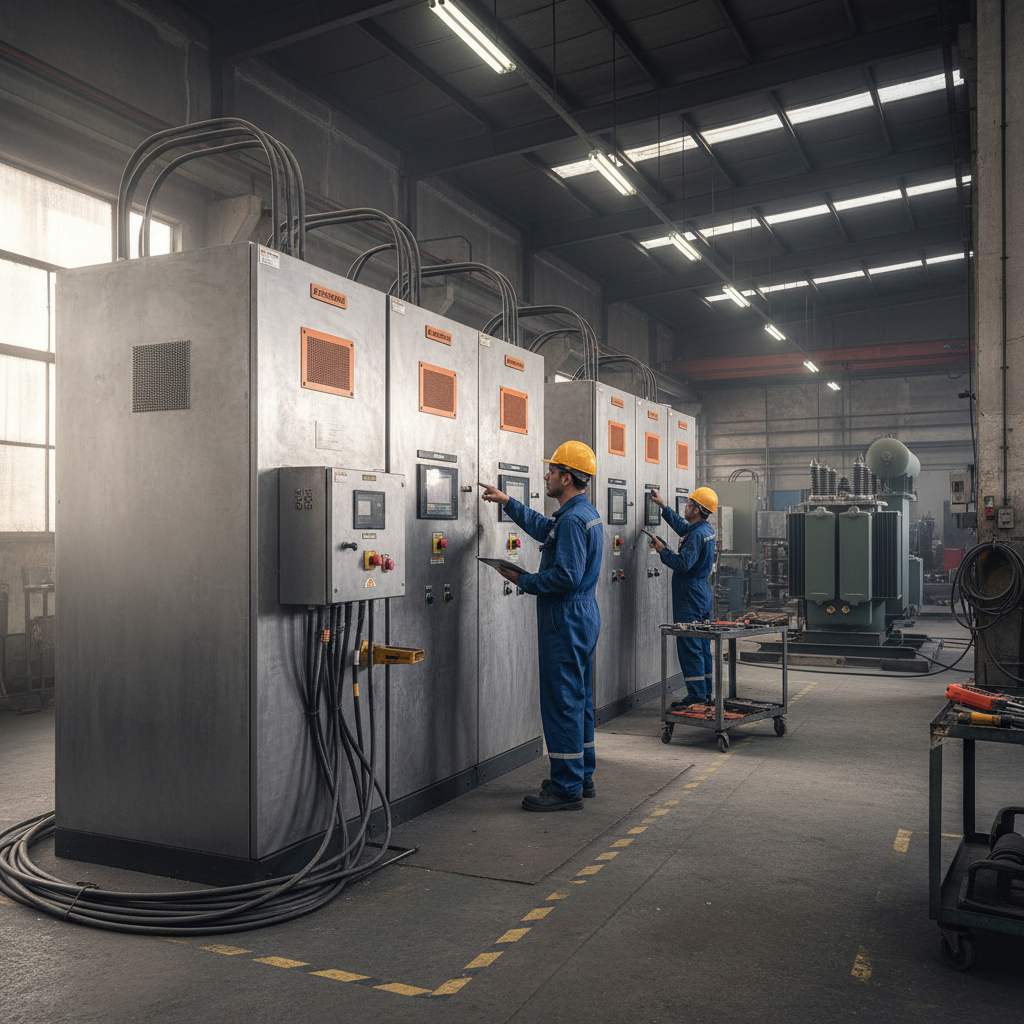
Electrical equipment solutions are fundamental to modern infrastructure and industrial progress, impacting everything from power generation and distribution to manufacturing and healthcare. The global demand for reliable, efficient, and safe electrical systems is constantly increasing, driven by population growth, urbanization, and the expanding digital economy. Understanding these solutions is no longer limited to engineers and technicians; it’s becoming increasingly vital for policymakers, investors, and even consumers as we transition towards a more sustainable and electrified future.
The significance of robust electrical equipment solutions extends beyond simply powering our lives. They are critical for ensuring energy security, enabling economic development, and mitigating the risks associated with climate change. Investing in cutting-edge technologies and infrastructure upgrades is paramount for maximizing efficiency, minimizing downtime, and fostering innovation in a rapidly evolving technological landscape. Without reliable electrical systems, industries stagnate, communities suffer, and progress is curtailed.
Effective electrical equipment solutions directly translate to increased productivity, reduced operational costs, and enhanced safety across various sectors. From smart grids and renewable energy integration to industrial automation and critical power systems, these solutions are the backbone of a modern, interconnected world, facilitating progress and driving sustainable growth. The development and implementation of innovative solutions are key to meeting the challenges of a growing global population and an increasing demand for energy.
Introduction to electrical equipment solutions
Electrical equipment solutions encompass a wide range of technologies and services designed to efficiently and safely manage electrical power. This includes everything from transformers and circuit breakers to generators, motors, and sophisticated control systems. The ability to deliver reliable power is the cornerstone of modern civilization, and the solutions developed to achieve this are constantly evolving.
These solutions aren't simply about hardware; they also involve software, data analytics, and expert services such as installation, maintenance, and repair. The integration of these elements is crucial for optimizing performance, extending equipment lifespan, and minimizing downtime. Effective electrical equipment solutions are the linchpin of any successful modern enterprise or city.
Global Relevance of Electrical Equipment
The global electrical equipment market is a multi-billion dollar industry, reflecting the universal need for reliable power. According to the International Energy Agency (IEA), global electricity demand is projected to increase significantly in the coming decades, driven by economic growth in developing countries and the increasing electrification of transportation and heating. This necessitates substantial investment in new electrical infrastructure and upgrades to existing systems.
The United Nations Sustainable Development Goal 7 – Affordable and Clean Energy – underscores the importance of expanding access to electricity worldwide. Electrical equipment solutions play a pivotal role in achieving this goal, particularly in developing regions where access to electricity is limited. Furthermore, the transition to renewable energy sources relies heavily on advanced electrical equipment for integration and grid stabilization.
The World Bank estimates that trillions of dollars in investment will be required to meet global energy needs by 2050. Much of this investment will be directed towards upgrading electrical infrastructure, enhancing grid resilience, and deploying smart grid technologies. Therefore, innovative and efficient electrical equipment solutions are not merely desirable; they are essential for sustainable global development.
Defining Electrical Equipment Solutions
Electrical equipment solutions are more than just the individual components that comprise an electrical system. They represent a holistic approach to power management, encompassing design, installation, maintenance, monitoring, and optimization. These solutions aim to deliver safe, reliable, and efficient electrical power to meet specific application needs, from powering a single home to running a large industrial facility.
This concept is deeply connected to modern industry as almost all manufacturing processes rely on a consistent and stable power supply. The loss of power, even for a brief period, can result in significant production losses, equipment damage, and safety hazards. In humanitarian contexts, electrical equipment solutions provide access to essential services like healthcare, communication, and clean water.
Furthermore, these solutions are increasingly focused on sustainability, incorporating energy-efficient technologies and renewable energy sources to minimize environmental impact. The shift towards smart grids and distributed generation further emphasizes the need for sophisticated electrical equipment solutions that can manage complex power flows and ensure grid stability.
Key Components of Effective Solutions
Several core aspects define effective electrical equipment solutions. Durability is paramount, ensuring long-term reliability and minimizing maintenance costs. Components must withstand harsh operating conditions and provide consistent performance over extended periods. Scalability is another crucial factor, allowing systems to be easily expanded or modified to meet changing demands.
Cost Efficiency doesn’t just mean the initial purchase price; it includes lifecycle costs – energy consumption, maintenance, and potential downtime. Investing in energy-efficient equipment can significantly reduce operating expenses over the long term. Safety is non-negotiable, with robust protection mechanisms to prevent electrical hazards and ensure personnel safety. Reliability goes hand-in-hand with safety, delivering consistent performance and minimizing unexpected failures. Integration of smart technologies and data analytics provides real-time monitoring, predictive maintenance, and optimized performance.
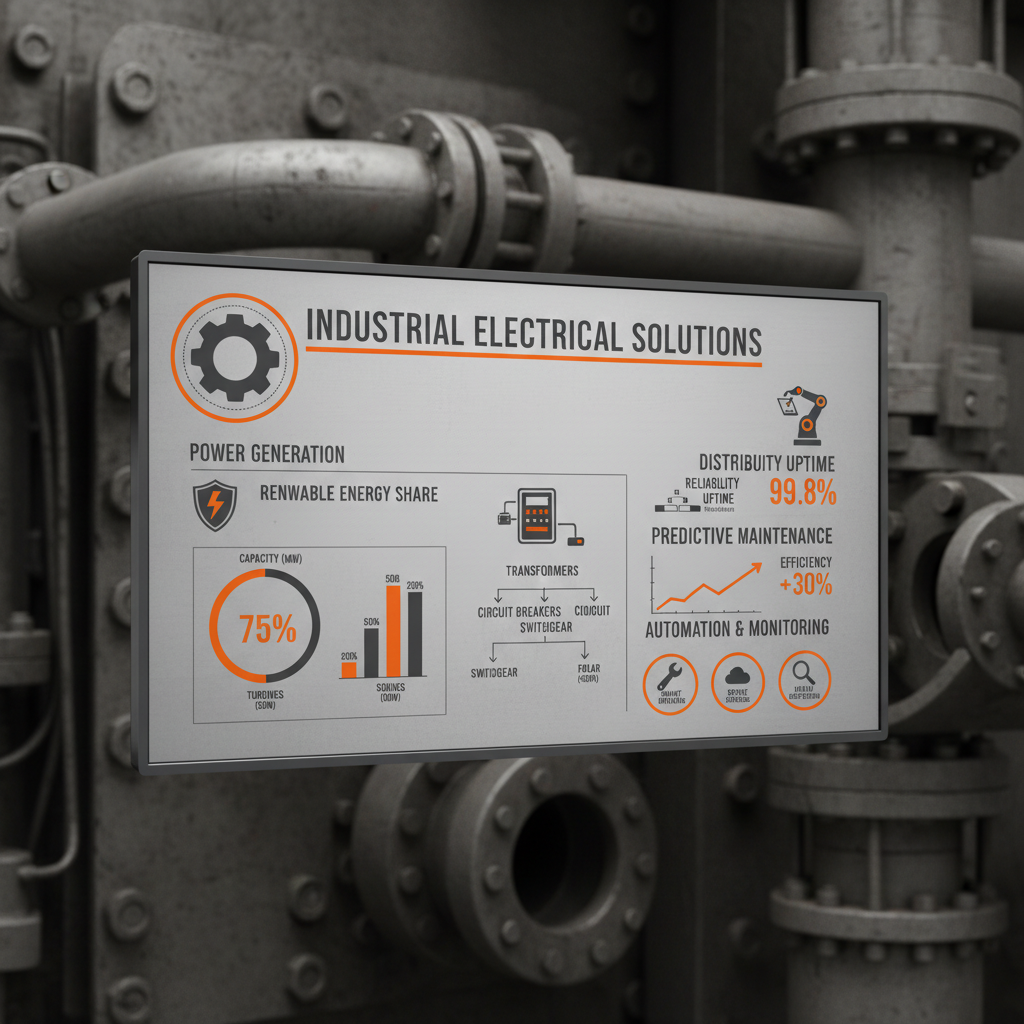
Performance Metrics of Different Electrical Equipment Solutions
Global Applications and Use Cases
Electrical equipment solutions are employed across a vast spectrum of industries and applications. In post-disaster relief operations, portable generators and power distribution systems are crucial for providing emergency power to hospitals, shelters, and communication centers. In remote industrial zones, such as mining operations or oil rigs, reliable power supplies are essential for maintaining productivity and ensuring worker safety.
Smart grids, utilizing advanced electrical equipment, are becoming increasingly prevalent in urban areas, optimizing energy distribution, reducing losses, and integrating renewable energy sources. Data centers, which are the backbone of the digital economy, rely on highly sophisticated power systems to ensure uninterrupted operation. Furthermore, the growth of electric vehicles is driving demand for advanced charging infrastructure.
Regions experiencing rapid industrialization, such as Southeast Asia and Africa, are witnessing significant investment in electrical infrastructure. Organizations like the World Resources Institute are promoting the adoption of energy-efficient electrical equipment in developing countries to reduce carbon emissions and improve access to affordable energy. The demand for specialized solutions also exists in sectors like healthcare, where uninterrupted power is vital for life-support systems and medical equipment.
Advantages and Long-Term Value
The advantages of investing in high-quality electrical equipment solutions are numerous and far-reaching. Tangible benefits include reduced energy costs, minimized downtime, and lower maintenance expenses. Sustainable solutions contribute to environmental preservation by lowering carbon footprints and promoting the use of renewable energy sources. These solutions also directly enhance safety, protecting personnel and preventing costly accidents.
Beyond the purely practical, there are profound emotional and logical benefits. Reliable power fosters a sense of security and well-being, while innovative technologies inspire confidence and trust. Investing in cutting-edge equipment demonstrates a commitment to progress and positions organizations as leaders in their respective fields. Ultimately, effective electrical equipment solutions drive economic growth, enhance quality of life, and contribute to a more sustainable future.
Future Trends and Innovations
The future of electrical equipment solutions is being shaped by several key trends. The increasing adoption of green energy technologies, such as solar and wind power, necessitates advanced grid integration solutions and energy storage systems. Digital transformation, driven by the Internet of Things (IoT) and artificial intelligence (AI), is enabling predictive maintenance, remote monitoring, and optimized energy management.
Automation and robotics are streamlining manufacturing processes and reducing the need for manual intervention in electrical systems. Furthermore, advancements in materials science are leading to the development of more durable, efficient, and sustainable electrical components. The focus on sustainability and energy efficiency will continue to drive innovation in this field, leading to a cleaner, more reliable, and more resilient electrical infrastructure.
Challenges and Solutions
Despite the advancements in electrical equipment solutions, several challenges remain. The cost of implementing new technologies can be prohibitive for some organizations, particularly in developing countries. Ensuring cybersecurity in increasingly interconnected electrical systems is a growing concern, as vulnerabilities can be exploited to disrupt power supplies. The need for skilled technicians to install, maintain, and repair sophisticated equipment presents a workforce development challenge.
To overcome these challenges, innovative financing models, such as energy-as-a-service, can help reduce upfront costs. Implementing robust cybersecurity protocols and investing in employee training are crucial for protecting electrical infrastructure. Furthermore, promoting collaboration between industry, academia, and government can accelerate the development and deployment of new technologies.
A Comparative Analysis of Electrical Equipment Solution Approaches
| Solution Type |
Initial Investment |
Long-Term Efficiency |
Maintenance Complexity |
| Traditional Grid Systems |
High |
Moderate |
Complex |
| Microgrids |
Moderate |
High |
Moderate |
| Smart Grids |
Very High |
Very High |
High |
| Renewable Energy Integration |
Variable |
High |
Moderate |
| Energy Storage Systems |
High |
High |
Moderate |
| Predictive Maintenance Solutions |
Moderate |
Very High |
Low |
FAQS
Upgrading to a smart grid offers significant benefits, including enhanced grid reliability, improved energy efficiency through real-time monitoring and control, increased integration of renewable energy sources, and reduced operating costs. Smart grids also empower consumers with greater control over their energy usage and contribute to a more sustainable energy future. Ultimately, a smart grid provides a more resilient and responsive electrical infrastructure for the 21st century.
Businesses should start with a thorough energy audit to identify areas of inefficiency and potential upgrades. This involves analyzing current energy consumption patterns, evaluating the age and condition of existing equipment, and projecting future energy demands. Consulting with a qualified electrical engineer or energy management specialist can provide valuable insights and recommendations for optimizing electrical systems and reducing costs.
When selecting a generator, consider the power requirements of critical equipment, the type of fuel available, the environmental regulations in your area, and the level of noise pollution. Factors like automatic transfer switches, fuel storage capacity, and maintenance schedules are also crucial. Ensuring the generator is properly sized and maintained is essential for reliable backup power during outages.
Predictive maintenance uses data analytics and sensor technology to monitor the condition of electrical equipment and predict potential failures before they occur. This allows for proactive maintenance, reducing downtime, extending equipment lifespan, and lowering maintenance costs. By identifying and addressing issues early, businesses can avoid costly repairs and ensure the continuous operation of critical systems.
Improving energy efficiency involves several steps, including upgrading to energy-efficient lighting and appliances, optimizing power factor correction, implementing smart energy management systems, and regularly maintaining electrical equipment. Investing in energy-efficient technologies and adopting best practices can significantly reduce energy consumption and lower operating costs. Conducting regular energy audits is also recommended.
Transformers are essential components in electrical systems, responsible for stepping up or stepping down voltage levels to efficiently transmit and distribute power. They play a critical role in ensuring the safe and reliable operation of electrical grids and industrial facilities. Choosing the right transformer for a specific application is crucial for maximizing efficiency and minimizing energy losses. Investing in high-efficiency transformers can lead to significant energy savings over time.
Conclusion
Electrical equipment solutions are indispensable for modern society, underpinning everything from economic development and industrial progress to public safety and environmental sustainability. Understanding the core components, global applications, and future trends in this field is critical for navigating the challenges and opportunities of an increasingly electrified world. Investing in robust, efficient, and sustainable electrical infrastructure is not simply a matter of technological advancement; it’s a fundamental requirement for a prosperous and secure future.
As technology continues to evolve, the focus on innovation, integration, and resilience will only intensify. By embracing new technologies, adopting best practices, and fostering collaboration between industry, government, and research institutions, we can unlock the full potential of electrical equipment solutions and create a more sustainable and equitable energy future. Visit our website at Samaoep to explore how we can help you optimize your electrical systems.