Chem Rod Grounding Electrode: Enhanced Conductivity & Reliability
Introduction to Advanced Grounding Systems
In critical infrastructure and industrial environments, reliable electrical grounding is paramount for safety, operational continuity, and protection of sensitive equipment. Traditional grounding methods, while effective to a degree, often struggle with high soil resistivity or require extensive networks of conventional rods. This has driven the evolution towards more sophisticated solutions, with the chem rod grounding electrode emerging as a leading technology. This advanced chemical grounding system provides significantly lower and more stable earth resistance, even in challenging geological conditions, ensuring optimal performance for modern power, communication, and industrial systems.
The focus on robust grounding solutions is intensifying across various sectors, from petrochemical and data centers to telecommunications and renewable energy. As electrical systems become more complex and sensitive to transient overvoltages and ground potential rise, the demand for highly efficient, long-lasting, and maintenance-free grounding electrodes is growing. The chem rod grounding electrode offers a compelling answer to these demands, combining superior conductivity with extended service life and ease of installation in diverse applications.
Industry Trends and the Evolution of Grounding Technology
The grounding industry is experiencing a significant shift, driven by regulatory demands, technological advancements, and the increasing need for system resilience. Key trends include:
- Emphasis on Low Resistance: Modern electronics and data centers require extremely low ground resistance (typically below 5 Ohms, often targeting 1-2 Ohms) to prevent equipment damage and ensure data integrity.
- Sustainability and Longevity: Demand for grounding solutions with extended service life and minimal environmental impact, reducing maintenance cycles and replacement costs.
- Smart Grid Integration: Grounding systems are increasingly being viewed as integral components of smart grids, requiring compatibility with monitoring and diagnostic technologies.
- Harsh Environment Performance: Solutions capable of maintaining effectiveness in corrosive soils, arid regions, or areas with significant temperature fluctuations are gaining prominence.
The chemical grounding system perfectly aligns with these trends. Unlike standard 20 ground rod or 3/8 ground rod installations which rely solely on the conductive properties of the surrounding soil, chemical electrodes introduce an electrolytic solution to drastically lower soil resistivity in their immediate vicinity. This innovation overcomes many limitations of traditional copper-clad steel or pure copper rods, especially in areas with rocky terrain or sandy soils where achieving a stable, low-impedance path to earth is challenging.
The economic aspect, particularly the earthing rod copper price fluctuations, also influences material choices and design. While copper remains a superior conductor, the optimized performance of a chemical system can often reduce the total number of rods required, potentially offsetting material costs and simplifying installation in complex scenarios.
Technical Specifications of the Chem Rod Grounding Electrode
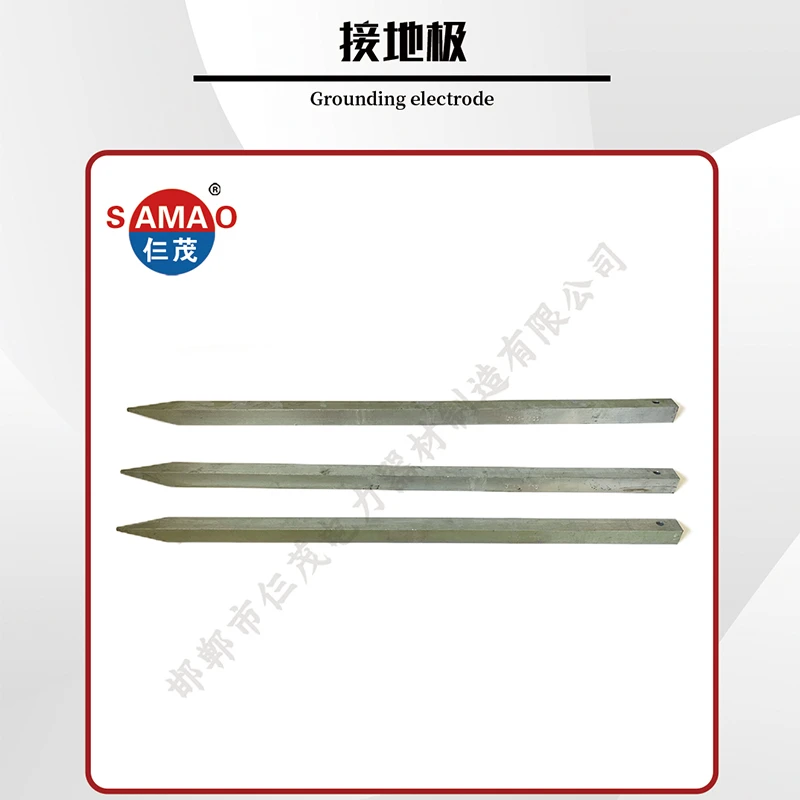
The chem rod grounding electrode is engineered for high performance and durability. Its design typically incorporates a hollow copper or copper-clad steel core filled with a proprietary electrolytic compound.
Product Specification Table: Chemical Grounding Electrode
| Parameter | Specification | Notes |
|---|---|---|
| Electrode Material | High-grade Copper or Copper-Clad Steel (CCS) | Ensures excellent conductivity and corrosion resistance. |
| Diameter Options | 1-1/2", 2-1/8", 2-5/8" (38mm, 54mm, 67mm) | Common sizes, tailored to application requirements. |
| Length Options | 5 ft to 20 ft (1.5m to 6m) | Standard lengths for various soil conditions. |
| Electrolytic Compound | Proprietary non-toxic, hygroscopic mineral salt mixture | Designed to absorb moisture and maintain low resistivity. |
| Resistance Reduction | Up to 70% reduction in earth resistance | Compared to equivalent traditional rods in high resistivity soil. |
| Service Life | Typically 30+ years | Low maintenance, durable design. |
| Operating Temperature | -40°C to +80°C | Wide range for diverse climatic conditions. |
| Standards Compliance | IEEE 80, ANSI/UL 467, IEC 62561-2 | Ensures adherence to international safety and performance benchmarks. |
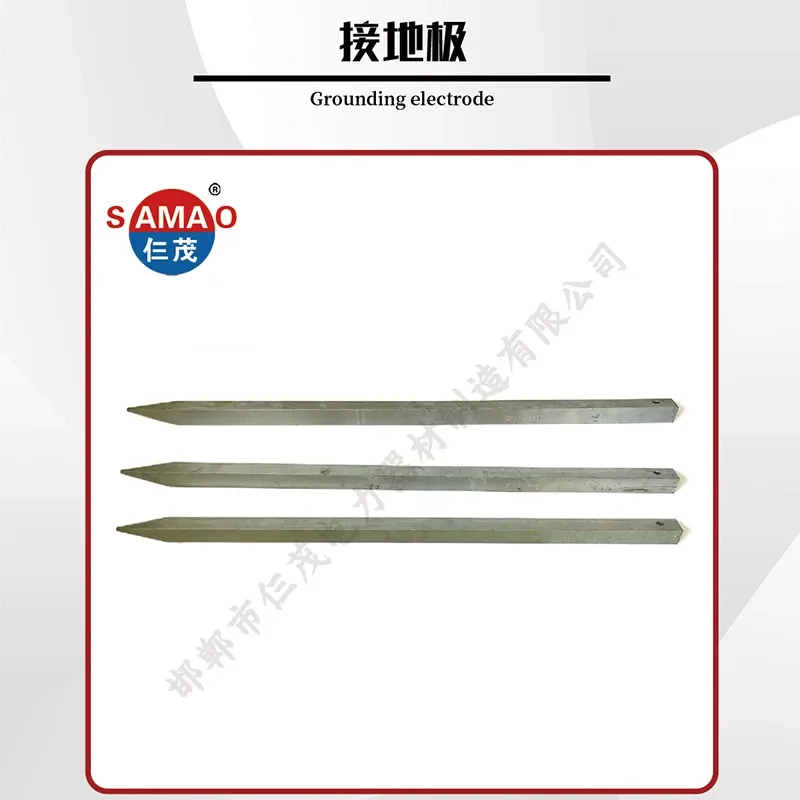
The internal chemical compound slowly leaches into the surrounding soil, creating a zone of highly conductive earth that significantly lowers the impedance to ground. This self-contained electrolyte replenishment system ensures consistent performance over decades without requiring external intervention, a distinct advantage over simple copper grounding rods.
Manufacturing Process of a Chem Rod Grounding Electrode
The production of a chem rod grounding electrode is a meticulous process, ensuring quality and performance. It involves several critical stages, leveraging advanced manufacturing techniques.
Process Flow:
- Material Sourcing & Preparation: High-purity copper or industrial-grade copper-clad steel (CCS) tubes are selected. These materials are chosen for their excellent electrical conductivity and corrosion resistance. Quality checks ensure the material meets ASTM B75 (for copper) or ASTM B498 (for CCS) standards.
- Tube Forming & Machining: The tubes undergo precision cutting to desired lengths (e.g., 5ft to 20ft). One end is typically sealed using a specialized forging or casting process to create a durable, pointed tip for easier installation. The other end is prepared with an opening for filling and subsequent sealing. CNC machining ensures precise dimensions and smooth finishes for optimal performance.
- Electrolyte Formulation & Filling: A proprietary blend of non-toxic, hygroscopic mineral salts is prepared. This compound is designed to absorb moisture from the soil, forming an electrolytic solution that significantly reduces ground resistance. The compound is carefully filled into the hollow tube, ensuring uniform density and preventing voids.
- Sealing & Testing: After filling, the open end of the electrode is hermetically sealed. This sealing process is critical to prevent leakage of the chemical compound and ensure its long-term integrity. Each electrode then undergoes rigorous testing, including electrical resistance measurements, leak tests, and material integrity checks. Products are tested according to ISO 9001 quality management systems and ANSI/UL 467 standards for grounding and bonding equipment.
- Surface Treatment & Packaging: The exterior of the chemical grounding system rod may receive an anti-corrosion coating for added protection, especially in highly aggressive soil conditions. Finally, the finished electrodes are carefully packaged to prevent damage during transport and storage, ready for deployment in various target industries.
Advantages in Typical Application Scenarios:
The controlled manufacturing process ensures that each chem rod grounding electrode delivers advantages such as:
- Corrosion Resistance: High-quality copper or CCS materials, combined with the stable chemical compound, minimize galvanic corrosion, contributing to a significantly longer service life compared to plain steel rods.
- Energy Saving (Indirect): By providing a stable, low-resistance ground path, these electrodes reduce stray currents and transient voltages, which can otherwise lead to energy losses and equipment malfunction in power systems.
- Consistency: The engineered nature of the product ensures consistent performance regardless of seasonal variations in soil moisture content, which often plague traditional grounding solutions.
Application Scenarios and Technical Advantages
The versatility and superior performance of the chem rod grounding electrode make it indispensable across a multitude of industries where reliable grounding is non-negotiable.
Target Industries:
- Petrochemical & Oil & Gas: Critical for lightning protection, surge suppression, and explosion prevention in hazardous environments.
- Telecommunications: Essential for protecting sensitive communication equipment, data centers, and cell towers from lightning strikes and transient overvoltages, ensuring uninterrupted connectivity.
- Power Generation & Distribution: Grounding for substations, transmission lines, and power plants to ensure personnel safety and equipment integrity.
- Renewable Energy: Grounding systems for solar farms, wind turbines, and battery energy storage systems (BESS) where vast areas with varying soil conditions need effective grounding.
- Metallurgy: Protecting heavy machinery and industrial control systems from electrical faults.
- Water Supply & Drainage: Grounding pump stations and control systems for reliable operation.
- Data Centers: Achieving ultra-low ground resistance crucial for the sensitive electronic equipment and continuous operation of mission-critical facilities.
Key Technical Advantages:
- Superior Performance in High Resistivity Soil: The electrolytic compound actively lowers the impedance of the surrounding soil, making it highly effective in rocky, sandy, or dry earth conditions where traditional ground rods struggle. This allows for fewer electrodes to achieve target resistance values.
- Consistent & Stable Resistance: Unlike conventional rods whose performance fluctuates with soil moisture and temperature, the hygroscopic nature of the chemical fill ensures a consistently low and stable ground resistance year-round.
- Long Service Life & Low Maintenance: Constructed from robust materials and featuring a self-replenishing chemical system, these electrodes offer an exceptionally long lifespan (30+ years) with virtually no maintenance required after installation. This translates to significant operational cost savings.
- Reduced Installation Footprint: Due to their higher efficiency, fewer chem rod grounding electrode units are often needed compared to a grid of conventional 20 ground rod or 3/8 ground rod arrays, reducing excavation, material, and labor costs.
- Enhanced Safety: A stable, low-resistance ground path minimizes step and touch potentials, crucial for personnel safety during fault conditions or lightning strikes. It also protects sensitive electronic equipment from damage.
- Non-Corrosive and Environmentally Friendly: The internal chemical compound is formulated to be non-toxic and non-corrosive to the electrode itself and the surrounding environment, aligning with modern environmental standards.
These advantages underscore why specialized chemical grounding system solutions are increasingly becoming the standard for critical grounding applications.
Vendor Comparison and Customized Solutions
Choosing the right supplier for a chem rod grounding electrode is crucial. Vendors differ in their material quality, chemical formulations, manufacturing precision, and customization capabilities. A thorough comparison is essential for B2B decision-makers.
Comparison of Grounding Electrode Types
| Feature | Traditional Copper Rod (e.g., 20 ground rod) | Chem Rod Grounding Electrode |
|---|---|---|
| Resistance Stability | Highly dependent on soil moisture and temperature; fluctuates seasonally. | Highly stable; internal electrolyte maintains conductivity regardless of external soil conditions. |
| Effectiveness in High Resistivity Soil | Requires multiple rods or extensive grid to achieve target resistance. | Superior performance; actively reduces surrounding soil resistivity, requiring fewer rods. |
| Service Life | 10-20 years, depending on soil corrosivity and material (e.g., pure copper vs CCS). | 30+ years; robust design and chemical action resist corrosion and degradation. |
| Maintenance Required | Periodic inspection and potential re-measurement, may require ground enhancement backfills. | Virtually maintenance-free after installation. |
| Installation Complexity | Can be complex if multiple rods are needed or deep drilling is required. | Simpler installation for equivalent performance due to fewer rods and often less overall excavation. |
| Cost (Initial) | Lower per-rod cost; total system cost can escalate with more rods. | Higher per-rod cost; often lower total system cost due to fewer units and reduced labor. |
| Cost (LCC - Life Cycle Cost) | Higher due to potential maintenance, replacements, and underperformance. | Significantly lower due to extended life and no maintenance. |
Customized Solutions:
Recognizing that no two projects are identical, leading manufacturers like Sama OEP offer tailored solutions. This can include:
- Specific Dimensions: Varying lengths and diameters to meet unique site requirements, soil depths, and resistance targets.
- Material Selection: Choice between pure copper or copper-clad steel, considering the balance of conductivity, cost, and specific environmental factors such as soil pH and presence of corrosive agents. While earthing rod copper price can influence decisions, the performance benefits often justify investment.
- Connection Options: Custom terminal connections and exothermic welding capabilities for seamless integration into existing or new grounding grids.
- Pre-installation Surveys & Design: Comprehensive soil resistivity testing and expert system design services to optimize electrode placement and achieve desired resistance levels efficiently.
Working with a vendor that provides robust technical support and customization ensures that the grounding solution is precisely matched to the project's specifications and performance goals.
Application Case Studies
Case Study 1: Remote Telecommunications Tower
Client: Major National Telecom Provider
Challenge: A new 5G telecommunications tower was to be installed in a remote, mountainous region characterized by extremely high soil resistivity (averaging 5000 Ohm-meters) and shallow bedrock. Traditional grounding methods using multiple 20 ground rod installations were proving ineffective and prohibitively expensive due to the need for extensive blasting and excavation.
Solution: After a detailed soil survey, a localized chemical grounding system solution was recommended, utilizing four 10-foot chem rod grounding electrode units installed in drilled boreholes, backfilled with a specialized low-resistivity compound. The self-activating chemical fill within the electrodes further enhanced the conductivity of the immediate soil.
Outcome: The system achieved a stable ground resistance of 3.8 Ohms, well within the target of
Case Study 2: Industrial Petrochemical Facility
Client: Global Petrochemical Corporation
Challenge: An aging grounding system at a large petrochemical processing plant was failing to meet updated safety standards (IEEE 80) due to localized corrosion and increasing soil resistivity over time. The site's highly corrosive soil conditions posed a challenge for long-term reliability and maintenance.
Solution: A comprehensive upgrade involved replacing sections of the old grid with a series of 15-foot chem rod grounding electrode installations, strategically placed to protect critical process control equipment and substations. The electrodes were connected using exothermic welding to ensure robust, long-lasting connections.
Outcome: Post-installation measurements showed a consistent ground resistance below 1 Ohm across all critical areas, significantly improving personnel safety and equipment protection. The robust, corrosion-resistant design of the chemical grounding system provided peace of mind for the facility's long-term operational integrity, minimizing future maintenance requirements in the harsh environment.
Case Study 3: Renewable Energy Solar Farm
Client: Regional Solar Energy Developer
Challenge: A new 50 MW solar farm in a semi-arid region faced challenges in achieving a consistent grounding resistance across its vast array field. Seasonal dryness led to fluctuating and often high soil resistivity, impacting inverter performance and increasing the risk of lightning damage to solar panels and grid-tie equipment. Budget constraints also made extensive trenching for conventional grounding grids impractical.
Solution: A distributed grounding approach was implemented, using 8-foot chem rod grounding electrode units at key inverter locations and perimeter fencing. The electrodes were selected for their ability to maintain stable performance in varying soil moisture conditions typical of the region.
Outcome: The solar farm achieved an average ground resistance of 2.5 Ohms, which remained stable throughout dry periods. This led to increased system uptime, reduced maintenance calls related to grounding issues, and successful compliance with local electrical codes, providing a reliable and cost-effective grounding solution for the large-scale renewable energy project.
Trustworthiness and Support
Frequently Asked Questions (FAQ)
Q: What is the expected lifespan of a chem rod grounding electrode?
A: Our chem rod grounding electrode units are engineered for a service life exceeding 30 years, significantly outperforming conventional grounding rods due to their robust construction and self-replenishing chemical compound.
Q: Is the chemical compound inside the electrode environmentally safe?
A: Yes, the proprietary electrolytic compound used in our chemical grounding system is non-toxic, biodegradable, and poses no environmental hazard. It is designed to slowly leach into the surrounding soil without contaminating groundwater.
Q: Can these electrodes be installed in all types of soil?
A: The chem rod grounding electrode is particularly effective in challenging soil conditions such as rocky, sandy, or dry soil with high resistivity, where traditional rods struggle. They perform optimally across a wide range of soil types, including corrosive ones.
Q: What certifications do your products hold?
A: Our grounding electrodes comply with international standards such as IEEE 80, ANSI/UL 467, and IEC 62561-2. Our manufacturing processes are also ISO 9001 certified, ensuring consistent quality and reliability.
Lead Time & Fulfillment
Standard orders for our chem rod grounding electrode typically have a lead time of 2-4 weeks, depending on volume and customization requirements. For urgent projects, expedited manufacturing and shipping options are available. We maintain strategic inventory levels for common specifications to support rapid deployment. Our logistics team ensures efficient and secure delivery globally, collaborating with trusted shipping partners to meet project timelines.
Warranty Commitments
We stand by the quality and performance of our products with a comprehensive 5-year warranty against manufacturing defects and material failures under normal operating conditions. Our commitment extends to providing electrodes that meet or exceed published specifications for their intended service life, ensuring peace of mind for our clients.
Customer Support
Our dedicated technical support team comprises experienced engineers ready to assist with project planning, system design, installation guidance, and troubleshooting. We offer pre-sales consultation, site-specific soil resistivity testing recommendations, and post-sales technical assistance to ensure optimal system performance. Support is available via phone, email, and on-site visits for major projects.
Conclusion
The chem rod grounding electrode represents a significant leap forward in grounding technology, offering unparalleled performance, longevity, and reliability for critical infrastructure. Its ability to maintain stable, low earth resistance in diverse and challenging soil conditions, coupled with its virtually maintenance-free operation, makes it the preferred choice for B2B applications demanding robust electrical protection.
As industries continue to rely on increasingly sensitive and complex electrical systems, investing in a high-quality chemical grounding system is not just a regulatory requirement but a strategic decision for operational continuity, asset protection, and personnel safety. By integrating advanced materials, proprietary chemical compounds, and stringent manufacturing processes, these electrodes deliver a superior grounding solution that withstands the test of time and environment.
References
- IEEE Std 80-2013, IEEE Guide for Safety in AC Substation Grounding.
- ANSI/UL 467, Standard for Grounding and Bonding Equipment.
- IEC 62561-2, Lightning Protection System Components (LPSC) - Part 2: Requirements for conducting components and earth electrodes.
- ASTM B75/B75M-16, Standard Specification for Seamless Copper Tube.
- ASTM B498/B498M-18, Standard Specification for Zinc-Coated (Galvanized) Steel Core Wire for Aluminum Conductors, Steel Reinforced (ACSR).
-
Laundry Efficiency Guide with pengapit ampaian dengan cangkuk iNewsApr.16,2026
-
Optimizing Power Infrastructure with the pengapit ampaian tnbNewsApr.09,2026
-
Comprehensive Guide to Selecting the Right pengapit penggantungan untuk kabel lt ab SolutionsNewsApr.07,2026
-
Comprehensive Guide to Pengapit Talian Penghantaran for Secure Package DeliveryNewsApr.04,2026
-
Comprehensive Guide to Pemasangan Pengapit Penggantungan for Overhead Cabling SystemsNewsMar.31,2026
-
Comprehensive Guide to Pengapit Ampaian yang Telah Dibentuk for Construction SafetyNewsMar.28,2026
-
Comprehensive Guide to Pengapit Ampaian Besi for Scaffolding SafetyNewsMar.26,2026