0%

Table of Contents

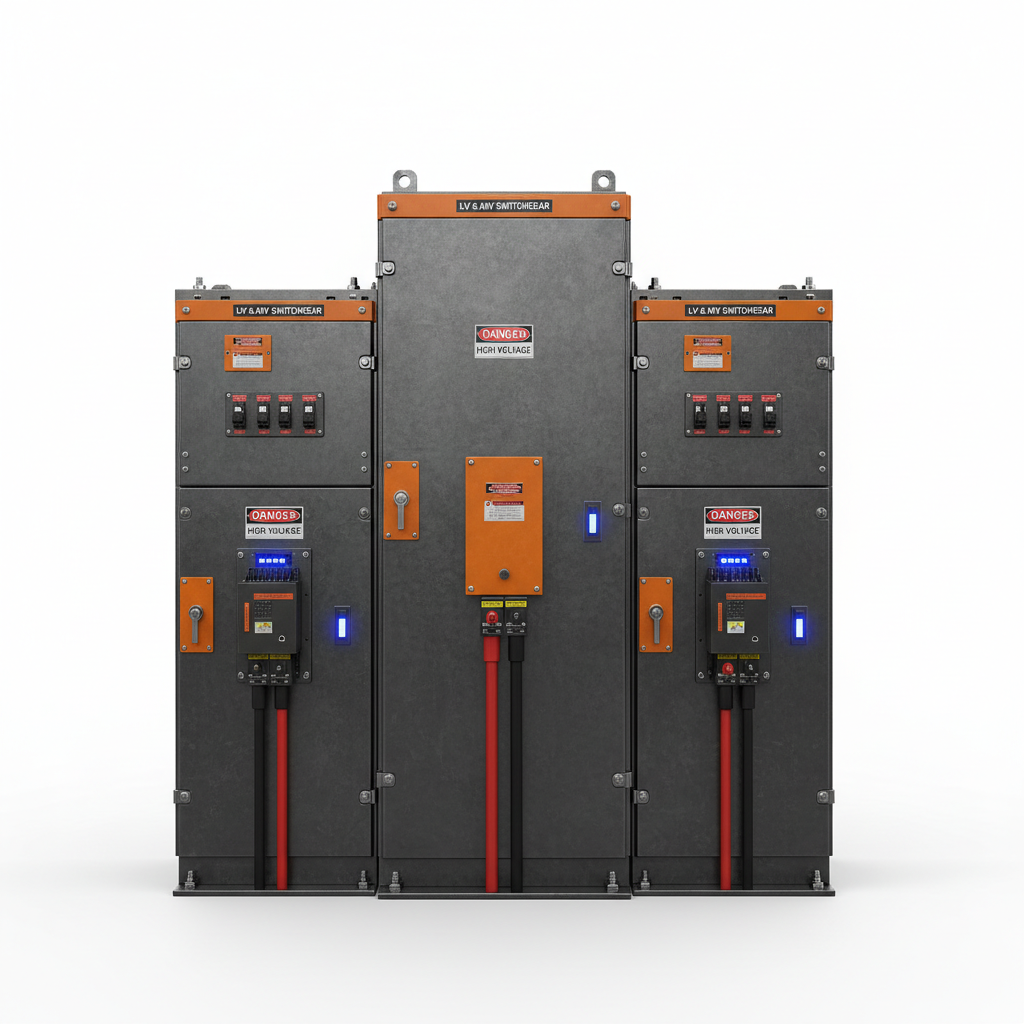
Honestly, the whole custom electrical switchgear game… it’s been wild lately. Everyone’s chasing ‘smart’ and ‘efficient’, which is good, don’t get me wrong. But a lot of these designs I see coming off the CAD stations… they just don’t translate to the real world. You spend all day crawling around in conduit, dodging sparks, and you quickly learn what actually works. It's all about reliability, simple as that.

Have you noticed how everyone's obsessed with miniaturization? Squeezing more power into less space? Sounds great in a PowerPoint, but try telling that to the electrician with sweaty hands trying to make a connection in a cramped panel. Bigger isn’t always better, but sometimes, smaller is just… asking for trouble. It's a constant push and pull.

And the materials… man, the materials. It’s not just about spec sheets. I encountered this at a factory in Ningbo last time - they were using this new composite for the enclosures, advertised as ‘self-extinguishing’ and ‘ultra-durable’. Smelled like burnt plastic, though. Real bad. And the stuff chipped if you looked at it wrong. You need something that can take a beating, something you can rely on when the lights go down.
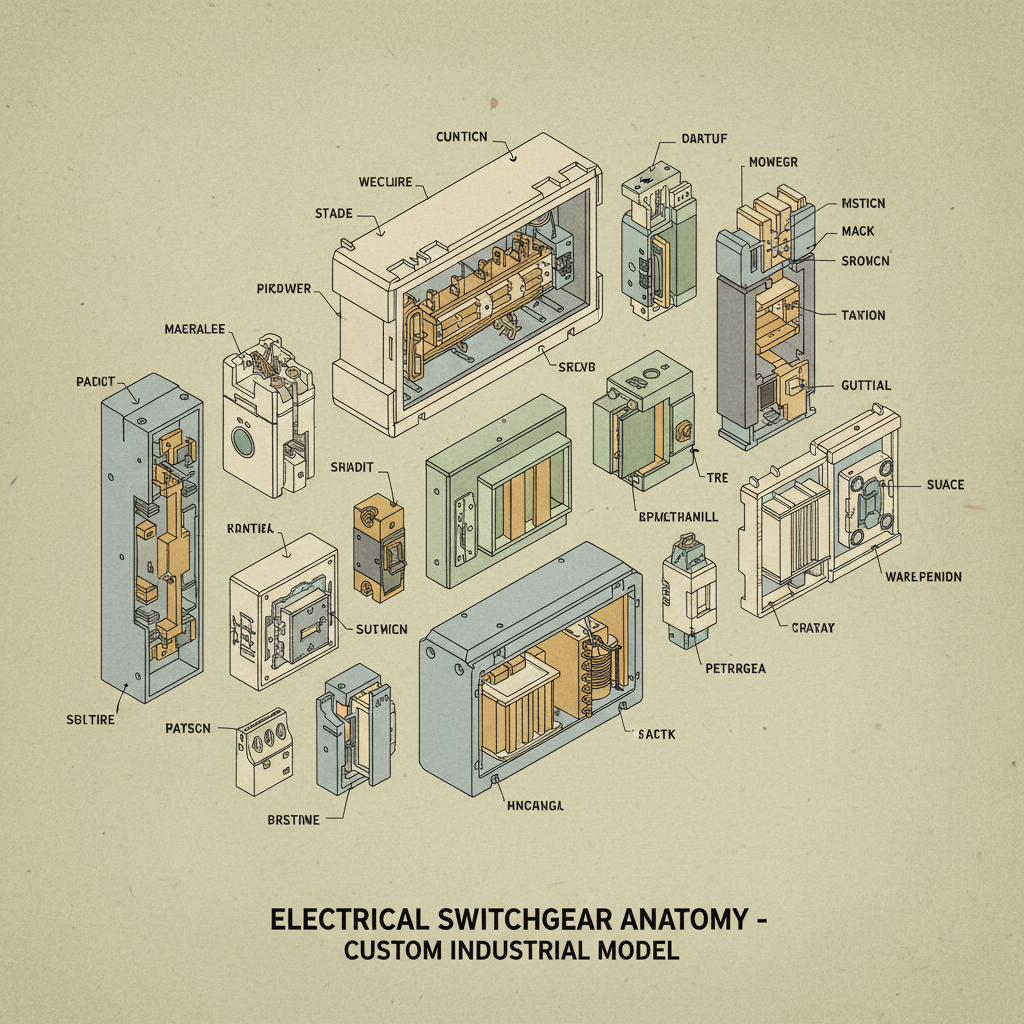
Navigating the Complexities of Custom Electrical Switchgear Design and Reliability

The Current Landscape of custom electrical switchgear

Navigating the Complexities of Custom Electrical Switchgear Design and Reliability

Strangely, a lot of folks seem to think custom switchgear is just for massive industrial plants. It’s not. Smaller businesses, even residential projects with complex automation setups, are demanding more tailored solutions. Everyone wants that extra level of control, redundancy, and safety. It's a global trend, driven by the need for more resilient infrastructure. We're seeing demand spike in developing nations building out their grids, and equally in established markets upgrading aging systems. It’s a good time to be in this business, honestly.

But it's also getting more competitive. Chinese manufacturers are flooding the market with cheaper alternatives, and while some are surprisingly good, the quality control… let’s just say it’s not always consistent. Anyway, I think the real value-add is in the engineering side – understanding the specific application, designing a solution that’s not just functional, but also maintainable and scalable.

Design Pitfalls & Real-World Considerations

The biggest mistake I see? Over-engineering. Trying to solve problems that don’t exist. You get these bright-eyed engineers, fresh out of school, designing a switchgear system with more bells and whistles than a spaceship. It's totally impractical. You need to keep it simple, robust, and easy to troubleshoot. Remember, it's going to be a guy in a dirty uniform, in a dark basement, trying to fix it when something goes wrong.

Another common pitfall is ignoring the installation environment. Dust, humidity, vibration… these things matter. A beautifully designed system is worthless if it corrodes after six months. It's also crucial to think about future expansion. Can you easily add more circuits? Upgrade components? It saves a lot of headaches down the line.

And don't even get me started on labeling. Clear, concise labeling is essential. I once spent three hours tracing a fault because someone used cryptic abbreviations on the wiring diagram. Three hours! It was a Friday too.

Material Choices: Beyond the Datasheet

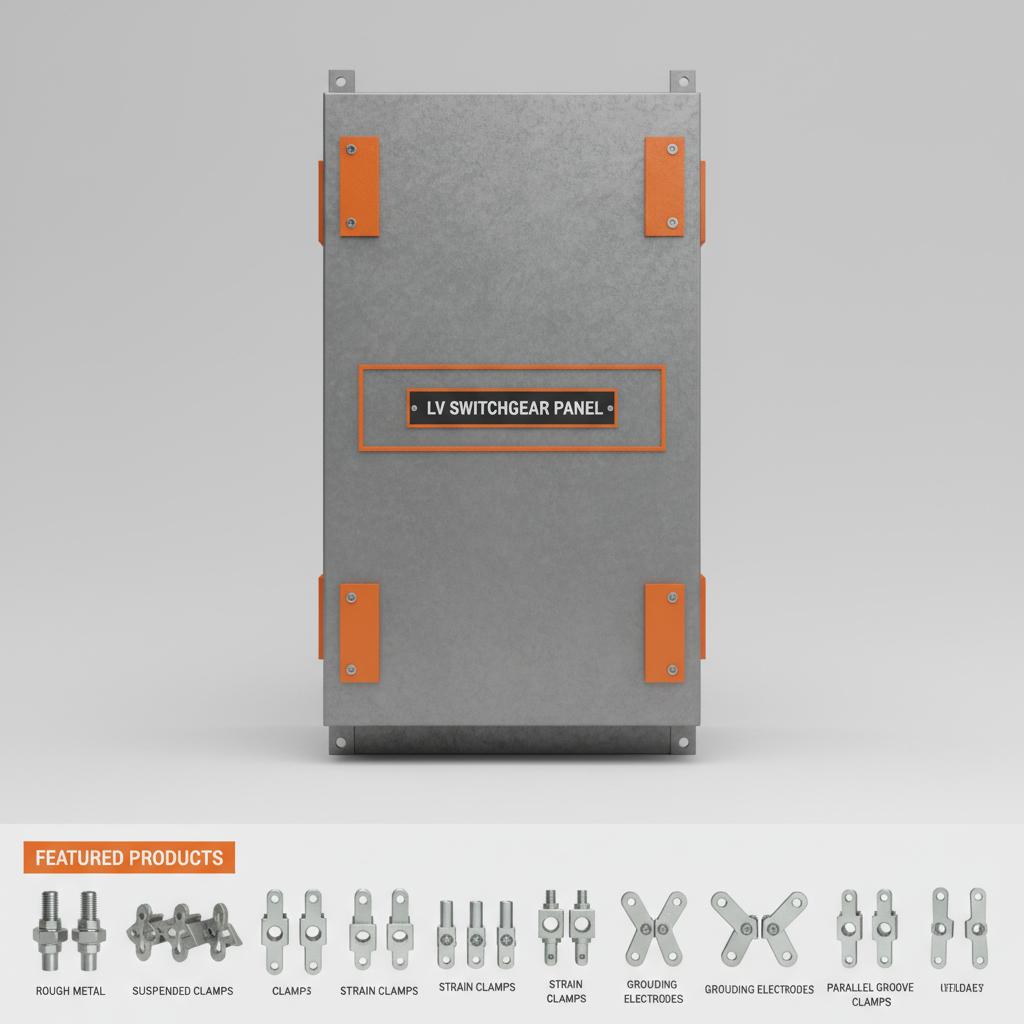
Okay, so materials. Steel is still king, obviously. But it’s not all the same steel. You've got your mild steel, your stainless steel, your galvanized steel… each with its own pros and cons. Stainless is great for corrosion resistance, but it's expensive and can be a pain to weld. Galvanized is a good compromise, but it can crack over time.

Then you get into the insulators – epoxy resin, porcelain, even some new polymer blends. Porcelain is old school, reliable, but brittle. Epoxy is more flexible, but it can off-gas and degrade over time. These polymer blends… they’re promising, but you really need to test them thoroughly. I trust my nose on this stuff - a weird smell usually means it's going to fail.

And the wiring? Copper, of course. But again, the gauge matters. You need to account for voltage drop, current capacity, and ambient temperature. I’ve seen too many systems overheat because someone skimped on the wire size.

Testing & Validation: It’s Not Just About Lab Results

Lab tests are important, sure. High-pot testing, insulation resistance testing, short-circuit testing… the whole nine yards. But they don’t tell the whole story. You need to test the system in a real-world environment. Simulate the operating conditions. Subject it to vibration, temperature extremes, dust, and humidity.

I once had a customer who insisted on using a new type of circuit breaker. Passed all the lab tests with flying colors. But when we installed it in a wastewater treatment plant, it kept tripping because of the high humidity and corrosive gases. We ended up having to replace it with a more traditional, but much more reliable, model. It’s always the details, you know?

Custom Electrical Switchgear Performance Metrics


User Application: Expect the Unexpected

Here’s the thing: users are going to use your switchgear in ways you never imagined. You design it for a specific application, but then someone decides to repurpose it for something else. It happens all the time. That's why you need to build in a safety margin.

I’ve seen systems used as makeshift power supplies for construction sites, connected to generators that were way outside the specified voltage range. You just have to assume people are going to push the limits.

Advantages, Disadvantages, and Customization Options

The advantage of custom switchgear is, well, customization. You get exactly what you need, no more, no less. It’s more efficient, more reliable, and safer than using off-the-shelf components. But it’s also more expensive and takes longer to deliver.

The disadvantages? The cost, obviously. And the lead time. But you can mitigate both of those by working with a reputable supplier who has a good understanding of your needs. We can do a lot with modular designs these days – pre-engineered building blocks that can be assembled in different configurations.

A Customer Story: The Debacle

Last month, that small boss in Shenzhen who makes smart home devices insisted on changing the interface to . Said it was “more modern” and “appealed to younger consumers”. I tried to explain that connectors aren’t designed for high-voltage applications, but he wouldn’t listen. He wanted it. So we built it.

Two weeks later, he calls me up, screaming about blown fuses and burnt-out components. Turns out, the connector couldn’t handle the current. We had to scrap the whole batch and redesign it with a proper industrial connector. Cost him a fortune.

It just goes to show you… sometimes, the old ways are the best ways. You gotta listen to the guys on the ground.

Summary of Custom Electrical Switchgear Key Design Parameters

Parameter Importance Level (1-10) Typical Cost Impact (Low/Med/High) Potential Failure Mode
Insulation Resistance 10 Med Short Circuit
Enclosure Material 9 High Corrosion
Circuit Breaker Rating 8 Med Overload
Wiring Gauge 7 Low Voltage Drop
Labeling Clarity 6 Low Misdiagnosis
Grounding Scheme 9 Med Electric Shock

FAQS

What is the typical lead time for a fully customized electrical switchgear solution?

Lead times really vary. A simple modification to an existing design can be done in a couple of weeks. But a completely new design, with custom enclosures and specific component requirements? That can easily take 8-12 weeks, depending on material availability and the complexity of the build. It's always best to plan ahead, especially for large projects. We try to be upfront about timelines from the get-go.

Can I get on-site support during installation and commissioning?

Absolutely. We offer a range of support services, from remote troubleshooting to on-site assistance. We have a team of experienced technicians who can help with everything from mechanical installation to electrical commissioning. We strongly recommend on-site support, especially for complex systems, to ensure everything is properly installed and configured. It's a little extra cost, but it can save a lot of headaches later on.

What certifications do your custom switchgear systems typically meet?

We build to meet a variety of standards, including UL, CE, and IEC. The specific certifications required depend on the application and the region where the equipment will be used. We work closely with our customers to ensure that their systems meet all applicable regulatory requirements. We can provide documentation and testing reports to verify compliance.

How do you handle changes to the specification after the design is finalized?

Changes happen, it’s inevitable. We have a formal change management process in place to handle modifications to the specification. Any changes will be assessed for their impact on cost, schedule, and performance. We'll provide a revised quote and timeline before proceeding with the changes. It’s always cheaper to address changes early in the design process, before we start building things.

What kind of warranty do you offer on your custom electrical switchgear?

We offer a standard one-year warranty on all our custom switchgear systems, covering defects in materials and workmanship. We also offer extended warranties for specific applications. The warranty doesn’t cover damage caused by improper installation, misuse, or neglect. But we stand behind our work, and we’ll do everything we can to resolve any issues that arise.

What is the best way to prepare a request for quote (RFQ) for a custom switchgear system?

The more detail, the better. Include your system voltage, current requirements, enclosure dimensions, mounting constraints, and any specific component preferences. Schematics, single-line diagrams, and load schedules are all helpful. Also, be sure to specify any applicable standards or certifications. We have an RFQ template on our website that can help you gather all the necessary information.

Conclusion

Ultimately, custom electrical switchgear isn’t just about circuits and components. It’s about understanding the specific needs of the application, building a reliable and safe system, and providing ongoing support. It's a complex process, but when done right, it can make a huge difference in terms of efficiency, performance, and safety.

And look, at the end of the day, whether this thing works or not, the worker will know the moment he tightens the screw. That’s the ultimate test. If it feels solid, if it operates smoothly, if it gives him confidence… then we’ve done our job. Visit our website at https://www.samaoep.com to learn more about our custom electrical switchgear solutions.


Brian Wilson

Brian Wilson

Brian Wilson is a Technical Specialist within Sanmao’s R&D department. He focuses on the development and patenting of new product designs, specifically relating to power line accessories and anti-bird equipment. Having joined the company shortly after completing his Master’s degree in Mechanical Engineering, Brian has already contributed to several successful
Previous Navigating the Complexities of Industrial Connectors with electrical equipment sales co inc
Next Navigating the Landscape of High Voltage Equipment Suppliers and Best Practices