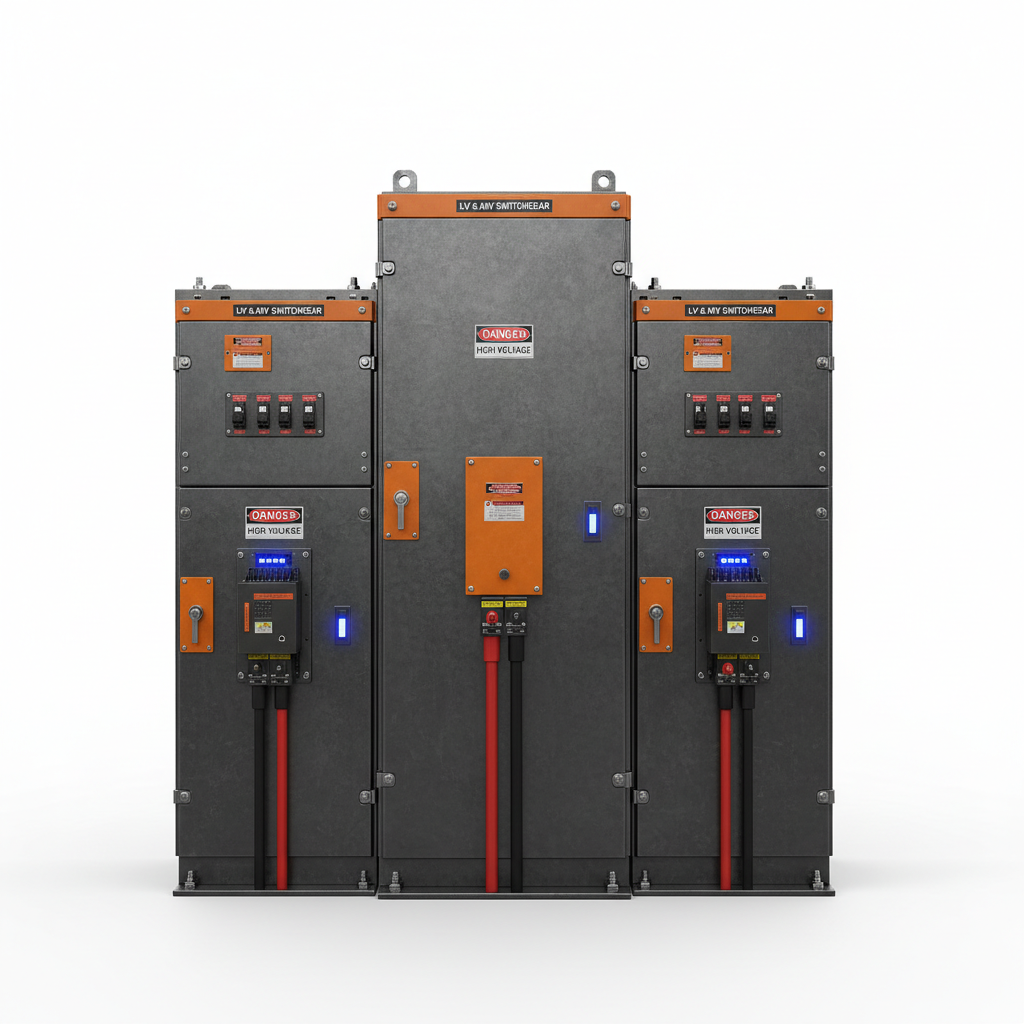
lv & mv switchgear are fundamental components of modern electrical power systems, responsible for the safe and reliable distribution of electricity. Their importance spans across industries, from manufacturing and infrastructure to healthcare and residential applications. Understanding the intricacies of these systems is crucial for ensuring efficient energy delivery, minimizing downtime, and safeguarding personnel and equipment. The global demand for robust and adaptable power distribution solutions is continuously increasing, driving innovation and refinement within the realm of lv & mv switchgear.
The increasing complexity of modern grids, coupled with the integration of renewable energy sources, places even greater demands on the capabilities of lv & mv switchgear. These systems must not only handle the traditional load requirements but also accommodate bidirectional power flow and the intermittent nature of renewable generation. This necessitates advanced features like intelligent monitoring, automated switching, and enhanced protection mechanisms.
The efficient functioning of lv & mv switchgear directly impacts economic productivity, public safety, and environmental sustainability. Investing in high-quality switchgear and ensuring proper maintenance are vital steps towards building a resilient and future-proof energy infrastructure. This commitment translates into reduced energy waste, improved system reliability, and a lower overall carbon footprint.
Introduction to lv & mv switchgear
lv & mv switchgear, at its core, represents the central nervous system of power distribution. It's the apparatus that safely isolates, controls, and protects electrical circuits from faults. The reliable performance of these systems is indispensable for ensuring continuous power supply and preventing catastrophic equipment failures.
The proper selection and implementation of lv & mv switchgear are essential considerations for any electrical project. Factors like load requirements, environmental conditions, and safety regulations must all be carefully evaluated to ensure optimal performance and longevity. lv & mv switchgear solutions vary greatly depending on the specific application.
Defining lv & mv switchgear
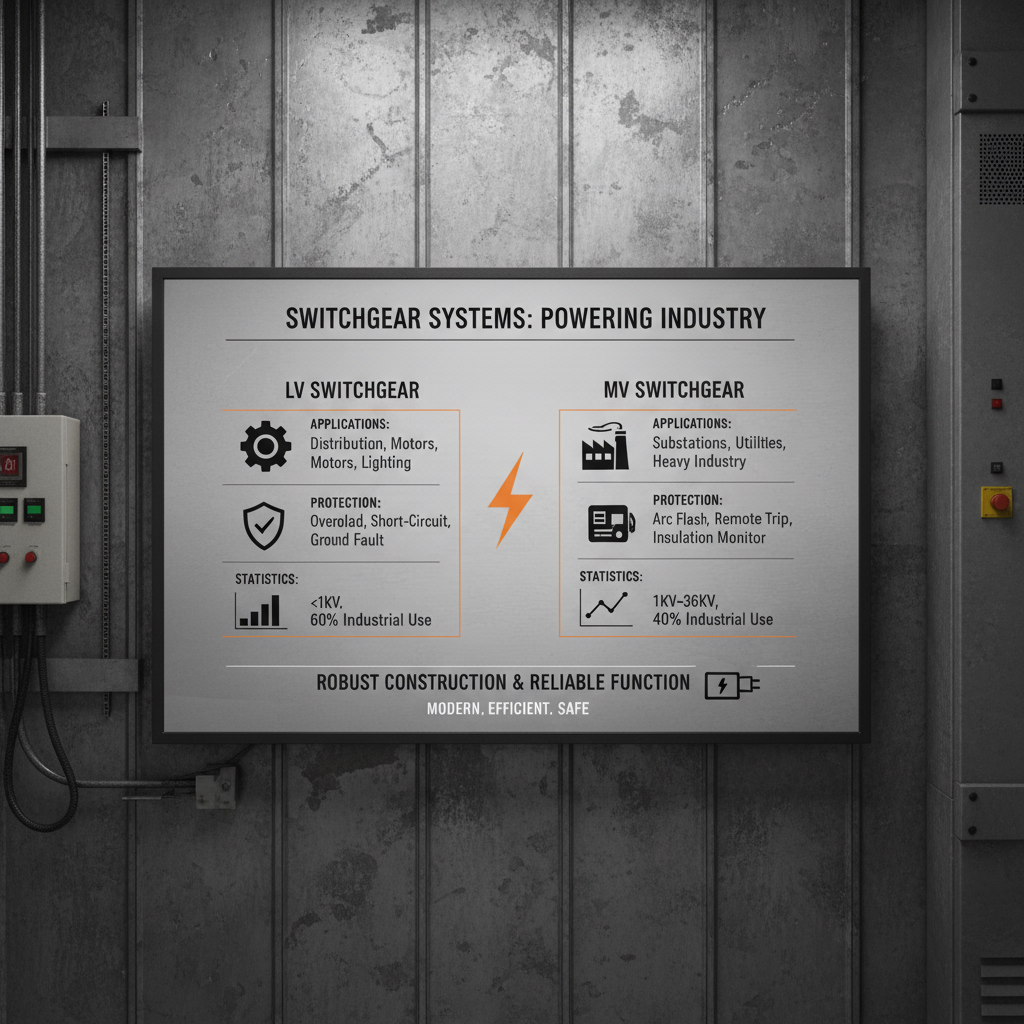
lv & mv switchgear refers to an assembly of electrical disconnect switches, fuses or circuit breakers, and associated control equipment used to isolate, protect, and control electrical circuits. 'LV' stands for Low Voltage (typically below 1000V), and 'MV' represents Medium Voltage (ranging from 1kV to 35kV). This distinction is critical as different voltage levels require different insulation materials and safety protocols.
These systems act as crucial interfaces between power sources and end-user equipment. They prevent damage to equipment from overloads and short circuits, enable safe maintenance operations, and allow for the swift isolation of faulty sections of the electrical network. Modern lv & mv switchgear integrates advanced technologies like remote monitoring and diagnostics to enhance efficiency and minimize downtime.
The connection to modern industry and humanitarian needs is direct. Factories rely on uninterrupted power from these systems to maintain production, while hospitals need reliable electricity to power life-saving equipment. In emergency situations, portable lv & mv switchgear can rapidly restore power to critical facilities.
Core Components of lv & mv switchgear
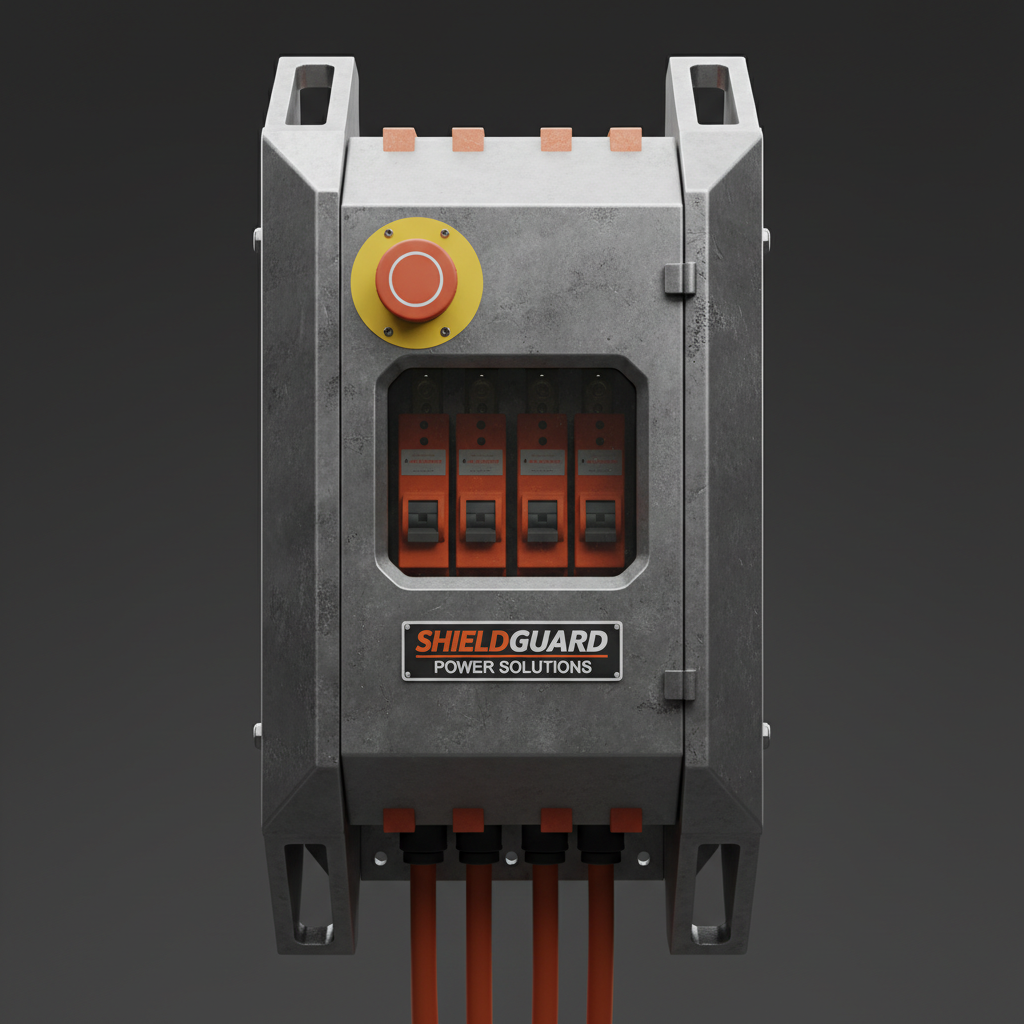
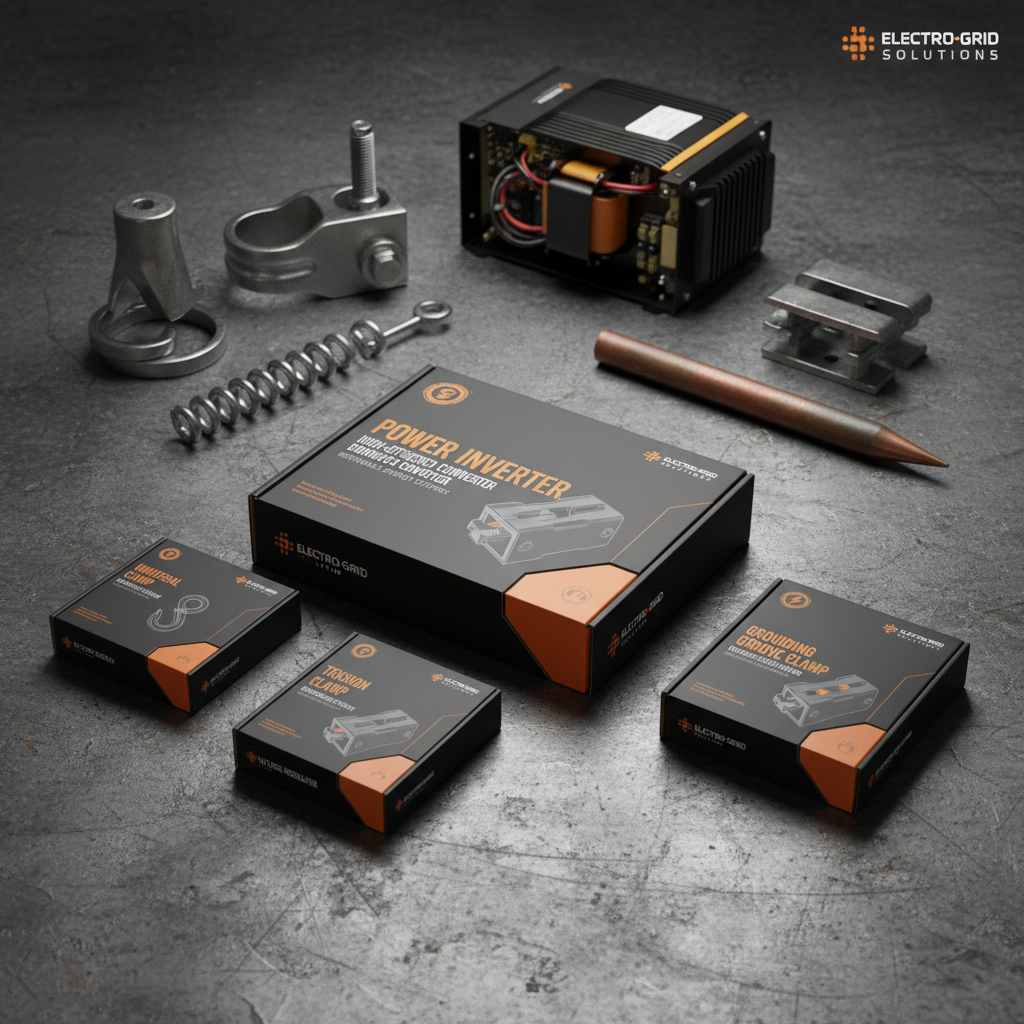
Several key components work in concert to ensure the effective functioning of lv & mv switchgear. Circuit breakers are arguably the most important, interrupting fault currents before they can damage equipment. Disconnect switches provide a visible isolation point for safe maintenance. Fuses offer overcurrent protection by melting and breaking the circuit when current exceeds a safe level.
Control and relay panels monitor system parameters like voltage, current, and frequency, triggering protective devices when necessary. Busbars act as common connection points for multiple circuits. Finally, grounding systems provide a safe path for fault currents, minimizing the risk of electric shock. Proper coordination of these components is paramount for system reliability.
The enclosures housing these components are equally critical. They provide physical protection, prevent accidental contact with live parts, and shield the internal components from environmental factors like dust, moisture, and extreme temperatures. Materials used in construction, such as steel, stainless steel, and specialized polymers, are selected based on the application and environment.
Key Factors Influencing Performance
Durability is paramount; lv & mv switchgear must withstand years of operation in often harsh environments. Scalability allows systems to be easily expanded to meet growing power demands. Cost efficiency, considering both initial investment and long-term maintenance, is a critical driver in procurement decisions.
Reliability is arguably the most important factor. Unscheduled outages can have significant economic and safety consequences. Proper design, manufacturing quality, and regular maintenance all contribute to system reliability. lv & mv switchgear manufacturers emphasize these aspects.
Performance Factors for lv & mv switchgear
Global Applications and Industries
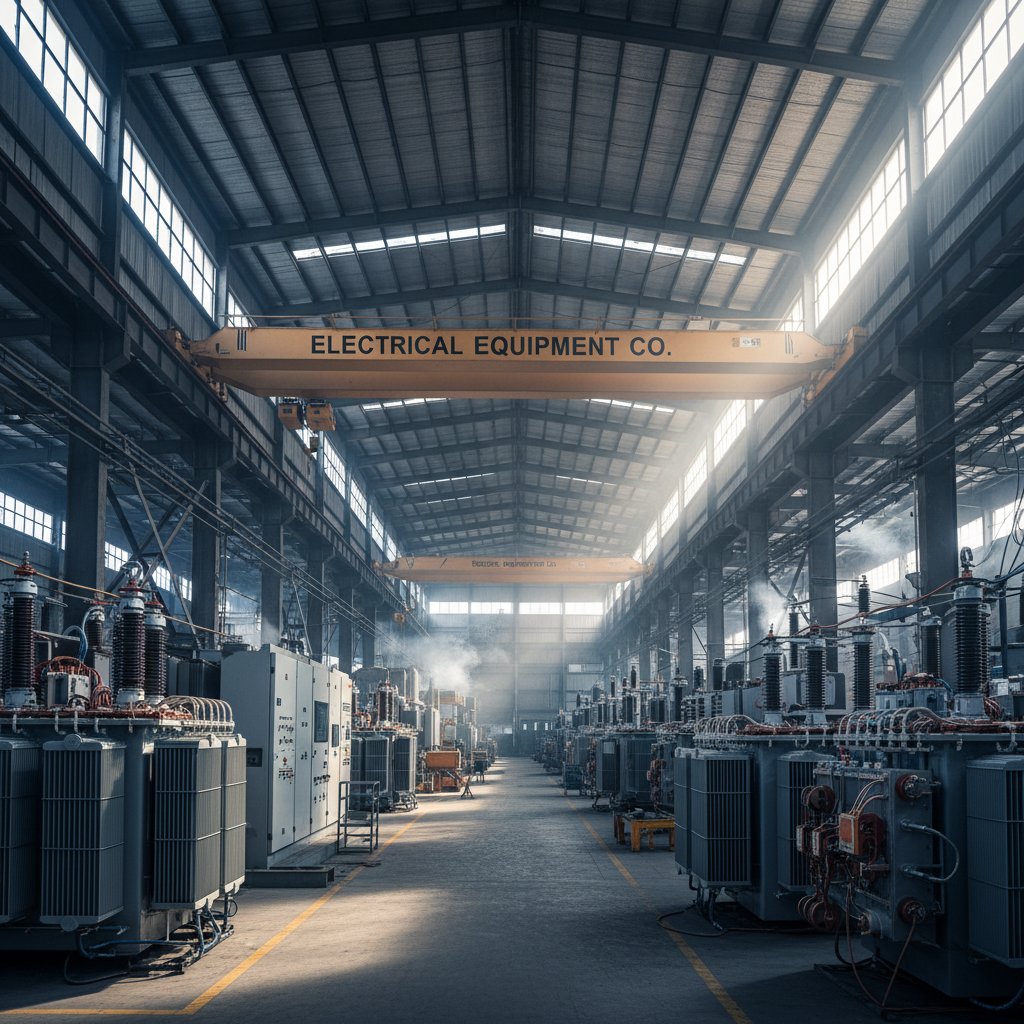
lv & mv switchgear finds application across a wide spectrum of industries. Manufacturing plants rely on them for powering production lines and heavy machinery. Power utilities use them for distribution and transmission of electricity. Commercial buildings utilize them for lighting, HVAC, and other essential systems.
Hospitals and data centers demand exceptionally reliable lv & mv switchgear to ensure uninterrupted power supply for critical operations. Renewable energy installations, such as wind farms and solar power plants, require specialized switchgear to integrate seamlessly with the grid. In remote industrial zones, they are essential for enabling local power generation and distribution.
In post-disaster relief operations, mobile lv & mv switchgear can quickly restore power to hospitals, shelters, and emergency communication centers, providing a lifeline to affected communities. The demand for adaptable and efficient switchgear solutions is therefore truly global, with significant investment occurring in both developed and developing nations.
Long-Term Value and Benefits
Investing in high-quality lv & mv switchgear translates into substantial long-term cost savings through reduced downtime, improved energy efficiency, and minimized maintenance requirements. Sustainable designs incorporating eco-friendly materials and energy-efficient components contribute to a lower environmental footprint.
Enhanced safety features protect personnel from electrical hazards and minimize the risk of equipment damage. The inherent reliability of these systems fosters trust and confidence in the power infrastructure. Furthermore, modern switchgear facilitates smart grid integration, enabling advanced monitoring, control, and optimization of power distribution networks.
Future Trends and Innovations
The future of lv & mv switchgear is heavily influenced by the growing emphasis on green energy and digital transformation. Solid-state switchgear, utilizing semiconductor technology, offers faster switching speeds, increased reliability, and reduced maintenance compared to traditional electromechanical designs.
Smart switchgear, integrated with advanced sensors and communication networks, enables real-time monitoring, predictive maintenance, and automated fault detection. The integration of artificial intelligence (AI) and machine learning (ML) algorithms further enhances system performance and optimizes energy distribution.
Digital twins, virtual replicas of physical switchgear assets, allow for remote diagnostics, simulation, and optimization, reducing the need for on-site inspections and interventions. The convergence of these technologies promises a more resilient, efficient, and sustainable power infrastructure for the future.
FAQS
Air-insulated switchgear uses ambient air for insulation, making it less expensive but requiring larger footprints and more frequent maintenance due to environmental factors. Gas-insulated switchgear (GIS) uses a specialized gas, typically SF6, for insulation, offering a significantly smaller footprint, enhanced reliability, and reduced maintenance. However, GIS is more expensive and poses environmental concerns regarding the greenhouse gas SF6.
Regular inspection and maintenance are crucial for ensuring the reliable operation of lv & mv switchgear. Annual visual inspections should be conducted, with more comprehensive testing and maintenance performed every 3-5 years, depending on the application and environmental conditions. Key maintenance tasks include cleaning, lubrication, tightening connections, and testing of protective devices.
Working with lv & mv switchgear poses significant electrical hazards. Always de-energize and properly ground the equipment before performing any maintenance or inspection. Wear appropriate personal protective equipment (PPE), including insulated gloves, safety glasses, and flame-resistant clothing. Follow lockout/tagout procedures to prevent accidental re-energization. Only qualified personnel should perform work on switchgear.
The efficiency of lv & mv switchgear directly impacts the overall efficiency of a power system. High-quality switchgear with low contact resistance minimizes energy losses during switching operations. Properly maintained switchgear ensures optimal performance of protective devices, preventing prolonged outages and minimizing energy waste. Advanced features like arc flash mitigation technologies further enhance safety and reduce energy dissipation.
Environmental considerations include the use of eco-friendly materials, minimizing energy consumption, and responsible disposal of components. Some older switchgear utilizes SF6 gas, a potent greenhouse gas, which requires careful handling and leak detection. Newer technologies are increasingly focusing on alternative insulation materials and SF6-free switchgear designs.
Remote monitoring allows for real-time data acquisition on switchgear performance, enabling proactive maintenance and reducing downtime. Key parameters like temperature, voltage, current, and gas pressure can be monitored remotely, allowing operators to identify potential problems before they escalate. This also facilitates data-driven decision-making for optimizing system performance and extending equipment life.
Conclusion
lv & mv switchgear forms the backbone of modern power distribution systems, ensuring safe, reliable, and efficient delivery of electricity. Understanding its core components, key performance factors, and future trends is critical for engineers, technicians, and decision-makers involved in power system design and operation. Investing in high-quality switchgear and adopting advanced technologies are essential steps towards building a resilient and sustainable energy infrastructure.
As the energy landscape continues to evolve, with increasing integration of renewable sources and growing demands for grid modernization, the role of lv & mv switchgear will become even more crucial. Continued innovation in materials, design, and control systems will be essential to meet the challenges of the future and ensure a stable and reliable power supply for generations to come. For further information and solutions, visit our website: www.samaoep.com