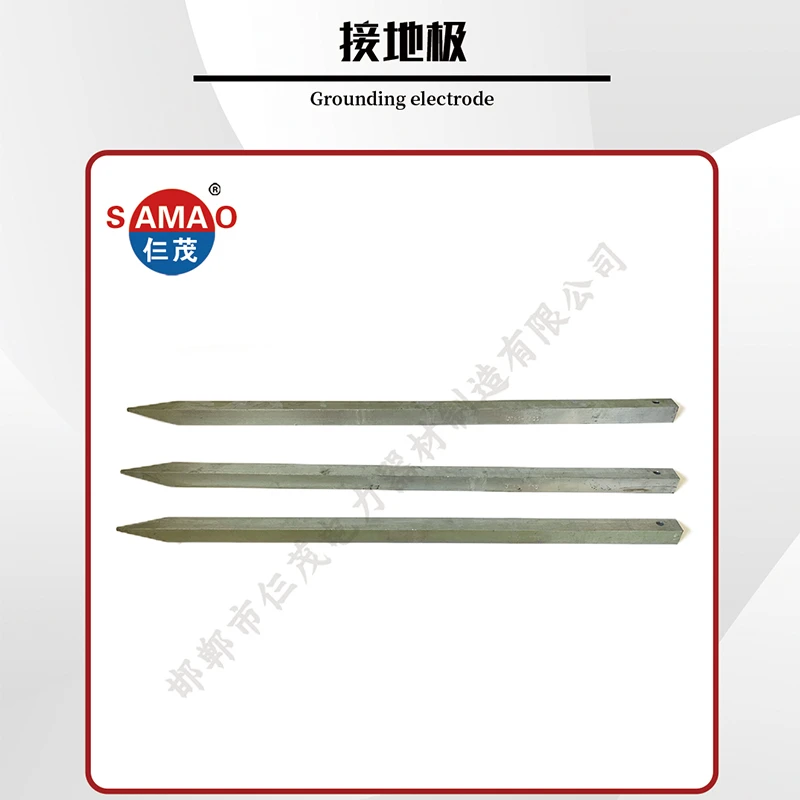
High-Performance Chem Rod Grounding Electrode for Reliable Earthing
The Imperative of Advanced Grounding: Introducing the Chem Rod Grounding Electrode
In critical industrial and commercial infrastructures, effective electrical grounding is not merely a compliance requirement but a fundamental pillar of safety, operational integrity, and equipment longevity. For B2B decision-makers and engineers, the choice of grounding solution directly impacts protection against lightning strikes, power surges, and electrical faults, while also ensuring stable system performance. Traditional grounding methods often fall short in challenging environments, leading to the demand for more sophisticated and reliable alternatives.
This discourse centers on the chem rod grounding electrode, an advanced engineered solution designed to overcome the limitations of conventional grounding systems. Unlike standard ground rods, chemical grounding electrodes provide a consistently low-resistance path to earth, crucial for protecting sensitive electronics, ensuring personnel safety, and maintaining continuous operations in demanding sectors. This article delves into its technical superiority, diverse applications, and the strategic advantages it offers to modern industrial landscapes.
Industry Trends in Grounding Technology
The landscape of electrical grounding technology is continually evolving, driven by increasing power demands, the proliferation of sensitive electronic equipment, and stringent safety regulations. Current industry trends highlight a shift towards solutions that offer enhanced performance, longer service life, and reduced maintenance. Traditional grounding electrodes, such as the 20 ground rod or the 3 8 ground rod, while foundational, often struggle in environments with high soil resistivity or where consistent low impedance is paramount.
The demand for a reliable chemical grounding system has surged, particularly in sectors where uptime is critical. This includes data centers, telecommunications, oil and gas, and renewable energy installations. Innovations are focusing on active grounding compounds and advanced electrode designs that can sustain optimal performance across varying climatic conditions and soil types. Furthermore, there's a growing emphasis on sustainability and the use of environmentally friendly materials in grounding solutions. Engineers are actively seeking products that offer not only superior electrical characteristics but also demonstrate long-term stability without leaching harmful substances into the ground, a key characteristic of modern chem rod grounding electrode designs.
Manufacturing Process Flow: The Chem Rod Grounding Electrode
The production of a high-performance chem rod grounding electrode is a meticulous process, combining advanced metallurgy with precision engineering to ensure optimal electrical conductivity, corrosion resistance, and longevity. The process adheres to stringent quality control standards, such as ISO 9001 and ANSI/IEEE 80, to guarantee consistent product performance.
Key Manufacturing Steps:
- Material Selection: High-purity copper, often exceeding 99.9% conductivity, is selected for the outer electrode shell. This ensures superior electrical performance and inherent corrosion resistance. Internal chemical compounds, typically a blend of hygroscopic and conductive salts (e.g., sodium chloride, magnesium sulfate, and other proprietary additives), are chosen for their ability to absorb moisture and maintain low resistivity around the electrode.
-
Shell Fabrication: The copper shell can be manufactured using various techniques.
- Casting: For specific designs, copper might be cast into the desired tubular form, ensuring robust wall thickness and structural integrity.
- Forging: This process enhances the mechanical strength and density of the copper, making the electrode highly resistant to physical damage during installation.
- CNC Machining: Precision machining is employed for the electrode caps, connection points, and any specific threading required for modular connections, ensuring tight tolerances and reliable contact.
- Chemical Filling: The specially formulated electrolytic salts are carefully loaded into the hollow copper shell. This internal compound plays a crucial role in maintaining a consistently low-resistance path to ground, especially in dry or high-resistivity soil conditions.
- Sealing and Venting: The electrode is hermetically sealed to prevent the internal chemicals from leaching out prematurely, while incorporating a breathing mechanism (vent holes or porous caps) that allows moisture from the surrounding soil to enter, activating the chemical compound. This controlled interaction ensures sustained effectiveness over decades.
- Testing and Quality Assurance: Each electrode undergoes rigorous testing, including resistance measurements, material integrity checks, and often a simulated environmental test to ensure compliance with standards. Visual inspection and dimensional checks are also critical.
Advantages in Typical Application Scenarios:
- Energy Saving: By providing an extremely stable and low-resistance ground path, these electrodes minimize stray currents and transient voltages, reducing energy loss and protecting sensitive electronic equipment from damage. This translates to significant operational cost savings in industries like petrochemicals, where continuous, stable power is paramount.
- Corrosion Resistance: The use of high-grade copper and proprietary chemical compounds, often coupled with anti-corrosion coatings or an anode-cathode design, provides superior resistance to galvanic corrosion and chemical degradation in various soil conditions. This extends the service life to typically 30+ years, far exceeding that of conventional galvanized steel rods and significantly outperforming even standard earthing rod copper price solutions in aggressive soil.
- Target Industries: Widely adopted in petrochemical plants, metallurgy facilities, power generation stations, and water supply & drainage systems where equipment protection and personnel safety cannot be compromised.
Figure 1: Internal structure of a chem rod grounding electrode, highlighting the chemical fill and robust copper shell.
Technical Specifications and Parameters
The performance of a chem rod grounding electrode is defined by a set of critical technical specifications that ensure its efficacy in providing a stable, low-resistance connection to earth. These parameters are crucial for engineers when designing grounding systems for complex industrial environments.
Typical Product Specifications for Grounding Electrode:
Comparison with Conventional Grounding Rods:
To fully appreciate the advantages of a chemical grounding electrode, it's essential to compare its performance against more traditional solutions like the 20 ground rod (a common length for solid copper-bonded or galvanized steel rods) or a 3 8 ground rod (referring to diameter, often for lighter duty applications). While the initial earthing rod copper price for these conventional options might seem lower, their long-term performance and maintenance requirements tell a different story.
Technical Advantages and Performance Excellence
The inherent design and material science behind the chem rod grounding electrode translate into significant technical advantages over traditional grounding methods. These benefits are particularly critical in applications where reliability and consistent performance are non-negotiable.
- Lower and Stable Resistance: The primary advantage is its ability to achieve and maintain exceptionally low ground resistance values, often below 5 Ohms, even in high soil resistivity environments. The internal chemical compound, when activated by soil moisture, continuously leaches into the surrounding soil, reducing its resistivity and effectively increasing the electrode's conductive surface area. This ensures a more efficient dissipation of fault currents and transient voltages.
- Superior Corrosion Resistance: Constructed from high-purity copper and hermetically sealed, these electrodes are designed for maximum longevity. The chemical mixture further protects the copper, ensuring the electrode remains effective in aggressive soil conditions, including those with high salinity or acidity, where conventional earthing rod copper price solutions would rapidly degrade.
- Extended Service Life and Reduced Maintenance: With a typical service life exceeding 30 years, the need for frequent testing, maintenance, or replacement is drastically reduced. This translates into significant operational cost savings and minimal disruption, a key consideration for B2B applications where downtime is costly.
- Consistent Performance in Varying Conditions: Unlike standard ground rods whose performance fluctuates with soil moisture content, the hygroscopic properties of the internal chemicals ensure that the electrode's performance remains consistent across seasonal changes and prolonged dry spells. This resilience is vital for maintaining critical infrastructure stability.
- Enhanced Safety: By providing a reliable, low-impedance path to earth, chemical grounding electrodes enhance personnel safety by minimizing touch and step potentials during fault conditions. They also protect sensitive electronic equipment from damage caused by lightning and transient overvoltages, safeguarding valuable assets and ensuring operational continuity.
Application Scenarios and Real-World Case Studies
The robust performance and reliability of the chem rod grounding electrode make it an ideal solution for a wide array of demanding industrial and commercial applications. Its ability to provide stable, low-resistance grounding is critical for safeguarding personnel, protecting high-value assets, and ensuring the uninterrupted operation of sensitive systems.
Key Application Sectors:
- Petrochemical and Oil & Gas Facilities: Crucial for protecting against lightning strikes and static discharge in highly volatile environments, where even a small spark can have catastrophic consequences.
- Power Generation and Substations: Essential for safe operation, protecting expensive transformers and switchgear, and ensuring grid stability.
- Data Centers and Telecommunications: Provides the critical low impedance path needed to protect sensitive servers, network equipment, and continuous data flow from electrical transients.
- Railway and Transportation Systems: Ensures the safety of signaling equipment, traction systems, and overall infrastructure.
- Water Supply & Drainage Systems: Protects pumping stations and control systems from electrical faults and lightning.
Application Case Study: High-Resistivity Soil Environment
Client: Major Telecommunications Provider, North African Region.
Challenge: The client faced persistent grounding issues at several remote cellular tower sites located in areas characterized by extremely high soil resistivity (ranging from 1000 to 5000 Ohm-meters). Traditional 20 ground rod installations, even in arrays, consistently failed to meet the required ground resistance target of less than 5 Ohms, leading to frequent equipment damage due to lightning and unstable network performance. Replacing 3 8 ground rod systems with longer, more conventional rods proved largely ineffective without extensive, costly, and environmentally challenging soil treatments.
Solution: Our engineering team proposed and implemented a chemical grounding system utilizing Sama OEP's specialized chem rod grounding electrode. A combination of vertical and horizontal chemical electrodes was installed at each site, strategically placed after detailed soil resistivity mapping. The proprietary chemical backfill surrounding the electrodes was further enhanced with a high-performance grounding enhancement material to optimize the soil interface.
Results: Post-installation measurements immediately demonstrated a dramatic improvement. Ground resistance values dropped consistently to between 1.5 and 3 Ohms across all sites, easily meeting and often exceeding the client's stringent requirements. Over the subsequent 5 years, monitoring confirmed the stability of these resistance values, even during prolonged dry seasons. The client reported a significant reduction (over 80%) in equipment failures attributed to electrical surges and lightning, leading to enhanced network uptime and substantial savings in maintenance and replacement costs. This successful deployment solidified the chemical grounding system as the go-to solution for challenging environments.
Figure 2: Installation of a chem rod grounding electrode in a challenging industrial environment.
Vendor Comparison and Selection Criteria
Selecting the right vendor for grounding solutions, especially for advanced products like the chem rod grounding electrode, is crucial. It requires a thorough evaluation beyond just initial cost, focusing on long-term value, reliability, and support. Sama OEP stands out due to its commitment to quality and extensive experience.
Key Selection Criteria:
- Product Quality & Certifications: Adherence to international standards (e.g., ISO, UL, IEEE) and proven material specifications.
- Technical Expertise & Support: Availability of experienced engineers for consultation, design, and troubleshooting.
- Customization Capabilities: Ability to tailor solutions for unique project requirements.
- Proven Track Record: Years of service, successful project deployments, and reputable client base.
- Cost-Effectiveness & Total Cost of Ownership: Beyond initial earthing rod copper price, considering longevity, maintenance, and performance.
Vendor Comparison: Sama OEP vs. Generic Competitor
Customized Solutions for Specific Needs
Recognizing that no two industrial sites are identical, Sama OEP excels in providing customized grounding solutions. Environmental factors, soil composition, geological structures, and specific operational requirements all play a role in determining the optimal grounding system design.
Our engineering team works closely with clients to develop tailor-made chemical grounding system deployments. This includes:
- Custom Electrode Dimensions: While standard lengths and diameters suffice for most applications, specialized projects might require unique rod lengths or diameters to penetrate specific soil strata or fit within constrained installation spaces.
- Optimized Chemical Formulations: For extremely unusual soil conditions (e.g., highly alkaline, very dry desert, or permanently frozen ground), the internal chemical composition of the chem rod grounding electrode can be adjusted to maximize hygroscopy and conductivity.
- Integrated Grounding System Design: Beyond just the electrodes, we offer comprehensive grounding system design, incorporating ground enhancement materials (GEM), connection methods (exothermic welding, mechanical clamps), and monitoring solutions to ensure a fully optimized and robust earthing infrastructure.
- On-site Consultation and Installation Guidance: Our experts can provide invaluable support from initial site surveys and soil resistivity testing to supervising installation and conducting post-installation performance verification.
This bespoke approach ensures that clients receive a grounding solution that is not only highly effective but also perfectly integrated with their existing infrastructure and environmental context, delivering unparalleled reliability and cost-efficiency.
Frequently Asked Questions (FAQ)
Q: What makes a chemical grounding system superior to a conventional copper-bonded rod?
A: A chemical grounding system, specifically the chem rod grounding electrode, uses internal electrolytic salts to actively reduce soil resistivity around the electrode. This results in consistently lower and more stable ground resistance values, especially in dry or high-resistivity soil, where conventional 20 ground rod or 3 8 ground rod solutions struggle. It also boasts a significantly longer maintenance-free service life due to its robust design and corrosion resistance.
Q: Is the chemical fill environmentally safe?
A: Yes, our proprietary chemical compounds are formulated to be non-toxic and environmentally benign. They are designed for slow release over decades and do not pose a risk to groundwater or surrounding ecosystems. Full material safety data sheets (MSDS) are available upon request.
Q: How often does the chem rod grounding electrode need maintenance or replacement?
A: The chem rod grounding electrode is engineered for a service life exceeding 30 years and is largely maintenance-free. Periodic resistance testing is recommended as part of a general electrical system maintenance schedule, but the electrodes themselves typically do not require replenishment or replacement within this timeframe.
Lead Time, Warranty, and After-Sales Support
Sama OEP is committed to not only delivering high-quality chem rod grounding electrode products but also ensuring a seamless customer experience from order to post-installation support.
- Lead Time & Fulfillment: Standard products are typically available for shipment within 2-4 weeks, depending on order volume and specific customizations. For large-scale projects or bespoke solutions, detailed lead times will be provided during the quotation phase. We maintain robust supply chain logistics to ensure timely delivery to global clients.
- Warranty Commitment: Sama OEP stands behind the quality and durability of its Grounding Electrode products with an industry-leading warranty, typically covering performance and material integrity for 20-30 years from the date of installation. Specific warranty terms will be outlined in official product documentation.
- Customer Support: Our dedicated team of technical support engineers is available to assist with product selection, installation guidance, troubleshooting, and any post-purchase inquiries. We offer remote support and, for complex projects, on-site consultation services to ensure optimal system performance and customer satisfaction.
Figure 3: Quality assurance and testing of grounding electrodes.
Conclusion
The advent of the chem rod grounding electrode marks a significant advancement in electrical grounding technology. Offering unparalleled performance in maintaining low, stable ground resistance, exceptional corrosion resistance, and a significantly extended service life, it addresses the critical needs of modern industrial and commercial operations. For B2B stakeholders in sectors ranging from petrochemicals to telecommunications, investing in these advanced grounding solutions is a strategic decision that enhances safety, protects high-value assets, and ensures long-term operational continuity and cost efficiency. Sama OEP remains dedicated to providing cutting-edge, reliable, and customized grounding solutions that meet the evolving demands of a complex electrical infrastructure landscape.
References
- IEEE Std 80-2013, IEEE Guide for Safety in AC Substation Grounding. IEEE Standards Association.
- National Electrical Code (NEC) - NFPA 70. National Fire Protection Association.
- Schlitt, R. J. (2007). Grounding and Shielding for Electrical Systems. CRC Press.
- Sundararajan, P. R., & Sreenivasan, N. P. (2012). Earthing and Grounding of Electrical Systems. New Age International.
- ISO 9001:2015, Quality management systems – Requirements. International Organization for Standardization.
-
Laundry Efficiency Guide with pengapit ampaian dengan cangkuk iNewsApr.16,2026
-
Optimizing Power Infrastructure with the pengapit ampaian tnbNewsApr.09,2026
-
Comprehensive Guide to Selecting the Right pengapit penggantungan untuk kabel lt ab SolutionsNewsApr.07,2026
-
Comprehensive Guide to Pengapit Talian Penghantaran for Secure Package DeliveryNewsApr.04,2026
-
Comprehensive Guide to Pemasangan Pengapit Penggantungan for Overhead Cabling SystemsNewsMar.31,2026
-
Comprehensive Guide to Pengapit Ampaian yang Telah Dibentuk for Construction SafetyNewsMar.28,2026
-
Comprehensive Guide to Pengapit Ampaian Besi for Scaffolding SafetyNewsMar.26,2026