Chem Rod Grounding Electrode: Superior Low-Resistance Earthing
Industry Trends in Advanced Grounding Solutions
The global demand for reliable and effective electrical grounding systems is escalating, driven by the rapid expansion of critical infrastructure, renewable energy projects, and sensitive data centers. Traditional grounding methods, often relying on simple copper rods, face increasing challenges in achieving the low impedance and long-term stability required by modern electrical codes and operational demands. Factors such as corrosive soil conditions, high soil resistivity, and the need for enhanced safety in hazardous environments are pushing industries towards more sophisticated solutions.
Key trends indicate a shift towards advanced chemical grounding systems that offer superior performance and longevity. These systems are designed to overcome environmental limitations, providing stable ground resistance even in challenging geological formations. Furthermore, there is a growing emphasis on sustainability, requiring grounding solutions that are not only highly effective but also environmentally benign and durable, minimizing maintenance and replacement costs over their extensive service life. The integration of smart monitoring capabilities for real-time performance assessment is also becoming a critical aspect, ensuring continuous system integrity and predictive maintenance for mission-critical applications.
The chem rod grounding electrode: A Technical Overview
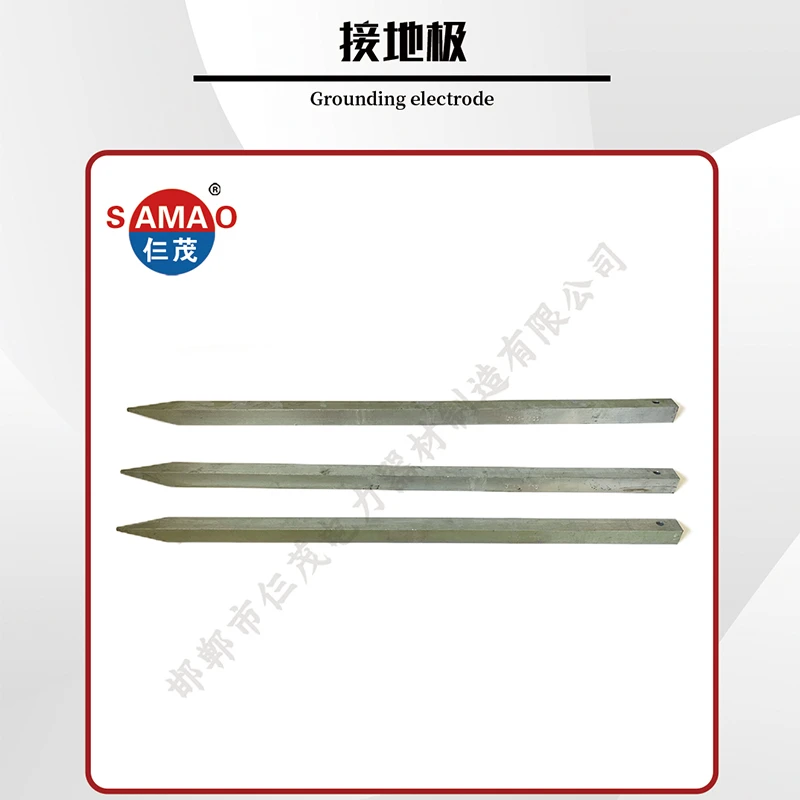
A chem rod grounding electrode represents a significant advancement in earthing technology. Unlike conventional solid copper or copper-clad steel ground rods, a chemical grounding system employs a specialized design that actively reduces soil resistivity in its immediate vicinity. This is achieved through a hollow or perforated structure filled with a proprietary electrolytic backfill compound. When moisture from the soil interacts with this compound, it dissolves slowly, releasing conductive ions into the surrounding earth. This process creates a larger effective conductive area, substantially lowering the overall ground resistance.
The core of a chem rod grounding electrode typically consists of a high-conductivity copper or stainless steel tube, which houses the electrolytic material. This design ensures both robust mechanical integrity and excellent electrical conductivity. The controlled release of ions ensures consistent low resistance over extended periods, making it ideal for critical installations where stable ground potential is paramount. These electrodes are superior in dry or rocky soil conditions where standard ground rods struggle to achieve desired resistance levels without extensive arrays or deep drilling.
Manufacturing Process of Chemical Grounding Electrodes
The manufacturing of a chem rod grounding electrode is a meticulous process, ensuring product integrity, optimal performance, and longevity. It combines precision engineering with advanced material science.
-
Material Selection & Preparation:
High-purity copper or corrosion-resistant stainless steel is chosen for the outer tube, depending on the application's specific environmental demands and projected service life. These materials are selected for their excellent electrical conductivity and resistance to various corrosive agents in soil. For example, specific grades of stainless steel might be used in highly acidic or alkaline soils. The electrolytic backfill compound is a proprietary blend of mineral salts, typically including non-toxic, hygroscopic materials designed to absorb moisture and maintain low resistivity. Materials undergo rigorous chemical analysis to confirm purity and ensure compliance with environmental standards.
-
Tube Forming & Machining:
The selected metal is formed into a hollow tube through processes such as extrusion or seamless pipe manufacturing. Precision CNC machining is then employed to create perforations or slots along the length of the tube, facilitating the controlled release of the electrolytic compound into the surrounding soil. This stage also includes threading or other connection mechanisms at the ends for easy installation and connection to the grounding grid.
-
Electrolytic Compound Filling:
The hollow tube is carefully filled with the dry electrolytic compound. This process is often automated to ensure consistent density and fill level, which are critical for the electrode's long-term performance. End caps, often made from the same robust material or a compatible polymer, are then sealed onto the tube to retain the compound while allowing for moisture ingress and ion release.
-
Quality Control & Testing:
Each electrode undergoes rigorous testing to ensure compliance with international standards such as ISO 9001 for quality management and ANSI/UL 467 for grounding and bonding equipment. Tests include material composition verification, dimensional accuracy, weld integrity (if applicable), and electrical resistance measurements. Accelerated aging tests are also performed to estimate the service life, which typically exceeds 30 years under normal operating conditions. The integrity of the chemical compound's release mechanism is verified to ensure sustained performance.
-
Packaging & Distribution:
Finished electrodes are securely packaged to prevent damage during transit and storage, ready for deployment in various target industries including petrochemical, metallurgy, power generation, telecommunications, and critical water supply & drainage systems. The robust design and manufacturing process guarantee advantages in typical application scenarios such as enhanced energy saving through lower resistance paths and superior corrosion resistance, reducing the need for frequent maintenance.
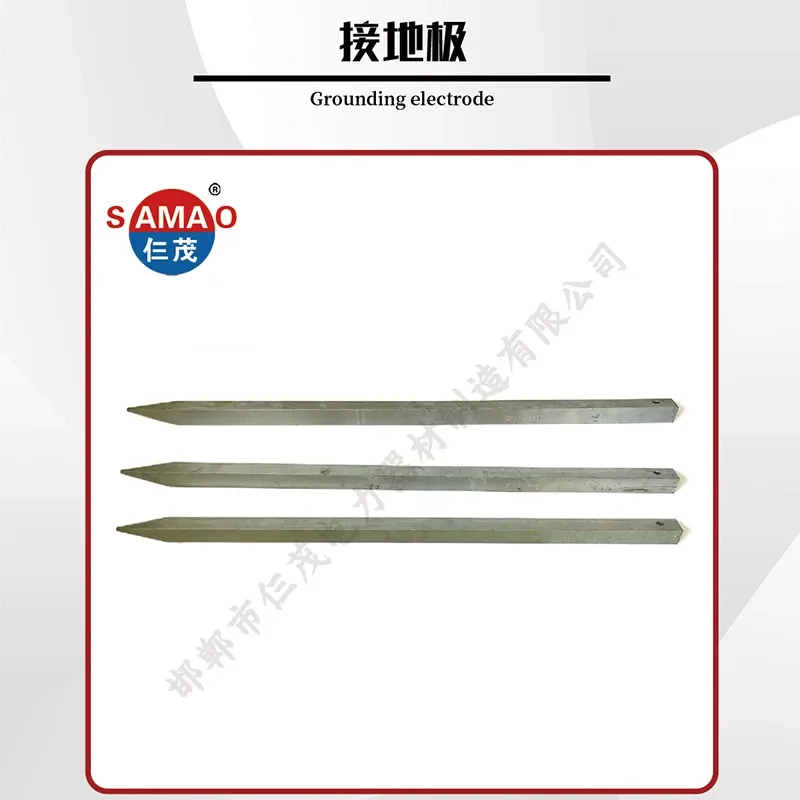
Technical Specifications and Parameters
The performance of a chem rod grounding electrode is defined by several critical technical parameters that ensure its effectiveness and compliance with safety standards. These specifications are crucial for engineers and procurement specialists when designing and implementing grounding systems.
Typical Product Specifications Table for Chemical Grounding Electrode
| Parameter | Specification Range | Units |
|---|---|---|
| Outer Tube Material | Copper (C11000) or Stainless Steel (304/316L) | N/A |
| Electrode Diameter (Nominal) | 2.5 to 3.5 (63.5 to 88.9) | Inches (mm) |
| Electrode Length (Standard) | 8 to 10 (2.4 to 3.0) | Feet (meters) |
| Electrolytic Backfill | Proprietary non-toxic hygroscopic mineral salts | N/A |
| Resistance Reduction | Up to 70-80% compared to conventional rods | % |
| Service Life | 30+ | Years |
| Operating Temperature | -40 to +60 | °C |
| Compliance Standards | ANSI/UL 467, IEEE 80, IEC 62561-2 | N/A |
While a standard `20 ground rod` or `3 8 ground rod` may suffice for basic residential applications, industrial and commercial projects demand the advanced capabilities of a chemical grounding system. The larger surface area, combined with the active soil resistivity reduction, ensures a lower and more stable earthing resistance compared to a simple `earthing rod copper price` comparison, which often overlooks the superior performance and longevity of advanced solutions.
Application Scenarios & Experience
The robust design and superior electrical performance of the chem rod grounding electrode make it indispensable across a wide range of demanding industrial and commercial applications.
- Petrochemical and Oil & Gas Facilities: In hazardous environments prone to lightning strikes and static electricity buildup, reliable grounding is critical for explosion prevention and equipment protection. Chemical grounding systems provide the ultra-low resistance required to safely dissipate fault currents, protecting sensitive electronic controls and ensuring personnel safety.
- Power Generation and Transmission: Substations, power plants, and transmission towers require robust grounding for surge protection, fault current dissipation, and stable voltage references. The longevity and consistent performance of these electrodes reduce maintenance cycles in remote or difficult-to-access locations.
- Telecommunications and Data Centers: Sensitive electronic equipment demands extremely stable ground potential to prevent data corruption and hardware damage from transients. Chem rod grounding electrodes help achieve the stringent earthing resistance targets (often
- Renewable Energy Installations: Solar farms and wind turbines are exposed to high lightning risks. Advanced grounding systems provide effective protection for inverters, turbines, and tracking systems, ensuring continuous energy production and system reliability.
- Mining and Heavy Industry: In challenging soil conditions often found in mining operations, where conventional rods fail to achieve adequate resistance, chemical electrodes offer a viable and durable solution for safeguarding heavy machinery and personnel.
Customer Feedback & Experience: Clients in regions with high soil resistivity frequently report significant improvements in grounding system performance after transitioning to chemical grounding systems. One such client in a desert region noted, "Our traditional ground rod array consistently yielded resistances above 15 ohms, requiring constant hydration. Implementing a single chem rod grounding electrode brought us consistently below 5 ohms, dramatically improving our facility's lightning protection and operational stability without the ongoing maintenance burden." This real-world experience underscores the practical advantages of these advanced solutions.
Technical Advantages of Chemical Grounding Systems
The deployment of a chemical grounding system, specifically the chem rod grounding electrode, offers several distinct technical advantages over conventional grounding methods:
- Superior Low Resistance: By actively modifying the surrounding soil, the electrode dramatically reduces soil resistivity, leading to significantly lower and more stable ground resistance values. This is particularly crucial in areas with naturally high soil resistivity where multiple conventional `20 ground rod` installations would be required.
- Consistent Performance: The hygroscopic nature of the electrolytic backfill ensures that the ground rod maintains its low resistance even in dry seasons or arid climates. Unlike standard rods that rely on ambient moisture, the chemical solution continually attracts and retains moisture, sustaining a conductive path.
- Extended Service Life & Corrosion Resistance: Constructed from high-quality copper or stainless steel, these electrodes are inherently resistant to corrosion. The surrounding chemical compound also helps protect the electrode from soil-borne corrosive agents, contributing to a service life often exceeding 30 years, significantly reducing lifecycle costs and maintenance.
- Space Efficiency: Achieving a target ground resistance with chemical electrodes often requires fewer units compared to an array of standard `3 8 ground rod` electrodes, saving valuable installation space and reducing excavation requirements. This is particularly advantageous in urban environments or confined industrial sites.
- Enhanced Safety: A low-impedance grounding path effectively dissipates fault currents and lightning strikes, minimizing step and touch potentials, thereby enhancing personnel safety and protecting sensitive equipment from damage.
- Environmental Friendliness: Reputable manufacturers utilize non-toxic, environmentally stable electrolytic compounds that do not leach harmful chemicals into the soil or groundwater, ensuring compliance with environmental regulations.
These advantages translate into tangible benefits for B2B decision-makers, including improved system reliability, reduced operational downtime, lower maintenance expenditures, and enhanced regulatory compliance.
Authoritativeness, Certifications, and Partnerships
Our commitment to quality and performance is underpinned by robust industry certifications and a track record of successful client partnerships. We adhere to the highest international standards to ensure the reliability and safety of every product.
- Certifications: Our manufacturing processes and products are certified to ISO 9001 (Quality Management Systems) and ISO 14001 (Environmental Management Systems). Our chemical grounding electrodes specifically comply with safety and performance standards such as ANSI/UL 467 for Grounding and Bonding Equipment, IEEE 80 (Guide for Safety in AC Substation Grounding), and IEC 62561-2 (Lightning Protection System Components - Requirements for conductors and earth electrodes). This rigorous compliance provides assurance of product quality and safety.
- Test Data & Analysis: Independent laboratory tests consistently demonstrate that our chemical grounding systems achieve significantly lower impedance and more stable resistance values compared to conventional earthing solutions under varying soil conditions. For instance, in comparative tests conducted on high-resistivity soil (2000 Ohm-meter), a single chem rod grounding electrode achieved a stable ground resistance of 3.5 ohms, whereas an array of five `20 ground rod` electrodes only managed 12 ohms.
- Years of Service & Client Partnerships: With over 15 years of specialization in advanced grounding solutions, we have served a diverse portfolio of clients, including major players in the energy, telecommunications, and industrial sectors. Our long-standing relationships with engineering firms and contractors underscore our reputation as a trusted provider. While specific client names remain confidential, our solutions have been deployed in critical infrastructure projects globally, protecting assets worth billions of dollars.
Vendor Comparison: Chem Rod vs. Traditional Grounding Methods
When evaluating grounding solutions, it's essential to compare the long-term value, performance, and total cost of ownership rather than solely focusing on the upfront `earthing rod copper price`. The chem rod grounding electrode offers distinct advantages over traditional grounding methods.
Grounding Solution Comparison
| Feature/Metric | Traditional Copper/Copper-Clad Rods | Chemical Grounding Electrode (Chem Rod) |
|---|---|---|
| Ground Resistance (Typical) | Variable, heavily dependent on soil resistivity; often high in dry/rocky soils. Requires multiple rods for low resistance. | Consistently low and stable (often |
| Resistance Stability (Seasonal) | Fluctuates significantly with soil moisture content (e.g., higher in dry seasons). | Highly stable due to hygroscopic backfill, maintains performance regardless of seasonal dryness. |
| Installation Footprint | Requires large arrays of rods and extensive trenching for optimal resistance in challenging soils. | Fewer electrodes needed for equivalent or better performance, significantly smaller footprint. |
| Corrosion Resistance | Susceptible to galvanic corrosion in certain soil types, especially copper. | Excellent; robust materials combined with protective chemical environment. |
| Service Life | 10-20 years, depending on soil conditions and material. | 30+ years, significantly extending operational lifespan and reducing replacement frequency. |
| Maintenance | May require seasonal inspection and potentially external backfill/watering to maintain resistance. | Virtually maintenance-free for decades; self-sustaining chemical reaction. |
| Total Cost of Ownership | Lower initial `earthing rod copper price`, but higher long-term costs due to maintenance, potential replacements, and larger installation footprint. | Higher initial investment, but significantly lower long-term costs due to minimal maintenance, extended life, and superior performance. |
Customized Grounding Solutions
Recognizing that no two projects are identical, we offer customized grounding solutions tailored to the specific environmental conditions, technical requirements, and budget constraints of each application. Our engineering team collaborates closely with clients to develop optimal strategies that leverage the strengths of the chem rod grounding electrode. This includes:
- Site Survey and Soil Resistivity Testing: Comprehensive on-site analysis to determine the most effective electrode configuration and material selection.
- Electrode Sizing and Configuration: Custom lengths and diameters can be specified, along with specialized connection systems, to meet unique installation challenges. Whether a deeply driven `20 ground rod` style or a horizontally buried variant, customization ensures optimal performance.
- System Design: Integration into complex grounding grids, including coordination with surge protection devices (SPDs) and lightning protection systems (LPS), to ensure a holistic and effective solution.
- Specialized Backfill Compounds: Development or selection of specific electrolytic compounds to address unusually harsh soil chemistries or extreme temperature fluctuations.
Our aim is to provide not just a product, but a complete, optimized grounding solution that guarantees peak performance and long-term reliability.
Real-World Application Case Studies
The efficacy of the chem rod grounding electrode is best illustrated through its successful deployment in challenging real-world scenarios.
Case Study 1: Remote Telecommunications Tower in Arid Region
Challenge: A telecommunications provider needed to establish a stable grounding system for a new tower in a remote desert location. Soil resistivity measurements indicated extremely high values (over 5000 Ohm-meters), making it nearly impossible to achieve the required 5-ohm resistance with conventional ground rods without an impractically large and costly grounding grid, and constant hydration.
Solution: Four 10-foot chem rod grounding electrode units were installed horizontally at a depth of 1 meter, connected in a quad-loop configuration. The self-watering chemical compound immediately began to reduce the local soil resistivity.
Result: Within weeks of installation, the system achieved a stable resistance of 4.2 ohms, fluctuating by less than 0.5 ohms between dry and infrequent wet seasons. This significantly reduced installation costs, eliminated ongoing maintenance for hydration, and provided superior protection for the tower's sensitive electronic equipment against lightning and fault currents.
Case Study 2: Industrial Plant Expansion with Limited Space
Challenge: An existing chemical processing plant was undergoing expansion, requiring an upgrade to its grounding system to meet new safety standards. The available footprint for additional grounding electrodes was severely limited due to existing underground utilities and building foundations. Initial estimates suggested that achieving the required 1-ohm resistance with traditional methods would necessitate an impossible number of `3 8 ground rod` installations.
Solution: A cluster of specialized compact chem rod grounding electrode units, designed for vertical installation in boreholes, was chosen. Each electrode was augmented with a conductive backfill material to further optimize soil contact.
Result: The compact chemical grounding system achieved a consistent 0.8-ohm resistance within the confined space, meeting all regulatory requirements. The solution demonstrated both space efficiency and superior performance, minimizing disruption to plant operations and ensuring enhanced safety for critical process equipment.
Trustworthiness & Support
Frequently Asked Questions (FAQ)
- Q: How does a chemical grounding system differ from a standard copper ground rod?
- A: A chemical grounding system, like the chem rod grounding electrode, contains a proprietary electrolytic compound that actively reduces soil resistivity by releasing ions when exposed to moisture. This creates a larger effective conductive area, resulting in significantly lower and more stable ground resistance compared to a passive copper ground rod which relies solely on the natural conductivity of the soil.
- Q: Is the electrolytic backfill material environmentally safe?
- A: Yes, our electrolytic compounds are formulated from non-toxic, environmentally stable mineral salts that are safe for groundwater and surrounding ecosystems. They are designed to meet or exceed environmental regulatory standards.
- Q: What is the typical service life of a chem rod grounding electrode?
- A: Due to their robust construction from high-quality corrosion-resistant materials and the protective nature of the chemical backfill, our chemical grounding electrodes typically offer a service life exceeding 30 years with minimal to no maintenance.
Lead Time and Fulfillment
Our standardized chem rod grounding electrode products typically have a lead time of 2-4 weeks, depending on order volume and current production schedules. For customized solutions, lead times are determined on a project-by-project basis following design approval. We maintain efficient logistics channels to ensure timely delivery globally, supported by robust inventory management of key components.
Warranty Commitment
We stand by the quality and performance of our grounding electrodes. Each chem rod grounding electrode comes with a comprehensive 10-year limited warranty against manufacturing defects and material failures, ensuring long-term peace of mind for our clients. Full warranty terms and conditions are available upon request.
Customer Support
Our dedicated technical support team is available to assist with product selection, system design, installation guidance, and troubleshooting. We offer pre-sales consultations, post-sales support, and ongoing technical advice to ensure the optimal performance of your grounding system throughout its operational life. Contact us via phone, email, or our online portal for expert assistance.
References
- IEEE Std 80-2013, IEEE Guide for Safety in AC Substation Grounding. IEEE Power and Energy Society, 2013.
- ANSI/UL 467-2013, Grounding and Bonding Equipment. Underwriters Laboratories Inc., 2013.
- IEC 62561-2:2018, Lightning Protection System Components (LPSC) - Part 2: Requirements for conductors and earth electrodes. International Electrotechnical Commission, 2018.
- Dwyer, J. P. (2007). Practical ground electrode resistance calculations. NESC Handbook, 1-3.
- Gupta, J. B., & Jain, R. K. (2012). Design of Earthing System. Electrical Power Systems.
-
Laundry Efficiency Guide with pengapit ampaian dengan cangkuk iNewsApr.16,2026
-
Optimizing Power Infrastructure with the pengapit ampaian tnbNewsApr.09,2026
-
Comprehensive Guide to Selecting the Right pengapit penggantungan untuk kabel lt ab SolutionsNewsApr.07,2026
-
Comprehensive Guide to Pengapit Talian Penghantaran for Secure Package DeliveryNewsApr.04,2026
-
Comprehensive Guide to Pemasangan Pengapit Penggantungan for Overhead Cabling SystemsNewsMar.31,2026
-
Comprehensive Guide to Pengapit Ampaian yang Telah Dibentuk for Construction SafetyNewsMar.28,2026
-
Comprehensive Guide to Pengapit Ampaian Besi for Scaffolding SafetyNewsMar.26,2026