Comprehensive Guide to Paip Pengapit Ampaian for Safe Scaffolding Systems
Understanding Paip Pengapit Ampaian: A Comprehensive Guide
Paip pengapit ampaian, also known as scaffolding clamps or coupling clamps, are essential components in building and maintaining safe scaffolding structures. These clamps securely join scaffold pipes, creating a robust and reliable support system. This article provides a thorough overview of paip pengapit ampaian, covering their types, applications, safety considerations, and selection criteria. Understanding these clamps is vital for anyone involved in scaffolding erection and dismantling, ensuring worker safety and structural integrity. Samaoep provides high-quality paip pengapit ampaian designed for various scaffolding needs.
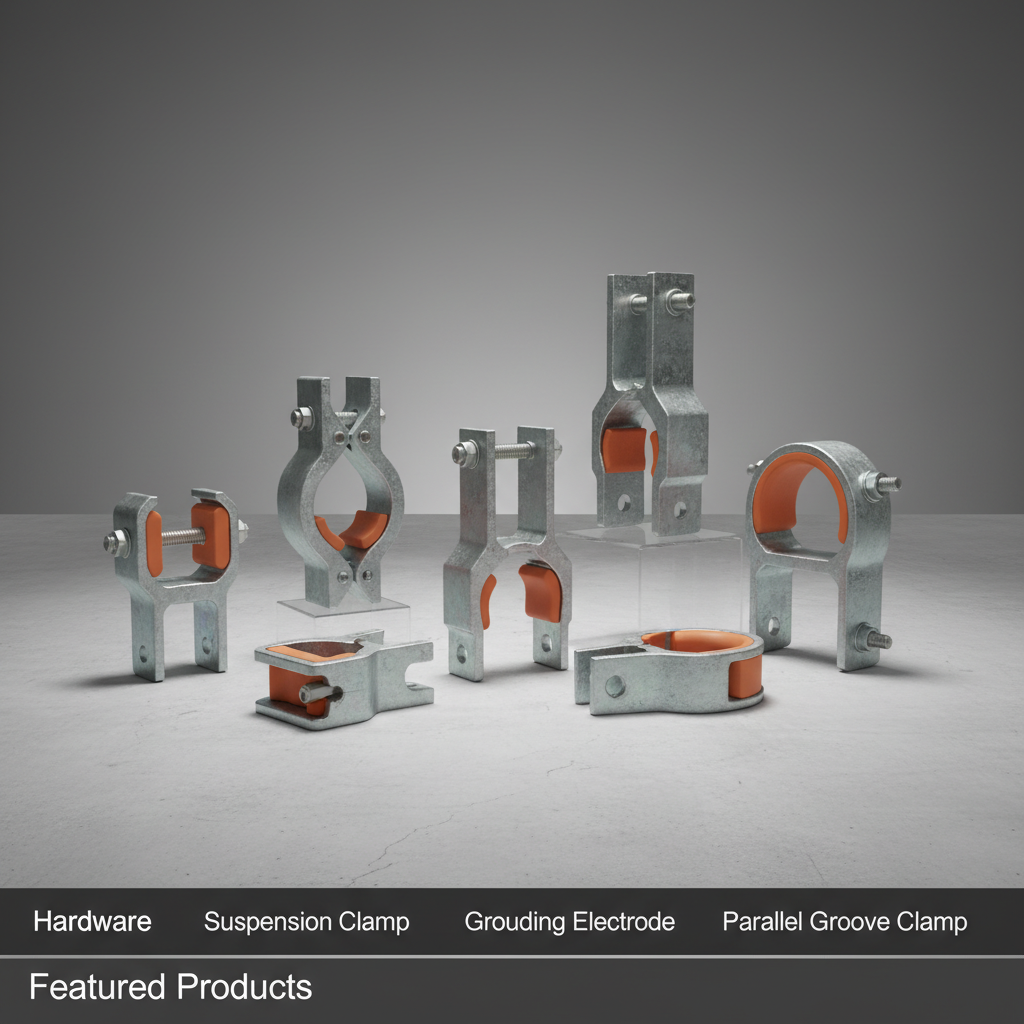
Types of Paip Pengapit Ampaian
Paip pengapit ampaian come in various designs, each suited for specific applications and pipe sizes. Common types include fixed clamps, swivel clamps, sleeve clamps, and double clamps. Fixed clamps provide a rigid connection, ideal for straight runs of scaffolding. Swivel clamps allow for angular adjustments, enabling the construction of complex scaffolding configurations. Sleeve clamps offer a secure and versatile connection, often used for intermediate supports. Double clamps join two pipes together, providing enhanced stability. The choice of clamp depends on the intended load, pipe diameter, and desired scaffolding geometry.
Key Highlights: Paip pengapit ampaian are essential for creating secure scaffolding structures, ensuring worker safety, and providing a stable platform for construction and maintenance work.
Paip Pengapit Ampaian: Applications Across Industries
The applications of paip pengapit ampaian are widespread across numerous industries. Construction is the primary consumer, utilizing these clamps for erecting scaffolding for building construction, renovation, and repair. The oil and gas industry uses them for maintaining platforms and pipelines. Maintenance and repair work in factories, power plants, and other industrial facilities also rely heavily on safe and robust scaffolding built with reliable clamps. Event staging and temporary structures also benefit from the versatility and stability that paip pengapit ampaian provide. Samaoep's range of clamps caters to diverse industrial needs.
Application Benefits:
• Provides secure connections for scaffolding.
• Supports heavy loads and ensures structural stability.
• Facilitates the construction of complex scaffolding designs.
• Essential for worker safety in elevated work environments.
Paip Pengapit Ampaian: A Comparison of Common Types
Choosing the correct type of paip pengapit ampaian depends on the specific application. Understanding their differences is crucial for safe and effective scaffolding. Each type offers unique advantages and is suited for particular situations. Selecting the wrong clamp can compromise the integrity of the structure and pose significant safety risks.
Safety Considerations When Using Paip Pengapit Ampaian
Safety is paramount when working with scaffolding. Regular inspection of paip pengapit ampaian is essential to identify any signs of wear, damage, or corrosion. Clamps should be tightened securely and checked frequently during use. Never exceed the load capacity of the clamps or scaffolding system. Proper training on the correct use and installation of these clamps is vital for all personnel involved. Always use clamps that comply with relevant safety standards. Samaoep provides clamps that meet stringent quality and safety standards.
Selecting the Right Paip Pengapit Ampaian: Key Factors
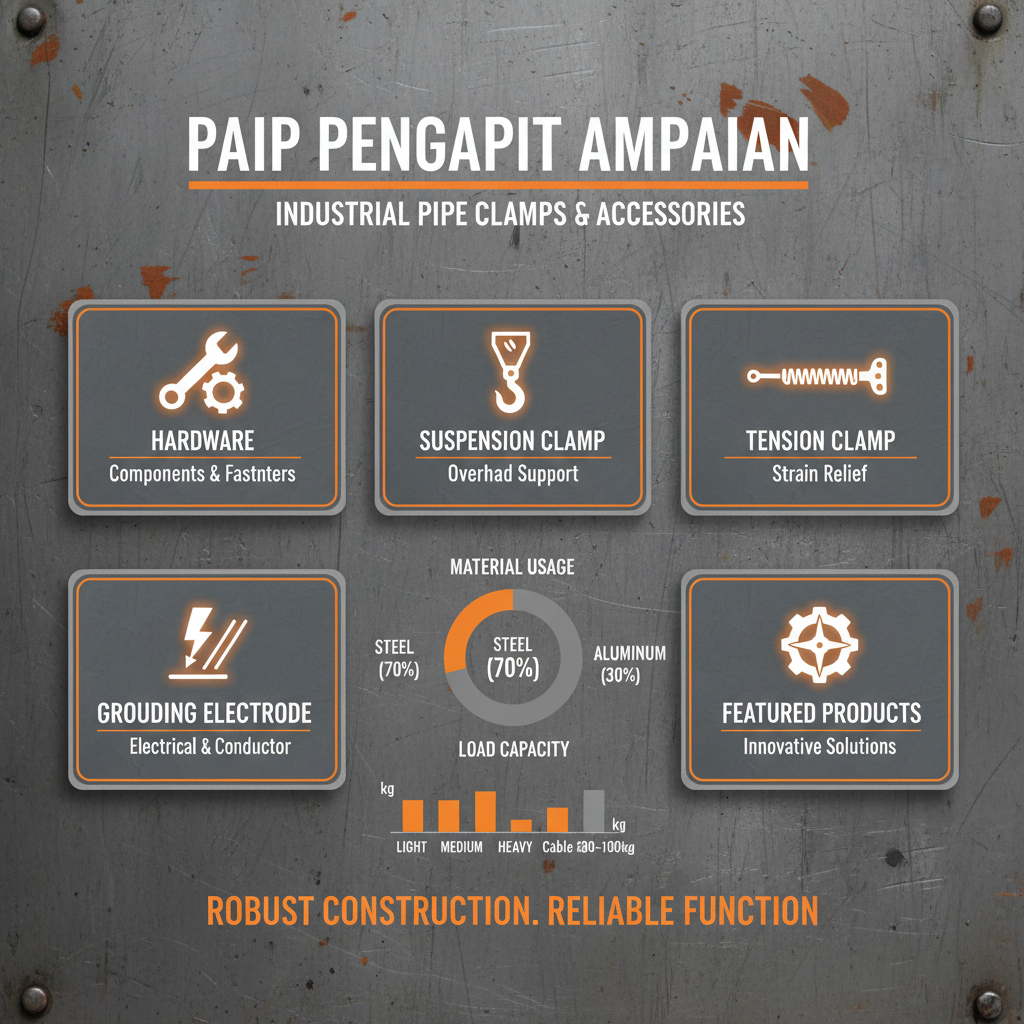
Choosing the correct paip pengapit ampaian involves considering several key factors. Pipe diameter, load capacity, and the type of scaffolding being erected are all crucial. Material quality is also essential – galvanized steel clamps offer excellent corrosion resistance. Ensure the clamps are certified to meet relevant safety standards. Consider the environment in which the scaffolding will be used – for example, marine environments require clamps with enhanced corrosion protection. Partnering with a reputable supplier like Samaoep guarantees quality and reliability.
Conclusion: Ensuring Safety and Stability with Quality Paip Pengapit Ampaian
Investing in high-quality paip pengapit ampaian is a crucial aspect of maintaining safe and stable scaffolding structures. By understanding the different types, applications, and safety considerations, you can ensure worker well-being and project success. Choose reliable suppliers like Samaoep for consistent quality and performance.
Frequently Asked Questions (FAQs)
What is the recommended inspection frequency for paip pengapit ampaian?
Paip pengapit ampaian should be inspected before each use, and regularly during use, particularly in high-stress applications. A thorough inspection should include checking for any signs of damage, corrosion, deformation, or missing components. Records of inspections should be maintained. Any clamp found to be damaged or defective should be immediately removed from service and replaced. Consider a formal inspection schedule, such as weekly or monthly, depending on the usage intensity.
What materials are paip pengapit ampaian typically made from?
The most common material for paip pengapit ampaian is galvanized steel, offering a good balance of strength, durability, and corrosion resistance. Carbon steel is also used, but requires regular coating to prevent rust. Aluminum clamps are lighter and suitable for specific applications, but may have lower load capacities. The choice of material depends on the intended use and environmental conditions.
Can paip pengapit ampaian be reused indefinitely?
While paip pengapit ampaian are durable, they are not necessarily reusable indefinitely. Repeated stress, exposure to the elements, and potential damage can degrade their structural integrity. Regularly inspecting and maintaining the clamps is essential. If any signs of wear, corrosion, or damage are detected, the clamp should be replaced. Following manufacturer's recommendations regarding lifespan and maintenance is crucial.
What certifications should I look for when purchasing paip pengapit ampaian?
Look for clamps that meet relevant safety standards and certifications, such as EN 741 (European standard for scaffolding couplings). Certifications demonstrate that the clamps have been tested and meet specific performance criteria. Ensure the supplier can provide documentation confirming the clamps' compliance with applicable regulations. This provides assurance of their quality and safety.
-
Laundry Efficiency Guide with pengapit ampaian dengan cangkuk iNewsApr.16,2026
-
Optimizing Power Infrastructure with the pengapit ampaian tnbNewsApr.09,2026
-
Comprehensive Guide to Selecting the Right pengapit penggantungan untuk kabel lt ab SolutionsNewsApr.07,2026
-
Comprehensive Guide to Pengapit Talian Penghantaran for Secure Package DeliveryNewsApr.04,2026
-
Comprehensive Guide to Pemasangan Pengapit Penggantungan for Overhead Cabling SystemsNewsMar.31,2026
-
Comprehensive Guide to Pengapit Ampaian yang Telah Dibentuk for Construction SafetyNewsMar.28,2026
-
Comprehensive Guide to Pengapit Ampaian Besi for Scaffolding SafetyNewsMar.26,2026