0%

Table of Contents

Switchgear power solutions are critical components of modern electrical infrastructure, ensuring the safe and reliable distribution of electricity across diverse applications. From industrial facilities and power generation plants to commercial buildings and renewable energy systems, effective switchgear is essential for protecting equipment, isolating faults, and maintaining a stable power supply. Understanding the nuances of these systems is paramount in a world increasingly reliant on consistent and secure energy delivery.

The global demand for robust switchgear power solutions is steadily increasing, driven by factors such as rapid industrialization, population growth, and the expansion of renewable energy sources. According to the International Energy Agency (IEA), global electricity demand is projected to grow by 60% by 2050. This necessitates substantial investments in grid modernization and upgrades, with switchgear playing a pivotal role. Furthermore, the rise of smart grids and distributed energy resources requires intelligent switchgear capable of advanced monitoring and control.

Investing in and understanding switchgear power solutions isn’t simply about technical specifications; it's about enabling economic growth, improving quality of life, and building a sustainable energy future. Proper switchgear design, implementation, and maintenance minimize downtime, prevent costly equipment damage, and enhance overall system efficiency. switchgear power solutions are foundational to a resilient and modern power grid.
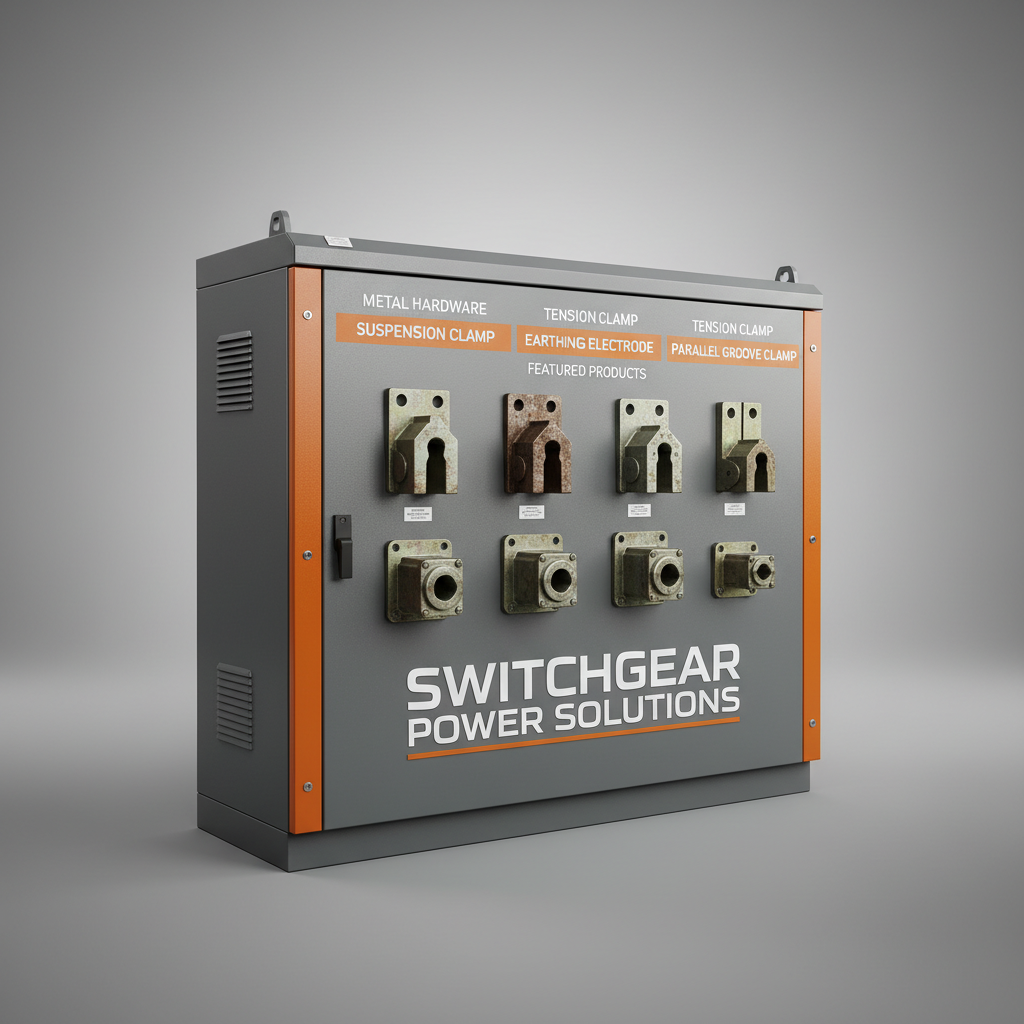
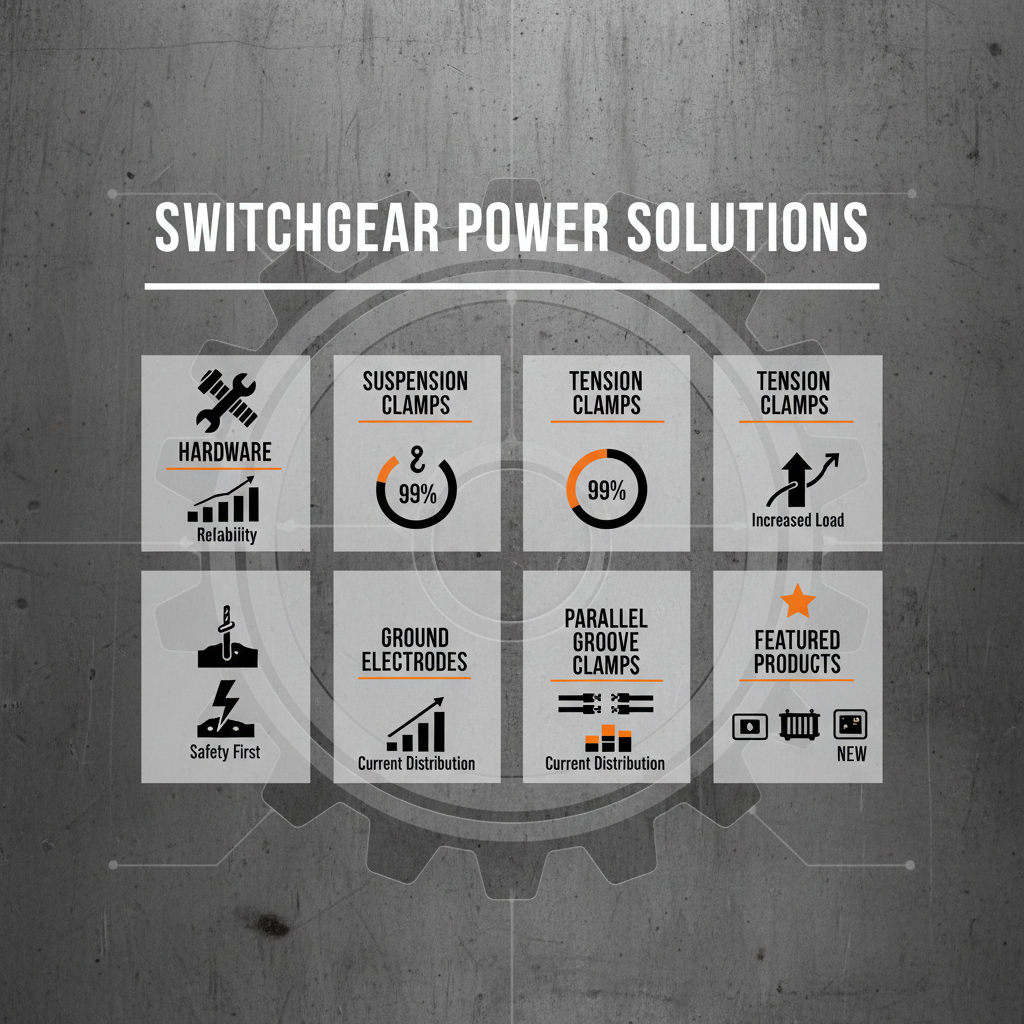
Advanced Switchgear Power Solutions for Reliable Electrical Infrastructure

Introduction to Switchgear Power Solutions

Advanced Switchgear Power Solutions for Reliable Electrical Infrastructure

Switchgear power solutions represent a complex network of electrical disconnection devices used to control, protect, and isolate electrical equipment. These systems are vital for maintaining grid stability, preventing damage from faults, and ensuring a safe operating environment. They are designed to manage the flow of electricity, disconnect circuits during emergencies, and facilitate maintenance without disrupting the overall power supply. switchgear power solutions are engineered for durability and reliability in demanding environments.

The significance of well-designed switchgear extends beyond merely preventing blackouts. It enables the integration of renewable energy sources, supports the growth of smart grids, and ultimately contributes to a more sustainable and resilient energy infrastructure. As energy demands continue to rise and the complexity of power systems increases, the role of advanced switchgear will become even more critical.

Defining Switchgear Power Solutions

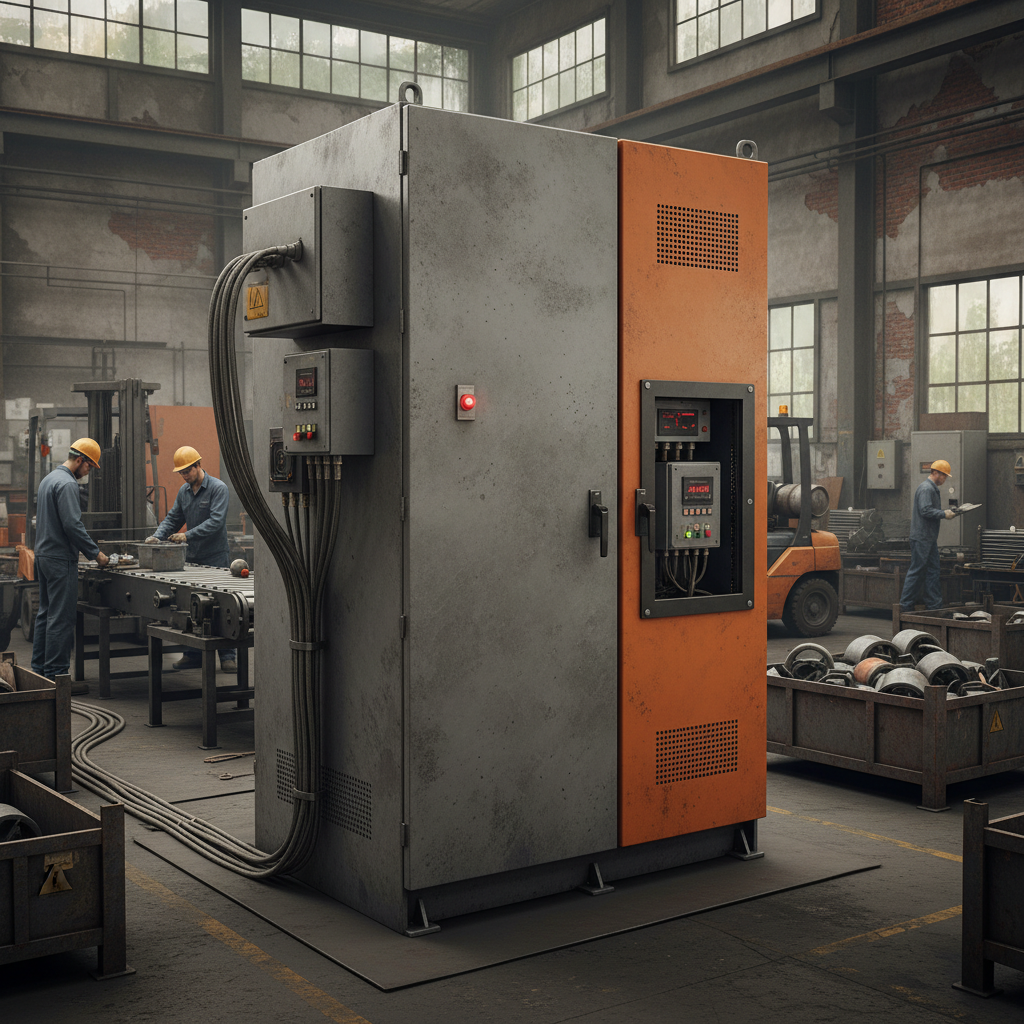
At its core, a switchgear power solution is a central component in an electrical distribution system, functioning as a centralized control point for the flow of electricity. It’s more than just a collection of switches; it’s an integrated system that includes circuit breakers, switches, fuses, and other protective devices, all housed within an enclosure. The purpose is to isolate and protect electrical circuits from overloads, short circuits, and other faults.

The connection to modern industry and humanitarian needs is direct and profound. Industrial facilities rely on switchgear to ensure uninterrupted power for critical processes. In disaster relief operations, portable switchgear can rapidly restore power to hospitals, shelters, and communication networks. Moreover, the integration of switchgear with renewable energy sources is essential for a transition towards a cleaner, more sustainable energy future.

Effective switchgear isn't simply about electricity, but also about protecting lives and livelihoods. Reliable switchgear protects infrastructure from damage, minimizes downtime, and ensures the safety of personnel working with electrical equipment.

Core Components of Effective Switchgear

Effective switchgear is built upon several key components working in harmony. Firstly, circuit breakers are crucial for automatically interrupting the flow of current during fault conditions, preventing damage to equipment and ensuring safety. Secondly, disconnect switches provide a visible and reliable means of isolating circuits for maintenance or repair.

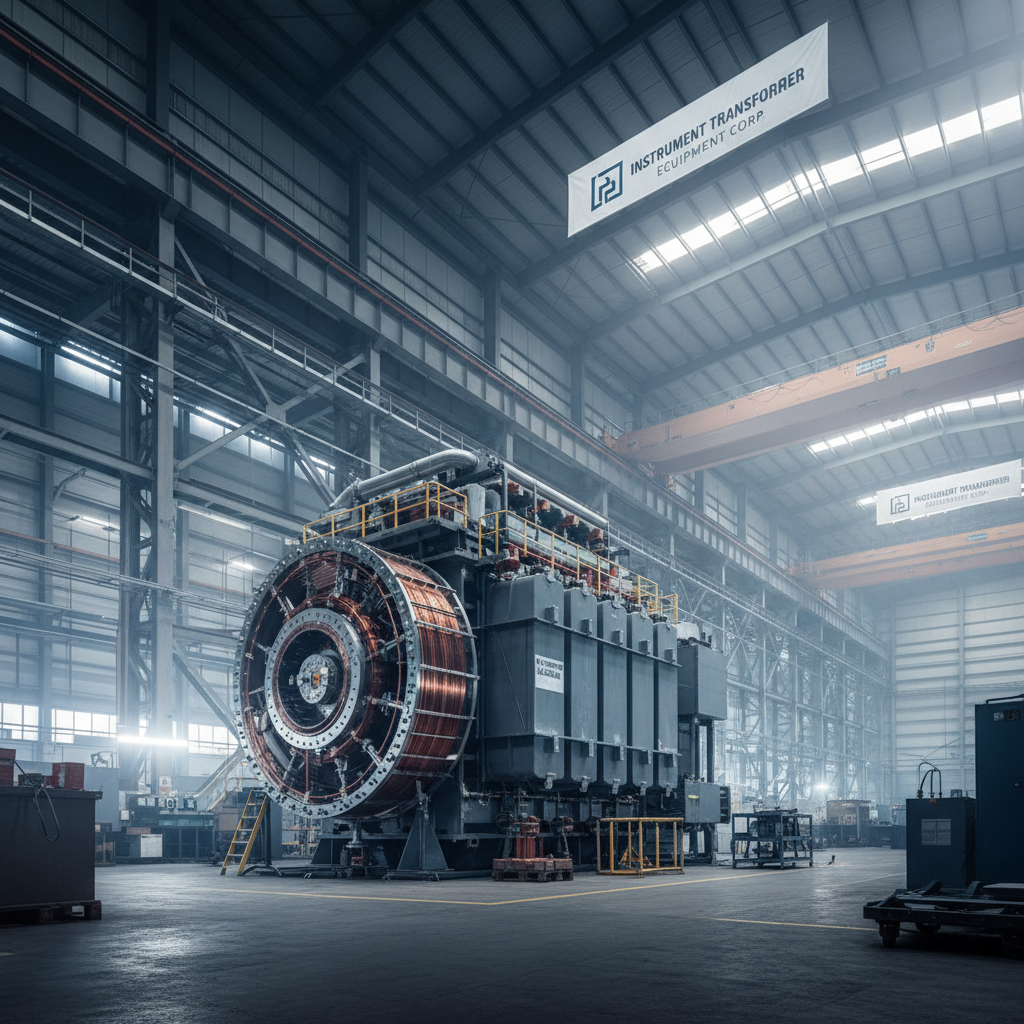
Thirdly, protective relays monitor the electrical system and trigger the circuit breakers when abnormal conditions are detected. Fourthly, fuses provide a simpler, one-time protective measure against overcurrents. Finally, instrument transformers provide accurate measurements of voltage and current for monitoring and control purposes. These elements, combined with a robust enclosure and control system, create a comprehensive switchgear power solution.

The interplay between these components is vital for overall system reliability. A well-designed switchgear system not only protects against faults but also provides operators with the information they need to diagnose and resolve problems quickly and efficiently. The quality and integration of these components directly impact the performance and longevity of the switchgear.

Key Factors Influencing Switchgear Performance

Several factors significantly impact the performance and effectiveness of switchgear power solutions. Durability is paramount, as switchgear often operates in harsh environments and must withstand extreme temperatures, humidity, and mechanical stress. Scalability is another critical factor, allowing systems to be easily expanded or modified to accommodate changing energy demands.

Switchgear Performance Metrics


Global Applications of Switchgear Technology

Switchgear power solutions are integral to a vast range of applications worldwide. In the power generation sector, switchgear protects turbines, generators, and transformers from faults, ensuring a stable and reliable power supply. Within industrial facilities, switchgear safeguards critical equipment like motors, pumps, and compressors.

They're also crucial in commercial buildings and data centers, providing protection and ensuring uninterrupted power for sensitive electronic equipment. In remote industrial zones, robust switchgear enables reliable power distribution in areas with limited grid access. In post-disaster relief operations, portable switchgear units rapidly restore power to essential services, and in renewable energy farms, switchgear efficiently integrates solar and wind power into the grid. switchgear power solutions are deployed globally to support these diverse needs.

Furthermore, the growth of electric vehicle charging infrastructure is driving increased demand for switchgear solutions capable of handling the unique electrical loads associated with EV charging stations.

Advantages and Long-Term Value Proposition

The advantages of investing in high-quality switchgear power solutions are multifaceted. Tangible benefits include reduced downtime, minimized equipment damage, and lower maintenance costs. Sustainability is enhanced through improved energy efficiency and reduced waste. From a social impact perspective, reliable power delivery ensures access to essential services and improves quality of life.

Beyond these practical considerations, switchgear provides peace of mind – the assurance of a safe and reliable power supply. It fosters innovation by enabling the integration of new technologies, and builds trust with stakeholders by demonstrating a commitment to operational excellence. A well-maintained switchgear system represents a significant long-term investment in resilience and sustainability.

Future Trends in Switchgear Power Solutions

The future of switchgear power solutions is being shaped by several key trends. The increasing adoption of green energy sources, such as solar and wind, is driving demand for switchgear capable of seamlessly integrating these intermittent power sources into the grid. Digital transformation is leading to the development of smart switchgear with advanced monitoring, control, and diagnostic capabilities.

Automation and remote control are becoming increasingly prevalent, enabling operators to manage switchgear systems more efficiently and respond quickly to changing conditions. Furthermore, advancements in materials science are leading to the development of more durable and environmentally friendly switchgear components. The pursuit of sustainability will continue to drive innovation in this field.

FAQS

What are the key differences between air-insulated switchgear and gas-insulated switchgear?

Air-insulated switchgear (AIS) is a more traditional design utilizing air as the insulating medium, making it typically less expensive but requiring more space and maintenance. Gas-insulated switchgear (GIS) uses a specialized gas, usually SF6, offering superior insulation properties, enabling a significantly smaller footprint and reduced maintenance requirements, but comes at a higher initial cost. The choice depends on space constraints, budget, and environmental considerations.

What is the typical lifespan of a well-maintained switchgear system?

With proper maintenance and regular inspections, a well-designed switchgear system can reliably operate for 25-30 years, or even longer. Key factors impacting lifespan include the quality of components, operating environment, and adherence to recommended maintenance schedules. Proactive maintenance, such as cleaning, lubrication, and testing, is crucial for maximizing lifespan and preventing unexpected failures.

How can I assess the safety of an existing switchgear installation?

Safety assessments should be conducted by qualified electrical professionals. This typically involves visual inspections for damage, testing of insulation resistance, verification of protective relay settings, and a review of maintenance records. It's crucial to adhere to relevant safety standards and regulations during the assessment process. Lockout/tagout procedures must be strictly followed during any inspection or maintenance work.

What are the environmental considerations when selecting switchgear?

Environmental impact is a growing concern. Traditionally, SF6 gas was widely used in GIS, but it's a potent greenhouse gas. Alternatives like clean air or vacuum technology are becoming increasingly popular. Consideration should also be given to the recyclability of switchgear components and the energy efficiency of the system. Choosing environmentally responsible options minimizes the carbon footprint.

What is the role of protective relays in switchgear operation?

Protective relays are the "brains" of the switchgear system. They continuously monitor electrical parameters like voltage, current, and frequency. When they detect abnormal conditions – such as overloads, short circuits, or ground faults – they send a signal to trip the circuit breakers, isolating the faulty section of the system. Correctly configured and maintained relays are essential for preventing damage and ensuring safety.

How does predictive maintenance improve switchgear reliability?

Predictive maintenance uses data analysis and advanced techniques like infrared thermography and oil analysis to identify potential issues before they lead to failures. This allows for proactive repairs and avoids costly downtime. By monitoring parameters like temperature, vibration, and gas pressure, predictive maintenance optimizes maintenance schedules and extends the lifespan of the switchgear.

Conclusion

Switchgear power solutions are foundational to modern electrical systems, providing the critical functions of protection, control, and isolation. From ensuring the reliability of power grids to enabling the integration of renewable energy sources, switchgear plays a vital role in supporting a sustainable and resilient energy future. Understanding the core components, key factors influencing performance, and emerging trends is essential for anyone involved in the design, operation, or maintenance of electrical infrastructure. switchgear power solutions truly are the backbone of power delivery.

Looking ahead, continued innovation in materials science, digital technologies, and automation will drive further improvements in switchgear performance and efficiency. Embracing these advancements and prioritizing proactive maintenance practices will be crucial for maximizing the lifespan and reliability of these critical systems. Investing in robust switchgear power solutions isn’t just about mitigating risk; it’s about building a more secure, sustainable, and prosperous future for all.


David Chen

David Chen

David Chen is a Senior Quality Control Manager at Handan Sanmao. He has been with the company for 12 years, overseeing the rigorous testing and inspection procedures that ensure Sanmao products meet international standards like ISO9001. David’s background in materials science and his meticulous attention to detail are critical to
Previous The Electrical Equipment Company Driving Global Infrastructure and Innovation
Next Advancements in Switchgear Inc for Reliable Power Distribution Systems