Optimizing Power Infrastructure with the pengapit ampaian tnb
Optimizing Power Infrastructure with the Pengapit Ampaian TNB
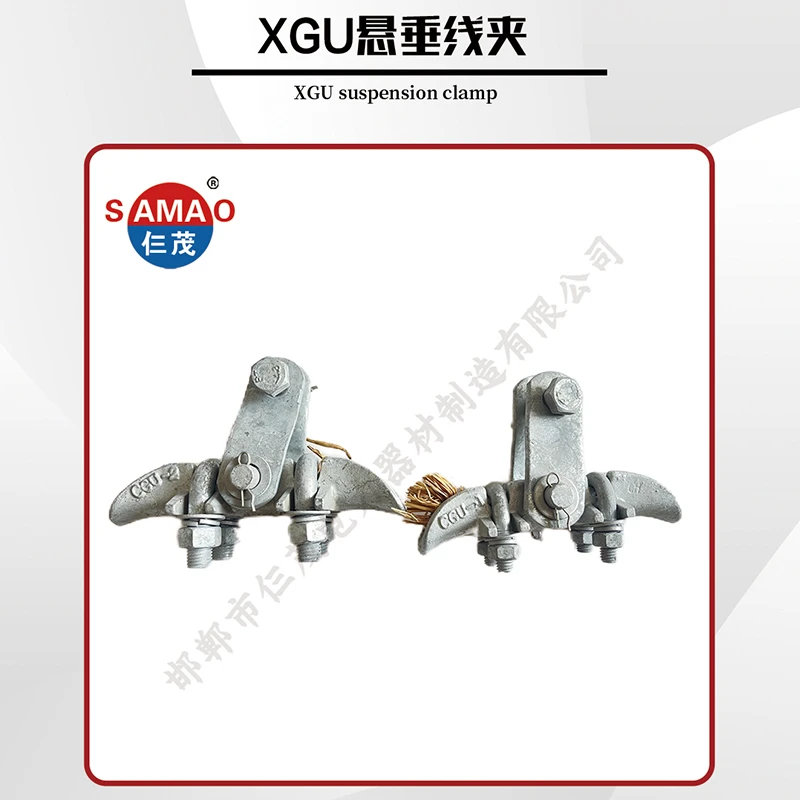
In the realm of electrical distribution and overhead line maintenance, precision and stability are non-negotiable. The pengapit ampaian tnb serves as a critical component in ensuring that power cables are securely fastened and properly aligned across utility poles. Designed to meet rigorous industrial standards, these clamps prevent cable slippage and reduce mechanical stress on the network, which is essential for maintaining an uninterrupted power supply. For engineers and contractors, selecting a high-quality clamp is not just about installation, but about long-term reliability and safety. In this guide, we will explore the technical advantages and applications of these essential fittings.
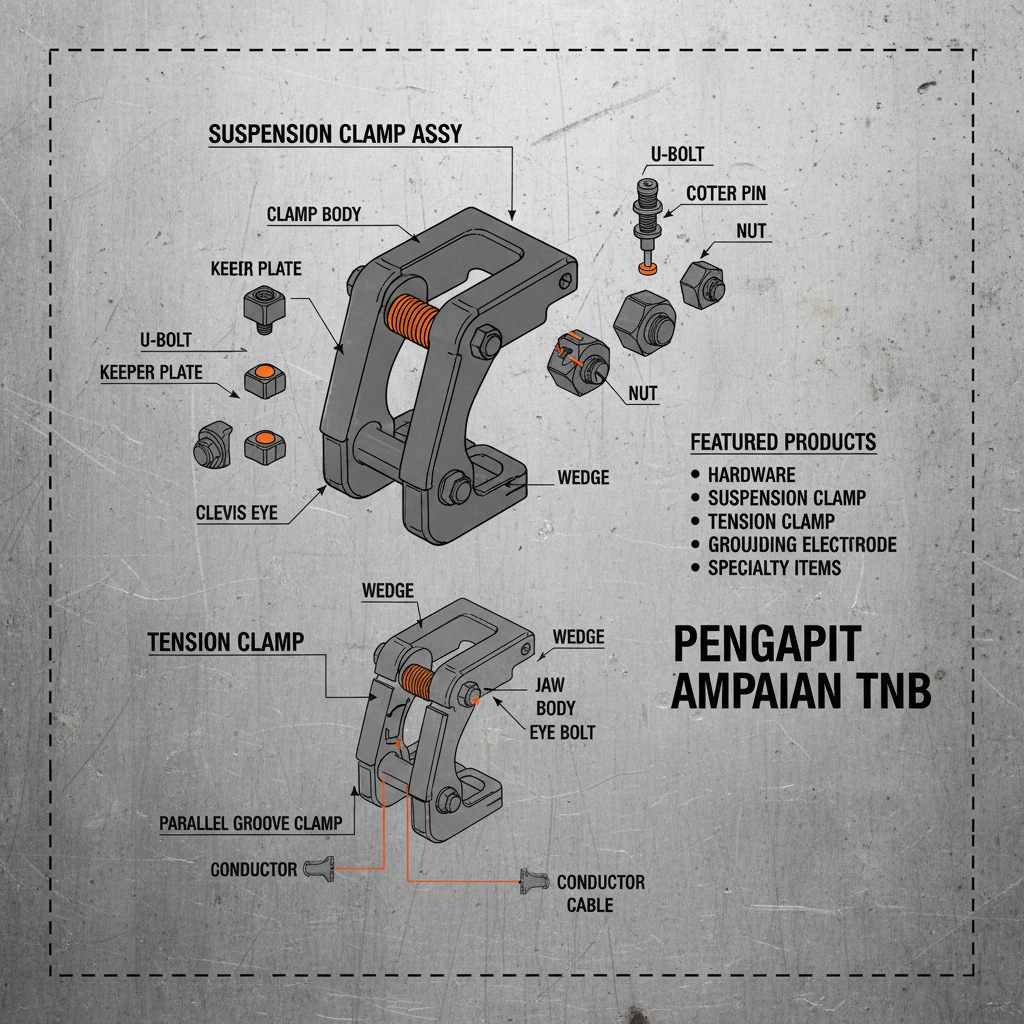
Structural Design of the Pengapit Ampaian TNB
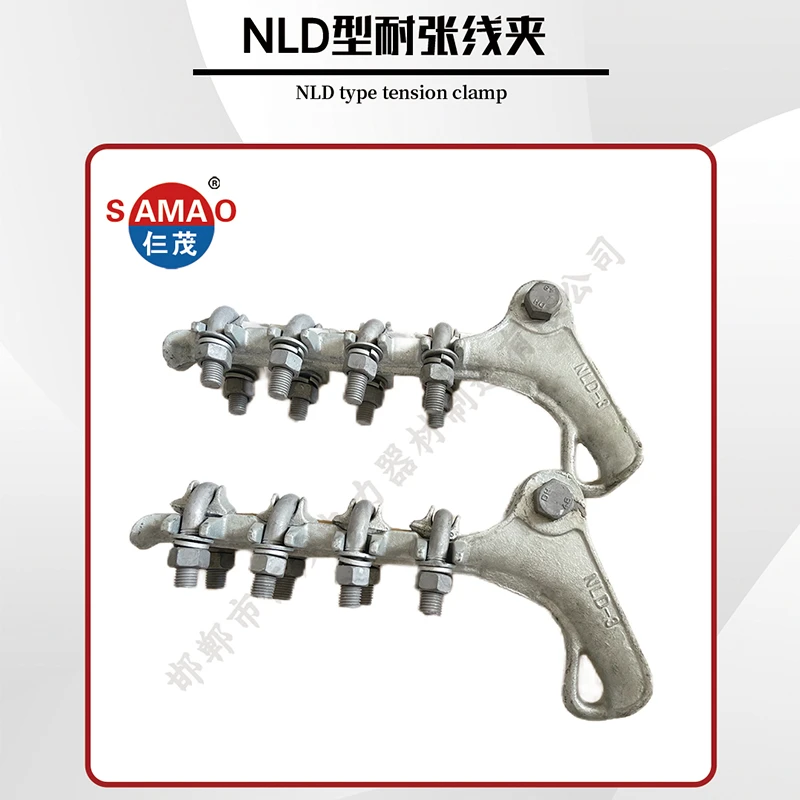
The efficiency of a pengapit ampaian tnb lies in its robust structural engineering. Typically manufactured from high-grade galvanized steel or reinforced alloys, these clamps are built to withstand extreme environmental pressures, including high winds, heavy rain, and temperature fluctuations. The grip mechanism is engineered to distribute pressure evenly across the cable surface, preventing the "cutting" effect that occurs with inferior clamps. This ensures that the insulation of the cable remains intact while providing maximum hold. By utilizing advanced anti-corrosion coatings, these components maintain their integrity for decades, significantly reducing the frequency of maintenance cycles for utility providers.
Technical Highlight: The use of hot-dip galvanization ensures that the clamps are protected against oxidation, making them ideal for coastal areas where salt spray typically accelerates metal degradation.
Comparison: Pengapit Ampaian TNB vs. Generic Clamps
When comparing a professional-grade pengapit ampaian tnb with generic cable clamps, the difference in performance is stark. Generic options often lack the specific load-bearing certifications required for national grid standards, leading to a higher risk of failure during storm events. The TNB-spec clamps are specifically calibrated for the weight and tension of standard utility cables, offering a balanced grip that secures without crushing. Below is a detailed comparison reflecting the operational advantages of choosing certified hardware.
Installation Best Practices for Pengapit Ampaian TNB
Proper installation is as important as the quality of the hardware itself. When deploying the pengapit ampaian tnb, technicians must ensure that the clamp is positioned at the correct angle to manage cable sag. Over-tightening can damage the cable sheath, while under-tightening leads to instability. Using calibrated torque wrenches is highly recommended to ensure consistent pressure across all installation points. Furthermore, checking the alignment of the "ampaian" (cable spread) ensures that cables do not touch, preventing potential short circuits or electrical interference between adjacent lines.
Technical Specifications of Pengapit Ampaian TNB Components
To facilitate accurate procurement and project planning, it is essential to understand the technical specifications. A standard pengapit ampaian tnb is designed to accommodate various cable diameters while maintaining a high tensile strength rating. The dimensions are standardized to ensure compatibility with existing utility pole brackets and accessories. The following table outlines the typical specifications found in industrial-grade units.
Environmental Impact and Sustainability
Sustainability in utility infrastructure is often overlooked, but the choice of materials for the pengapit ampaian tnb plays a significant role. By utilizing highly durable, recyclable steel, these components reduce the overall waste generated by frequent replacements. Furthermore, the prevention of cable failure minimizes the risk of electrical fires and accidental power outages, which can have severe ecological and social impacts. Modern manufacturing processes for these clamps now emphasize lower carbon emissions and the elimination of toxic chemicals during the galvanization process, ensuring that the infrastructure of today does not compromise the environment of tomorrow.
Conclusion: Securing the Future of Power Distribution
The pengapit ampaian tnb is far more than a simple fastener; it is a cornerstone of electrical grid stability. Through superior material science and precision engineering, it ensures that power lines remain secure against the elements, reducing downtime and enhancing public safety. For utility providers and electrical contractors, investing in certified, high-performance clamps is the most effective way to lower long-term maintenance costs and guarantee network reliability. Choose quality, ensure stability, and power the future with confidence.
Frequently Asked Questions (FAQs)
How often should the pengapit ampaian tnb be inspected?
It is recommended that these clamps be inspected annually as part of a routine maintenance schedule. Special attention should be given after major weather events, such as heavy storms or cyclones, to check for any signs of loosening or structural deformation. Inspectors should look for oxidation streaks, which may indicate a breach in the galvanization layer, or cable shifting, which suggests the clamp needs re-tensioning. Timely inspection prevents catastrophic failures and extends the overall life of the distribution network.
Can these clamps be used for all types of cables?
While the pengapit ampaian tnb is highly versatile, it is specifically optimized for utility-grade power and telecommunication cables, such as Aerial Bundled Cables (ABC). It may not be suitable for extremely thin wires or specialized high-voltage armored cables that require different gripping mechanisms. Always verify the cable diameter and the maximum tensile load against the clamp's specifications before installation to ensure a safe and secure fit.
What is the primary advantage of hot-dip galvanization in these clamps?
Hot-dip galvanization provides a thick, durable layer of zinc that protects the underlying steel from corrosion. Unlike cold galvanizing or painting, hot-dip galvanization creates a metallurgical bond that is far more resistant to scratches and weathering. This is critical for components like the pengapit ampaian tnb, which are exposed to the outdoors 24/7. This process prevents rust from compromising the structural integrity of the clamp, ensuring that the power cables remain securely held even in highly humid or salty environments.
Where can I purchase certified pengapit ampaian tnb hardware?
To ensure you are getting hardware that meets the necessary safety and industrial standards, it is best to purchase from reputable suppliers who specialize in electrical infrastructure components. You can find high-quality, certified solutions and detailed product catalogs by visiting the Samaoep official website. Buying from a specialized provider ensures that you receive products that have undergone rigorous quality control and are compatible with national utility requirements.
-
Laundry Efficiency Guide with pengapit ampaian dengan cangkuk iNewsApr.16,2026
-
Comprehensive Guide to Selecting the Right pengapit penggantungan untuk kabel lt ab SolutionsNewsApr.07,2026
-
Comprehensive Guide to Pengapit Talian Penghantaran for Secure Package DeliveryNewsApr.04,2026
-
Comprehensive Guide to Pemasangan Pengapit Penggantungan for Overhead Cabling SystemsNewsMar.31,2026
-
Comprehensive Guide to Pengapit Ampaian yang Telah Dibentuk for Construction SafetyNewsMar.28,2026
-
Comprehensive Guide to Pengapit Ampaian Besi for Scaffolding SafetyNewsMar.26,2026
-
Understanding Pengapit Suspensi Gentian Optik for Enhanced Helmet Safety and PerformanceNewsMar.24,2026