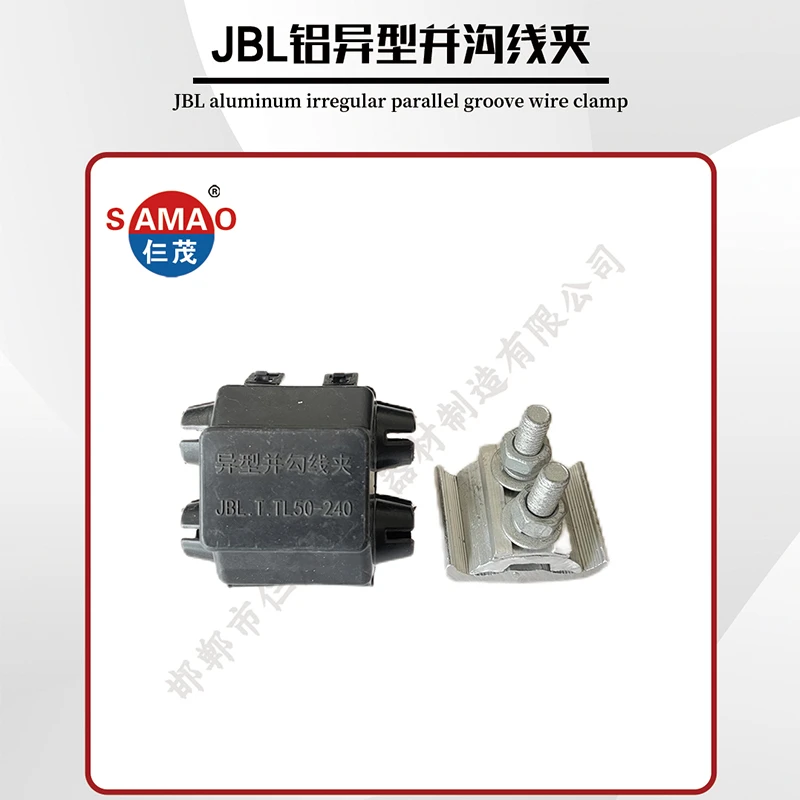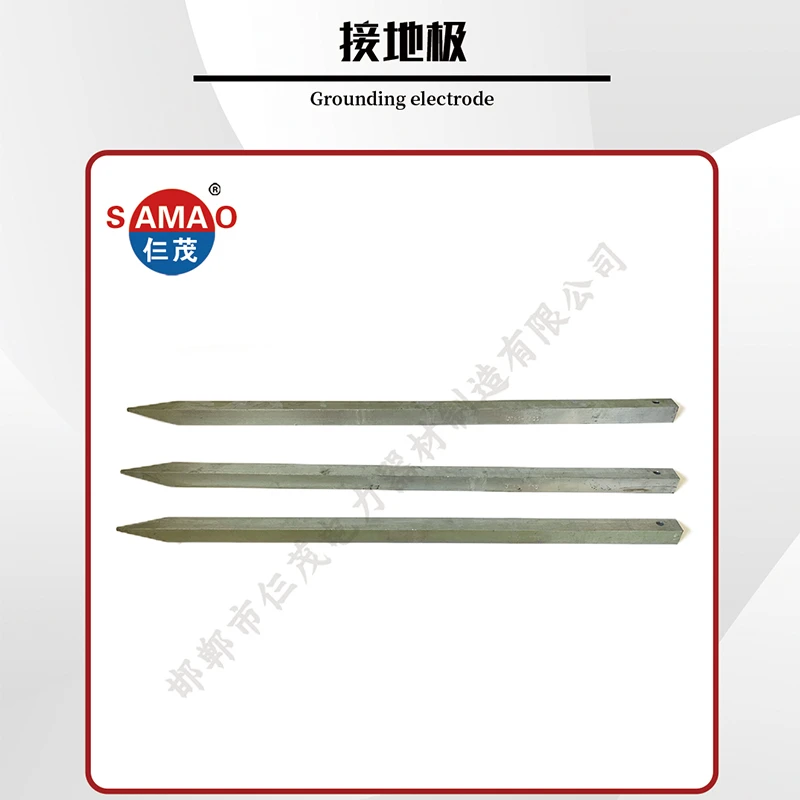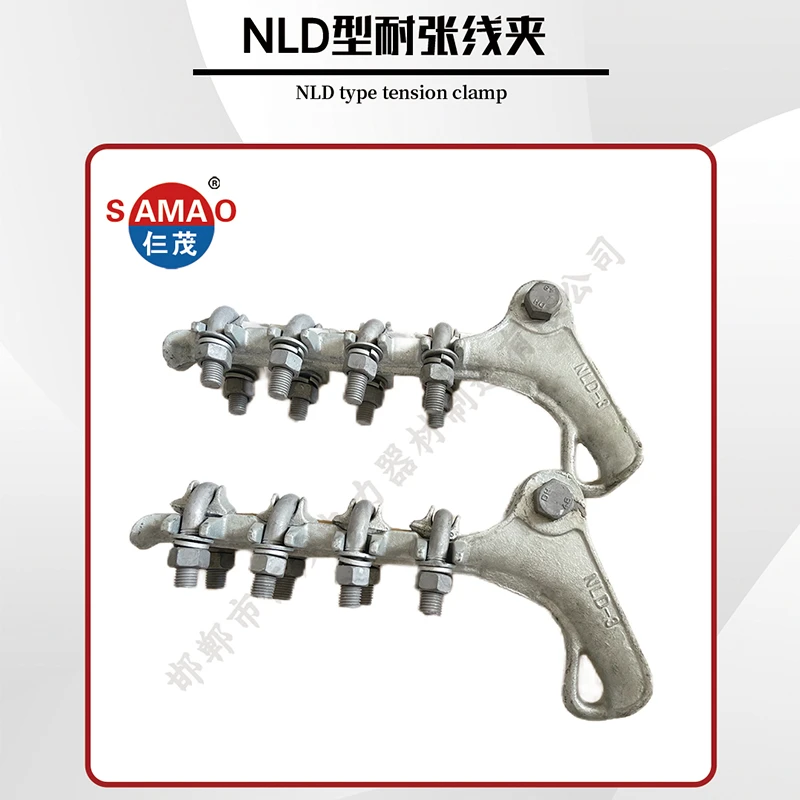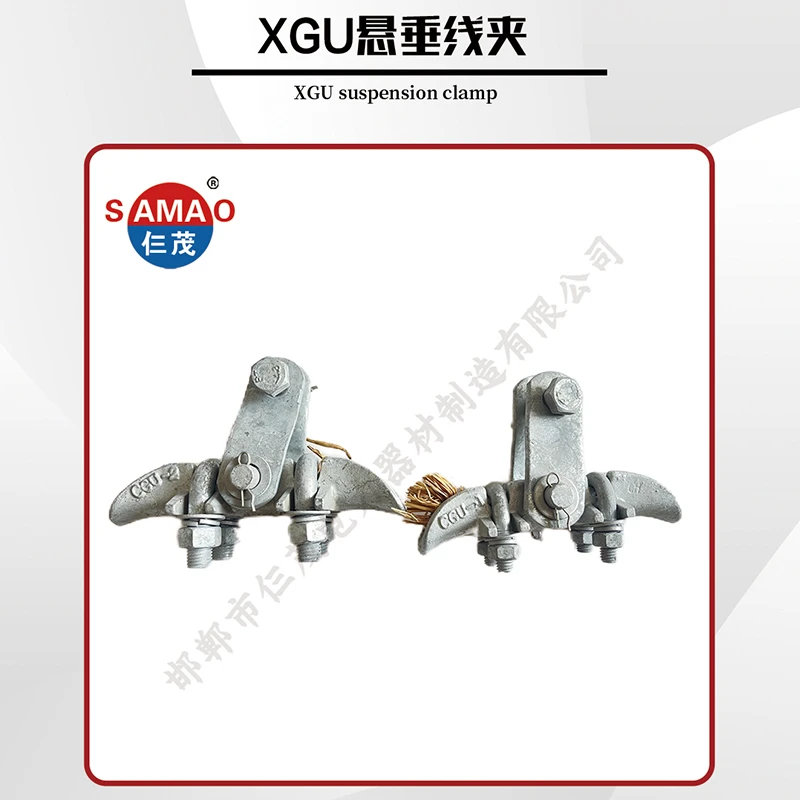
Comprehensive Guide to ống kẹp treo: Industrial Pipe Clamps Explained
Understanding ống kẹp treo: The Backbone of Secure Industrial Installations
You might not have heard the term ống kẹp treo before, but odds are high that you’ve indirectly encountered its presence in modern infrastructure. At its core, “ống kẹp treo” translates roughly to “hanging pipe clamp” in Vietnamese, and it’s an essential industrial accessory used to secure pipes in various environments. Why should we care globally? Because pipes, often unnoticed, deliver water, gas, chemicals, or even data conduits—critical for everything from city water systems to large-scale industrial plants. Ensuring these pipes stay firmly fixed is crucial for safety, efficiency, and longevity.
Global Context: Why ống kẹp treo Matters More Than Ever
The world’s infrastructure is aging, and with accelerating urbanization (UN estimates urban populations will rise to 68% by 2050), the demand for reliable pipe-hanging systems has never been greater. According to ISO standards on piping systems, improper fastening is one of the leading causes of system failures and leaks—a costly problem environmentally and financially.
Yet, many regions, especially developing ones, face the challenge of securing pipes that endure harsh environmental conditions, seismic activity, or rapid installation needs. That’s precisely where robust and adaptable ống kẹp treo help overcome problems: they offer scalable, versatile solutions critical in these contexts.
Mini takeaway: Ống kẹp treo, while niche, plays a vital role globally by preventing pipe damage and streamlining industrial installations, especially as infrastructure demands surge worldwide.
What Exactly Is ống kẹp treo?
Simply put, ống kẹp treo is a type of clamp designed to hold pipes suspended from ceilings, walls, or overhead frameworks securely. Unlike rigid pipe supports resting on grounds, these clamps “hang” the pipes, allowing for flexible layout, vibration dampening, and easier maintenance.
In modern industries—think factories, hospitals, power plants—these clamps are often crafted from steel or stainless steel, with various finishes to resist corrosion. Their relevance runs beyond mere mechanical necessity; from humanitarian projects deploying water supply in disaster zones to urban high-rises managing HVAC systems, ống kẹp treo is fundamental.
Key Features of ống kẹp treo
1. Durability
Most ống kẹp treo are designed to withstand substantial loads and resist environmental decay. Stainless steel variants resist rust, while galvanized clamps offer corrosion protection at a lower price point. This durability ensures longevity in harsh industrial setups.
2. Scalability & Versatility
From tiny pipes of less than an inch diameter to massive industrial conduits, ống kẹp treo comes in various sizes and load ratings, making them adaptable across industries.
3. Ease of Installation
Many clamps feature quick-fasten designs; some come with adjustable bolts or rubber lining to mitigate vibration or thermal expansion, which frankly makes a big difference in maintenance and operational safety.
4. Cost Efficiency
While initial costs vary, the long-term savings from preventing pipe damage, leaks, or downtime often justify the investment. Less repair, less labor time—always a good combo.
5. Compliance & Standards
High-quality ống kẹp treo follow ISO or ASTM standards, ensuring reliability in industrial settings and peace of mind for engineers and clients alike.
Mini takeaway: The best ống kẹp treo combine strength, versatility, and smart design to help pipelines stay secure under many conditions.
Typical Specifications of ống kẹp treo
| Specification | Details |
|---|---|
| Material | Stainless Steel, Galvanized Steel, Carbon Steel |
| Pipe Diameter Range | 8 mm to 600 mm |
| Load Capacity | Up to 500 kg per clamp |
| Temperature Range | -40°C to 200°C |
| Finish Options | Polished, Powder Coated, Galvanized |
Global Applications & Use Cases of ống kẹp treo
The range of places you’ll find these clamps is impressively broad. In Southeast Asia, for example, rapid industrial growth and heavy monsoon seasons push the need for reliable pipe supports that resist corrosion and endure storms. In the Middle East’s oil fields, ống kẹp treo secure pipes carrying volatile substances, ensuring worker safety. Meanwhile, in European hospitals, these clamps help hold sensitive HVAC and medical gas pipelines safely overhead.
One striking case was the emergency water supply reconstruction after the 2011 Tōhoku earthquake in Japan. Fast and secure installation using modular ống kẹp treo allowed restoration projects to run faster, reducing downtime.
Mini takeaway: The adaptability of ống kẹp treo enables critical infrastructure resilience worldwide, from disaster relief to everyday industrial use.
Vendor Comparison for ống kẹp treo
| Vendor | Material Options | Price Range (USD) | Lead Time | Customization |
|---|---|---|---|---|
| VinaClamp Co. | Stainless Steel, Galvanized | $5 - $25 per unit | 2-3 weeks | Standard and custom sizes |
| GlobalPipe Fix | Carbon Steel, Stainless Steel | $4 - $30 per unit | 4-6 weeks | Full customization available |
| EcoFix Solutions | Recycled Steel, Stainless | $6 - $22 per unit | 3-4 weeks | Green-certified designs |
Advantages & Long-Term Value
Why choose quality ống kẹp treo? Aside from the obvious safety implications—avoiding pipe bursts or failures—there’s an emotional peace of mind for project managers. These clamps foster dignity in infrastructure by providing reliable, lasting solutions for communities dependent on clean water, energy, or industrial output.
Financially, investing in robust hanging clamps reduces future repair, insurance claims, and operational downtime. From a sustainability point of view, longer-lasting materials minimize waste and environmental impact. That rings especially true as more industries push “green” certifications.
Future Trends & Innovations
Looking ahead, I find it fascinating how ống kẹp treo are evolving. Manufacturers are experimenting with composite materials reducing weight while boosting strength. Digital sensors embedded into clamps can monitor pipe vibration or corrosion remotely—part of Industry 4.0 automation.
Additionally, sustainable finishing methods and recycled metals align with global climate goals. This means future clamps won’t just hold pipes — they’ll be smarter, greener, and more efficient.
Challenges & Solutions
Of course, not everything is perfect in current practice. Challenges include:
- Corrosion, especially in highly acidic or salty environments
- Variations in pipe temperature causing expansion and contraction
- Installation errors or insufficient load ratings for heavy pipes
Solutions? Advanced coatings, rubber gaskets inside clamps to absorb vibration, and rigorous engineering specs can address these. Training installers and ongoing inspection regimes further help avoid failures.
FAQ: Common Questions About ống kẹp treo
- What materials are best for ống kẹp treo in coastal environments?
- Stainless steel or galvanized clamps with high corrosion resistance are preferable to withstand salt spray and humidity typically found near coasts.
- Can ống kẹp treo accommodate pipe expansion due to heat?
- Yes, many clamps today include rubber-lined or adjustable designs that absorb thermal expansion forces, preventing damage.
- How quickly can ống kẹp treo be installed for emergency setups?
- With modular, quick-fasten designs, crews can install clamps within hours depending on pipe length and environment, making them ideal for relief operations.
- Are customized ống kẹp treo costly?
- Customization adds some cost, but it’s often offset by improved fit and reliability, reducing long-term expenses.
- Where can I source reliable ống kẹp treo?
- Check reputable manufacturers like VinaClamp Co. or EcoFix Solutions, and consider visiting ống kẹp treo specialist sites for sourcing and advice.
Conclusion
In real terms, ống kẹp treo might seem a small cog in the vast machinery of global infrastructure—but its role is hardly minor. These clamps provide critical support to pipes that keep industries and communities running safely every day. Understanding their importance, technical nuances, and future possibilities is key for engineers, suppliers, and planners alike.
If you’re interested in learning more or sourcing quality ống kẹp treo, you’re welcome to visit our website: https://www.samaoep.com.
Final thought: Pipes may carry the flow, but ống kẹp treo hold the flow together.
-
Laundry Efficiency Guide with pengapit ampaian dengan cangkuk iNewsApr.16,2026
-
Optimizing Power Infrastructure with the pengapit ampaian tnbNewsApr.09,2026
-
Comprehensive Guide to Selecting the Right pengapit penggantungan untuk kabel lt ab SolutionsNewsApr.07,2026
-
Comprehensive Guide to Pengapit Talian Penghantaran for Secure Package DeliveryNewsApr.04,2026
-
Comprehensive Guide to Pemasangan Pengapit Penggantungan for Overhead Cabling SystemsNewsMar.31,2026
-
Comprehensive Guide to Pengapit Ampaian yang Telah Dibentuk for Construction SafetyNewsMar.28,2026
-
Comprehensive Guide to Pengapit Ampaian Besi for Scaffolding SafetyNewsMar.26,2026