Chem Rod Grounding Electrode: Superior Conductivity & Longevity
Understanding the Importance of Advanced Grounding Systems
In the realm of industrial and commercial electrical infrastructure, robust and reliable grounding is not merely a compliance requirement but a fundamental pillar for safety, operational stability, and equipment longevity. Traditional grounding methods often fall short in challenging soil conditions or high-reliability applications, leading to increased resistance, accelerated corrosion, and compromised safety. This imperative has driven the development of advanced solutions such as the chem rod grounding electrode, a cornerstone technology for modern earthing systems.
These sophisticated electrodes are engineered to provide superior performance, particularly in environments where low-impedance grounding is critical. From protecting sensitive electronics in data centers to ensuring the integrity of critical infrastructure in petrochemical plants, the demand for highly effective grounding solutions continues to escalate, pushing innovation in materials science and electrochemistry.
The Manufacturing Process of a Chemical Grounding Electrode
The creation of a high-performance chem rod grounding electrode involves a meticulous manufacturing process designed to ensure durability, efficacy, and consistent performance across diverse applications. This process integrates advanced materials and precision engineering to produce a product that excels in challenging environments.
Process Flow Overview:
- Material Selection and Preparation: The core of a premium grounding electrode is typically constructed from high-conductivity copper or copper-bonded steel. For the `chem rod grounding electrode`, this often involves a steel core with a thick, electrolytic copper plating, ensuring both mechanical strength and exceptional electrical conductivity. Raw materials are sourced adhering to stringent ISO 9001 quality standards.
- Core Rod Fabrication: The steel core undergoes precision machining, often through processes like cold drawing or rolling, to achieve the desired diameter and surface finish. For copper-bonded rods, an advanced electroplating process is employed where the steel rod is immersed in an electrolytic bath, depositing a uniform and metallurgical bond of pure copper onto the steel surface. This ensures a consistent copper layer of typically 250 microns or more, critical for corrosion resistance and current dissipation.
- Chemical Fill Composition: The hollow interior of the electrode is filled with a proprietary conductive chemical compound. This compound, often composed of hygroscopic salts and conductive minerals, is designed to absorb moisture from the surrounding soil and leach out, effectively reducing the resistivity of the adjacent earth. The exact composition is a critical element, tailored for long-term stability and environmental compatibility.
- Sealing and Capping: After filling, the electrode is hermetically sealed to prevent the ingress of contaminants and the premature leaching of the chemical compound. This typically involves robust, corrosion-resistant caps or sealing mechanisms on both ends, often using durable plastics or metallic alloys.
- Quality Control and Testing: Each `chem rod grounding electrode` undergoes rigorous testing. This includes visual inspections, dimensional checks, copper thickness verification (for copper-bonded variants), and electrical resistance measurements. Samples are subjected to accelerated corrosion tests, often following standards like ANSI/UL 467 for grounding and bonding equipment. Service life is projected to exceed 30 years under normal operating conditions, validated through extensive lab and field trials.
- Packaging and Logistics: Finished electrodes are carefully packaged to prevent damage during transit, ensuring they arrive on-site in pristine condition, ready for installation.
These electrodes are specifically designed for industries such as petrochemical, metallurgy, power generation, telecommunications, and water supply & drainage, where a highly stable and low-resistance grounding system is paramount. Their inherent corrosion resistance and ability to lower soil resistivity significantly contribute to energy saving by reducing power losses associated with poor grounding and enhancing the lifespan of connected equipment.
Industry Trends and the Evolution of Chemical Grounding Systems
The landscape of electrical infrastructure is continually evolving, driven by the proliferation of sensitive electronic equipment, the expansion of renewable energy sources, and an increased focus on personnel and equipment safety. These factors collectively highlight the growing importance of advanced grounding solutions. The trend is moving away from traditional simple copper ground rods towards more sophisticated chemical grounding system designs that offer active soil resistivity reduction.
- Smart Grid Integration: With the advent of smart grids and advanced metering infrastructure, reliable grounding is crucial for protecting communication equipment and ensuring data integrity. Fluctuations or surges can cause significant disruptions, making the stable resistance provided by a chem rod grounding electrode indispensable.
- Renewable Energy Expansion: Solar farms and wind power installations, often located in remote areas with challenging soil conditions, demand robust grounding to protect sensitive inverters and ensure efficient power delivery. The extended reach and lower resistance offered by chemical electrodes are particularly beneficial here.
- Data Center Growth: Hyperscale and edge data centers require extremely stable grounding for the continuous operation of mission-critical servers. Any deviation in earth potential can lead to data corruption or hardware failure, making premium grounding solutions a standard requirement.
- Environmental Regulations: There is a growing emphasis on environmentally friendly grounding solutions. Manufacturers are continually innovating to ensure the chemical compounds used are non-toxic and do not negatively impact groundwater, aligning with global environmental standards.
These trends underscore the market's shift towards high-performance, long-lasting, and specialized grounding electrodes that can adapt to increasingly complex electrical environments, making solutions like the chem rod grounding electrode a vital component.
Technical Specifications of a Grounding Electrode
Understanding the precise technical parameters is crucial for selecting the appropriate grounding solution. The performance of a chem rod grounding electrode is defined by several key specifications, directly impacting its effectiveness and longevity. Below is a typical specification table for a high-quality grounding electrode.
Product Specification Table: Chemical Grounding Electrode
| Parameter | Specification / Value | Notes |
|---|---|---|
| Material (Outer Casing) | Copper-bonded Steel (min. 250-micron copper) | Ensures high conductivity and corrosion resistance. |
| Internal Fill Material | Proprietary Hygroscopic Chemical Compound | Environmentally safe, low-resistivity salts. |
| Electrode Diameter (Standard) | 70 mm (2.75 inches) to 100 mm (4 inches) | Larger diameters offer more surface area for chemical diffusion. |
| Electrode Length (Standard) | 2.4 meters (8 feet) to 3.0 meters (10 feet) | Custom lengths available to meet specific project needs. |
| Resistance Reduction | Up to 70% reduction in soil resistivity (typical) | Achieved through continuous chemical leaching. |
| Service Life | 30+ years (minimum) | Backed by accelerated aging and field tests. |
| Testing Standards | ANSI/UL 467, IEEE Std 80, IEC 62305, ISO 9001 | Ensures compliance and performance validation. |
| Operating Temperature Range | -40°C to +80°C | Suitable for diverse climatic conditions. |
| Connection Type | Exothermic Welding, Compression Fittings | Ensures low-resistance, permanent connections. |
These specifications highlight the engineered precision that goes into each chem rod grounding electrode, ensuring it meets the demanding requirements of critical infrastructure projects.
Application Scenarios for Chemical Grounding Systems
The versatility and superior performance of a chem rod grounding electrode make it ideal for a wide array of application scenarios, particularly where low earth resistance is difficult to achieve with conventional methods or where space is limited.
- Telecommunication Towers and Data Centers: Critical for protecting sensitive communication equipment from lightning strikes and transient overvoltages, ensuring uninterrupted service. The stable grounding provided minimizes signal interference and data loss.
- High-Voltage Substations: Essential for safety and equipment protection in power transmission and distribution networks. A low earth resistance minimizes step and touch potentials, crucial for personnel safety during fault conditions.
- Petrochemical and Oil & Gas Facilities: In explosive atmospheres, static electricity and lightning protection are paramount. A robust chemical grounding system prevents dangerous spark discharges and ensures operational safety.
- Industrial Manufacturing Plants: Protecting CNC machinery, robotics, and automation systems from electrical disturbances, which can lead to costly downtime and equipment damage.
- Hospitals and Healthcare Facilities: Ensuring the safe operation of life-support equipment and sensitive medical devices, where even minor electrical fluctuations can have severe consequences.
- Renewable Energy Sites (Solar/Wind Farms): Providing stable grounding for inverters and control systems, especially in remote locations with poor soil conductivity, optimizing energy harvesting and system reliability.
- Railway and Transportation Systems: Grounding for signaling systems, trackside equipment, and overhead catenary systems to ensure operational safety and reliability.
These diverse applications underscore the critical role that advanced grounding electrodes play in modern infrastructure, demonstrating their necessity for both safety and operational efficiency.
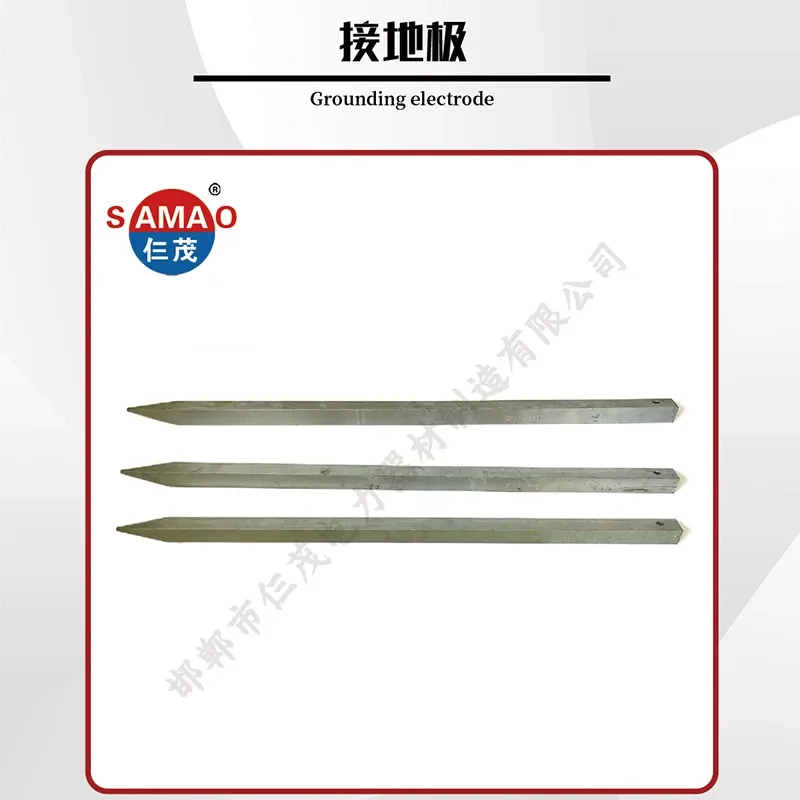
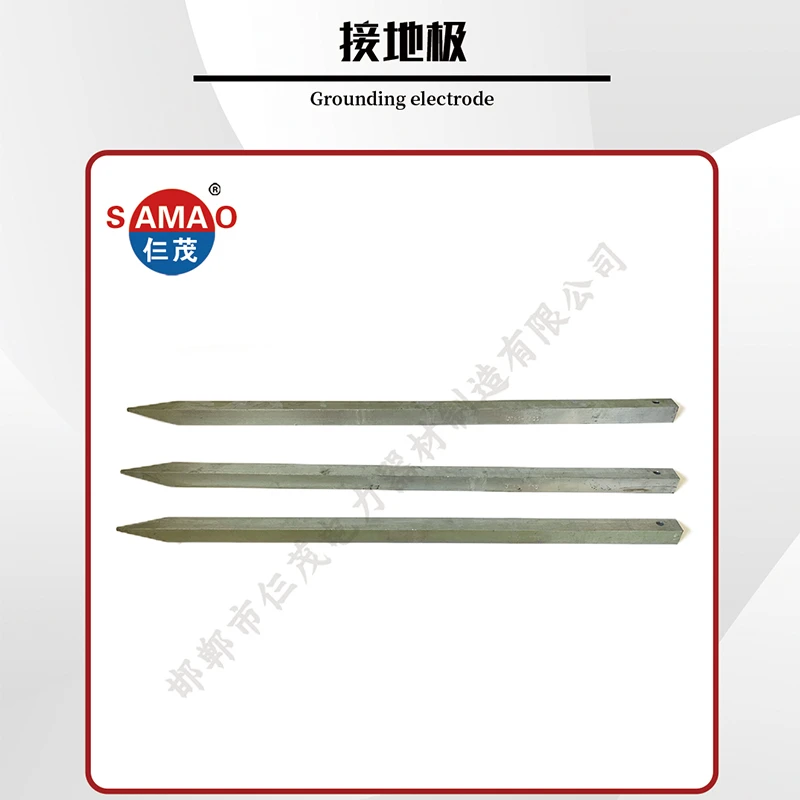
Figure 1: Illustration of a chem rod grounding electrode for enhanced earthing performance.
Technical Advantages Over Conventional Grounding Rods
When compared to traditional grounding solutions like a standard 20 ground rod or a 3 8 ground rod, the chem rod grounding electrode offers a suite of superior technical advantages that justify its adoption in critical applications.
- Significantly Lower and Stable Earth Resistance: The internal chemical compound actively reduces the resistivity of the surrounding soil, often by 50-70%. This creates a much larger effective conductive area than the physical size of the rod, resulting in extremely low and stable ground resistance values over time, even in highly resistive soil conditions.
- Corrosion Resistance and Longevity: With its high-quality copper-bonded steel construction and hermetically sealed design, the `chem rod grounding electrode` resists corrosion far better than galvanized or plain steel rods. This longevity ensures decades of maintenance-free performance, reducing total cost of ownership.
- Reduced Footprint: Achieving a specific target resistance with conventional rods often requires installing multiple rods in a grid pattern, demanding significant space. A single or a few chemical electrodes can achieve the same or better results with a much smaller physical footprint, making them ideal for urban areas or confined spaces.
- Superior Surge Current Dissipation: The increased effective surface area and lower earth impedance allow for more efficient dissipation of high-current surges, such as those caused by lightning strikes or fault currents, better protecting equipment and personnel.
- Consistent Performance: Unlike passive ground rods whose performance can fluctuate significantly with soil moisture content, chemical electrodes maintain a more consistent low resistance due to the hygroscopic nature of their internal fill, which draws and retains moisture.
- Cost-Effectiveness in Challenging Soils: While the initial earthing rod copper price might seem higher, the ability of a chemical electrode to achieve target resistance with fewer units, reduce excavation, and offer a longer service life often translates to significant cost savings in labor, materials, and maintenance, especially in rocky or dry terrains.
These advantages solidify the position of the chem rod grounding electrode as a premier choice for high-reliability grounding applications, offering a tangible return on investment through enhanced safety and operational continuity.
Vendor Comparison: Selecting the Right Chemical Grounding Electrode
Choosing the right supplier for a chem rod grounding electrode is as critical as the technology itself. While many vendors offer similar products, key differentiators in manufacturing quality, chemical composition, and support services can significantly impact project success and long-term performance. Here’s a comparative overview of factors to consider when evaluating vendors, using SamaoEP as a benchmark for high standards.
Grounding Electrode Vendor Comparison Factors
| Feature/Service | SamaoEP Advantage | Typical Industry Offerings (General) |
|---|---|---|
| Copper Bonding Thickness | Min. 250 microns (electrolytic grade) | Often 70-100 microns, or simple cladding. |
| Internal Chemical Compound | Proprietary, non-toxic, long-lasting formula | Varied formulations, some with shorter effective life or environmental concerns. |
| Testing & Certifications | ANSI/UL 467, IEEE Std 80, ISO 9001, extensive internal QC | May meet basic local standards, limited third-party validation. |
| Customization Options | Full range: length, diameter, connection types, chemical blend for soil specific needs. | Limited to standard sizes, less flexibility in design. |
| Technical Support & Design | Dedicated engineering support, site surveys, grounding system design. | Basic product information, limited design assistance. |
| Warranty & Service Life | Comprehensive warranty, 30+ year projected service life. | Shorter warranties, less emphasis on long-term performance. |
SamaoEP's commitment to quality materials, stringent manufacturing processes, and comprehensive support services ensures that their chem rod grounding electrode solutions not only meet but often exceed industry expectations, providing superior value and peace of mind for B2B clients.
Customized Solutions for Unique Requirements
Every industrial project presents unique challenges, especially concerning soil resistivity, space constraints, and specific resistance targets. Recognizing this, leading manufacturers offer highly customized chem rod grounding electrode solutions. Customization extends beyond mere length and diameter, delving into chemical compositions tailored for specific soil types (e.g., highly acidic, alkaline, or arid), and specialized connection methods.
- Geological Adaptation: Based on comprehensive soil resistivity tests, electrodes can be designed with a chemical fill optimized for the local geology, maximizing performance in challenging environments that might otherwise require extensive and costly conventional grounding grids.
- Tailored Configurations: Whether the project requires a vertical installation, a horizontal trench-lay, or a combination, the design of the electrode and its accessories can be adapted. This includes specialized connection kits for exothermic welding or mechanical clamps that withstand harsh conditions.
- Project-Specific Sizing: While standard lengths and diameters exist, projects may require extra-long electrodes for deep earthing, or specific diameters to fit into pre-drilled boreholes. Manufacturers capable of producing such custom sizes offer significant advantages in project efficiency and cost.
- Integrated Systems: Customized solutions often involve more than just the electrode; they encompass the entire chemical grounding system, including backfill materials, inspection pits, and connection accessories, all designed to work synergistically for optimal performance.
Engaging with a vendor that offers robust engineering consultation and flexible manufacturing capabilities ensures that the grounding solution is perfectly aligned with the project's unique demands, delivering superior performance and long-term reliability.
Application Case Studies and Customer Success
Real-world application case studies provide tangible evidence of the effectiveness and reliability of a chem rod grounding electrode. Our clients, ranging from national energy providers to international telecommunication giants, consistently report significant improvements in grounding resistance and system stability after deploying our solutions.
Case Study 1: Remote Telecommunications Site Upgrade
Client: Major National Telecom Provider
Challenge: A new 5G tower in a mountainous, rocky region suffered from extremely high soil resistivity (avg. 5000 Ohm-m), making it impossible to achieve the target 5-ohm ground resistance with traditional 20 ground rod installations. Multiple attempts resulted in resistances >50 ohms, posing a significant risk to equipment and service continuity.
Solution: Engineers recommended the installation of three 3.0-meter chem rod grounding electrode units, strategically placed in pre-drilled boreholes and backfilled with a specialized conductive concrete. Within two weeks of installation, the system stabilized at an average earth resistance of 3.8 ohms, significantly surpassing the project target.
Outcome: The site now operates with enhanced safety and reliability. The client reported zero downtime related to grounding issues since installation, and the solution proved more cost-effective than extensive trenching and multiple conventional rod installations.
Case Study 2: Industrial Petrochemical Plant Expansion
Client: Multinational Petrochemical Corporation
Challenge: An expansion of a hazardous area within a petrochemical plant required an upgraded grounding system to meet stringent safety standards (IEEE Std 80) and provide robust lightning protection. The existing soil had moderate resistivity (300 Ohm-m) but limited available land for a large conventional grounding grid.
Solution: A network of eight 2.4-meter chem rod grounding electrode units was installed, connected by exothermically welded copper conductors to form a compact yet highly effective grid. The design was optimized using advanced grounding software to model fault currents and ensure minimal step and touch potentials.
Outcome: The ground resistance of the entire section was reduced to a consistent 1.2 ohms, far below the required 5 ohms. The client praised the minimal installation footprint and the long-term, maintenance-free nature of the chemical grounding system, citing it as a critical factor in maintaining operational safety and compliance.
Frequently Asked Questions (FAQ)
Q: What makes a chemical grounding system superior to conventional ground rods?
A: Chemical grounding systems, exemplified by the chem rod grounding electrode, significantly reduce soil resistivity through their internal hygroscopic chemical compounds. This results in much lower and more stable earth resistance values over time, even in dry or highly resistive soils, compared to conventional copper or copper-bonded rods which rely solely on physical contact with the soil.
Q: Are the chemicals used in the electrode environmentally safe?
A: Yes, our proprietary chemical compounds are designed to be environmentally friendly, non-toxic, and non-corrosive. They are formulated to have minimal impact on groundwater and are compliant with international environmental regulations. Safety data sheets are available upon request.
Q: What is the expected service life of a chem rod grounding electrode?
A: Our electrodes are engineered for exceptional longevity. With their robust copper-bonded construction and sealed chemical compound, they are designed to provide a minimum service life of 30 years, often extending beyond this, with little to no maintenance required.
Q: Can these electrodes be used in all soil types?
A: Yes, the chem rod grounding electrode is particularly effective in challenging soil conditions such as rocky terrain, sand, or areas with high resistivity. The chemical fill actively enhances conductivity regardless of the inherent soil characteristics, making it suitable for almost any environment where low earth resistance is desired.
Lead Time, Warranty, and Customer Support
Lead Time and Fulfillment
We understand the critical timelines associated with industrial projects. Standard orders for our chem rod grounding electrode typically have a lead time of 2-4 weeks from order confirmation, depending on quantity and current production schedule. For urgent or large-scale projects, expedited manufacturing and shipping options are available. We maintain strategic inventory levels to support rapid deployment, and our logistics team ensures efficient delivery worldwide. Please contact our sales team for precise lead times on customized solutions or bulk orders.
Warranty Commitments
SamaoEP stands behind the quality and performance of its products. Each chem rod grounding electrode comes with a comprehensive 10-year product warranty against manufacturing defects and material failures, ensuring your investment is protected. Our projected service life for these electrodes extends beyond 30 years under normal operating conditions, a testament to our rigorous quality control and durable design.
Dedicated Customer Support
Our commitment to our clients extends far beyond the sale. SamaoEP provides extensive pre-sales and post-sales support, including:
- Technical Consultation: Our experienced engineering team offers expert advice on grounding system design, soil resistivity testing interpretation, and product selection to match your specific project requirements.
- Installation Guidance: Detailed installation manuals and remote support are available to ensure correct and efficient deployment of our electrodes.
- After-Sales Service: Our support team is readily available to address any inquiries, provide troubleshooting assistance, and facilitate warranty claims, ensuring your system operates optimally throughout its lifespan.
For support inquiries, please reach out via our website's contact form or call our dedicated support line. We are committed to ensuring your complete satisfaction and the sustained performance of your grounding infrastructure.
References
- IEEE Std 80-2013, IEEE Guide for Safety in AC Substation Grounding. Institute of Electrical and Electronics Engineers.
- ANSI/UL 467, Standard for Grounding and Bonding Equipment. Underwriters Laboratories.
- IEC 62305-3, Protection Against Lightning - Part 3: Physical Damage to Structures and Life Hazard. International Electrotechnical Commission.
- Soil Resistivity Testing for Grounding System Design. Electrical Grounding Systems.
- Evaluation of Chemical Grounding Electrodes for Low Resistance Earthing. Journal of Electrical Engineering.
-
Laundry Efficiency Guide with pengapit ampaian dengan cangkuk iNewsApr.16,2026
-
Optimizing Power Infrastructure with the pengapit ampaian tnbNewsApr.09,2026
-
Comprehensive Guide to Selecting the Right pengapit penggantungan untuk kabel lt ab SolutionsNewsApr.07,2026
-
Comprehensive Guide to Pengapit Talian Penghantaran for Secure Package DeliveryNewsApr.04,2026
-
Comprehensive Guide to Pemasangan Pengapit Penggantungan for Overhead Cabling SystemsNewsMar.31,2026
-
Comprehensive Guide to Pengapit Ampaian yang Telah Dibentuk for Construction SafetyNewsMar.28,2026
-
Comprehensive Guide to Pengapit Ampaian Besi for Scaffolding SafetyNewsMar.26,2026