Comprehensive Guide to Suspension Clamps and Using Suspension Clamps Effectively
Using Suspension Clamps: A Comprehensive Guide
Suspension clamps are essential components in various industries, particularly in electrical infrastructure and construction. They securely hold conductors, such as power cables, to support structures like poles and walls. Understanding the different types of suspension clamps, their applications, and proper installation techniques is crucial for ensuring safe and reliable system operation. This article provides a detailed overview of suspension clamps, covering everything from material selection to best practices. Choosing the correct clamp and installing it properly can significantly enhance the longevity and safety of your infrastructure.
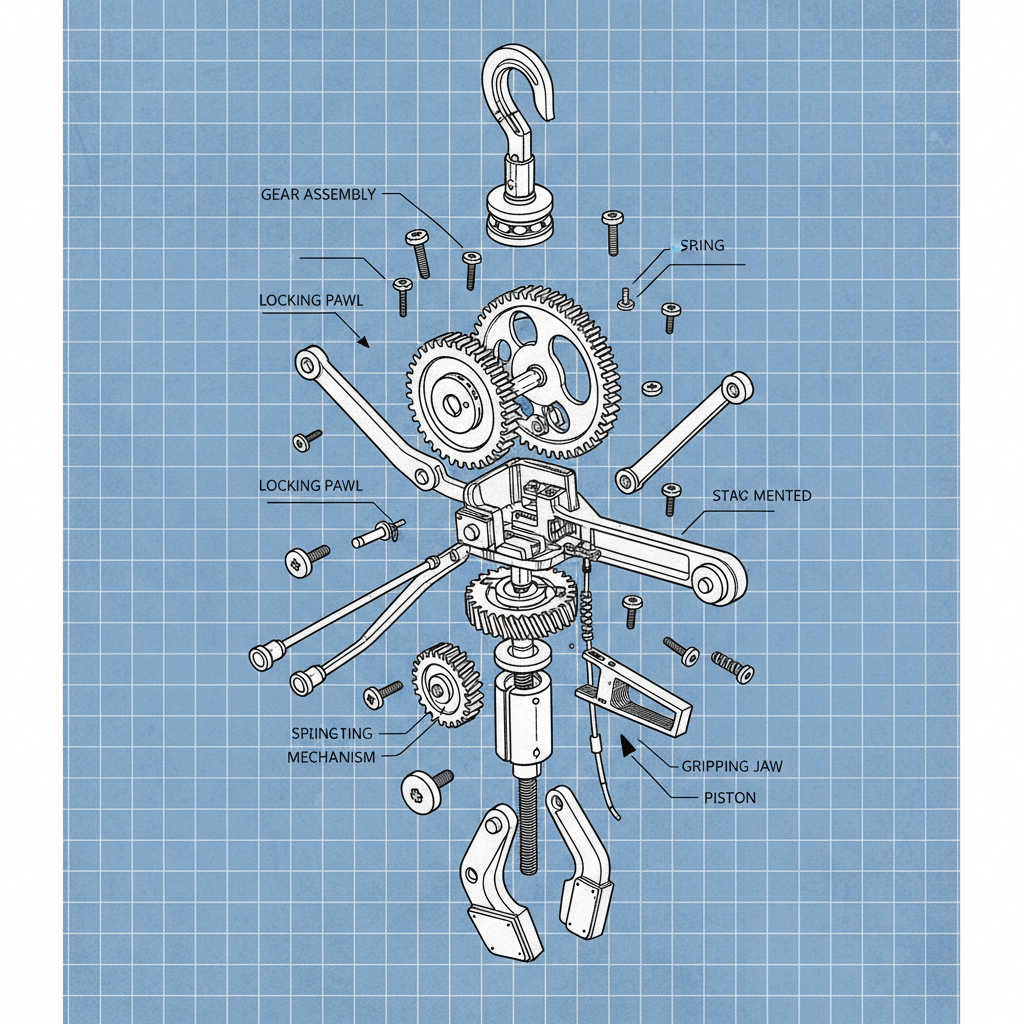
What are Suspension Clamps and Why are They Important?
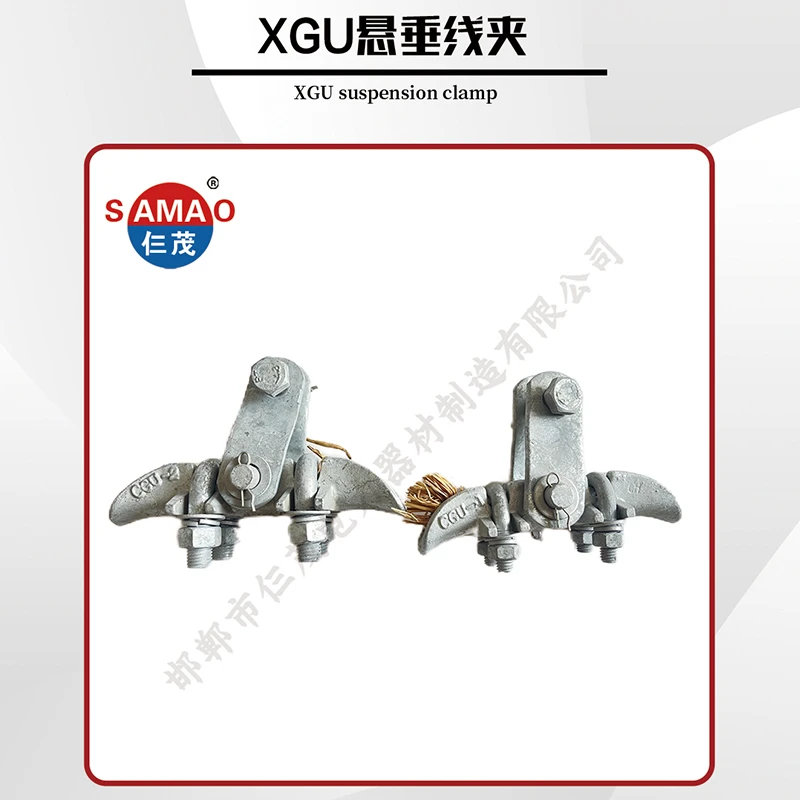
Suspension clamps, also known as hanging clamps, are mechanical devices used to suspend overhead conductors. Their primary function is to provide a secure and reliable connection between the conductor and the support structure. They are designed to withstand various stresses, including conductor weight, wind loads, and short-circuit forces. Using high-quality suspension clamps prevents conductor sag, vibration, and potential damage, ensuring continuous power supply and minimizing maintenance requirements. The correct selection and installation of these clamps directly contribute to the safety and efficiency of electrical networks. Samaoep provides a wide range of suspension clamps designed to meet diverse industry needs.
Key Benefits: Prevents conductor sag, withstands various stresses, minimizes maintenance, enhances system reliability, and ensures safety.
Types of Suspension Clamps: Choosing the Right Clamp for Your Application
Several types of suspension clamps are available, each designed for specific conductor types and installation requirements. Common types include:
- Stock Bridge Suspension Clamps: Used for suspending conductors on poles, providing a flexible connection to accommodate conductor movement.
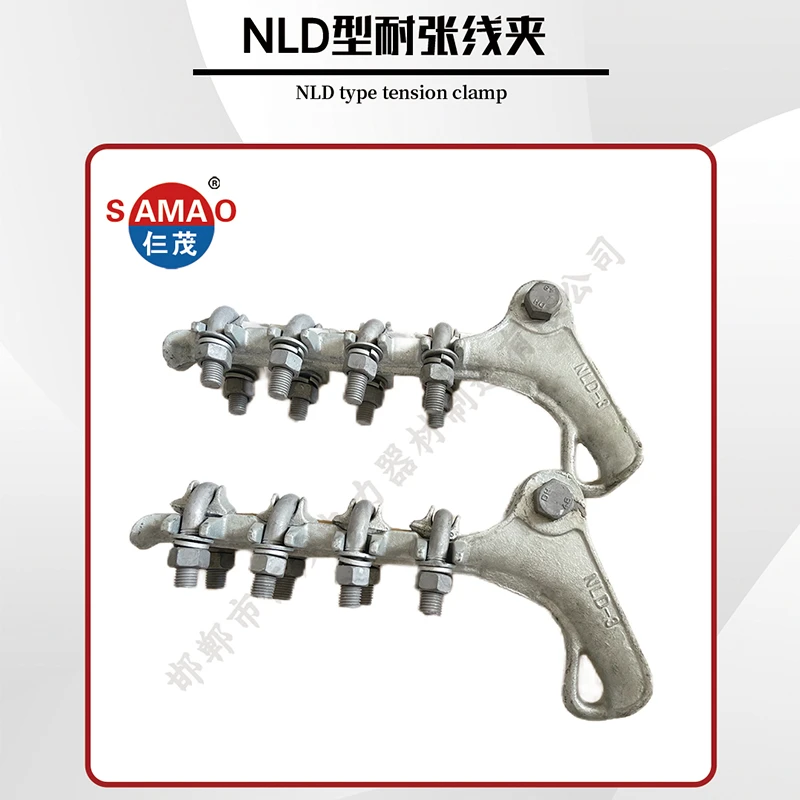
- Dead-End Suspension Clamps: Designed for terminating conductors and anchoring them securely to support structures.
- Spiral Suspension Clamps: Offer excellent vibration damping properties, ideal for areas prone to wind or seismic activity.
- Polyester Suspension Clamps: Lightweight and corrosion-resistant, suitable for various overhead conductor applications.
Selecting the appropriate clamp depends on factors such as conductor material (aluminum, copper, etc.), conductor size, and environmental conditions.
Key Considerations When Selecting a Clamp:
• Conductor Material & Size
• Environmental Conditions (Temperature, Humidity, Wind)
• Load Requirements (Weight, Tension)
• Support Structure Type
Using Suspension Clamps: A Comparative Analysis
Different materials offer varying levels of performance and durability. Here’s a comparison of common materials used in suspension clamp manufacturing:
Proper Installation Techniques for Suspension Clamps
Correct installation is as important as choosing the right clamp. Follow these guidelines:
- Ensure Compatibility: Verify the clamp is compatible with the conductor and support structure.
- Proper Torque: Tighten bolts and nuts to the manufacturer’s specified torque values.
- Inspect Components: Check for any damage to the clamp or support structure before installation.
- Galvanic Isolation: Use appropriate measures to prevent galvanic corrosion when combining dissimilar metals.
- Regular Inspection: Schedule regular inspections to ensure clamps remain secure and in good condition.
Samaoep provides detailed installation guides and technical support to ensure optimal performance.

Standards and Certifications
Suspension clamps should comply with relevant industry standards, such as IEC 60889 and ASTM standards. These standards ensure the clamps meet specific performance criteria for strength, durability, and safety. Always verify that the clamps you purchase are certified and tested to meet the required standards. Samaoep ensures all its products meet or exceed international quality and safety standards.
Conclusion: Investing in Quality Suspension Clamps
Selecting and installing the correct suspension clamps is critical for the safe and reliable operation of any overhead power or communication system. By understanding the different types of clamps, proper installation techniques, and relevant standards, you can ensure a long-lasting and efficient infrastructure. Samaoep is committed to providing high-quality suspension clamps and expert support to meet your specific needs.
Frequently Asked Questions (FAQs)
What is the recommended inspection frequency for suspension clamps?
It’s recommended to inspect suspension clamps at least annually, and more frequently in harsh environments (coastal areas, industrial zones). Inspections should include visual checks for corrosion, damage, loose bolts, and conductor wear. Any damaged or deteriorated clamps should be replaced immediately. Detailed records of inspections should be maintained for compliance and future reference. A proactive inspection routine can prevent unexpected failures and ensure the continued safety of the infrastructure.
What are the common causes of suspension clamp failure?
Common causes of suspension clamp failure include corrosion, improper installation (over or under-torqueing), vibration fatigue, and material defects. Environmental factors like salt spray and pollution can accelerate corrosion. Vibration, especially in windy areas, can loosen bolts and weaken the clamp structure. Using low-quality materials or failing to follow manufacturer’s specifications can also contribute to failures. Regular inspection and maintenance can mitigate these risks.
Can suspension clamps be reused after being removed?
Generally, it is not recommended to reuse suspension clamps. Even if they appear undamaged, the clamping force may be compromised after removal. Furthermore, corrosion can occur under the clamp, which may not be visible. Using new clamps ensures a reliable and secure connection, reducing the risk of failure. Samaoep recommends replacing clamps whenever they are removed from service.
How do I choose the right torque for tightening suspension clamp bolts?
Always refer to the manufacturer’s specifications for the correct torque value for tightening suspension clamp bolts. Using a calibrated torque wrench is crucial to ensure accurate tightening. Over-torqueing can damage the clamp or the support structure, while under-torqueing can lead to loose connections and potential failures. Proper torqueing is essential for maintaining the clamping force and ensuring a secure connection.
-
Laundry Efficiency Guide with pengapit ampaian dengan cangkuk iNewsApr.16,2026
-
Optimizing Power Infrastructure with the pengapit ampaian tnbNewsApr.09,2026
-
Comprehensive Guide to Selecting the Right pengapit penggantungan untuk kabel lt ab SolutionsNewsApr.07,2026
-
Comprehensive Guide to Pengapit Talian Penghantaran for Secure Package DeliveryNewsApr.04,2026
-
Comprehensive Guide to Pemasangan Pengapit Penggantungan for Overhead Cabling SystemsNewsMar.31,2026
-
Comprehensive Guide to Pengapit Ampaian yang Telah Dibentuk for Construction SafetyNewsMar.28,2026
-
Comprehensive Guide to Pengapit Ampaian Besi for Scaffolding SafetyNewsMar.26,2026