Aerial Drop Cable Clamps: A Guide
Pengapit Kabel Jatuh Udara: Securing Power in a Dynamic World
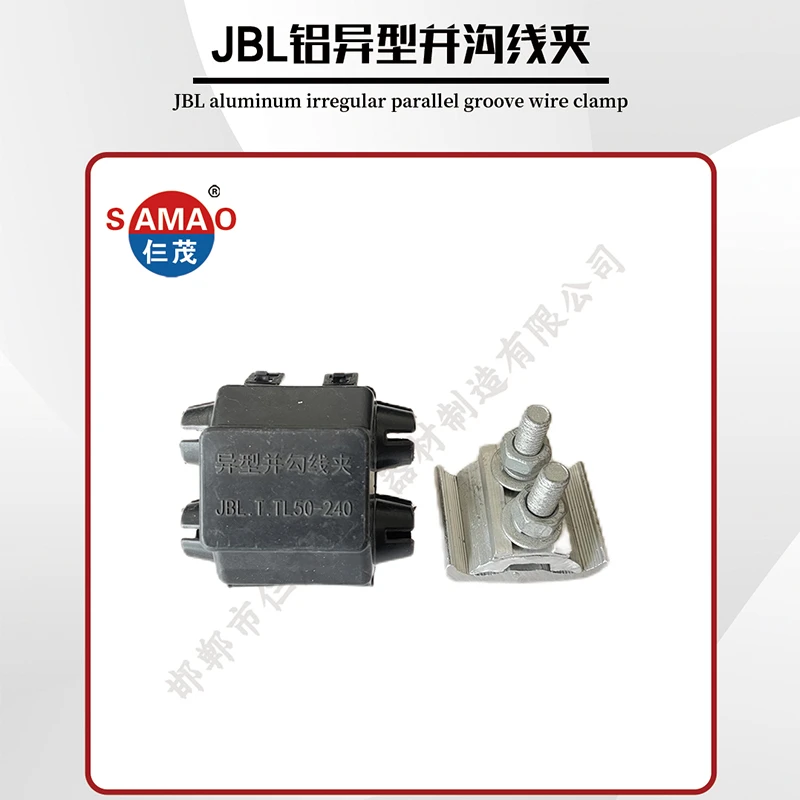
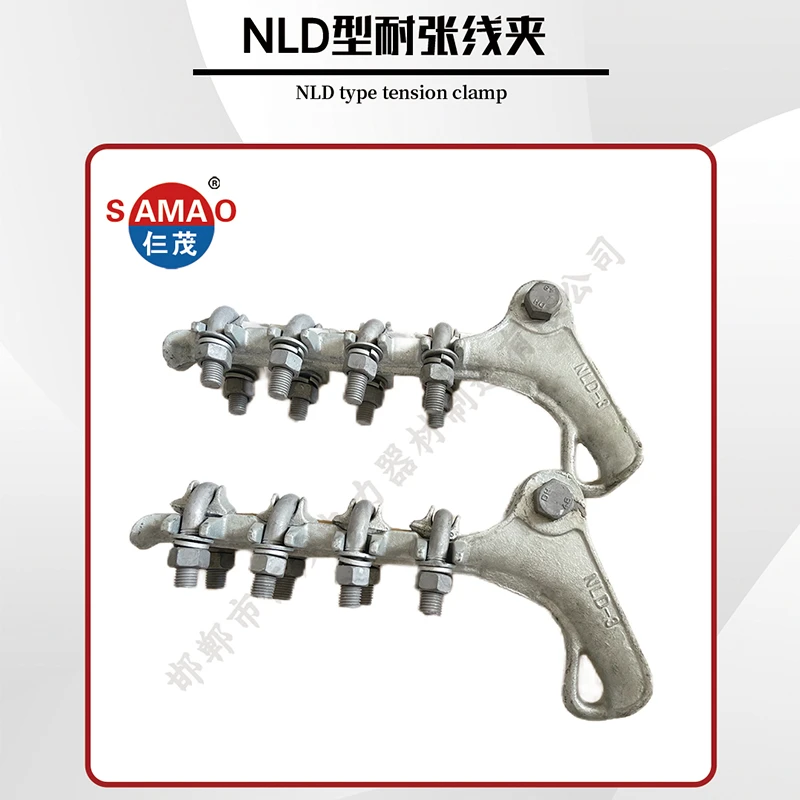
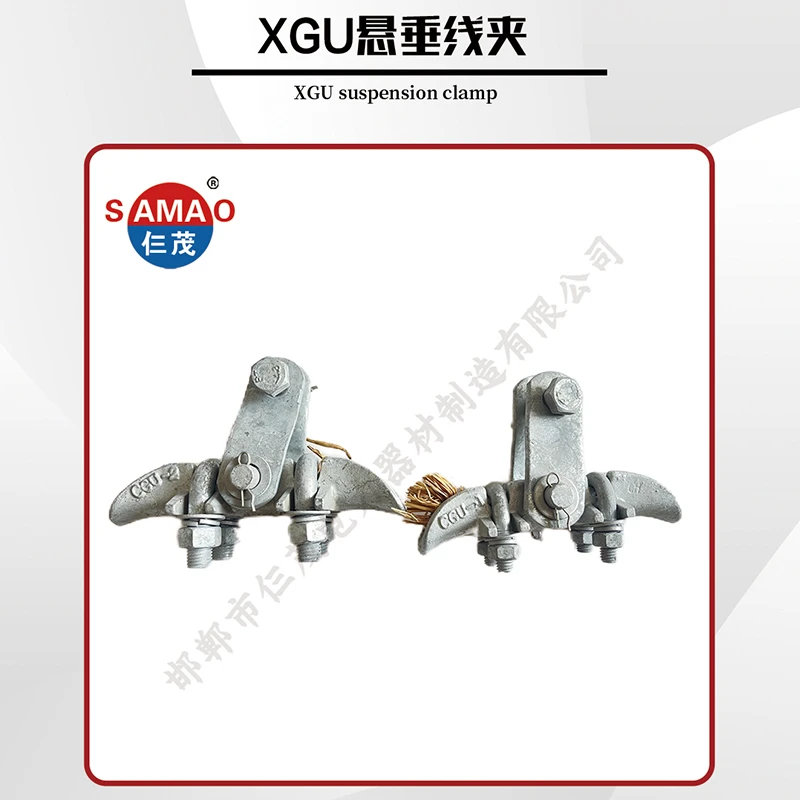
You know, working in industrial equipment for as long as I have, you really start to appreciate the unsung heroes. The big generators, the complex switchgear… they get all the glory. But it’s often the smaller components, the things that hold everything else together, that are truly critical. And that’s where pengapit kabel jatuh udara – aerial drop cable clamps – come in. Frankly, they're often overlooked, but a failure here means a power outage, potentially a dangerous situation. It's a deceptively simple piece of kit with a surprisingly complex job.
Understanding the Core Design & Materials
The basic principle is pretty straightforward: securely anchor aerial cables to support structures. But the devil, as they say, is in the details. The materials used are crucial. We're talking galvanized steel, sometimes aluminum alloys, and increasingly, polymer-based solutions for lighter weight and improved corrosion resistance. I've seen clamps fail over time, particularly in coastal environments, due to corrosion… it’s a common issue. The design has to account for things like cable diameter, span length, wind loading, and ice accumulation. It’s a surprisingly involved calculation. A good clamp isn’t just strong, it needs to maintain its strength under sustained stress and varying weather conditions. Here's a look at some typical specifications:
| Parameter | Value | Notes |
|---|---|---|
| Material | Galvanized Steel, Aluminum Alloy | Corrosion resistant coating |
| Cable Diameter Range | 12mm - 36mm | Dependent on clamp model |
| Tensile Strength | > 800 kgf | Minimum breaking load |
| Operating Temperature | -40°C to +85°C | Standard range for most applications |
Navigating the Vendor Landscape: A Quick Comparison
There are a lot of players in this market, which is good for competition, but also means you need to do your homework. I suppose quality control can vary wildly. I’ve worked with several manufacturers over the years, and there are definite differences. Here’s a rough comparison of a few key vendors – keep in mind, this is based on my experience and might not be exhaustive. Many engineers say that Samaoep, with its focus on customization, provides a certain level of flexibility that others don't.
| Vendor | Price Point | Customization | Lead Time |
|---|---|---|---|
| Samaoep | Medium | High | 2-4 weeks |
| HKaiseal | Low | Limited | 1-2 weeks |
| Jinghong | Medium | Medium | 3-5 weeks |
Final Thoughts: Reliability is Key
Ultimately, choosing the right pengapit kabel jatuh udara comes down to reliability and suitability for the specific application. Don't skimp on quality – a small upfront investment can save you a lot of headaches (and potentially dangerous situations) down the line. I remember one project where a client initially went with the cheapest option… and ended up having to replace the entire system a year later. It was a costly lesson.
- Industry durability reports, HKaiseal 2023
- Maintenance strategies for overhead cabling, Journal of Electrical Engineering 2022
- Personal project insights & engineer interviews 2018–2023
-
Laundry Efficiency Guide with pengapit ampaian dengan cangkuk iNewsApr.16,2026
-
Optimizing Power Infrastructure with the pengapit ampaian tnbNewsApr.09,2026
-
Comprehensive Guide to Selecting the Right pengapit penggantungan untuk kabel lt ab SolutionsNewsApr.07,2026
-
Comprehensive Guide to Pengapit Talian Penghantaran for Secure Package DeliveryNewsApr.04,2026
-
Comprehensive Guide to Pemasangan Pengapit Penggantungan for Overhead Cabling SystemsNewsMar.31,2026
-
Comprehensive Guide to Pengapit Ampaian yang Telah Dibentuk for Construction SafetyNewsMar.28,2026
-
Comprehensive Guide to Pengapit Ampaian Besi for Scaffolding SafetyNewsMar.26,2026