Wire Cable Stop Clamp: Secure Grip, Easy Install—Why Us?
The Practical Guide to Tension/Strain (Dead-End) Clamps: Choosing a Reliable Wire Cable Stop Clamp
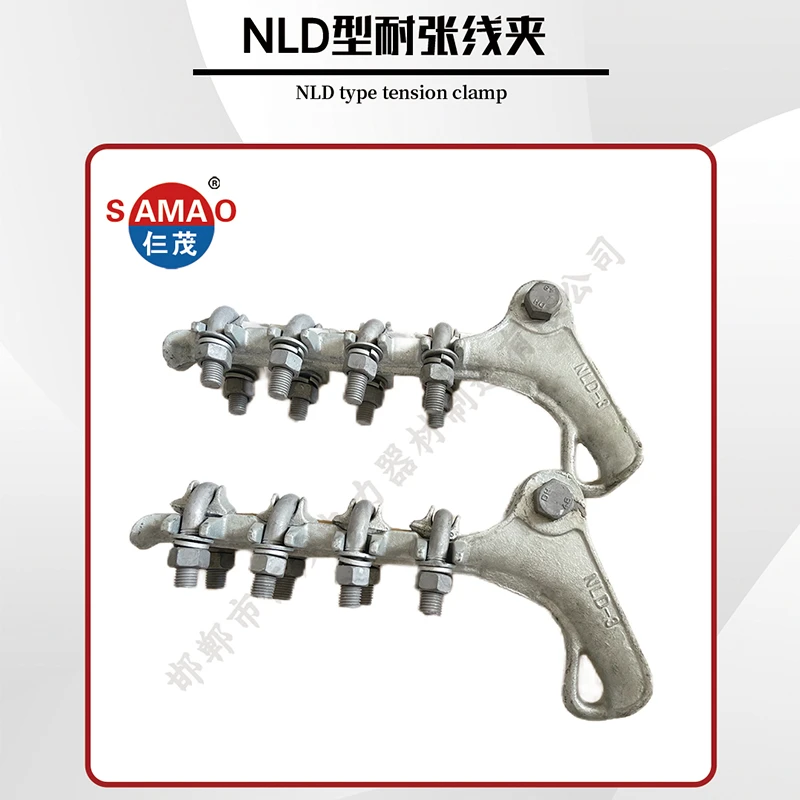
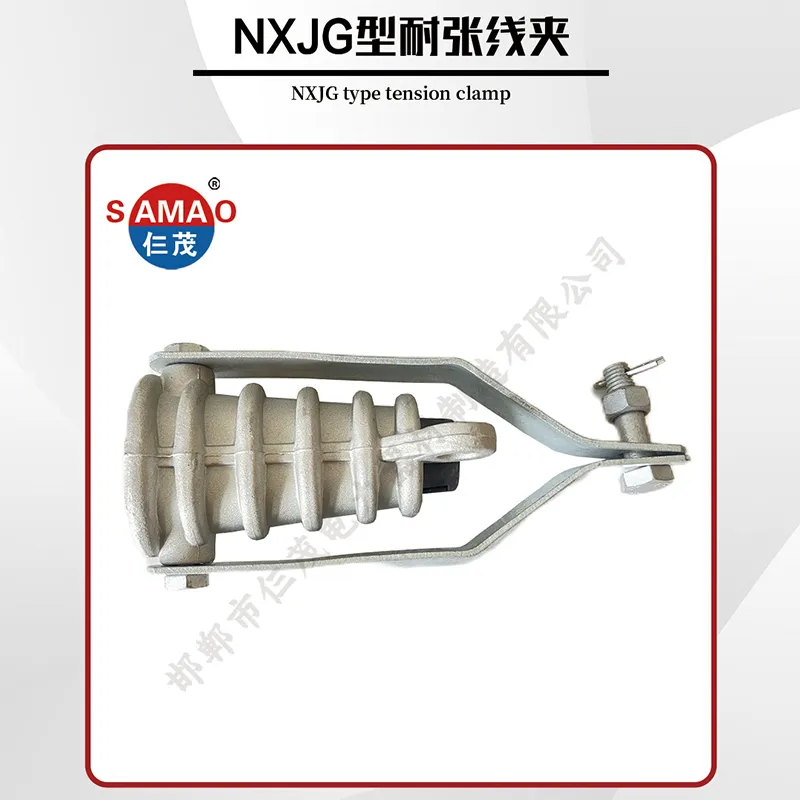
If you work on overhead lines, substations, or fiber aerial builds, you’ve probably argued about fittings on a windy job site. The unsung hero? The humble wire cable stop clamp—also called a Tension Clamp, Strain Clamp, or Dead-End Clamp. It’s the bit of metal that quietly holds your conductor where it belongs and takes the load day in, day out.
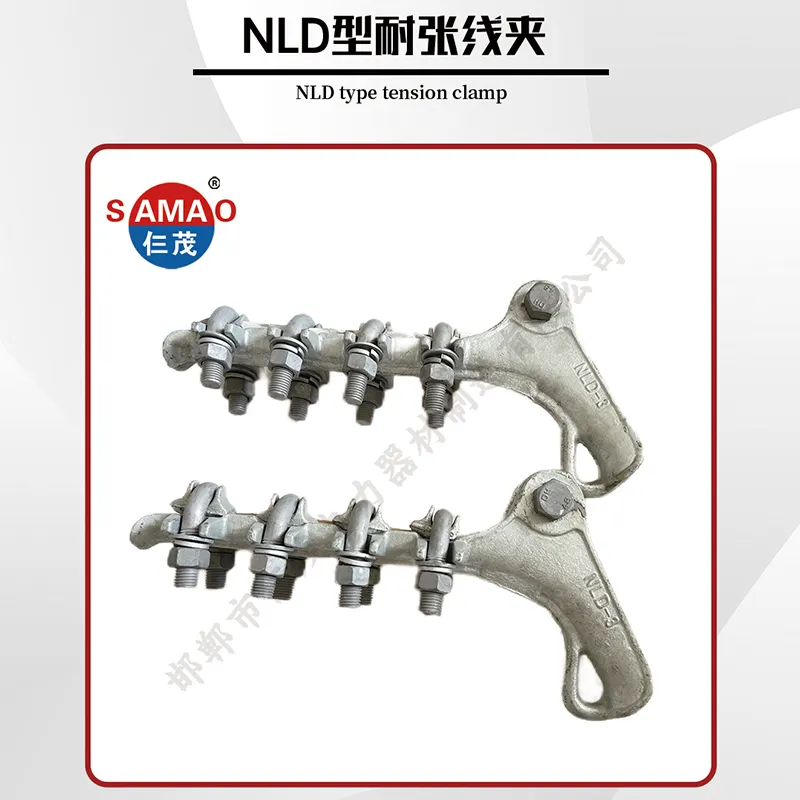
What’s new on the line: trends you can’t ignore
Utilities are hardening grids, and renewable tie-ins mean higher mechanical loads. ADSS/OPGW builds continue, and corrosion resistance isn’t a “nice to have” anymore—it’s table stakes. I’m seeing more forged bodies, thicker hot-dip galvanizing, and better slip performance claims. Honestly, some are marketing; some are real. Testing tells the truth.
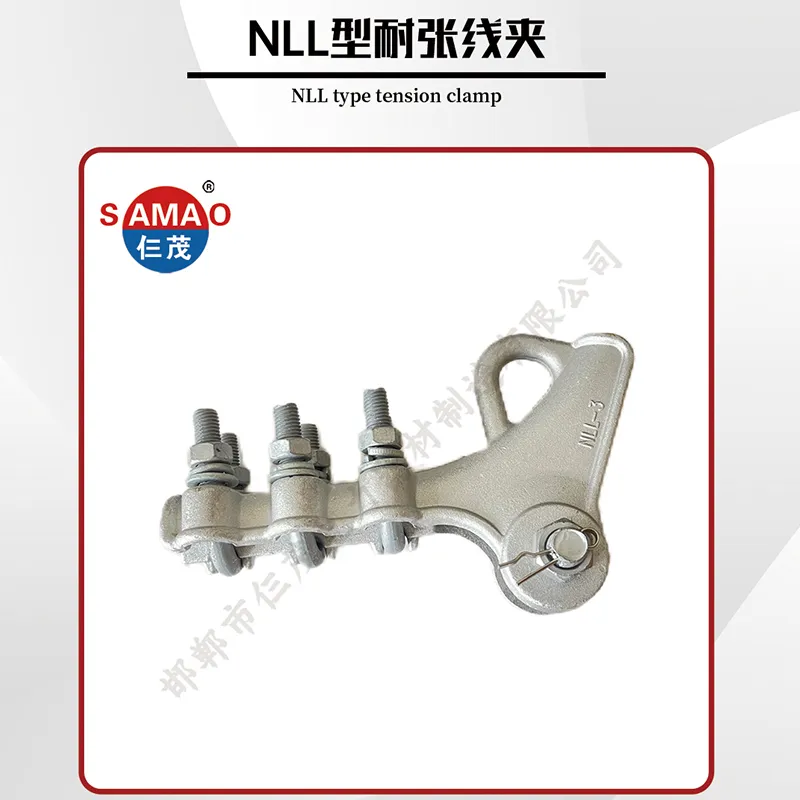
Typical specs (real-world values may vary)
| Parameter | Typical Range / Note |
|---|---|
| Conductor OD | 8–34 mm (ACSR/AAAC/ACCC, ADSS/OPGW options) |
| Rated tensile load | 30–160 kN ≈ model dependent |
| Slip strength | ≥ 90–95% of conductor RBS (IEC 61284) |
| Body material | High-strength Al alloy or ductile iron; forged steel fittings |
| Finish | Hot-dip galvanized per ISO 1461; optional anodized Al |
| Corona control | Optional corona rings for ≥110 kV |
| Temperature range | -40°C to +120°C (≈ conductor type dependent) |
| Service life | 25–40 years in utility environments |
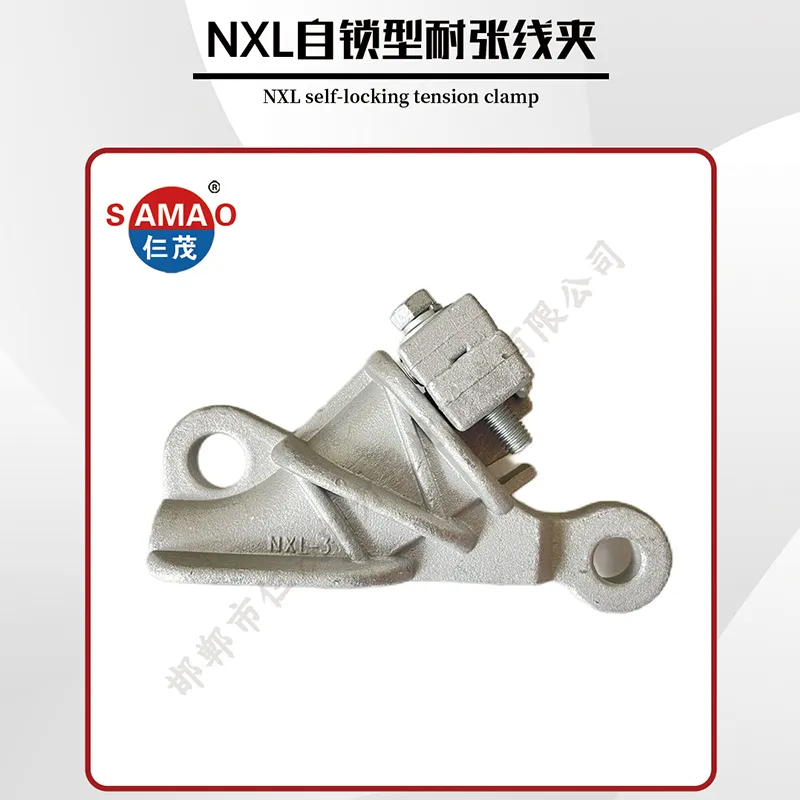
Process flow, testing, and the boring stuff that saves outages
- Materials: forged steel yokes, Al alloy/ductile iron bodies, high-grade bolts; neoprene/epoxy wedges for fiber.
- Methods: precision forging, CNC finishing, shot blasting, hot-dip galvanizing (≥85 μm typical), torque-controlled assembly.
- Testing: mechanical proof and slip (IEC 61284), vibration endurance (IEEE 1138), salt spray (ASTM B117, 500–1,000 h), zinc thickness (ISO 1461).
- Documentation: ISO 9001 quality system; type test reports; lot traceability.
Applications include transmission/distribution dead-ends, river crossings, substation terminations, OPGW/ADSS, and even guy wire anchors. Many crews tell me a good wire cable stop clamp is the difference between a clean pull and a re-work at dusk.
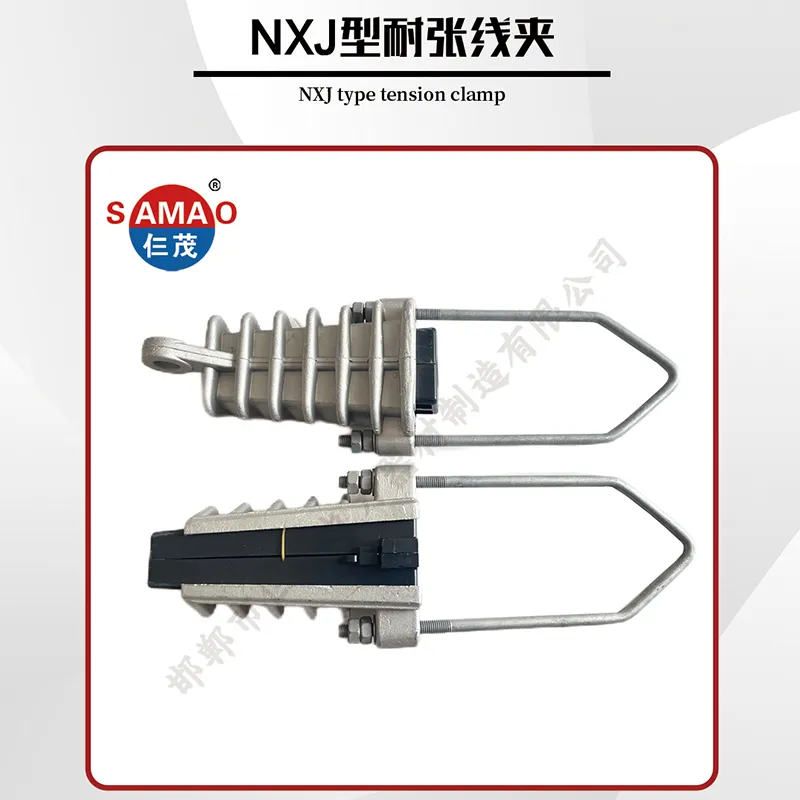
Vendor snapshot (quick compare)
| Vendor | Coverage | Lead time | Cert/QA | Customization | Indicative price |
|---|---|---|---|---|---|
| Samao (Origin: Standard Parts Entrepreneurship Park, Dongmingyangyang Village, Linmingguan Town, Yongnian District, Handan, Hebei) | 8–34 mm; ACSR/AAAC/OPGW/ADSS | 10–20 days ≈ | ISO 9001; IEC 61284 type tests | Forging/casting, coatings, hardware kits | US$12–45/set around |
| Vendor A | Selective sizes | 4–6 weeks | ISO 9001 | Limited options | US$18–60/set ≈ |
| Vendor B | OPGW/ADSS focus | 2–4 weeks | ISO 9001; IEEE reports | Good for fiber kits | US$20–55/set ≈ |
Case note: coastal 110 kV rebuild
A utility on the East coast switched to forged-body Samao dead-ends for a 28 km ACSR span. Slip strength averaged 96% RBS (n=10 samples); salt spray at 720 h showed no red rust on critical surfaces, only minor white zinc oxidation. Crews liked the bolt access—small thing, big deal on a man-basket. Two years in, zero clamp-related callouts. To be honest, that surprised me a little—in a good way.
Customization tips
- Match clamp groove and wedge to conductor stranding; ask for verified OD range.
- Request ISO 1461 zinc thickness data; coastal sites benefit from higher μm.
- For ≥220 kV, spec corona hardware. For ADSS, use polymer-lined wedges.
- Get a slip certificate. A wire cable stop clamp without data is just a promise.
Citations
- IEC 61284: Overhead lines – Requirements and tests for fittings.
- IEEE Std 1138: Guide for Testing and Installation of Fittings for Overhead Lines.
- ISO 1461: Hot dip galvanized coatings on fabricated iron and steel articles.
- ASTM B117: Standard Practice for Operating Salt Spray (Fog) Apparatus.
-
Laundry Efficiency Guide with pengapit ampaian dengan cangkuk iNewsApr.16,2026
-
Optimizing Power Infrastructure with the pengapit ampaian tnbNewsApr.09,2026
-
Comprehensive Guide to Selecting the Right pengapit penggantungan untuk kabel lt ab SolutionsNewsApr.07,2026
-
Comprehensive Guide to Pengapit Talian Penghantaran for Secure Package DeliveryNewsApr.04,2026
-
Comprehensive Guide to Pemasangan Pengapit Penggantungan for Overhead Cabling SystemsNewsMar.31,2026
-
Comprehensive Guide to Pengapit Ampaian yang Telah Dibentuk for Construction SafetyNewsMar.28,2026
-
Comprehensive Guide to Pengapit Ampaian Besi for Scaffolding SafetyNewsMar.26,2026