Wire Cable Stop Clamp: Anti-Slip, Tool-Free Install?
Field Notes on a Workhorse: the wire cable stop clamp
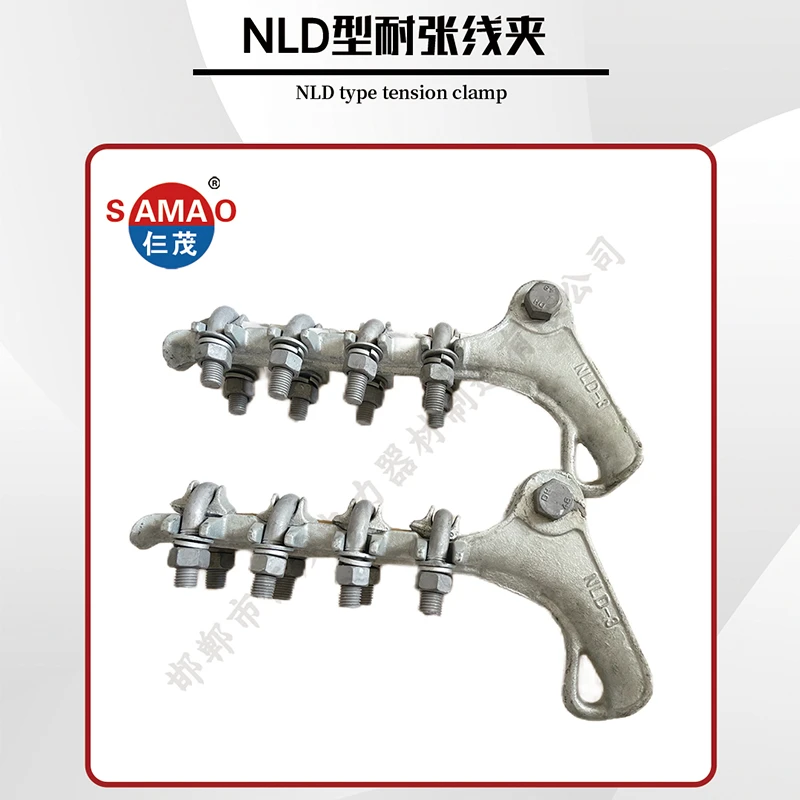
In power-line yards and wind-farm laydown areas, you hear it before you see it—impact wrenches, torque clicks, a bit of dust. Tension clamp, strain clamp, dead-end clamp… different names, same mission: transfer conductor tension safely into the structure. This unit I’ve been watching lately comes out of Standard Parts Entrepreneurship Park, Dongmingyang Village, Linmingguan Town, Yongnian District, Handan City, Hebei Province. It’s a busy address, and it shows in the hardware.
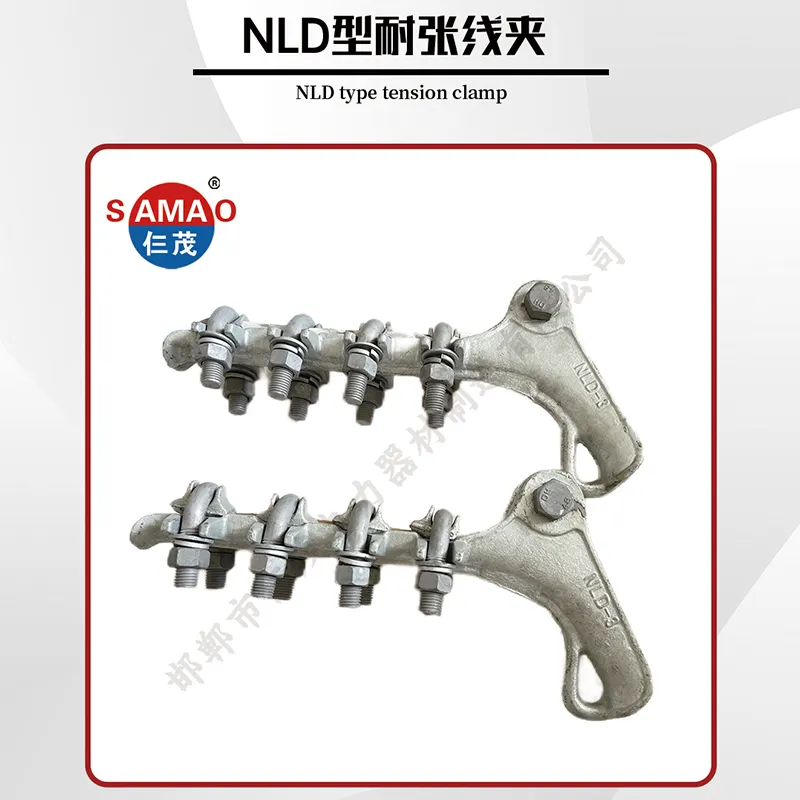
What’s changing in the market
Three currents are shaping the game: higher ampacity HTLS conductors, faster renewable interconnects, and tougher corrosion expectations. Utilities want clamps that hold ≥95% RTS without fretting the strands, survive salt fog, and install quickly with predictable torque—because crews are stretched. Many customers say the newer forged bodies paired with Al-alloy keepers hit a sweet spot of bite and longevity.
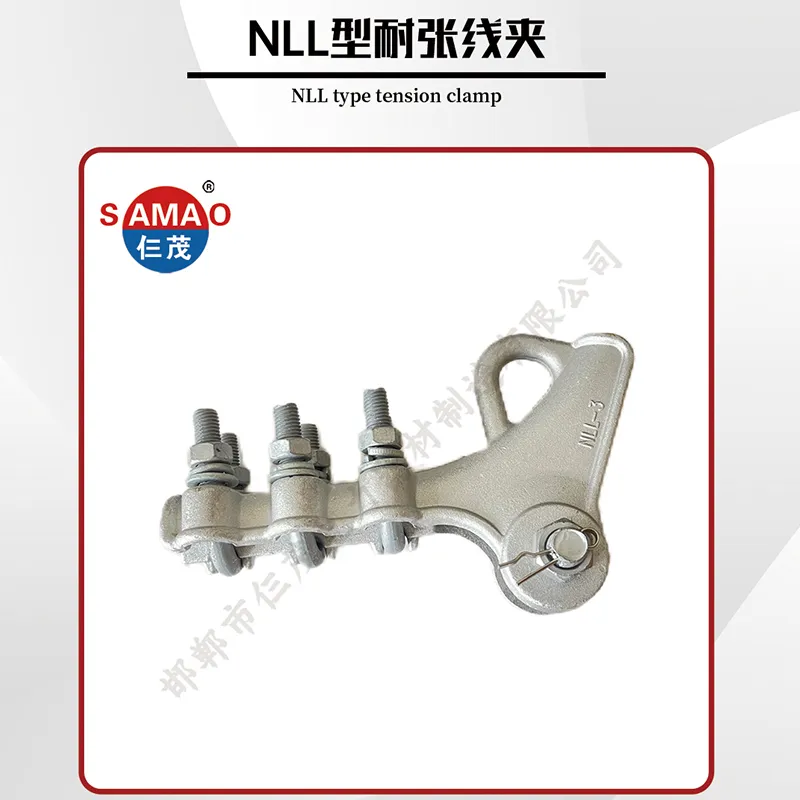
Materials and build (in plain language)
Body: forged, normalized steel with hot-dip galvanizing; keepers: high-silicon Al alloy; bolts: alloy steel, Dacromet or galvanized. The recipe is fairly standard, but the devil is in grain flow and coating thickness. To be honest, I still look for ISO 1461 certificates and a clean, even zinc finish. Real-world use may vary, but a good wire cable stop clamp should last 25–40 years with periodic visual checks.
| Spec | Typical Value (≈) | Notes |
|---|---|---|
| Conductor range | ACSR/AAAC 95–720 mm² | Custom jaws for ACCC/HTLS available |
| Slip load | ≥95% RTS | Per IEC 61284 slip test |
| Ultimate tensile | ≥70–120 kN (size dependent) | Type-tested; routine proof at 50% UTS |
| Finish | Hot-dip galvanized ≥80 μm | ISO 1461; salt spray per ASTM B117 |
| Temp window | -40 to +150 °C | HTLS variants to 210 °C |
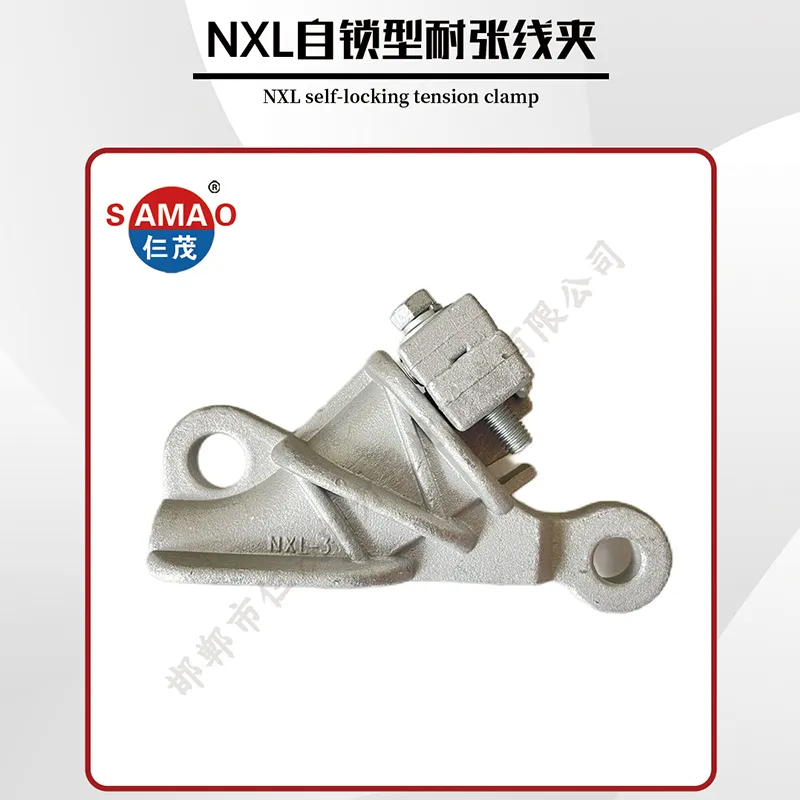
Where it’s used
- Transmission and distribution dead-ends (11–500 kV)
- Wind/solar collector systems, long pull sections
- Messenger and guy terminations (with proper hardware)
- River crossings and angle tension strings with yoke plates
Installers like the predictable torque sequence. I guess it’s the small wins—no rework after the first weather cycle, no strand bruising. A solid wire cable stop clamp should pass routine visual, dimensional, and proof-load checks before it leaves the line.
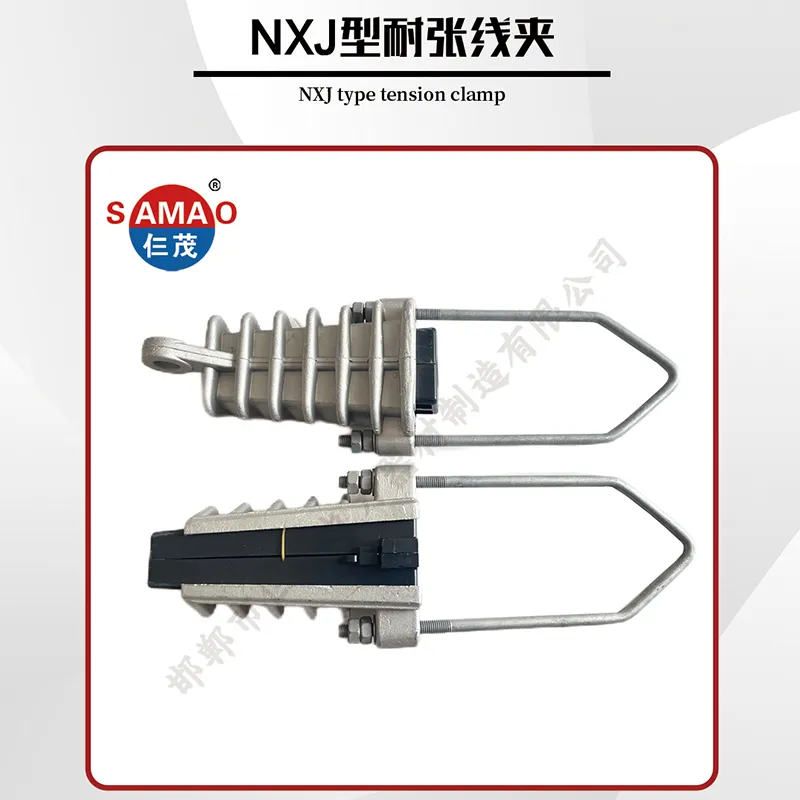
Process flow and testing
Materials → closed-die forging → machining → heat treatment → hot-dip galvanizing → assembly → torque verification → proof-load (≈50% UTS) → slip test sampling → packing. Compliance: IEC 61284 for fittings, ISO 1461 for galvanizing, and installation guided by IEEE 524. Typical lab data I’ve seen: 0 slippage at 95% RTS for 1 hr, permanent set ≤1%, and 720 h neutral salt spray without red rust on critical surfaces.
Vendor landscape (quick compare)
| Vendor | Standards | Traceability | Lead time | After-sales |
|---|---|---|---|---|
| Samao (Hebei) | IEC 61284, ISO 1461; ISO 9001 plant | Heat/lot marked; test sheets | ≈2–4 weeks | Field torque guidance, spares |
| Vendor B (Import) | Meets IEC; mixed coating docs | Batch labels only | ≈4–6 weeks | Email-only |
| Vendor C (Legacy) | IEC + utility type tests | Full serial traceability | ≈6–8 weeks | On-site training (premium) |
Customization, feedback, and a couple of quick case notes
Options include conductor-specific jaws (ACSS/ACCC), anti-corona sleeves for ≥220 kV, hardware interfaces (socket eye, ball eye, yoke plate), and pre-lubed fasteners with torque markers. One utility PM told me, “Surprisingly drama-free commissioning—no hot spots on IR after the first storm.”
- 220 kV double-circuit upgrade: 37 spans; average clamp slip test 96.8% RTS; zero re-torque at 6 months.
- Wind collector 35 kV: fast-track; crews averaged 9–12 minutes per wire cable stop clamp, including verification.
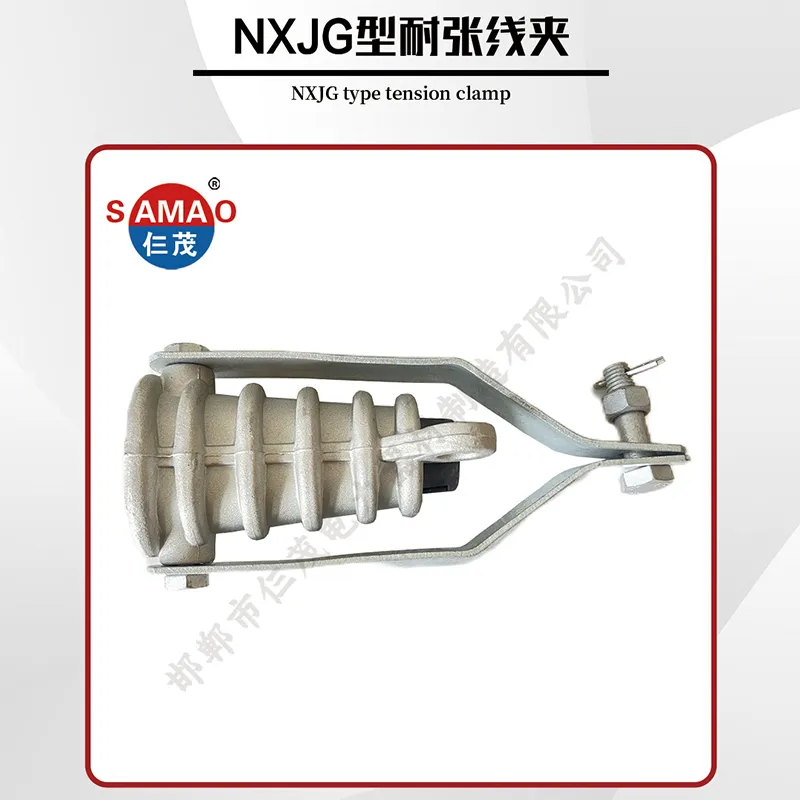
Bottom line: if the spec sheet says IEC 61284-compliant and the coating certs are in order, you’re halfway there. The rest is field craft—clean strands, correct torque, and a final glance up the string. The humble wire cable stop clamp carries a lot of grid reliability on its shoulders.
Authoritative references
- IEC 61284: Overhead lines – Requirements and tests for fittings. https://webstore.iec.ch/publication/613
- ISO 1461: Hot dip galvanized coatings on fabricated iron and steel articles. https://www.iso.org/standard/82599.html
- IEEE Std 524: Guide to the Installation of Overhead Transmission Line Conductors. https://standards.ieee.org/standard/524
- ASTM B117: Standard Practice for Operating Salt Spray (Fog) Apparatus. https://www.astm.org/b0117-19.html
-
Laundry Efficiency Guide with pengapit ampaian dengan cangkuk iNewsApr.16,2026
-
Optimizing Power Infrastructure with the pengapit ampaian tnbNewsApr.09,2026
-
Comprehensive Guide to Selecting the Right pengapit penggantungan untuk kabel lt ab SolutionsNewsApr.07,2026
-
Comprehensive Guide to Pengapit Talian Penghantaran for Secure Package DeliveryNewsApr.04,2026
-
Comprehensive Guide to Pemasangan Pengapit Penggantungan for Overhead Cabling SystemsNewsMar.31,2026
-
Comprehensive Guide to Pengapit Ampaian yang Telah Dibentuk for Construction SafetyNewsMar.28,2026
-
Comprehensive Guide to Pengapit Ampaian Besi for Scaffolding SafetyNewsMar.26,2026